India’s Digital Infrastructure Expansion Tests Resource Sustainability
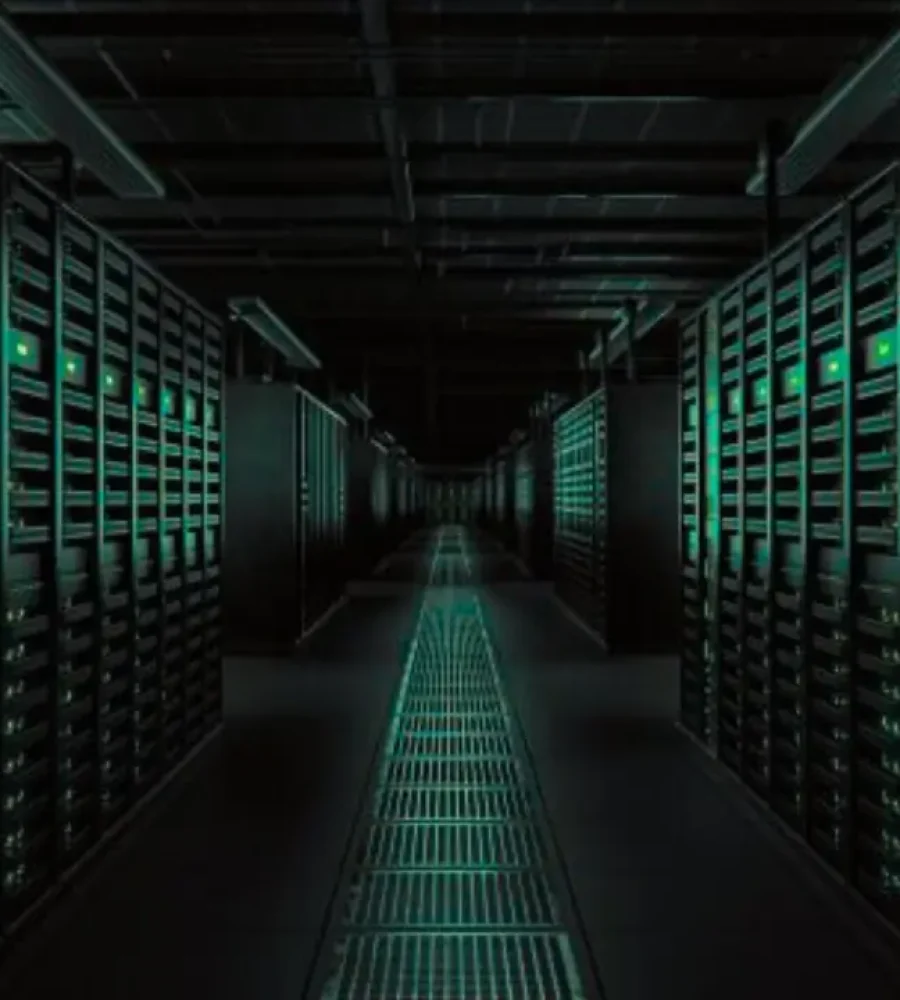
India’s rapid expansion of artificial intelligence and cloud computing infrastructure has accelerated investment in large-scale data center capacity, positioning the country as a critical global digital market. However, the pace and concentration of this buildout have brought resource sustainability, particularly water availability, into sharper focus.
Major global technology firms and domestic conglomerates have committed billions of dollars to India’s data center market. Recent announcements include Google’s $15 billion investment in an AI-focused data center in Andhra Pradesh, alongside continued expansion by Amazon Web Services, Meta, and Reliance Industries. These investments reflect rising demand for compute capacity driven by data localization rules, expanding mobile usage, and AI adoption.
According to global real estate advisory JLL, India’s installed data center capacity is projected to rise 77% by 2027, reaching 1.8 gigawatts. Industry estimates suggest $25 billion to $30 billion could be invested in new capacity by 2030. India currently generates about 20% of global data while hosting roughly 3% of global data center capacity, underscoring the scale of the planned expansion.
India Data Center Water Challenge Emerges as Structural Constraint
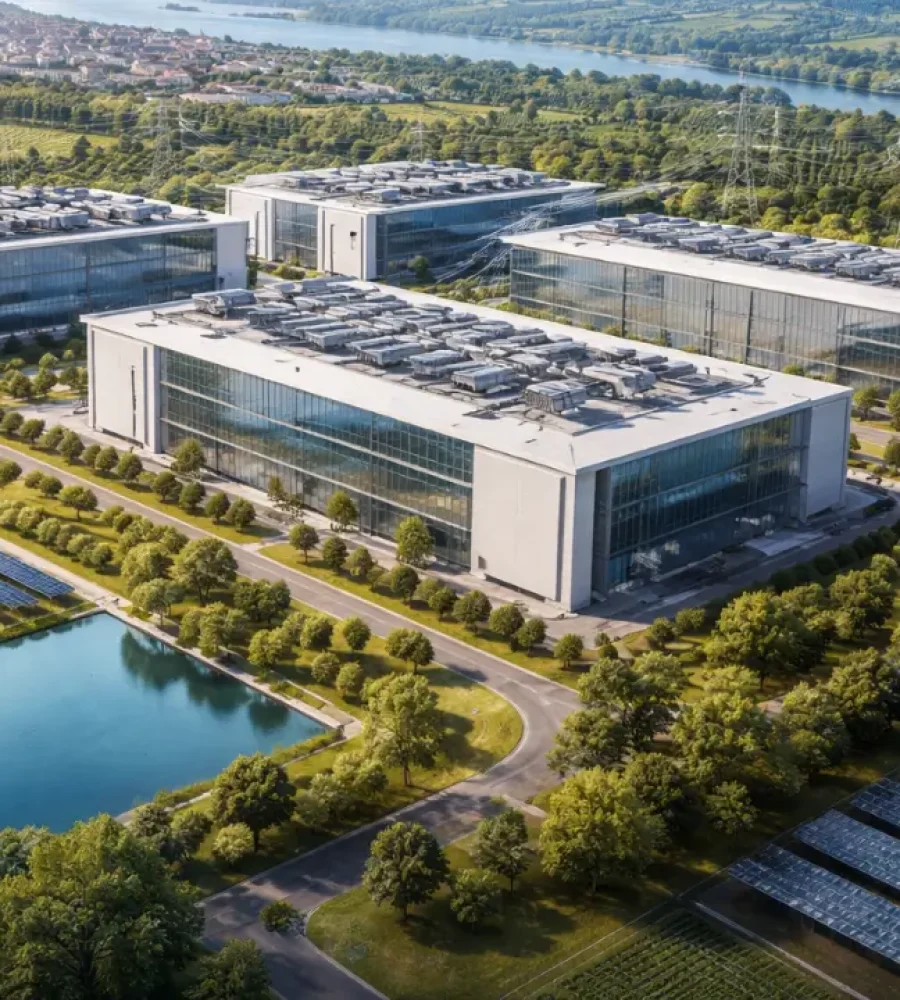
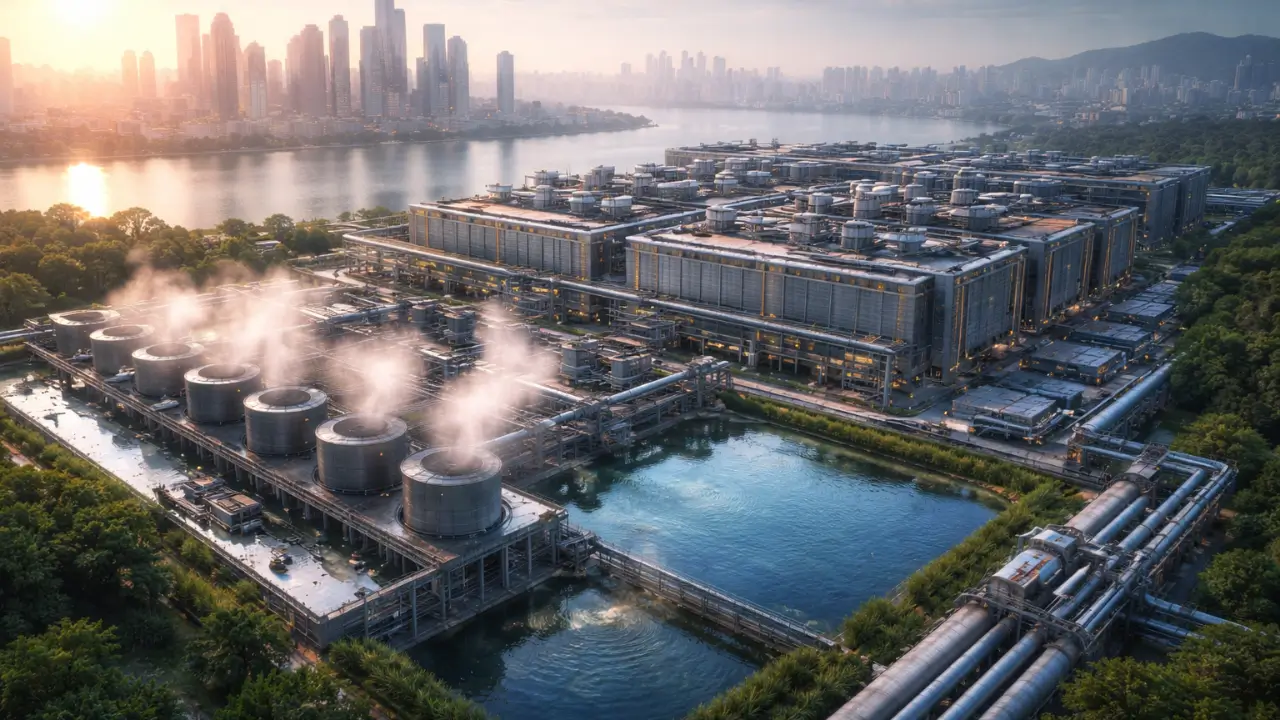
While the economic case for expansion remains strong, analysts increasingly flag water consumption as a structural risk. Data centers rely heavily on water-intensive cooling systems, placing pressure on already stressed urban and regional water supplies.
According to the World Bank, India supports 18% of the global population but has access to only 4% of global freshwater resources. Industry projections estimate that data center water consumption in India will rise from about 150 billion liters in 2025 to 358 billion liters by 2030. Most facilities remain concentrated in cities such as Mumbai, Hyderabad, Chennai, and Bengaluru, where residential, industrial, and agricultural demand already compete for limited supply.
Concerns over water diversion have begun to surface locally. Advocacy groups, including the Human Rights Forum, have raised objections to proposed infrastructure developments in Andhra Pradesh, warning that Visakhapatnam already faces acute water stress.
In response to questions about water use, Google referred to documentation stating that it applies a “peer-reviewed context-based water-risk framework” to assess watershed conditions when evaluating new sites.
Policy Gaps and Rising Exposure Risks
Experts say water use remains insufficiently addressed in India’s existing regulatory frameworks. While national and state policies cover zoning, energy use, and data protection, water governance lacks equivalent emphasis.
“Water use does not figure prominently in any of these policy groups, and is a significant blind spot that places high risk on the long-term functioning of these centres,” Sahana Goswami of WRI India told the BBC.
An S&P Global study forecasts that 60% to 80% of India’s data centers could face high water stress within this decade due to resource constraints. Analysts warn that prolonged shortages could disrupt essential services reliant on cloud infrastructure.
“Imagine shutdowns of data centres in peak summer due to lack of water for cooling – how might this impact banking services, medical systems in hospitals using cloud services, transit system operations and more,” Ms Goswami said.
Technology and Siting Strategies Under Review
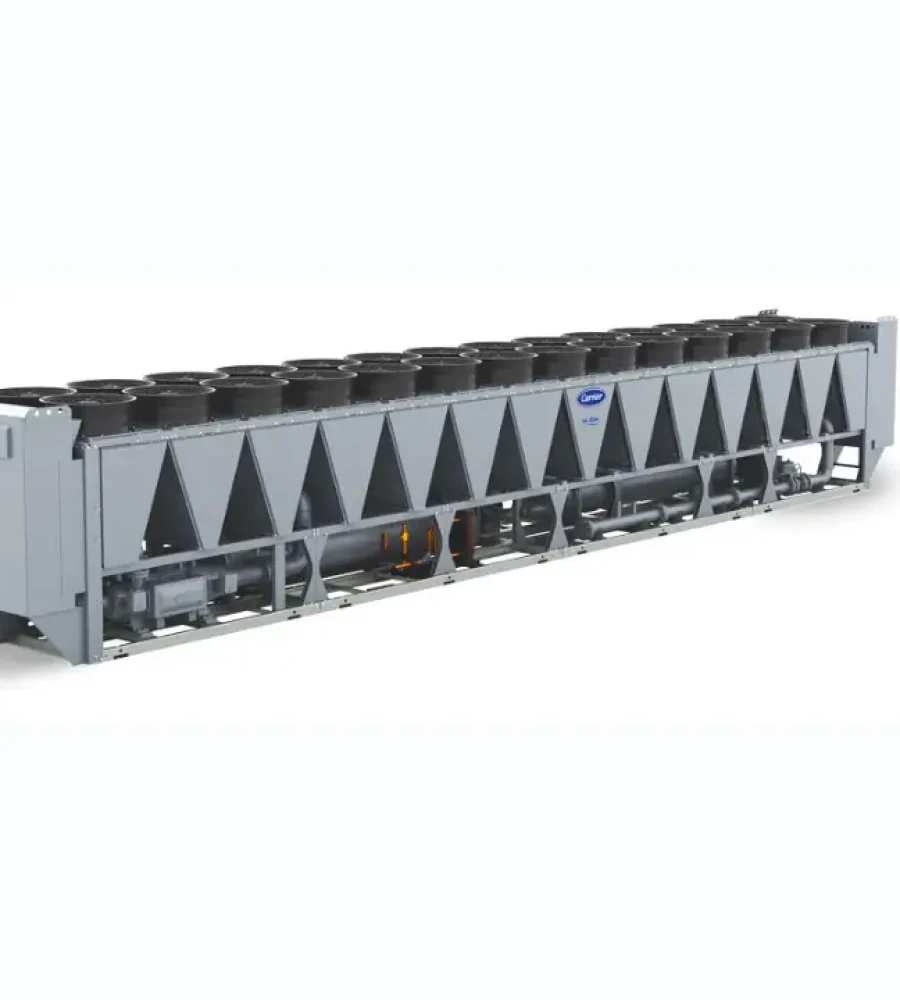
Industry specialists point to emerging mitigation strategies, including the use of treated wastewater, alternative cooling systems, and improved site selection. Several facilities in Navi Mumbai already use treated municipal water, reflecting approaches adopted by power and textile industries in other regions.
“India itself has examples of such innovation in the data centre space in Navi Mumbai. Further, various power and textile industries are much ahead in partnering with municipal authorities and water utilities,” Ms Goswami said.
Praveen Ramamurthy, a water recycling expert at the Indian Institute of Science in Bengaluru, emphasized the need for stricter standards. “Non-potable or treated water must be made mandatory for cooling needs,” he told the BBC, adding that India should prioritize “low-stress water basins for new projects.” He also cited global advances in zero-water cooling technologies that remain unevenly deployed across Indian facilities.
Energy Demand Adds Parallel Pressure
Beyond water, rising electricity demand presents another constraint. The International Energy Agency estimates that data centers currently account for 0.5% to 1% of India’s power demand, a share expected to double to 1% to 2% in coming years.
“This could mean increased use of fossil fuel-based energy, because right now there is no regulation that forces data centres to use renewable energy,” said Vibhuti Garg, director for South Asia at the Institute for Energy Economics and Financial Analysis.
While several operators have signed renewable power contracts, Garg said formal mandates could strengthen sustainability outcomes. “Just like we exploited the IT services boom through the 90s and 2000s, this is another opportunity that we can use to our advantage,” she said. “In the end, we need to ensure that one good is not sacrificed for another.”
As India advances its digital infrastructure ambitions, the India data center water challenge is increasingly shaping policy debates around long-term resilience, resource allocation, and sustainable growth.