
A recent announcement from Khazna Data Centers underscored a trend that is quietly reshaping how the world’s biggest data centers are run. The global hyperscale operator headquartered in Abu Dhabi, has launched Khazna NexOps, an in-house operations organization designed explicitly for hyperscale and AI workloads. The initiative has scaled to more than 230 operational specialists covering over 30 facilities in under a year, signaling a deeper shift in how the infrastructure layer of the digital economy is managed.
This development is interesting because most data center operators have historically relied on outsourced or vendor-driven models to manage critical infrastructure functions. Such arrangements made sense when uptime mattered but workloads were general purpose. In contrast, today’s AI clusters run 24/7 with performance profiles that tolerate little disruption. In this environment, “operations” cannot be an afterthought or a back-office cost center. Khazna’s move highlights that the future of data centers may lie in operations as strategic capability rather than administrative overhead.
The Growing Stakes of Operations
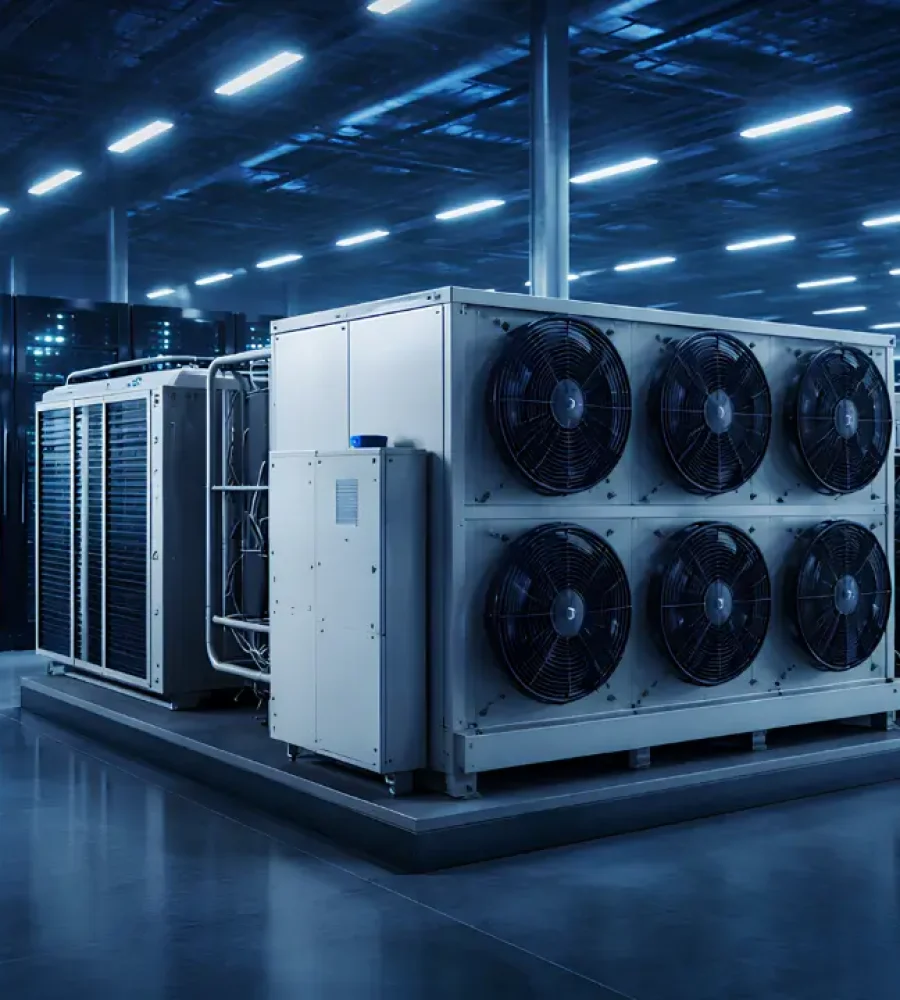
At its core, operating a data center has always been about reliability. Power distribution, cooling systems, physical security, and network resilience are all components of keeping servers running. But the nature of the workloads those servers support has changed profoundly in recent years. AI training and inference clusters load machines extremely hard, demanding high power density, intensive cooling, and extremely low tolerance for service degradation. These systems are different from traditional enterprise or web hosting environments. They run constant, maximal loads. Any delay or failure ripples through business operations, user experiences, and revenue streams in ways that weren’t always true before.
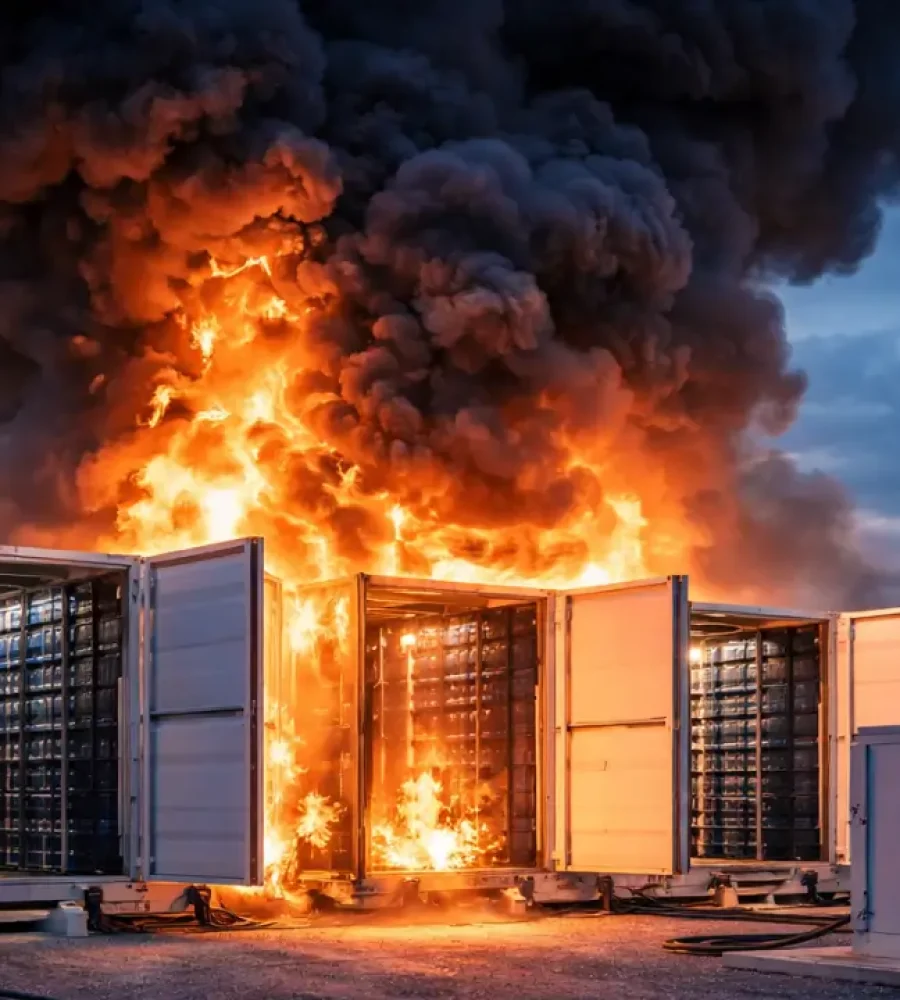
Hyperscale AI clusters operate at the edge of physics and economics. Electrical and cooling systems are at capacity limits, and operators must sequence work orders, monitor environmental conditions, and react rapidly to anomalies. In that context, a fragmented operations model run by a patchwork of contractors becomes a competitive disadvantage. The cost of downtime is too high. Latency and performance variability can materially impact service quality. Khazna’s decision to insource operations reflects an understanding that operations expertise itself is a strategic asset.
From Outsourced Tasks to Unified Operational Intelligence
At the heart of Khazna NexOps lies a philosophy that operations should be predictable, auditable, and standardized. The company reports having developed more than 5,000 operational documents outlining repeatable practices and competency frameworks tied to training, certification, and task allocation.
This approach resembles the methodology used in modern industrial operations. Aviation, pharmaceuticals, and semiconductor manufacturing all rely on standardized work protocols, layered governance, and trained specialists to reduce variance and risk. Applying similar rigor to data center operations suggests that hyperscale infrastructure is evolving from a set of mechanical systems into enterprise-grade engineering environments, where precise execution translates directly into business value.
One dimension of this shift is the integration of advanced automation and data analytics. Khazna’s partnerships with firms like Presight to deploy AI-driven command and control platforms embed machine intelligence into the core of facility management. These systems monitor energy usage, cooling performance, hardware health, and security in real time, anticipating issues before they emerge and optimizing responses across distributed sites.
This is a practical inversion of a familiar narrative: AI isn’t just a workload that runs in the data center, it’s now part of how the data center runs itself. Using predictive analytics and closed-loop control systems for operations is a departure from reactive incident response. Instead, it treats operations as an adaptive system, capable of responding to changing conditions with minimal human latency.
Operational Consistency as Competitive Advantage
The most compelling element of Khazna’s strategy is how it reframes operational consistency itself as a differentiator. When customers, whether cloud providers, enterprises, or sovereign digital platforms, select an infrastructure partner, they do not simply purchase metal and power. They commit to a service level. In AI and hyperscale environments, that service level extends beyond predictable uptime to include performance stability, fault response times, energy efficiency, and risk control.
Khazna’s reported improvements, reductions in safety incidents, improvements in energy efficiency, and tighter compliance with training and certification outcomes, suggest that this approach yields measurable returns.
In markets where performance and reliability are table stakes, operators that can combine physical infrastructure with disciplined operational practices gain an edge. Customers with mission-critical workloads are less tolerant of surprises and demand robust, predictable service models. Navigating complex supply chains, managing volatile weather impacts, and handling high rack densities requires expertise that cannot be fully codified in static vendor contracts.
Operational Autonomy (But) with Risks
That said, centralizing operations and building large, homogeneous operational teams is not without risks. A unified model makes it crucial to ensure that governance frameworks, escalations, and oversight mechanisms work at scale. Centralization can sometimes amplify systemic vulnerabilities if not paired with rigorous risk management practices. This is especially true when AI systems automate decisions without adequate human oversight.
Moreover, building internal operational capabilities requires sustained investment in workforce development, training technicians who understand both mechanical and software systems. Not every operator has the scale or resources to replicate Khazna’s investment in personnel and tooling. The industry as a whole must reckon with whether operational excellence can scale inclusively or if it will become a privilege afforded only to the largest players.
Implications for the Broader Infrastructure Landscape
The strategic shift represented by Khazna NexOps may foreshadow a broader realignment in how data infrastructure is managed worldwide. As compute clusters grow in density and workloads demand higher performance at lower latency, operators will not be judged solely by the bricks and cables they deliver but by their ability to orchestrate complex systems with precision.
This transformation also intersects with sustainability and resilience. Operational discipline affects energy usage patterns, carbon footprint outcomes, and the ability to respond to extreme conditions, from grid volatility to climate hazards. Embedding climate risk intelligence and predictive modeling into operations positions infrastructure providers to manage long-duration risk management as part of their default processes.
As hyperscale infrastructure becomes critical national infrastructure for AI economies, operational models may also attract regulatory scrutiny. Standardization efforts, such as Khazna’s alignment with frameworks like the International Data Center Authority’s standards, suggest a future where operational benchmarks extend beyond internal metrics to global comparability.
Operations at the Heart of AI Infrastructure
Khazna’s launch of NexOps reflects a recognition that, in the AI era, successful data center operations require strategy, intelligence, and consistency at scale. By treating operations as a core competency supported by structured processes, AI-driven insights, and skilled teams, Khazna is redefining how hyperscale infrastructure can be run.
This shift may inspire peers to rethink traditional outsourcing models and consider operations as a source of competitive advantage. It is a response to the reality that AI workloads demand tight performance guarantees and elevate the cost of failure.