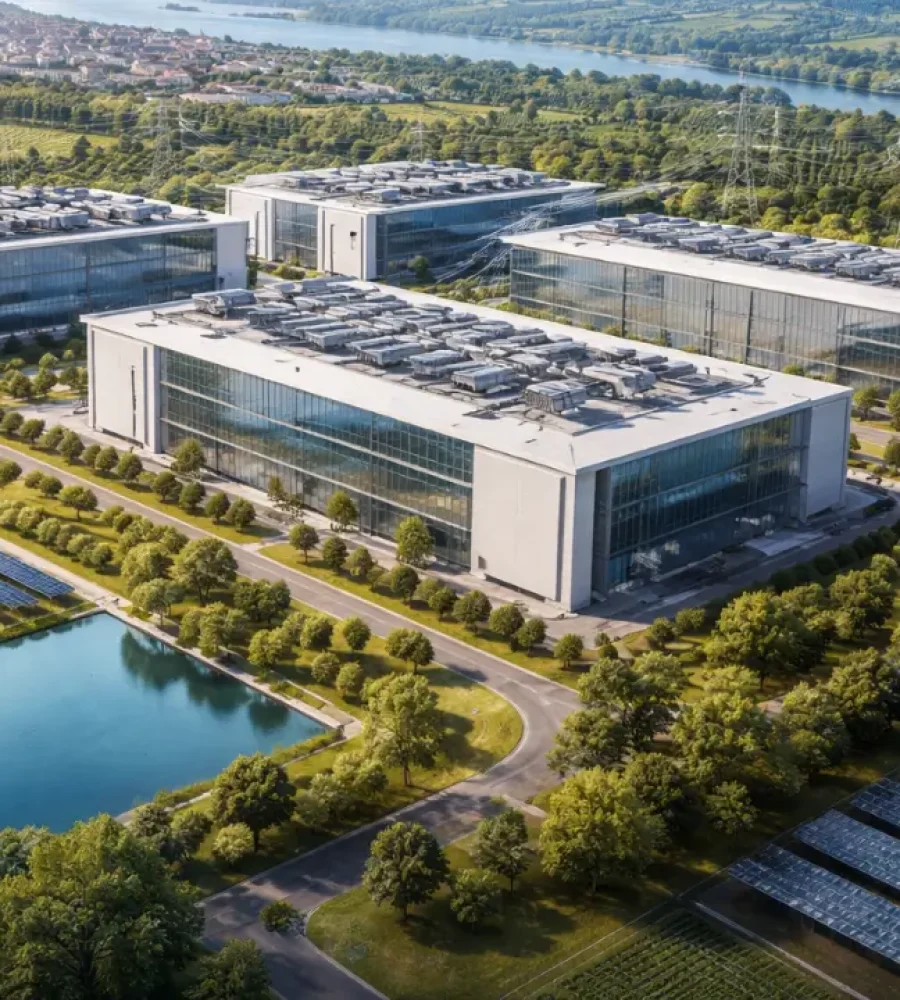

In early January 2026, Microsoft rolled out what it brands as Community-First AI Data Center Infrastructure, a suite of pledges designed to reshape how it builds and operates artificial intelligence data centers amid intensifying public scrutiny. The initiative couples commitments on electricity cost coverage, water stewardship, local jobs and tax contributions, and transparent community engagement as AI infrastructure demand continues to surge worldwide.
A Calculated Response to Real Backlash
Microsoft’s announcement arrives against a backdrop of mounting resistance to large-scale data center development, especially in the United States, where communities have cited resource strain and rising utility costs as core concerns. The company’s new framework promises to prevent its facilities from increasing local electricity bills by contracting and paying full utility rates reflective of true operational costs, and pledges to replenish more water than it consumes.
Industry analysts acknowledge the scale and energy appetite of AI-oriented data centers have drawn heightened scrutiny globally. Worldwide data center electricity usage has already surpassed levels seen in many mid-sized nations, and projections show rapid growth as AI workloads expand.
Community-Centered Rhetoric Meets Corporate Realpolitik
On its face, Microsoft’s framework articulates a robust set of goals: avoiding cross-subsidization of energy costs for residents, scaling water use efficiency and replenishment, and fostering local economic opportunities through job creation and tax contributions. The company says it will also publish water use data and collaborate early with regulators and utilities to plan infrastructure expansions.
Critics, however, are quick to brand the initiative as a form of corporate image management—using socially desirable language to contain backlash rather than effect substantive change. Commentators in both tech media and environmental advocacy circles signal skepticism, arguing such commitments risk amounting to mere corpo-washing, a spin tactic to preempt regulatory or political intervention without altering the underlying expansion strategy.
The Technical and Environmental Stakes
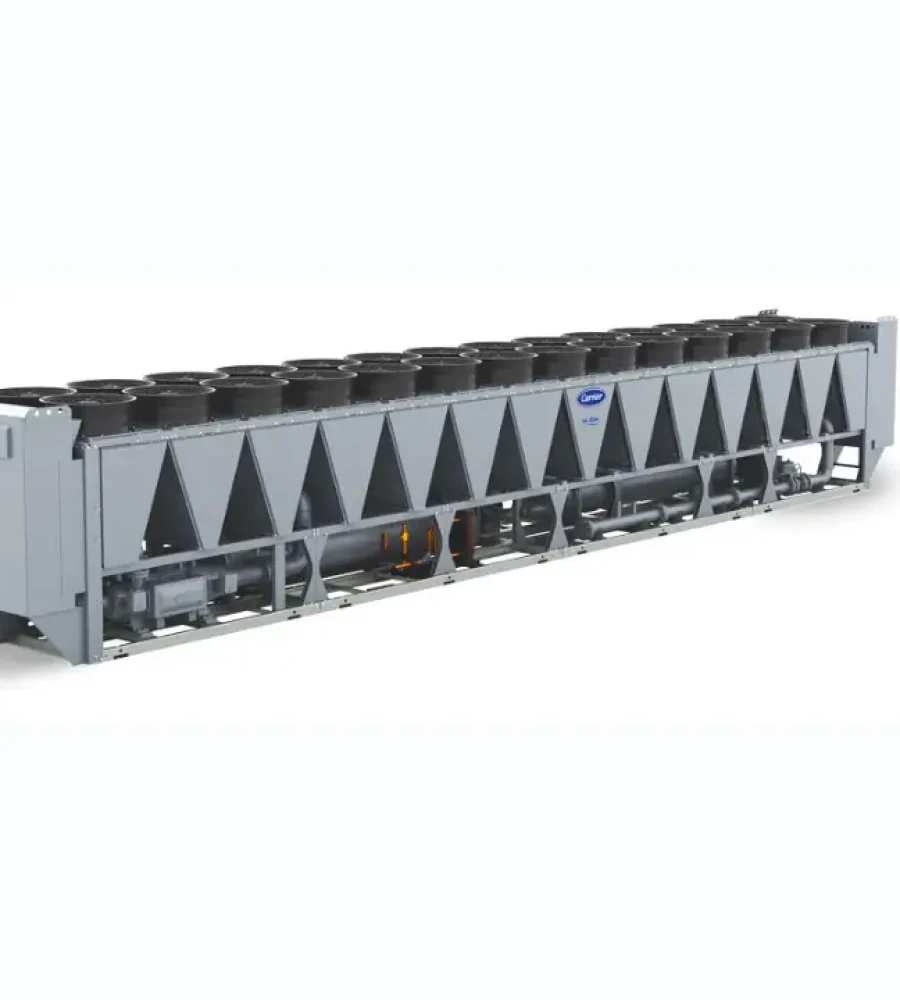
AI-oriented data centers are notoriously energy and water intensive. Cooling systems required to sustain high-density computing workloads can consume millions of gallons daily, and electricity demand is rapidly increasing as generative AI and cloud computing scale. Environmental research highlights broader concerns about water use, carbon emissions and energy grid impacts as AI infrastructure accelerates.
Microsoft’s commitments toward closed-loop cooling and water replenishment align with broader industry trends seeking to mitigate environmental impacts. These technical approaches, already deployed in some facilities, aim to reduce potable water usage and reinvest effluent back into local watersheds.
Global Context of AI Infrastructure Expansion
While Microsoft’s Community-First initiative is framed within a U.S. policy and regulatory context, its implications ripple across global AI and cloud markets. Major cloud providers, driven by customer demand for generative AI and machine learning, are investing tens of billions in new data centers worldwide. This rapid build-out places pressure on energy grids, renewables integration, and local planning authorities in regions from Europe to Asia.
In markets outside the U.S., similar community concerns are emerging, particularly in regions with constrained water resources or limited electrical capacity. Microsoft’s global footprint, spanning dozens of countries, means its community engagement strategies and commitments will likely face varied expectations and regulatory demands elsewhere.
Socioeconomic Impacts and Local Benefits
Part of Microsoft’s narrative stresses that data centers generate construction jobs, permanent operational roles, and bolstered local tax bases. Partnerships with training institutions and community colleges are intended to drive workforce development tied directly to data center regions.
Yet, some local stakeholders argue these economic benefits, while real, may not offset broader concerns over resource allocation or infrastructural stress. In states where projects have been halted due to community resistance, the debate centers on whether short-term job boosts justify long-term commitments that impact cost of living and environmental resilience.
Political Winds and Regulatory Signals
The launch of the Community-First initiative coincides with heightened political attention on large tech infrastructure. U.S. political figures have weighed in on utility cost burdens and equitable tax contributions, signaling a possible shift toward stringent oversight of tech build-outs.
Regulatory landscapes in Europe and parts of Asia similarly are evolving, with policymakers demanding clearer environmental impact assessments and community consent mechanisms for major technological infrastructure. Microsoft, along with peers in the industry, must navigate an increasingly complex matrix of local, national, and international standards that shape data center deployment.
Industry Comparisons and Best Practices
Microsoft is not alone in confronting data center critiques. Other cloud giants have rolled out sustainability goals and community engagement programs. What distinguishes Microsoft’s approach, at least in rhetoric, is the explicit attempt to tie resource cost coverage and local economic outcomes to operational planning.
Nevertheless, experts caution that the proof will reside in measurable outcomes over time, including transparent water use reporting, real reductions in environmental footprints, and evidence that local residents do not experience price hikes or resource strain due to Microsoft’s presence.
Corporate Commitment or Just Optics?
The Community-First AI Data Center Infrastructure initiative stands at the intersection of corporate strategy, community expectations and global environmental concerns. Microsoft’s attempt to reframe data center expansion as a socially conscious endeavor reflects both genuine responsiveness to criticism and a calculated bid to protect its market positioning during an era of intensifying competition and scrutiny.
Whether it proves to be a meaningful recalibration of industry practice or a sophisticated form of corpo-washing hinges on how commitments translate into sustained, measurable impact on local communities and ecosystems. For observers inside and outside the technology sector, the initiative marks a pivotal moment in the evolving dialogue over how AI’s backbone infrastructure should be built, managed and integrated into the societies it inevitably reshapes.