Cooling, power delivery, and deployment speed are now defining how quickly AI capacity can realistically come online. Against that backdrop, Siemens and nVent’s newly announced joint reference architecture reads like a response to the industry’s mounting operational constraints.
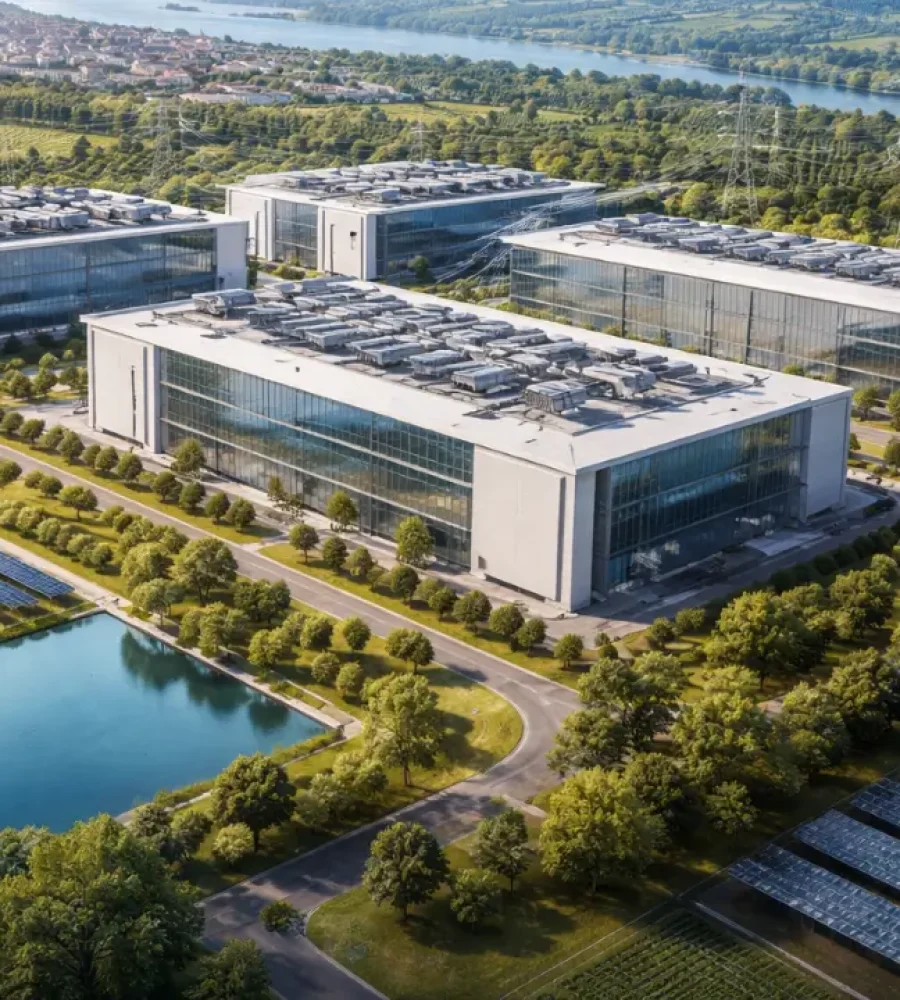
The companies have introduced a standardized Tier III-capable framework designed to support 100-MW hyperscale AI data centers built for large-scale liquid-cooled systems, including NVIDIA DGX SuperPOD configurations using DGX GB200 platforms. By integrating Siemens’ industrial-grade electrical and automation systems with NVIDIA’s reference designs and nVent’s liquid cooling infrastructure, the architecture targets one core challenge facing AI expansion: building facilities that can scale rapidly without sacrificing energy efficiency or resilience.
The emphasis from both partners is on removing the friction from deployment rather than merely adding more capacity. nVent Systems Protection President Sara Zawoyski highlighted the company’s long experience supporting next-generation computing environments, positioning the collaboration as a practical pathway for operators to roll out advanced cooling solutions as the AI buildout accelerates globally.
From Siemens’ perspective, the architecture is framed as a performance-optimization model as much as an engineering playbook. Global Head of Data Center Solutions Ciaran Flanagan described the design as accelerating “time-to-compute” while maximizing “tokens-per-watt,” a metric increasingly used to track AI output relative to energy consumption. The blueprint prioritizes modularity, fault tolerance, and energy efficiency, traits that are becoming essentials rather than differentiators as workloads push rack densities higher and uptime requirements tighten.
These priorities reflect broader industry pressures. Data center operators are facing more compute-intensive applications, escalating power demands per rack, and the need for standardized designs that can be reproduced across geographies. Reference architectures are gaining relevance because they enable faster project rollout, consistent interface standards, and greater predictability as infrastructure providers innovate around a common framework rather than in isolation.
Siemens brings its full electrical and digital infrastructure portfolio into the collaboration, encompassing medium- and low-voltage power distribution, automation systems, and energy management software designed for mission-critical facilities. Its wider platform blends IoT-enabled hardware, AI software, cloud-based tools, and digital services aimed at enabling large-scale operational reliability in environments dominated by AI workloads.
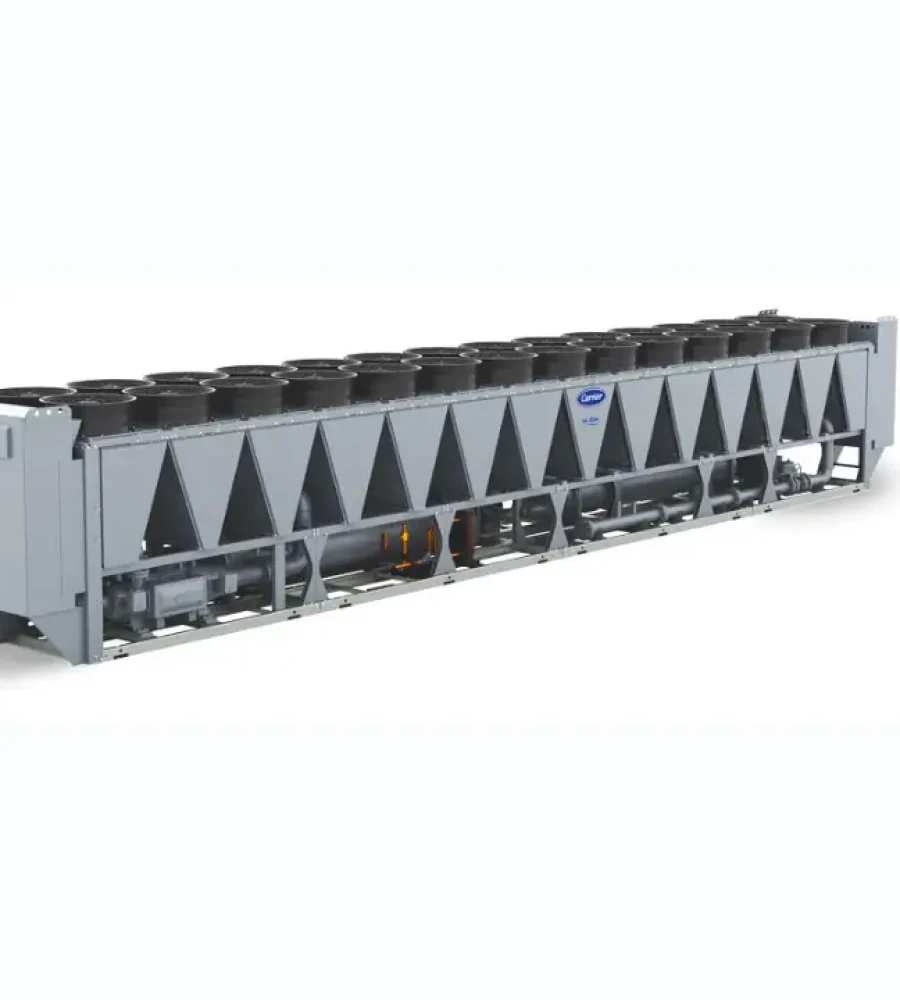
nVent anchors the thermal layer of the solution. Known for its leadership in liquid cooling solutions for hyperscale deployments, nVent’s engineering teams have worked extensively with semiconductor manufacturers, OEMs, and global cloud providers to address the thermal complexity of dense compute environments. That experience feeds directly into the architecture’s ability to support next-generation AI systems where conventional cooling approaches fall short.
Together, Siemens and nVent are effectively positioning this reference architecture as a blueprint for how AI data centers must now be built, standardized, liquid-cooled, energy-optimized, and designed for rapid deployment.