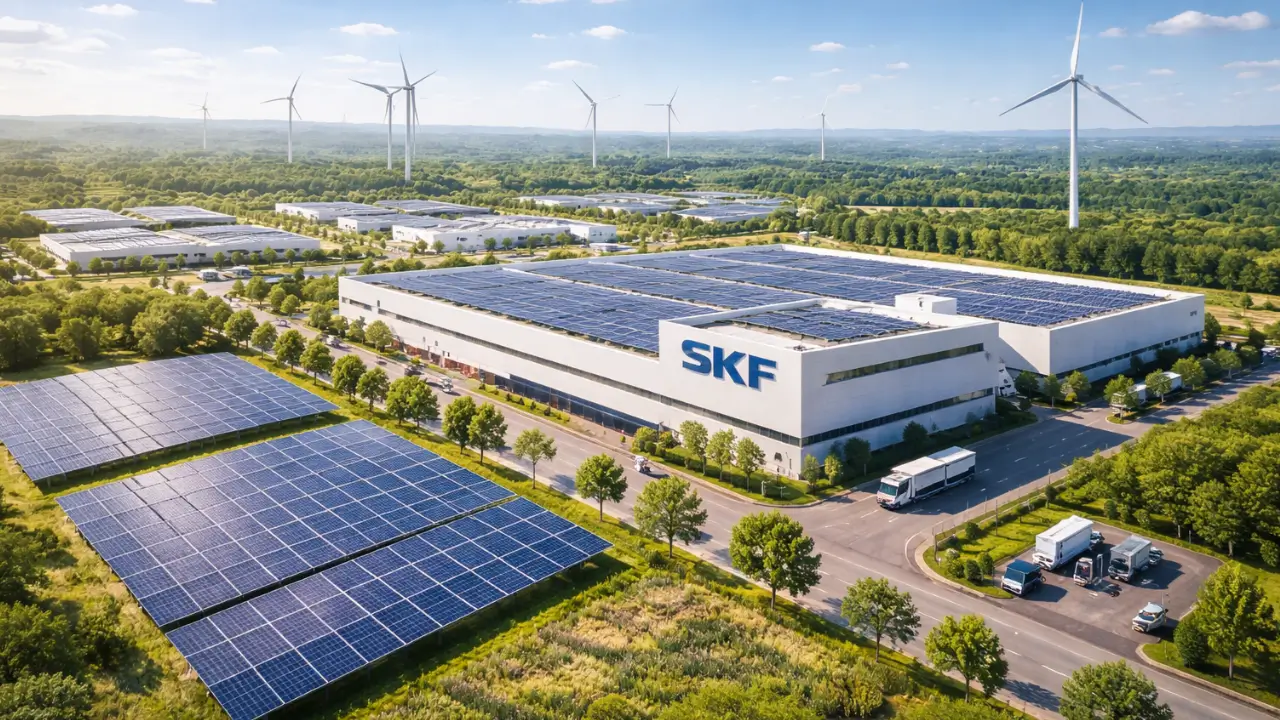
SKF has announced the addition of six newly decarbonized manufacturing facilities to its global operations, marking another measurable milestone in the company’s transition toward lower-emission industrial production. The development aligns with SKF’s stated objective to achieve decarbonized operations across its manufacturing footprint by 2030, a target validated under the Science Based Targets initiative (SBTi). The newly recognized facilities are located in Nilai, Malaysia; Puebla, Mexico; Haridwar and Pune, India; Massa, Italy; and Ladson, United States. Together, these sites reflect the geographic breadth of SKF’s manufacturing network and highlight the company’s efforts to apply decarbonization standards consistently across multiple regions and regulatory environments.
Criteria for Decarbonized Manufacturing Status
SKF applies a defined set of criteria for designating a manufacturing site as decarbonized. Each factory must demonstrate a reduction in Scope 1 and Scope 2 greenhouse gas emissions of at least 95% compared to a 2019 baseline. In addition, facilities are required to maintain a documented plan addressing residual emissions and to show continuous improvement in energy performance over time. This framework places emphasis not only on near-term emissions reduction but also on long-term operational discipline. Verification of energy savings and emissions reductions is required, including during periods of increased production, ensuring that performance improvements are not solely linked to reduced output.
Operational Measures Implemented at New Sites
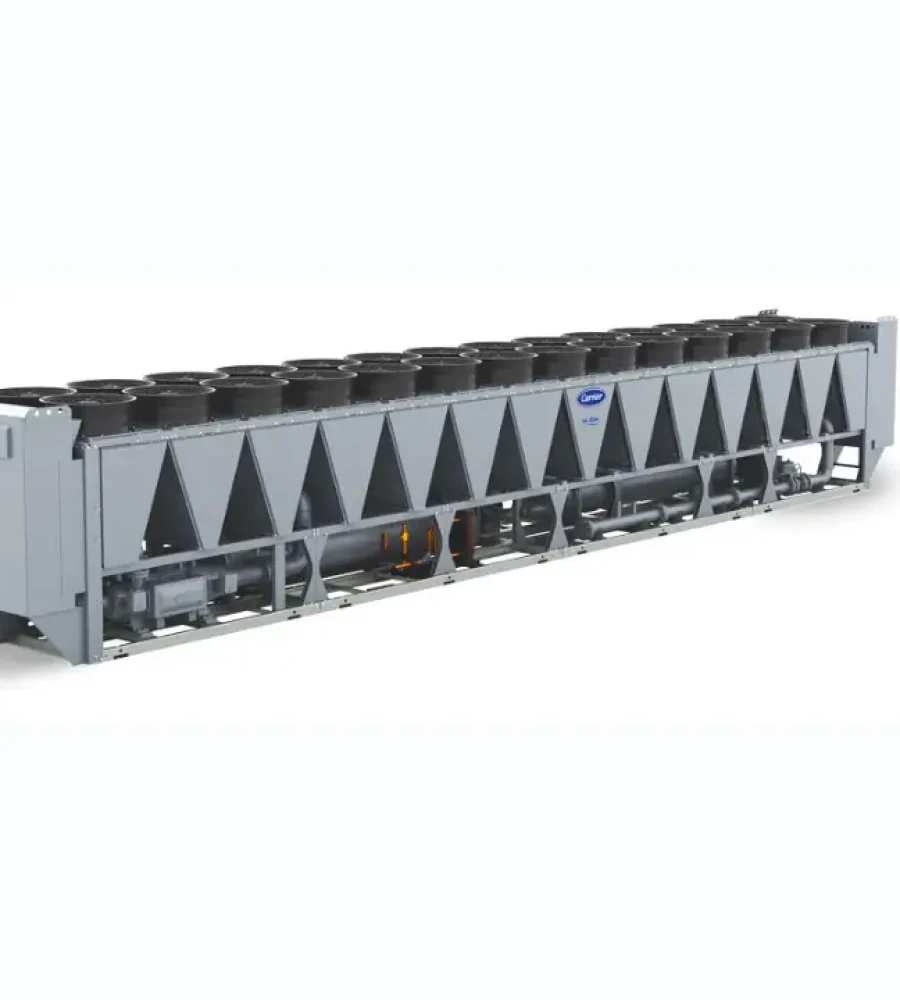
The six newly decarbonized factories have implemented a combination of structural and technological measures to achieve the required emissions reductions. Key actions include transitioning electricity consumption to renewable sources and phasing out fossil fuel-based heating systems. These changes address the primary contributors to Scope 1 and Scope 2 emissions within manufacturing environments. In parallel, the sites have invested in energy-efficient technologies such as heat pumps and advanced chiller systems. These upgrades are designed to reduce overall energy demand while maintaining production stability and quality standards. Documented efficiency gains at the facilities indicate that emissions reductions have been achieved alongside continued or increased manufacturing activity.
Executive Context on Climate and Operations
SKF’s leadership has positioned the milestone within the broader context of climate responsibility and operational resilience. According to Sofie Runius Cederberg, Head of Sustainability, the addition of six decarbonized factories represents progress in reducing the carbon footprint of SKF’s products, while also supporting customers seeking to develop more sustainable solutions. From a financial and operational perspective, the company has linked decarbonization investments with energy risk management. Susanne Larsson, Chief Financial Officer, Chief Sustainability Officer, and Senior Vice President Finance, has noted that investments in renewable energy and efficiency measures contribute to lower energy demand, which can strengthen resilience amid fluctuating energy markets.
Cumulative Impact Across SKF’s Manufacturing Network
With the addition of the six newly decarbonized sites, SKF now operates nine facilities that meet its decarbonization criteria. The earlier facilities include Steyr in Austria, Tudela in Spain, and Gothenburg in Sweden. Collectively, these nine factories account for nearly 20% of SKF’s baseline manufacturing emissions, underscoring the material impact of the initiative at a group level. While the majority of SKF’s manufacturing footprint remains in transition, the growing share of decarbonized operations provides a reference model for replication across other sites. The geographic diversity of the recognized factories suggests that the approach is adaptable across different energy systems, climates, and regulatory frameworks.
Alignment With Science-Based Climate Targets
SKF’s climate targets have been validated by the Science Based Targets initiative, confirming alignment with pathways consistent with limiting global temperature rise in line with current climate science. The SBTi validation provides external assurance that the company’s decarbonization roadmap is grounded in scientifically recognized methodologies rather than internal benchmarks alone. The progress represented by the nine decarbonized factories indicates that SKF remains on track toward its 2030 goal for decarbonized operations. However, achieving full coverage will require continued investment, coordination with energy suppliers, and operational adjustments across the remaining manufacturing sites.
Broader Implications for Industrial Manufacturing
SKF’s expansion of decarbonized factories reflects a broader trend within industrial manufacturing, where companies are increasingly integrating emissions reduction into core operational strategies rather than treating sustainability as a parallel initiative. The emphasis on verified performance, renewable energy adoption, and efficiency improvements aligns with evolving expectations from regulators, customers, and investors. As global manufacturing faces mounting pressure to reduce emissions while sustaining output, the approaches demonstrated across SKF’s facilities offer insight into how large, distributed industrial networks can operationalize decarbonization at scale. The ongoing rollout of similar measures across remaining sites will be a key indicator of how rapidly such strategies can be expanded across complex global supply chains.