Why AI Data Center Cooling Is Now Mission-Critical
From our vantage point, AI data center cooling has moved from a technical consideration to a strategic imperative. As India’s digital ecosystem accelerates, the collaboration between Vertiv and IIT Bombay arrives at a defining moment. With over half of Indian enterprises already using artificial intelligence, rising GPU densities are reshaping how data centers are designed, cooled, and sustained.
We see this partnership as a direct response to mounting thermal challenges. GPU power consumption has climbed rapidly, increasing from 700W in 2022 and projected to reach 1,200W by 2025. Consequently, traditional cooling approaches face clear limitations. Against this backdrop, industry-academia collaboration becomes essential to ensure infrastructure resilience and efficiency.
Vertiv and IIT Bombay Align Engineering and Research Strength
Combining Global Scale With Academic Depth
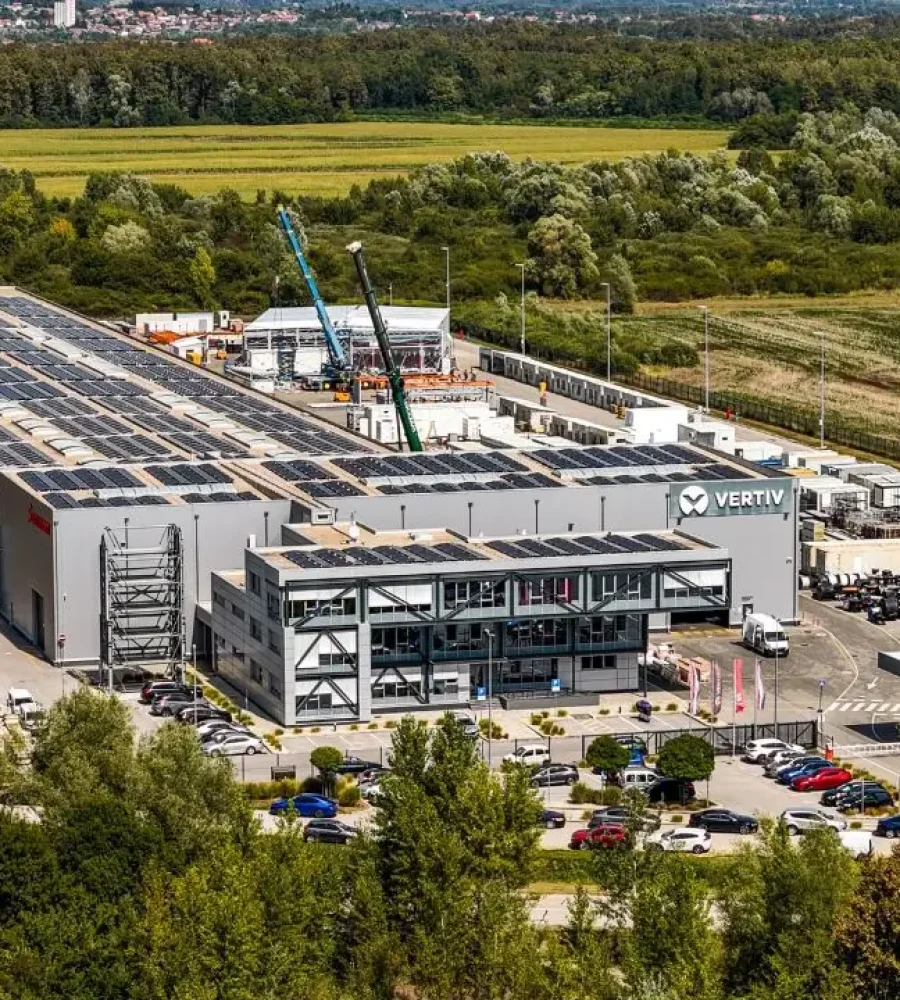
The collaboration brings together Vertiv’s global engineering footprint, supporting mission-critical infrastructure across more than 130 countries, with the research excellence of IIT Bombay. In our view, this alignment strengthens India’s preparedness for next-generation AI data center cooling demands.
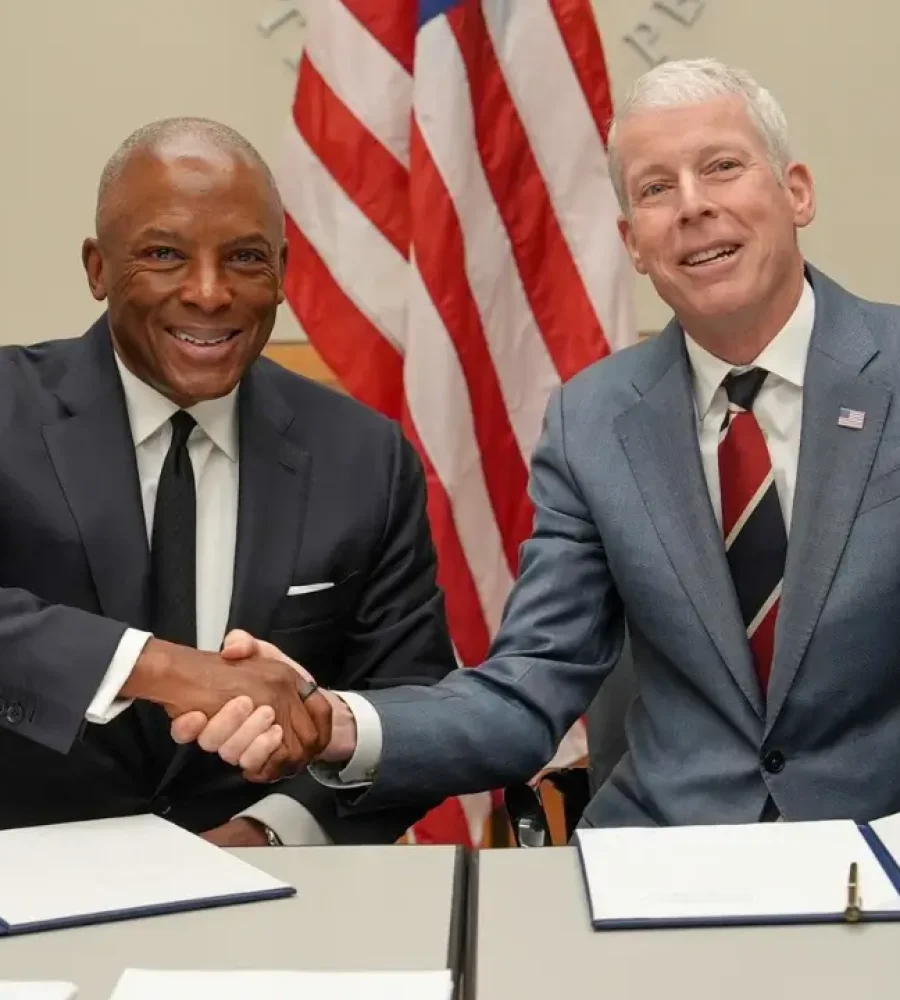
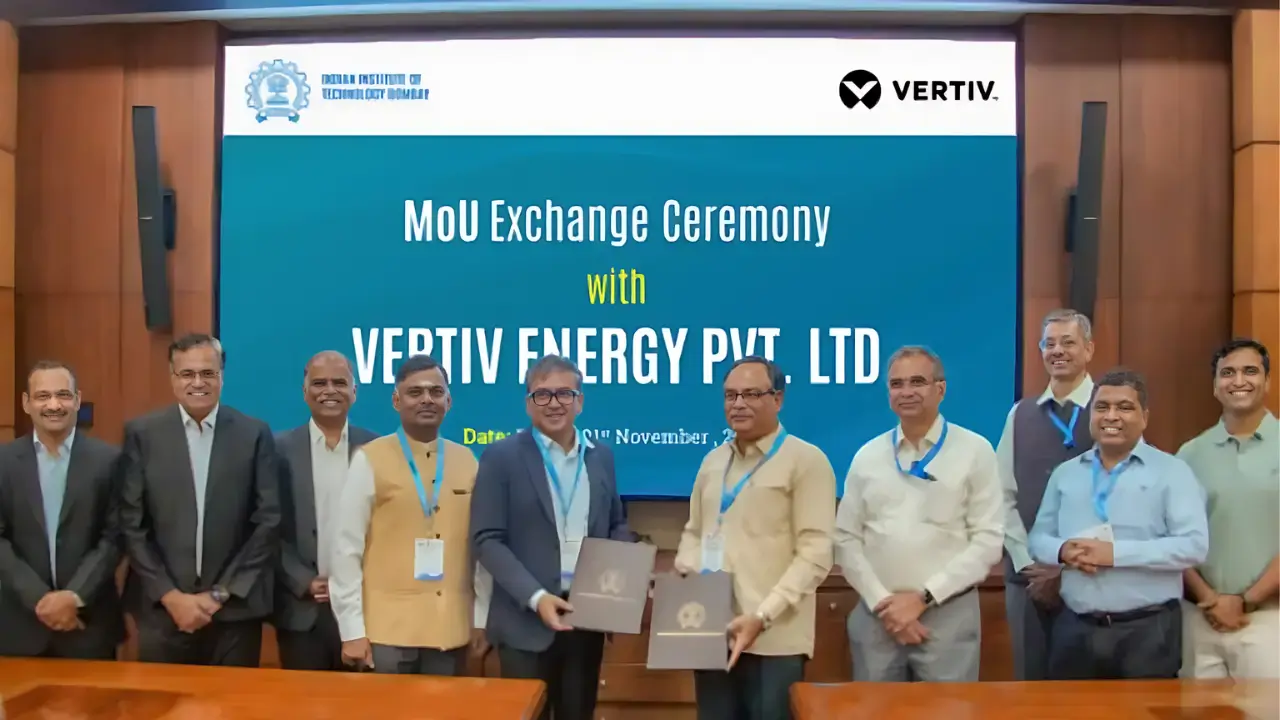
The Memorandum of Understanding was signed by Prof. Shireesh Kedare, Director, IIT Bombay, and Mr. Subhasis Majumdar, Managing Director, Vertiv India. Importantly, the agreement reinforces national priorities such as Make in India and Aatmanirbhar Bharat, while building a pipeline of industry-ready engineering talent.
Engineering Talent for an AI-Driven Data Center Era
Bridging Real-World Operations and Academic Insight
Reflecting on the collaboration, Dr. A.S. Prasad, Vice President – Product Management and Engineering at Vertiv, emphasized the value of blending academic rigor with operational experience. His remarks underline how decades of real-world data center operations, combined with the expertise of Prof. M.V. Rane from IIT Bombay’s Department of Mechanical Engineering, can shape future-ready thermal engineers.
From our standpoint, this focus on applied learning ensures students gain not only theoretical excellence but also industry intuition. As AI data center cooling systems grow more complex, such exposure becomes indispensable.
Sustainable Cooling Innovation at the Core
RCD Technology Redefines Cooling Efficiency
At the heart of the partnership lies IIT Bombay’s patented Rotating Contacting Disk (RCD) technology. We view this as a significant step forward for AI data center cooling, as it directly addresses efficiency and sustainability challenges.
The RCD-based evaporative precooling system reduces air-side pressure drops, lowers fan power consumption, and improves water use efficiency. Notably, it can enhance Power Usage Effectiveness by 15–30% while operating with recycled or treated wastewater. As a result, it presents a compelling alternative to conventional chiller-based systems.
From Laboratory Validation to Industry Demonstration
Testing, Deployment, and Knowledge Transfer
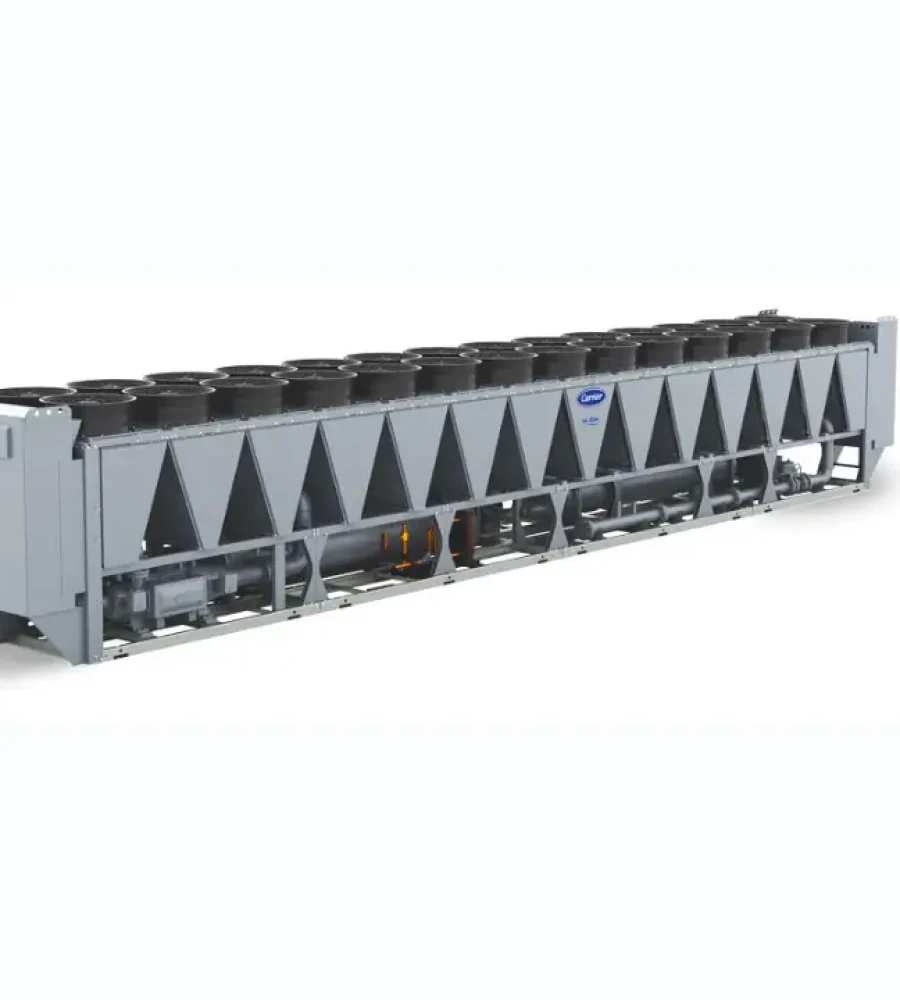
The project begins with Vertiv designing a dry cooler for a 40 kW liquid cooling load. The integrated RCD module will undergo testing at IIT Bombay’s Heat Pump Laboratory, followed by full-scale evaluation at Vertiv’s Pune facility. Subsequently, the system will serve as a demonstration unit on campus.
This structured progression from lab validation to operational testing ensures both technical credibility and educational value. Students gain hands-on exposure, while researchers assess economic and environmental performance in real conditions.
Setting a Benchmark for India’s Digital Infrastructure
Ultimately, we see this collaboration between Vertiv and IIT Bombay as more than a research initiative. It establishes a benchmark for how industry and academia can jointly advance AI data center cooling, support sustainable digital growth, and prepare engineers for an AI-powered future. As thermal demands intensify globally, such partnerships signal how innovation, talent development, and infrastructure readiness can progress together.