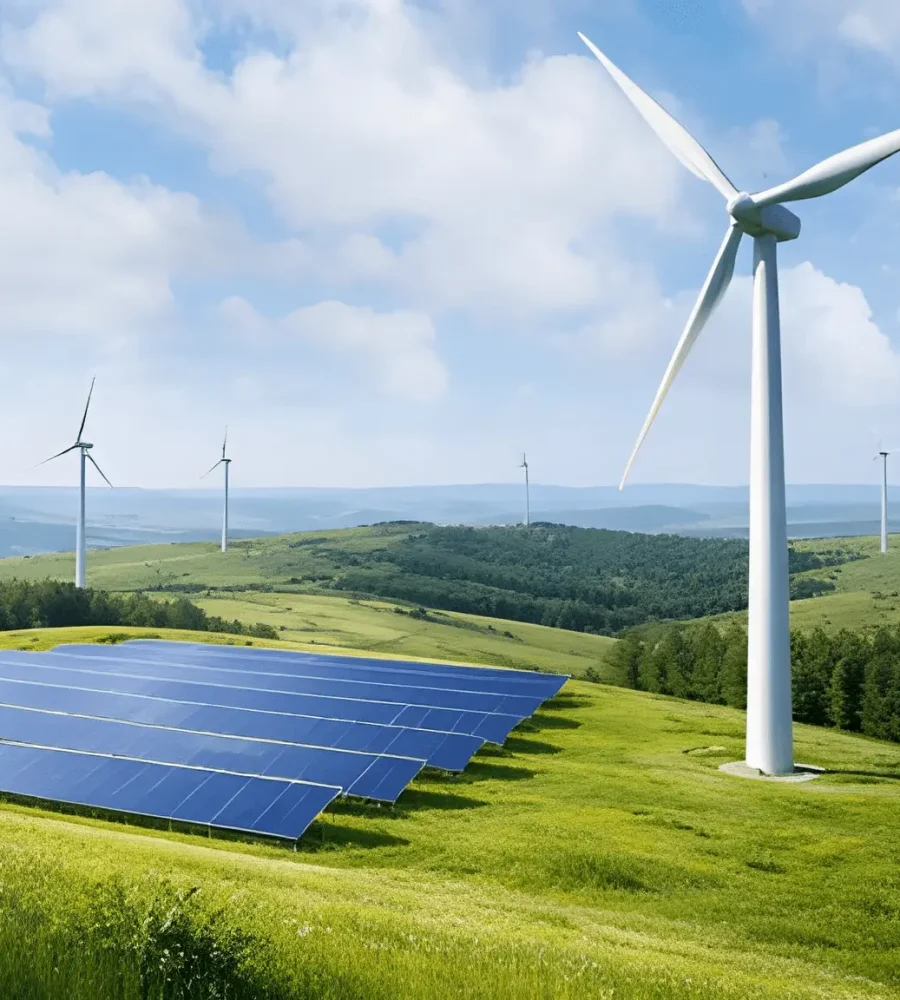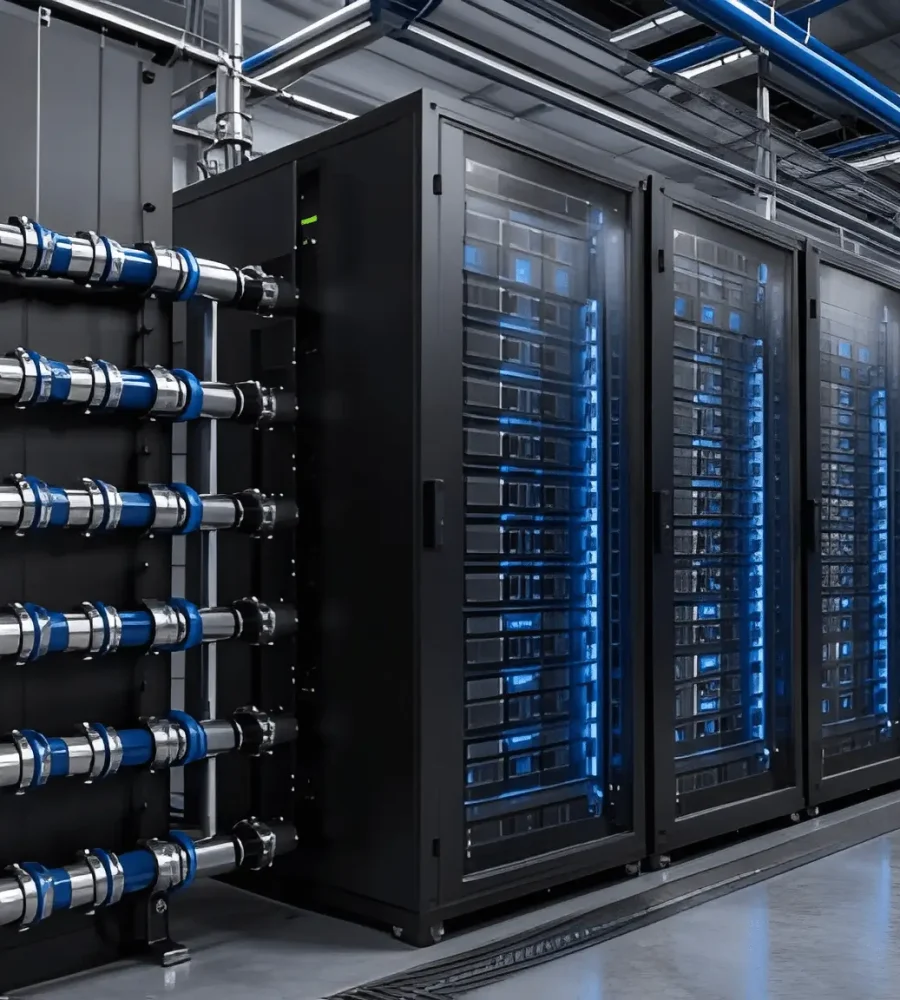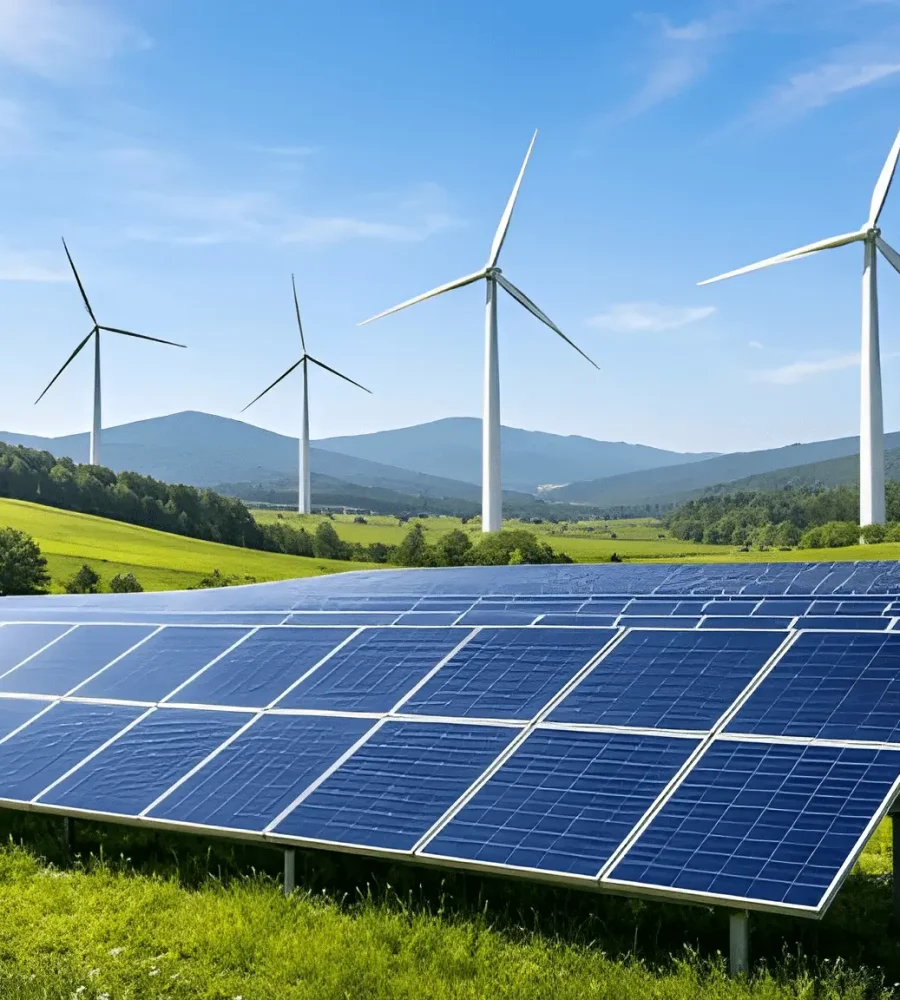
Artificial intelligence no longer operates as a peripheral digital utility; it now defines the trajectory of modern infrastructure expansion. Hyperscale data centers, edge compute clusters, and AI-optimized cloud networks form the backbone of contemporary digital economies. However, as compute intensity accelerates, environmental scrutiny has intensified across energy grids, water systems, and land use frameworks. The debate has gradually moved beyond energy efficiency benchmarks toward a more strategic question about compute’s systemic environmental role. Instead of limiting discussion to carbon mitigation within data centers, infrastructure leaders now examine whether intelligent systems can actively strengthen ecological resilience. This evolution reframes advanced compute not merely as an industrial load but as a potential climate-aligned asset embedded within broader sustainability ecosystems.This shift signals the emergence of Sustainable AI Infrastructure as a defining pillar of climate-aligned digital expansion.
Electricity demand from AI workloads continues to scale alongside model complexity and inference deployment across sectors. Grid operators increasingly balance peak compute demand with renewable intermittency and storage variability. Advanced scheduling algorithms now shift non-critical workloads toward lower-carbon grid windows, aligning compute cycles with cleaner energy availability. These operational adjustments demonstrate that infrastructure-level AI deployment can interact dynamically with energy ecosystems rather than passively consume available supply. Furthermore, intelligent grid forecasting models enhance renewable integration by predicting demand surges linked to compute-intensive clusters. As compute density rises globally, infrastructure strategy must incorporate environmental integration as a core design principle rather than a compensatory afterthought.
Historically, sustainability discourse around AI focused narrowly on efficiency metrics such as power usage effectiveness and cooling optimization ratios. While those metrics remain essential, they represent only the first layer of responsible infrastructure management. The next phase demands that compute ecosystems generate measurable environmental insight and regenerative capability. Environmental intelligence platforms now process satellite data, atmospheric measurements, and biodiversity indicators at scale using high-performance clusters. These systems provide governments and enterprises with granular ecological analytics that inform land management, water conservation, and climate adaptation policies. Therefore, AI infrastructure increasingly operates not only as a consumer of energy but also as a processor of planetary intelligence that strengthens decision-making across environmental domains.
Rethinking AI’s Purpose in a Planetary Context
Artificial intelligence emerged commercially as a tool for efficiency optimization across logistics, retail, and financial markets. Data pipelines prioritized revenue velocity, predictive personalization, and operational streamlining. Ecological cost rarely entered optimization objectives embedded within early algorithmic architectures. However, regulatory shifts and investor pressure have introduced sustainability reporting requirements that require continuous environmental data validation. Compute infrastructure now supports emissions tracking, water usage modeling, and supply chain transparency at enterprise scale. Consequently, algorithmic objectives expand beyond profit maximization toward systemic accountability that integrates environmental thresholds within operational dashboards.
Infrastructure governance increasingly depends on real-time analytics capable of validating environmental performance claims. Automated compliance systems analyze distributed datasets from manufacturing facilities, transportation networks, and digital operations. AI-driven anomaly detection identifies discrepancies within sustainability disclosures, strengthening transparency standards across sectors. This integration transforms compute clusters into regulatory support mechanisms embedded within climate accountability frameworks. As disclosure requirements intensify globally, intelligent systems underpin institutional environmental reporting. Through this structural embedding, AI shifts from a peripheral analytics engine to a foundational pillar of sustainability governance.
Cultural transformation within the compute industry further reinforces this reorientation. Infrastructure architects now collaborate with climate scientists to embed lifecycle carbon analysis into data center design phases. Semiconductor supply chains undergo environmental scrutiny that extends from material extraction to end-of-life recycling. Engineers evaluate cooling architectures not solely for performance but also for water efficiency and thermal reuse potential. Academic programs increasingly combine environmental systems science with distributed computing research. This convergence cultivates a generation of technologists who design scalable systems aligned with long-term planetary resilience.
Nature-Inspired Algorithms: Learning from Ecosystems
Resilient ecosystems manage complexity through distributed coordination rather than centralized command structures. Compute architecture increasingly mirrors these decentralized dynamics to enhance fault tolerance and adaptive load balancing. Swarm-based optimization models enable clusters to reallocate processing capacity dynamically when node failures occur. Evolutionary algorithms refine energy allocation strategies through iterative performance feedback cycles. These biologically inspired approaches reduce systemic fragility within high-density compute environments. As infrastructure scales, resilience derived from ecological modeling strengthens operational stability under volatile conditions.
Forest ecosystems demonstrate how interconnected networks distribute resources to maintain collective health during localized stress events. Distributed computing clusters adopt similar redundancy strategies to prevent cascading system failures. Data routing protocols redistribute workloads automatically when individual servers encounter overload conditions. This architecture reduces downtime while optimizing overall cluster efficiency. By emulating ecological redundancy, infrastructure planners enhance reliability without disproportionate energy expansion. Nature-inspired design therefore contributes directly to sustainable compute scalability.
Marine ecosystems provide further insights into adaptive feedback mechanisms that maintain equilibrium amid environmental fluctuations. Compute systems now incorporate real-time telemetry to adjust cooling loads, power distribution, and processing intensity in response to temperature shifts and grid constraints. Feedback-driven architecture ensures that infrastructure responds proportionately to changing operational contexts. Continuous monitoring minimizes resource waste while preserving performance thresholds. Such dynamic regulation parallels ecological self-correction processes observed in complex natural systems. Through bio-inspired computation, sustainability objectives integrate seamlessly with operational efficiency goals.
AI-Driven Habitat Restoration: Possibilities and Infrastructure Implications
Large-scale habitat restoration initiatives depend on high-resolution environmental analytics that require substantial computational throughput. Satellite imagery processing, climate modeling simulations, and geospatial mapping rely on high-performance clusters capable of handling petabyte-scale datasets. AI accelerates land degradation detection by identifying vegetation stress signals and hydrological shifts with predictive precision. Restoration planners use these outputs to prioritize interventions that maximize carbon sequestration and biodiversity recovery. Compute infrastructure thus becomes an enabling layer within environmental regeneration strategies. Without scalable processing capacity, many restoration initiatives would lack the analytical clarity necessary for effective deployment.
Acoustic biodiversity monitoring platforms illustrate how distributed edge computing enhances conservation outcomes. Sensors deployed in remote ecosystems transmit audio streams to centralized or hybrid cloud clusters for classification analysis. Machine learning models identify species signatures and detect population shifts without constant human presence. Edge optimization reduces bandwidth consumption while preserving analytical accuracy. These systems demonstrate how compute architecture supports environmental protection across geographically dispersed regions. Infrastructure therefore functions as an invisible backbone for ecological intelligence gathering.
Agricultural regeneration strategies similarly depend on predictive analytics powered by scalable cloud infrastructure. Soil health models integrate satellite data, weather forecasts, and ground-level sensor inputs to recommend regenerative practices. Farmers leverage these insights to reduce chemical dependency and optimize irrigation schedules. Precision modeling enhances crop resilience while improving long-term soil carbon retention. Compute clusters process these multidimensional datasets with increasing efficiency. As a result, digital infrastructure directly contributes to terrestrial ecosystem stability through data-driven guidance.
From Automation to Active Care: AI in Conservation Workflows
Conservation management has traditionally relied on fragmented reporting cycles that limited strategic responsiveness. Integrated AI platforms now synthesize wildfire probability models, poaching risk indicators, and invasive species projections within unified dashboards. Predictive analytics provide conservation teams with prioritized intervention maps based on probability-weighted scenarios. High-performance clusters process climate projections that inform seasonal resource allocation planning. This computational backbone enhances both precision and timing within ecological response frameworks. Conservation operations therefore transition from reactive mitigation toward anticipatory strategy.
Infrastructure transparency also strengthens environmental finance mechanisms tied to restoration outcomes. Machine learning models verify carbon sequestration claims and habitat recovery metrics across distributed geographies. Automated validation reduces fraud risk within sustainability-linked funding instruments. Investors increasingly demand measurable environmental returns supported by verified analytics. Compute systems provide the auditing backbone necessary to scale performance-based environmental finance models. Consequently, digital infrastructure reinforces trust within emerging climate investment ecosystems.
Operational accountability expands when AI systems track intervention effectiveness through longitudinal data analysis. Restoration milestones, biodiversity indicators, and hydrological recovery rates integrate into continuous monitoring pipelines. Cloud-based analytics allow policymakers to evaluate progress against predefined environmental targets. Public dashboards enhance transparency across stakeholder groups. These mechanisms elevate compute clusters into instruments of ecological governance. Data-backed oversight thus transforms sustainability commitments into measurable outcomes.
Ethical Stewardship: Programming Infrastructure for Ecological Responsibility
Embedding environmental accountability within AI infrastructure requires structured governance models that influence system design from inception. Carbon-aware workload scheduling adjusts processing intensity according to grid emissions profiles. Data centers increasingly integrate renewable procurement strategies with real-time energy optimization software. Lifecycle assessments evaluate material sourcing, cooling technologies, and hardware recycling pathways. Infrastructure operators align capital expenditure decisions with long-term sustainability benchmarks. Through such integration, ecological considerations shape strategic planning rather than peripheral reporting.
Procurement frameworks now prioritize suppliers demonstrating measurable sustainability performance across semiconductor fabrication and equipment manufacturing. Investors assess environmental risk exposure when evaluating large-scale compute expansion projects. Transparent sustainability disclosures influence financing costs and stakeholder confidence. Infrastructure operators increasingly adopt circular economy principles that extend hardware lifecycles and reduce material waste. Ethical design therefore intersects with financial prudence within compute ecosystems. Long-term viability depends on aligning environmental stewardship with economic resilience.
Anticipatory governance mechanisms further mitigate systemic environmental risk associated with rapid AI deployment. Scenario modeling simulates indirect resource pressures created by exponential compute growth. Cross-disciplinary oversight bodies evaluate high-impact AI deployments against environmental benchmarks. Such structured review ensures that scaling strategies remain consistent with ecological capacity constraints. Proactive governance strengthens both infrastructure stability and environmental integrity. Through disciplined oversight, AI infrastructure matures into a climate-conscious system rather than an unchecked expansion engine.
Collaborative Ecosystems: AI, Policy, and Planetary Systems
Sustainable infrastructure deployment requires coordination across governments, utilities, private operators, and research institutions. Shared data platforms enable interoperable environmental monitoring systems that inform national climate strategies. AI-driven analytics align grid modernization plans with forecasted compute demand growth. Collaborative forecasting models reduce policy fragmentation and enhance infrastructure planning accuracy. Multi-stakeholder ecosystems therefore ensure that digital expansion remains synchronized with environmental priorities. Integrated governance transforms isolated compute clusters into coordinated sustainability assets.
Community-level engagement also strengthens the resilience of climate-aligned infrastructure. Citizen science inputs augment institutional datasets, improving environmental signal detection at granular scales. Distributed reporting platforms democratize ecological data contribution while preserving analytical rigor. Compute systems aggregate and validate these inputs through machine learning pipelines. Transparent analytics foster public trust in environmental monitoring initiatives. Participatory infrastructure models reinforce accountability across governance layers.
International sustainability commitments increasingly depend on reliable digital verification systems capable of tracking emissions and biodiversity targets. AI-enabled analytics standardize reporting methodologies across jurisdictions. Cloud-based platforms support peer review and collaborative data refinement. Shared compute infrastructure underpins cross-border environmental coordination. As global climate frameworks evolve, scalable AI systems provide the analytical foundation necessary for measurable progress. Sustainable AI infrastructure therefore emerges not only as an operational necessity but also as a structural pillar of climate governance.