 Skip to content
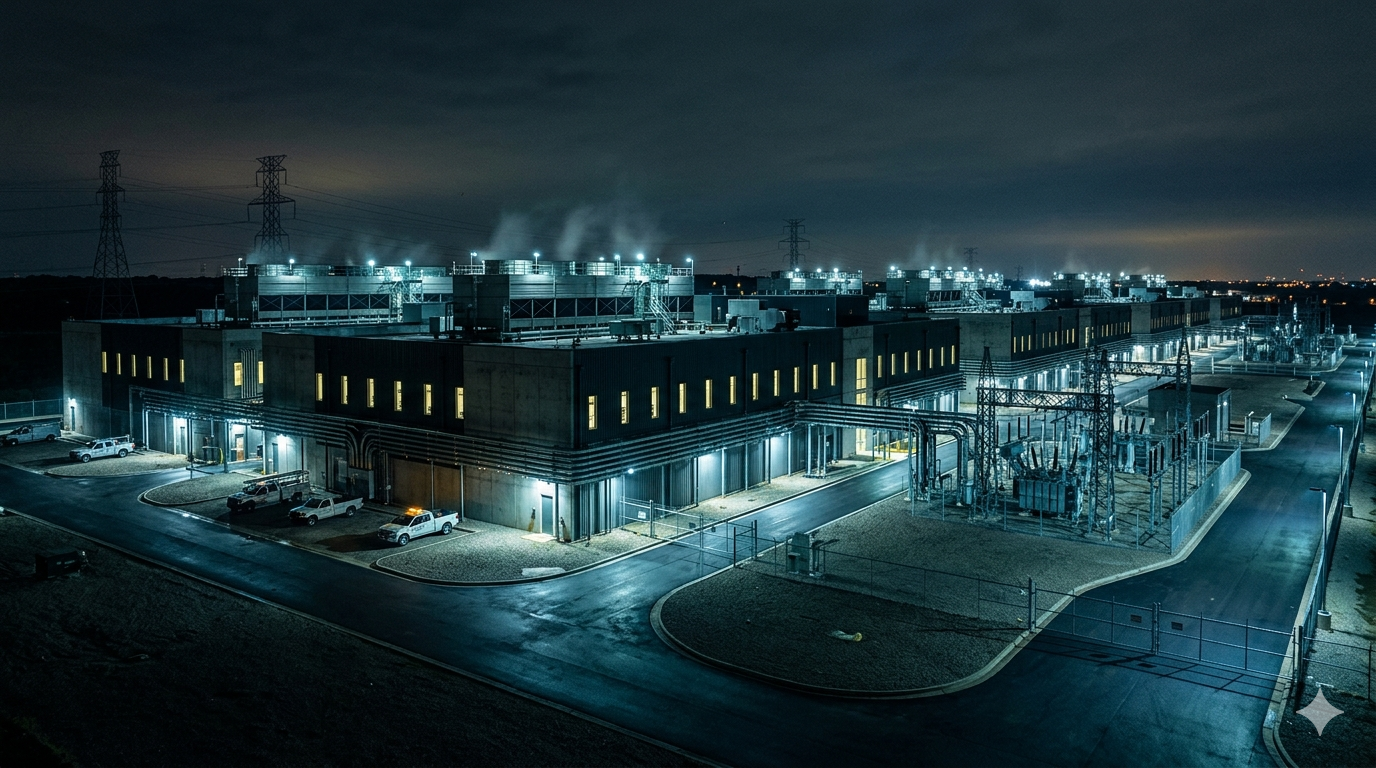
The AI data center industry has a sustainability reporting problem that sits in plain sight. Operators announce renewable energy commitments. Corporate sustainability reports cite impressive percentages of clean energy consumption. Annual carbon disclosures show declining emissions intensity even as facility count and total power consumption accelerate. The numbers look credible. The methodology that produces them does not. The gap between what AI data center carbon accounting reports and what actually happens inside these facilities is widening as GPU utilization intensifies, and the accounting frameworks that most operators use were not designed to capture it.

The core problem is the renewable energy certificate, the instrument that allows an operator to claim renewable energy consumption without requiring that the renewable electrons actually power the facility at the moment of consumption. An operator buys a certificate representing one megawatt-hour of renewable generation somewhere on the grid and retires it against one megawatt-hour of grid consumption at its data center. The two transactions may occur in different locations, at different times of day, and under completely different grid conditions. The facility may be drawing coal-fired power at midnight while claiming renewable consumption through a certificate from a solar farm that generated during afternoon peak hours. The accounting balances. The operational reality does not.
Why GPU Utilization Makes This Worse
The renewable energy certificate model was designed for a world where data centers drew relatively stable, predictable loads that grid operators could plan around. AI data centers do not operate that way. GPU clusters running training jobs draw enormous power during active computation and draw much less during idle periods. Inference workloads create sharp load spikes as user request volumes fluctuate throughout the day. The mismatch between when AI data centers actually draw power and when the renewable energy certificates they purchase represent generation is not random. It follows a pattern that systematically overstates clean energy consumption.
Solar generation peaks during midday hours when many AI training workloads are scheduled but produces nothing at night when continuous inference serving draws baseline power. Wind generation is variable and geographically distributed in ways that rarely align with data center load profiles on a moment-to-moment basis. An operator that purchases annual renewable energy certificates equal to its total annual consumption can truthfully claim one hundred percent renewable energy coverage while operating on entirely fossil-fueled grid power during the overnight hours when renewable generation drops and AI inference demand continues uninterrupted. As covered in our analysis of AI inference cost in enterprise infrastructure, the inference workload segment is growing fastest and operates most continuously, making it the segment where the certificate-reality mismatch is most acute.

The Scope 2 and Scope 3 Blind Spots
The renewable energy certificate problem sits within a broader carbon accounting framework that creates additional blind spots at every scope level. Scope 2 emissions, covering purchased electricity, are where the certificate methodology applies most directly. However, the way that most AI data center operators calculate their Scope 2 footprint uses market-based accounting that allows certificate purchases to net against grid consumption regardless of temporal or geographic alignment. Location-based Scope 2 accounting, which uses the actual emissions intensity of the grid serving the facility at the time of consumption, would produce materially higher reported emissions for most AI data centers. Few operators publish location-based Scope 2 figures alongside their market-based numbers, making comparison across the industry effectively impossible.
Scope 3 emissions, covering the manufacturing of the hardware that fills AI data centers, represent an even larger blind spot. A single H100 GPU server requires significant energy and materials to manufacture. An AI data center deploying tens of thousands of GPUs carries embedded carbon from that manufacturing process that does not appear in operational carbon accounting at all. As AI infrastructure refresh cycles accelerate and hardware generations turn over more frequently, the Scope 3 emissions from manufacturing represent a growing fraction of the true lifecycle carbon footprint of AI compute that current accounting frameworks make invisible.
What Honest Accounting Would Reveal
The operators that have committed to twenty-four-seven carbon-free energy matching, in which renewable energy consumption must align with grid consumption on an hourly basis within the same grid region, are producing carbon accounting that more accurately reflects operational reality. Google’s hourly matching commitment across its data center portfolio, which requires purchasing renewable energy certificates that correspond to actual grid consumption in the same hour and the same region, represents the most rigorous publicly deployed standard in the industry. Microsoft has made similar commitments for certain facilities. The percentage of total AI data center capacity operating under these more rigorous standards remains small.
The gap between the certificate-based reporting that most operators use and the hourly matching standard that the most rigorous operators have adopted is not a minor technicality. As explored in our analysis of transformer and substation supply chains, the grid infrastructure investments required to supply AI data centers with genuinely clean power at the scale and reliability they require are enormous. Those investments cannot be justified or prioritized if the accounting frameworks operators use make it appear that clean power is already being delivered when it is not. The carbon accounting gap in AI data centers is not just a reporting problem. It is an infrastructure planning problem that delays the real clean energy investment the sector needs.
What Needs to Change
Closing the carbon accounting gap in AI data centers requires changes at both the industry and regulatory level. These changes are beginning to gain momentum, but they have not yet reached the tipping point where rigorous reporting becomes the standard rather than the exception. For example, the Science Based Targets initiative’s guidance on twenty-four-seven energy matching is pushing large corporate electricity consumers toward hourly accounting. At the same time, the SEC’s climate disclosure rules, despite ongoing legal challenges, are increasing pressure on public companies to provide more granular emissions data. Similarly, the EU’s Corporate Sustainability Reporting Directive is imposing comparable requirements on the European operations of global operators.
Although these regulatory pressures are creating incentives for more rigorous reporting, they have not yet closed the gap between what regulations require and what genuine operational transparency would demand. As a result, operators who move ahead of this transition by voluntarily adopting hourly matching standards, publishing location-based Scope 2 figures alongside market-based numbers, and disclosing Scope 3 manufacturing emissions will be better positioned when mandatory disclosure requirements tighten. In contrast, those who continue to rely on certificate-based accounting may struggle because that approach cannot withstand serious scrutiny. Ultimately, the carbon accounting gap in AI data centers is not a secret. Instead, it is an open reality that the industry has not yet chosen to address with the urgency it deserves.












