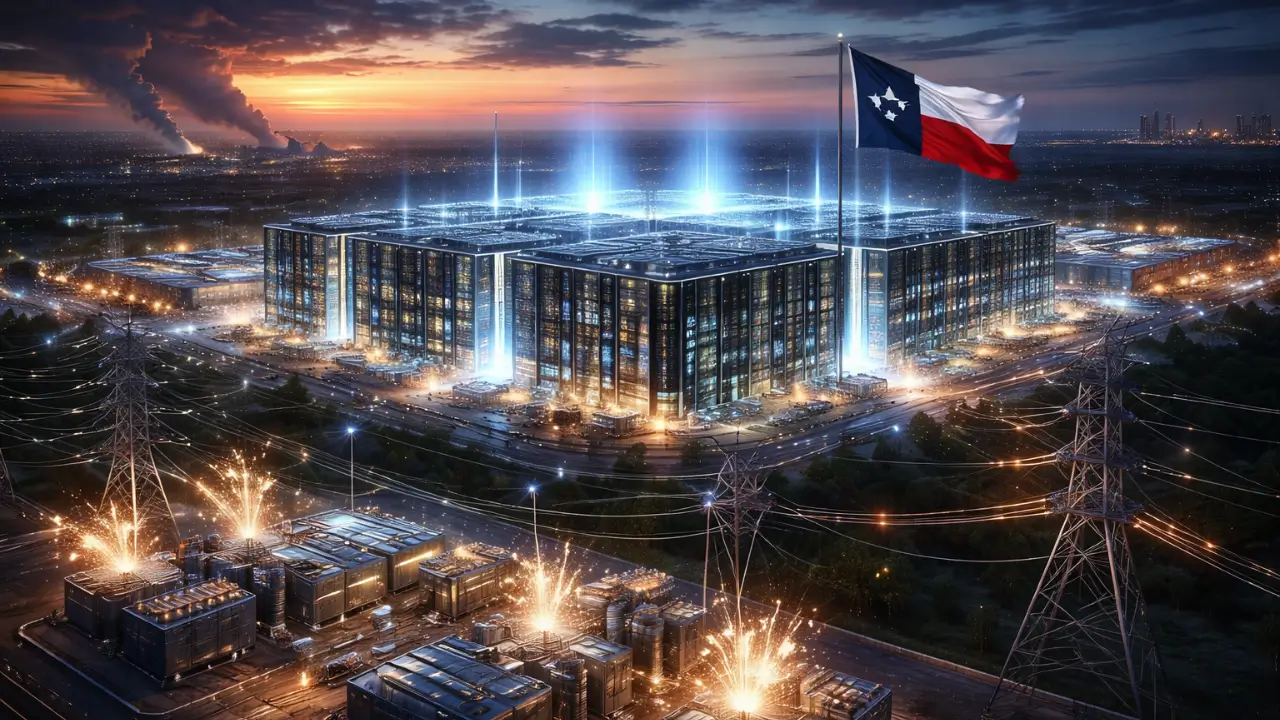
Texas, known as the Lone Star State, is confronting a profound transformation in its power grid as artificial intelligence workloads drive electricity demand into unfamiliar territory. Energy consumption linked to data centers has accelerated sharply, and forecasts suggest that AI infrastructure in Texas could require more than 40 gigawatts of grid capacity by 2028. By comparison, demand stood at roughly 8 gigawatts in 2025. This dramatic escalation has utilities and regulators racing to expand capacity, strengthen grid reliability, and prepare for a future in which AI workloads rival traditional industrial operations in their energy intensity.
Recent agreements underscore how quickly this demand is materializing. Constellation and CyrusOne, for example, reached a deal to supply hundreds of megawatts of power to new hyperscale facilities near the Freestone Energy Center. That single arrangement commits a substantial portion of local generation capacity to support a growing data center campus.
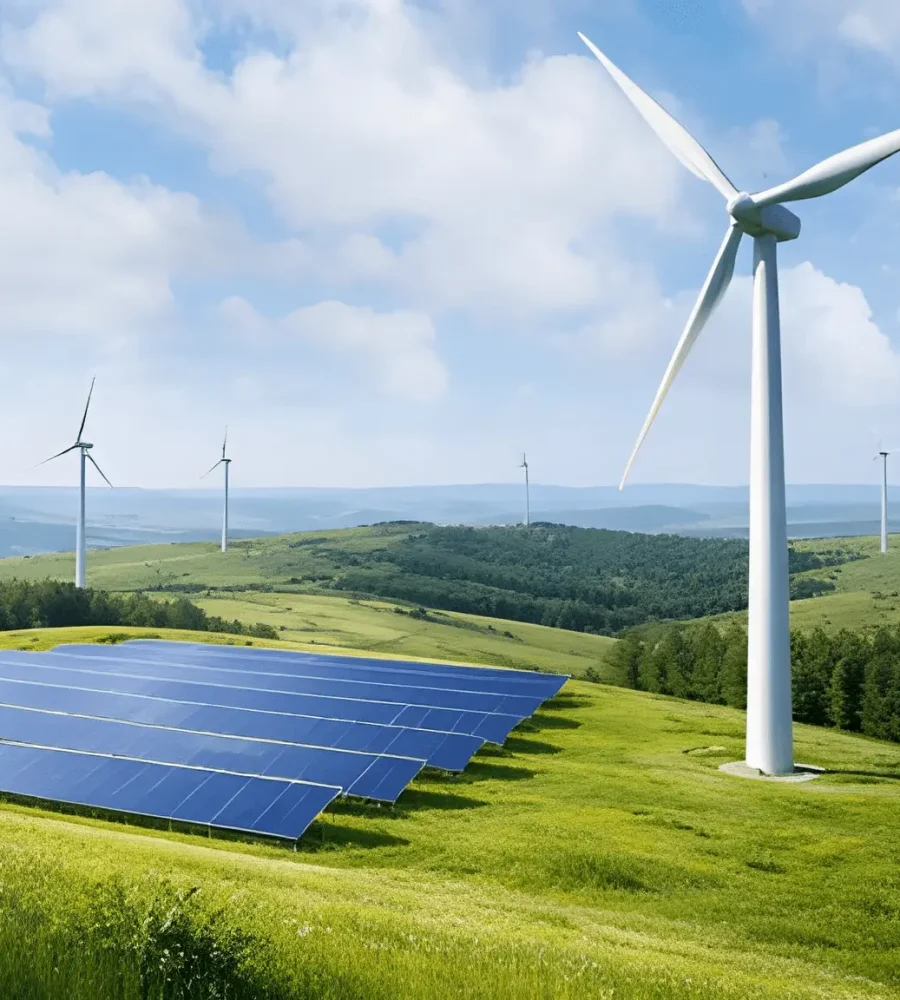
At the same time, renewable energy providers are positioning themselves to meet this surge. TotalEnergies signed long-term power purchase agreements to deliver 1 gigawatt of solar energy to Google’s Texas data centers over a 15-year period. The deal ranks among the largest renewable energy agreements tied to cloud infrastructure in the United States and signals how clean energy is becoming integral to AI expansion.
Collectively, these developments illustrate the sheer scale of electricity that AI data centers are beginning to command. More importantly, they open a broader discussion about how the rapid rise of AI workloads is reshaping Texas’ energy landscape. Grid planning, generation strategy, and sustainability goals are all being recalibrated as the state adapts to an era in which digital infrastructure stands alongside oil, gas, and heavy industry as a defining force in its power economy.
The Scale of the Surge
Although data center energy demand has been rising for years, 2026 marks a turning point. Facilities built to support artificial intelligence, particularly large training and inference clusters, consume far more power than traditional web hosting or enterprise data centers. These operations run continuously, and the accelerators inside them, including high-performance GPUs, draw enormous electrical loads.
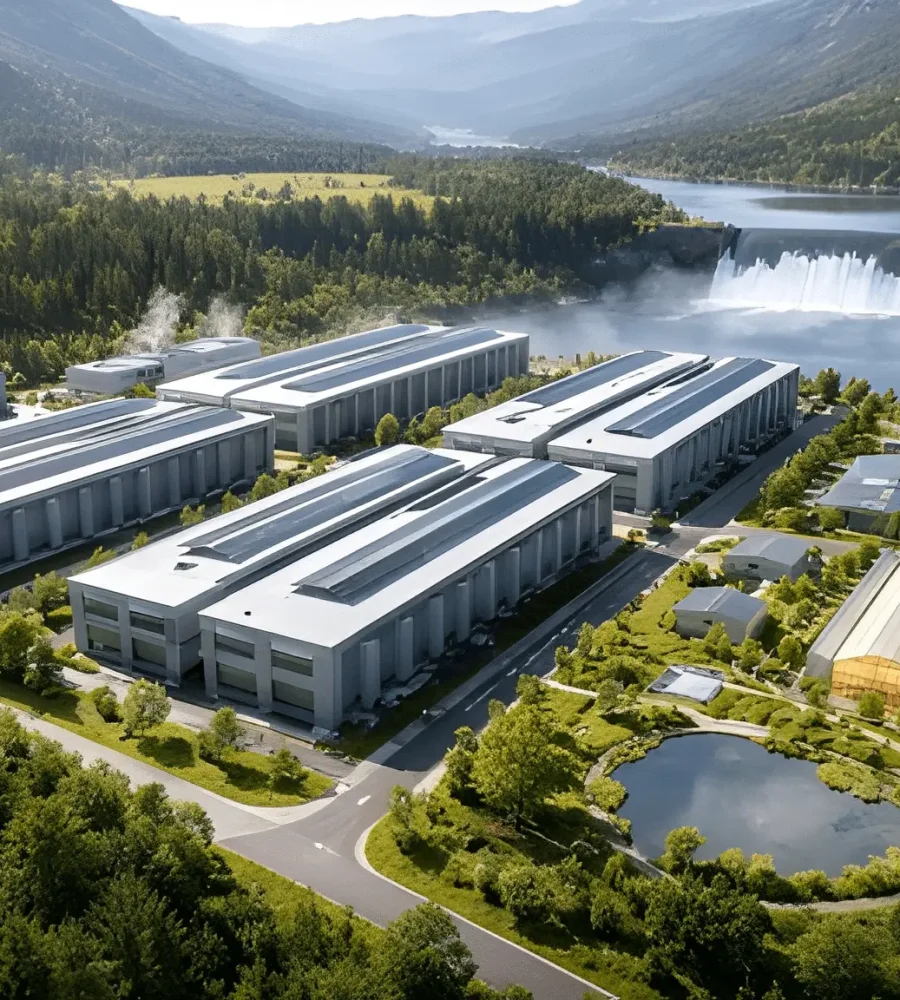
By late 2025, Texas already hosted hundreds of data centers across the state. Looking ahead, projections indicate that electricity demand from digital infrastructure could nearly double statewide by 2030. A single hyperscale campus can require hundreds of megawatts of capacity. For instance, the Constellation and CyrusOne agreement allocates 380 megawatts for Phase 1 and another 380 megawatts for Phase 2, bringing total planned support at that site to more than 760 megawatts. When combined with additional agreements and parallel developments, planners are now confronting gigawatt-scale loads dedicated solely to digital infrastructure.
Why Texas? The Grid, Market, and Regulation
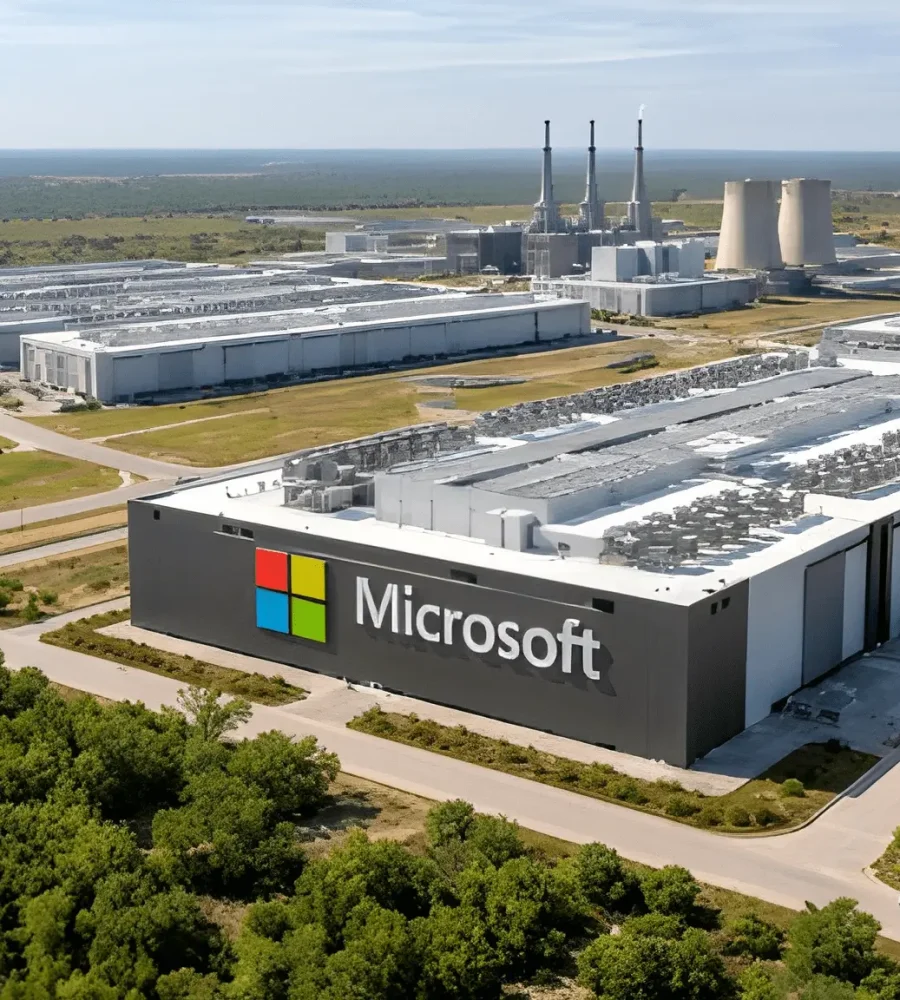
Texas occupies a distinctive position in the U.S. energy landscape. The Electric Reliability Council of Texas, or ERCOT, operates an independent grid that remains largely disconnected from the nation’s two major interconnections. This structure, paired with a deregulated market, enables relatively flexible pricing and rapid project development. Affordable land, business-friendly policy, and proximity to major fiber routes further strengthen the state’s appeal. As a result, hyperscale technology companies such as Google, Microsoft, Amazon, and Oracle continue expanding their Texas footprints.
Yet rapid expansion brings structural strain. ERCOT has acknowledged that its traditional approach to integrating large loads is under pressure. Historically, each new project has been evaluated individually. That model becomes inefficient when dozens of major data centers seek interconnection at the same time. In response, ERCOT has proposed conducting batch transmission studies that evaluate multiple projects collectively, recognizing that interconnection demand has surged.
This influx of large-load requests has tangible implications for reliability. When thousands of megawatts of new demand are queued for connection but supporting transmission and generation assets remain under development, mismatches emerge. Transmission infrastructure can take years to build, whereas data center operators often seek power on accelerated timelines.
To address reliability concerns, Texas has expanded ERCOT’s authority to curtail large energy users during emergencies. Such measures would have been difficult to imagine a decade ago. Today, however, the scale and concentration of demand make contingency planning essential.
Renewables, Fossil Power, and Energy Mix Realities
Against this backdrop, the TotalEnergies and Google solar agreement represents a strategic effort to secure long-term clean energy supply. The deal commits 1 gigawatt of solar capacity from projects under development, with the potential to generate approximately 28 terawatt-hours of renewable electricity over 15 years.
Importantly, this renewable generation supports both the data centers themselves and the broader regional grid. Adding new capacity can enhance system flexibility and contribute to price stability over time. From a corporate perspective, long-term power purchase agreements help manage cost volatility while advancing sustainability commitments. They also generate local economic benefits through construction jobs and tax revenue.
Nevertheless, renewables alone cannot fully meet the operational profile of AI data centers. Solar and wind generation fluctuate with weather conditions, while data center demand remains steady throughout the day and night. Without sufficient storage or firm capacity, utilities continue to rely on natural gas and other dispatchable resources to maintain reliability. Consequently, some developers pursue hybrid strategies that pair renewable procurement with firm generation, including behind-the-meter gas facilities.
Grid Reliability and Large Load Integration
Beyond sheer volume, the consistency of data center demand introduces technical complexity. Unlike residential consumption, which rises and falls with daily patterns, data centers operate at high capacity around the clock. This steady draw requires planners to revisit peak load forecasts and reassess the balance between generation, transmission, and reserve margins needed to preserve grid stability.
The scale of pending interconnection requests underscores the magnitude of the challenge. Nearly 250 gigawatts of large-load proposals have been logged, far exceeding ERCOT’s current peak demand. A substantial portion of these requests originates from data center developers. Integrating such demand responsibly calls for new planning tools, improved forecasting methodologies, and closer coordination among stakeholders.
Beyond Energy: Water and Environmental Concerns
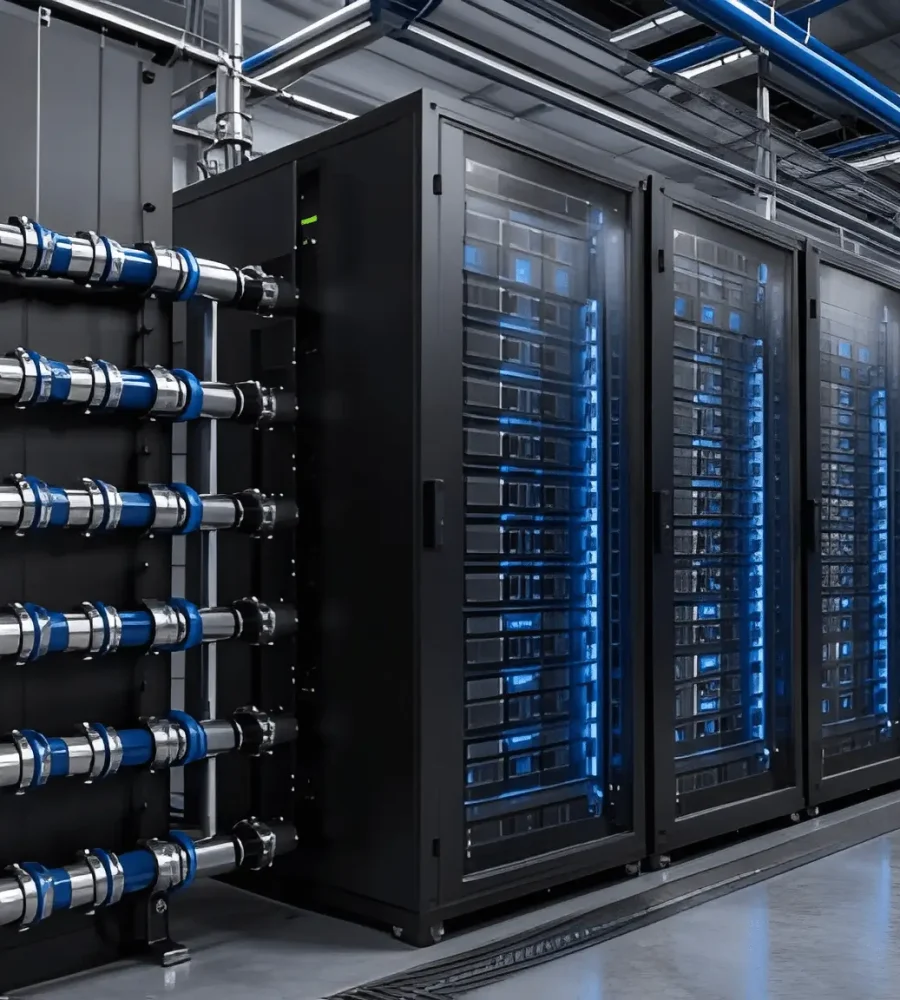
Electricity consumption represents only part of the environmental equation. Water usage, particularly for cooling systems, has emerged as another critical issue. AI data centers can require significant volumes of water directly for cooling and indirectly through the generation processes that supply their electricity.
Recognizing this, the Texas Public Utility Commission has initiated efforts to collect detailed water usage data from data centers and related industries. Accurate measurement will help inform long-term infrastructure and resource planning.
These concerns illustrate that the expansion of AI infrastructure engages multiple resource systems simultaneously. Energy, water, land use, and emissions must all be considered together rather than in isolation.
What This Means for the Future
Texas has become a testing ground for how advanced computing infrastructure interacts with modern energy systems. The rapid growth of AI data centers has accelerated renewable procurement, intensified transmission planning, and exposed the limits of existing regulatory frameworks. At the same time, it has prompted deeper collaboration among grid operators, utilities, developers, and policymakers.
The lessons emerging from Texas extend beyond state borders. Regions across the United States, as well as Europe and Asia, are likely to confront similar pressures as AI adoption expands. Planning systems capable of integrating large, constant loads without jeopardizing reliability will prove essential. Equally important will be sustained investment in both clean generation and firm capacity, along with expanded transmission infrastructure.
Viewed in this light, the Texas data center surge signals a broader global shift. The intersection of digital infrastructure and energy systems is becoming a defining policy and engineering challenge of the AI era. How Texas navigates this transformation may help shape best practices for balancing technological ambition with grid reliability and environmental stewardship worldwide.