
The past decade saw remarkable improvements in data center efficiency, driven by better cooling architectures, advanced silicon design, and optimized power usage effectiveness metrics. Industry leaders reduced average PUE values significantly, narrowing the gap between total facility energy use and IT load consumption. However, these gains have begun to slow as thermodynamic and engineering constraints increasingly limit further improvements in cooling and power distribution systems, although progress continues across leading operators. AI workloads now scale at a rate that far exceeds these incremental efficiency gains, creating a widening imbalance between supply-side optimization and demand-side expansion. Data center operators face a structural challenge where each marginal improvement delivers diminishing returns while compute demand continues to rise steeply. This divergence sets the foundation for what can be defined as the scale paradox in modern digital infrastructure.
Chip-level innovation once delivered predictable gains through process node shrinkage and architectural refinements, but those trends have slowed as physical limits approach. Advanced GPUs and accelerators now prioritize performance density over pure efficiency, often increasing absolute power consumption per unit. AI training clusters, which rely on thousands of interconnected processors, amplify this effect as aggregate energy demand scales linearly with cluster size. Hyperscale platforms continue to optimize software orchestration and workload scheduling, yet those improvements cannot offset the exponential growth in AI model size and usage frequency. Demand expansion now operates on a different curve than efficiency progress, which introduces a systemic imbalance across the infrastructure stack. The result reflects a shift from efficiency-led sustainability to demand-driven energy escalation.
The mismatch between efficiency improvements and workload growth becomes more pronounced when examining real-world deployment cycles. Data centers built with state-of-the-art efficiency standards still experience rapid increases in energy consumption within months of commissioning. AI adoption across industries accelerates compute utilization rates, pushing facilities toward higher sustained loads. Capacity planning models, which once assumed gradual scaling, now struggle to keep pace with unpredictable AI-driven demand spikes. Operators often prioritize performance and latency over marginal efficiency gains, reinforcing the upward trajectory of total energy use. This dynamic highlights how efficiency curves flatten while demand continues its steep ascent, deepening the scale paradox.
AI Workloads Are Rewriting the Energy Baseline
Generative AI introduces a fundamental shift in how energy consumption gets defined within data centers, moving beyond traditional workloads such as storage, web hosting, and transactional computing. Training large-scale models requires immense computational power over extended periods, often consuming megawatt-scale energy continuously. Inference workloads, which serve real-time user queries, add a persistent and distributed layer of demand that scales with user adoption, though comprehensive large-scale quantification of this impact remains limited. These two phases together redefine the baseline energy requirement for modern digital services. AI-driven applications increasingly represent a step-change in demand and are beginning to establish a higher baseline for energy consumption intensity across many use cases. This transformation marks a structural reset in how infrastructure operators evaluate capacity and sustainability.
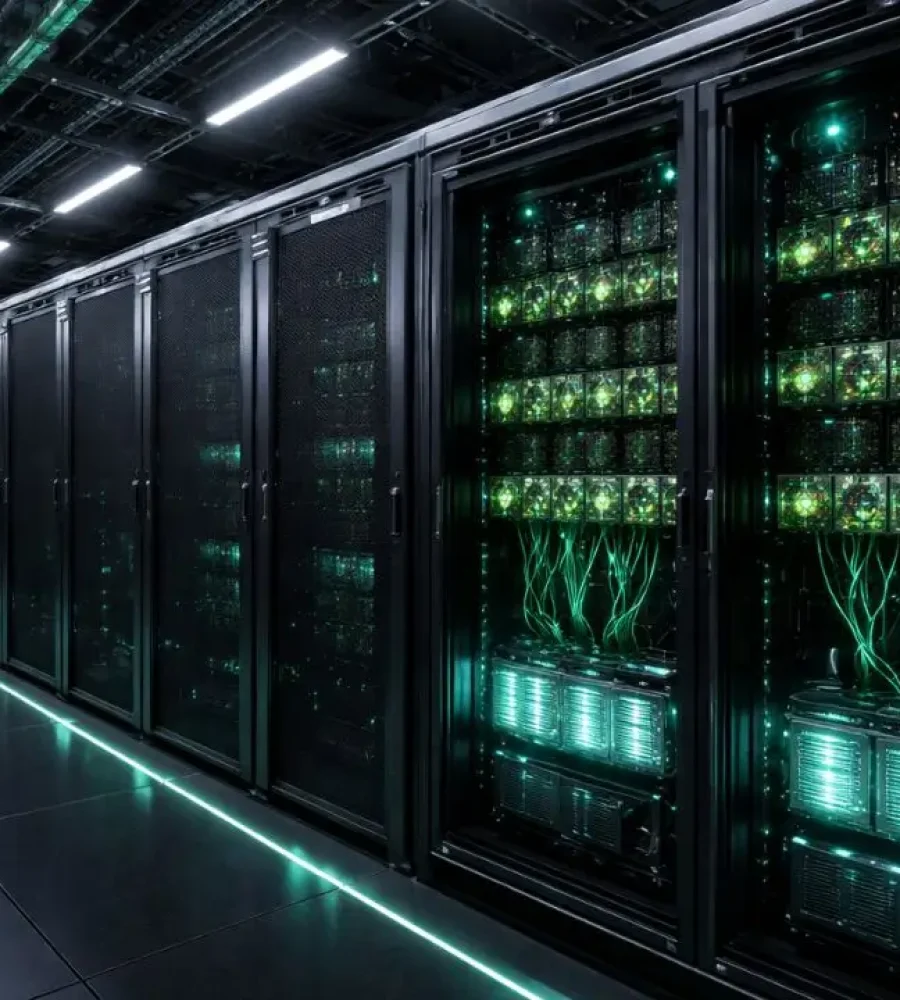
The energy profile of AI workloads differs significantly from conventional cloud operations due to higher utilization rates and specialized hardware requirements. GPUs and AI accelerators operate at near-maximum capacity for extended durations, which contrasts with the variable loads seen in traditional enterprise workloads. Data movement between nodes during distributed training adds another layer of energy consumption that often goes underreported. Model scaling laws, which correlate performance improvements with increased parameter counts, drive a continuous expansion in compute requirements. As organizations deploy larger models to remain competitive, baseline energy consumption rises accordingly. This shift reinforces the idea that AI fundamentally changes the energy economics of digital infrastructure.
Energy baselines also evolve as AI applications penetrate consumer and enterprise ecosystems at scale. Search engines, productivity tools, and customer service platforms integrate generative AI capabilities that demand continuous inference processing. Each user interaction now carries a higher computational cost compared to traditional queries or transactions. Data centers must accommodate this sustained increase in load, which elevates baseline energy consumption even during off-peak periods. The cumulative effect transforms energy demand patterns from cyclical to consistently elevated levels. Consequently, infrastructure planning must adapt to a permanently higher energy baseline shaped by AI adoption.
Absolute Emissions Are Rising, Even in “Greener” Data Centers
Many hyperscale operators have invested heavily in renewable energy procurement, carbon offsets, and efficiency improvements to reduce their environmental impact. These efforts have led to measurable improvements in carbon intensity metrics, particularly in regions with strong renewable energy availability. However, total emissions continue to rise as data center capacity expands rapidly to support AI-driven workloads. Absolute emissions reflect the scale of operations rather than efficiency per unit, which creates a disconnect between sustainability metrics and real-world impact. Even facilities powered by renewable energy contribute indirectly to emissions through grid interactions and backup power systems. This contradiction underscores the complexity of measuring sustainability in the context of exponential growth.
Projections indicate that global data center electricity demand could double by 2030, driven primarily by AI and high-performance computing workloads. Efficiency gains may slow the rate of increase but cannot fully offset the scale of demand growth. Renewable energy adoption, while essential, can lag behind the pace of infrastructure expansion in certain regions due to regulatory, logistical, and geographic constraints. Data center operators frequently rely on mixed energy sources, especially in regions where renewable capacity remains limited. This reliance introduces variability in emissions profiles despite sustainability commitments. The gap between relative efficiency improvements and absolute emissions growth continues to widen under these conditions.
Corporate sustainability reports often highlight improvements in emissions intensity rather than total emissions, which can obscure the broader environmental impact. Investors and stakeholders increasingly scrutinize these disclosures to understand the true scale of emissions growth. As AI adoption accelerates, companies face mounting pressure to reconcile their growth strategies with climate commitments. Absolute emissions are increasingly used alongside intensity metrics to assess environmental impact, especially in high-growth sectors like cloud computing. This shift in focus reveals the limitations of current sustainability frameworks when applied to rapidly scaling infrastructure. Ultimately, the paradox becomes evident as greener operations coincide with rising total emissions.
Infrastructure Expansion Is Outpacing Decarbonization Timelines
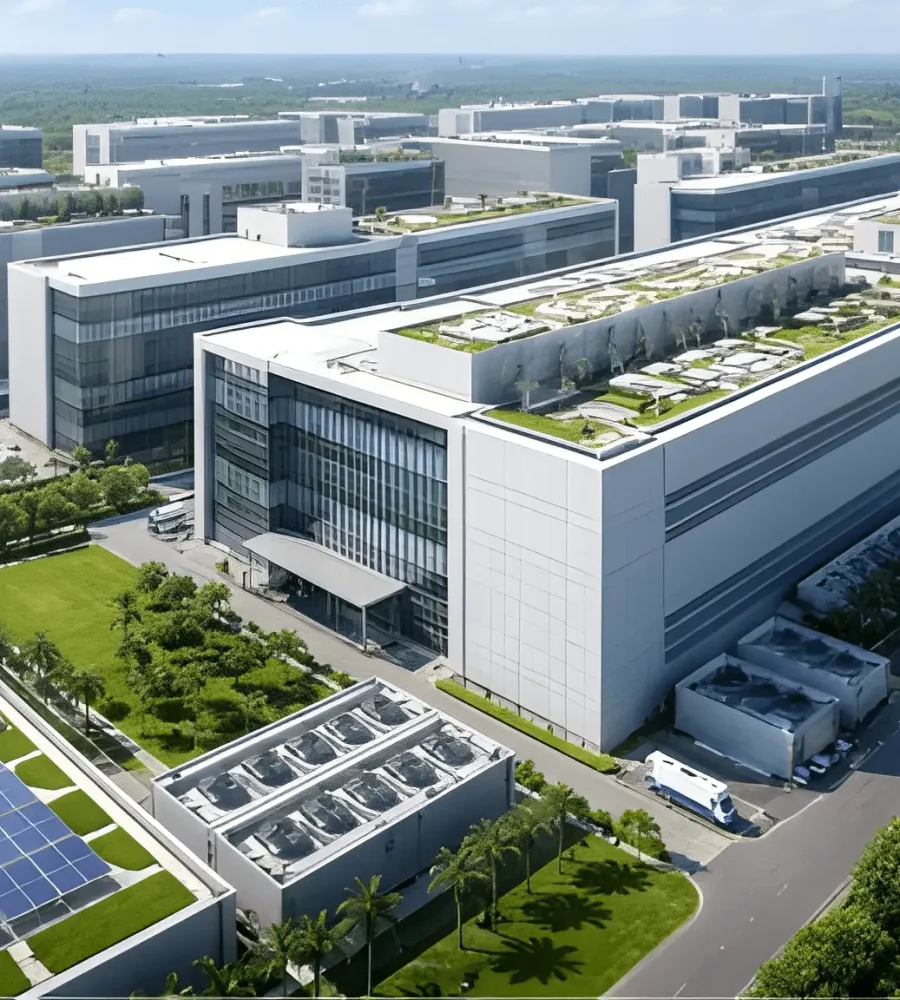
AI-driven demand has triggered a surge in data center construction, with new facilities coming online at an unprecedented pace across major global markets. These developments aim to meet immediate compute requirements, often prioritizing speed of deployment over long-term sustainability considerations. Renewable energy projects, in contrast, require extensive planning, permitting, and grid integration, which slows their rollout. This creates a temporal mismatch between infrastructure expansion and decarbonization efforts. Data centers may operate for years before corresponding renewable capacity becomes available. This lag contributes to increased reliance on conventional energy sources during the interim period.
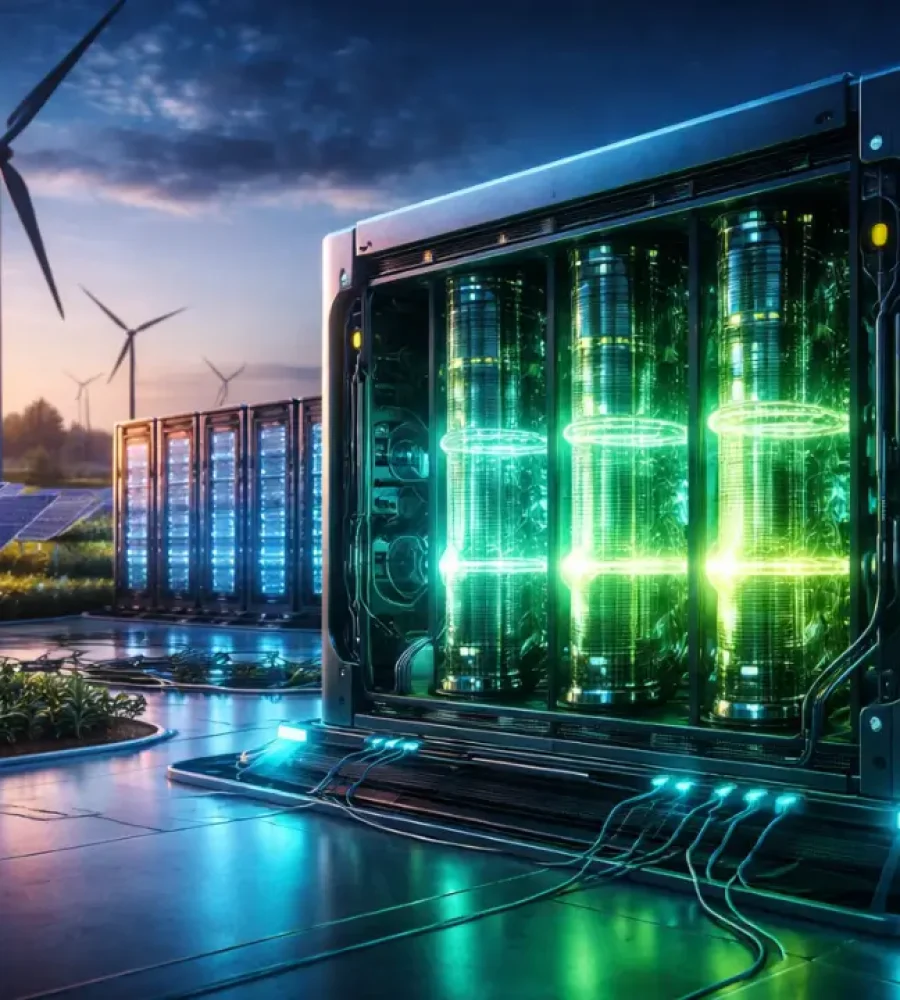
The grid itself presents additional challenges as it struggles to accommodate both rising data center demand and the integration of renewable energy sources. Transmission constraints, interconnection delays, and regional disparities in energy infrastructure complicate the transition to low-carbon power. Data center operators often secure energy through power purchase agreements, yet those agreements do not always translate into immediate emissions reductions. The physical delivery of renewable energy depends on grid availability and capacity, which may not align with demand centers. As a result, facilities in some regions may draw power from fossil-fuel-based grids despite contractual commitments to renewable sourcing due to grid availability and timing mismatches. This disconnect further amplifies the scale paradox within the energy ecosystem.
Infrastructure expansion timelines also reflect the urgency of competitive pressures within the AI sector. Companies race to deploy larger and more capable models, which necessitates rapid scaling of compute resources. Data center construction cycles have shortened, with modular designs enabling faster deployment. In contrast, grid upgrades and renewable energy projects follow longer development cycles that cannot match this pace. This imbalance leads to a growing gap between compute capacity and clean energy availability. The result highlights how infrastructure growth consistently outpaces decarbonization timelines in the AI era.
The Hidden Multipliers: Cooling, Water, and Embodied Carbon
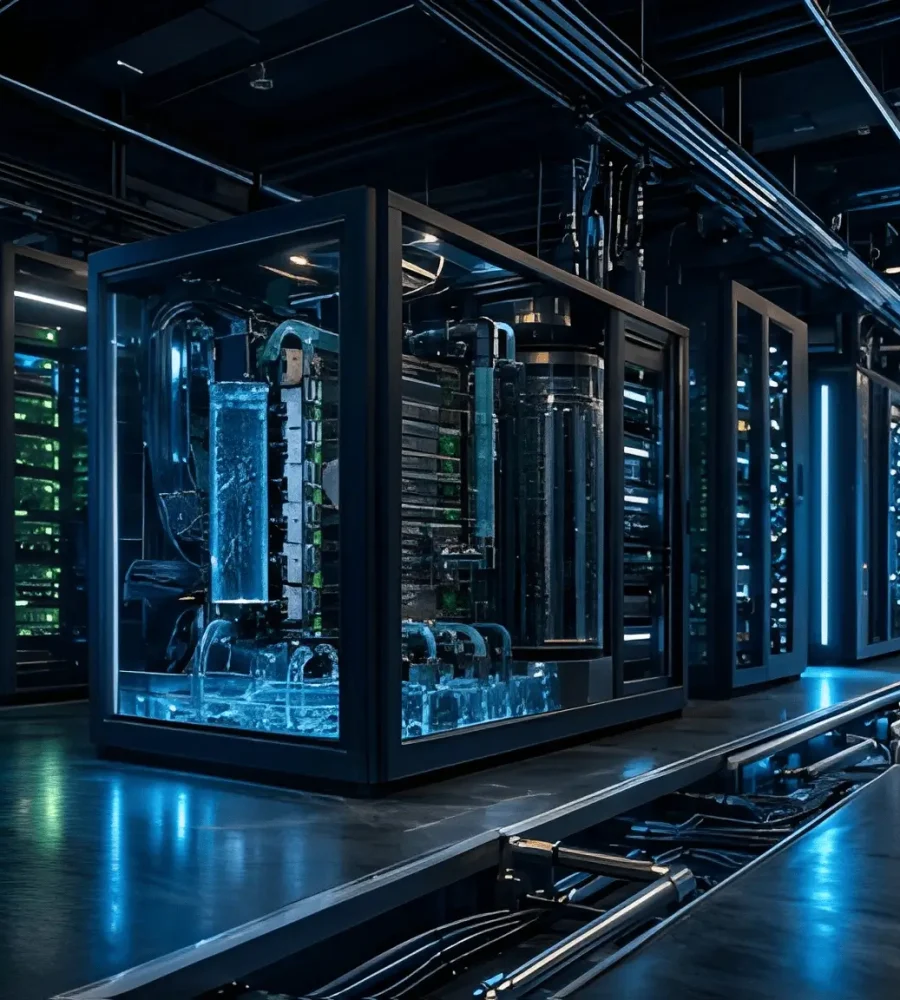
Energy consumption represents only one dimension of the environmental impact associated with AI infrastructure, as cooling systems introduce significant additional resource requirements. Advanced cooling techniques, including liquid cooling and immersion systems, improve thermal efficiency but often increase water usage or material complexity. Large-scale data centers require substantial volumes of water for heat dissipation, particularly in regions with high ambient temperatures. This demand places additional stress on local water resources, especially in areas already facing scarcity. Cooling infrastructure also contributes to indirect energy consumption through pumps, chillers, and auxiliary systems. These factors collectively amplify the environmental footprint beyond electricity usage alone.
Hardware manufacturing introduces another layer of environmental impact through embodied carbon, which accounts for emissions generated during production and supply chain processes. Semiconductor fabrication, component assembly, and transportation all contribute to the carbon footprint of AI infrastructure before it becomes operational. Frequent hardware upgrades, driven by rapid advancements in AI performance, can shorten equipment lifecycles and increase turnover rates, contributing to higher lifecycle emissions. This accelerates the accumulation of embodied emissions across the industry. Recycling and reuse initiatives help mitigate some of these impacts, yet they cannot fully offset the scale of production required to support AI growth. The lifecycle perspective reveals how infrastructure scaling multiplies environmental costs beyond operational energy use.
Data center ecosystems also involve complex interdependencies that amplify resource consumption across multiple dimensions. Networking equipment, storage systems, and backup infrastructure all contribute to the overall environmental footprint. Each layer introduces additional energy, material, and water requirements that scale with compute demand. The cumulative effect suggests a layered impact dynamic where a single unit of AI workload is associated with multiple contributing sources of environmental impact across the infrastructure stack. This interconnected structure complicates efforts to measure and manage sustainability effectively. The scale paradox becomes more pronounced when these hidden multipliers are taken into account.
The Future Isn’t About Efficiency It’s About Restraint and Redesign
The trajectory of AI and cloud infrastructure suggests that efficiency improvements alone cannot counterbalance the environmental impact of rapid scaling. Operators must reconsider how workloads get prioritized, focusing on value-driven compute allocation rather than unrestricted expansion. Carbon-aware computing offers a potential pathway to align workloads with periods of lower grid emissions, with early evidence indicating improved sustainability outcomes. Workload optimization at the application level can reduce unnecessary compute cycles and improve resource utilization. Strategic restraint in deploying large-scale models may become necessary to balance innovation with environmental responsibility. These approaches signal a shift toward more deliberate and sustainable infrastructure design.
Systemic redesign will play a critical role in addressing the scale paradox, requiring collaboration across hardware, software, and energy ecosystems. Innovations in chip architecture, cooling technologies, and grid integration must align with broader sustainability goals. Policymakers and industry stakeholders need to establish frameworks that account for absolute emissions rather than relative efficiency metrics. Transparent reporting and standardized measurement practices can improve accountability and guide decision-making. Investment in renewable energy infrastructure must accelerate to match the pace of AI-driven demand growth. This coordinated effort will determine whether the industry can navigate the challenges posed by the scale paradox.
The future of AI infrastructure depends on a balanced approach that integrates technological advancement with environmental stewardship. Growth will continue to drive innovation, yet it must occur within the constraints of sustainable resource use. Organizations that adopt holistic strategies will be better positioned to manage the complexities of scaling responsibly. The scale paradox highlights the need for a fundamental shift in how the industry approaches sustainability. Efficiency remains important, but it cannot serve as the sole solution to rising emissions. The path forward requires a combination of restraint, redesign, and long-term commitment to sustainable growth.