Understanding Hybrid Power in Data Centers
Large digital infrastructure facilities require uninterrupted electricity because compute workloads operate continuously across distributed server clusters and storage networks. Operators historically relied on centralized grid connections supplemented by diesel backup generators designed to support emergency failover conditions during grid disruptions. Rapid growth in high-density computing, artificial intelligence workloads, and hyperscale infrastructure has placed new pressure on traditional energy supply models used by these facilities. Energy volatility, grid congestion, and stricter sustainability targets now push operators to diversify how facilities source electricity. Hybrid power architectures integrate on-site generation assets with conventional grid electricity to create a more resilient and flexible energy supply framework. Industry leaders increasingly view diversified energy sourcing as a practical engineering strategy rather than a speculative sustainability initiative.
Data center operators implement hybrid energy systems to manage operational risk while maintaining strict service level agreements for uptime. Electricity supply interruptions can disrupt large clusters of servers, networking equipment, and cooling systems that sustain high-performance computing workloads. Engineers therefore design facilities with multiple independent power paths that reduce reliance on any single electricity source. On-site generation allows operators to maintain critical workloads even during grid instability or regional outages. Grid electricity remains an important component because it provides scalable capacity that supports peak demand periods and operational growth. Hybrid architecture therefore creates a structured balance between internal energy production and external utility supply.
Reliability considerations have historically shaped infrastructure decisions inside digital facilities because downtime can impose significant economic consequences. Many operators calculate service availability targets measured in multiple “nines,” which represent extremely low tolerance for power interruptions across operational environments. Engineers therefore incorporate diversified energy systems that include generation, storage, and redundant distribution layers across facilities. Hybrid energy frameworks can enable operators to isolate certain grid disturbances while maintaining limited internal power production during unstable conditions. On-site assets such as solar installations or natural gas turbines can sustain essential workloads while external supply recovers. Reliability therefore emerges as a central technical driver behind hybrid power adoption.
Energy cost management also influences the adoption of diversified power architectures inside large computing facilities. Electricity represents one of the largest operational expenditures for hyperscale infrastructure providers operating thousands of servers in continuous service. Operators actively analyze electricity price fluctuations across regional wholesale markets when planning long-term infrastructure deployments. Hybrid energy systems allow facilities to generate electricity internally when grid prices spike during peak demand periods. Battery storage systems can support energy shifting strategies in facilities that participate in time-of-use electricity pricing programs. Operators therefore create operational flexibility that reduces exposure to volatile energy pricing environments.
Environmental considerations have further accelerated interest in hybrid energy systems across the global digital infrastructure sector. Corporate sustainability commitments increasingly require measurable reductions in operational emissions associated with electricity consumption. Data center facilities consume large volumes of electricity, which can indirectly produce carbon emissions depending on regional grid generation mixes. On-site renewable generation provides operators with a direct mechanism to integrate low-carbon electricity into daily operations. Energy storage and efficient on-site generation technologies can complement renewable assets by stabilizing power output during fluctuating conditions. Hybrid systems can support long-term decarbonization strategies when renewable generation and efficient on-site power technologies are integrated.
Industry momentum behind diversified energy sourcing continues to expand as digital infrastructure grows across new geographic regions. Emerging computing markets often face grid capacity constraints that challenge traditional data center power provisioning models. Operators therefore explore hybrid strategies that combine grid electricity with localized generation resources. These configurations enable facilities to deploy capacity even in regions where grid infrastructure expansion may lag behind demand. Hybrid energy strategies also support modular infrastructure development because operators can scale generation assets alongside computing capacity. The operational flexibility provided by hybrid architectures continues to shape energy planning across modern data center development projects.
On-Site Generation Technologies in Use Today
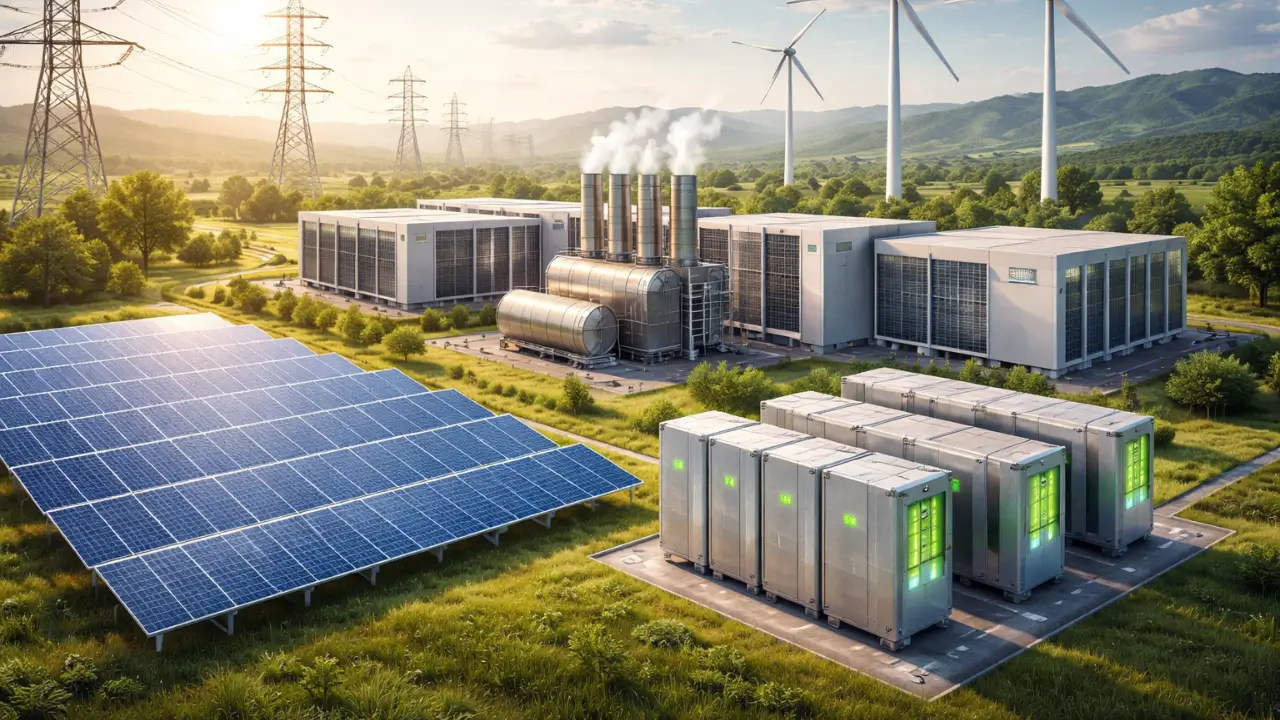
On-site generation technologies have evolved significantly as digital infrastructure operators seek greater control over electricity supply within facility boundaries. Solar photovoltaic installations represent one of the most visible renewable technologies deployed near large computing campuses. These systems convert sunlight directly into electricity that can supply server clusters, networking equipment, and cooling systems operating within the facility. Large data center campuses often install solar arrays on adjacent land parcels, rooftops, or integrated canopy structures across parking areas. Electricity generated during daylight hours can directly offset grid consumption during operational periods. Solar deployment therefore provides a measurable contribution to reducing dependence on external electricity supply.
Combined heat and power systems also play a meaningful role in on-site energy generation for many facilities operating in dense computing environments. CHP systems generate electricity while simultaneously capturing waste heat produced during generation processes. Engineers can repurpose this thermal energy to support absorption chillers or heating systems integrated into facility infrastructure. This dual-output capability significantly improves fuel utilization efficiency compared with conventional standalone power generation technologies. Facilities that deploy CHP systems therefore achieve both electricity generation and thermal management benefits within a single operational asset. Energy engineers often view CHP systems as an effective method for maximizing resource efficiency in energy-intensive computing environments.
Natural gas generation systems are deployed in some large data center campuses as part of on-site energy portfolios. Gas-fired turbines and reciprocating engines can provide reliable electricity generation with relatively fast ramp-up times when compared with large centralized power plants. Operators often deploy these systems to supply base load electricity or to support peak demand conditions within facility operations. Modern natural gas generators produce lower emissions compared with traditional diesel generators used historically for backup power applications. Gas infrastructure availability across many regions also supports consistent fuel supply for on-site electricity production. These operational characteristics make natural gas generation a common component within hybrid energy architectures.
Battery energy storage systems have emerged as a critical enabling technology for hybrid power architectures across modern digital infrastructure facilities. Large battery installations can store excess electricity generated by renewable assets or purchased during off-peak grid pricing periods. Stored energy can later support facility operations during demand spikes or temporary grid instability. Lithium-ion battery technology has gained significant adoption due to improvements in energy density and response times. Batteries can respond to power fluctuations within milliseconds, providing stability for sensitive computing equipment operating inside data centers. Energy storage therefore acts as an operational bridge between variable generation sources and constant computing workloads.
Several hyperscale operators have implemented integrated on-site generation strategies at selected facilities within their infrastructure portfolios. Large campuses operated by cloud service providers frequently combine solar installations with battery storage to reduce reliance on grid electricity during peak daylight hours. Some facilities also integrate gas turbines or fuel cell systems to supply additional on-site generation capacity. These deployments demonstrate how diversified generation portfolios can support both reliability objectives and sustainability commitments simultaneously. Infrastructure planners carefully model energy production patterns, facility load curves, and storage capacity to ensure balanced operational performance. Operational experience from these facilities continues to inform best practices for hybrid power system design across the industry.
Growing interest in diversified generation technologies reflects broader structural changes occurring across global energy systems. Electricity demand from digital infrastructure continues to rise as artificial intelligence training clusters and cloud services expand across markets. Facilities therefore require energy strategies capable of scaling alongside computing workloads without compromising reliability or sustainability targets. On-site generation technologies provide operators with tools to produce electricity within controlled environments that align with facility operational requirements. Integration of generation assets, storage systems, and advanced energy management software creates flexible energy ecosystems around computing campuses. These developments illustrate how digital infrastructure increasingly intersects with broader transformations occurring across the global electricity sector.
Grid Integration: Leveraging Reliability and Flexibility
Connection to regional electricity grids remains a foundational component of modern digital infrastructure power architecture. Utility networks provide the large-scale generation capacity required to sustain the continuous electricity demand created by dense computing clusters. Grid supply allows operators to scale facility capacity without constructing proportional on-site generation assets for every expansion phase. Engineers design interconnection systems that synchronize internal electrical distribution networks with regional transmission infrastructure. High-voltage utility feeds typically enter facilities through redundant substations that distribute electricity across multiple internal power paths. Grid connectivity therefore ensures that data centers can maintain operational continuity even when internal generation assets undergo maintenance cycles.
Data centers also participate in demand response programs that allow operators to adjust electricity consumption during periods of grid stress. Utility providers increasingly collaborate with large electricity consumers to stabilize grid operations during extreme demand events. Facilities equipped with on-site generation or battery storage can temporarily reduce grid consumption by switching to internal energy resources. This operational flexibility helps grid operators maintain system stability without triggering widespread service interruptions. Demand response participation can also generate financial incentives for facilities that support grid reliability through controlled load reduction. Such mechanisms create a mutually beneficial relationship between digital infrastructure operators and electricity providers.
Load management strategies also allow facilities to shift noncritical computing tasks to periods when electricity supply conditions remain favorable. Data center energy management platforms monitor real-time electricity prices, grid conditions, and facility power consumption. Operators can schedule certain flexible workloads or maintenance activities during off-peak periods when operational requirements allow. Advanced software systems automate these adjustments by coordinating server workloads with facility energy availability. This operational coordination supports both infrastructure efficiency and grid reliability during high-demand conditions. Facilities therefore function as active participants within modern electricity ecosystems rather than passive consumers of energy.
Time-of-use electricity pricing also influences how operators integrate grid power into hybrid energy systems. Utilities in many regions charge different electricity rates depending on the time of day and overall demand conditions. Electricity prices often increase significantly during afternoon or evening peak demand windows. Data centers equipped with battery storage or on-site generation can reduce grid consumption during these high-cost periods. Stored electricity generated earlier in the day can supply facility loads while grid prices remain elevated. This operational flexibility enables operators to align energy consumption patterns with economic signals embedded in electricity markets.
Facilities that maintain strong grid integration can also contribute to broader system stability during regional electricity disruptions. Large computing campuses often possess advanced electrical infrastructure that includes transformers, switchgear, and energy storage assets. During specific grid support programs, facilities may provide short-duration power injections or load reductions to stabilize frequency fluctuations. These actions support the resilience of regional electricity networks while maintaining operational continuity within the facility. Grid operators increasingly recognize the value of flexible energy consumers capable of responding quickly to changing system conditions. Digital infrastructure therefore plays a growing role in maintaining grid reliability as electricity systems evolve.
Hybrid architectures also provide operators with the ability to scale infrastructure in regions where grid capacity expansion occurs gradually. Large digital infrastructure projects often require hundreds of megawatts of electricity to support dense computing workloads. Utility infrastructure upgrades may require several years of planning and construction before new capacity becomes available. On-site generation can allow operators to support early operational capacity in locations where grid upgrades are still in progress. Hybrid power strategies therefore support phased infrastructure deployment across rapidly expanding computing markets. This approach enables operators to align infrastructure growth with both technological demand and electricity system development timelines.
Cost Optimization Strategies in Hybrid Power Systems
Energy expenditure represents one of the most significant operational costs associated with large-scale computing infrastructure. Operators continuously analyze electricity procurement strategies to maintain financial sustainability while supporting expanding digital services. Hybrid energy systems provide a structured framework that allows facilities to balance internally generated electricity with grid purchases. Facilities can generate power during high-price periods while relying on grid electricity when market prices decline. This operational balance helps reduce exposure to volatility within wholesale electricity markets. Strategic energy management therefore contributes directly to long-term operational efficiency within digital infrastructure environments.
Battery energy storage systems support cost optimization through a process often described as energy arbitrage. Facilities can store electricity when prices remain low during periods of reduced demand. Stored electricity becomes available for consumption when electricity prices increase later in the day. Automated energy management platforms track electricity market signals and dispatch stored power when economic conditions justify the switch. This capability allows facilities to reduce electricity purchases during expensive peak demand intervals. Energy storage therefore transforms electricity procurement into an actively managed operational strategy rather than a fixed cost structure.
Power purchase agreements also form a key financial instrument within hybrid energy strategies adopted by digital infrastructure operators. Long-term agreements with renewable energy producers allow facilities to secure electricity at stable prices for extended time horizons. These contracts often support the development of new renewable energy projects such as wind farms or large solar installations. Facilities may continue purchasing electricity through the grid while the associated renewable generation offsets consumption through contractual arrangements. Power purchase agreements therefore provide financial stability while supporting the expansion of renewable energy capacity across electricity markets.
Renewable energy credits also contribute to the financial and environmental framework supporting hybrid power strategies. These credits represent the environmental attributes associated with electricity generated from renewable resources. Data center operators can purchase credits to account for renewable electricity consumption even when direct generation occurs at a different location. Renewable energy credits allow organizations to align electricity consumption with sustainability commitments while maintaining operational flexibility. Market mechanisms for renewable credits therefore support broader adoption of renewable energy across electricity systems. Facilities integrate these instruments into broader procurement strategies designed to balance cost control with environmental responsibility.
Operational forecasting also plays a critical role in optimizing the financial performance of hybrid energy systems. Advanced analytics platforms evaluate historical electricity prices, weather patterns, and facility demand profiles. Engineers use these insights to determine optimal schedules for on-site generation and battery dispatch. Predictive modeling tools can help facilities estimate potential periods of high electricity prices or grid congestion using historical and market data. Operators can prepare generation assets in advance to reduce reliance on expensive external electricity supply. Data-driven energy management therefore strengthens the economic value of hybrid infrastructure architectures.
Infrastructure operators increasingly treat energy management as an integrated component of digital infrastructure planning. Hybrid energy systems align operational efficiency with financial sustainability across long-term infrastructure investments. Facilities that combine generation assets, energy storage, and grid procurement can respond dynamically to changing market conditions. Strategic energy procurement reduces operational costs without compromising reliability requirements demanded by digital services. Energy management platforms continue to evolve as facilities integrate more distributed energy resources within operational environments. These developments illustrate how financial optimization increasingly intersects with infrastructure engineering within modern computing ecosystems.
Reducing Carbon Footprint Through Hybrid Operations
Electricity consumption within large computing facilities contributes indirectly to greenhouse gas emissions depending on the generation mix used by regional electricity grids. Regions that rely heavily on coal or other fossil fuels often produce higher emissions per unit of electricity consumed. Data center operators increasingly seek operational strategies that reduce the environmental impact associated with electricity demand. Hybrid energy architectures allow facilities to integrate low-carbon energy sources alongside conventional grid electricity supply. On-site renewable installations provide a direct method for introducing cleaner electricity into operational energy portfolios. This approach supports broader sustainability commitments adopted by many technology companies operating global infrastructure networks.
Solar generation plays an important role in reducing operational emissions across facilities that deploy hybrid energy systems. Solar photovoltaic arrays generate electricity without direct combustion, which eliminates emissions during operational phases. Data center campuses located in regions with high solar irradiance can produce significant amounts of electricity during daylight hours. This locally generated renewable energy reduces the quantity of grid electricity required to sustain computing operations. Facilities can store excess solar generation within battery systems for later use during evening operational cycles. Solar integration therefore contributes to measurable reductions in the carbon intensity of electricity consumed within facility operations.
Efficient on-site generation technologies also support emissions reduction efforts when compared with conventional backup generation systems. Combined heat and power installations capture thermal energy that would otherwise dissipate during electricity production processes. Engineers can reuse this thermal output for cooling infrastructure or other facility support systems integrated within data center campuses. Improved energy efficiency results in lower fuel consumption for the same electricity output levels. Facilities that deploy CHP systems therefore reduce the total emissions associated with on-site power production. Efficient generation technologies contribute to broader operational sustainability objectives within hybrid infrastructure environments.
Battery energy storage systems further enhance the environmental performance of hybrid energy architectures. Storage technology allows facilities to capture renewable electricity produced during periods of high generation availability. Operators can later deploy this stored energy when renewable output temporarily declines or when grid electricity carries higher carbon intensity. Energy storage therefore increases the utilization rate of renewable electricity produced within or contracted by the facility. Facilities equipped with advanced energy management systems can schedule battery discharge during periods of elevated grid emissions. This operational coordination helps reduce the overall carbon footprint associated with electricity consumption across computing operations.
Corporate sustainability frameworks also influence how operators design hybrid energy strategies across infrastructure portfolios. Many technology companies publicly report environmental performance through environmental, social, and governance reporting frameworks. These frameworks encourage measurable reductions in operational emissions and greater reliance on renewable electricity sources. Hybrid power systems provide operators with practical tools to achieve these sustainability targets while maintaining infrastructure reliability. Facilities can combine renewable generation, efficient on-site production, and renewable electricity procurement through contractual agreements. This integrated approach aligns infrastructure operations with broader corporate climate commitments adopted across the technology sector.
Regulatory policies across multiple regions increasingly encourage infrastructure operators to adopt lower-carbon electricity solutions. Governments introduce emissions reporting requirements, renewable energy incentives, and energy efficiency standards that influence infrastructure development decisions. Hybrid power systems provide a flexible operational model capable of adapting to evolving regulatory frameworks. Facilities can gradually increase renewable integration as electricity markets transition toward cleaner generation portfolios. Infrastructure planners therefore consider hybrid energy architectures as a long-term strategy for maintaining regulatory compliance and environmental performance. These developments illustrate how sustainability considerations now shape the energy strategies used across global digital infrastructure.
The Future of Hybrid Power in Data Centers
Digital infrastructure continues to expand rapidly as cloud computing, artificial intelligence, and large-scale data processing drive unprecedented electricity demand across modern facilities. Reliable electricity supply remains a non-negotiable requirement for infrastructure that supports global digital services operating around the clock. Hybrid energy architectures provide a structured framework that combines internal generation assets with conventional grid electricity supply. This diversified approach improves operational resilience while maintaining the flexibility required to support expanding compute workloads. Infrastructure operators increasingly view hybrid energy systems as an operational necessity rather than an experimental sustainability initiative. These strategies therefore represent a practical response to evolving energy demands within digital infrastructure environments.
Engineering advancements in generation technologies, energy storage systems, and grid management platforms continue to strengthen the viability of hybrid power architectures. Solar installations, natural gas turbines, battery storage systems, and combined heat and power units now operate as integrated components within many modern computing campuses. Facilities equipped with diversified energy portfolios can respond dynamically to grid conditions, electricity pricing signals, and sustainability requirements. Energy management software increasingly coordinates these assets to optimize operational performance across complex infrastructure environments. Hybrid systems therefore enable operators to maintain consistent service availability while adapting to changing energy conditions. Continued technological innovation will likely expand the capabilities of these integrated energy ecosystems.
Financial considerations will also influence the continued adoption of diversified energy sourcing across the global digital infrastructure industry. Electricity price volatility, infrastructure expansion costs, and evolving regulatory frameworks all shape how operators plan long-term energy strategies. Hybrid energy systems can allow infrastructure providers to balance internal generation with external procurement while maintaining operational efficiency. Energy storage, long-term renewable contracts, and predictive energy management tools create new opportunities for optimizing electricity expenditure. Facilities therefore gain greater control over both operational costs and environmental performance through diversified energy infrastructure. These economic incentives reinforce the strategic importance of hybrid energy systems in future infrastructure planning.
Environmental considerations will continue to shape how operators design and manage infrastructure energy systems. Growing attention to carbon emissions associated with electricity consumption encourages operators to integrate cleaner generation technologies within facility energy portfolios. Hybrid energy strategies allow facilities to incorporate renewable generation, efficient on-site power production, and flexible energy storage within a single operational framework. This integration supports measurable reductions in operational emissions without compromising the reliability requirements of large computing environments. Sustainability objectives increasingly align with engineering and financial priorities across the digital infrastructure sector. Hybrid power systems can provide a practical pathway toward lower-carbon computing infrastructure when renewable integration and efficient generation technologies are implemented.
Global electricity systems continue to evolve as renewable generation expands and digital infrastructure demand grows simultaneously. Data centers operate at the intersection of these two trends because they require significant electricity while supporting the digital services that drive modern economies. Hybrid power architectures create a bridge between large-scale grid infrastructure and localized energy production systems operating within computing campuses. Facilities equipped with diversified energy resources can adapt to changing electricity market conditions while sustaining continuous computing operations. Infrastructure planners therefore treat hybrid power strategies as an important component of long-term digital infrastructure development. These systems will continue evolving alongside advancements in energy technologies and global electricity networks.