Why AI Infrastructure Is Moving Beyond Data Centers
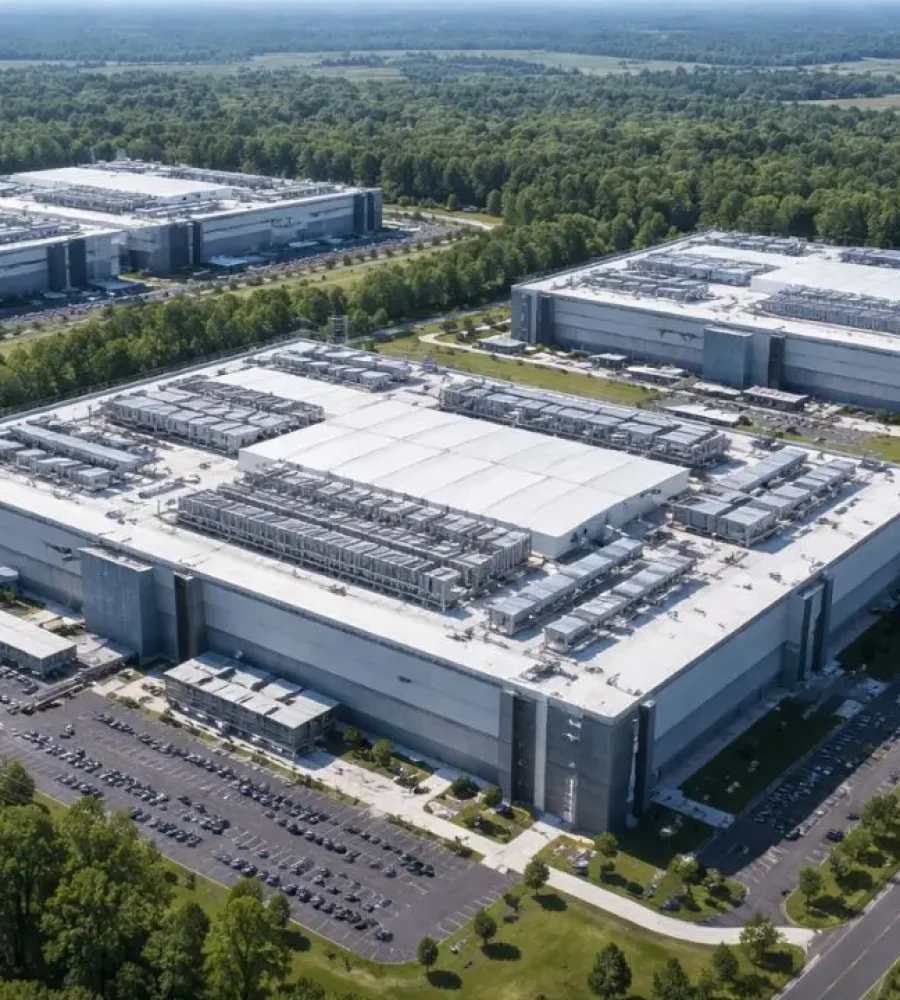
Artificial intelligence infrastructure is entering a scale phase that no longer fits within the traditional model of isolated data center campuses connected through standard telecom networks. Digital infrastructure corridors are emerging as a planning framework that coordinates power transmission, fiber connectivity, and large compute deployments across regions. GPU-dense clusters now demand enormous volumes of electricity, high-capacity networking, and geographically coordinated compute deployments that extend beyond the boundaries of a single facility. The expansion of large training clusters has already intensified requirements for inter-data-center connectivity, where ultra-high-bandwidth links move model parameters and training data between multiple compute sites. Industry surveys indicate that demand for interconnect bandwidth between facilities could increase sixfold by 2030 as artificial intelligence workloads expand across regions. Large compute installations therefore depend not only on server capacity but also on the reliability of surrounding infrastructure systems that deliver power and connectivity. Planning individual facilities in isolation has started to reveal bottlenecks in grid capacity, fiber routes, and land availability that constrain long-term scaling.
Land Use and Corridor Planning
Operators increasingly evaluate infrastructure in the context of regional systems rather than single buildings because compute clusters operate across distributed networks. AI training tasks often run across multiple sites linked by high-capacity optical connections, allowing organizations to aggregate compute resources into larger logical clusters. Telecommunications providers have responded by planning long-haul fiber expansions specifically designed to serve new compute regions where data center development is accelerating. Investments in thousands of additional fiber route miles reflect the expectation that artificial intelligence traffic will require significantly greater bandwidth between metropolitan infrastructure hubs. The architecture of these networks emphasizes redundancy, low latency, and direct connections between compute clusters rather than generic internet routing. This shift signals that connectivity design now plays a structural role in where and how compute infrastructure can scale. Infrastructure planning therefore begins to resemble regional industrial planning rather than isolated real-estate development.
Electricity availability represents another factor driving this transition toward coordinated infrastructure development. AI data centers operate with much higher power densities than earlier enterprise facilities because GPU clusters consume large quantities of electricity during model training. Grid operators and governments increasingly treat compute expansion as a major industrial load that requires new transmission capacity and coordinated power planning. Recent initiatives to upgrade high-voltage transmission infrastructure illustrate how energy systems must adapt to accommodate growing demand from digital infrastructure. High-capacity lines, sometimes reaching ultra-high voltage levels, allow electricity to travel long distances from generation sites to major compute regions. Power availability has become a critical factor in determining where large AI data center campuses can be deployed because training clusters require substantial and reliable electricity supply. The planning of compute infrastructure begins to intersect directly with national energy strategy and regional grid investment.
Designing AI Corridors for Power and Fiber
The emerging design pattern for large-scale compute deployment integrates three major infrastructure systems: electricity transmission, optical connectivity, and clustered data center development. Engineers increasingly view these elements as components of a unified infrastructure spine that supports the expansion of compute capacity over long geographic distances. High-capacity transmission lines deliver stable electricity supply to regions capable of hosting multiple data center campuses. Long-haul fiber routes follow similar geographic paths in order to provide ultra-low-latency communication between compute clusters. Co-locating these systems reduces deployment complexity because utilities and telecommunications providers can coordinate land rights, construction timelines, and maintenance access. The resulting configuration allows infrastructure providers to add new compute facilities along an established backbone without building entirely new utility networks. This approach resembles the development of transportation corridors where roads, rail, and logistics hubs grow along shared infrastructure routes.
Large compute deployments require network architectures capable of supporting extremely high traffic volumes generated by GPU clusters. Modern AI data centers already rely on dense fiber networks that connect thousands of accelerators through high-bandwidth switching fabrics. Optical technology advances toward 800-gigabit and terabit-scale connectivity illustrate how networking capacity must evolve alongside compute density. Data center interconnect systems extend this connectivity beyond the boundaries of individual facilities, linking campuses across metropolitan and regional distances. Coordinated infrastructure planning allows network providers to allocate dedicated wavelengths and high-capacity fiber strands specifically for cluster communication. This design reduces congestion and ensures that distributed training workloads maintain consistent performance across locations. The alignment of networking infrastructure with compute clusters therefore becomes essential to sustaining the scale of modern machine learning workloads.
Governments Mapping Next-Generation AI Infrastructure Zones
Governments increasingly recognize advanced computing capacity as a strategic national asset because artificial intelligence influences economic competitiveness and technological leadership. Public policy therefore plays an important role in shaping where major compute clusters emerge. Infrastructure zoning frameworks allow governments to designate specific regions for concentrated digital infrastructure development. These zones often combine access to high-capacity power transmission, proximity to fiber landing stations or backbone routes, and large parcels of industrial land suitable for campus-scale development. National planning agencies may coordinate utility upgrades, environmental permitting, and transportation access in order to accelerate project timelines. Such coordination reduces regulatory uncertainty for investors who plan multi-billion-dollar compute deployments over extended time horizons. Governments thus participate directly in the spatial planning of future digital infrastructure ecosystems.
Regional development strategies increasingly integrate digital infrastructure with broader industrial and economic planning objectives. Governments often encourage infrastructure clustering in order to maximize efficiency in electricity distribution and telecommunications investment. Dedicated zones allow utilities to construct substations, transmission lines, and fiber backbones that serve multiple data center campuses simultaneously. Concentrating infrastructure also simplifies environmental assessments and water management planning for cooling systems. In some regions, policy frameworks include tax incentives, streamlined permitting processes, and public-private partnerships that attract hyperscale operators and infrastructure funds. However, policy makers must balance economic benefits with concerns related to energy consumption, land use, and environmental sustainability. Strategic planning therefore requires careful coordination between government agencies, utilities, and infrastructure developers.
Private Developers Build Multi-Tenant AI Corridors
Private infrastructure developers increasingly build large data center campuses designed to host multiple tenants rather than a single hyperscale operator. Investment firms and colocation providers assemble extensive land holdings along major fiber and power routes to create long-term compute development zones. These campuses support multiple phases of expansion, allowing operators to deploy additional facilities as demand grows. Multi-tenant models enable several cloud providers, AI startups, and enterprise operators to access shared infrastructure resources within the same geographic corridor. Shared electrical substations, fiber landing points, and cooling systems reduce the capital required for individual operators to launch large compute clusters. Consequently, infrastructure developers function as intermediaries that aggregate demand and coordinate utility investments across tenants. This model accelerates deployment because it removes the need for each organization to independently build foundational infrastructure.
Large financial institutions and infrastructure funds increasingly participate in the financing of compute campuses because long-term demand for digital services appears structurally durable. Multi-billion-dollar projects often involve phased construction schedules that extend over a decade or more. Investors acquire large tracts of land, construct energy infrastructure, and develop campus layouts capable of supporting numerous facilities over time. The presence of multiple tenants reduces financial risk because revenue streams diversify across different customers and cloud providers. Telecommunications operators and cloud platforms sometimes collaborate to build dedicated fiber routes connecting these campuses to regional networks. Private capital therefore becomes a central driver of large-scale compute infrastructure expansion. Investment activity demonstrates that digital infrastructure has become an asset class comparable to transportation or energy systems.
Engineering High-Density AI Infrastructure Corridors
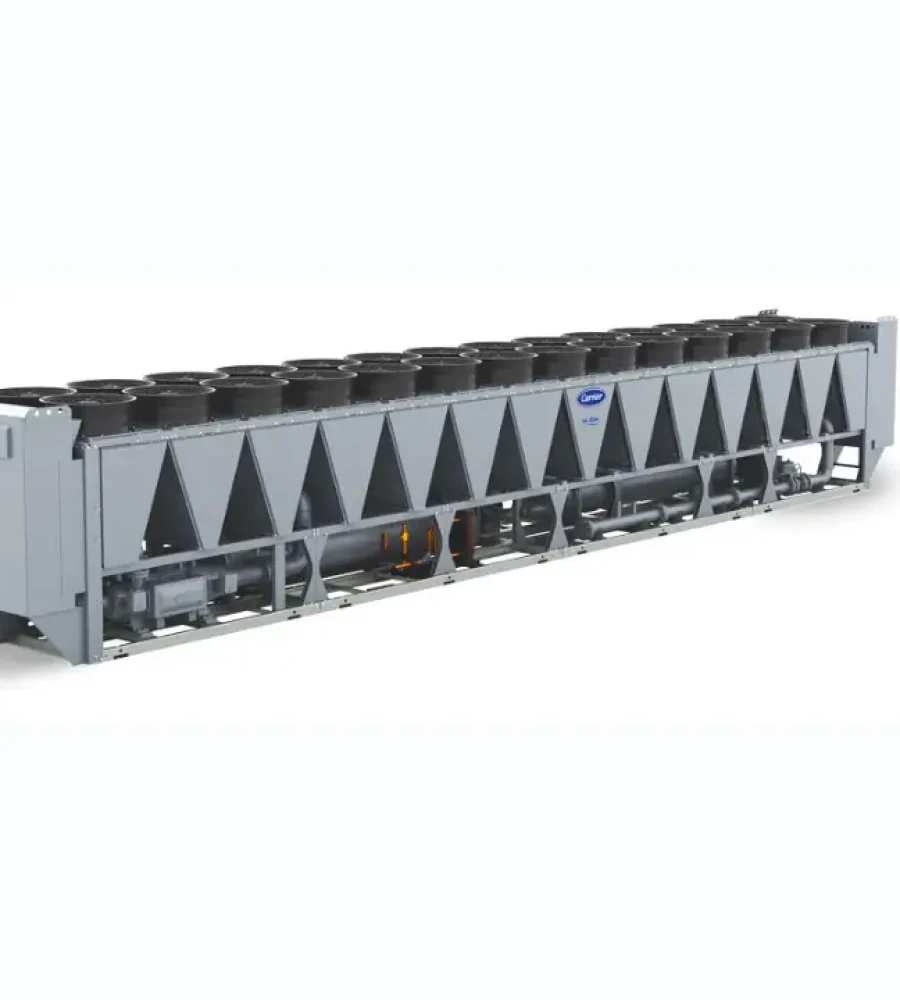
Engineering such large infrastructure systems introduces technical challenges that extend beyond conventional data center construction. Electricity supply remains the most significant constraint because GPU clusters require sustained high-capacity power delivery. Utilities must often upgrade transmission networks, substations, and grid interconnection points before major compute campuses can begin operations. Cooling infrastructure also presents complex engineering considerations because high-density computing generates substantial thermal loads. Water availability, climate conditions, and environmental regulations influence the design of cooling systems deployed across large campuses. Engineers must evaluate regional hydrology, energy efficiency targets, and resilience requirements when selecting cooling technologies. The integration of these factors requires coordination between electrical engineers, mechanical engineers, and infrastructure planners at the earliest project stages.
Network Architecture Challenges for Distributed AI Clusters
Network architecture represents another major design challenge for large compute clusters distributed across multiple campuses. AI training workloads require extremely low latency communication between GPUs because model synchronization depends on rapid exchange of training parameters. Optical networking technologies therefore evolve toward higher throughput and more efficient signal transmission across long distances. Innovations such as silicon photonics and co-packaged optics aim to reduce power consumption while increasing network bandwidth between large compute installations. Telecommunications providers must integrate these technologies into long-haul fiber networks that connect regional clusters. Consequently, the design of networking infrastructure becomes tightly linked to the architecture of compute systems themselves. Engineers increasingly design high-capacity optical networks alongside GPU cluster architectures because large-scale AI training requires extremely high-bandwidth, low-latency connectivity between distributed compute systems.
Large-scale infrastructure corridors also require careful coordination of land use planning and construction logistics. Data center campuses, transmission lines, fiber conduits, and transportation access routes must coexist within the same geographic framework. Land acquisition strategies therefore involve long-term planning that anticipates future expansion phases and infrastructure upgrades. Developers often design campuses with reserved corridors for additional power lines, fiber routes, and substations that may be required in later years. Environmental permitting processes can influence project timelines because energy infrastructure and large compute campuses must comply with regional regulations. Therefore, developers collaborate closely with local authorities and utilities to align construction schedules with regulatory approvals. The success of these projects depends on long-term coordination across engineering, policy, and financial stakeholders.
AI Infrastructure Becomes a Networked System
The evolution of compute infrastructure reflects a broader transformation in how digital systems integrate with physical infrastructure networks. Artificial intelligence requires not only powerful processors but also massive energy supply, high-capacity connectivity, and geographically coordinated facilities. These requirements have led infrastructure planners to evaluate compute expansion alongside electricity transmission capacity and high-capacity connectivity that link multiple facilities across regions. Coordinated development along shared infrastructure routes enables faster deployment, improved efficiency, and scalable capacity growth. Moreover, the integration of power grids, fiber networks, and compute campuses creates a system that resembles traditional industrial infrastructure networks. The future expansion of artificial intelligence therefore depends on the successful alignment of these interconnected systems across national and regional landscapes.