For Texas’ Electric Reliability Council of Texas (ERCOT) grid, a system once built for predictable peak demand now sits at the center of a global data center expansion. Hyperscale operators are seeking interconnection at record levels as artificial intelligence workloads push demand for compute and power. In response, the grid is evolving through regulatory reform, major transmission projects, new interconnection models, and a changing relationship between utilities and large electricity consumers.
The “Batch Zero” Revolution: Interconnection Reform
For decades, ERCOT integrated large electrical loads using a first-come, first-served process. This approach worked when the queue stayed small, usually around 40 to 50 large projects. However, that system broke down as data center demand accelerated.
By late 2025, ERCOT faced more than 230 gigawatts of large-load interconnection requests. Over 70 percent of those requests came from data centers, many seeking more than a gigawatt per site. Meanwhile, current peak demand on the ERCOT grid sits near 85 gigawatts. As a result, planners now manage volumes far beyond what legacy processes can handle.
To address this pressure, ERCOT plans to launch “Batch Zero” studies in early 2026. Instead of reviewing projects one by one, the grid operator will group multiple requests into coordinated studies. This approach limits repeated restudies and creates a clearer view of system-wide transmission and reliability needs.
Under this model, developers may receive staged capacity approvals. For example, a project could secure 100 megawatts initially, with a defined path to 500 megawatts once transmission upgrades come online in 2028 or 2030. This structure allows growth to move forward while acknowledging near-term grid limits.
SB 6 and the Pay-to-Play Mandates
Texas Senate Bill 6 has reshaped how large electricity consumers connect to the ERCOT grid. The law applies to customers with loads above 75 megawatts and sets uniform interconnection standards. As a result, data centers now operate as active grid participants rather than passive customers.
Several provisions stand out. First, projects must demonstrate site control and meet financial thresholds before entering the queue. This requirement reduces speculative projects that distort planning. Second, ERCOT gained authority to curtail or disconnect large loads during firm load shed events. Third, co-located generation projects must now clear grid impact studies before qualifying for net metering.
In addition, the Public Utility Commission of Texas is reviewing how transmission costs are allocated. Regulators are exploring ways to align infrastructure investment more closely with the large users driving demand. Together, these measures aim to protect residential and small-business customers from subsidizing gigawatt-scale industrial growth.
The Permian Basin’s 765 kV Backbone: Building the Power Highway
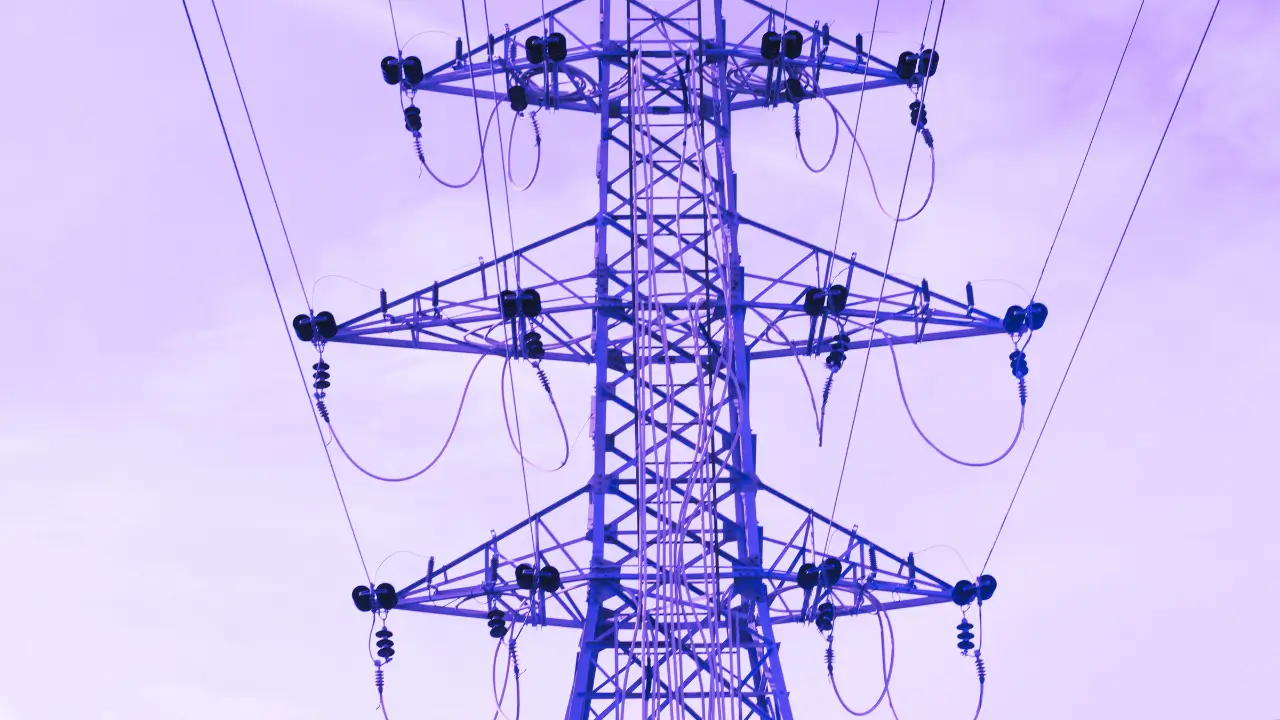
At the same time, ERCOT and Texas utilities are planning major transmission expansion. A proposed 765 kilovolt backbone would move power from generation-rich areas, such as West Texas, into major load centers. Planners often compare this system to a high-speed rail network for electricity because it moves bulk power efficiently over long distances.
One prominent proposal from Oncor Electric Delivery includes the Longshore Switch to Drill Hole Switch 765 kV line. If regulators approve the project on schedule, utilities could energize it by late 2028. These lines would support data centers, industrial electrification, and expanding wind and solar generation.
However, this build-out highlights a broader challenge. The grid must serve oil and gas electrification, renewable growth, and AI-driven data center demand at the same time. As a result, planners face difficult tradeoffs across the Permian Basin and beyond.
Virtual Power Plants and On-Site Generation
In parallel, data center operators are rethinking how they source power. Many hyperscalers now deploy behind-the-meter generation and storage, turning facilities into Virtual Power Plants.
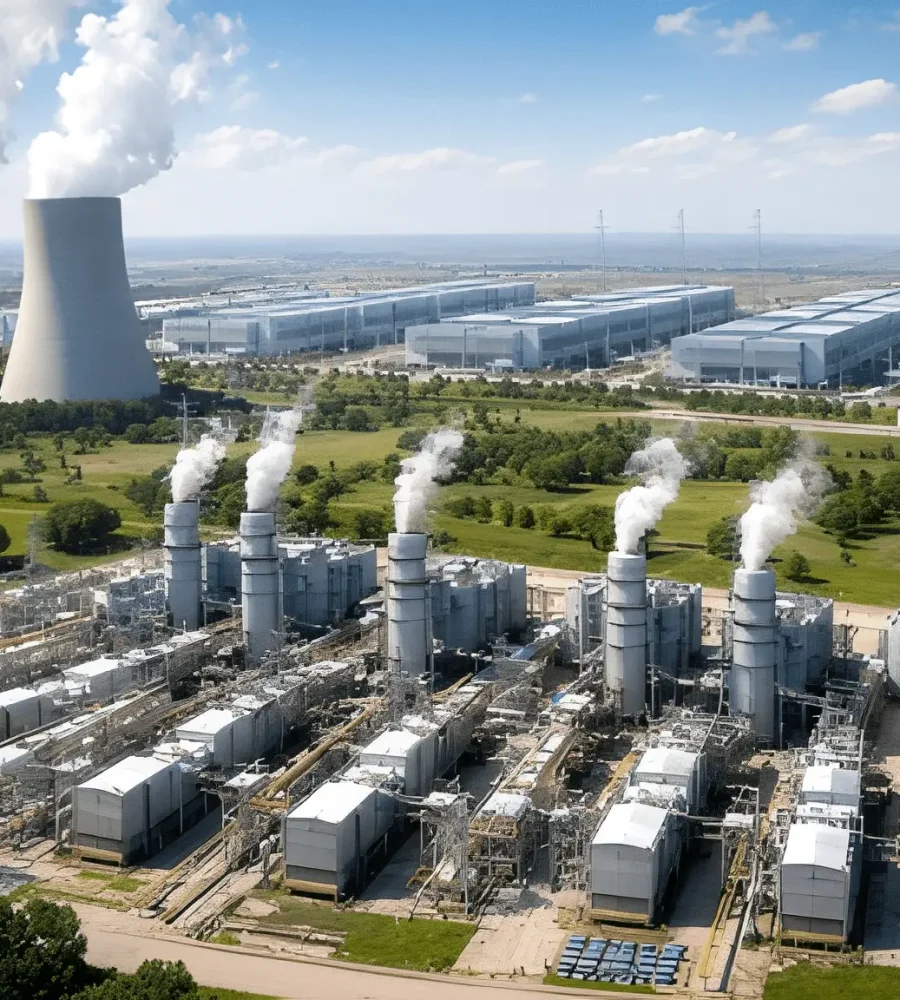
The GW Ranch project in Pecos County illustrates this shift. The permitted site includes 7.65 gigawatts of gas-fired generation, up to 1.8 gigawatts of battery storage, and 750 megawatts of solar capacity. Designed to serve hyperscale data centers, the project functions as a private power ecosystem that reduces reliance on immediate ERCOT capacity.
Beyond self-supply, these assets create new revenue opportunities. Data centers can provide grid services by reducing load for short periods during stress events. In turn, ERCOT compensates operators through ancillary service markets. This flexibility supports grid stability while improving project economics.
Reliability Versus Growth: Politics and Planning
Memories of the 2021 winter storm continue to shape ERCOT policy. That crisis caused widespread outages and public backlash, which still influences regulatory decisions today. Grid leaders remain sensitive to public perception and reliability risk.
ERCOT officials have emphasized that no hyperscaler wants public headlines suggesting AI workloads stayed online while communities lost power. For this reason, many data center operators now agree to voluntary curtailment programs and accept mandatory load reduction rules during emergencies.
As a result, ERCOT planning now weighs project credibility, resilience, and emergency performance alongside peak demand forecasts. This shift reflects a broader energy planning trend that places reliability at the center of economic expansion.
The ERCOT grid faces its most demanding test in decades.
Data center development has driven nearly a 300 percent increase in large-load interconnection requests. In turn, traditional planning methods have reached their limits.
Still, the grid is adapting. Batch Zero studies, SB 6 reforms, major transmission investments, and behind-the-meter generation all point to a new operating model. Utilities and data centers are becoming partners in shaping future demand and supply.
Ultimately, the balance between growth and reliability will define Texas’ energy future. The outcome will also influence grid planning far beyond the state’s borders.