
Today’s AI revolution is remarkable for its speed and breadth, powering innovations from personalized healthcare to predictive logistics. Yet as AI systems scale, their environmental footprint has become a growing concern for technologists, sustainability leaders, and infrastructure planners. Simultaneously, the circular economy has emerged as a strategic framework for rethinking how resources are designed, used, and repurposed.
Together, these forces point to a necessary evolution: Green AI, which aligns advanced intelligence with circularity and long-term resource stewardship.
What Green AI Means and Why It Matters
Green AI refers to developing and deploying AI systems in ways that minimize environmental impact across energy use, water consumption, materials, and waste. Historically, AI progress has focused on performance benchmarks such as accuracy, speed, and scale. By contrast, Green AI adds environmental efficiency and lifecycle impact as core success criteria.
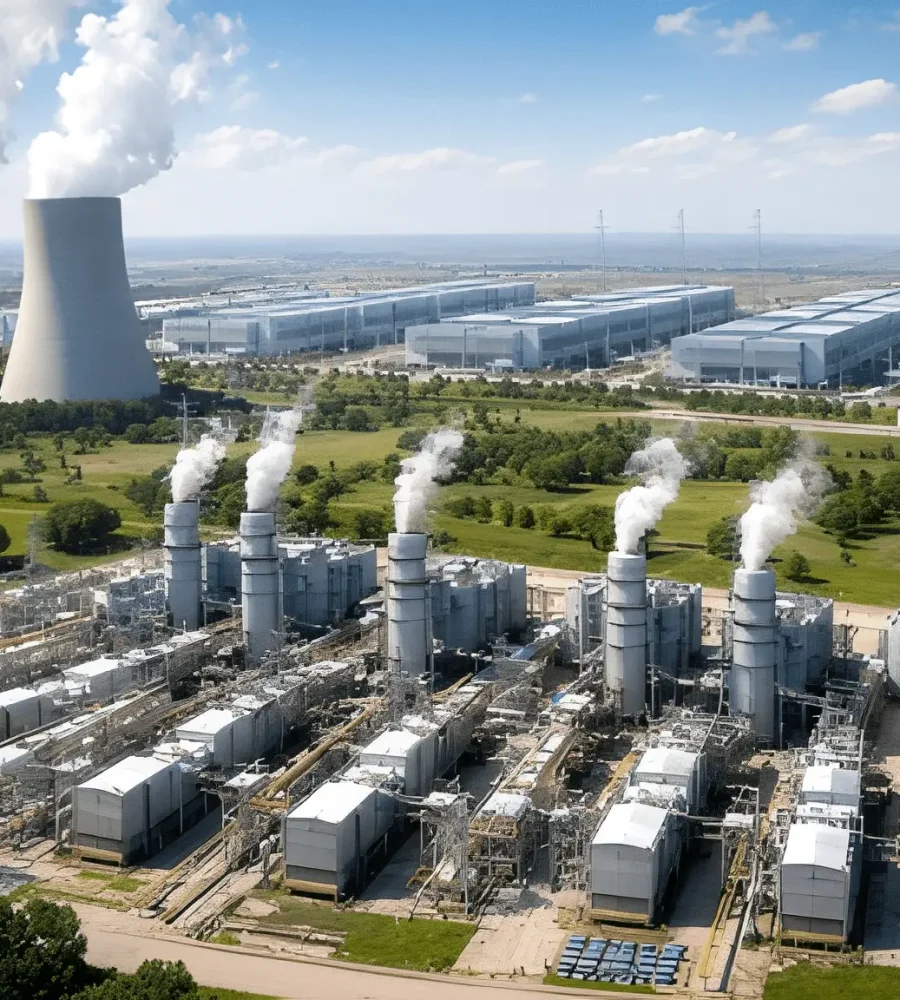
This shift becomes critical at scale. AI workloads now account for a growing share of global data center electricity use due to large models, continuous training, and high-volume inference. Consequently, energy grids, cooling systems, and water resources face mounting pressure.
Leading AI developers are responding. For instance, OpenAI has committed to covering energy costs independently and limiting water use at large AI campus projects. Such moves signal a broader recognition that sustainable AI must address infrastructure alongside model performance.
The Circular Economy and AI Infrastructure
The circular economy emphasizes keeping products, materials, and energy in use for as long as possible while reclaiming resources at the end of their lifecycle. Applied to AI, this perspective shifts focus beyond algorithms toward the infrastructure that enables intelligence at scale.
From data centers to semiconductor fabrication, AI relies on resource-intensive assets with measurable environmental costs. Circular thinking helps redesign AI infrastructure around reuse, efficiency, and regeneration. Moreover, it promotes hardware refurbishment, heat reuse, water reduction, and waste minimization, reshaping how organizations design, build, operate, and retire AI systems.
Data Center Design: Energy and Circularity in Practice
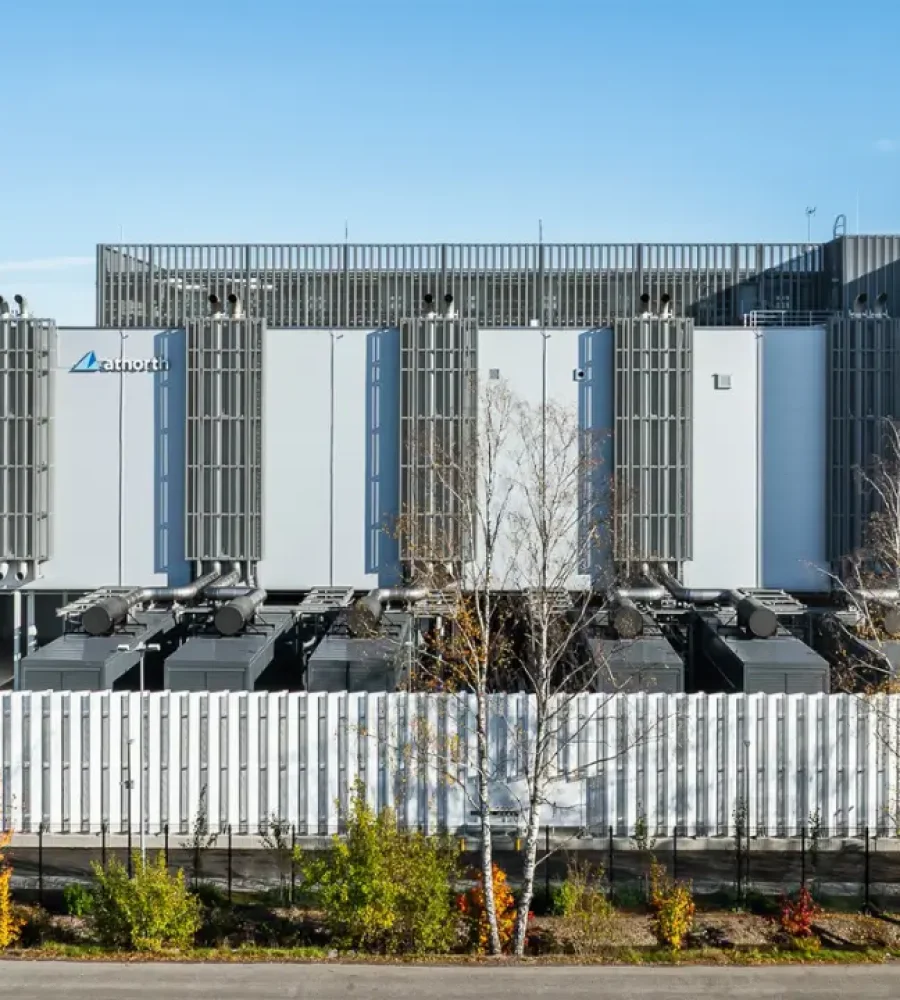
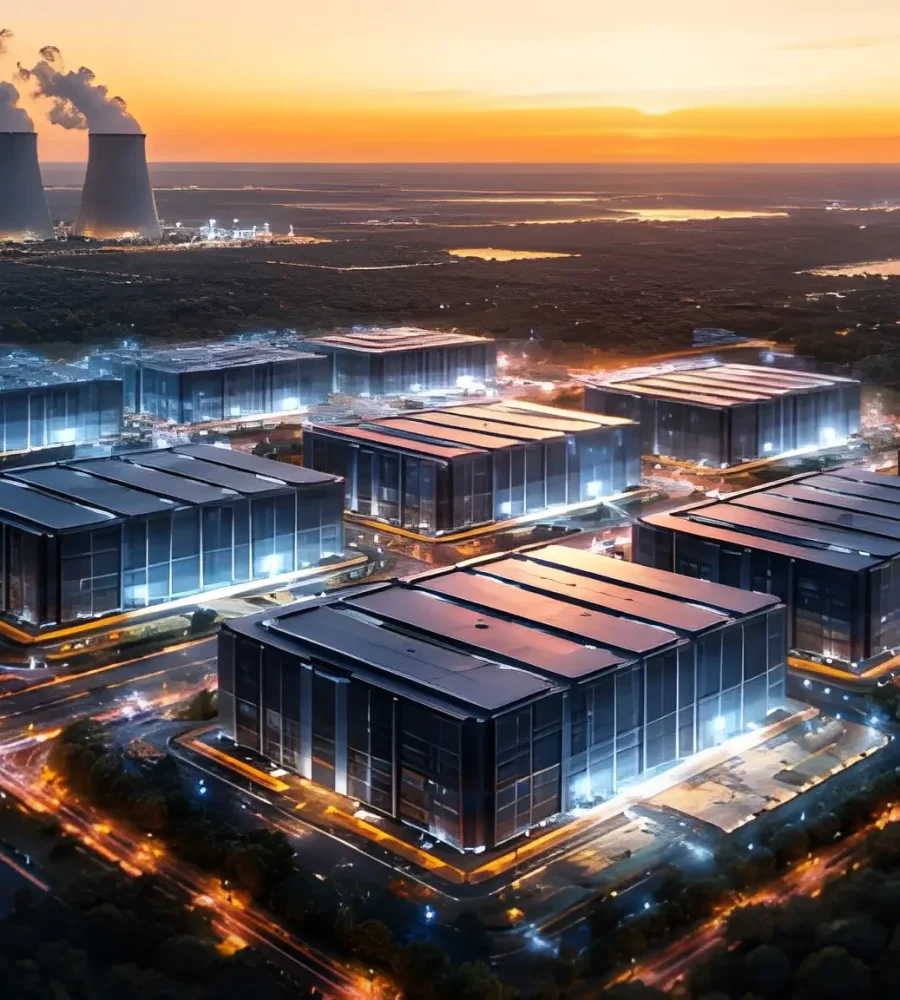
At the core of AI infrastructure sit data centers. Operators increasingly invest in renewable-powered facilities that balance performance with environmental responsibility.
For example, new renewable-powered sovereign AI clouds in the UK combine on-site wind, solar, and wave energy. Beyond reducing fossil fuel use, these facilities circulate waste heat into local agriculture, aquaculture, and district heating networks. This reintegration turns lost energy into community value.
Industry leaders are also improving sourcing at scale. Nvidia, for example, uses 100 percent renewable electricity and enhances hardware efficiency to reduce overall energy demand. At the same time, AI optimizes the infrastructure itself. Digital twins, advanced analytics, and machine learning controls manage cooling, anticipate failures, and balance loads dynamically. Consequently, energy consumption drops while reliability improves, creating reciprocal benefits.
Extending Hardware Life
Hardware, including GPUs, CPUs, and networking equipment, accounts for much of AI’s material footprint. Circular principles emphasize repair, refurbishment, modular design, and recycling to reduce waste.
Rapid innovation cycles often shorten hardware lifespans, creating incentives to replace rather than extend systems. In response, modular server architectures simplify upgrades and repairs, allowing components to be refreshed without discarding entire units. Collaborative recycling programs and reverse logistics networks recover valuable materials from retired infrastructure. These initiatives reduce reliance on virgin resources and strengthen supply chain resilience.
Model Efficiency and Compute Optimization
Green AI also requires optimizing models and compute. Training and running AI models consume significant energy and generate heat.
Techniques such as dynamic model scaling, data-centric optimization, and quantization reduce compute requirements while maintaining practical performance. By minimizing wasted computation, organizations align model complexity with real-world needs. Consequently, sustainability goals integrate with operational efficiency and cost control.
Water, Heat, and Waste Management
AI data centers place heavy demands on water for cooling. Some facilities consume as much water annually as hospitals or small communities. Circular water management is increasingly important. Closed-loop cooling, liquid immersion, and wastewater reuse reduce freshwater withdrawal while maintaining thermal performance.
Heat reuse strategies further enhance efficiency. Redirecting server heat to nearby buildings converts waste into valuable resources. These practices transform data centers from isolated, resource-intensive nodes into integrated community assets.
Policy, Regulation, and Emerging Practices
Public policy increasingly addresses AI’s environmental impacts. Governments, standards organizations, and industry coalitions explore reporting mandates, efficiency benchmarks, and incentives for circular design.
Clean energy credits, water reuse requirements, and lifecycle transparency influence investment decisions. Meanwhile, groups like the World Economic Forum highlight circular water systems and advanced cooling as vital to sustainable growth. Despite progress, regulation varies, and standardized environmental metrics are still developing. These metrics will play a critical role in aligning industry practices with circular outcomes.
Trade-Offs and Challenges
Green AI introduces trade-offs. High-performance computing and real-time AI increase energy and water pressure. Low-latency requirements can drive dense deployments, raising cooling demands.
Hardware innovation cycles may undermine lifecycle extension. Investments in modularity, refurbishment, and circular supply chains also raise upfront costs, especially under tight capital constraints. Addressing these challenges requires cross-functional planning that embeds sustainability into procurement, design, and long-term strategy.
Looking Ahead: Green AI in the Next Decade
Green AI and circular economies are structural shifts, not temporary trends. Over the next decade, standardized environmental metrics will become common, enabling consistent measurement of energy, water, and material impacts.
Integrated infrastructure combining renewable power, advanced cooling, heat reuse, and circular water systems will increasingly define competitive advantage. Additionally, AI itself will help optimize energy grids, water networks, and industrial processes, offsetting its footprint.
Collaboration will be essential. Partnerships among cloud providers, utilities, policymakers, and communities will scale circular infrastructure. Ultimately, Green AI can create a resilient, regenerative ecosystem where intelligence and sustainability reinforce each other, strengthening both environmental and economic systems.