
The Expanding Physical Footprint of AI Infrastructure
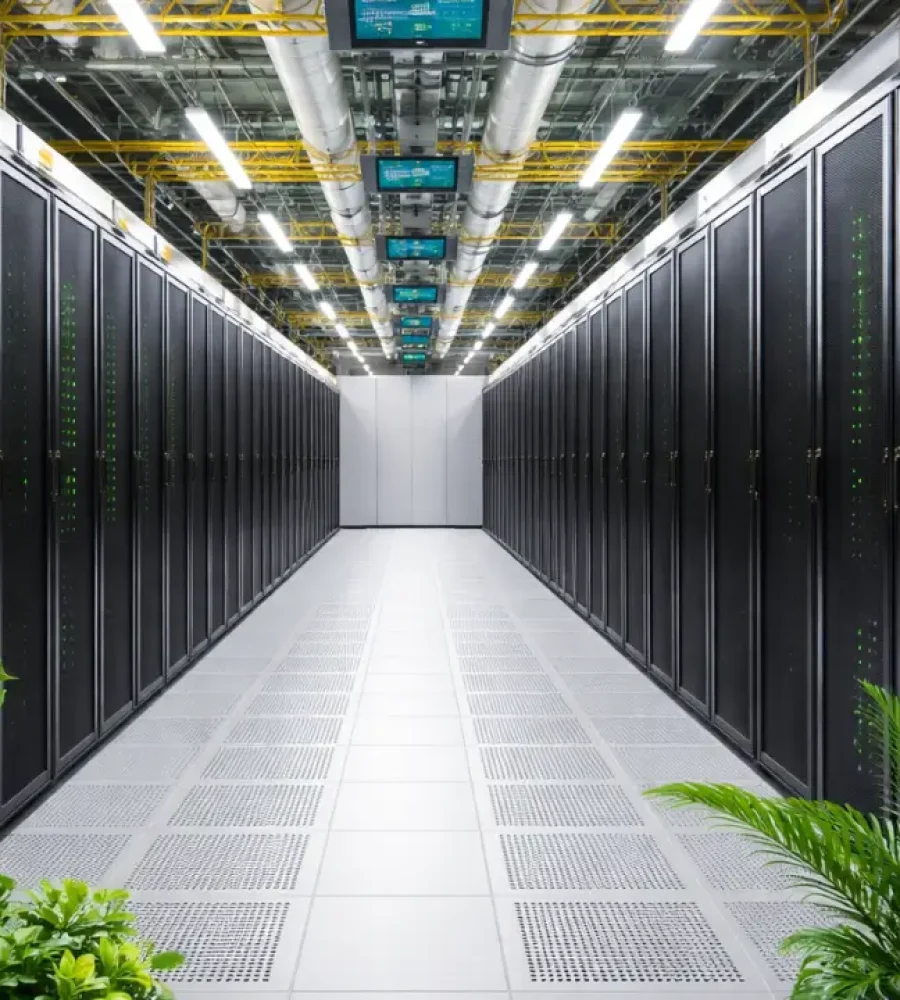
Large-scale computing facilities increasingly occupy expansive tracts of land as organizations build clusters of high-density processing facilities to support advanced computational workloads. Developers design these complexes as integrated campuses containing multiple computing halls, cooling installations, and electrical infrastructure arranged across wide geographic footprints. Typical projects now span several hundred acres because planners must accommodate building setbacks, safety buffers, and long-term expansion capacity within a single site. High-performance clusters also require space for electrical substations, cooling yards, equipment staging zones, and internal roadways connecting various infrastructure components. Several hyperscale facilities across North America and Europe already occupy between 200 and 1,000 acres, illustrating the spatial scale required for modern computing infrastructure. Land once associated primarily with logistics parks or industrial estates now hosts dense digital infrastructure environments designed for decades of operational growth.
Planning decisions increasingly treat computing campuses as long-term infrastructure districts rather than isolated buildings because operators must anticipate future technological upgrades and capacity expansions. Architects therefore reserve large contiguous parcels where additional facilities can appear without major zoning revisions or land acquisitions. Utility corridors, stormwater systems, and transportation routes must also integrate into the site layout to maintain operational continuity across expanding infrastructure zones. Campus-style layouts reduce the need to distribute computing infrastructure across multiple remote locations, yet they concentrate land transformation within a single geographic region. The growing scale of artificial intelligence workloads intensifies the need for such centralized development patterns. Land allocation therefore becomes a strategic planning variable within digital infrastructure deployment strategies.
Physical layout requirements further expand because operators design facilities with significant safety and redundancy buffers surrounding key infrastructure elements. Electrical substations require separation distances to meet grid reliability standards and fire safety regulations. Cooling installations, including cooling towers or liquid distribution plants, occupy additional space due to airflow clearance and equipment accessibility needs. Developers also reserve parcels for future utility upgrades as computing density continues to increase across successive hardware generations. Industrial zoning districts often provide the only practical locations capable of accommodating such large contiguous land parcels. Regional planning authorities therefore increasingly treat hyperscale campuses as major infrastructure developments comparable to manufacturing complexes or logistics hubs.
When Digital Infrastructure Replaces Natural Landscapes
Converting undeveloped land into large infrastructure campuses can significantly alter the ecological characteristics of a region. Construction activity typically begins with large-scale grading, vegetation removal, and soil compaction to create stable foundations for heavy structures and utility systems. These processes can reduce habitat availability for native species that previously occupied the landscape. Soil composition may also change due to excavation, drainage modifications, and increased impermeable surface coverage. Ecosystem functions such as water filtration, nutrient cycling, and habitat connectivity often decline when natural terrain transforms into engineered environments. Environmental impact assessments attempt to evaluate these changes before construction begins, yet long-term ecological outcomes remain difficult to predict.
Habitat fragmentation represents another potential consequence when infrastructure replaces forests, grasslands, or agricultural fields. Continuous landscapes that once supported wildlife movement may become divided by buildings, roads, and fenced operational zones. Species that rely on large uninterrupted habitats can experience population pressure when migration routes or feeding grounds disappear. Wetlands or riparian buffers may require protective setbacks during development, though these protections vary across jurisdictions. Local environmental agencies sometimes mandate mitigation measures such as habitat restoration projects or conservation easements in nearby areas. Developers therefore balance infrastructure construction with environmental compliance frameworks designed to preserve regional biodiversity.
Natural carbon storage can also decline when vegetation clearing occurs during large infrastructure projects. Forest soils, plant biomass, and wetlands store substantial amounts of carbon that would otherwise remain outside the atmospheric cycle. Removing or disturbing these landscapes releases some stored carbon through decomposition and soil disturbance processes. Replacing vegetated surfaces with buildings and paved infrastructure reduces the land’s long-term capacity to absorb atmospheric carbon dioxide. Environmental planners increasingly incorporate land-use carbon accounting into project assessments to measure these impacts. Sustainable site planning strategies therefore explore methods to preserve vegetation buffers or restore surrounding ecological areas.
Competing Land Priorities: Housing, Agriculture, and Data Centers
Rapid expansion of digital infrastructure often intersects with competing land demands in regions experiencing economic growth. Agricultural land, suburban housing developments, logistics parks, and renewable energy installations frequently compete for the same developable parcels. Hyperscale infrastructure projects can influence regional real estate dynamics because developers require large contiguous tracts that remain relatively affordable. As demand for such land increases, local property values may shift, affecting farmers, residential developers, and industrial planners operating in the same region. Municipal authorities therefore face complex trade-offs when allocating land to competing economic sectors. Infrastructure planning decisions can shape regional development patterns for decades.
Regional planning agencies increasingly evaluate infrastructure proposals within broader land-use frameworks that include housing availability and agricultural preservation goals. Some jurisdictions designate agricultural protection zones to limit conversion of productive farmland into industrial infrastructure. Urban growth boundaries also attempt to concentrate development within defined metropolitan limits. Nevertheless, high-capacity electrical infrastructure and fiber connectivity often influence where computing facilities can operate effectively. Locations near major power transmission networks or fiber routes sometimes attract digital infrastructure investment even when alternative land uses exist nearby. Planners therefore balance economic development objectives with long-term resource management considerations.
Hyperscale campuses may also influence local labor markets and municipal tax structures, which further complicates land allocation debates. Construction phases create temporary employment demand across engineering, civil works, and equipment installation industries. Operational phases typically require smaller permanent workforces, though they generate ongoing demand for facility management and technical support roles. Some municipalities welcome these developments because property tax revenues from infrastructure facilities can support local budgets. Others raise concerns regarding the limited number of long-term jobs relative to the scale of land transformation. Public policy discussions therefore evaluate the broader economic implications of allocating large areas of land to digital infrastructure development.
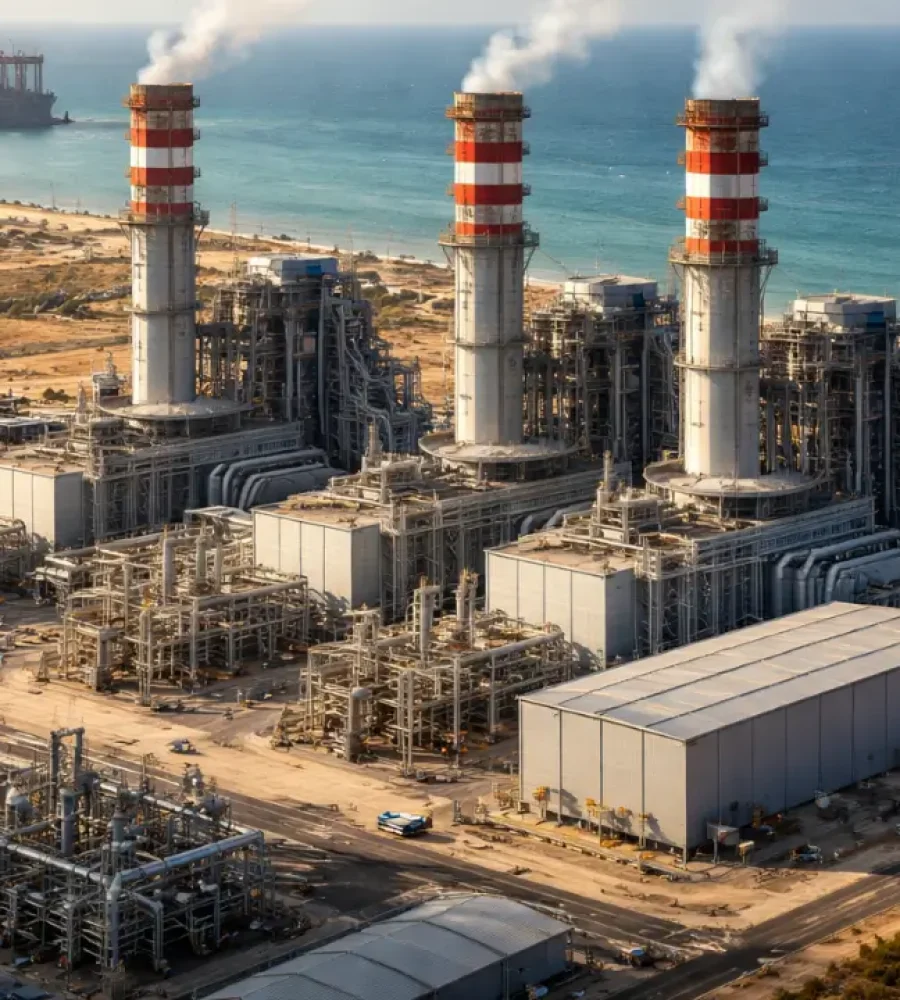
Large computing campuses extend far beyond the buildings that house processing equipment because the operational ecosystem requires multiple layers of supporting infrastructure. Electrical substations form one of the most critical components since modern facilities demand extremely stable high-capacity power delivery systems. These substations often occupy separate parcels within the campus to maintain safety buffers and ensure compliance with electrical reliability standards. Transmission interconnections must also link the facility to regional power grids through dedicated high-voltage lines. Utility access corridors sometimes stretch several kilometers between the campus and major grid nodes. The physical footprint of digital infrastructure therefore includes not only buildings but also an extensive network of energy distribution assets.
Water infrastructure can further expand the spatial reach of hyperscale campuses depending on the cooling technologies deployed within the facility. Certain cooling architectures require dedicated pipelines that transport water from municipal sources or regional reservoirs to the computing site. Pumping stations, treatment systems, and storage tanks occupy additional land parcels that support operational resilience and environmental compliance. Engineers design these systems to maintain reliable thermal regulation during periods of peak computational demand. Water management infrastructure may also incorporate recycling or treatment facilities designed to minimize local environmental impact. These installations demonstrate how computing infrastructure integrates into broader regional utility networks.
Transportation infrastructure represents another element that expands the physical boundaries of large computing campuses. Heavy equipment deliveries during construction require reinforced access roads capable of supporting large industrial vehicles and oversized shipments. Internal transportation routes connect substations, mechanical yards, warehouse facilities, and operational buildings across the campus. Logistics zones may include staging areas for replacement hardware, fuel supplies for backup generators, and maintenance equipment storage. Security perimeters and monitoring facilities also occupy additional land around the operational core of the campus. These infrastructure layers collectively transform a computing site into a complex industrial landscape that extends far beyond the computing halls themselves.
Local governments increasingly encounter zoning debates when proposals emerge for very large digital infrastructure developments. Traditional zoning frameworks often classify computing facilities as industrial or utility infrastructure, yet the scale of hyperscale campuses introduces planning questions that exceed typical industrial projects. Residents sometimes raise concerns regarding noise from cooling systems, electrical equipment, and backup generators operating within these complexes. Large land conversions can also alter the visual character of rural or suburban environments that previously contained agricultural fields or natural landscapes. Planning commissions must therefore evaluate whether existing zoning classifications adequately address the scale and operational characteristics of modern computing infrastructure. Public hearings frequently become central forums where communities examine these questions.
Community responses often reflect concerns about environmental transformation and long-term regional development patterns. Residents sometimes question whether large infrastructure campuses provide proportional economic benefits compared with the land resources they occupy. Others worry that rapid infrastructure expansion may strain local water systems, electrical grids, or transportation networks. Advocacy groups occasionally request additional environmental reviews or revised land-use assessments before approving large development proposals. These responses illustrate how digital infrastructure increasingly intersects with broader civic planning debates. Municipal governments must balance investment opportunities with environmental stewardship and community priorities when evaluating such projects.
Some jurisdictions have begun updating zoning regulations to address the emerging challenges associated with hyperscale infrastructure development. Planning authorities may introduce specific zoning categories for digital infrastructure to clarify land-use expectations and environmental compliance requirements. Noise limits, setback distances, and environmental monitoring provisions sometimes appear within these updated regulatory frameworks. Governments may also require developers to conduct traffic studies, ecological impact assessments, or water resource analyses before construction approval. These regulatory adjustments reflect the growing recognition that computing infrastructure represents a distinct category of industrial development. Policy frameworks continue to evolve as regions gain more experience managing the spatial implications of large-scale digital infrastructure.
Designing Sustainable Digital Landscapes
Sustainable expansion of computing infrastructure increasingly depends on thoughtful land-use planning that integrates environmental considerations with technological development. Hyperscale campuses will continue to grow as demand for advanced computation rises across industries and research institutions. Responsible planning approaches therefore emphasize early evaluation of ecological conditions, land suitability, and long-term regional development goals before site selection occurs. Environmental impact assessments and community consultations help identify potential risks associated with large infrastructure projects. Strategic land-use planning can reduce ecological disruption while supporting necessary infrastructure deployment. Digital infrastructure planning therefore intersects directly with broader sustainability strategies.
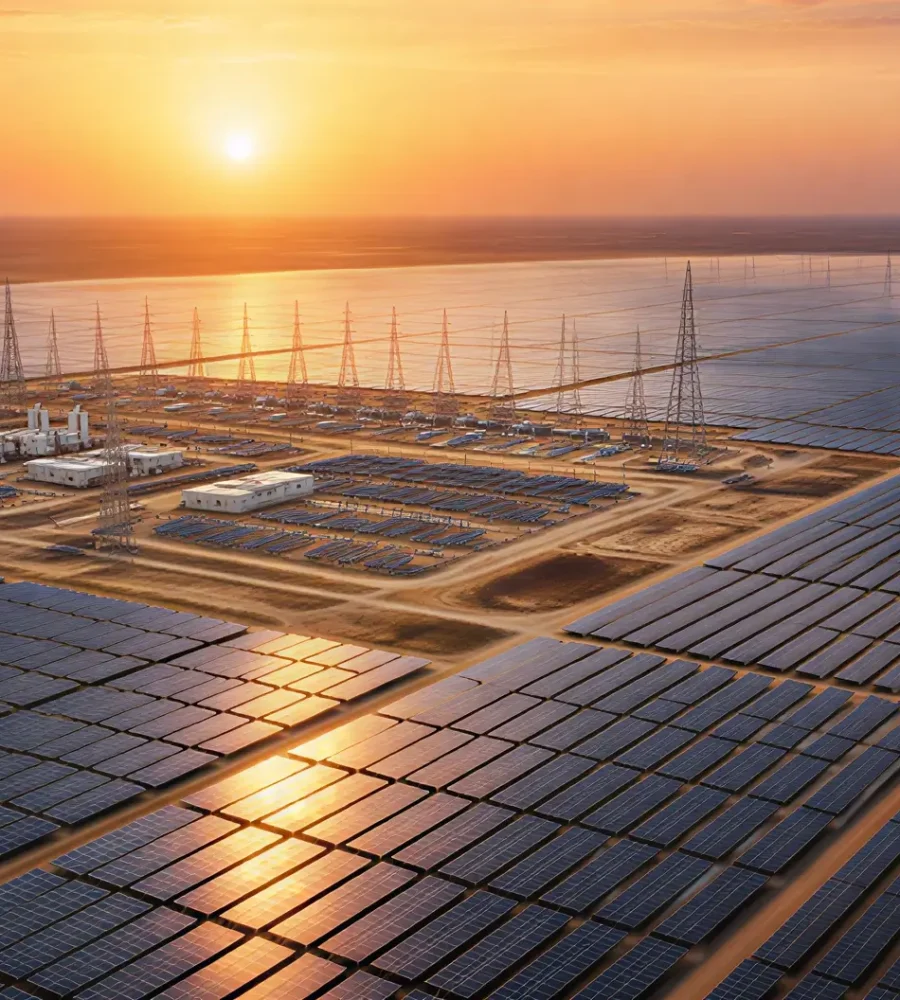
Future infrastructure strategies may incorporate landscape-sensitive design principles that reduce environmental disruption while maintaining operational efficiency. Vegetation buffers, wildlife corridors, and preserved natural areas can help maintain ecological continuity around large infrastructure campuses. Water management systems may incorporate advanced recycling technologies that reduce pressure on regional water resources. Energy systems increasingly integrate renewable generation sources that connect hyperscale campuses with decarbonization strategies in the broader power sector. Such approaches illustrate how infrastructure design can evolve alongside environmental planning practices. Sustainable development frameworks therefore provide guidance for balancing technological expansion with ecosystem protection.
Long-term planning must also consider the cumulative land transformation that may occur as digital infrastructure continues to scale globally. Regional authorities increasingly examine how clusters of computing facilities may reshape entire economic corridors and infrastructure networks. Comprehensive planning strategies can help coordinate infrastructure deployment with housing development, transportation systems, and agricultural preservation efforts. Policymakers therefore treat digital infrastructure as a core component of national economic systems rather than isolated industrial projects. Balanced land-use policies will play a crucial role in shaping how technological infrastructure integrates with natural and human environments. Careful governance will ultimately determine whether digital expansion proceeds alongside sustainable landscape stewardship.