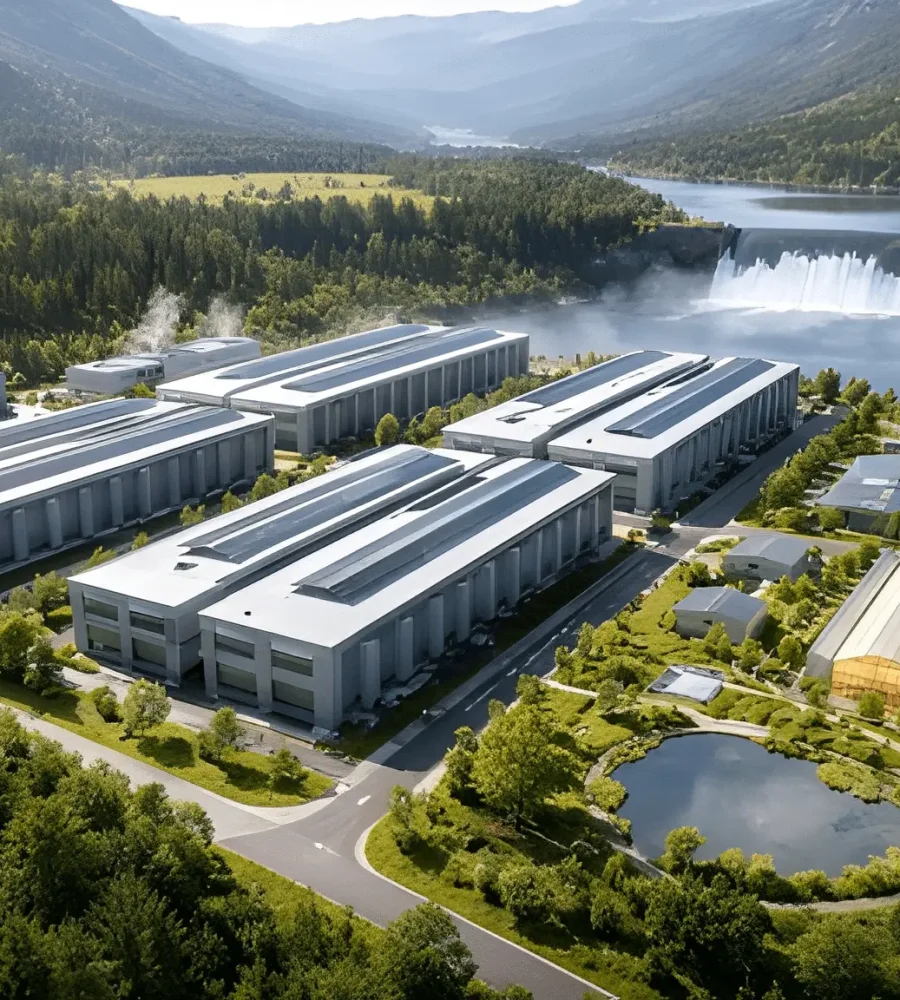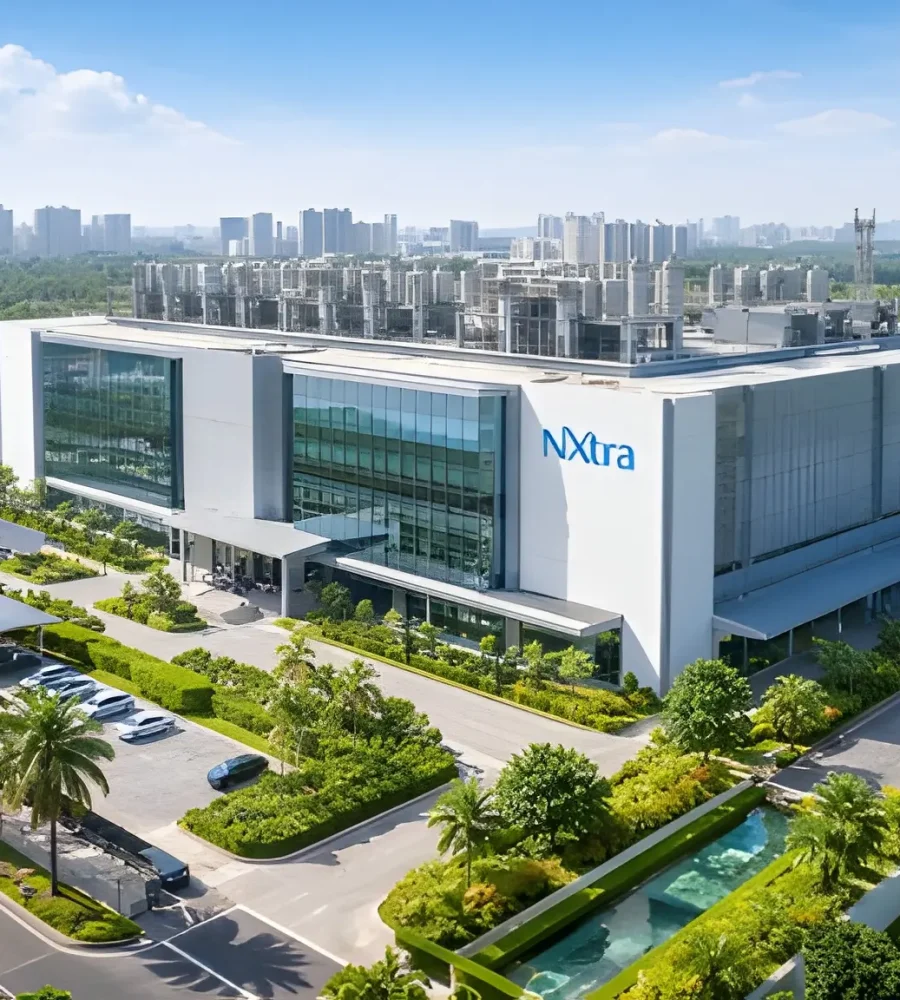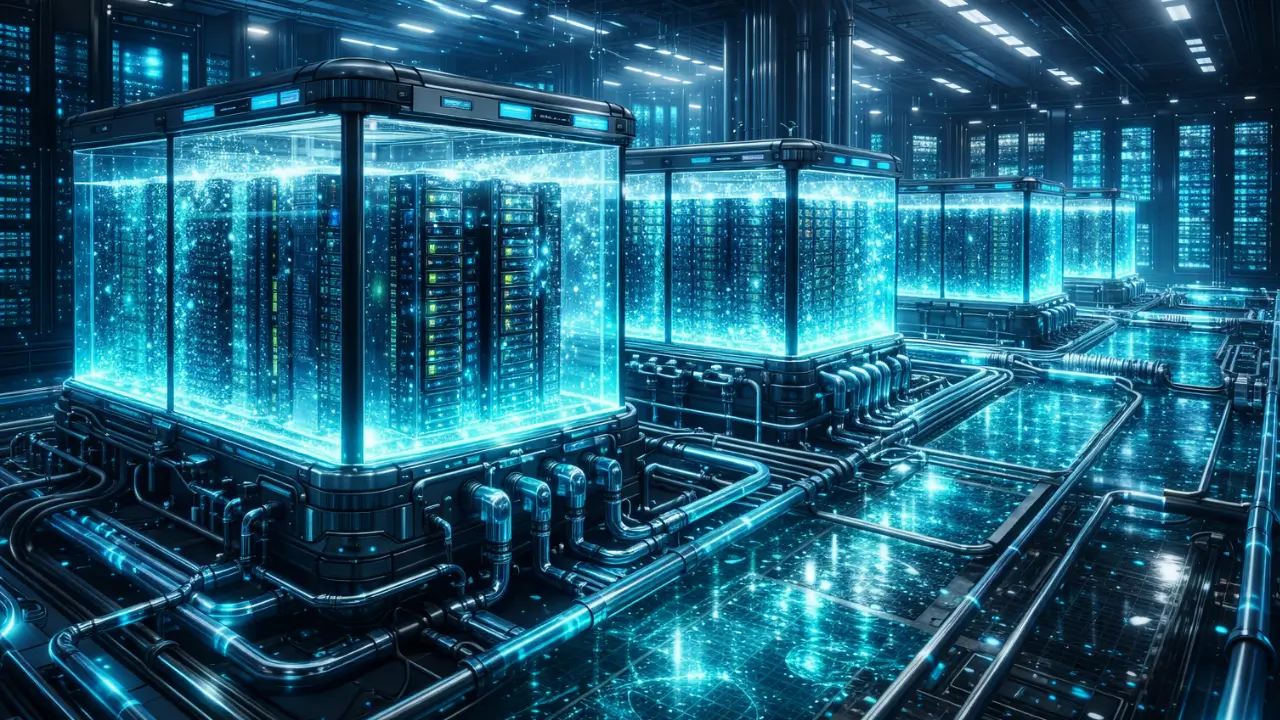
The future of digital infrastructure will not be defined by compute density alone, but by how responsibly it engages with finite natural resources. As artificial intelligence, cloud expansion, and edge deployments accelerate, operators confront a mounting question about water consumption in thermal management systems. Conventional facilities depend heavily on evaporative cooling towers that draw from municipal or groundwater supplies to sustain performance stability. Yet infrastructure planners increasingly recognize that water stewardship now influences permitting, community trust, and long-term viability as much as uptime metrics do. Immersion-based cooling introduces a structural alternative that shifts the very foundation of heat management away from evaporation. Through closed dielectric environments, engineers redesign the relationship between compute performance and environmental dependency, establishing a more controlled thermal paradigm. Low water immersion data centers are redefining how modern facilities approach thermal management and water stewardship.
Thermal design has historically evolved around air as the primary medium of heat transfer, which then required supplemental water-intensive systems to dissipate concentrated loads. Cooling towers, drift eliminators, and water treatment loops became embedded into the architectural identity of modern facilities across hyperscale and enterprise environments. However, as climate variability intensifies water stress across many regions, operators confront greater scrutiny regarding resource allocation and discharge management. Immersion cooling proposes a fundamentally different path by relocating heat exchange directly to the server environment rather than the ambient air. Instead of relying on evaporation, sealed tanks circulate dielectric fluids that absorb and transport thermal energy within a contained ecosystem. This approach reframes cooling not as a consumptive process but as a managed thermodynamic cycle within engineered boundaries.
Rethinking Thermal Dependency on Evaporative Systems
Traditional data centers rely on evaporative mechanisms because water absorbs and rejects heat efficiently through phase change, enabling stable operation during fluctuating workloads. Cooling towers operate by dispersing warm water across fill media while fans drive airflow to accelerate evaporation, thereby reducing water temperature before recirculation. Although this process maintains reliability, it also requires continuous replenishment to offset evaporation losses and blowdown cycles. Immersion architecture interrupts this dependency by transferring heat directly from components into dielectric fluids that never evaporate under operating conditions. Engineers therefore eliminate the thermodynamic reliance on water phase change and instead design a sealed conduction-driven pathway. As a result, thermal management becomes a contained engineering discipline rather than a resource extraction process.
This structural difference reshapes the philosophy of mechanical design within the facility envelope. Air-cooled environments distribute chilled air through raised floors or containment aisles, which then require additional systems to extract heat and transport it to cooling towers. Immersion tanks localize heat capture at the component level, reducing the need for extensive air movement infrastructure across white space. Consequently, mechanical rooms no longer anchor around tower basins or chemical treatment skids, but around pumps and heat exchangers that operate within closed loops. Designers gain the ability to simplify airflow pathways and reduce spatial allocation for evaporative equipment. Ultimately, this transformation moves thermal engineering from macro-scale evaporation to micro-scale fluid conduction within controlled assemblies.
Closed-Loop Fluid Ecosystems and Water Independence
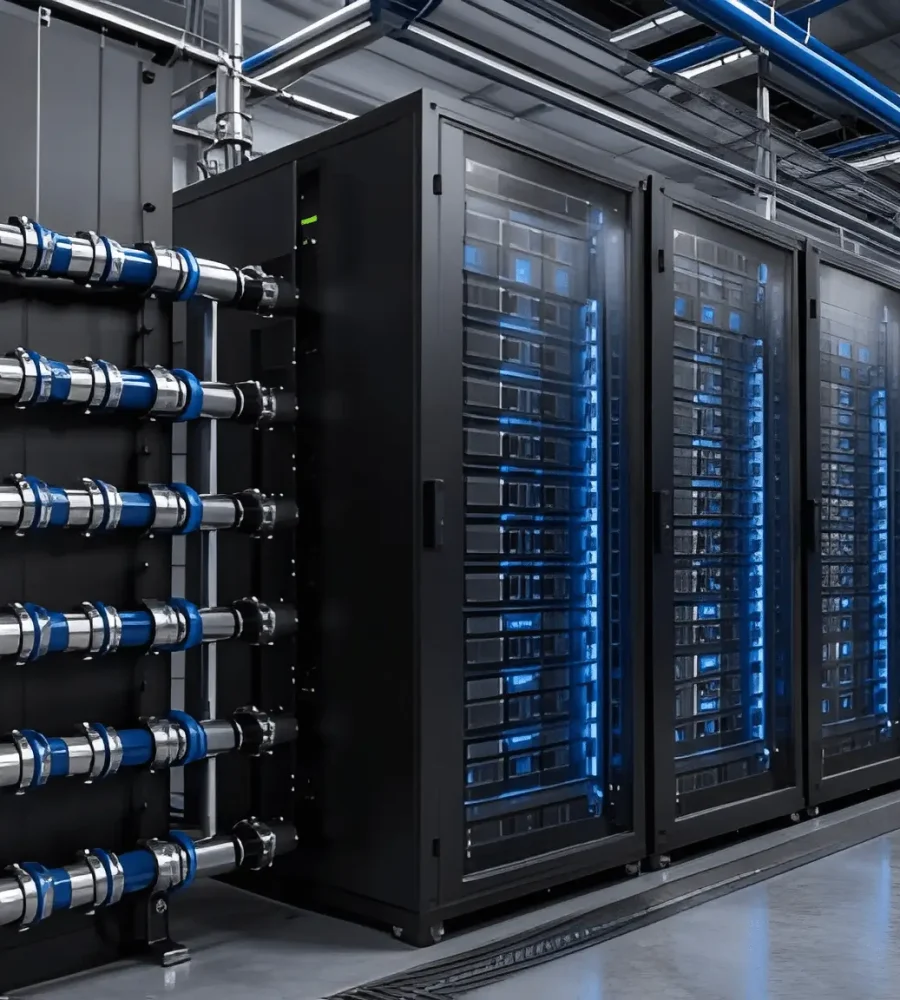
Immersion cooling operates within sealed tanks filled with electrically non-conductive liquids that absorb heat directly from processors, memory modules, and power components. These fluids circulate through internal loops where heat exchangers transfer energy to secondary systems without exposing the primary environment to atmospheric loss. Because the dielectric medium remains contained, facilities avoid continuous water draw for evaporation replenishment. Engineers design these systems with precision seals, expansion management features, and controlled circulation rates to preserve stability over long operational cycles. The result is a thermally balanced environment that isolates heat exchange from municipal supply volatility. Such containment enables operators to approach water independence as a deliberate engineering outcome rather than an aspirational sustainability target.
Beyond containment, circulation architecture defines how effectively immersion ecosystems sustain performance. Pumps move warmed fluid through heat exchangers that interface with dry coolers or other non-evaporative rejection systems. Designers optimize flow dynamics to prevent hotspots and maintain uniform temperature distribution across hardware arrays. In addition, material compatibility assessments ensure that tank enclosures, seals, and piping maintain integrity under prolonged exposure to dielectric compounds. Through careful integration, the entire system functions as a closed thermodynamic circuit that requires minimal external resource input. This approach places environmental control firmly within engineered parameters rather than external climatic conditions.
Infrastructure Design in Water-Stressed Geographies
Water availability increasingly shapes infrastructure investment decisions, particularly in arid or drought-prone regions where industrial withdrawals draw public scrutiny. Conventional evaporative cooling often complicates permitting processes because regulators evaluate withdrawal rates, discharge quality, and long-term aquifer impact. Immersion-based facilities reduce this friction by minimizing or eliminating the need for continuous water supply for cooling operations. Site selection therefore expands into geographies previously considered constrained by hydrological limitations. Developers can align digital expansion strategies with regions that offer grid stability and connectivity without triggering water-intensive design tradeoffs. This flexibility introduces a new dimension to infrastructure resilience planning.
Environmental compliance strategies also evolve when facilities decouple from evaporation-heavy systems. Operators avoid complex chemical treatment regimes required to control scale, corrosion, and biological growth within cooling towers. Permitting authorities often examine these treatment processes due to discharge considerations, which add administrative layers to project timelines. Immersion designs simplify these regulatory pathways because closed fluid systems minimize discharge events. Consequently, sustainability narratives gain stronger alignment with local community expectations around responsible water use. Infrastructure planners thus integrate cooling decisions into broader environmental governance frameworks rather than treating them as isolated mechanical considerations.
Mechanical Simplification and the Elimination of Cooling Towers
Cooling towers introduce structural height, plume management considerations, and ongoing maintenance requirements that influence campus layout and visual impact. Drift control systems, basin heaters, and chemical dosing units demand dedicated service zones within mechanical yards. Immersion architectures remove these elements from the equation, thereby compressing the mechanical footprint of the facility. Designers can allocate reclaimed space to power distribution, battery storage, or modular expansion zones instead of water treatment infrastructure. Operational teams also shift focus from water chemistry management to pump optimization and fluid monitoring. This simplification enhances predictability across the mechanical lifecycle.
Furthermore, removing towers reduces mechanical complexity that typically accompanies large-scale evaporative systems. Fewer moving components exposed to atmospheric contaminants translate into streamlined maintenance regimes. Engineers gain clearer insight into thermal pathways because closed-loop systems present fewer variables related to ambient humidity or scaling. As a result, operational planning emphasizes fluid integrity and heat exchanger performance rather than blowdown management. This reorientation supports more consistent thermal outcomes under diverse climatic conditions. Mechanical clarity therefore becomes a byproduct of architectural restraint.
Water Stewardship as a Strategic Infrastructure Decision
Water stewardship now influences investor assessments, community relations, and corporate sustainability disclosures across technology sectors. Cooling strategies therefore intersect directly with governance frameworks that evaluate environmental accountability. Immersion cooling aligns with these priorities by embedding conservation within the mechanical core of the facility rather than layering mitigation measures afterward. Leadership teams can position cooling design as evidence of long-term responsibility rather than short-term compliance. This alignment strengthens stakeholder confidence in infrastructure expansion initiatives. Strategic planning thus integrates thermal architecture into enterprise sustainability narratives.
Organizations that adopt immersion systems also gain resilience against external supply volatility and regulatory shifts. Because these facilities do not depend on constant water replenishment, they remain insulated from seasonal restrictions or municipal allocation limits. Risk management strategies consequently evolve beyond backup generators and redundant power feeds to include resource autonomy. Executives can articulate cooling decisions as part of broader risk mitigation frameworks that address climate uncertainty. In this way, thermal engineering contributes to corporate continuity planning. Infrastructure legitimacy increasingly depends on such forward-looking integration.
Integrating Dry Heat Rejection Systems with Immersion Cooling
Although immersion captures heat within sealed tanks, facilities must still reject thermal energy to the external environment through secondary systems. Dry coolers and air-cooled heat exchangers enable this transfer without relying on evaporative processes. Engineers design secondary loops that circulate warmed fluid through finned coils where ambient air dissipates heat through convection. This arrangement preserves the closed nature of the primary immersion environment while ensuring stable operating temperatures. Importantly, designers can scale these systems modularly to match compute growth without increasing water dependency. Thermal rejection thus becomes a scalable engineering function rather than a consumptive utility process.
System integration requires careful coordination between primary immersion tanks and secondary rejection infrastructure. Engineers evaluate temperature differentials, pump capacities, and airflow dynamics to maintain equilibrium across loops. Designers also consider redundancy strategies that preserve uptime while avoiding unnecessary mechanical complexity. Through balanced integration, facilities achieve stable performance without reintroducing evaporative dependencies. This hybrid approach preserves the environmental advantages of immersion while ensuring operational robustness. Consequently, infrastructure teams achieve a cohesive design that unites sustainability with engineering discipline.
Toward Water-Conscious Compute Infrastructure
Digital infrastructure now stands at a crossroads where performance expectations intersect with resource accountability. Immersion-based cooling demonstrates that operators can redesign foundational systems rather than merely optimize legacy frameworks. By embedding heat management within sealed fluid environments, facilities detach compute growth from evaporative consumption patterns. This shift signals a broader evolution in infrastructure thinking, where environmental stewardship becomes integral to mechanical architecture. Engineers, planners, and executives alike must therefore evaluate cooling decisions through the lens of long-term ecological balance. The future of compute depends as much on responsible resource engagement as on processing capability.
Sustainable infrastructure does not emerge from incremental adjustments alone but from deliberate architectural choices that anticipate resource constraints. Immersion cooling offers a pathway that aligns operational stability with environmental responsibility without compromising technical integrity. As regions confront water scarcity and regulatory oversight intensifies, facilities that adopt contained thermal ecosystems will stand better prepared for continuity. Infrastructure planners who integrate such systems at the design stage rather than as retrofits secure greater resilience across environmental and governance dimensions. Ultimately, water-conscious design elevates digital expansion into a more balanced relationship with natural systems. Through disciplined engineering and strategic foresight, the next generation of facilities can sustain innovation while honoring ecological limits.