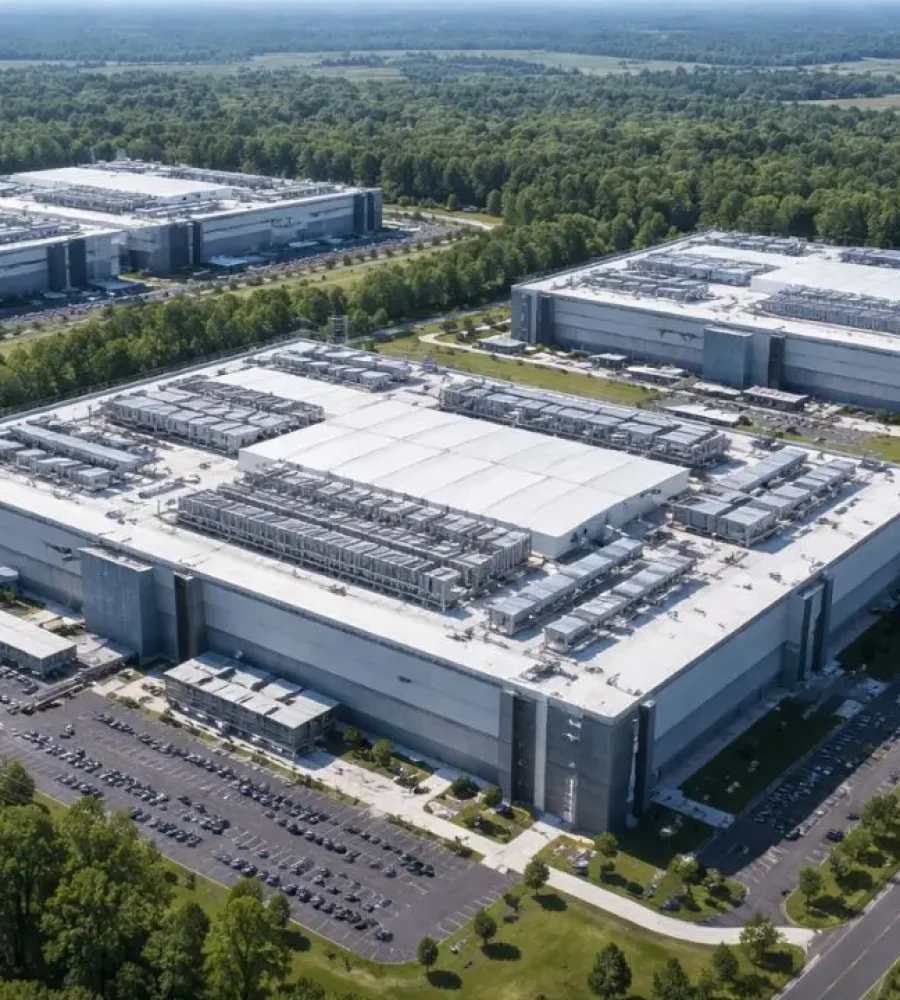

Modern artificial intelligence systems rely on massive computing clusters that require highly specialized hardware built with exceptional precision. Manufacturing of these systems has moved beyond conventional electronics assembly because dense compute platforms include tightly integrated processors, high-bandwidth memory modules, advanced power electronics, and complex thermal systems. Traditional manual assembly methods struggle to maintain the consistency required for thousands of identical compute nodes deployed across hyperscale facilities. Industrial automation has therefore become central to building servers and infrastructure components designed for demanding workloads. Robotics platforms equipped with machine vision, precision manipulators, and advanced control software now operate across electronics manufacturing lines that support large-scale computing deployments. These automated systems enable manufacturers to maintain micron-level placement accuracy while scaling production volumes needed for global AI infrastructure expansion. Industrial robotics has therefore become central to manufacturing servers and infrastructure components designed to support modern AI infrastructure workloads.
Manufacturing complexity continues to rise as computing density increases across server platforms used for machine learning workloads. High-performance processors generate significant thermal loads while requiring extremely tight mechanical tolerances within server assemblies. Production environments must therefore support intricate tasks such as precise chip placement, controlled torque fastening, and automated testing of high-speed electrical interfaces. Robotic assembly equipment addresses these requirements through repeatable motion control and integrated inspection capabilities that operate continuously without variability in output quality. Semiconductor packaging lines, board assembly stations, and mechanical integration systems increasingly rely on coordinated robotic workflows rather than discrete manual processes. These developments illustrate how industrial automation supports the physical backbone of global compute infrastructure supporting large-scale artificial intelligence workloads.
AI Infrastructure Manufacturing Enters the Era of Precision Automation
Hyperscale computing infrastructure demands extremely precise manufacturing because high-performance processors, interconnect fabrics, and power systems must operate under tightly controlled conditions. Server boards used for advanced compute clusters integrate thousands of electrical connections that require highly accurate component placement during production. Robotic pick-and-place systems position chips, resistors, and connectors with sub-millimeter precision while automated optical inspection systems verify assembly quality in real time. Electronics manufacturers have adopted these technologies to maintain reliability across high-volume production runs for enterprise and cloud hardware. Precision robotics also assists with delicate tasks such as attaching thermal interface materials and aligning complex cooling assemblies that protect processors from overheating. As a result, automation has become a foundational element in manufacturing hardware designed for demanding artificial intelligence applications.
Server manufacturers also depend on robotic systems to maintain strict manufacturing tolerances required for high-density computing platforms. Printed circuit boards used in advanced compute servers often include multi-layer designs carrying high-speed data pathways that require exact soldering conditions and inspection procedures. Automated soldering robots ensure uniform thermal profiles during assembly, which helps maintain electrical integrity across thousands of connections. Robotics platforms also handle repetitive tasks such as fastening chassis components and installing power distribution modules across large production lines. Consequently, manufacturers achieve consistent quality while accelerating throughput for hardware destined for hyperscale data centers. Increasing reliance on automation reflects the broader shift toward digitally controlled production environments designed to support rapidly growing demand for compute infrastructure.
Robotic Assembly Lines for High-Density Compute Hardware
High-density server platforms incorporate complex mechanical and electrical subsystems that benefit from robotic assembly methods capable of handling delicate components. Modern compute nodes often contain advanced accelerators, high-bandwidth memory stacks, and intricate cooling interfaces that require careful installation. Robotic arms equipped with precision grippers can position these components accurately within confined chassis designs used for large computing clusters. Integrated vision systems inspect alignment during installation and immediately flag defects that could affect performance during operation. Manufacturers therefore deploy automated assembly lines that coordinate multiple robots performing tasks such as component insertion, cable routing, and structural fastening. These coordinated systems enable rapid scaling of production while maintaining consistent product quality across thousands of server units.
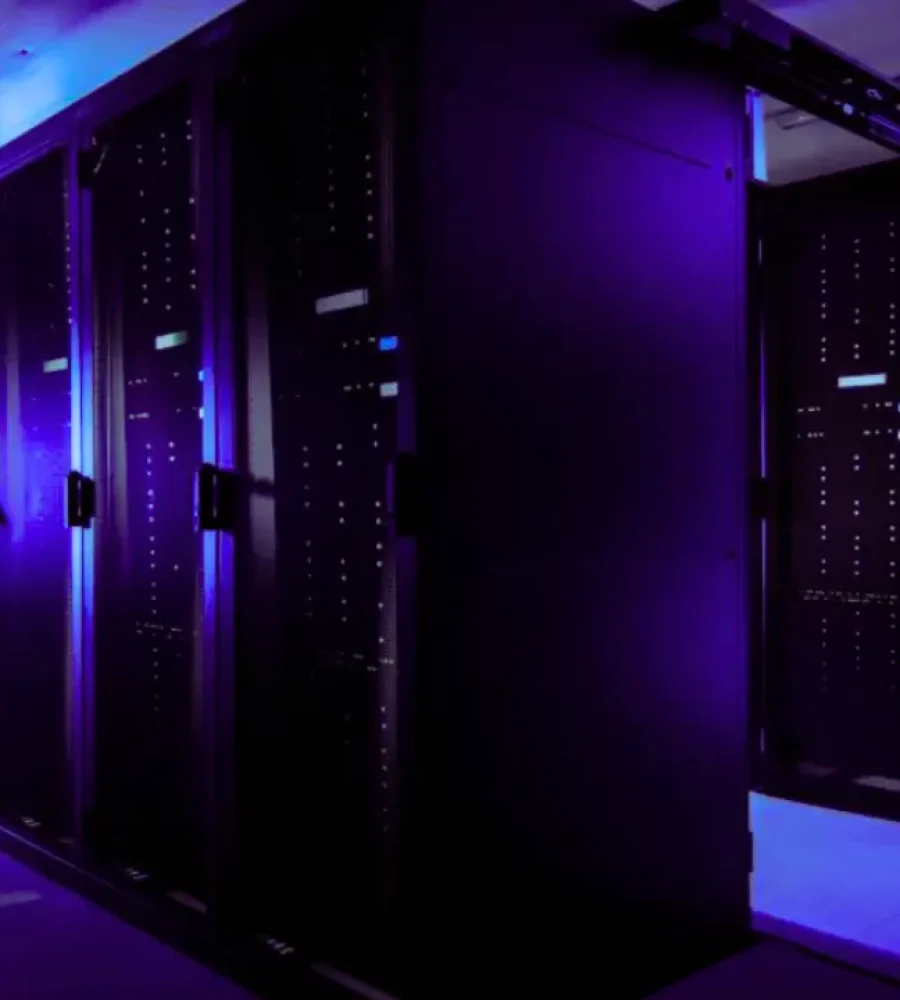
Compute racks designed for machine learning workloads also require structured mechanical integration that robotics platforms can perform efficiently. Rack systems incorporate power distribution hardware, networking switches, cooling modules, and densely packed compute nodes arranged within standardized frames. Robotic material-handling systems increasingly assist manufacturers with positioning heavy server trays and installing electrical connectors during electronics and hardware assembly processes that support high-bandwidth networking architectures. Meanwhile, automated torque tools controlled by robotic arms secure structural components according to precise engineering specifications. Robotics technologies therefore reduce human handling of sensitive hardware while improving reliability in the final assembly stage. Large manufacturers have adopted such systems to maintain production stability as global demand for high-performance computing equipment continues to increase.
Automation in the Production of Liquid Cooling Systems
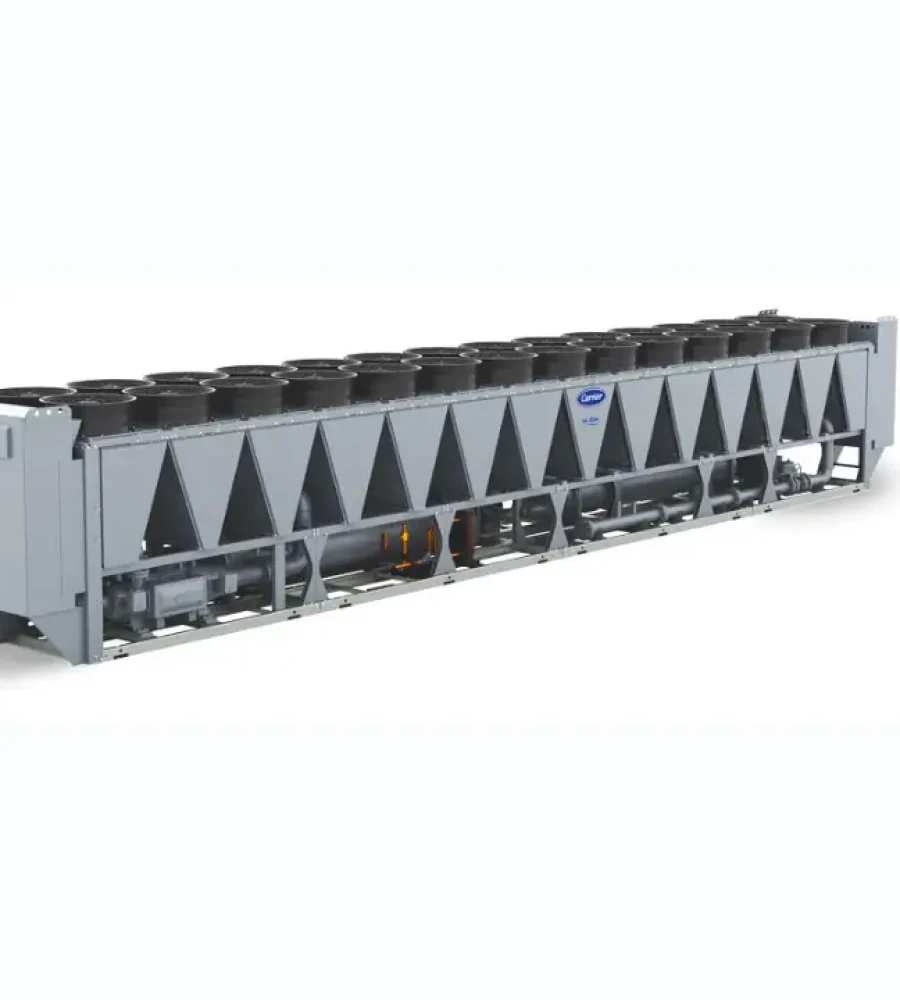
Advanced cooling technologies have become essential for high-performance computing systems that generate substantial heat during operation. Liquid cooling components such as cold plates and heat exchangers require extremely precise machining and assembly processes. Robotics systems assist in manufacturing these components by performing tasks such as micro-channel fabrication, automated welding, and precision sealing of fluid pathways. Automated inspection tools verify dimensional accuracy and leak resistance to ensure reliability in data center environments where equipment must operate continuously. Robotics also assists in assembling coolant distribution units that regulate fluid flow across racks of compute hardware. These automated production lines support the growing adoption of liquid cooling technologies in facilities supporting large-scale artificial intelligence workloads.
Manufacturing sealed cooling loops requires controlled processes because even minor assembly defects could compromise performance in operational environments. Robotic welding and automated joining systems are widely used to assemble metal plates, tubing, and valves during the production of thermal management components such as heat exchangers and liquid cooling assemblies. Integrated sensors measure pressure and fluid dynamics during quality assurance testing performed on completed cooling modules. Moreover, machine vision technology verifies the structural integrity of complex geometries used in micro-channel heat exchangers. Automated processes therefore maintain strict reliability standards for cooling equipment deployed inside compute-dense facilities. Manufacturers rely on robotics to scale production of these systems as thermal management becomes a central challenge in modern data center design.
Smart Factories Supplying the Hyperscale Data Center Boom
Manufacturing facilities producing advanced computing hardware increasingly operate as digitally connected smart factories. Robotics platforms integrate with sensor networks, industrial control software, and real-time analytics systems that monitor equipment performance across production lines. These systems collect operational data that allows engineers to optimize manufacturing efficiency and detect potential faults before they interrupt output. Robotics therefore functions as part of a broader ecosystem of automated equipment coordinated through industrial internet technologies. Meanwhile, predictive maintenance systems analyze vibration, temperature, and operational signals from robotic machinery to anticipate maintenance requirements. Smart manufacturing environments thus maintain consistent production flow while supporting the rapid growth of global computing infrastructure deployment.
Digital manufacturing environments also improve supply chain visibility for components used in advanced computing systems. Robotics systems communicate production metrics that feed into enterprise resource planning software responsible for inventory coordination. Factory operators can therefore track component consumption, manufacturing throughput, and quality metrics across multiple facilities producing hardware for large computing deployments. Consequently, manufacturers gain the ability to synchronize production schedules with infrastructure deployment timelines demanded by cloud providers. Advanced automation systems also enable rapid reconfiguration of production lines when new hardware designs enter manufacturing. This adaptability supports the evolving architecture of computing systems designed for increasingly complex artificial intelligence workloads.
Supply Chain Acceleration Through Robotics and Advanced Manufacturing
Global demand for advanced computing infrastructure has created significant pressure on supply chains responsible for producing servers, networking equipment, and supporting mechanical components. Robotics-driven manufacturing enables suppliers to increase production capacity while maintaining strict quality standards across precision components. Automated machining centers fabricate metal enclosures, mounting brackets, and thermal management structures with minimal deviation from design specifications. Robotics systems also support rapid assembly of power modules and electrical harnesses that integrate within compute platforms. High-volume automation therefore reduces production bottlenecks that might otherwise slow infrastructure deployment. Manufacturers rely on these capabilities to meet expanding demand for hardware supporting artificial intelligence workloads.
Industrial automation can improve resilience within hardware supply chains by reducing dependence on manual assembly and enabling more consistent production output in electronics manufacturing environments.Robotic production lines maintain consistent output regardless of labor availability or operational disruptions that might affect manual assembly environments. Automated inspection and testing systems detect defects early in the production cycle, which reduces material waste and prevents faulty hardware from reaching downstream assembly stages. Consequently, manufacturers can maintain predictable delivery schedules for equipment destined for hyperscale computing environments. Robotics technologies therefore contribute to stable supply chains capable of supporting rapid infrastructure expansion worldwide. These developments illustrate how automation has become deeply integrated into the industrial ecosystem responsible for producing modern computing systems.
Robotics as the Industrial Backbone of AI Infrastructure
Large-scale computing infrastructure depends on hardware ecosystems that extend far beyond the processors executing machine learning models. Manufacturing these systems requires coordinated production of electronics assemblies, mechanical structures, and thermal management equipment. Robotics technologies support these processes by delivering consistent precision, high throughput, and integrated quality inspection across complex manufacturing workflows. Automation therefore strengthens the industrial foundation that enables rapid deployment of computing clusters across global data center networks. Industrial robotics also enhances operational reliability by ensuring that infrastructure hardware meets strict engineering specifications before deployment. The growing intersection between automated manufacturing and computing infrastructure reflects a broader transformation in how advanced technologies reach operational scale.
Future manufacturing strategies for computing infrastructure are expected to expand the use of robotics integrated with artificial intelligence and advanced analytics within emerging smart manufacturing environments. Automated systems equipped with machine learning algorithms can adapt production parameters based on real-time data collected during manufacturing operations. Such capabilities allow factories to optimize efficiency while maintaining quality standards required for high-performance computing hardware. Industrial automation platforms also enable manufacturers to respond quickly to evolving design requirements as new generations of compute accelerators enter production. Robotics therefore forms a critical bridge between digital innovation and the physical systems required to support modern computing ecosystems. The expansion of automated manufacturing capabilities will continue to influence how infrastructure supporting artificial intelligence develops across global technology markets.