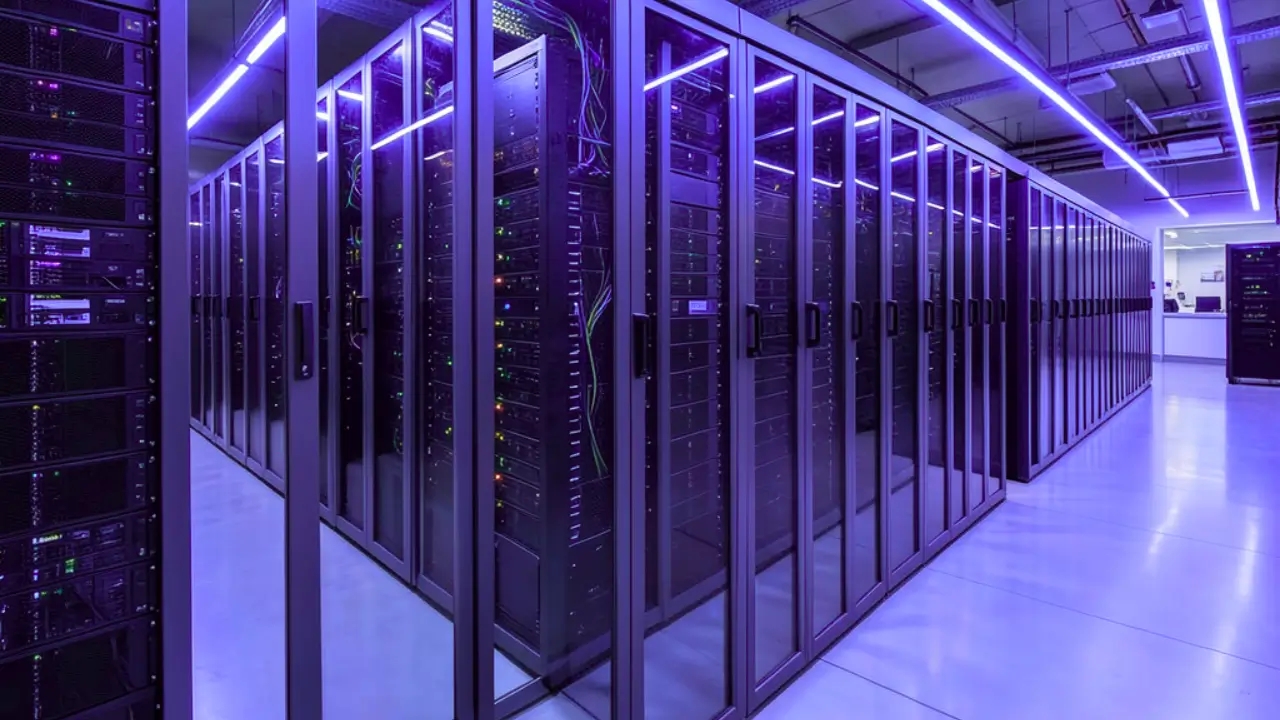
In 2026, the cloud is shrinking. For decades, massive centralized data centers in remote regions carried the weight of our digital lives. They offered scale, reliability, and invisibility. Speed was a minor concern. Today, speed has become critical. Autonomous robots, surgical AI, and fleets of self-driving vehicles cannot wait for data to travel across the country. Every millisecond counts, and the traditional cloud cannot keep up.
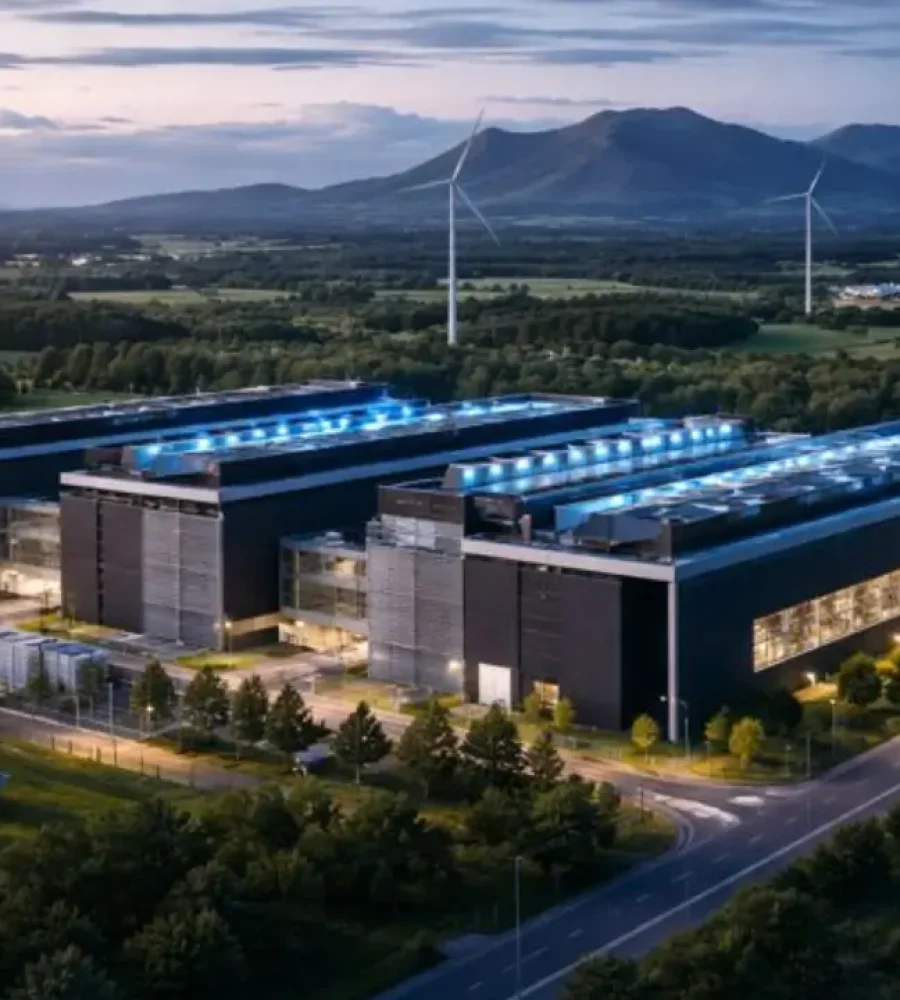
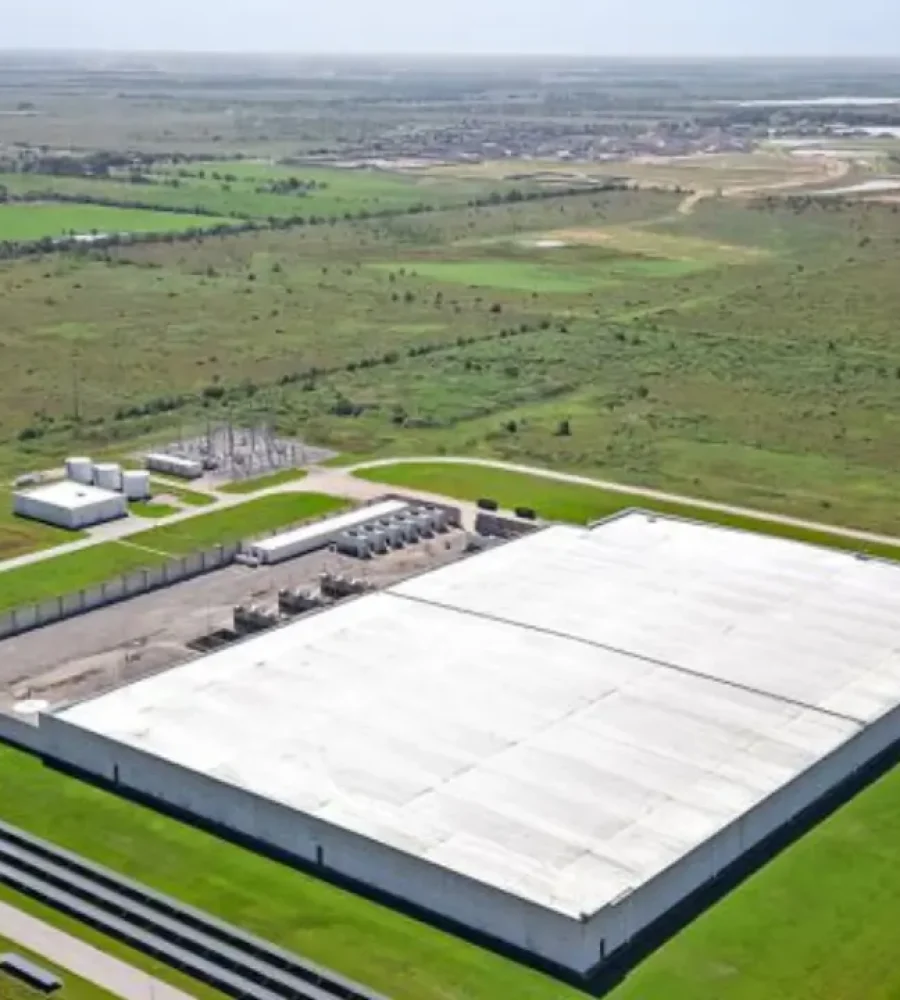
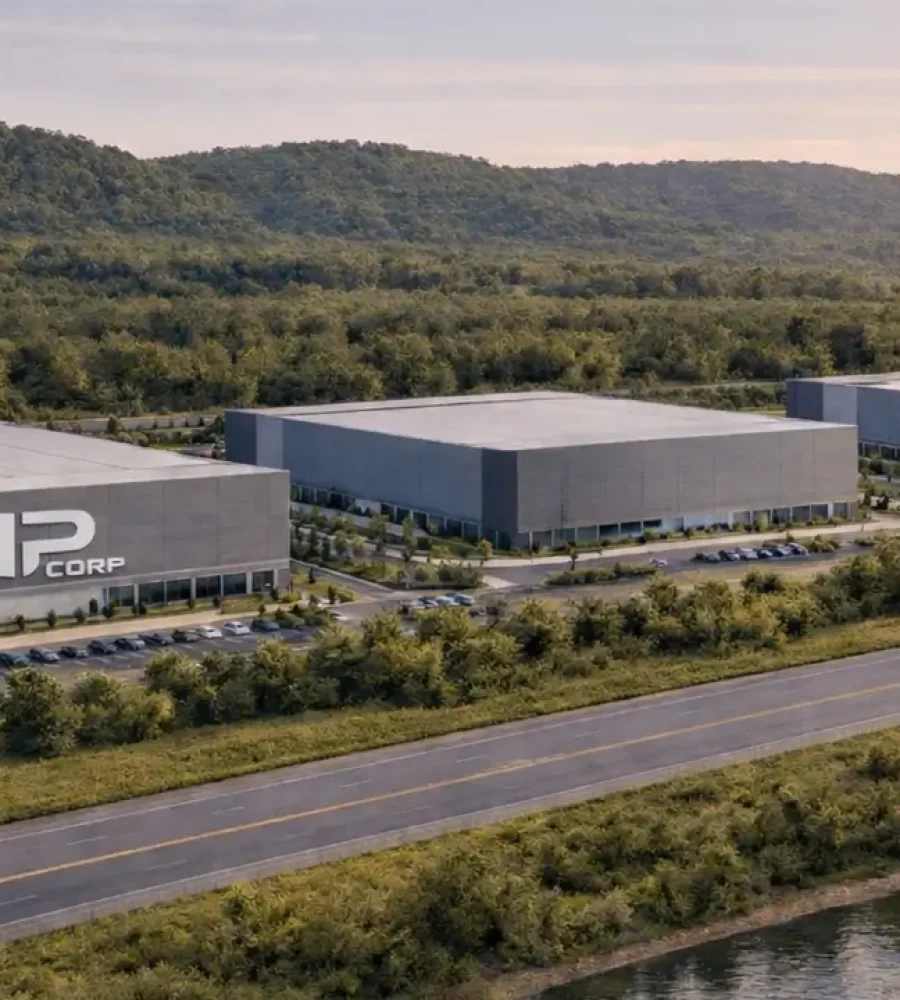
Micro-AI Factories bring intelligence to the source. These high-density computing plants pack thousands of GPUs into spaces the size of a hospital wing or warehouse floor. Data moves a few feet instead of thousands of miles. Decisions happen instantly, and latency no longer limits performance.
The End of Lag: How Micro-AI Factories Reclaim the Edge
For years, the world relied on the monolithic cloud. Data traveled to massive, invisible fortresses in the desert, and organizations waited for responses. A few milliseconds of delay seemed acceptable in exchange for nearly limitless scale.
By 2026, those milliseconds have become liabilities. Agentic AI, systems that reason, plan, and act autonomously, require immediate feedback. Micro-AI Factories place computing power where it is needed most, transforming milliseconds into real-time action.
The Death of the Round-Trip: Why Milliseconds Matter
In the age of generative AI, a 100-millisecond delay was merely an annoyance. In physical AI, including robotics and autonomous systems, the same delay can be catastrophic.
The challenge comes from the round-trip. Data travels thousands of miles to a hyperscale center, is processed, and returns. By the time it arrives, real-time interaction is impossible. Inference, the act of running a model, has overtaken training as the critical metric. AI must respond with reflexive speed.
Two benchmarks define performance in 2026:
- Power Compute Effectiveness (PCE): Measures how much intelligence a system produces per watt.
- Token-to-Action Latency: Measures the time it takes for a digital thought to become a physical action.
Defining the Micro-AI Factory
Micro-AI Factories change the traditional data center model. Storage takes a back seat. Computing power comes first, and proximity drives design.
Three defining features set these factories apart:
- Extreme Density: GPU-dense racks push 120 kilowatts or more per rack, delivering enormous compute in a compact footprint.
- Advanced Cooling: Direct-to-chip liquid cooling manages intense heat in urban and industrial spaces.
- Proximity: Located on site- inside hospitals, on factory floors, or at 6G cell tower hubs, they eliminate the delays caused by distance.
Case Studies: Frontline Industries
Micro-AI Factories are transforming industries where speed is non-negotiable.
Autonomous Manufacturing
Robots use vision-language models to detect micro-fractures on assembly lines. Local processing stops a belt in under five milliseconds, preventing thousands of dollars in waste that a distant cloud could not prevent.
Surgical Micro-Clouds
AI overlays highlight critical blood vessels in real time. Factories inside hospitals ensure AI remains perfectly in sync with the surgeon’s hands, bypassing the congestion of public networks.
Smart Infrastructure
Traffic systems manage thousands of autonomous vehicles simultaneously. Micro-AI Factories at key intersections prevent single points of failure and guarantee that emergency braking commands are processed instantly.
Sovereignty and Security
Latency is only part of the story. Data sovereignty now drives adoption.
- Privacy by Default: Data never leaves the building, avoiding international transfer laws and regulatory headaches.
- The Island Strategy: Micro-factories operate offline when needed. If cyberattacks or network failures disrupt the internet, local intelligence continues to function. This capability has become essential for national defense and emergency services.
The Environmental Paradox: Small, Hot, and Efficient
Micro-AI Factories generate intense heat, but they often outperform traditional centers in sustainability.
- Waste Heat Recovery: Excess heat warms offices and greenhouses.
- Zero-Water Cooling: Dry cooling allows factories to operate in urban areas without straining local water resources.
By combining high performance with energy reuse, these factories redefine efficiency.
Intelligence on Tap
The cloud has not disappeared, but it has receded. AI is moving local, liquid-cooled, and immediate. Micro-AI Factories prove that proximity outweighs scale. By 2026, systems that must travel across the country to make a decision are already behind.
The winner in the race for intelligence is the one closest to the problem. Micro-AI Factories show that milliseconds decide outcomes, and local intelligence shapes the future.