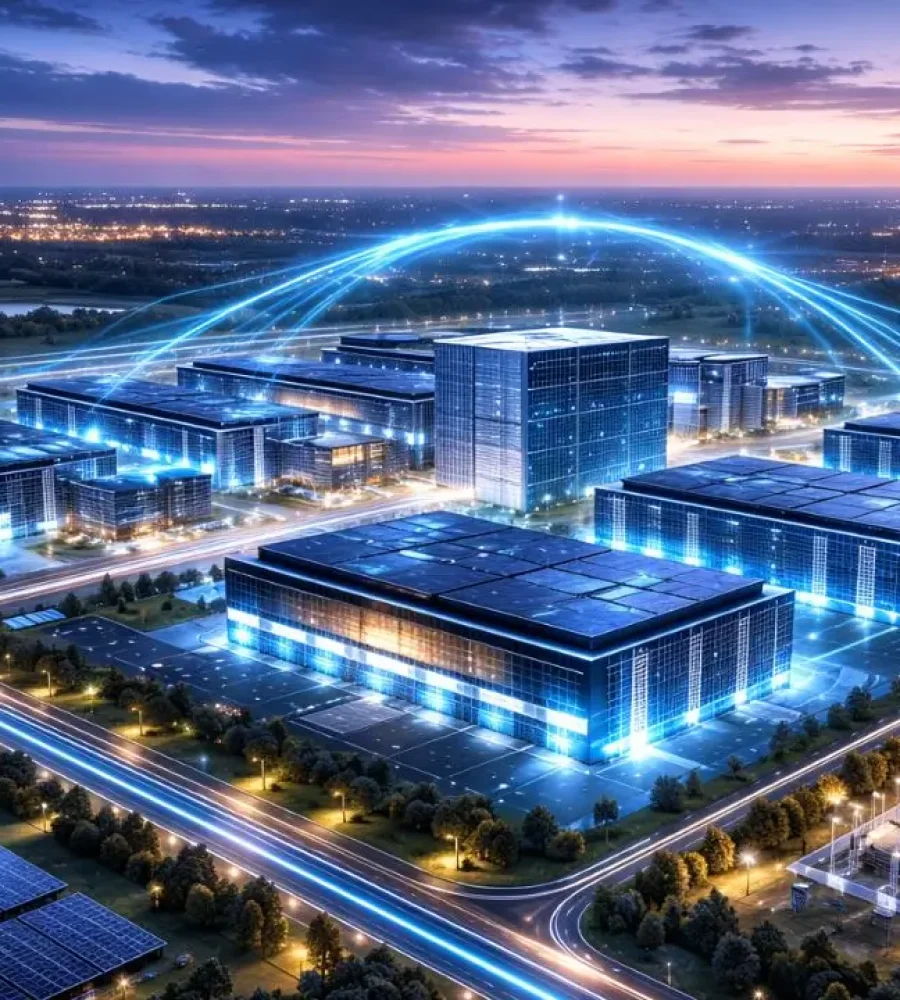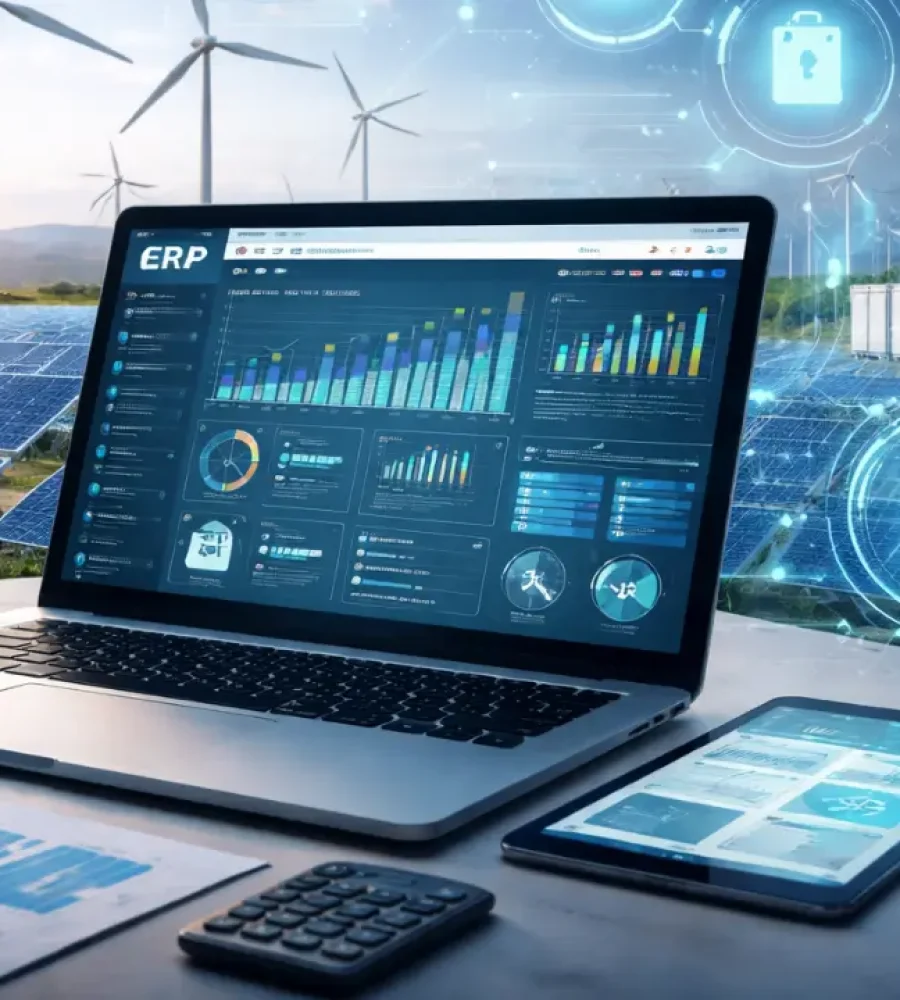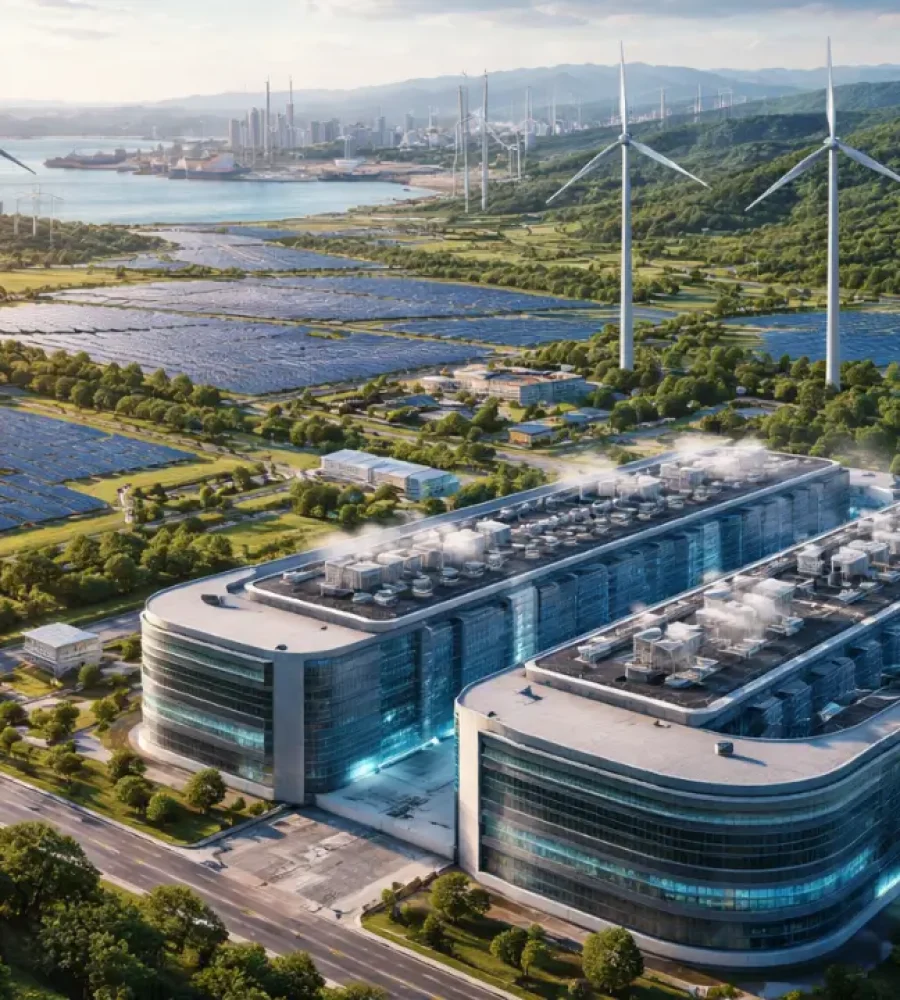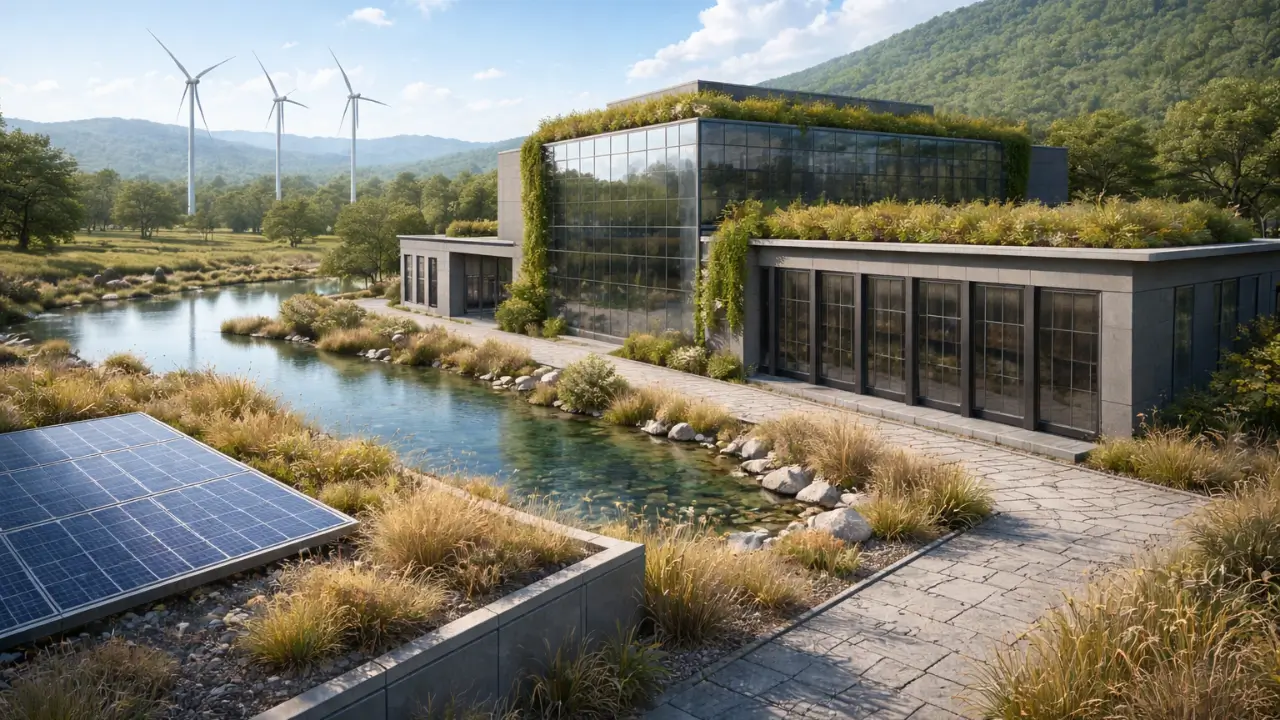
Digital infrastructure now shapes economic systems, urban planning decisions, and the global exchange of information at unprecedented scale. Data centers, network corridors, and cloud ecosystems consume material resources and energy flows that connect directly with environmental systems. Designers and engineers increasingly treat infrastructure not as an isolated technical asset but as a physical intervention within ecological boundaries. Environmental awareness influences how teams select sites, define energy strategies, and structure operational lifecycles. Climate volatility and resource constraints continue to pressure infrastructure operators to rethink expansion models. Global energy assessments published by the International Energy Agency highlight how digital systems contribute to rising electricity demand across regions.
Infrastructure strategy today extends beyond uptime and latency performance into questions of environmental durability. Planners evaluate terrain conditions, water availability, and regional energy grids before initiating conceptual designs. Early-stage environmental assessments shape layout decisions that influence airflow, solar exposure, and heat dissipation patterns. Lifecycle modeling tools allow engineers to estimate material impact from construction through decommissioning. These design considerations establish ecological responsibility as a technical parameter rather than a peripheral concern. The shift signals a broader redefinition of infrastructure performance that integrates environmental compatibility with operational resilience.
Rethinking Digital Infrastructure Through a Sustainability Lens
Sustainable planning begins with intentional site evaluation that respects existing ecosystems and climatic behavior. Architects analyze topography and seasonal wind movement to reduce mechanical dependency during operations. Project teams prioritize long-term adaptability by designing facilities that can evolve without structural demolition. Material selection now reflects embodied carbon awareness alongside durability requirements. Procurement frameworks often include environmental disclosure criteria to ensure accountability across suppliers. This deliberate planning approach reframes infrastructure development as a multi-decade environmental commitment.
Engineering foresight strengthens this approach by embedding flexibility into the physical structure of facilities. Modular architecture enables incremental expansion without excessive reconstruction or material waste. Designers map airflow corridors and heat gradients directly into structural layouts before construction begins. Computational simulations model extreme weather exposure to enhance structural resilience under changing climate patterns. Equipment placement strategies anticipate future hardware density growth without compromising cooling efficiency. Such planning transforms infrastructure from a static facility into an adaptable environmental system.
Operational sustainability also requires transparent supply chain governance and responsible sourcing practices. Developers increasingly evaluate vendors based on energy commitments and manufacturing accountability. Hardware lifecycle planning includes refurbishment pathways and component reuse strategies. Asset management policies extend beyond installation toward eventual decommissioning recovery. Environmental product documentation helps procurement teams assess long-term ecological implications. These coordinated measures align infrastructure operations with climate-conscious expectations across industries.
Passive Cooling and Natural Climate Integration
Thermal management represents one of the most significant operational challenges in digital facilities. Mechanical cooling systems traditionally dominate energy consumption within server environments. Engineers now prioritize passive approaches that harness ambient conditions to stabilize temperatures. Building orientation, façade design, and natural ventilation shafts create airflow pathways that reduce mechanical load. Thermal mass within structural elements can moderate internal temperature fluctuations throughout daily cycles. Passive integration strengthens operational efficiency without compromising equipment reliability.
Site geography plays a decisive role in determining cooling feasibility. Cooler climates enable the use of outside air economization during extended seasonal periods. Coastal and elevated locations often provide consistent airflow patterns that support convection-based temperature regulation. Designers evaluate humidity levels carefully to prevent condensation risks within sensitive hardware environments. Atmospheric data analysis informs the balance between natural ventilation and mechanical reinforcement. These geographic considerations transform climate into a design partner rather than a constraint.
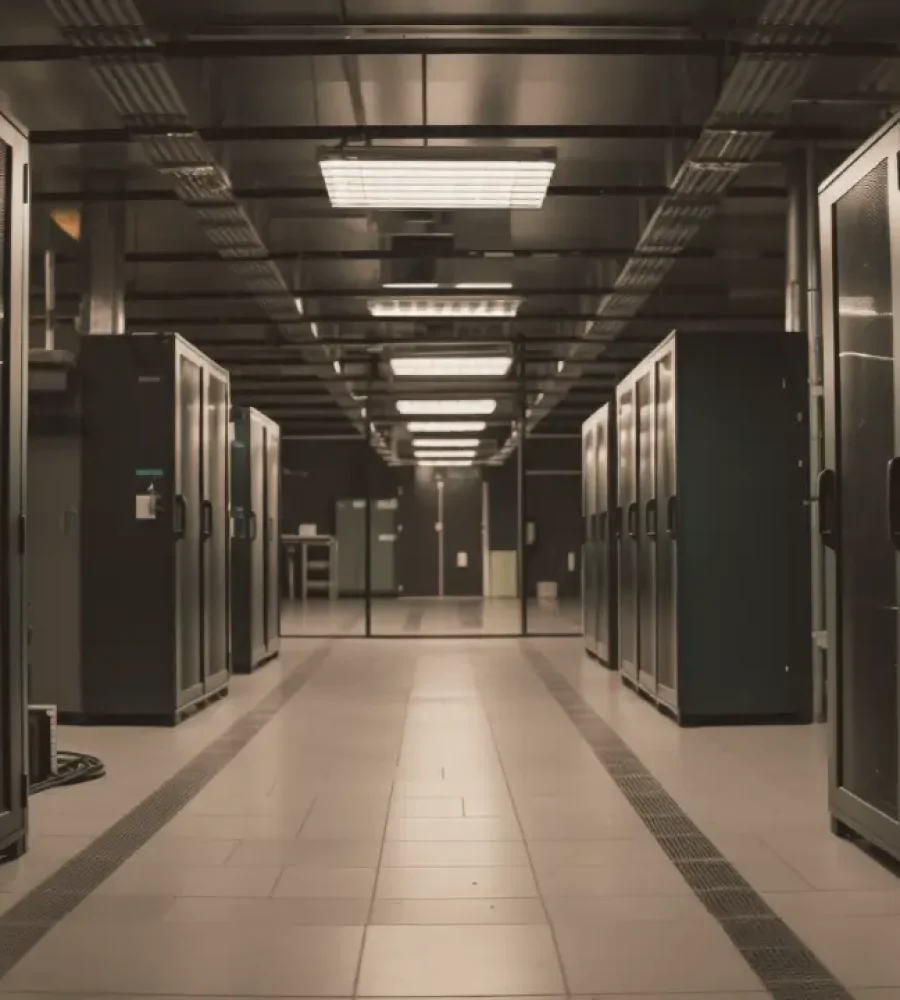
Interior configuration further enhances passive thermal control through deliberate airflow segregation. Hot and cold aisle containment strategies maintain stable temperature gradients across server rows. Raised floor systems channel cool air precisely toward equipment inlets while guiding exhaust heat upward. Thermal zoning separates high-density racks from auxiliary spaces to preserve environmental balance. Environmental monitoring systems continuously track temperature variance across micro-environments. This integration of architectural and mechanical principles reduces dependency on high-intensity refrigeration systems.
Regenerative Computing: Beyond Energy Efficiency
Energy efficiency alone cannot address the broader ecological footprint of digital expansion. Regenerative computing introduces strategies that recover and repurpose operational byproducts. Waste heat recovery systems redirect thermal output into district heating networks or adjacent facilities. Thermal exchange technologies convert excess server heat into usable energy streams. Closed-loop integration physically connects data centers to district energy or industrial heat networks, thereby transforming them from standalone electricity consumers into measurable contributors within integrated local energy systems.These approaches encourage circular energy thinking within infrastructure ecosystems.
Urban integration strengthens regenerative strategies through coordinated infrastructure planning. Municipal networks can distribute recovered heat to residential or commercial districts. Agricultural installations benefit from controlled greenhouse warming powered by redirected thermal energy. Industrial partners may integrate recovered heat into production cycles. Such collaboration transforms computational byproducts into community resources. Regeneration repositions infrastructure as an active contributor to local sustainability frameworks.
Water stewardship also forms a critical component of regenerative design principles. Closed-loop cooling systems recycle treated water to reduce freshwater withdrawal. Advanced filtration processes maintain purity without continuous discharge. Rainwater harvesting supplements operational requirements in suitable climates. Designers align water management with broader watershed protection goals. Resource recovery therefore extends beyond energy into comprehensive environmental integration.
Greener Materials and Construction Practices
Construction materials shape environmental impact long before servers begin operation. Developers increasingly explore low-carbon concrete alternatives and responsibly sourced metals. Engineered timber hybrids offer structural viability in specific facility components. Prefabricated modules minimize onsite waste while maintaining precision manufacturing standards. Design teams evaluate material sourcing through lifecycle transparency documentation. Responsible construction establishes ecological awareness at the foundation level of infrastructure development.
Modular construction enables scalability aligned with demand evolution. Fabrication within controlled environments enhances quality assurance and reduces material loss. Transport logistics planning minimizes unnecessary emissions during assembly phases. Containerized data center units provide flexibility for remote or temporary deployments. Designers incorporate disassembly principles to support eventual material reuse. Adaptable construction philosophy reduces long-term structural waste.
Envelope innovation improves both energy performance and environmental durability. High-performance glazing reduces solar gain while maintaining natural illumination. Insulation materials derived from recycled content strengthen thermal resistance. Structural composites enhance longevity under climatic stress. Environmental declarations provide measurable benchmarks for sustainable procurement decisions. Material transparency fosters accountability throughout the construction lifecycle.
Aligning Digital Growth With Planetary Responsibility
Technological acceleration continues to increase demand for computational capacity across industries. Infrastructure expansion must balance innovation objectives with environmental responsibility. Corporate governance structures increasingly integrate sustainability oversight within executive leadership. Climate risk assessment now informs long-term investment planning decisions. Financial markets evaluate environmental resilience as a component of operational stability. Guidance frameworks developed by the Task Force on Climate-related Financial Disclosures support structured climate reporting practices.
Community engagement strengthens ethical infrastructure deployment in urban and regional contexts. Developers conduct environmental impact reviews before initiating construction phases. Biodiversity preservation measures protect surrounding ecosystems during site preparation. Noise mitigation and water management strategies address local concerns proactively. Visual integration efforts reduce disruption within established landscapes. Responsible planning fosters trust between infrastructure operators and host communities.
Digital ecosystems will continue to expand as artificial intelligence, financial technology, and healthcare analytics evolve. Sustainable infrastructure design ensures that growth does not compromise ecological systems. Engineers refine energy sourcing strategies to incorporate renewable integration wherever feasible. Strategic collaboration between industry and policymakers encourages resilient grid development. Long-term environmental stewardship depends on consistent technical discipline rather than symbolic commitments. Infrastructure maturity will reflect how effectively it harmonizes computation with planetary systems.
A Future Built on Sustainable Digital Foundations
Next-generation infrastructure must operate within ecological thresholds while sustaining digital progress. Designers and engineers hold responsibility for embedding environmental awareness into every structural decision. Operational excellence now includes climate resilience, material recovery, and regenerative energy pathways. Sustainable thinking transforms infrastructure from a resource-intensive utility into an integrated environmental system. The trajectory of digital expansion will depend on disciplined design choices made today. A future built on environmentally conscious foundations will define the stability and legitimacy of technological advancement in the decades ahead.