The Invisible Infrastructure Behind Artificial Intelligence
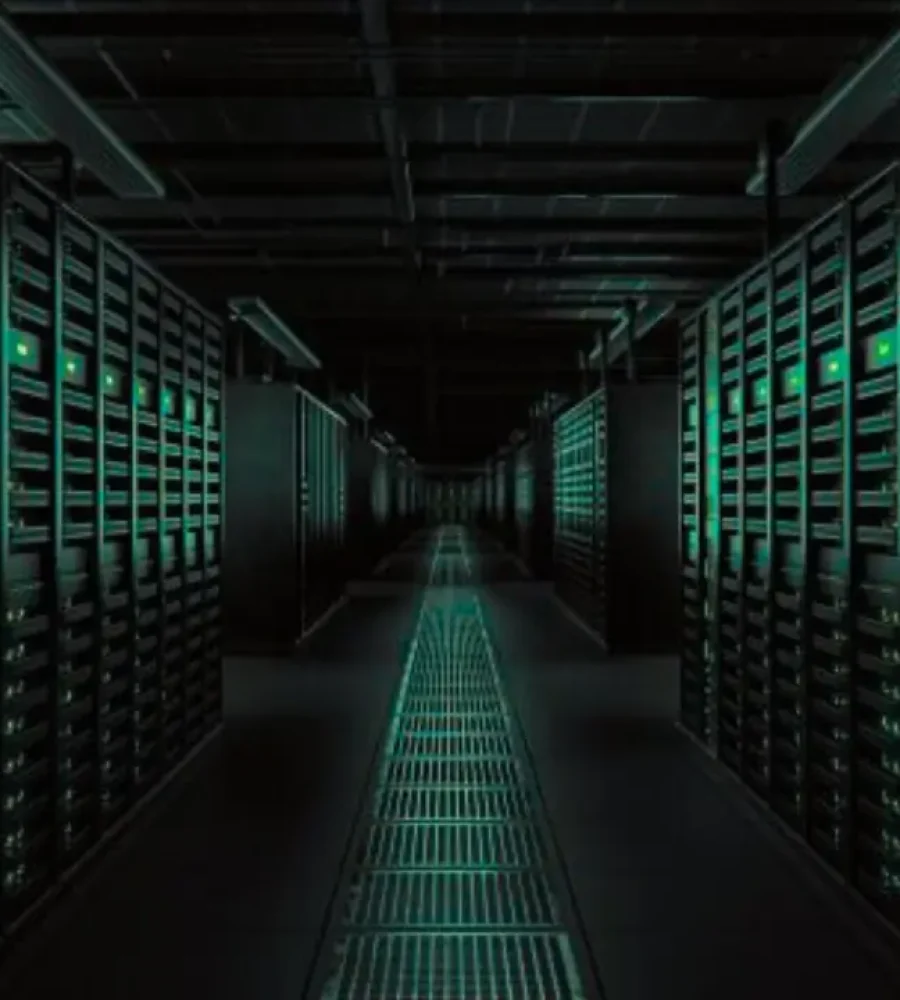
Artificial intelligence often appears to users as a seamless layer of digital capability, yet the reality behind that interface lies within an expansive industrial ecosystem of physical infrastructure. Vast clusters of specialized processors operate continuously inside hyperscale data facilities, drawing power through complex electrical distribution systems and dissipating heat through engineered thermal networks. Networking fabrics connect thousands of accelerator nodes through high-speed interconnects designed to synchronize computational workloads across massive training environments. Cooling loops, power conditioning equipment, and storage architectures function together to sustain the computational intensity required for modern machine learning workloads. This infrastructure transforms abstract algorithms into tangible physical processes governed by thermodynamics, electrical engineering, and resource logistics. Artificial intelligence therefore functions less as a purely digital phenomenon and more as a deeply material industrial system built upon hardware ecosystems that operate at planetary scale.
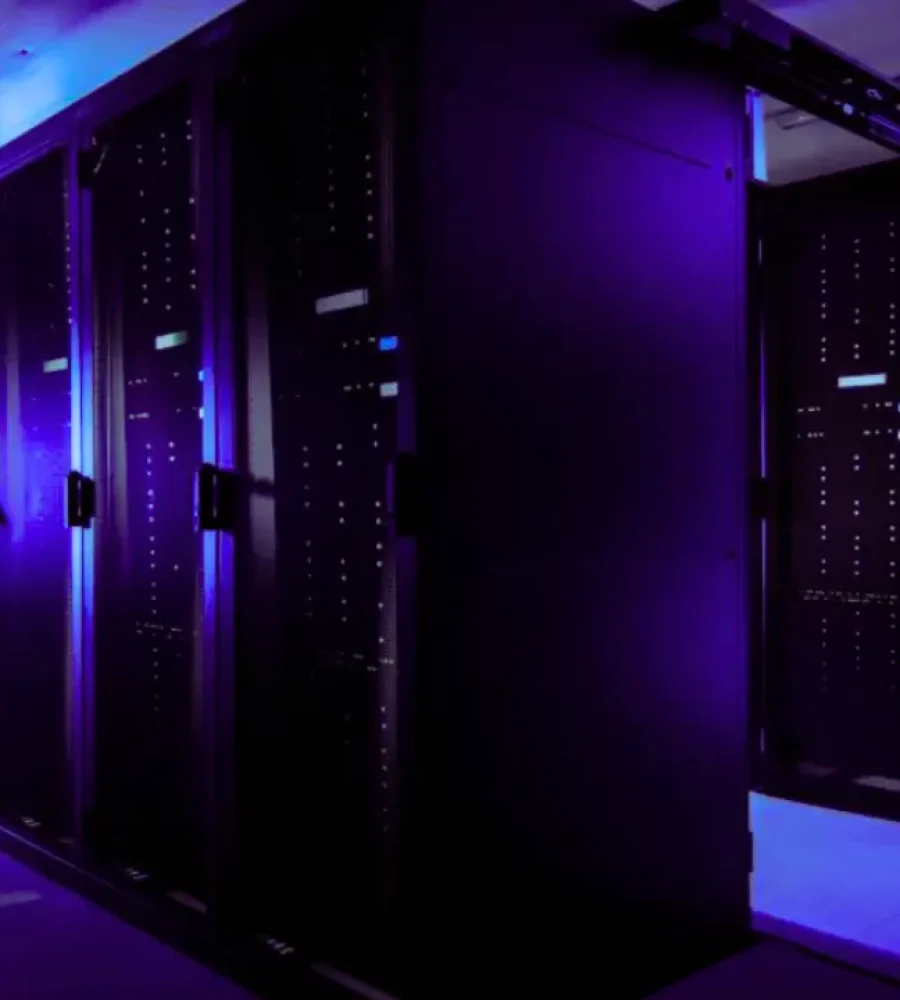
Facilities supporting advanced machine learning rarely resemble traditional enterprise server rooms, because modern AI systems require tightly integrated architectures optimized for sustained high-density compute. Dense accelerator racks rely on power distribution units, high-capacity switchgear, and layered redundancy strategies to maintain uninterrupted operation across thousands of interconnected devices. Networking topologies within these environments prioritize ultra-low latency communication pathways that enable distributed training algorithms to coordinate parallel workloads efficiently. Thermal management infrastructure becomes equally critical because concentrated compute clusters generate intense heat flux that conventional building ventilation cannot dissipate effectively. Operators therefore treat cooling infrastructure as a foundational engineering layer rather than a peripheral support system. AI infrastructure ultimately merges digital innovation with industrial design principles, reflecting a convergence between computing science and large-scale engineering disciplines.
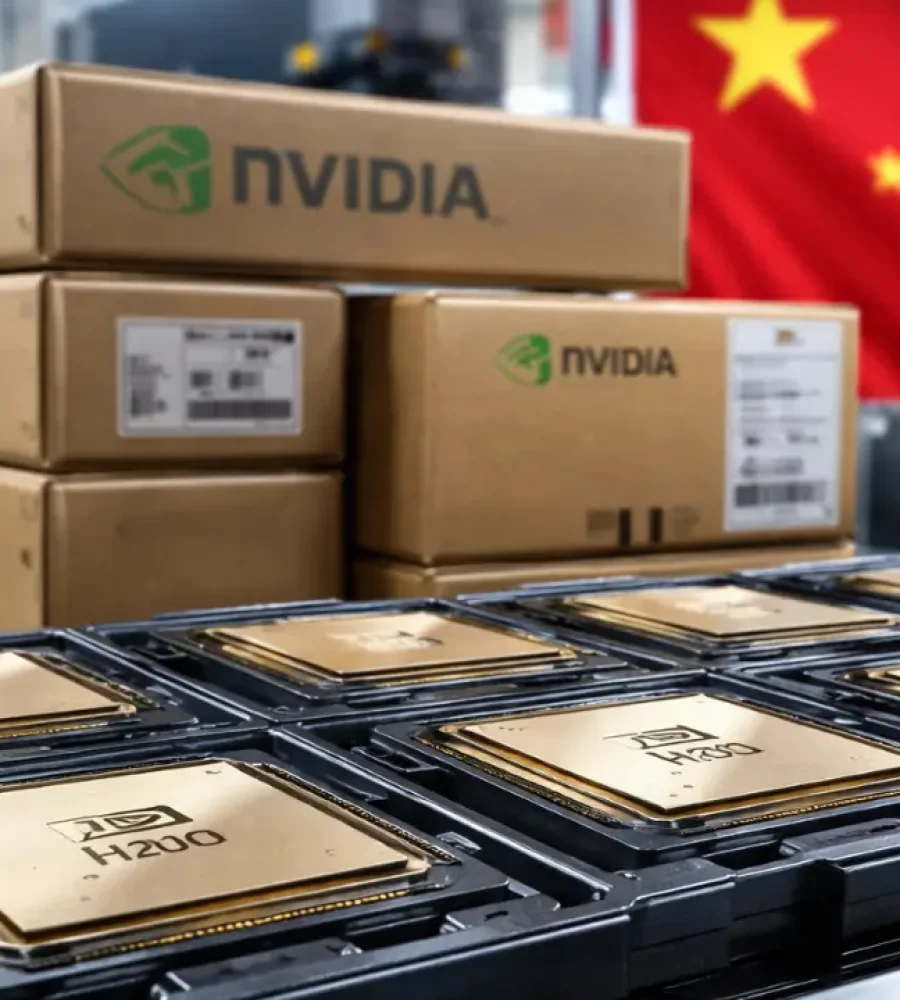
The growth of generative models, recommendation engines, and advanced analytics platforms has intensified reliance on specialized processors designed for parallel mathematical operations. Graphics processing units, tensor accelerators, and domain-specific chips enable the computational throughput required to train large neural architectures. These processors operate within tightly orchestrated clusters where distributed frameworks coordinate thousands of simultaneous calculations across synchronized compute nodes. Such architectures demand robust power systems capable of delivering consistent electrical supply while mitigating voltage fluctuations and thermal stress. Facilities therefore integrate layered infrastructure that includes transformers, backup generation, and real-time monitoring systems designed to protect high-value hardware environments. Artificial intelligence consequently evolves alongside the physical infrastructures that sustain its computational appetite.
Modern AI systems also depend heavily on networking architectures that function as the circulatory system of distributed computation. High-bandwidth fabrics link accelerator nodes together through advanced switching layers that move massive volumes of training data between processors. Engineers design these networks to minimize communication bottlenecks because machine learning models require continuous synchronization during training cycles. Every packet transferred across the network translates into electrical activity and additional energy demand across the infrastructure stack. Efficient networking architecture therefore influences not only computational speed but also the broader resource footprint of AI deployments. The invisible infrastructure behind artificial intelligence thus extends far beyond processors and algorithms into the deeper architecture of physical connectivity.
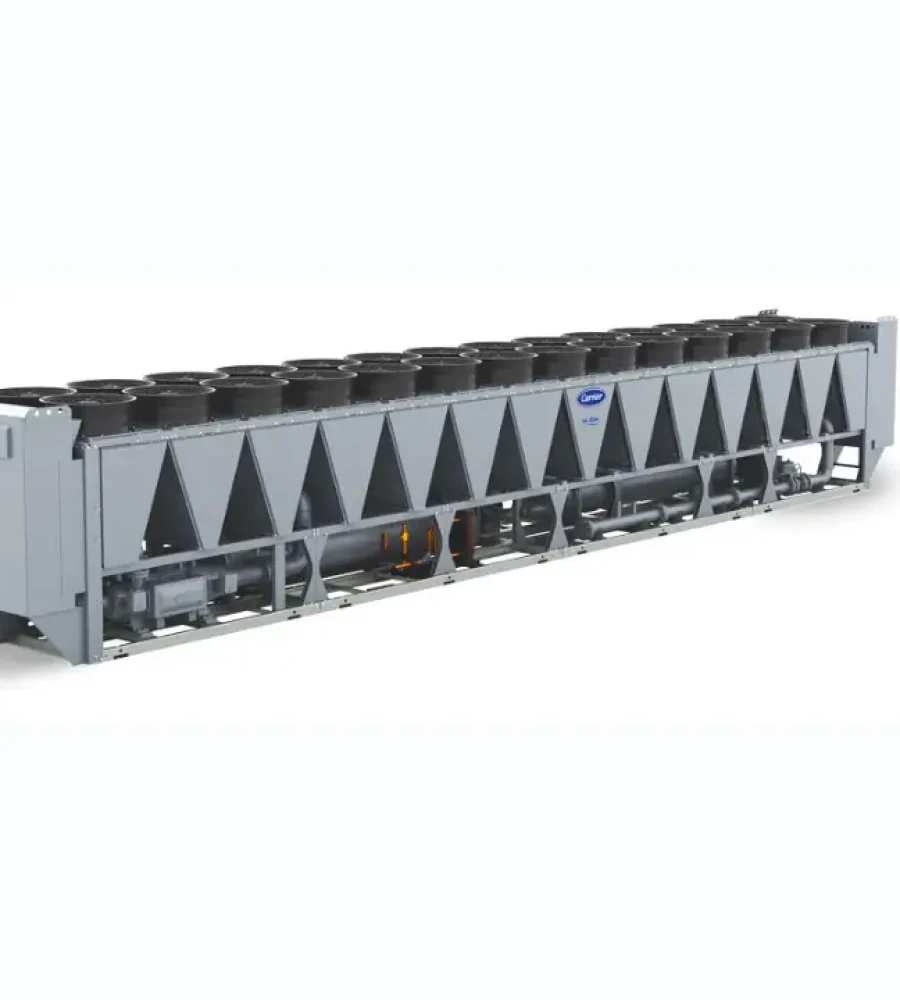
Thermal control systems occupy a central role in sustaining the stability of modern compute clusters. Accelerators operate most efficiently within narrow temperature ranges, and prolonged thermal stress can degrade hardware reliability or interrupt computational workflows. Engineers therefore deploy advanced heat exchange systems that transfer thermal energy away from processors into facility-scale cooling infrastructure. Air handling units, chilled water loops, and heat exchangers collectively manage the thermal environment required for sustained AI operations. Thermal engineering in these environments increasingly resembles industrial process design rather than traditional building climate control. Artificial intelligence therefore emerges from a layered infrastructure that blends computation with energy and thermal engineering at unprecedented scale.
Data storage architectures add another dimension to this infrastructure landscape because AI training pipelines require constant access to large volumes of structured and unstructured data. Storage clusters combine high-performance solid-state drives with distributed file systems that support rapid parallel data access across compute nodes. These storage networks integrate with accelerator clusters through specialized interfaces that reduce latency during training operations. Each storage subsystem consumes power, generates heat, and relies on cooling infrastructure similar to the compute clusters it supports. Storage layers therefore contribute directly to the environmental footprint associated with artificial intelligence infrastructure. Understanding AI’s hidden footprint requires examining the entire infrastructure stack that transforms raw data into computational intelligence.
Why AI Compute Is Structurally Resource-Intensive
High-performance computing environments supporting artificial intelligence exhibit structural characteristics that naturally produce significant resource demand. Accelerators perform large volumes of parallel arithmetic operations across neural network layers during training and inference cycles. Continuous workloads keep processors active for extended durations, which produces persistent electrical demand and steady thermal output within compute clusters. Engineers design these systems for sustained throughput rather than intermittent processing, because machine learning models rely on uninterrupted training cycles to converge effectively. Power systems therefore operate at consistently elevated load levels compared with traditional computing environments. Resource intensity emerges from the fundamental architecture of high-performance compute rather than from inefficient operational practices.
Advanced processors integrate billions of transistors that perform mathematical operations at extraordinary speeds across parallel computational pathways. Each operation produces small amounts of heat, and the cumulative effect across thousands of processors generates substantial thermal loads within data center environments. Thermal energy must be removed continuously to maintain stable operating conditions and prevent hardware degradation. Cooling systems therefore consume additional energy to transport heat away from processors and dissipate it through heat exchangers or environmental interfaces. This cycle illustrates how computational throughput translates directly into infrastructure resource demand. AI computing therefore functions within a thermodynamic framework where energy input and heat removal remain tightly interconnected.
Large neural networks amplify this structural demand because training processes involve repeated iteration across vast datasets and complex parameter spaces. Distributed computing frameworks coordinate accelerator clusters to perform synchronized calculations across thousands of compute nodes simultaneously. Each training step requires constant data exchange, memory access, and numerical processing across interconnected processors. These operations create sustained electrical activity within both compute and networking subsystems throughout the training lifecycle. Resource consumption therefore extends beyond the processors themselves into the surrounding infrastructure that supports distributed workloads. The architecture of machine learning training pipelines inherently drives continuous infrastructure utilization.
Hardware density within modern AI racks also contributes significantly to infrastructure intensity. Data center operators increasingly deploy high-density racks that concentrate large numbers of accelerators within limited physical space. Dense configurations improve computational efficiency but simultaneously increase localized heat flux within server environments. Thermal management systems must therefore remove heat rapidly from concentrated hardware clusters to maintain stability. Power delivery systems must also handle higher current loads across compact distribution pathways. Density optimization improves computational performance while simultaneously intensifying engineering requirements for cooling and electrical infrastructure.
AI workloads often operate around the clock because training models across large datasets requires continuous computational activity over extended periods. Interruptions during training cycles can introduce inefficiencies or require repeated computational steps, which encourages operators to maintain uninterrupted processing environments. Continuous operation creates sustained energy demand across compute, networking, and cooling subsystems throughout the infrastructure stack. Facilities therefore resemble industrial production environments where equipment operates persistently rather than intermittently. Resource demand becomes embedded within the operational rhythm of AI training infrastructure. The computational structure of machine learning systems therefore shapes the environmental footprint of modern AI facilities.
The shift toward increasingly sophisticated models further amplifies these dynamics because modern architectures incorporate deeper layers and more complex parameter relationships. Training such models requires larger compute clusters capable of handling extensive parallel processing tasks across distributed infrastructure. Larger clusters naturally require more supporting infrastructure including cooling loops, networking fabrics, and storage subsystems. Every additional layer of computational complexity therefore introduces additional physical infrastructure requirements. AI infrastructure consequently scales not only through software development but also through the expansion of physical systems that sustain computational workloads. The structural nature of AI computing ensures that infrastructure demand remains closely linked to technological advancement.
Water as a Critical Input in AI Operations
Water plays a subtle yet foundational role in many data center cooling strategies that support high-performance computing environments. Cooling systems often rely on chilled water loops that transport heat away from processors through heat exchangers and cooling towers. Evaporative cooling processes use water to dissipate thermal energy from facility infrastructure into the surrounding environment. Water also appears indirectly in electricity generation processes that supply power to data center operations. These layered dependencies reveal that water functions as an operational input embedded within the infrastructure supporting artificial intelligence. AI infrastructure therefore intersects with regional water resources through both direct cooling processes and broader energy supply chains.
Cooling towers represent one of the most common mechanisms through which data centers interact with water systems. Warm water from facility cooling loops circulates through towers where evaporation transfers heat into the atmosphere. This process enables efficient thermal management but also creates a dependency on reliable water supply for continued operation. Operators often treat water availability as a critical component of infrastructure planning when designing new facilities. Engineers evaluate local hydrological conditions alongside energy infrastructure during the site selection process. Water stewardship therefore emerges as a strategic infrastructure concern rather than a peripheral environmental consideration.
Electricity production introduces another layer of water interaction within AI infrastructure ecosystems. Many power generation technologies use water during thermal generation processes and cooling cycles within power plants. Electricity consumed by data centers therefore carries an indirect water footprint embedded within the broader energy supply chain. This relationship highlights the interconnected nature of energy, water, and computing infrastructure across industrial systems. Infrastructure planners increasingly evaluate these interdependencies when designing sustainable computing facilities. Artificial intelligence infrastructure thus intersects with multiple resource systems that extend far beyond the boundaries of individual data centers.
Water management within AI infrastructure requires careful engineering oversight because cooling systems must maintain consistent thermal performance across fluctuating workloads. Engineers design closed cooling loops that regulate water flow through heat exchangers, pumps, and thermal transfer surfaces. Monitoring systems track temperature conditions and water chemistry to prevent corrosion or biological growth within cooling circuits. Operational teams therefore maintain detailed oversight of water systems similar to other critical infrastructure components. Water infrastructure within data centers functions as an engineered system requiring continuous operational management. Effective water stewardship directly supports the reliability of high-performance computing environments.
The growing prominence of artificial intelligence has intensified discussions around responsible water use within digital infrastructure sectors. Stakeholders increasingly examine how facility operations interact with regional water availability and long-term environmental resilience. Transparent reporting practices allow communities and policymakers to understand how infrastructure development affects local resource systems. Responsible water management therefore strengthens the relationship between technology infrastructure and surrounding communities. AI expansion increasingly depends on demonstrating responsible stewardship of shared environmental resources.
Water considerations also influence emerging cooling technologies designed to support high-density compute environments. Engineers explore alternative thermal management systems that reduce reliance on evaporative processes while maintaining efficient heat removal. Closed-loop liquid cooling systems circulate coolant directly within equipment without large evaporative losses. These systems can improve thermal efficiency while reducing operational dependency on external water supplies. Cooling innovation therefore intersects directly with water sustainability strategies across modern AI infrastructure. The intersection between computing performance and water stewardship continues to shape the engineering evolution of data center environments.
Community Impact and the Social License to Operate
Communities surrounding large infrastructure projects increasingly evaluate how new data center developments interact with regional environmental resources. Local residents often examine potential effects on water availability, land use patterns, and electrical infrastructure demand. Transparent communication between operators and communities helps build trust and ensures that infrastructure development aligns with regional priorities. Community engagement initiatives frequently include public consultations, environmental impact assessments, and collaborative planning discussions. Responsible operators recognize that infrastructure legitimacy depends on maintaining strong relationships with surrounding communities. AI infrastructure expansion therefore requires sustained dialogue with stakeholders across local governance systems.
Public awareness of infrastructure sustainability has grown significantly as digital technologies become embedded within everyday life. Communities now understand that cloud services, artificial intelligence platforms, and digital applications depend on physical facilities operating within their regions. Local stakeholders therefore request clear explanations regarding water use, energy sourcing, and environmental protection measures associated with new infrastructure projects. Transparent reporting allows communities to evaluate how infrastructure development aligns with broader environmental goals. Engagement strategies that emphasize accountability help maintain constructive relationships between technology companies and host communities. Social acceptance increasingly functions as a prerequisite for large-scale infrastructure development.
Infrastructure developers also recognize that long-term operational stability depends on responsible environmental stewardship within host regions. Projects designed with strong sustainability frameworks often gain stronger community support and smoother regulatory approval processes. Operators therefore integrate environmental considerations directly into early planning stages for new data center campuses. Site assessments include ecological evaluations, water resource analyses, and infrastructure resilience studies. These evaluations guide design strategies that minimize environmental disruption while supporting technological infrastructure expansion. Responsible development frameworks strengthen the long-term viability of AI infrastructure ecosystems.
Community relationships also influence the strategic positioning of technology infrastructure within national development strategies. Governments often evaluate how digital infrastructure investments interact with regional sustainability objectives and economic development plans. Collaborative planning between public institutions and private operators helps align infrastructure deployment with broader societal priorities. These partnerships encourage innovation while ensuring that environmental considerations remain central to infrastructure expansion. Responsible collaboration therefore supports balanced technological growth within sustainable environmental frameworks. The social license to operate emerges as a critical factor shaping the future geography of artificial intelligence infrastructure.
The Cooling Technology Transition
Thermal management has become one of the most defining engineering challenges in modern AI infrastructure. Conventional air-based cooling systems supported earlier generations of enterprise servers, yet they struggle to manage the intense heat densities produced by contemporary accelerator clusters. High-performance GPUs and specialized AI processors generate concentrated thermal loads that exceed the effective limits of traditional airflow-based architectures. Engineers therefore redesign cooling strategies to address the increasing density and sustained power draw associated with machine learning workloads. Thermal infrastructure now evolves as rapidly as computing hardware because efficient heat removal directly influences system reliability and operational stability. Cooling technology has consequently shifted from passive building support toward an integrated engineering discipline central to data center design.
Liquid cooling approaches have gained prominence because liquids transfer heat more efficiently than air across compact thermal interfaces. Engineers design these systems to move coolant directly toward heat-producing components where heat exchangers transfer thermal energy into controlled circulation loops. This architecture reduces reliance on large airflow volumes while maintaining stable processor temperatures during intensive compute cycles. Liquid cooling infrastructure also allows higher rack densities without the airflow constraints associated with traditional raised-floor cooling environments. The shift toward liquid systems therefore reflects a broader transformation in infrastructure architecture driven by the physical requirements of AI computing. Cooling design now forms an essential layer of performance optimization within modern data centers.
Thermal engineering teams increasingly treat cooling networks as fluid systems comparable to industrial process infrastructure. Pumps, manifolds, heat exchangers, and control valves form interconnected circulation pathways that transport coolant across compute clusters. These systems require precise hydraulic balancing to maintain consistent flow distribution across thousands of cooling channels. Monitoring platforms continuously track temperature conditions, flow rates, and pressure levels throughout the cooling network. Engineers therefore manage cooling systems using operational principles similar to those applied within chemical processing plants or power generation facilities. The transition toward fluid-based cooling demonstrates how AI infrastructure merges computing architecture with industrial engineering methodologies.
Cooling transitions also reshape the spatial organization of modern data center facilities. Traditional air-cooled environments often require extensive airflow corridors, containment systems, and large mechanical cooling plants positioned around server halls. Liquid-based cooling designs allow more compact infrastructure layouts because heat removal occurs closer to the source of thermal generation. Facilities therefore gain flexibility to deploy denser compute environments within smaller physical footprints. This spatial efficiency supports the rapid scaling requirements associated with artificial intelligence development. Cooling architecture now directly influences how data centers allocate physical space for computational expansion.
The evolution of cooling technology also reflects broader sustainability considerations across the digital infrastructure sector. Efficient heat transfer systems reduce the energy required to maintain stable thermal environments inside high-density compute facilities. Improved cooling performance allows operators to maintain consistent processor performance without excessive mechanical overhead. Engineers therefore view cooling innovation as both an operational requirement and a sustainability opportunity. Thermal engineering now intersects with environmental strategy as organizations attempt to reduce the resource intensity associated with AI computing. Cooling technology therefore occupies a central position within the environmental transformation of modern data center infrastructure.
Direct-to-Chip Liquid Cooling as the New Baseline
Direct-to-chip cooling systems represent one of the most widely adopted approaches for managing the thermal output of high-density AI processors. These systems position cold plates directly above processors where circulating coolant absorbs heat generated during computational workloads. Heat transfers through metal interfaces into fluid channels integrated within the cooling plate structure. Pumps then circulate warmed coolant through external heat exchangers that dissipate thermal energy away from the compute environment. This method enables precise thermal management at the point of heat generation rather than relying on indirect airflow circulation. Direct-to-chip architectures therefore deliver efficient cooling performance suited for modern accelerator hardware.
AI processors operate under tightly controlled thermal thresholds that influence performance consistency and hardware longevity. Direct liquid cooling systems maintain stable temperatures by providing continuous heat extraction directly at processor surfaces. Engineers design cold plates with intricate microchannels that maximize contact area between coolant and thermal interfaces. Efficient thermal transfer allows processors to operate at sustained performance levels without encountering overheating constraints. The system therefore supports the intensive computational demands associated with large-scale machine learning workloads. Direct-to-chip cooling has consequently become a foundational element within next-generation AI data center design.
Infrastructure built around direct liquid cooling can support higher rack densities when compared with many conventional air-cooled configurations, particularly in environments designed for accelerator-based computing workloads. Removing heat directly from processors reduces dependence on high-volume airflow pathways that typically limit thermal management capacity inside densely packed racks. Operators can therefore deploy larger numbers of high-performance accelerators within rack architectures that are engineered specifically for liquid distribution networks. This density advantage depends on system design, coolant distribution architecture, and facility-level cooling integration rather than functioning as an automatic outcome of liquid cooling deployment. Data center architects increasingly design facilities with cooling distribution infrastructure capable of supporting liquid-cooled racks where high compute density is required. The integration of direct-to-chip cooling within rack design therefore reflects a conditional engineering approach used to manage thermal loads in dense AI compute environments.
Direct liquid cooling systems also improve thermal stability across fluctuating computational workloads. Machine learning training cycles often involve rapid transitions between intensive processing phases and data synchronization intervals. Cooling systems must respond quickly to these dynamic heat patterns to maintain stable hardware conditions. Liquid coolant absorbs heat more efficiently than air, allowing rapid thermal response during peak processing periods. This responsiveness helps protect sensitive semiconductor components from thermal stress. Direct-to-chip cooling therefore contributes to both performance reliability and hardware protection within AI infrastructure.
Operational management of liquid cooling systems requires careful monitoring and maintenance to ensure long-term reliability. Sensors measure coolant temperature, flow rates, and pressure conditions throughout the cooling circuit. Control software automatically adjusts pump speeds and flow distribution to maintain optimal thermal conditions. Engineers also monitor fluid quality to prevent contamination or corrosion within cooling channels. These management practices allow operators to maintain consistent cooling performance across large-scale compute environments. Direct liquid cooling therefore operates as a carefully controlled engineering system integrated deeply within data center operations.
Immersion Cooling and Closed-Loop Thermal Systems
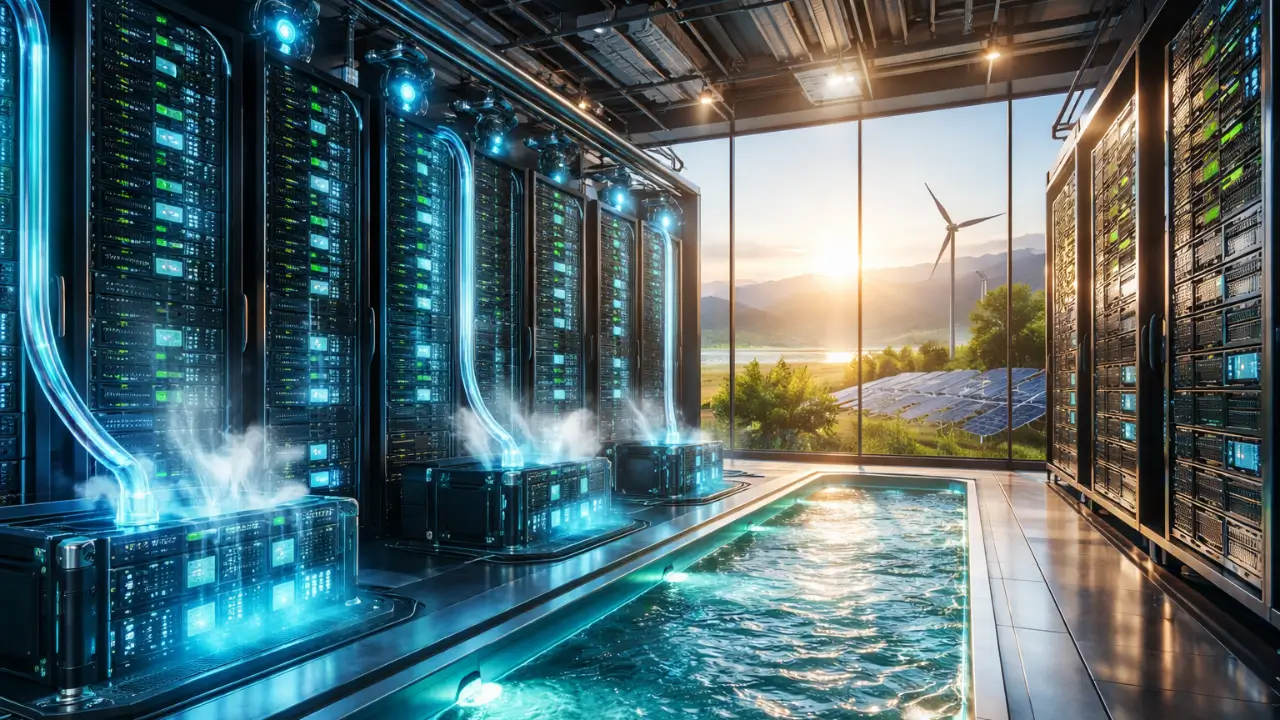
Immersion cooling introduces an alternative approach where entire server components operate submerged within electrically nonconductive fluids designed for heat transfer. These fluids absorb heat directly from electronic components and transfer thermal energy through circulation systems connected to external heat exchangers. The immersion environment eliminates airflow constraints because liquid surrounds the hardware surfaces where heat originates. This configuration allows efficient heat removal across densely packed compute environments supporting high-performance workloads. Engineers therefore explore immersion systems as a solution for managing the increasing thermal intensity associated with artificial intelligence processors. Immersion cooling reflects a deeper transformation in the way computing hardware interacts with thermal infrastructure.
Immersion systems frequently operate within controlled environments where dielectric coolant circulates through sealed thermal loops connected to facility heat exchangers. Heat exchangers transfer thermal energy from the immersion fluid into secondary cooling circuits that dissipate heat outside the compute environment. Many immersion deployments avoid or reduce reliance on evaporative cooling towers because thermal energy can be rejected through dry coolers, liquid loops, or other facility cooling systems. The degree of water reduction depends on site design, local climate conditions, and the broader cooling infrastructure integrated with the immersion system. Engineers therefore evaluate immersion cooling within the context of the full facility thermal architecture rather than as a universally water-independent solution. Immersion cooling thus offers a pathway for reducing evaporative cooling demand in certain infrastructure configurations while maintaining efficient thermal management for high-density compute environments.
Hardware reliability within immersion environments depends on carefully engineered fluid chemistry and material compatibility. Cooling fluids must remain chemically stable while maintaining electrical insulation properties under prolonged thermal exposure. Manufacturers design immersion fluids to resist oxidation and maintain consistent thermal conductivity across extended operational lifecycles. Engineers also evaluate component compatibility to prevent degradation of seals, cables, or electronic interfaces within fluid environments. Extensive testing ensures that immersion systems maintain hardware reliability while delivering effective thermal performance. Immersion cooling therefore relies on specialized materials engineering alongside fluid dynamics principles.
Closed-loop thermal architectures also provide operational advantages related to temperature stability and energy efficiency. Liquid coolant circulating within sealed systems maintains consistent thermal properties throughout the cooling process. Engineers can precisely regulate fluid temperatures using heat exchangers connected to facility cooling infrastructure. This controlled environment allows compute hardware to operate within stable thermal conditions even during demanding processing cycles. Stable thermal environments contribute to predictable hardware performance across large-scale compute clusters. Closed-loop cooling systems therefore support the reliability requirements associated with high-performance AI workloads.
Immersion technology continues to evolve as hardware manufacturers adapt server designs specifically for liquid environments. Specialized server enclosures, connectors, and materials support safe operation within immersion tanks. Cooling vendors collaborate with semiconductor manufacturers to optimize heat transfer surfaces and component layouts for fluid environments. These engineering partnerships accelerate the integration of immersion systems within mainstream data center infrastructure. Immersion cooling therefore represents a growing component of the broader transformation underway within AI infrastructure engineering.
Designing for Water Resilience
Water resilience has become an important design consideration for data centers operating in regions where water availability fluctuates due to environmental pressures. Engineers evaluate how facility cooling systems interact with regional water resources before selecting cooling architectures for new infrastructure projects. Closed-loop cooling systems reduce external water dependency by circulating coolant within sealed circuits that minimize evaporative loss. Reclaimed water sources can also support cooling operations where local infrastructure enables responsible reuse of treated water. These strategies allow facilities to maintain reliable cooling performance while reducing pressure on freshwater resources. Water resilience therefore forms a core element of sustainable infrastructure planning.
Infrastructure designers also incorporate water monitoring systems that track consumption patterns across cooling operations. Sensors measure flow volumes, temperature changes, and system performance to identify opportunities for efficiency improvements. Real-time monitoring enables operators to detect anomalies that might indicate leaks or inefficient heat transfer processes. Operational teams therefore maintain detailed oversight of water infrastructure similar to other critical facility systems. Continuous monitoring supports both environmental accountability and operational stability. Water resilience strategies therefore combine engineering innovation with operational transparency.
Regional climate conditions influence how facilities design cooling infrastructure to balance performance with environmental stewardship. Facilities located in water-stressed regions often deploy hybrid cooling strategies that combine liquid cooling with air-based heat rejection systems. Engineers design these systems to adapt dynamically to seasonal climate variations and infrastructure demand patterns. Adaptive cooling architectures allow facilities to maintain reliable thermal management across varying environmental conditions. These design approaches illustrate how environmental awareness influences infrastructure engineering decisions. Water resilience therefore intersects directly with climate-aware facility design.
Geography as Infrastructure Strategy
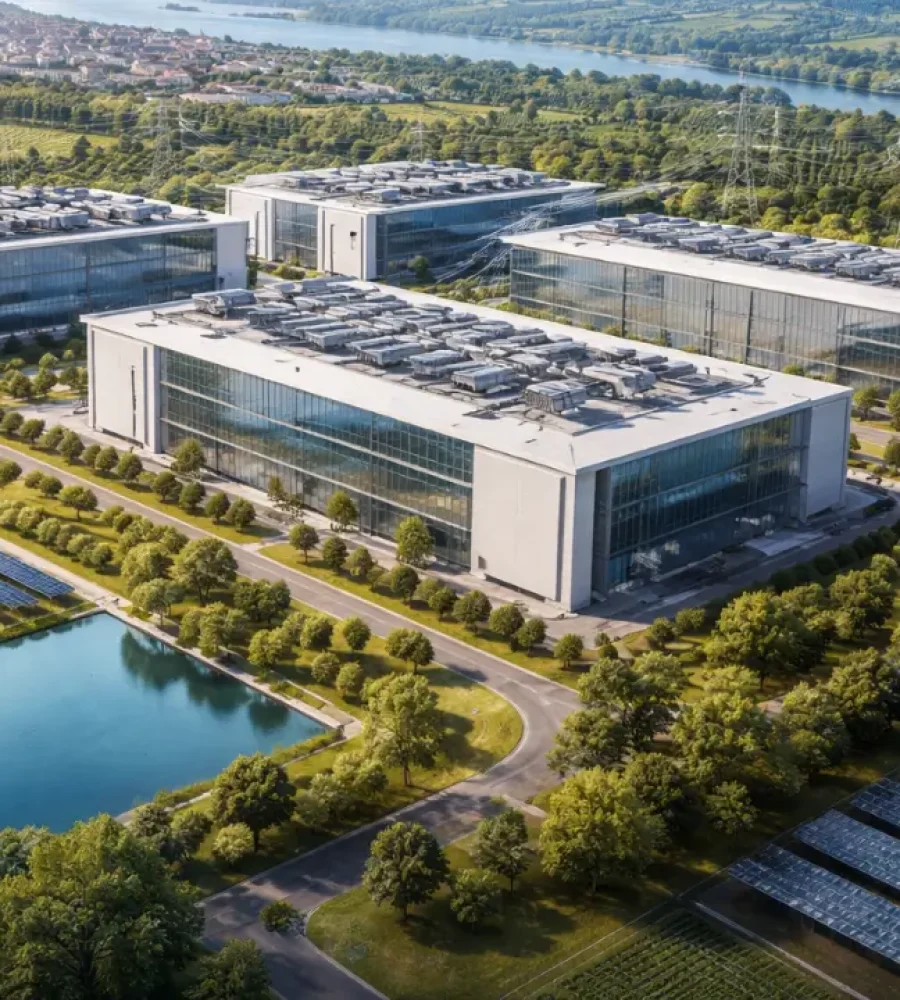
Site selection for modern AI infrastructure increasingly reflects geographic considerations tied to environmental sustainability and operational resilience. Developers evaluate regional climate conditions, energy infrastructure, and water availability when planning new data center campuses. Cooler climates often provide natural advantages for heat dissipation through ambient air conditions. Renewable energy availability also influences site selection because operators seek stable sources of low-carbon electricity for large compute clusters. Geographic strategy therefore shapes the environmental footprint associated with artificial intelligence infrastructure expansion. Infrastructure geography has become a strategic planning dimension within the digital economy.
Infrastructure planners also evaluate proximity to reliable energy grids capable of supporting high-density compute operations. AI clusters require stable power supply networks designed to handle sustained electrical demand across thousands of processors. Regions with strong grid infrastructure and renewable integration capabilities often attract new data center investments. Energy policy frameworks and grid modernization initiatives therefore influence the geographic distribution of digital infrastructure. Strategic siting decisions determine how AI infrastructure integrates with regional energy ecosystems. Geography therefore functions as a structural variable shaping the sustainability of global computing infrastructure.
Data center operators also consider regional environmental risks when designing infrastructure expansion strategies. Climate resilience planning examines how extreme weather conditions may affect long-term facility reliability. Engineers evaluate flood exposure, wildfire risk, and temperature variability when selecting potential sites. Infrastructure diversification across multiple geographic regions reduces the risk associated with localized environmental disruptions. Geographic planning therefore supports operational continuity across global infrastructure networks. AI infrastructure increasingly reflects long-term environmental risk assessment within strategic planning frameworks.
Climate Risk and Infrastructure Durability
Climate variability introduces new engineering considerations for facilities supporting high-performance computing infrastructure. Heatwaves can elevate ambient temperatures that influence cooling system performance within large-scale data centers. Engineers design facilities with enhanced thermal capacity to maintain reliable operation during extreme weather conditions. Backup cooling infrastructure and redundant thermal pathways ensure that compute clusters remain stable under environmental stress. Infrastructure durability therefore depends on robust engineering capable of managing unpredictable climate patterns. Climate-aware design increasingly shapes the architecture of modern AI infrastructure facilities.
Drought conditions can also affect water availability for cooling operations in regions that rely on evaporative cooling systems. Infrastructure planners therefore evaluate hydrological trends when designing new facilities to ensure long-term operational resilience. Alternative cooling technologies help mitigate exposure to water scarcity while maintaining efficient thermal management. Regional climate projections influence infrastructure investment decisions across the digital economy. These environmental considerations demonstrate how climate risk integrates directly into infrastructure engineering strategies. AI infrastructure resilience therefore depends on anticipating environmental changes across the coming decades.
Extreme weather events also highlight the importance of resilient electrical infrastructure supporting data center operations. Storms, flooding, or grid instability can disrupt power delivery to compute facilities if infrastructure lacks adequate redundancy. Engineers therefore design facilities with backup power systems and diversified electrical supply pathways. These resilience strategies protect critical computing infrastructure from environmental disruptions. Reliable power infrastructure remains essential for sustaining continuous AI workloads. Climate resilience therefore extends beyond cooling systems into the broader electrical architecture of modern data centers.
Integrating Renewable Energy and Grid Intelligence
Renewable energy integration has become a central strategy for reducing the environmental footprint associated with AI infrastructure. Many data center operators procure electricity from wind, solar, or hydroelectric generation sources through long-term energy agreements. Renewable procurement strategies allow facilities to align infrastructure expansion with broader decarbonization initiatives across global energy systems. On-site energy generation also supplements grid electricity within some data center campuses. These approaches illustrate how energy strategy intersects with digital infrastructure planning. AI infrastructure therefore increasingly integrates with renewable energy ecosystems.
Grid intelligence technologies also support more efficient coordination between data center energy demand and electricity supply networks. Smart grid platforms monitor energy flows across transmission networks while balancing supply from diverse generation sources. Data centers can adjust operational workloads in response to grid conditions through advanced demand management strategies. This coordination helps stabilize electricity networks while maintaining reliable computing capacity. Infrastructure operators therefore collaborate closely with energy providers to align computing demand with grid capabilities. Energy-aware infrastructure management contributes to sustainable digital ecosystem development.
Renewable energy integration also encourages innovation in energy storage and microgrid technologies supporting data center operations. Battery storage systems store renewable electricity generated during peak production periods. Stored energy can then supply data center operations when renewable generation fluctuates due to weather variability. Microgrid architectures allow facilities to manage energy flows internally while maintaining grid connectivity. These technologies enhance both energy resilience and environmental sustainability across AI infrastructure ecosystems. Renewable integration therefore reshapes the energy architecture supporting large-scale computing environments.
AI Optimizing AI Infrastructure
Artificial intelligence itself now contributes to improving the operational efficiency of the infrastructure that supports machine learning workloads. Machine learning algorithms analyze operational data from cooling systems, power infrastructure, and compute workloads to identify optimization opportunities. These systems adjust cooling parameters dynamically to maintain stable thermal conditions with minimal energy consumption. AI-driven monitoring platforms also detect anomalies within facility operations before they develop into operational disruptions. Intelligent infrastructure management therefore enhances both reliability and sustainability within modern data centers. AI technologies increasingly optimize the infrastructure required for their own operation.
Predictive maintenance systems also rely on machine learning models trained on infrastructure performance data. These systems analyze patterns in equipment operation to anticipate maintenance needs before failures occur. Early intervention prevents downtime and maintains consistent infrastructure performance across compute clusters. Predictive systems therefore support operational efficiency across cooling networks, electrical infrastructure, and server hardware. Infrastructure intelligence improves reliability while reducing unnecessary resource consumption. Machine learning tools now function as operational partners within complex digital infrastructure environments.
Workload orchestration platforms also use machine learning to distribute computational tasks across infrastructure resources more efficiently. These systems evaluate temperature conditions, energy availability, and hardware utilization before assigning workloads to compute clusters. Dynamic workload distribution prevents localized overheating and improves infrastructure utilization across large data center networks. Intelligent workload management therefore contributes to reducing the environmental footprint associated with intensive computing workloads. AI optimization demonstrates how software intelligence can enhance the sustainability of the infrastructure supporting artificial intelligence.
Sustainable Architecture as a Competitive Differentiator
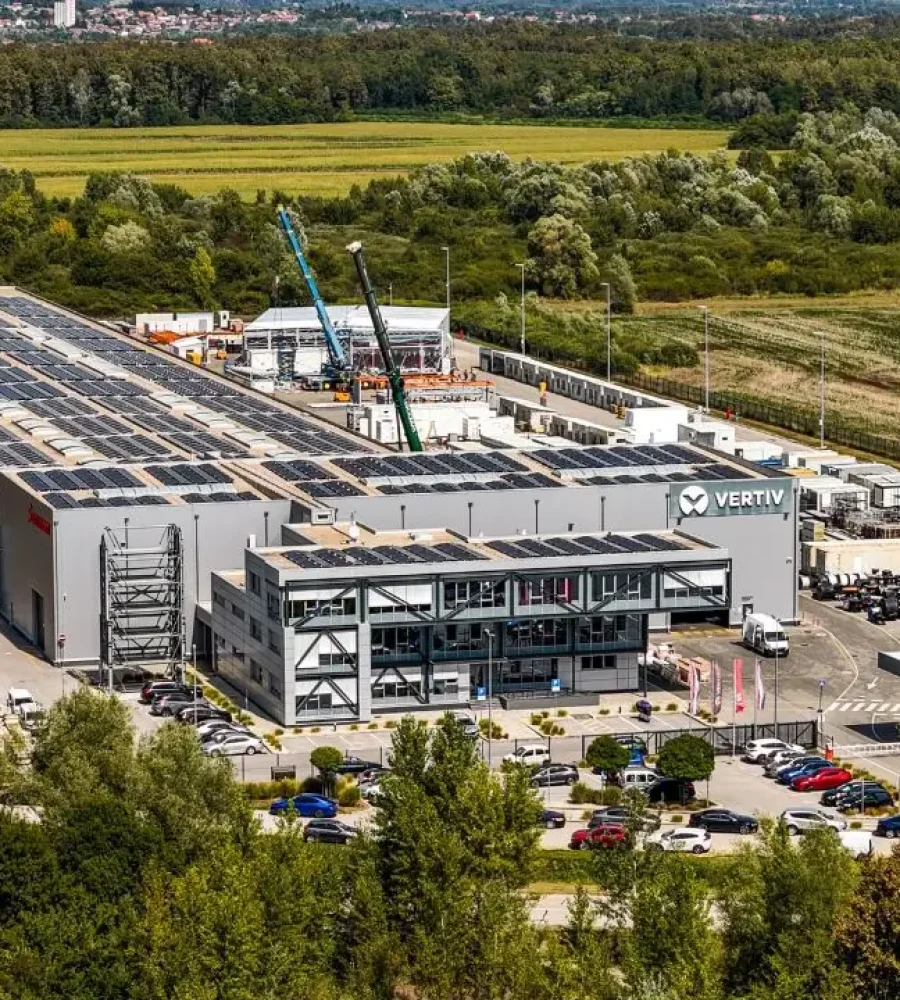
Sustainability-driven architecture increasingly defines competitive advantage within the rapidly expanding digital infrastructure sector. Hyperscale operators and colocation providers now integrate environmental considerations directly into facility design strategies. Modular construction techniques allow data centers to expand capacity incrementally while maintaining efficient resource utilization. Modular designs also enable rapid deployment of new compute infrastructure as demand evolves. Architectural flexibility therefore supports both operational efficiency and long-term sustainability objectives. Sustainable infrastructure design has become a defining element of modern AI data center strategy.
Facility layouts also influence energy efficiency by optimizing airflow patterns, cooling distribution, and equipment placement across server halls. Engineers design infrastructure pathways that minimize thermal interference between adjacent equipment clusters. Efficient layouts reduce cooling system workload while maintaining consistent environmental conditions across compute environments. These architectural considerations contribute to improved operational efficiency across the entire facility. Sustainable architecture therefore emerges through careful integration of engineering disciplines across infrastructure design. Data center architecture now reflects a synthesis of computing performance and environmental responsibility.
Heat reuse systems represent another architectural innovation gaining attention within sustainable infrastructure design. Waste heat generated by data center operations can be redirected into district heating systems or industrial processes. Heat recovery systems capture thermal energy that would otherwise dissipate into the environment. These strategies transform waste heat into a resource that supports surrounding communities or industrial ecosystems. Infrastructure design therefore evolves toward circular resource models within digital infrastructure environments. Sustainable architecture increasingly incorporates these integrated energy strategies.
Design innovation also extends to building materials, structural engineering, and landscape integration surrounding data center campuses. Facilities incorporate sustainable materials and efficient building envelopes that reduce thermal losses across infrastructure systems. Landscaping strategies support local ecosystems while improving site-level climate resilience. These architectural elements demonstrate how infrastructure design integrates environmental awareness at multiple levels. Sustainable design therefore extends beyond equipment efficiency into the broader relationship between infrastructure and its surrounding environment. Data center architecture increasingly reflects a holistic approach to environmental stewardship.
Conclusion: Building Intelligence Within Planetary Boundaries
Artificial intelligence stands among the most transformative technological developments of the modern era, yet its growth depends on a vast industrial infrastructure operating quietly behind digital interfaces. GPU clusters, networking fabrics, storage systems, and cooling infrastructure form the physical foundation that enables machine learning innovation. This infrastructure consumes energy, interacts with water systems, and relies on complex engineering frameworks to sustain high-performance computing environments. Recognizing the environmental dimensions of AI infrastructure therefore represents an essential step toward responsible technological development. AI must evolve in harmony with environmental stewardship rather than in isolation from planetary constraints. Sustainable infrastructure strategy will determine how artificial intelligence expands in the coming decades.
Cooling innovation, water stewardship, and renewable energy integration demonstrate how engineering solutions can reduce the environmental footprint associated with advanced computing infrastructure. Direct liquid cooling, immersion systems, and closed-loop architectures illustrate the technological pathways emerging across the digital infrastructure sector. Geographic strategy, climate resilience planning, and intelligent energy management further strengthen the sustainability foundations of future data center ecosystems. Infrastructure developers increasingly recognize that environmental performance and operational reliability must evolve together. Sustainable infrastructure therefore supports both technological progress and ecological responsibility. AI infrastructure now enters a phase where environmental design principles guide the next generation of digital architecture.
The future of artificial intelligence will depend not only on algorithmic breakthroughs but also on the responsible evolution of the infrastructure that powers them. Engineers, policymakers, and infrastructure operators must collaborate to align technological growth with environmental resilience. Cooling technologies, renewable energy systems, and water-conscious design strategies will continue shaping the sustainability profile of digital infrastructure. Responsible development ensures that computing innovation strengthens human progress without undermining ecological stability. Artificial intelligence therefore faces a defining challenge: expanding computational capability while respecting the limits of planetary resources. Building intelligence within planetary boundaries will ultimately determine the long-term success of the AI revolution.