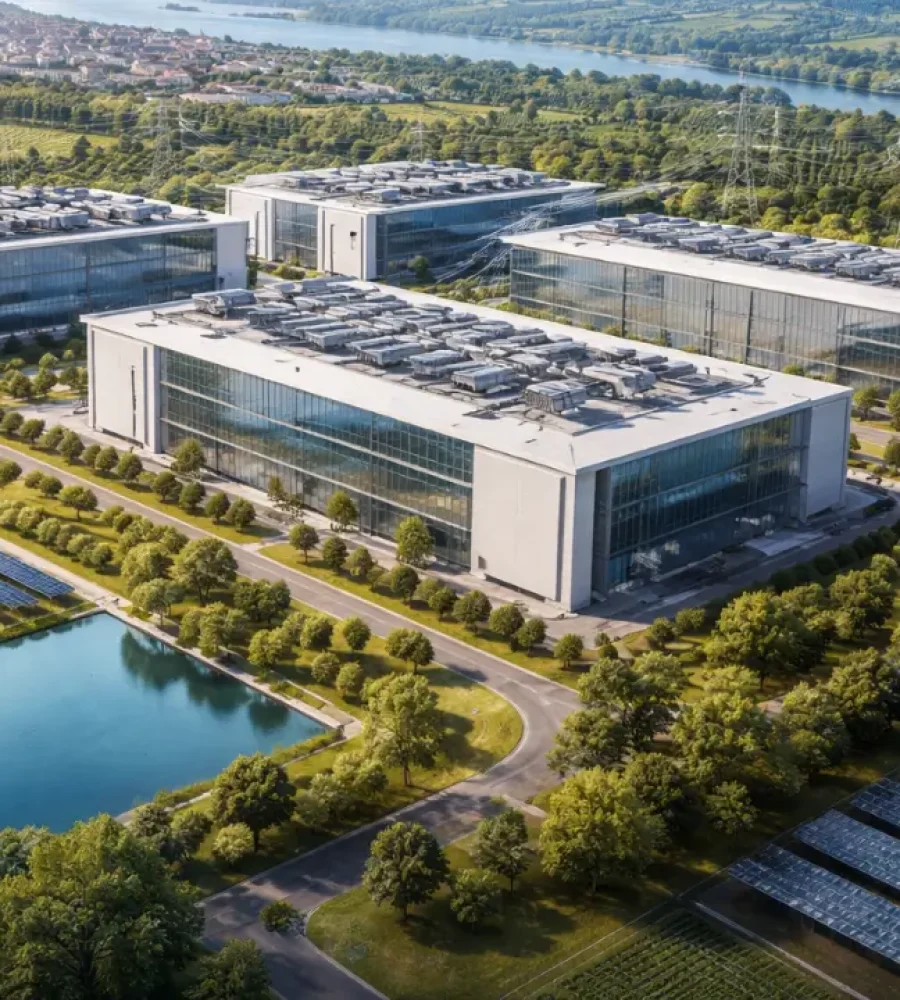
Digital culture often describes the cloud as something intangible, a seamless layer of software that floats above everyday life. That framing hides the material systems that enable nearly every digital action, from storing files to running complex artificial intelligence workloads. Every search query, streaming session, and enterprise application ultimately travels through networks of servers housed in carefully engineered facilities. Those facilities consume energy, require cooling systems, and operate within carefully designed physical environments. Engineers design these buildings with the same seriousness applied to power plants or telecommunications hubs. When the cloud appears abstract, the infrastructure that supports it fades from public view despite its fundamental role in digital society.
Modern cloud computing did not emerge from pure software innovation alone. It evolved from decades of work in networking, virtualization, and shared computing environments that allowed remote access to centralized systems. Early computing experiments explored time-sharing models that allowed several users to access the same machine simultaneously, establishing the conceptual foundation for remote computing services. These early developments gradually transformed into platforms where storage and computation could be delivered through the internet rather than local hardware. Engineers later refined virtualization technology to allocate computing resources dynamically across multiple users. As commercial cloud providers emerged, developers began to treat computing resources as services rather than physical machines. This shift in mindset encouraged people to think about computing environments as digital utilities rather than engineered facilities.
The metaphor of the cloud contributed significantly to that conceptual shift. Networking diagrams historically used cloud-shaped icons to represent parts of the network that users did not need to examine in detail. Over time, that visual shorthand migrated into language and marketing, where it suggested flexibility, abstraction, and independence from physical location. Software platforms adopted this language because it simplified technical complexity for customers. Businesses quickly embraced the idea of computing resources that appeared available everywhere without visible infrastructure. That narrative accelerated adoption while simultaneously distancing users from the hardware environments supporting those services. The cloud therefore became a conceptual layer that obscured its physical foundation.
The Origins of the “Cloud” Narrative
Early cloud services entered the market during a period when internet infrastructure expanded rapidly across industries. Technology companies promoted the idea that computing could become as accessible as electricity, available whenever applications required additional capacity. Marketing narratives from early cloud providers frequently highlighted scalability, elasticity, and reduced infrastructure management rather than the underlying hardware environments required to operate those services.Instead of purchasing servers and maintaining data centres, organizations could rent computing resources through remote platforms. This approach shifted responsibility for infrastructure management from individual organizations to specialized cloud providers. Over time, that model redefined how companies thought about computing environments and digital architecture.
Engineers still needed large facilities filled with computing equipment to operate these platforms. Servers required controlled temperatures, stable electrical systems, and secure buildings to maintain continuous operations. Cloud providers invested heavily in specialized buildings designed to house thousands of interconnected machines. Power distribution units, cooling systems, and redundant networking equipment formed the structural backbone of these facilities. Engineers planned these environments to maintain consistent performance under continuous workloads. Despite that complexity, public messaging continued to present cloud computing primarily as a software service rather than a physical infrastructure system.
The abstraction proved useful during early adoption because it removed psychological barriers associated with infrastructure investment. Businesses could focus on application development rather than facility management. Cloud providers managed hardware procurement, building construction, and operational maintenance behind the scenes. This arrangement encouraged many organizations to focus on software services and operational flexibility while the physical infrastructure supporting those services remained largely managed by cloud providers. Over time, however, the rapid expansion of cloud services began to reveal the infrastructure behind those platforms. Large facilities became visible components of regional technology ecosystems. Communities, regulators, and investors started examining how these buildings influenced energy systems, land development, and economic planning.
How Language Shaped Public Perception
Language plays a decisive role in shaping how people understand technological systems. Terms such as “cloud,” “virtual,” and “serverless” emphasize abstraction and service delivery models, which can shift attention away from the physical infrastructure required to operate those computing environments. These terms highlight flexibility while intentionally minimizing visible infrastructure. Developers experience computing through programming interfaces that allocate resources automatically, reinforcing the perception that physical hardware plays a secondary role. Cloud platforms therefore appear more like software frameworks than physical installations. The terminology simplifies adoption but hides the physical architecture required to deliver those services.
Policy discussions followed similar patterns for many years. Governments initially treated cloud computing primarily as an information technology service rather than infrastructure requiring physical planning. Regulatory frameworks focused on cybersecurity and data governance rather than facility construction or energy integration. This orientation reflected the language used by technology companies when introducing cloud services. Early policy discussions around cloud computing frequently focused on data governance, security, and digital services rather than the physical planning considerations associated with large-scale computing facilities. The terminology surrounding cloud computing therefore shaped early regulatory assumptions about its nature.
Consumers also adopted the same conceptual framework in everyday digital life. Online storage platforms, streaming services, and collaborative applications appeared as software experiences rather than hardware systems. Users rarely considered where their data physically resided or how it moved across networks. Cloud interfaces emphasized accessibility and convenience instead of underlying infrastructure. That design philosophy created a seamless digital experience that masked the buildings and networks supporting it. Over time, this abstraction reinforced the belief that digital services exist independently of the physical world.
Data Centres as Engineered Facilities
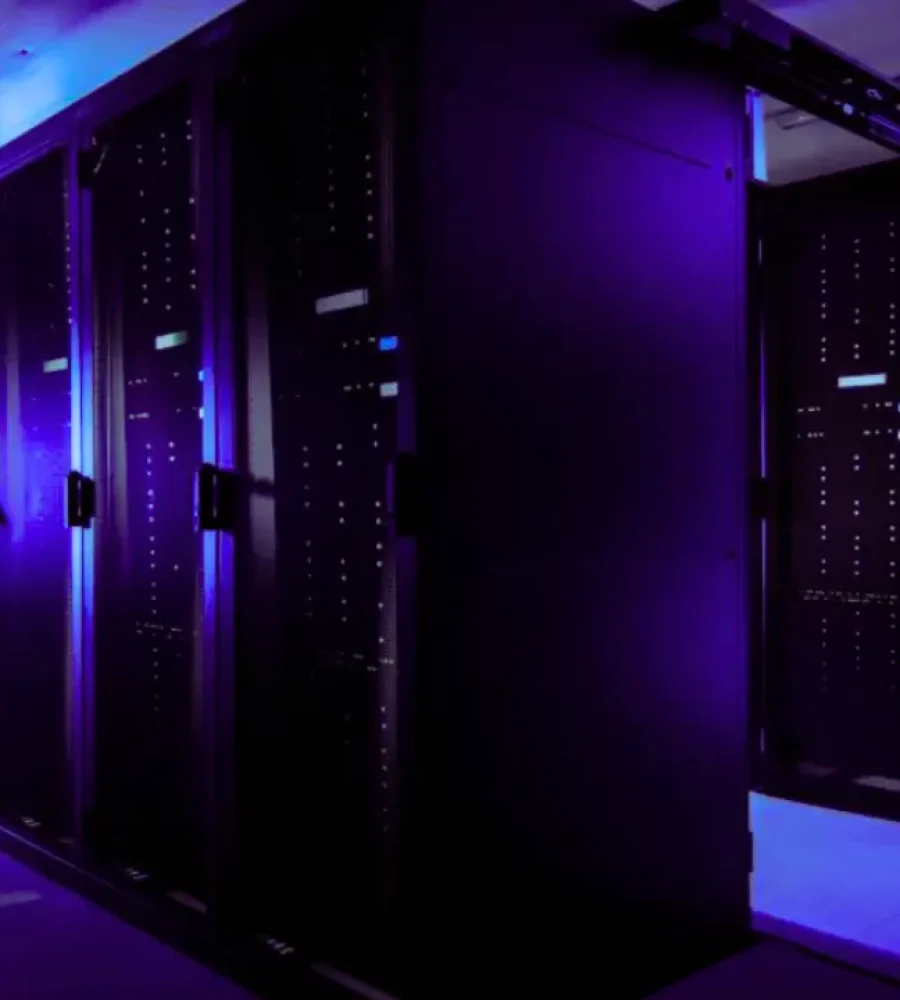
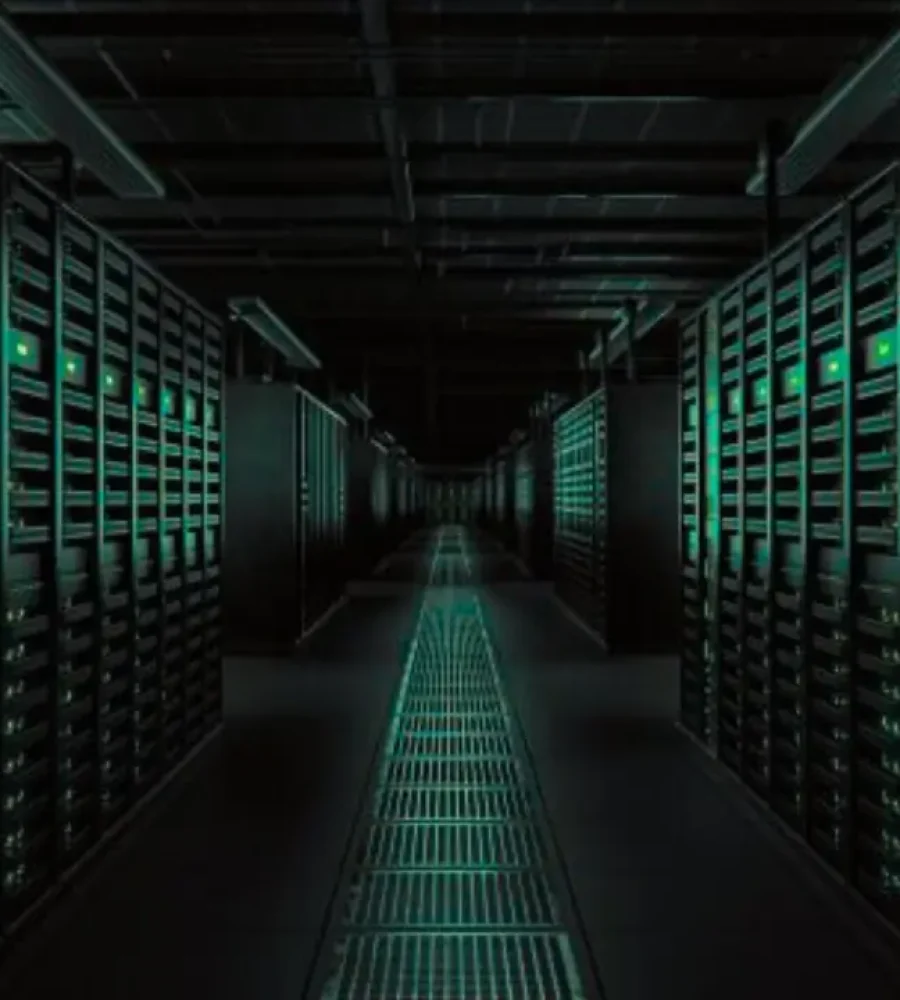
A data centre is fundamentally a building designed to house computing infrastructure. Engineers construct these facilities with strict attention to reliability, security, and environmental stability. Server racks, network switches, and storage systems fill large halls that operate continuously throughout the year. Power distribution systems deliver electricity from external grids to internal equipment with carefully engineered redundancy. Mechanical systems regulate temperature and airflow to maintain safe operating conditions for sensitive hardware. Each component contributes to a coordinated environment that sustains digital services at scale.
Facility design begins with electrical architecture because computing equipment requires consistent energy supply. Engineers integrate multiple layers of power management, including substations, backup generators, and battery systems. These elements maintain stable power conditions even when external supply fluctuates. Electrical pathways connect to racks through structured distribution networks that prevent overloads and isolate faults. Engineers also design monitoring systems that track electrical performance in real time. These mechanisms allow operators to maintain continuous service even during unexpected disruptions.
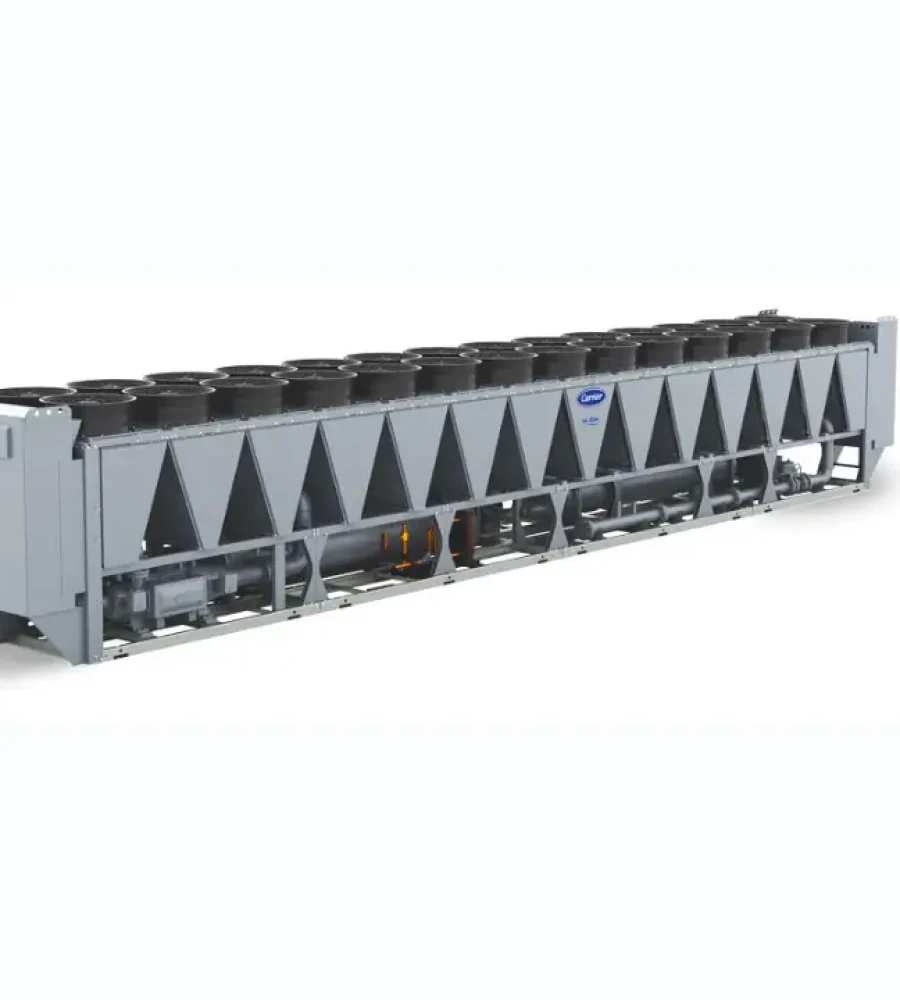
Cooling infrastructure represents another central design element in modern data centres. Servers generate significant heat during operation, and excessive temperatures can degrade hardware reliability. Engineers therefore deploy mechanical cooling systems that circulate air or specialized fluids to remove heat efficiently. Airflow management techniques guide cold air through server racks while redirecting warm exhaust away from sensitive components. Cooling architecture must maintain stable temperatures across large computing environments. Facility operators constantly adjust airflow patterns and cooling capacity to support changing workloads.
Security systems also define the architectural structure of these facilities. Data centres employ layered security strategies that protect both digital and physical assets. Perimeter barriers, controlled entry points, and surveillance systems regulate access to the building. Internal security zones restrict movement within server halls to authorized personnel only. Operators monitor these systems continuously to maintain facility integrity. Physical security therefore becomes an essential component of digital reliability.
Power and Cooling as Core Design Priorities
Energy delivery and thermal management sit at the centre of data centre design decisions. Computing hardware converts electrical energy into processing power, which inevitably generates heat. Engineers must therefore coordinate power distribution and cooling systems carefully to maintain operational stability. Electrical equipment delivers energy to thousands of devices simultaneously while avoiding voltage instability. Cooling systems remove heat from those devices to maintain consistent environmental conditions. These two systems operate together as the mechanical backbone of every data centre facility.
Infrastructure planning becomes more complex when computing workloads intensify. Artificial intelligence systems rely on specialized processors that operate continuously and produce concentrated thermal loads. Engineers must design cooling architecture that responds quickly to fluctuations in computational demand. Airflow pathways, chilled water loops, and liquid cooling technologies form integrated systems that manage heat efficiently. Engineers test these configurations carefully to maintain predictable thermal behavior. Facility operators therefore treat power and cooling systems as essential infrastructure rather than auxiliary services.
Energy access also influences where organizations build new facilities. Data centres require reliable connections to electrical grids capable of supporting large computing operations. Infrastructure planners evaluate grid stability, energy generation sources, and transmission capacity when selecting locations. Coordination with energy providers becomes essential during site development. These planning decisions illustrate how cloud computing intersects with regional infrastructure systems. Digital services therefore depend on broader energy ecosystems that extend far beyond the server hall.
The Shift from IT Asset to Strategic Infrastructure
For many years organizations treated data centres as operational utilities managed by internal IT departments. Facilities supported enterprise applications but rarely influenced corporate strategy directly. Technology leaders focused primarily on maintaining uptime and ensuring application availability. Executives viewed computing infrastructure as a necessary support function rather than a strategic resource. That perception began to evolve as organizations increasingly relied on digital platforms and large-scale computing environments to support business operations across multiple industries. Cloud platforms and large-scale data processing gradually moved infrastructure discussions into executive planning.
Businesses now rely on digital platforms to operate supply chains, financial systems, and customer services. Infrastructure reliability therefore influences operational continuity and corporate resilience. Organizations must consider computing capacity when planning product launches or expanding digital services. Infrastructure planning increasingly appears in executive-level discussions within many organizations as digital operations expand and computing capacity becomes more closely tied to business strategy.Leadership teams evaluate infrastructure partnerships and platform strategies alongside traditional business decisions. Data centres have therefore become central components of organizational planning.
Digital transformation initiatives accelerated this shift in perspective. Companies now integrate analytics platforms, cloud applications, and automation systems into everyday operations. Each of these capabilities relies on computing infrastructure operating reliably in the background. Strategic planning therefore requires careful consideration of infrastructure capacity and performance. Businesses must ensure that digital systems can support expanding operational demands. Infrastructure planning has therefore become a board-level discussion rather than a purely technical activity.
Why Executive Leadership Now Engages in Infrastructure Planning
Executive leadership increasingly recognizes infrastructure as a long-term strategic asset. Cloud platforms influence how organizations deploy applications, manage data, and scale services globally. Infrastructure choices therefore affect business agility and operational resilience. Leaders must evaluate how infrastructure partnerships align with long-term growth strategies. Decisions about cloud adoption or facility investment shape how organizations compete in digital markets. Strategic infrastructure planning increasingly involves executive leadership as organizations evaluate how computing capacity, reliability, and platform partnerships influence long-term digital strategy.
Infrastructure planning also requires coordination across multiple operational domains. Technology teams must collaborate with finance, risk management, and operations leaders to align infrastructure strategies with organizational goals. Energy availability, regulatory compliance, and physical resilience influence infrastructure decisions. Executives therefore evaluate these factors when selecting cloud providers or expanding digital operations. Infrastructure discussions now involve cross-disciplinary leadership teams rather than isolated technical specialists. This collaborative approach reflects the growing complexity of digital ecosystems.
Risk management considerations further reinforce leadership involvement. Infrastructure disruptions can interrupt essential services and disrupt organizational operations. Executives must therefore consider resilience strategies when evaluating infrastructure investments. Redundant systems, geographic distribution, and operational monitoring help maintain service continuity. These decisions require strategic oversight rather than purely technical management. Infrastructure planning has therefore evolved into a core leadership responsibility within digital organizations.
Artificial Intelligence and the Reclassification of Infrastructure
Artificial intelligence has accelerated a major shift in how organizations understand digital infrastructure. AI systems rely on intensive computational processes that operate continuously across large clusters of specialized processors. These workloads require computing environments capable of sustaining consistent power delivery, thermal stability, and network performance. Cloud infrastructure therefore operates less like a conventional IT platform and more like an industrial facility supporting large-scale production. Engineers must plan infrastructure carefully to accommodate the demands of machine learning training and inference workloads. This transformation reinforces the idea that the cloud represents a network of physical installations rather than purely virtual platforms.
AI development relies heavily on high-performance computing environments that contain specialized processors designed for parallel processing. These processors enable models to perform complex calculations simultaneously across large datasets. When thousands of processors operate together within a facility, the supporting infrastructure must handle concentrated computational activity without interruption. Electrical systems must deliver stable power while cooling infrastructure removes the heat generated by sustained workloads. Network systems must also maintain extremely fast data transfer between processing units. The facility therefore becomes a carefully orchestrated environment that supports continuous computational activity.
Infrastructure planners increasingly approach AI facilities with the same discipline applied to industrial engineering. Engineers evaluate building design, mechanical infrastructure, and energy distribution as interconnected systems. Facility layout influences airflow, equipment density, and maintenance accessibility within the computing environment. Electrical engineers coordinate power distribution pathways that ensure reliable delivery to each rack of processors. Mechanical engineers design cooling architectures capable of managing sustained thermal loads. This integrated design process illustrates how AI infrastructure blurs the boundary between digital technology and physical engineering.
Designing for AI-Driven Compute Environments
Infrastructure design evolves rapidly when facilities support AI workloads rather than traditional enterprise computing. AI training environments often require dense clusters of processors arranged in high-performance configurations. Engineers must therefore consider how equipment density affects airflow, heat dissipation, and electrical distribution. Server racks become more powerful and compact, which increases the importance of efficient thermal management. Cooling systems must remove heat quickly while maintaining stable environmental conditions throughout the facility. Design teams therefore integrate advanced cooling strategies directly into building architecture.
Liquid cooling technologies increasingly appear in facilities designed for intensive computing environments. These systems circulate specialized fluids near computing components to absorb heat directly from processors. Liquid cooling can maintain stable temperatures even when hardware operates continuously under heavy computational loads. Engineers design piping systems and heat exchange equipment that integrate seamlessly with facility infrastructure. These systems require careful planning to ensure reliability and maintenance accessibility. Liquid cooling therefore illustrates how data centre design continues to evolve alongside computing technology.
Network architecture also plays a critical role in AI infrastructure design. Machine learning workloads require extremely fast communication between processors during training operations. Engineers therefore deploy specialized networking technologies that minimize latency and maximize data transfer efficiency. Network switches, optical connections, and structured cabling systems form the communication backbone of the computing environment. These networks must operate reliably while supporting continuous high-volume data exchange. The design of these networks demonstrates how computing infrastructure functions as a coordinated engineering system rather than a simple collection of servers.
The Growing Role of Governments and Regulators
Many governments and regulatory bodies now consider data centres an important component of national digital infrastructure because these facilities support essential digital services and communication systems. Governments rely on digital services for communication systems, financial operations, healthcare platforms, and public administration. These services depend on reliable computing environments capable of sustaining continuous operation. As cloud platforms expand, policymakers have begun to view data centres as infrastructure similar to telecommunications networks or power systems. This perspective has influenced regulatory frameworks and infrastructure planning initiatives. Governments therefore examine data centre development with greater attention to national digital capability.
National digital strategies increasingly incorporate infrastructure development as a central component of economic planning. Governments recognize that cloud platforms support innovation across industries such as finance, healthcare, manufacturing, and research. Infrastructure availability influences where companies establish technology operations and research facilities. Policymakers therefore evaluate how digital infrastructure can support long-term economic development. Investment in data centre capacity often accompanies initiatives aimed at expanding digital services and technology ecosystems. These policies illustrate the growing connection between infrastructure planning and national competitiveness.
Regulatory oversight has also expanded as infrastructure becomes more visible within communities. Governments evaluate environmental considerations, energy integration, and facility resilience when approving new developments. Infrastructure projects must comply with building regulations, environmental standards, and energy planning frameworks. Authorities coordinate with utilities and regional planners to ensure infrastructure projects align with broader development goals. Regulatory processes therefore treat data centre construction as a major infrastructure undertaking. This oversight reflects the recognition that digital infrastructure influences regional planning and economic development.
Planning, Permits, and Community Engagement
Infrastructure development often involves complex planning and permitting processes. Data centre operators must coordinate with local authorities before constructing new facilities. Planning discussions address land use, building design, energy connections, and transportation access. Local governments evaluate how infrastructure projects integrate with existing community development plans. These discussions require collaboration between engineers, planners, and policymakers. Infrastructure planning therefore extends beyond technology considerations into broader urban development frameworks.
Community engagement has become increasingly important during infrastructure development. Local residents and businesses often seek information about how facilities will influence regional development. Infrastructure planners therefore communicate with communities about building design, environmental management, and operational practices. These discussions help ensure that projects align with local planning priorities. Open dialogue between developers and communities can improve transparency and trust during infrastructure development. This engagement illustrates how digital infrastructure intersects with broader societal concerns.
Energy infrastructure also becomes a central topic during planning discussions. Data centres require reliable connections to electrical grids capable of supporting continuous computing operations. Infrastructure planners therefore coordinate with utilities and regional energy authorities during development. Electrical integration must align with regional energy capacity and transmission systems. Engineers design substations and distribution networks that connect facilities to existing grid infrastructure. These processes highlight the physical relationship between digital infrastructure and energy systems.
Investors and the Infrastructure Lens
Many infrastructure investors and institutional funds evaluate data centres as long-term operational assets because these facilities support essential digital services and operate continuously over extended lifecycles.Investors view these facilities as long-term physical assets that support the digital economy. Infrastructure funds and institutional investors often participate in financing large-scale data centre developments. These projects require significant capital investment and long-term operational planning. Financial institutions therefore analyze infrastructure stability, operational resilience, and market demand when evaluating opportunities. The investment perspective reinforces the understanding that digital services depend on durable physical infrastructure.
Infrastructure investment frameworks often emphasize long-term operational stability. Data centres operate continuously and support essential digital services across industries. Investors therefore consider reliability, facility design, and operational management when evaluating infrastructure projects. Long-term service demand provides a stable foundation for infrastructure investment strategies. Financial institutions frequently partner with technology companies and infrastructure developers during facility development. This collaboration demonstrates the convergence between financial markets and digital infrastructure planning.
Real estate investment structures also influence how investors approach digital infrastructure projects. Data centre facilities often involve specialized buildings designed to support computing equipment. These buildings combine elements of industrial real estate and technology infrastructure. Investors therefore analyze property development considerations alongside technological requirements. Facility location, building design, and infrastructure resilience influence investment decisions. The integration of real estate and digital infrastructure illustrates how the cloud increasingly resembles a physical asset class.
The Convergence of Real Estate, Energy, and Digital Assets
Modern data centre development requires coordination across several infrastructure domains. Real estate developers identify locations capable of supporting specialized building design and connectivity requirements. Energy planners evaluate how electrical infrastructure can support long-term operational stability. Technology operators design computing environments that align with facility architecture and infrastructure capacity. These activities converge during the development of large-scale digital infrastructure projects. The process reflects a multidisciplinary approach to infrastructure planning.
Site selection decisions illustrate this convergence clearly. Infrastructure planners evaluate land availability, network connectivity, and energy infrastructure simultaneously. These considerations influence how facilities integrate with regional development strategies. Engineers and developers must coordinate with telecommunications providers, utilities, and construction teams during project development. Each participant contributes expertise necessary for building operational infrastructure. The final facility therefore represents a coordinated integration of real estate, energy systems, and digital technology.
Operational management continues this integrated approach after construction. Facility operators maintain electrical systems, cooling infrastructure, and computing equipment simultaneously. Engineers monitor building performance through sensors and operational management platforms. Maintenance teams coordinate activities that preserve reliability across multiple infrastructure systems. Continuous oversight ensures that the facility operates as a stable environment for digital services. This operational discipline reinforces the idea that the cloud functions through engineered buildings rather than abstract software layers.
Public Awareness and Media Visibility
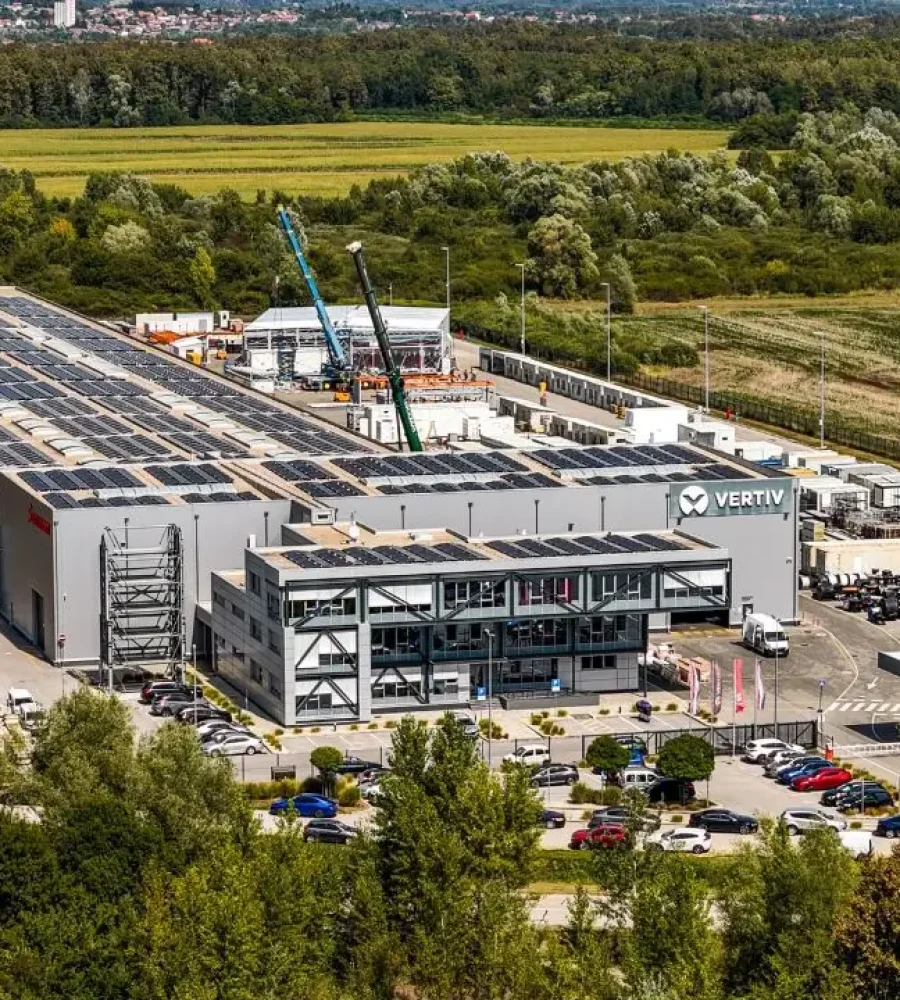
Large infrastructure projects often attract attention because they involve substantial construction activity and specialized engineering. Communities observe the development of large facilities designed to house computing equipment. These projects illustrate the scale of infrastructure required to support digital services. Media coverage often explores how these facilities integrate with energy systems, telecommunications networks, and regional economies. Public discussion therefore increasingly recognizes the physical dimensions of digital infrastructure. This visibility contributes to a broader understanding of how the cloud operates.
Educational institutions and research organizations also contribute to public understanding of infrastructure systems. Academic research explores how data centres influence energy systems, network architecture, and digital ecosystems. These studies examine the engineering challenges associated with operating large computing environments. Researchers analyze how infrastructure design evolves alongside technological innovation. Academic insights therefore help explain the physical foundations of digital platforms. Public awareness grows as these discussions enter policy debates and technology discourse.
Recognizing the Physical Foundations of Digital Life
The language of cloud computing once emphasized abstraction and flexibility, allowing organizations to adopt digital services without confronting the complexity of underlying infrastructure. That narrative proved effective during the early expansion of cloud platforms because it simplified technology adoption. Over time, however, the scale of digital services revealed the physical systems required to sustain them. Data centres emerged as central components of the digital economy, housing the computing infrastructure that powers modern applications. These facilities operate through carefully engineered electrical systems, cooling architecture, and security frameworks. Recognizing this physical reality reshapes how societies understand the digital systems that support everyday life.
Infrastructure awareness now influences business strategy, government policy, and investment planning. Organizations evaluate computing infrastructure as a strategic resource that supports digital operations and long-term growth. Governments incorporate digital infrastructure into national development strategies and regulatory frameworks. Investors increasingly treat data centres as long-term infrastructure assets supporting economic activity. Each of these perspectives reflects the recognition that digital services depend on engineered physical environments. The cloud therefore represents a network of buildings operating in coordination with global energy and communication systems.
Artificial intelligence has further strengthened this perspective by introducing computational workloads that require industrial-scale infrastructure environments. AI systems rely on dense computing clusters, advanced cooling technologies, and high-performance networks. These requirements reinforce the importance of carefully designed facilities capable of sustaining continuous operation. Engineers now approach data centre design with methods drawn from industrial engineering and infrastructure planning. This transformation highlights the convergence between digital technology and physical infrastructure. AI development therefore illustrates why the cloud must be understood as an engineered environment rather than a purely virtual concept.
Understanding the physical nature of digital infrastructure encourages more informed public discourse about technology. When societies recognize that digital services depend on buildings, energy systems, and engineering expertise, discussions about digital policy become more grounded in infrastructure realities. Communities, businesses, and policymakers can evaluate how infrastructure development influences economic growth and technological innovation. This perspective encourages collaboration between engineers, planners, and public institutions. Digital infrastructure therefore becomes part of broader conversations about development and technological progress. Recognizing the cloud as a network of engineered facilities ultimately clarifies the foundations of modern digital life.