Digital infrastructure now operates in an environment where computation never pauses and electrical reliability shapes the boundaries of technological progress. High-density compute clusters run continuously, processing complex workloads that demand stable electricity without fluctuation or interruption across extended operating cycles. Infrastructure operators increasingly recognize that conventional backup strategies no longer align with the operational profile of modern computing environments built around persistent workloads. Traditional power architectures assumed occasional disruptions and temporary failover procedures rather than constant high-intensity electrical consumption. Contemporary facilities must instead maintain uninterrupted energy delivery while accommodating rapid variations in load behavior created by artificial intelligence and distributed computing environments. This shift has begun to redefine energy reliability from a reactive backup capability into a continuous operational requirement embedded directly within infrastructure design.
Infrastructure systems historically relied on layered electrical redundancy to prevent downtime during utility failures or maintenance events. Uninterruptible power supplies stabilized voltage and provided short bursts of electricity while standby generators activated and restored primary electrical service. This model functioned effectively for earlier generations of computing infrastructure because workloads followed predictable patterns and energy demand changed gradually. Modern computing environments now behave differently as distributed processing and machine learning workloads generate continuous electrical demand across thousands of processing units. Operators increasingly treat energy systems as a core operational component of infrastructure rather than a background utility that simply delivers electricity to servers. Continuous power reliability has therefore become a central engineering discipline shaping the architecture of modern computing facilities.
The transition toward continuous energy assurance reflects a broader transformation in how digital infrastructure interacts with energy systems. Facilities increasingly incorporate on-site generation, advanced storage technologies, and distributed power architectures designed to maintain stable electricity delivery under varying conditions. These architectures operate through coordinated energy flows that prevent abrupt transitions between primary and backup systems while stabilizing voltage and frequency within sensitive computing environments. The integration of renewable generation and distributed energy resources has further accelerated this shift by introducing variability that requires sophisticated energy management strategies. Infrastructure operators therefore treat energy reliability as an active system that continuously manages supply, storage, and demand in real time. Such operational thinking marks a fundamental departure from earlier models centered exclusively on emergency backup capacity.
Why Backup Power Is No Longer Enough
Conventional infrastructure power systems emerged from an engineering philosophy that prioritized recovery rather than continuous electrical stability. Facilities relied on uninterruptible power supplies that could sustain operations briefly while standby generators activated and assumed the load. These systems proved effective for traditional enterprise computing environments where workloads tolerated short transitions between power sources. Electrical disturbances rarely lasted long enough to disrupt service once generator systems stabilized the supply. The architecture therefore centered on restoring electricity after outages rather than preventing disruptions from occurring. Modern computing workloads have begun to expose the limitations of this design philosophy as infrastructure operates under far more demanding conditions.
Uninterruptible power supply systems deliver near-instant electrical protection by drawing energy from internal batteries or other short-duration storage technologies. Their operating windows typically extend only long enough to start backup generation equipment or allow safe system shutdown procedures during extended outages. Earlier infrastructure designs relied heavily on this layered response mechanism because computing equipment consumed relatively stable and predictable electrical loads. Power architectures therefore prioritized fault recovery rather than continuous stability across fluctuating demand conditions. Infrastructure engineers now confront a reality where compute density and workload intensity create persistent electrical stress on power delivery systems. Short-duration bridging solutions alone cannot maintain stability under sustained high-density compute operations.
Diesel generators historically served as the cornerstone of backup power systems in large computing facilities. These machines remained idle under normal conditions and activated only when utility power failed or electrical disturbances triggered emergency procedures. Although generators provide rapid response and high output capacity, they introduce logistical and operational complexities related to fuel storage, maintenance requirements, and environmental impact. Modern infrastructure operators increasingly question whether equipment designed exclusively for rare emergencies aligns with the operational reality of continuously active compute environments. Idle backup assets represent both financial inefficiency and operational uncertainty when facilities require uninterrupted power availability. These limitations have accelerated the search for alternative architectures that deliver continuous electrical resilience rather than emergency recovery.
Fuel logistics present another challenge within traditional generator-based backup strategies, particularly in environments where on-site fuel reserves or delivery arrangements may become constrained during prolonged regional disruptions.Diesel systems depend on on-site fuel storage, delivery contracts, and transportation infrastructure that may become unreliable during widespread disruptions or extreme weather events. Each logistical dependency introduces additional points of failure that infrastructure operators must monitor and manage. Facilities therefore maintain complex operational procedures designed to ensure fuel availability during prolonged outages or supply interruptions. Such procedures complicate infrastructure resilience planning because energy reliability becomes partially dependent on external logistics networks. Modern infrastructure design increasingly seeks to minimize these dependencies through diversified energy architectures that operate continuously rather than episodically.
The Rise of Always-On Energy Architectures
Infrastructure developers increasingly adopt energy architectures that maintain multiple active power sources simultaneously rather than relying on a single primary supply supported by dormant backup systems. This approach distributes electrical load across several generation and storage resources that operate in coordination with the utility grid. Continuous energy architectures therefore maintain operational stability even when individual components experience disturbances or maintenance events. Electrical systems function more like interconnected ecosystems than sequential failover chains. Energy flows dynamically between sources depending on operational conditions and demand fluctuations. This architecture helps moderate abrupt electrical transitions that can occur when traditional backup systems activate suddenly during power disturbances.
Microgrid technology has become an important component of these always-on energy systems. A microgrid integrates local generation resources, energy storage systems, and intelligent control platforms capable of operating independently from the main electrical grid when necessary. Infrastructure operators deploy microgrids to maintain stable electricity delivery while reducing dependence on centralized power networks. Local energy resources can include renewable generation, gas-based generation systems, and advanced storage technologies that balance supply and demand within the facility. Microgrid architectures therefore transform energy infrastructure into a flexible and adaptive system capable of responding to changing operating conditions. Such flexibility provides resilience that traditional backup systems cannot deliver.
Continuous energy architectures also rely heavily on coordinated energy storage systems that stabilize electrical supply during fluctuations. Storage technologies operate across multiple time scales, from rapid voltage stabilization at the equipment level to longer-duration buffering that supports transitions between generation sources. Grid-interactive battery systems can respond instantly to disturbances while maintaining stable frequency and voltage conditions across the facility. Larger energy storage installations also support renewable integration by smoothing the variability associated with solar or wind generation. Infrastructure designers increasingly treat storage systems as active operational components rather than passive emergency reserves. This transformation expands the functional role of energy storage throughout modern infrastructure power architectures.
The shift toward continuous energy assurance reflects the operational requirements of modern artificial intelligence infrastructure. Large compute clusters operate continuously for extended training cycles and cannot tolerate unstable power delivery. Electrical disturbances may propagate through interconnected processing units and disrupt workloads that span thousands of processors operating simultaneously. Infrastructure operators therefore design power architectures capable of maintaining stable electricity delivery even during grid disturbances or internal equipment failures. Always-on energy systems allow operators to absorb such disruptions without triggering abrupt transitions between primary and backup power sources. Continuous power assurance thus emerges as a foundational requirement for next-generation computing infrastructure.
Redundancy Beyond Generators
Power redundancy within digital infrastructure once revolved almost entirely around standby generators designed to replace utility supply during outages. Engineers installed redundant generator banks to ensure that a failure in one unit would not interrupt facility operations. This design approach prioritized mechanical reliability rather than system diversity because the generator layer served as the single ultimate safety net for the facility. Modern infrastructure operators increasingly recognize that generator redundancy alone does not address the complexity of contemporary power demand patterns. High-density computing environments generate rapid fluctuations that require immediate response from multiple energy layers operating simultaneously. The concept of redundancy has therefore expanded from equipment duplication into a broader architecture that distributes resilience across diverse energy resources.
Modern facilities now implement multi-tier energy redundancy systems that include generation diversity, storage layers, and grid interaction capabilities. Each layer provides a specific operational function that contributes to overall electrical stability across the infrastructure environment. Parallel energy sources operate continuously rather than waiting for failures to activate backup capacity. Storage systems buffer short-term fluctuations while generation resources stabilize longer energy cycles across infrastructure campuses. Intelligent control platforms coordinate these resources to maintain stable voltage and frequency under variable operating conditions. This layered approach transforms redundancy from a passive insurance mechanism into an active operational system.
Distributed energy architectures further strengthen redundancy by decentralizing electrical supply across multiple subsystems. Instead of routing all energy through a single centralized pathway, infrastructure operators deploy distributed power nodes across facility campuses. Each node contains localized generation, storage, and distribution components capable of supporting nearby computing resources. This configuration limits the likelihood that a single equipment failure or distribution fault will propagate broadly across the facility’s power distribution network. Operators can isolate disturbances while maintaining service in unaffected areas of the infrastructure environment. Distributed redundancy therefore supports both operational continuity and maintenance flexibility within large computing campuses.
The evolution of redundancy also reflects the growing complexity of energy supply chains supporting modern infrastructure. Facilities increasingly depend on diverse energy inputs that include grid electricity, local generation resources, and emerging energy technologies. Each supply pathway introduces different operational characteristics and reliability considerations. Infrastructure engineers therefore design redundancy strategies that balance these characteristics while maintaining consistent electrical output. Energy resilience becomes a property of the entire ecosystem rather than the reliability of any single component. This perspective encourages infrastructure planners to develop integrated energy systems capable of maintaining stability under a wide range of operating conditions.
Modular Power Systems for High-Availability Infrastructure
Infrastructure developers increasingly rely on modular power architectures that allow energy systems to expand alongside computing capacity. Traditional power plants within facilities often required large centralized installations built to accommodate future demand projections. Such designs introduced operational inefficiencies because infrastructure operators had to maintain unused capacity until demand eventually reached expected levels. Modular systems instead deploy smaller energy units that can be installed incrementally as infrastructure grows. Each module functions independently while integrating seamlessly into the overall electrical architecture. This incremental approach aligns energy capacity more closely with actual computing demand while maintaining operational reliability.
Modular electrical infrastructure also improves reliability by distributing operational risk across multiple independent units. When one module requires maintenance or experiences a technical fault, remaining modules continue supporting facility operations without disruption. Engineers can therefore perform upgrades and servicing activities without affecting the stability of the broader infrastructure environment. Modular redundancy supports maintenance strategies that keep energy systems continuously operational rather than temporarily suspending capacity. This flexibility proves essential in computing environments where workloads cannot tolerate interruptions. Infrastructure operators therefore view modular energy design as a key enabler of high-availability computing environments.
Another advantage of modular architectures involves faster deployment timelines for new infrastructure capacity. Large centralized power installations often require extensive engineering design, permitting processes, and construction schedules before becoming operational. Modular energy systems arrive as pre-engineered units that integrate quickly with existing infrastructure frameworks. Operators can deploy additional modules as computing demand increases, reducing the time required to expand infrastructure capabilities. Rapid deployment can enable infrastructure developers to respond more effectively to evolving compute workloads and technology adoption cycles, although overall deployment timelines still depend on factors such as grid connectivity, permitting processes, and construction requirements. Modular power architectures therefore align energy expansion strategies with the dynamic pace of digital infrastructure development.
Operational flexibility further strengthens the value of modular power systems within modern infrastructure environments. Energy modules can operate under varying load conditions depending on the requirements of different computing zones within a facility. Intelligent control platforms dynamically distribute workloads across available modules to optimize efficiency and maintain stable electrical conditions. Operators gain the ability to adjust energy configurations without extensive physical modifications to infrastructure systems. This adaptability ensures that facilities remain resilient as computing technologies evolve and demand patterns change. Modular architectures therefore represent a practical pathway toward scalable and resilient infrastructure energy systems.
Energy Buffering: The Expanding Role of Advanced Storage
Energy storage technologies increasingly serve as dynamic buffers within modern infrastructure power systems. Earlier infrastructure designs relied on storage primarily as a short-term emergency bridge between grid outages and generator startup sequences. Contemporary storage systems perform far more sophisticated roles within the electrical ecosystem of digital infrastructure. Advanced battery technologies stabilize voltage fluctuations and smooth rapid changes in electrical load created by large computing clusters. Storage systems respond within fractions of a second to maintain stable power delivery across sensitive computing equipment. These capabilities transform energy storage into an essential operational component rather than a passive backup element.
Modern battery platforms operate across different time horizons that support multiple aspects of infrastructure energy stability. High-power batteries manage instantaneous disturbances by absorbing or releasing energy during rapid load transitions. Medium-duration storage systems help balance electricity supply when generation resources fluctuate or when workloads temporarily exceed available generation capacity. Longer-duration storage technologies support energy shifting across operational cycles, enabling infrastructure operators to coordinate generation resources more efficiently. These layered storage strategies create a flexible energy buffer that stabilizes infrastructure operations under varying conditions. Storage therefore increasingly contributes to balancing electrical conditions within infrastructure environments while continuing to serve its traditional role as a backup power reserve.
Integration between energy storage systems and intelligent control platforms further enhances operational reliability. Software platforms continuously monitor electrical conditions across the facility and adjust storage output accordingly. When computing workloads generate sudden power spikes, storage systems immediately compensate for the change while generation resources adapt to the new demand level. Such coordination prevents disruptive fluctuations that could affect sensitive computing hardware. Operators therefore rely on storage technologies to maintain stable operating conditions across increasingly complex infrastructure environments. Energy buffering becomes a central feature of continuous energy assurance architectures.
Storage technologies also support the integration of renewable generation sources into infrastructure energy systems. Renewable power generation introduces variability because production depends on environmental conditions such as sunlight or wind availability. Energy storage systems capture surplus electricity during periods of high generation and release it when output decreases. This process stabilizes energy availability and ensures consistent electrical delivery to computing equipment. Infrastructure operators therefore integrate storage systems as a critical element of renewable energy strategies. Storage buffering enables facilities to maintain operational stability while incorporating diverse energy resources into their power architectures.
The Emergence of Energy Micro-Resilience Zones
Large infrastructure campuses increasingly organize power systems into localized energy distribution segments designed to maintain operational continuity within specific sections of the facility. These zones operate as semi-autonomous electrical ecosystems that include localized distribution systems, storage components, and generation resources. Engineers design each zone to support critical workloads even when disturbances affect other sections of the facility. Electrical isolation capabilities allow operators to contain faults without triggering disruptions across the broader infrastructure environment. Such zoning strategies significantly enhance operational resilience because disturbances remain confined to limited segments of the energy network. Micro-resilience zones therefore provide a structural method for sustaining uninterrupted compute operations within large infrastructure complexes.
Localized energy architectures also enable infrastructure operators to manage electrical demand with greater precision across facility campuses. Each resilience zone can dynamically adjust energy flows according to the specific computing loads operating within that segment of the facility. Energy management systems continuously monitor power consumption patterns and distribute electricity accordingly to maintain stable conditions. This localized control prevents widespread instability when sudden load variations occur in specific computing clusters. Infrastructure operators therefore gain improved operational visibility and control over energy behavior throughout the campus. Zonal architectures transform power management into a distributed operational discipline rather than a centralized control function.
Energy micro-resilience zones also support maintenance activities without interrupting overall infrastructure operations. Engineers can temporarily isolate a zone to perform equipment upgrades, inspections, or repairs while neighboring zones continue supporting active workloads. This capability reduces operational risk associated with routine maintenance procedures in high-availability computing environments. Infrastructure operators increasingly rely on zonal segmentation to maintain continuous operations while performing system improvements. Each zone effectively becomes an independently resilient infrastructure component that contributes to overall system stability. This design philosophy strengthens operational continuity across expanding infrastructure campuses.
The implementation of energy resilience zones also reflects the physical scale of modern computing campuses. Large infrastructure facilities may span extensive geographic areas and contain multiple buildings with specialized computing environments, which often encourages the use of segmented energy distribution architectures to support operational resilience. Distributed energy zones ensure that each facility segment maintains stable electrical conditions regardless of events occurring elsewhere in the campus network. Such segmentation reduces the potential for cascading disruptions caused by distribution failures or equipment faults. Operators therefore design infrastructure energy systems with built-in compartmentalization that strengthens overall resilience. Micro-resilience zones represent a strategic architectural response to the increasing scale and complexity of digital infrastructure.
Managing Power Surges from AI Workloads
Artificial intelligence workloads introduce electrical demand patterns that differ significantly from traditional computing environments. Training large machine learning models requires thousands of processors operating simultaneously while consuming substantial electrical power across tightly synchronized processing cycles. These operations create sudden surges in electrical demand that infrastructure power systems must accommodate without destabilizing the energy supply. Engineers therefore design energy architectures capable of responding rapidly to transient load conditions generated by AI clusters. Stabilizing these fluctuations requires coordinated energy systems that react instantly to shifting demand. Reliable power delivery becomes a prerequisite for maintaining consistent computational performance within AI infrastructure environments.
Infrastructure operators employ advanced workload scheduling and load management strategies that can influence energy consumption patterns across large compute clusters. Intelligent scheduling platforms distribute computational tasks across processors in ways that moderate sudden spikes in power demand. Power distribution units and facility control systems monitor electrical conditions continuously to ensure that consumption remains within stable operating thresholds. Such monitoring enables infrastructure systems to adjust power flows dynamically when demand changes unexpectedly. These adaptive mechanisms help prevent localized electrical stress that could propagate across interconnected computing equipment. Load management therefore plays a critical role in maintaining energy stability within AI-focused infrastructure.
Energy storage systems also contribute significantly to managing power surges generated by high-density compute environments. Storage platforms can discharge energy instantly when compute clusters demand additional electricity during peak processing cycles. This rapid response capability prevents abrupt demand spikes from affecting upstream generation resources or grid connections. Storage systems effectively smooth electrical demand curves by absorbing excess load variability within the infrastructure environment. Such buffering maintains stable voltage and frequency conditions across the facility. Infrastructure designers therefore incorporate storage technologies specifically to address the power volatility associated with AI workloads.
Electrical distribution infrastructure within AI facilities must also accommodate the physical realities of high-density power delivery. Engineers design distribution pathways with sufficient capacity and thermal tolerance to support continuous high-current flows across compute clusters. Robust distribution systems ensure that electrical energy reaches computing equipment without overheating conductors or degrading electrical components. Infrastructure developers therefore emphasize careful electrical engineering to maintain stability under demanding operational conditions. Reliable power delivery infrastructure becomes inseparable from the design of modern AI computing environments. Managing AI energy demand requires coordinated planning across generation, storage, and distribution systems.
Fuel Diversity as an Energy Security Strategy
Infrastructure operators increasingly adopt diversified fuel strategies to strengthen energy security across digital infrastructure environments. Reliance on a single energy source introduces vulnerabilities related to supply disruptions, logistical challenges, or market fluctuations. Diversified energy architectures incorporate multiple fuel pathways that support generation technologies capable of operating under different conditions. These pathways may include natural gas systems, renewable generation resources, hydrogen-ready technologies, and other emerging energy solutions. Each energy source contributes unique operational characteristics that strengthen the resilience of the overall infrastructure energy ecosystem. Fuel diversity therefore functions as a strategic safeguard against supply instability.
Natural gas generation systems frequently serve as a transitional energy source within diversified infrastructure power strategies. Gas-based generation technologies provide reliable baseload power while producing lower emissions than traditional diesel generation systems. Infrastructure operators deploy gas turbines or fuel cell technologies capable of delivering continuous electrical output across extended operating periods. Such systems often integrate with microgrid architectures that balance generation with storage and renewable energy resources. Gas infrastructure therefore supports stable energy supply while enabling gradual diversification toward additional fuel sources. This flexibility allows infrastructure operators to adapt energy strategies as technologies evolve.
Renewable energy resources also play an expanding role within diversified infrastructure energy portfolios. Solar and wind generation technologies contribute electricity that complements other generation resources operating within facility microgrids. Renewable integration reduces dependence on conventional fuels while supporting broader sustainability objectives across infrastructure operations. Energy storage systems ensure that renewable electricity remains available even when environmental conditions fluctuate. Such coordination allows infrastructure operators to maintain stable power delivery while incorporating variable energy sources. Renewable generation therefore becomes an integral component of diversified infrastructure energy strategies.
Emerging energy technologies continue to expand the possibilities for diversified infrastructure fuel strategies. Hydrogen-capable generation systems and advanced fuel cell technologies are being explored as potential pathways that could support future infrastructure energy resilience as these technologies continue to mature.These systems offer the ability to generate electricity through alternative fuel sources that can integrate with existing energy ecosystems. Infrastructure operators increasingly explore these technologies as part of forward-looking energy resilience planning. Diversified fuel strategies therefore position infrastructure environments to adapt to evolving energy landscapes. Fuel diversity ultimately strengthens the long-term stability of digital infrastructure energy systems.
Thermal and Energy System Coordination
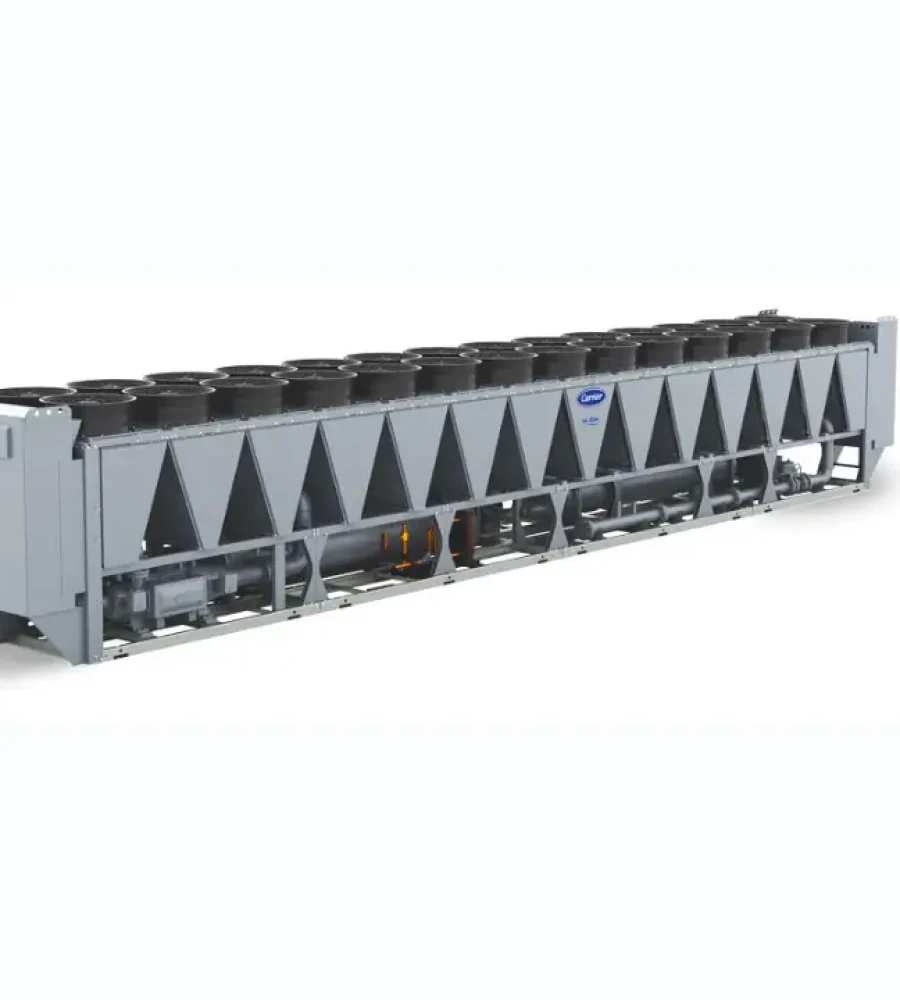
Energy systems within modern infrastructure environments increasingly operate in close coordination with thermal management systems. Computing equipment converts large portions of consumed electrical energy into heat that must be removed efficiently to maintain stable operating conditions. Cooling infrastructure therefore functions as an essential companion to power delivery systems within data-intensive environments. Engineers now design power and cooling systems as interconnected components that respond collectively to changing compute workloads. Coordinated operation prevents thermal stress from propagating across computing hardware during periods of intense computational activity. This integrated approach strengthens the operational stability of infrastructure facilities handling demanding digital workloads.
Power consumption and thermal output follow closely linked patterns within high-density computing environments. As compute clusters increase processing intensity, electrical consumption rises and heat generation accelerates simultaneously across processor arrays. Thermal management systems must therefore scale their cooling output dynamically in response to these fluctuations. Infrastructure operators deploy sensors and monitoring platforms that continuously track temperature and electrical conditions across the facility. Control systems adjust both power distribution and cooling capacity to maintain stable operating parameters. Coordinated thermal and energy management ensures that infrastructure systems remain balanced under variable workload conditions.
Advanced cooling technologies also influence the design of energy infrastructure within modern facilities. Liquid cooling systems and other high-efficiency thermal management methods require specialized electrical systems capable of supporting pumps, fluid circulation equipment, and thermal exchange mechanisms. These cooling technologies often reduce overall energy consumption while enabling higher compute densities within infrastructure environments. Power systems must therefore adapt to accommodate the electrical requirements associated with modern cooling solutions. Infrastructure designers increasingly evaluate thermal strategies and electrical architectures as a unified engineering challenge. Integrated design ensures that energy delivery and heat management operate in harmony across the facility.
Energy and thermal coordination also contributes to operational efficiency within digital infrastructure environments. Facilities that align cooling strategies with power delivery can optimize energy utilization across computing operations. Intelligent control platforms continuously balance thermal and electrical conditions to maintain stable operating environments for computing hardware. This coordination can help reduce operational stress on both power equipment and cooling infrastructure during periods of fluctuating demand. Infrastructure operators therefore view thermal and energy integration as a fundamental aspect of resilient facility design. Coordinated infrastructure systems sustain reliable operations while supporting evolving computing technologies.
Predictive Power Management
Predictive power management has emerged as a critical capability within modern infrastructure energy systems. Facilities increasingly rely on advanced monitoring platforms that continuously analyze electrical conditions across power distribution networks. Sensors distributed throughout infrastructure environments capture detailed information about voltage stability, load behavior, and equipment performance. Analytical platforms evaluate these signals to identify patterns that may indicate emerging operational risks. Infrastructure operators can therefore anticipate electrical disturbances before they disrupt computing operations. Predictive analysis transforms energy management from reactive response into proactive system oversight.
Machine learning algorithms increasingly assist infrastructure operators in interpreting complex electrical behavior within large facilities. These analytical systems evaluate historical operating data alongside real-time measurements from infrastructure equipment. By identifying correlations between operational conditions and equipment performance, predictive platforms detect anomalies that could signal developing faults. Infrastructure operators receive early alerts that allow maintenance teams to intervene before disruptions occur. Such predictive capabilities strengthen operational reliability across infrastructure environments supporting continuous computing workloads. Intelligent monitoring systems therefore play a growing role in infrastructure energy resilience.
Predictive power management also enables dynamic adjustment of energy flows within infrastructure systems. Control platforms analyze consumption patterns and can assist operators in adjusting electrical supply across available energy resources to help maintain stable operating conditions.Storage systems, distributed generation units, and grid connections respond automatically to changes detected within the electrical environment. This adaptive coordination reduces the likelihood that disturbances will propagate across interconnected infrastructure systems. Operators therefore maintain stable energy delivery even as computing demand fluctuates. Predictive energy management supports continuous compute operations through intelligent system coordination.
Infrastructure operators increasingly integrate predictive maintenance strategies within broader energy management frameworks. Continuous monitoring identifies early indicators of component wear, thermal stress, or electrical irregularities within infrastructure equipment. Maintenance teams can therefore schedule interventions before equipment performance deteriorates to the point of operational disruption. Predictive maintenance extends equipment lifespans while preserving system reliability across complex infrastructure environments. Facilities benefit from reduced operational uncertainty and improved system stability. Predictive energy oversight therefore strengthens the long-term resilience of digital infrastructure energy systems.
Operational Resilience in Extreme Conditions
Digital infrastructure increasingly faces operational challenges associated with extreme environmental conditions. Heat waves, severe storms, and regional disruptions can affect electrical supply networks that support large computing campuses. Infrastructure operators therefore design energy systems capable of maintaining stable operations under a wide range of environmental stresses. Robust infrastructure planning ensures that facilities continue operating even when external power systems experience instability. Engineers incorporate protective measures that strengthen electrical resilience against environmental disruptions. Infrastructure energy strategies therefore prioritize operational continuity during unpredictable environmental events.
Cooling infrastructure plays a particularly critical role during periods of elevated environmental temperatures. High ambient temperatures increase the difficulty of removing heat generated by computing equipment operating within infrastructure facilities. Engineers design thermal management systems capable of sustaining cooling performance even during prolonged heat events. Electrical infrastructure must also maintain stable output to support the increased energy demand associated with cooling operations. Coordinated planning between energy delivery and thermal systems therefore becomes essential for maintaining infrastructure stability during extreme weather conditions. Infrastructure resilience depends on careful engineering across multiple operational systems.
Storm-related disruptions can also affect infrastructure operations through physical damage or interruptions within regional energy supply networks. Infrastructure designers therefore incorporate distributed energy resources and localized generation systems that reduce dependence on external electricity supply pathways. Facilities equipped with independent energy capabilities can maintain stable operations even when grid disturbances occur. Such design strategies ensure that computing workloads remain operational during regional infrastructure disruptions. Infrastructure resilience therefore depends on both internal system design and strategic independence from vulnerable supply networks. Robust energy architecture protects digital infrastructure from environmental uncertainty.
Operational planning further strengthens infrastructure resilience by establishing procedures for maintaining stability during extreme events. Operators continuously evaluate environmental risks and adjust energy system configurations accordingly to preserve operational integrity. Infrastructure control systems coordinate generation resources, storage capacity, and grid connections to ensure consistent electrical supply. Such preparation allows facilities to maintain uninterrupted operations even when environmental conditions deteriorate significantly. Infrastructure resilience emerges through a combination of engineering design and operational preparedness. Facilities capable of sustaining operations under environmental stress represent a new benchmark for infrastructure reliability.
Energy Infrastructure as a Core Design Principle
Energy infrastructure increasingly occupies a central role in the planning and design of modern digital infrastructure environments. Earlier generations of computing facilities often treated electrical systems as supporting utilities installed after computing equipment specifications had been defined. Modern infrastructure planning reverses this relationship by integrating energy architecture into the earliest stages of facility design. Engineers evaluate energy availability, generation strategies, and electrical distribution frameworks before determining the final layout of computing environments. This approach ensures that energy systems align directly with the operational requirements of modern compute workloads. Energy infrastructure therefore becomes a foundational design element within digital infrastructure projects.
Infrastructure developers must consider the long-term evolution of computing workloads when designing facility energy systems. Artificial intelligence applications and high-performance computing clusters demand stable electrical environments capable of supporting continuous high-density operations. Designers therefore incorporate flexible energy architectures that can adapt as computing technologies evolve. Facilities must remain capable of supporting emerging processing technologies without requiring fundamental redesign of their energy infrastructure. Forward-looking energy design ensures that infrastructure environments remain operationally relevant over extended development cycles. Energy planning therefore shapes the long-term viability of digital infrastructure investments.
Infrastructure design also integrates energy resilience strategies that anticipate potential disruptions within regional power systems. Distributed generation resources, storage technologies, and intelligent energy management platforms contribute to stable facility operations regardless of external conditions. These systems allow infrastructure environments to maintain operational continuity even when utility networks experience disturbances. Energy resilience is therefore increasingly considered during infrastructure design rather than being addressed solely as an operational contingency plan. Facilities capable of sustaining uninterrupted power delivery represent the new standard for infrastructure reliability. Modern infrastructure design prioritizes energy assurance from the earliest stages of development.
Energy infrastructure planning further influences the spatial organization of modern infrastructure campuses. Electrical distribution pathways, cooling systems, and generation facilities must align with the layout of computing clusters to ensure efficient energy delivery. Designers therefore coordinate facility architecture with electrical engineering considerations throughout the development process. This integrated approach minimizes inefficiencies while strengthening operational resilience across infrastructure systems. Energy infrastructure becomes inseparable from the physical design of computing facilities. Such coordination ensures that digital infrastructure environments can sustain continuous computing operations over extended operational lifetimes.
Measuring Reliability in the Era of Continuous Compute
Reliability metrics within digital infrastructure have historically focused on measuring service availability through traditional uptime indicators. These metrics evaluate whether computing services remain operational during a given period. Modern infrastructure environments require more comprehensive reliability assessments that account for the stability of underlying energy systems. Continuous compute workloads depend on uninterrupted electrical delivery that maintains stable conditions across processing environments. Infrastructure operators therefore evaluate reliability using broader measures of energy availability and system resilience. Energy assurance metrics now complement traditional uptime indicators within infrastructure performance evaluation.
Infrastructure operators increasingly monitor electrical stability indicators that reveal the quality of power delivered to computing systems. Voltage consistency, frequency stability, and disturbance response behavior all influence the operational reliability of high-density compute environments. Monitoring platforms capture detailed measurements that reveal how infrastructure energy systems perform under varying demand conditions. Operators analyze these signals to ensure that energy delivery remains consistent across computing clusters. Reliable infrastructure requires stable electrical conditions that extend beyond simple service availability metrics. Reliability assessment therefore expands to include detailed energy performance indicators.
Resilience duration has also emerged as a concept used in infrastructure reliability analysis when evaluating how long systems can sustain operations during supply disruptions. Operators evaluate how long infrastructure energy systems can sustain operations during disruptions affecting external power supply networks. Distributed generation resources and storage technologies influence the duration of uninterrupted operations during such events. Infrastructure designers therefore evaluate resilience capacity as part of overall reliability planning. Facilities capable of maintaining stable energy delivery for extended periods demonstrate stronger operational continuity. Reliability assessment now reflects the broader capabilities of infrastructure energy ecosystems.
Operational continuity ultimately depends on the ability of infrastructure energy systems to adapt dynamically to evolving conditions. Continuous monitoring, predictive analytics, and coordinated energy resources allow infrastructure operators to sustain stable power delivery across changing workloads. Reliability therefore emerges from the interaction of multiple infrastructure components rather than a single equipment layer. Infrastructure environments capable of maintaining stable energy supply under diverse operational conditions represent the most resilient computing ecosystems. Reliability measurement continues evolving alongside the increasing complexity of digital infrastructure. Continuous compute environments therefore require new frameworks for evaluating infrastructure performance.
Continuous Energy Assurance as the New Infrastructure Standard
The future of digital infrastructure depends increasingly on energy systems capable of sustaining uninterrupted operations under continuously evolving computing workloads. Traditional backup strategies designed for occasional outages cannot support the operational intensity of modern high-density compute environments. Infrastructure operators therefore adopt continuous energy assurance models that integrate diversified generation resources, advanced storage systems, and intelligent energy management platforms. These systems maintain stable electrical delivery across complex infrastructure environments where computing workloads operate without interruption. Continuous energy architectures transform energy reliability into an active operational capability embedded directly within infrastructure design. Digital infrastructure resilience therefore begins with energy systems engineered for uninterrupted performance.
The transformation toward continuous energy assurance reflects broader changes in the role of energy infrastructure within digital ecosystems. Electricity increasingly functions as a strategic resource that can influence the performance boundaries of modern computing technologies. Infrastructure operators must therefore coordinate generation resources, storage systems, and distribution networks with unprecedented precision. Energy reliability becomes inseparable from the operational integrity of computing environments supporting artificial intelligence and advanced analytics. Facilities capable of maintaining stable energy delivery under complex conditions will define the next generation of digital infrastructure. Continuous energy assurance thus emerges as the operational foundation of modern computing ecosystems.
The integration of distributed energy resources, predictive monitoring technologies, and diversified fuel pathways will continue shaping the evolution of infrastructure energy systems. Infrastructure operators must adapt continuously as computing technologies generate new patterns of electrical demand and operational complexity. Energy systems that operate dynamically alongside compute workloads will enable infrastructure environments to maintain reliable performance across changing technological landscapes. Continuous energy assurance therefore represents more than a technical innovation within infrastructure engineering. It defines a new operational philosophy that prioritizes stability, adaptability, and resilience within the digital infrastructure powering modern society.