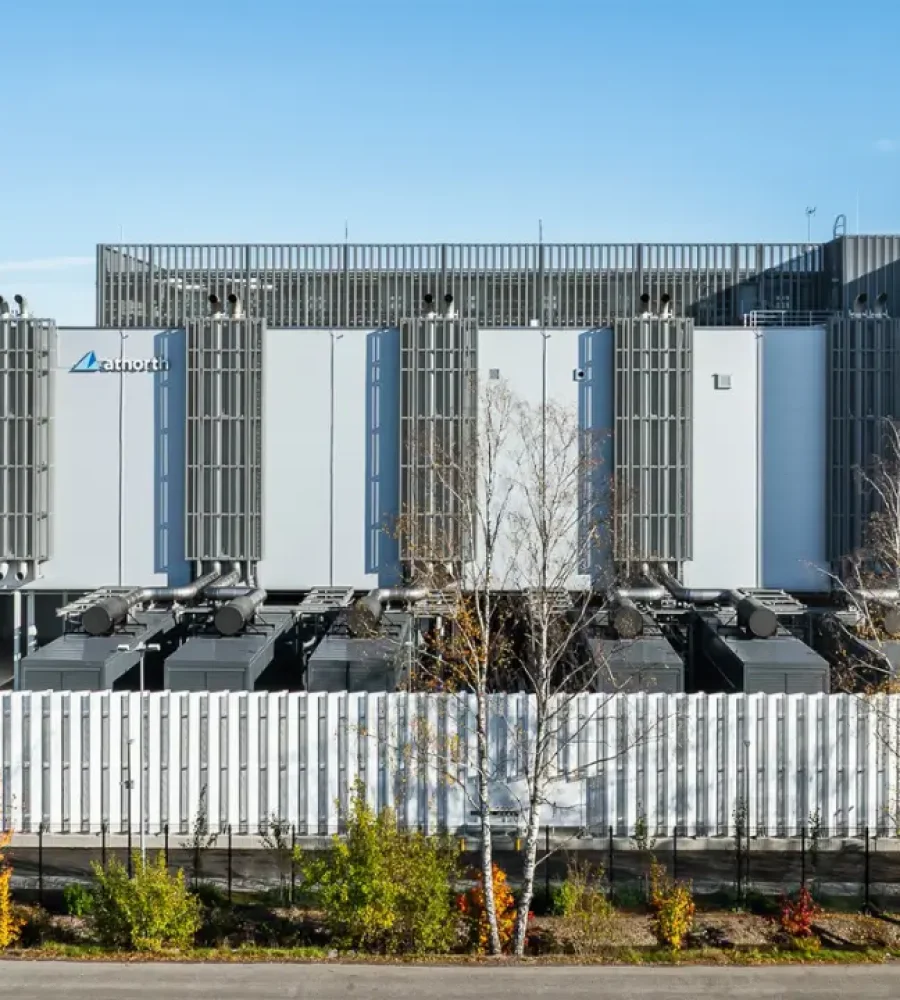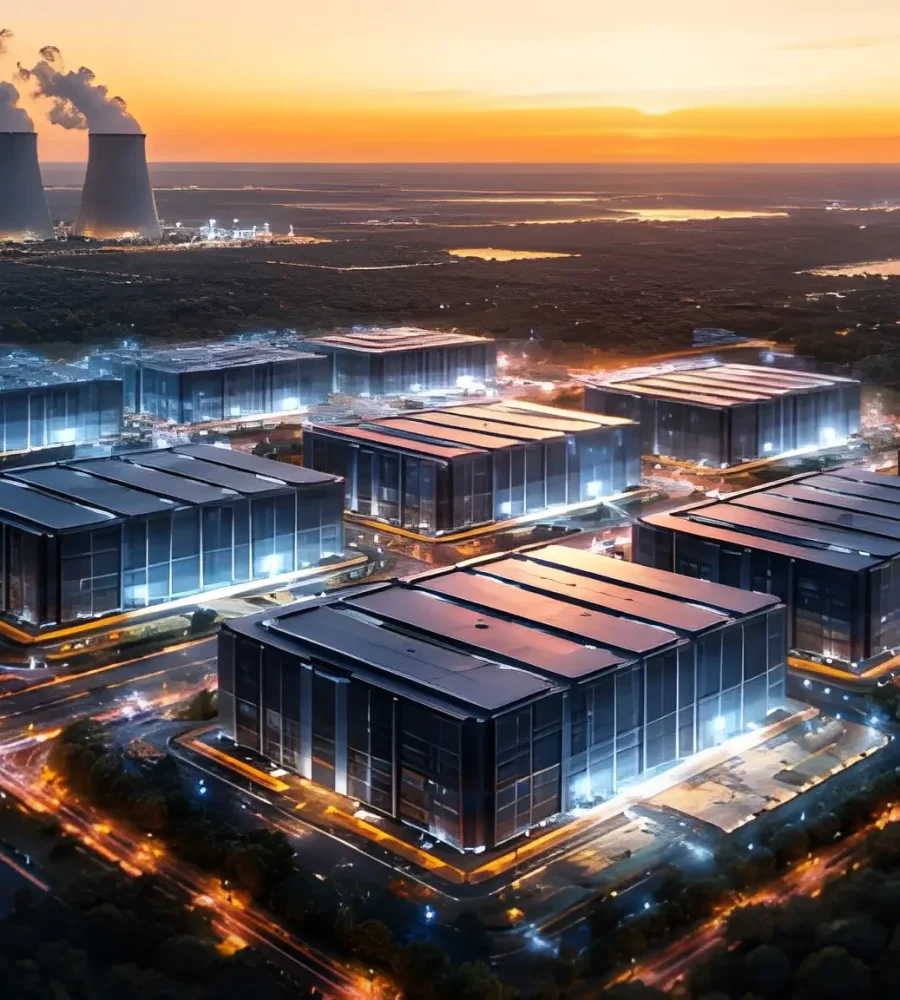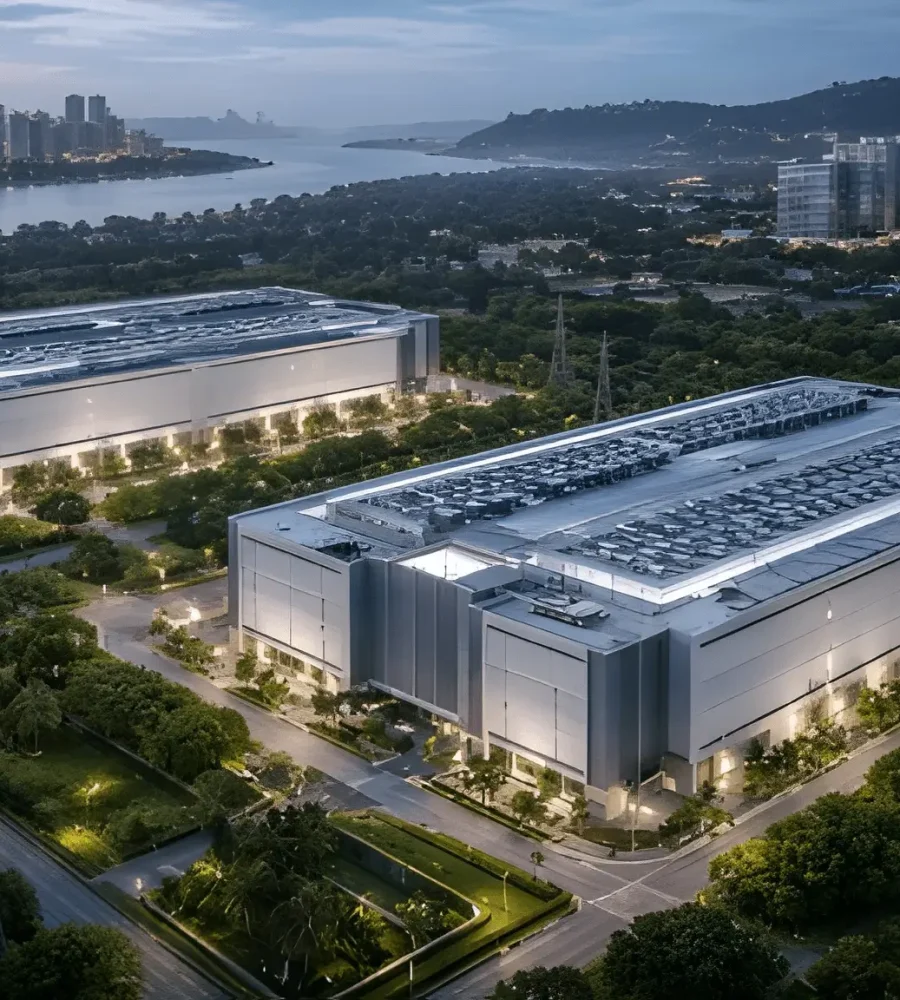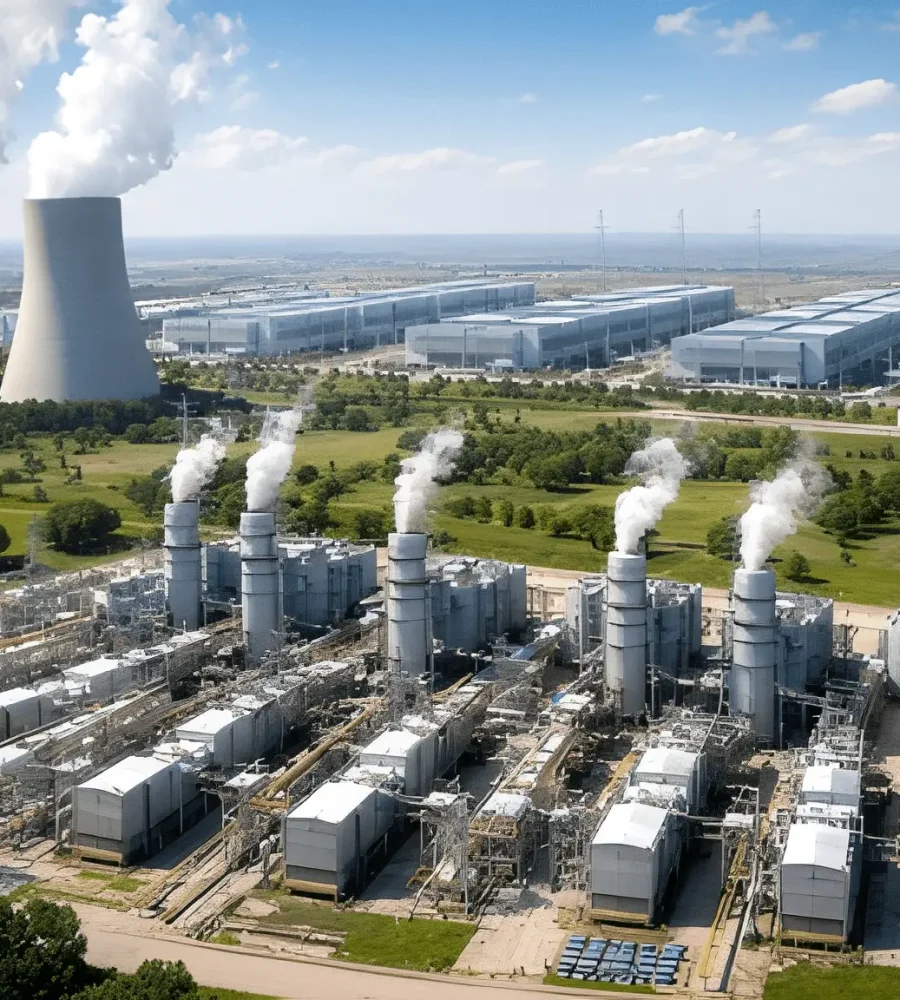

The global artificial intelligence landscape is currently undergoing a structural realignment. This shift transcends the traditional focus on software engineering and model architectures. AI demands are transitioning from training cycles toward continuous inference workloads. These workloads consume multiple gigawatts of power. Consequently, the primary constraint on digital supremacy has shifted toward the fundamental laws of physics. These laws include the availability of low-cost energy. They also involve the management of thermal loads and the geographic concentration of infrastructure. In this evolving paradigm, the Middle East has emerged as the new frontline for green AI sourcing. Saudi Arabia and the United Arab Emirates (UAE) lead this migration. This change happens because of a unique convergence of solar abundance and hydrogen storage. Furthermore, a proactive geopolitical posture establishes a Digital Switzerland for the age of intelligence.
The Shift to a Gigawatt Paradigm
By 2026, the artificial intelligence sector reached a critical inflection point. The bottleneck for scaling is no longer the complexity of the algorithm. Instead, the availability of the electron governs progress. The sector is currently experiencing an infrastructure investment supercycle. Experts project this cycle will require up to 3 trillion dollars in capital by 2030. This supercycle stems from the realization that AI inference will soon represent half of all data center workloads. Therefore, the primary design criteria for facilities have shifted from location to raw power availability.
Gigawatts now function as the new code. Every advanced AI chip draws as much electricity as a suburban home. Massive “AI factories” consume as much energy as a mid-sized city. Hyperscalers like Microsoft and Amazon face a twofold challenge. They must secure power at a cost that makes massive inference economically viable. Additionally, they must meet increasingly stringent net-zero commitments. This dual pressure makes traditional data center hubs in Europe less attractive. These hubs often feature aged and carbon-heavy grids.
The Solar to Silicon Pipeline
The rapid expansion of AI infrastructure requires two fundamental inputs in massive quantities. These inputs are stable carbon-neutral power and vast contiguous land. In traditional European hubs, both inputs have become prohibitively expensive. European markets face severe infrastructure friction. Rising energy costs and grid connection delays characterize this friction. Some delays extend to 2030 or even a full decade in primary markets. For example, power availability constraints in West London pushed new developments 40 miles away from preferred zones.
Conversely, the Middle East offers a solar to silicon pipeline. Here, the laws of economics are being rewritten. Saudi Arabia and the UAE consistently break global records for the Levelized Cost of Energy (LCOE). In 2025, solar Power Purchase Agreements (PPAs) in Saudi Arabia reached a record 12.9 dollars per megawatt hour. The UAE achieved competitive rates of approximately 14 dollars per megawatt hour. These figures are a fraction of the 67 dollars per megawatt hour seen in Western markets. This regional advantage results from superior irradiation levels and low labor costs. Furthermore, favorable land conditions allow for the deployment of gigascale projects.
Technical Efficiency in Solar Parks
Technical efficiency in these solar parks improves through the adoption of bifacial PV panels. Single axis tracker systems also enhance performance. Bifacial panels capture sunlight from both the front and the back. They use reflected light to lift energy yields by up to 20 percent compared to traditional modules. These systems follow the sun throughout the day. Consequently, tracker systems are projected to drive LCOE down toward 17 dollars per megawatt hour by 2060.
Operational savings for a gigawatt-scale AI factory are profound. A facility consuming 1 GW of power saves approximately 438 million dollars annually. Over a decade-long lifecycle, these savings exceed 4 billion dollars. This provides Middle Eastern hubs with an unassailable advantage. These hubs host the world most energy-intensive inference clusters. Additionally, the region offers thousands of contiguous greenfield acres. Developers can build data centers directly alongside dedicated solar parks. This arrangement bypasses the bottlenecks of national grids. Saudi Arabia aims for 2,200 MW of future data center capacity. This goal significantly outpaces the planned expansions of global peers.
The Infrastructure Gap in Europe
The migration toward the Middle East responds to the infrastructure gap in the West. Existing data centers in Europe reach their power limits. Hyperscalers must look elsewhere to bring their next generation of chips online. In Germany, the Energy Efficiency Act (EnEfG) introduced strict mandates. New facilities must achieve a Power Usage Effectiveness (PUE) of 1.2 or less starting in 2026. These regulations drive sustainability but add capital complexity.
Operators struggle with grid connection delays and high energy costs in these regions. Amazon noted that building a data center takes only two years. However, securing power for that facility in Europe can take up to seven years. In places like Frankfurt or London, this wait extends to a decade. In contrast, Middle Eastern AI campuses are built from the ground up to exceed standards. They utilize liquid immersion cooling and solar powered absorption chilling. These facilities can achieve PUE scores close to 1.05 while operating in harsh climates. State led investment in power and water infrastructure compresses these timelines.
The Green Hydrogen Frontier
Solar abundance provides a daytime advantage. However, AI factories require 24/7 always on power. Renewable energy intermittency presents a challenge. Traditional grids rely on carbon-heavy gas plants to balance this. The Middle East leads the world in solving this through green hydrogen. They also use large scale Battery Energy Storage Systems (BESS) to create a carbon-neutral baseload.
The NEOM Green Hydrogen Project (NGHC) is an ambitious attempt to store energy at scale. As of early 2026, the 8.4 billion dollar facility is 90 percent complete. It remains on schedule for a full operational launch. The project integrates 4 GW of combined solar and wind energy. This power runs 2.2 GW of thyssenkrupp electrolyzers. These units produce 600 tonnes of green hydrogen daily. This hydrogen serves as a pillar for a stable green grid. The region converts excess daytime energy into hydrogen. They store it to provide carbon-free electricity during the night. Consequently, AI data centers can claim a round-the-clock carbon-neutral profile. This avoids the use of controversial carbon offsets.
UAE Integration of Battery Storage
In parallel, the UAE has broken ground on a 6 billion dollar project. This facility combines a 5.2 GW solar PV plant with a 19 GWh battery energy storage system. This storage system is the largest of its kind globally. The design delivers 1 GW of continuous baseload renewable energy by 2027. This sets a new international benchmark for overcoming renewable intermittency.
BESS integration is particularly crucial for AI data centers. Batteries are the only storage systems responsive enough for hyperscale GPU clusters. They meet aggressive power draw timelines and load balancing requirements. Furthermore, structural off-take agreements support the economic feasibility of this grid. For instance, the green ammonia produced at NEOM is backed by a 30 year exclusive agreement. This stability allows the Kingdom to market its compute capacity as the cheapest and cleanest. Hyperscalers like Microsoft and Amazon scale their AI offerings responsibly in this environment.
Solving the Thermal Challenge
The extreme ambient heat is the most significant technical critique of desert data centers. Traditional cooling methods rely on energy-intensive chillers. These chillers lose efficiency as external temperatures rise toward 50 degrees Celsius. However, Middle Eastern engineers turn this climatic liability into a strength. They scale absorption chilling and advanced liquid immersion technologies.
Vapour absorption chillers (VACs) use thermal energy instead of electricity. These systems replace the electricity-driven compressor with a thermal generator and an absorber. In the Middle East, the correlation between solar intensity and cooling demand is perfect. The hotter the sun shines, the more thermal energy is available to cool servers. This reduces the mechanical cooling load on the electrical grid by nearly 20 percent during peak hours. Theoretical assessments of solar-powered adsorption cooling show high capacities in Riyadh and Kuwait City. Coefficient of Performance (COP) ranges from 0.47 to 1.3 for double-stage systems.
Advanced Liquid Cooling Technologies
Beyond thermal cooling, liquid and immersion technologies are becoming the standard. AI workloads generate significantly more heat than traditional cloud operations. In the Gulf, air-cooling is insufficient for high-density racks exceeding 100 kW. Immersion cooling submerges servers in non-conductive dielectric fluids. These fluids absorb heat more effectively than air. This method reduces total cooling energy consumption by 40 percent.
The UAE Ministry of Technology actively promotes these systems. They aim to minimize the environmental footprint of their AI initiatives. Furthermore, hyperscalers prefer high-density racks. This preference propels vertical integration in the region. Operators design proprietary immersion tanks to bypass airborne heat transfer limitations. These systems standardize leak-proof busways to reduce downtime during GPU swap outs.
The Water Energy Nexus
The water energy nexus provides a unique desert synergy. New water-neutral data centers are designed for pairing with solar desalination plants. Large server farms generate significant low-grade waste heat. This heat typically ranges from 40 to 60 degrees Celsius. Rather than dissipating this heat, operators capture it to power Multi-Effect Distillation (MED) processes.
MED is a thermal desalination technique. It is perfectly suited for low-grade heat rejected by data center cooling loops. Seawater is heated to produce vapor across several stages at lower pressures. This enables efficient operation with heat less than 70 degrees Celsius. One study estimates that a 1 MW data center generates up to 115 cubic meters of fresh water per day. This circular loop makes the data center a co-generator of water. It addresses the region water security goals while optimizing thermodynamic efficiency. Net emissions lower because each cubic meter of water replaces fuel burning in standalone plants.
Sovereign AI and the National Brain
AI has become the foundation of national security and economic productivity. Therefore, many nations are wary of hosting their National Brain in foreign jurisdictions. This refers to the collection of Large Language Models (LLMs) and citizen data. In 2026, the Middle East is positioning itself as the epicenter of Sovereign AI. They ensure the entire value chain remains within national boundaries.
The development of regional LLMs proves the Middle East is a creator of technology. Flagship models include Falcon and Jais from the UAE. Saudi Arabia developed the ALLaM model. These models are designed to capture the linguistic and cultural nuances of the Gulf. Arabic native models outperform translated Western models in understanding regional dialects. They also excel in business terminology and cultural context. This provides a competitive advantage for enterprise and government applications in the GCC.
Native Alignment and Safety
Saudi Arabia is pioneering native alignment at the pre-training stage of model development. Traditional post-alignment methods refine model behavior after initial training. In contrast, native alignment integrates safety and human preferences directly into the training data. This ensures models are inherently safer from the outset. They align more closely with the ethical and cultural standards of the Kingdom.
Computational sovereignty is equally critical. Data residency mandates govern the UAE and Saudi Arabia. The National Data Management Office (NDMO) requires sensitive data to remain in approved jurisdictions. This mandate drives the growth of sovereign cloud agreements. The G42 and Microsoft partnership allows modernization using Western tools while maintaining domestic control. For example, the UAE Sovereign Launchpad is a domestically controlled cloud. It prevents foreign jurisdictions from accessing sensitive information.
The Digital Switzerland Model
The Middle East positions itself as a Digital Switzerland in a polarized world. This represents a neutral sovereign hub where both Western and Eastern AI companies host data. This strategy is not about being a passive bystander. Instead, the region becomes indispensable to both blocs through infrastructure leadership.
The UAE demonstrated the strategic value of this posture recently. The Emirati firm G42 successfully navigated US pressure by divesting from Chinese technology interests. They stripped Huawei equipment from their data centers. This divestment was the entry price for a 1.5 billion dollar investment from Microsoft. G42 also secured shipments of advanced NVIDIA H100 and H200 chips.
Multipolar Hub Ambitions
However, Gulf nations have no intention of completely cutting ties with Beijing. They position themselves as neutral AI hubs where rival blocs operate in a regulated environment. For instance, Alibaba Cloud launched its second data center in Dubai in late 2025. Saudi Arabia signed numerous MoUs with Chinese firms for semiconductor applications. This Third Pole strategy captures the best of both ecosystems. It utilizes US designed silicon and Chinese influenced infrastructure efficiency. Ultimately, the region retains sovereign control over all assets.
The region geographic position reinforces its role as a digital crossroads. A new generation of subsea and terrestrial fiber optic networks supports this. The Google led Blue-Raman cable system is operational in 2025. It connects Italy and France to India via Israel and Jordan. This route bypasses the traditional Egyptian chokepoint in the Suez Canal. This chokepoint is responsible for 17 percent of global internet traffic. It has been vulnerable to both accidental damage and sabotage. This new digital artery provides high speed and low latency connectivity. It allows regional data centers to serve half the world population within a 2,000 mile radius.
Capital as a Catalyst
Sovereign wealth funds in the Middle East deploy capital at an unmatched scale. The Public Investment Fund (PIF) and Mubadala remove infrastructure friction. They fund expensive subsea cables and high-voltage transmission lines upfront. This state-led investment de-risks hyperscale projects that would stall elsewhere.
Saudi Arabia established HUMAIN as a state-backed AI champion. HUMAIN is an operating company, not just a holding firm. It builds data centers and cloud platforms along with local LLMs. The company plans to reach up to 6 GW of capacity by 2034. A single 500 MW data center can house up to 600,000 NVIDIA GB300 graphics processing units. This centralization allows the Kingdom to reset the cost base of AI services. They can export the output digitally to the entire world.
The Stargate Project and Beyond
In the UAE, the government launched MGX to invest in AI infrastructure and chips. MGX is a key investor in the Stargate Project. This is a massive 500 billion dollar initiative involving OpenAI and SoftBank. While much investment focuses on US infrastructure, Stargate UAE is significant. The Abu Dhabi site is projected to have 5 GW of capacity once fully operational. An initial 200 MW will go live in 2026.
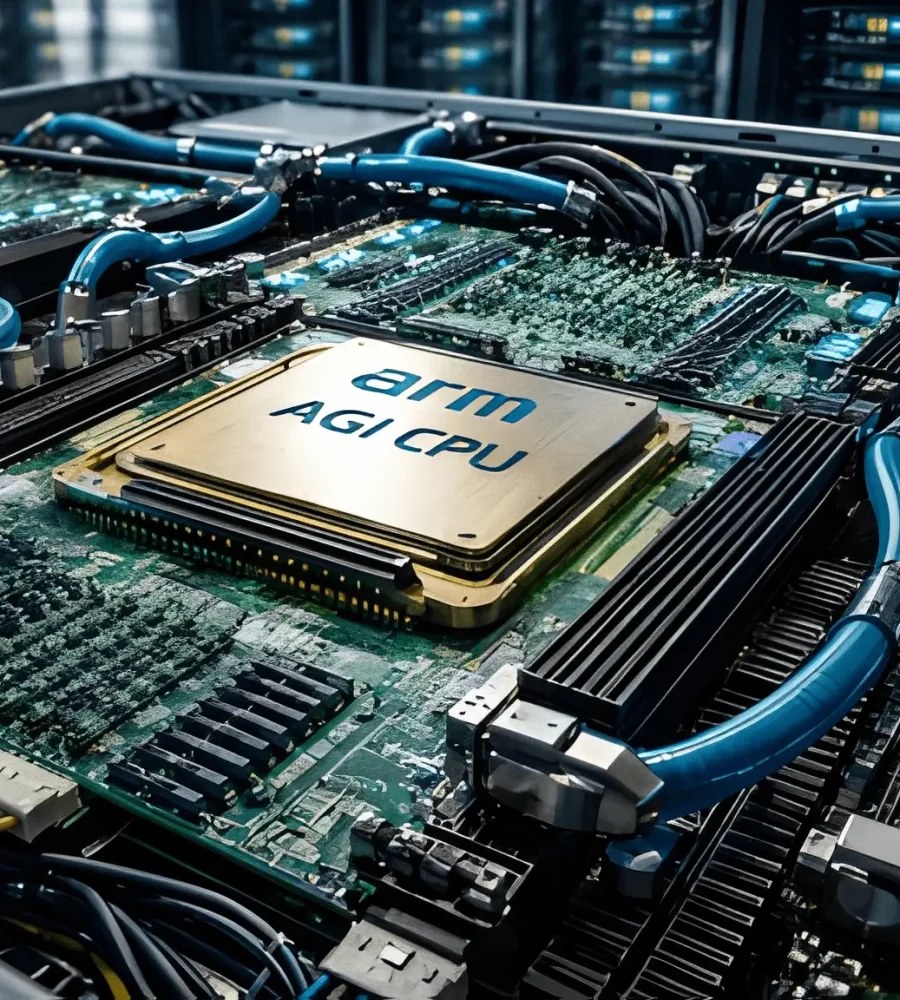
The Stargate UAE facility will use NVIDIA Blackwell Ultra GB300 systems. These chips perform some inference tasks 50 percent faster than their predecessors. They include significantly more onboard memory to reduce reliance on slower off-chip RAM. Each system combines 72 Blackwell chips with 36 Grace CPUs. They link through NVLink C2C technology at 900 gigabytes per second. By funding this infrastructure, the region optimizes the entire value chain for cost and sustainability.
The Brain Economy and Talent
The Middle East Green AI strategy also focuses on human capital. Engineers must build and sustain sovereign models. Therefore, Saudi Arabia and the UAE invest heavily in a Brain Economy. This economy acknowledges cognitive capabilities as critical assets for resilience.
The Mohamed bin Zayed University of Artificial Intelligence (MBZUAI) is a global research hub. Saudi Arabia King Abdullah University of Science and Technology (KAUST) also leads research. KAUST launched a landmark AI Institute in partnership with Cisco. This institute focuses on applied research for AI-native communication systems. It also develops intelligent factories for Industry 5.0. Similarly, the UAE collaborates with Microsoft to skill one million people in AI by 2027.
Upskilling the Regional Workforce
This workforce transformation involves upskilling teams from operators to AI supervisors. These supervisors manage generative AI while ensuring regulatory compliance. Both nations face a skilled talent gap despite these efforts. Saudi Arabia reports a 50 percent hiring gap in advanced AI roles. They work to close this through intensive training programs and international partnerships.
The brain economy approach integrates advanced neuroscience with AI. Research at KAUST explores mechanisms for brain signal generalizability. Scientists seek to reliably interpret neural activity patterns across individuals. This investment in cognitive capital drives the next phase of economic diversification. The National Brain is a literal goal for the region and its leadership.
Regulatory Compliance as a Feature
In many jurisdictions, regulation is a hurdle. However, the Middle East positions regulatory compliance as a product feature. The region builds AI infrastructure that is compliant by design. They meet the stringent residency and privacy requirements of the UAE PDPL and Saudi Arabia NDMO.
This approach allows the region to offer audit-ready architectures from day one. Enterprise clients receive a level of certainty missing in global cloud architectures. Full paths of data and model hosting locations are often opaque in other regions. By embedding sovereignty into the chip and runtime levels, the region creates a trusted digital link. This link bridges the divide between Western and Eastern technology stacks. The Global Privacy Assembly in Dubai will likely align regional laws further. This consolidation makes the region attractive for sensitive AI workloads.
Multimodal AI and World Models
Infrastructure investment drives a new generation of World Models. These foundational AI systems learn from video, audio, and language. The U.S. startup Luma AI secured 900 million dollars in financing led by HUMAIN. Luma AI will be a primary customer of Project Halo in Saudi Arabia. This 2 GW supercluster supports large scale model training.
These models launch within the HUMAIN Create initiative. This initiative focuses on building sovereign products for the Arabic world. Models will understand cultural context and visual nuance. This empowers creators and governments to adopt AI that reflects their values. This represents the final piece of the solar to silicon pipeline. Abundant desert energy converts into localized intelligence. This intelligence simulates reality for robotics and entertainment.
Expanding the Infrastructure Supercycle
The infrastructure investment supercycle represents a clean break from the hyperscale era. These new campuses resemble energy assets rather than traditional data centers. They are designed with the logic of large scale power infrastructure. A single gigawatt-class project demands between 9 billion and 15 billion dollars. No conventional real estate capital stack can shoulder this load.
Therefore, these projects demand sovereign wealth funds and global private equity. Hyperscalers must lock in multi-decade commitments to ensure success. This explains why sponsors include names like PIF and G42 alongside Blackstone. Site selection no longer depends on fiber adjacency alone. Instead, the ability to secure gigawatt-scale power at a predictable cost matters most. Regions with energy surpluses and developable land are the natural winners. The NEOM corridor and Abu Dhabi reflect this new threshold for AI competitiveness.
The Central Bank of Compute
The Middle East is uniquely positioned to become the world Central Bank of Compute. They leverage the physical laws of solar abundance and thermal engineering. Additionally, they use the strategic laws of sovereign data control. Economic laws of massive sovereign capital further support this leadership. Saudi Arabia and the UAE are building the infrastructure for the next century.
The shift toward green AI in the desert is a calculated response. It addresses the constraints of the Western digital model. Gigawatts are the new code in this world. The region providing the cheapest and most sovereign power will lead the race. The Middle East has transitioned from an energy exporter to a co-generator of intelligence. The sun shines on vast greenfield sites and converts into silicon power. This power drives the global National Brain. Through green hydrogen and water-neutral cooling, the region secures its future. They navigate a multipolar landscape and lead the green AI revolution. The frontline of intelligence is the desert. The future of AI is green.