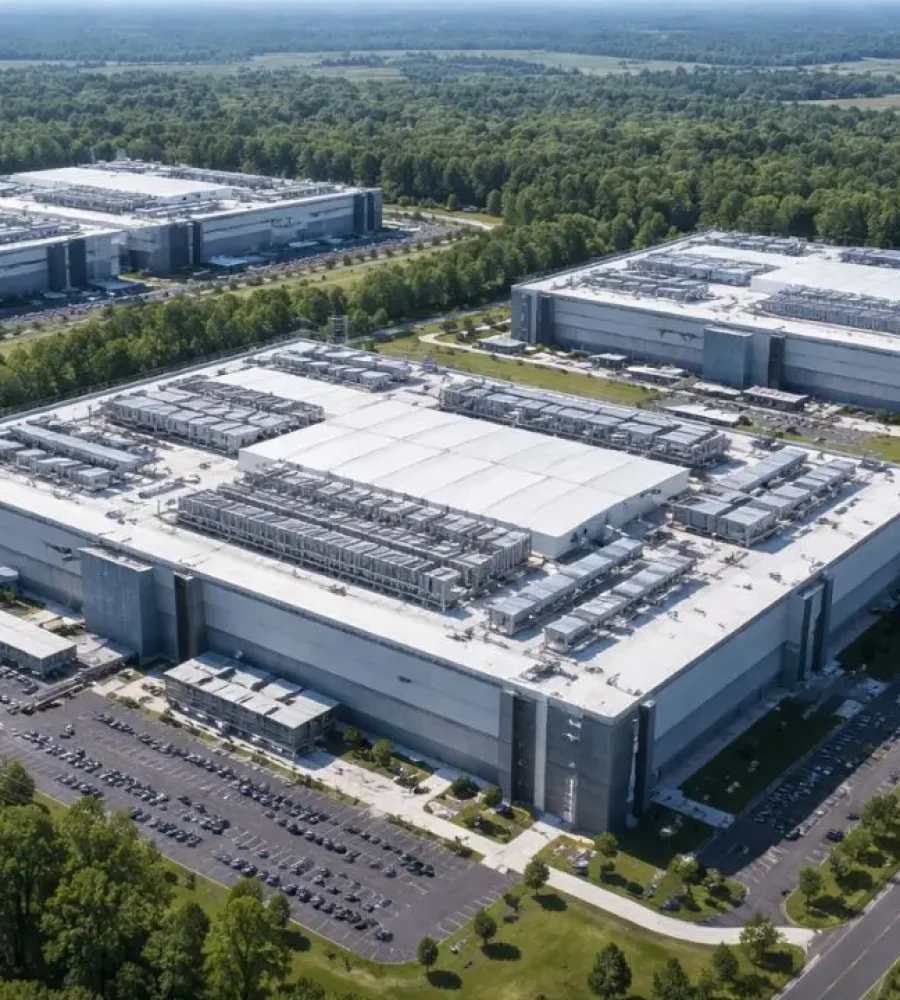
Electric power systems across the world are encountering a structural shift as digital infrastructure becomes one of the most energy-intensive industrial sectors in operation today. The rapid expansion of artificial intelligence workloads is driving the construction of large computing clusters that require continuous and reliable electricity delivery across multiple regions. Infrastructure planners increasingly face the challenge of integrating these concentrated digital loads into electrical networks that already manage complex patterns of renewable generation and electrified transportation demand. Grid operators must maintain stability while balancing supply and demand in systems where variability from wind and solar resources continues to grow. These developments are transforming the relationship between computing infrastructure and the physical power grid that sustains it. Electricity networks that once treated data centers as passive loads now recognize their operational influence on system reliability and capacity planning.
The concentration of high-density compute clusters introduces new operational considerations for grid planners responsible for maintaining frequency stability and transmission reliability. Modern artificial intelligence infrastructure relies on thousands of interconnected processors operating simultaneously within tightly coordinated clusters that consume power at scales comparable to large industrial facilities. Transmission networks that deliver electricity to these clusters often require upgrades, expanded substations, and long interconnection studies before operators can safely connect new facilities. Such developments increase the complexity of power system planning because data center loads tend to appear rapidly in regions with favorable fiber connectivity or tax incentives. Utilities therefore face increasing pressure to accommodate these facilities without compromising the reliability obligations that govern electricity markets. Electricity demand growth from digital infrastructure now intersects directly with the operational limits of regional power networks.
Growing Tension Between AI Power Demand and Grid Stability
Grid stability challenges become more complex as renewable generation expands across electricity systems that previously relied on dispatchable fossil-fuel plants. Wind and solar resources produce electricity according to weather conditions rather than predictable fuel dispatch schedules, which creates fluctuations in supply that grid operators must continuously manage. The integration of variable generation sources therefore increases the importance of flexible demand resources capable of adjusting consumption in response to grid conditions. Large digital facilities historically operated as constant electricity loads, drawing power at relatively stable levels regardless of supply availability or network congestion. This operational model conflicts with emerging power systems that increasingly depend on demand-side flexibility to maintain balance between generation and consumption. Digital infrastructure therefore occupies a pivotal position in the evolving architecture of modern electricity grids.
The rise of artificial intelligence infrastructure has also accelerated the scale of electricity interconnection requests submitted to utilities in several major computing regions. Grid operators now encounter proposals for large clusters of compute facilities that require extensive transmission capacity and long-term supply commitments before construction can proceed. These requests introduce operational risk for electricity markets that must ensure reliable supply for residential customers, industrial consumers, and public infrastructure. Regional grid authorities therefore examine how large digital loads might interact with grid operations during periods of high demand or constrained generation. The challenge is not only the amount of electricity required but also the speed at which new facilities appear within regional planning frameworks. Infrastructure developers and energy regulators increasingly recognize that new coordination mechanisms are necessary to manage this intersection of computing expansion and grid stability.
Digital Loads as a New Category of Grid Resources
Electricity systems have historically relied on generators and storage facilities as the primary tools for maintaining supply and demand balance across transmission networks. Dispatchable power plants adjust their output to compensate for changes in electricity demand throughout the day, while grid operators deploy reserve capacity to respond to unexpected disturbances. However, modern power systems increasingly recognize that flexible electricity consumption can also serve as an operational resource for maintaining grid stability. Industrial facilities such as aluminum smelters and chemical plants have long participated in programs that temporarily reduce demand during periods of grid stress. Data centers now represent a new category of electricity consumers that possess the technical capability to provide similar flexibility under certain operating conditions. This development introduces the possibility that digital infrastructure could participate directly in grid balancing operations.
Digital infrastructure possesses several characteristics that make it suitable for controlled demand management within electricity systems. Large computing facilities operate through sophisticated orchestration platforms that distribute workloads across thousands of processors and storage systems. These platforms continuously monitor hardware utilization, network performance, and software execution to optimize throughput and reliability across the facility. Such operational visibility provides a foundation for adjusting compute workloads in response to external signals, including electricity prices or grid reliability alerts. When managed carefully, certain workloads can pause, migrate, or slow without compromising service quality for end users. These characteristics enable data centers to function as controllable electricity loads rather than purely passive consumers.
Power Delivery and Thermal Engineering Constraints
The concept of flexible digital demand introduces a new category of grid resource that complements traditional generation and storage assets. Instead of increasing power supply during peak demand periods, grid operators could coordinate with large computing facilities to temporarily reduce electricity consumption. This demand reduction helps maintain the balance between generation and load while avoiding the need to activate expensive reserve power plants. Flexible demand resources also support the integration of renewable energy by adjusting electricity consumption when renewable output fluctuates. Electricity markets increasingly explore mechanisms that compensate large consumers for providing these services to the grid. As a result, digital infrastructure may evolve into a strategic component of future grid balancing strategies.
Several pilot initiatives have already explored how large computing facilities might participate in electricity system operations. Technology companies have begun collaborating with utilities to test systems that adjust computing workloads during periods of high grid demand. These programs rely on software platforms that receive grid signals from utilities and translate them into operational changes within data center clusters. Operators can temporarily slow non-urgent computational tasks or redistribute workloads across geographically distributed facilities. Such approaches demonstrate that digital infrastructure can participate in demand response programs without compromising critical services that require continuous operation. The emergence of these experiments illustrates how electricity networks and digital infrastructure are becoming increasingly interconnected.
Understanding the Concept of Grid-Supportive Computing
The idea of grid-supportive computing emerges from the recognition that digital workloads possess inherent flexibility that electricity systems can potentially utilize for operational stability. In traditional computing infrastructure models, workloads execute according to performance and availability objectives without consideration of electricity market conditions. However, the rapid growth of artificial intelligence workloads has created an opportunity to reconsider how computational demand interacts with energy supply. Grid-supportive computing proposes that compute tasks should adapt dynamically to electricity availability rather than operate independently from energy system constraints. This approach transforms computing infrastructure into an active participant in energy system operations. The concept represents a convergence between cloud computing orchestration and electricity market coordination.
Grid-supportive computing relies on software orchestration systems that coordinate computational workloads with real-time information about electricity grid conditions. These systems receive signals from utilities, electricity markets, or on-site monitoring infrastructure that indicate periods of high demand, network congestion, or renewable generation surplus. Infrastructure software can then modify compute operations by delaying certain tasks, limiting processor power usage, or migrating workloads to other data centers with more favorable energy conditions. This operational flexibility allows computing facilities to reduce their electricity demand during periods when grid operators require additional system stability. Such coordination transforms computing workloads into dynamic demand resources that respond to electricity system conditions.
Software Orchestration and Real-Time Grid Signal Integration
The architectural foundations of grid-supportive computing lie in the distributed design of modern cloud infrastructure. Hyperscale cloud providers operate multiple data centers across different geographic regions connected through high-capacity network backbones. Workload orchestration systems already distribute computational tasks across these facilities to optimize performance and redundancy. Integrating electricity system signals into these scheduling frameworks allows cloud platforms to shift workloads between locations depending on grid conditions. A region experiencing electricity scarcity could temporarily reduce compute demand while another region with surplus renewable generation accepts additional workloads. This spatial flexibility introduces a new dimension of energy-aware computing operations.
Researchers examining the intersection of computing infrastructure and electricity markets increasingly view grid-supportive computing as a new operational paradigm for digital infrastructure. Instead of building ever-larger power plants to satisfy rising computing demand, electricity systems might coordinate with digital infrastructure to balance demand dynamically. This approach reduces pressure on transmission networks while improving the utilization of renewable energy resources. Grid-supportive computing therefore represents a shift from infrastructure expansion toward operational coordination between digital and energy systems. The concept continues to evolve as both cloud providers and grid operators explore its practical implementation across large computing environments.
The Flexibility Hidden Inside Modern Compute Workloads
Modern computing environments run a diverse mixture of workloads that differ significantly in their sensitivity to time delays and processing interruptions. Some digital services require immediate response times because they support real-time user interactions such as search queries, video streaming, or financial transactions. These workloads operate continuously and require stable infrastructure performance to maintain service reliability. However, many other computational tasks do not depend on immediate execution and can tolerate flexible scheduling. Artificial intelligence model training, data analytics, and scientific simulations often run for extended durations without strict real-time requirements. This diversity of workloads creates opportunities for adjusting compute operations without affecting essential services.
Artificial intelligence training workloads provide one of the most promising sources of flexibility within modern computing infrastructure. Training large machine learning models involves processing enormous datasets through iterative computational cycles that refine model parameters over time. These processes typically run for extended periods and often include built-in checkpointing mechanisms that allow training to pause and resume without losing progress. Infrastructure operators can therefore interrupt training jobs temporarily or reduce processing speeds when necessary without invalidating the computational results. Such flexibility allows training workloads to align more closely with electricity availability or grid reliability signals. This operational property makes AI training particularly suitable for participation in grid-supportive computing frameworks.
Batch processing workloads also provide substantial opportunities for flexible scheduling within digital infrastructure environments. Data analytics pipelines frequently process large datasets in scheduled batches rather than real-time streams, which allows operators to shift execution times according to operational priorities. Cloud computing platforms routinely schedule these tasks during periods when infrastructure utilization remains relatively low. Integrating electricity system conditions into this scheduling process enables operators to shift workloads toward periods when renewable generation is abundant or electricity prices are favorable. Such coordination allows data centers to absorb surplus renewable energy while reducing demand during periods of grid stress. Flexible scheduling therefore transforms batch computing workloads into valuable demand-side resources for electricity systems.
The flexibility embedded within modern compute workloads highlights an important shift in how digital infrastructure interacts with energy systems. Traditional computing models treated electricity as an unlimited resource that infrastructure operators could draw upon continuously without operational constraints. However, the scale of modern computing facilities now requires a more integrated relationship with the energy systems that support them. Workload flexibility provides a mechanism through which computing infrastructure can adapt to the operational realities of electricity networks. This adaptive capability forms the technical foundation of grid-supportive computing strategies. As digital infrastructure continues to expand, this flexibility will likely become an essential component of sustainable computing operations.
Demand Response in the Era of Hyperscale Data Centers
Electricity systems increasingly rely on demand response programs to maintain stability during periods when supply constraints or transmission congestion threaten reliable grid operations. These programs allow grid operators to request temporary reductions in electricity consumption from participating customers in exchange for financial incentives or contractual compensation. Historically, industrial facilities and large commercial buildings have provided most demand response capacity because their operations can often tolerate brief interruptions. Hyperscale data centers now represent a new class of participants capable of contributing flexible demand to electricity markets. Infrastructure operators can reduce non-critical compute activity when grid operators signal that electricity supply is tightening. Such coordination enables digital infrastructure to function as a stabilizing element within modern electricity networks.
Data centers possess operational characteristics that align well with the technical requirements of demand response participation. Facilities already maintain extensive monitoring and control systems that track server utilization, cooling performance, and electrical distribution throughout the building. These control systems can integrate with external grid signals that notify operators when demand response events occur. When an event begins, orchestration platforms can slow or pause workloads that tolerate temporary delays while maintaining essential services that require uninterrupted operation. The process allows the facility to reduce electricity consumption in a controlled manner without affecting user-facing applications. Such responsiveness transforms computing infrastructure into an adaptable component of grid operations.
The participation of hyperscale facilities in demand response programs also provides economic incentives that offset operational electricity costs. Electricity markets often compensate participants for reducing demand during critical periods when power generation resources become scarce or expensive. Large computing operators that participate in these programs can receive payments for providing flexible load reductions that help maintain grid reliability. These incentives encourage infrastructure providers to develop operational strategies that integrate electricity market participation with compute scheduling decisions. Energy-aware workload management systems therefore become part of a broader operational framework that includes both computing efficiency and electricity system cooperation. Demand response participation introduces a financial dimension to grid-supportive computing strategies.
The integration of data centers into demand response programs also requires coordination between utilities, grid operators, and infrastructure providers. Electricity system operators must ensure that demand reductions occur reliably during events when grid stability requires immediate action. Data center operators therefore develop automated systems that execute predefined load reduction procedures once grid signals arrive. These procedures may involve reducing processor power states, shifting workloads to other regions, or delaying scheduled compute tasks. Reliable execution ensures that digital infrastructure can provide predictable demand reductions when electricity systems require assistance. This operational reliability strengthens the role of computing infrastructure as a dependable participant in grid stability programs.
Turning AI Clusters into Controllable Energy Assets
Large artificial intelligence clusters operate through tightly coordinated orchestration platforms that manage the distribution of workloads across thousands of interconnected processors. These orchestration systems continuously evaluate resource utilization, network bandwidth, and storage availability to ensure efficient computational throughput. Integrating electricity system awareness into these platforms allows infrastructure operators to adjust compute intensity in response to grid conditions. AI clusters can temporarily lower processor activity or delay non-urgent workloads when electricity supply becomes constrained. Such adjustments transform clusters into controllable energy assets capable of responding dynamically to external energy signals. This capability represents a significant shift in how computing infrastructure interacts with electricity systems.
Controllable compute capacity depends on the sophisticated management frameworks that coordinate hardware resources across large computing environments. These frameworks already support dynamic resource allocation to optimize performance and reliability across clusters. Infrastructure operators can therefore integrate additional control layers that monitor electricity market conditions and adjust compute scheduling accordingly. When grid stress occurs, the orchestration platform can selectively reduce computational intensity across thousands of processors simultaneously. The system distributes these adjustments carefully to ensure that essential services remain unaffected. Such coordinated load modulation enables AI clusters to function as flexible energy consumers within the broader electricity ecosystem.
The transformation of compute clusters into controllable energy assets also requires predictive systems capable of anticipating electricity system conditions. Energy forecasting models provide information about renewable generation availability, grid congestion risks, and expected electricity demand patterns. Infrastructure operators can combine these forecasts with workload scheduling tools to plan compute activity in advance. For example, clusters may increase compute intensity when renewable generation becomes abundant and decrease workloads when supply tightens. Predictive scheduling therefore enhances the ability of digital infrastructure to align computing demand with energy system dynamics. This coordination strengthens the operational relationship between data centers and the electricity networks that power them.
Software-driven energy control within AI clusters also supports new forms of collaboration between technology companies and electricity providers. Utilities increasingly seek flexible demand resources that help balance the variability of renewable generation across regional grids. Large computing facilities provide an attractive option because they already operate centralized control systems capable of implementing rapid operational changes. Through coordinated agreements, utilities can send signals that encourage compute clusters to adjust their electricity consumption in response to real-time grid conditions. These interactions illustrate how digital infrastructure can function as an integrated element of energy system management rather than a passive electricity consumer. The evolution of controllable compute assets reflects the broader convergence of digital and energy infrastructure.
Digital Infrastructure as a Balancing Tool for Renewable Variability
Renewable energy systems introduce variability into electricity supply because generation output depends on weather patterns rather than fuel dispatch schedules. Wind turbines produce electricity when wind speeds remain favorable, while solar installations generate power only during daylight conditions. These fluctuations create periods when electricity supply temporarily exceeds or falls below demand within regional grids. Balancing such variability requires operational flexibility that can respond quickly to changing generation levels. Flexible digital infrastructure provides a potential demand-side solution that complements traditional grid balancing resources. By adjusting compute workloads, data centers can absorb surplus electricity or reduce demand when renewable generation declines.
Periods of high renewable generation sometimes produce electricity surpluses that exceed local demand or transmission capacity. Electricity markets occasionally respond to these conditions by reducing generator output or curtailing renewable production. Flexible computing infrastructure offers an alternative approach by increasing electricity consumption during these periods of surplus supply. Data centers can schedule energy-intensive workloads such as machine learning training or simulation tasks when renewable electricity becomes widely available. This strategy improves the utilization of renewable generation while preventing unnecessary curtailment. Digital infrastructure therefore acts as a demand sink that stabilizes the balance between renewable supply and electricity consumption.
Conversely, electricity systems sometimes encounter periods when renewable generation declines while overall demand remains high. During such moments, grid operators must rely on dispatchable generation resources or demand reductions to maintain system stability. Flexible computing infrastructure can contribute by temporarily lowering electricity consumption during these shortages. Workloads that tolerate scheduling adjustments can pause or migrate to other regions with more favorable energy conditions. This reduction in demand provides additional time for grid operators to balance supply and demand without activating emergency generation resources. Digital infrastructure therefore becomes a stabilizing influence within renewable-dominated power systems.
The interaction between computing demand and renewable supply highlights the emerging synergy between digital infrastructure and clean energy development. Data centers require large quantities of electricity to support modern computing workloads, yet renewable energy expansion introduces operational complexity for electricity systems. Flexible computing provides a pathway through which these two trends can reinforce rather than conflict with each other. When coordinated effectively, digital infrastructure can help electricity systems integrate higher levels of renewable generation without compromising reliability. This synergy forms a central principle of grid-supportive computing frameworks. Energy-aware compute scheduling therefore becomes an important tool for balancing renewable variability.
The Role of Workload Scheduling in Energy-Aware Infrastructure
Modern cloud computing environments rely heavily on advanced workload schedulers that distribute tasks across thousands of servers within large data center clusters. These scheduling systems monitor resource availability and assign workloads to processors that can execute them most efficiently. The architecture already supports dynamic adjustments that respond to changes in infrastructure performance or hardware availability. Integrating energy awareness into scheduling algorithms allows these systems to consider electricity system conditions alongside traditional performance metrics. This additional layer of intelligence enables computing infrastructure to adjust workload distribution according to energy supply and grid stability considerations. Energy-aware scheduling therefore forms a technical foundation for grid-supportive computing.
Energy-aware schedulers rely on real-time information about electricity prices, renewable generation availability, and grid reliability signals. These data inputs allow scheduling algorithms to evaluate the energy impact of running workloads at specific times or locations. Infrastructure operators can configure policies that encourage workloads to execute during periods when renewable energy supply remains abundant. Conversely, scheduling systems can delay or relocate tasks when electricity systems experience constrained supply. Such operational flexibility allows data centers to align computing demand with the dynamic conditions of electricity networks. The resulting coordination supports both energy efficiency and grid stability.
Distributed cloud architectures provide additional flexibility because they allow workloads to move across geographically separated data center regions. Global cloud providers operate interconnected facilities that can exchange workloads through high-capacity network links. Scheduling systems can therefore shift computational tasks to regions where electricity supply remains plentiful or renewable energy generation is high. This spatial flexibility expands the potential impact of energy-aware scheduling beyond a single facility. The cloud platform effectively becomes a distributed computing system capable of balancing workloads across multiple electricity markets. Such geographic adaptability enhances the effectiveness of grid-supportive computing strategies.
Energy-aware scheduling also influences infrastructure planning decisions for new computing facilities. Developers increasingly evaluate electricity market conditions, renewable energy availability, and grid reliability before selecting locations for new data centers. Facilities located near renewable energy resources or regions with flexible grid policies gain advantages for energy-aware computing operations. Infrastructure planners therefore integrate energy considerations into the architectural design of computing platforms from the earliest planning stages. This planning approach strengthens the long-term integration between digital infrastructure and electricity systems. The emergence of energy-aware scheduling illustrates how software and infrastructure design jointly shape the future of computing and energy integration.