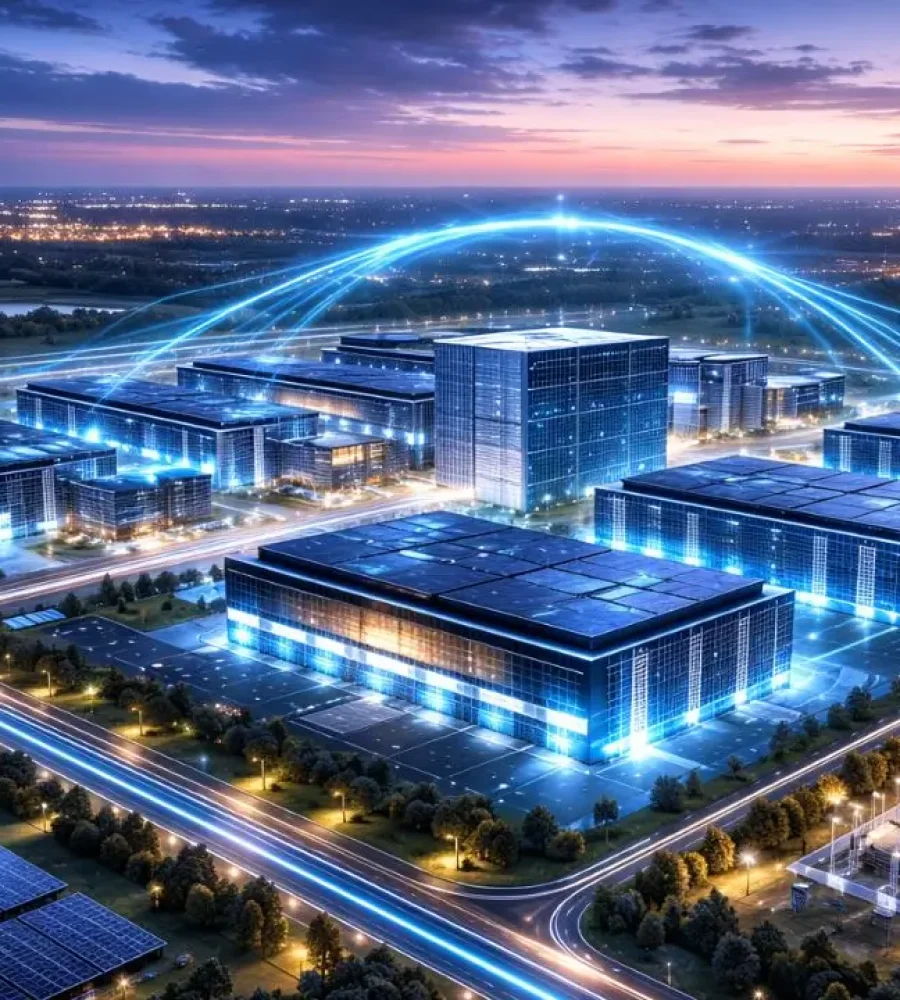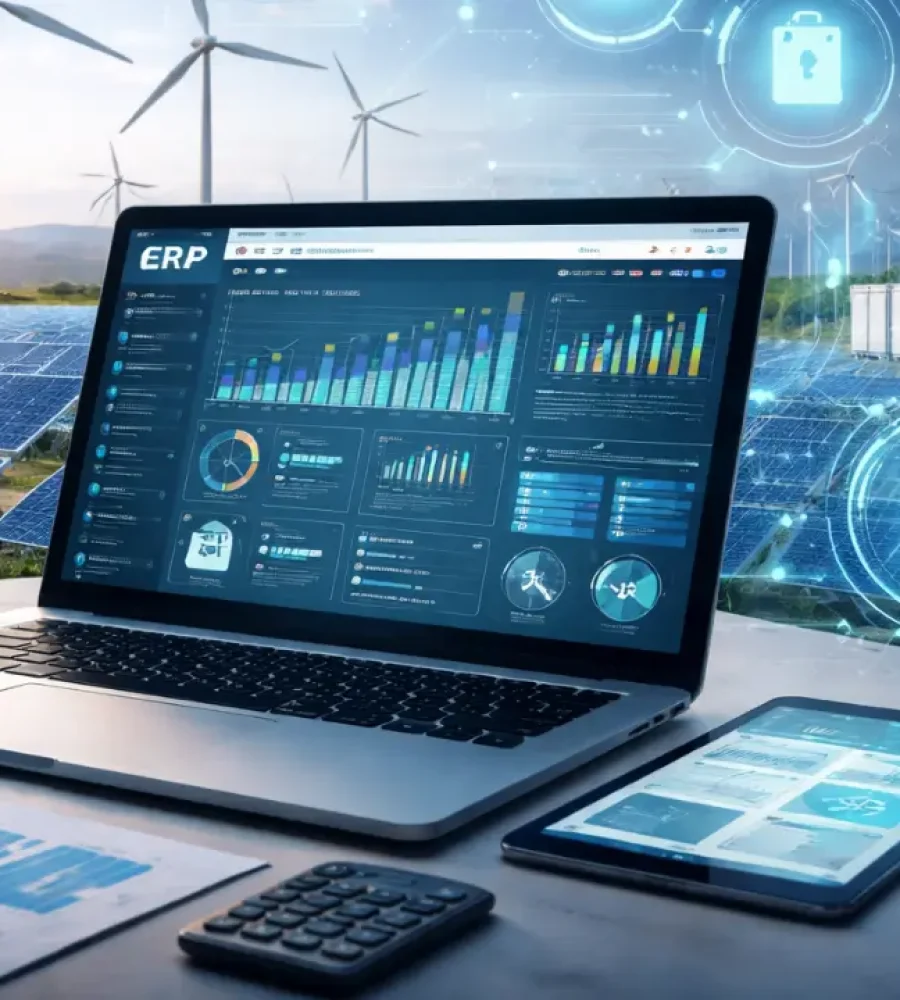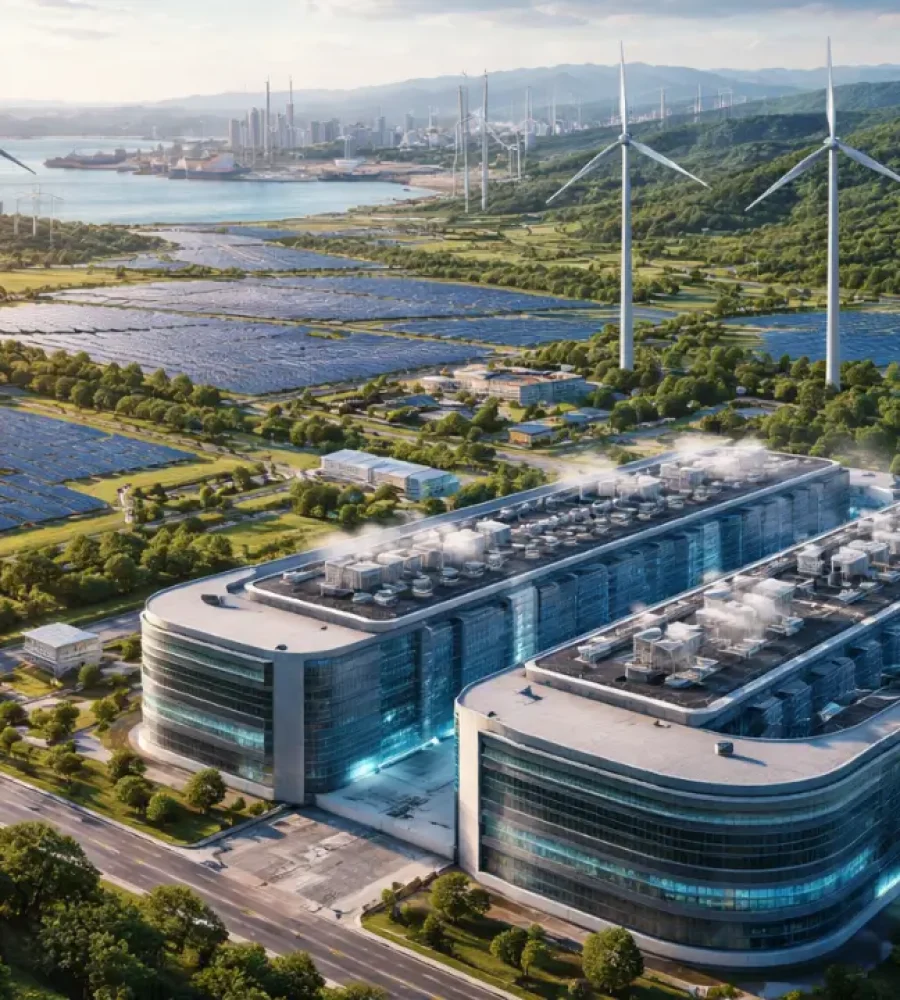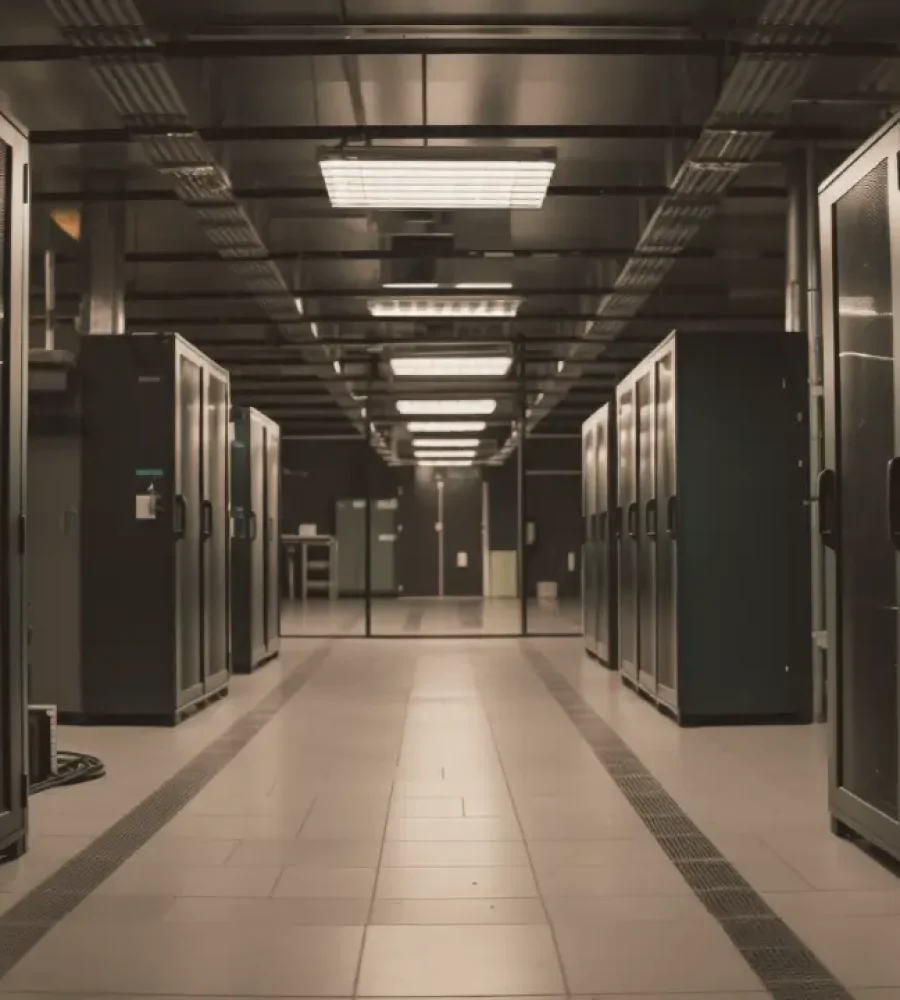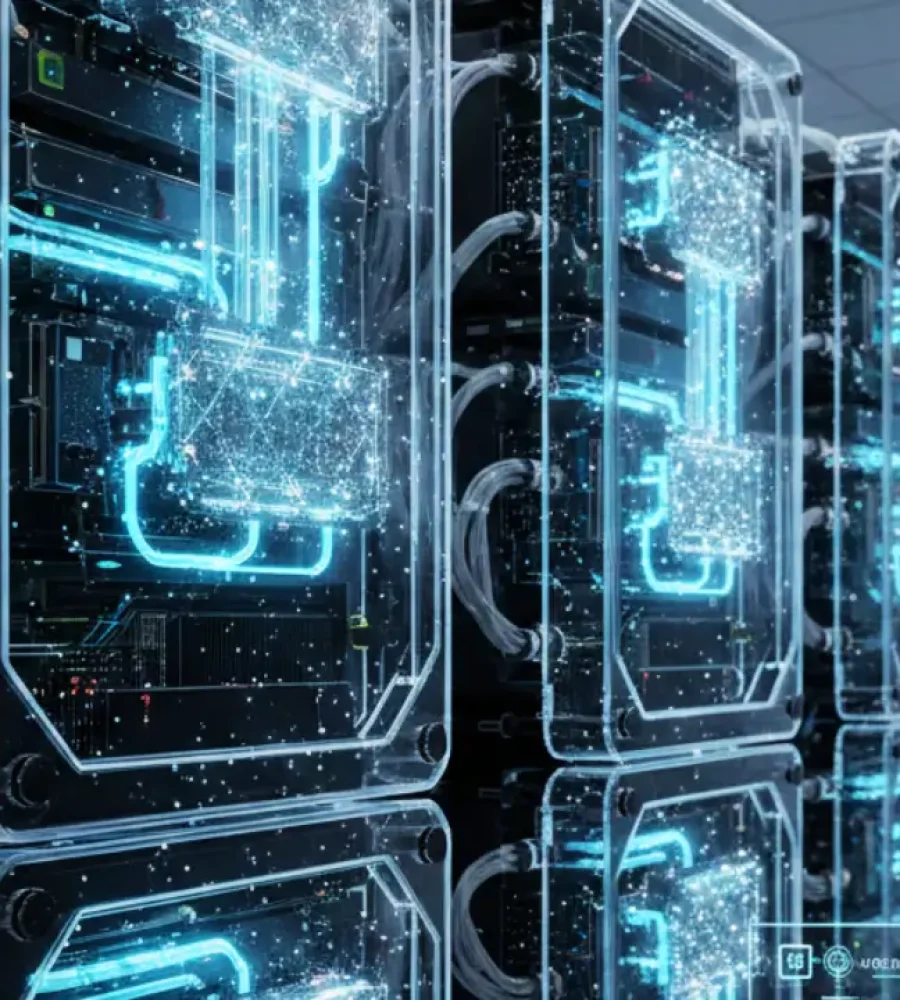
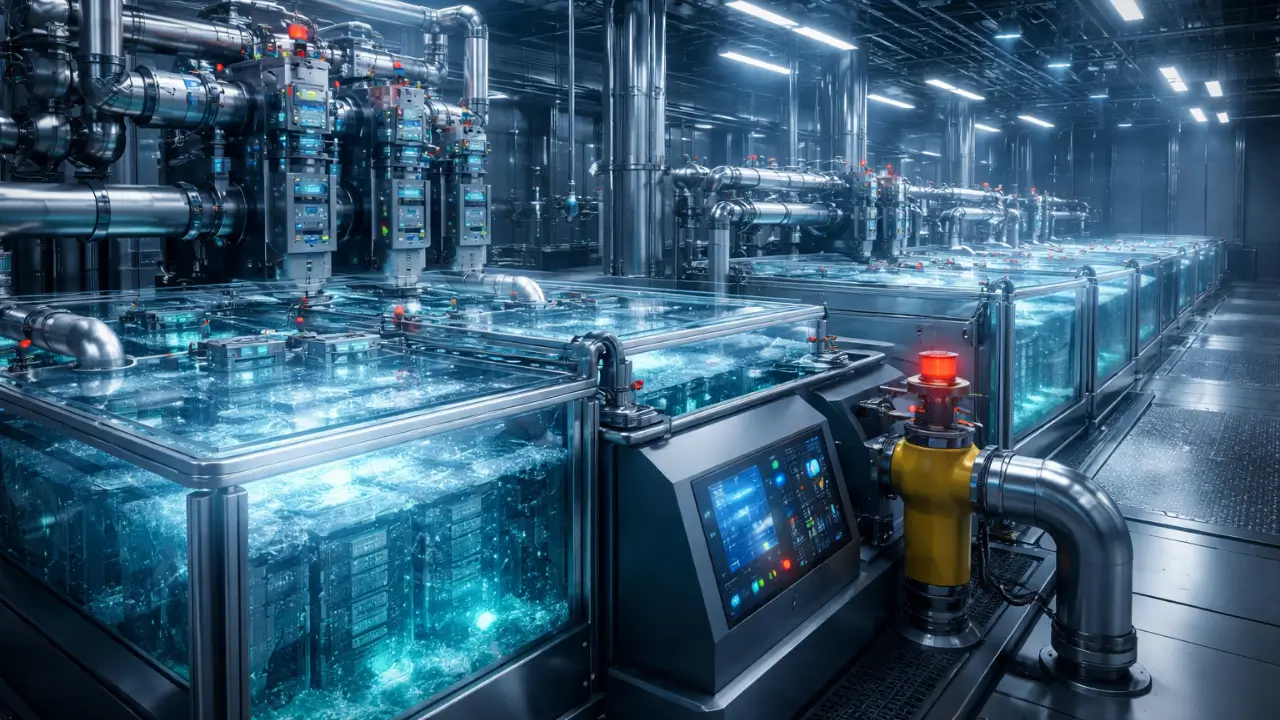
Modern fluid‑based infrastructure, including immersion cooling ecosystems, demands a redefinition of resilience that transcends simple uptime metrics. Immersion environments must simultaneously manage mechanical, electrical, and control layers while adapting to dynamic operational stresses without service interruption. This perspective treats the ecosystem as an integrated organism, where fluid pathways, sensors, control logic, and safety protocols coalesce into a single, adaptive entity that detects anomalies and reconfigures itself without human intervention. Achieving this level of operational durability requires fault mitigation strategies, self‑healing topologies, and layered risk‑modelling that account for mechanical failures, communication breakdowns, and environmental disturbances. Developing resilient immersion systems entails robust architectural design that tolerates component degradation while maintaining systemic stability and service continuity. This non‑fragmented approach to resilience in fluid infrastructure aligns with foundational engineering principles that prioritize robustness, redundancy, and recoverability as core attributes of high‑availability systems rather than optional enhancements.
Redefining Resilience in Fluid‑Based Infrastructure
Immersion ecosystems are complex and interdependent, with mechanical, electrical, and software layers working together under stress. Resilience goes beyond uptime metrics. It includes the system’s ability to anticipate, respond, and recover from faults without human intervention. Engineers must consider thermal management, fluid dynamics, control hierarchies, and redundancy strategies together to ensure continuity. Viewing immersion infrastructure as a dynamic organism, rather than discrete components, helps teams identify hidden vulnerabilities. They can then design mitigation strategies to address both local and systemic risks. This perspective guides design and operational protocols. It ensures systems maintain performance under varying loads and environmental stresses.
Resilience in immersion infrastructures is therefore defined by the system’s capacity to isolate faults rapidly, redistribute loads along alternate pathways, and maintain overall cooling performance while degraded components await repair. This principle requires designers to treat the entire ecosystem as a unified entity rather than modular subsystems, promoting a holistic view where mechanical, electrical, and control elements are interdependent contributors to continued operation.
System Boundaries: Where the Immersion Ecosystem Begins and Ends
The immersion ecosystem comprises a distributed topology that begins at fluid reservoirs, tanks, and manifolds and extends through pumps, sensors, control firmware, facility management systems, and upstream power interfaces. Identifying the system boundaries enables engineers to capture all critical interfaces where failure can propagate across layers. In immersion infrastructures, fluid tanks and manifolds form the physical core of thermal distribution, while embedded sensors and controller firmware form the perception and decision‑making layer. Facility management interfaces, Building Management Systems (BMS), and upstream power modules link these internal layers to broader operational infrastructure.
A resilience‑centric boundary analysis must treat these connections not as peripheral attachments but as intrinsic elements of the ecosystem topology, since disruptions at the periphery can rapidly influence thermal and control performance at the core. The consequence of overlooking any of these elements in system modelling is the emergence of blind spots where fault propagation may remain undetected until catastrophic failure occurs. Ensuring boundary integrity demands integrated risk modelling and validation across physical, logical, and control layers so that the system can react in a coordinated manner under stress.
Defining the Full Operational Perimeter
A complete resilience boundary analysis also considers external dependencies such as electrical feed stability, fluid supply quality, and remote monitoring platforms. Immersion ecosystems often interface with facility chillers, external heat exchangers, and remote operational dashboards. Although these external services exist outside the immediate immersion system, their performance directly affects the internal cooling infrastructure’s capacity to maintain thermal loads. Engineers must therefore include upstream power conditioning, external facility loop dynamics, and networked control paths in the topology.
A robust design will manage these peripheral interfaces by specifying fail‑safe thresholds, defining isolation logic, and incorporating autonomous fallback behaviours so that a disturbance outside the immediate fluid network does not propagate inward unchecked. This expanded boundary view ensures that resilience engineering encompasses the full operational spectrum from the fluid tank to external support and control layers, recognizing that the weakest link in this chain is often a control or power interface rather than a physical fluid passage.
Fault‑Tolerant Manifold Architecture
Fault‑tolerant manifold architecture is foundational to preventing singular disruptions from propagating across an immersion fluid network. A manifold acts as a distribution network, supplying coolant to multiple circuits while balancing pressures and flow demands. Industry guidelines emphasize redundancy, continuous monitoring of flow and pressure, and rapid detection of leaks to prevent propagation of failures. While manifold segmentation and zoning are used in some industrial designs, standard references primarily focus on detection and containment rather than universally prescribing specific segmentation strategies. Modular valve arrangements allow flow rerouting in case of a fault, and bypass channels can maintain circulation while affected zones are serviced, aligning with documented immersion cooling best practices.
Pressure balancing within the manifold is critical for fault tolerance. Without active pressure management, variations arising from pump speed changes, fluid property shifts, or partial blockages can create imbalances that promote flow starvation or pressure surges. A resilient design incorporates pressure sensors and actuated control points that dynamically regulate flows through each segment, maintaining stable conditions even when perturbations occur downstream. This control topology prevents pressure spikes from overwhelming seals or creating cavitation zones, which are common weaknesses in fluid systems when not actively regulated. Segment isolation can also be automated through control firmware that interprets pressure deviations and initiates fault isolation sequences predicated on predefined safety rules. By embedding these capabilities at the manifold level, immersion infrastructures achieve a granular level of resilience that constrains disturbance propagation and stabilizes the broader system.
Redundant Pump Topologies and Fluid Circulation Continuity
Redundancy in pump topology is a cardinal principle of resilience in fluid infrastructures. A pump provides the motive force for fluid circulation, and its failure can instantly compromise heat extraction capabilities if not mitigated through alternate paths. Redundancy can be implemented through parallel pump arrangements, distributed micro‑pumps embedded at subsystem levels, or centralized high‑capacity pumps with hot‑standby units that engage upon primary failure. In parallel pump topologies, each unit contributes to flow, and controllers can redistribute load dynamically to maintain target flow rates when one unit degrades or fails. This approach provides flow continuity without full reliance on a singular mechanical driver. Redundant pump arrangements within each circuit also facilitate maintenance without operational interruption, enabling degraded units to be swapped out while the system continues normal function.
Control logic for redundant pumps must make decisions based on real‑time flow and pressure data. Intelligent switching mechanisms monitor pump performance, detect anomalies such as cavitation onset or bearing overheating, and transition to standby units before full failure. Controllers also manage idling schedules and runtime balancing to reduce wear concentration on any single pump. A well‑architected redundancy strategy treats all pumps as part of a collective flow resource pool that can adjust itself in response to stress. This collective view of fluid motive forces ensures that the loss of a pump does not immediately translate to a loss of flow, but rather triggers a controlled reconfiguration of the circulation topology toward continuity and stability.
Autonomous Leak Detection and Isolation Protocols
Immersion cooling ecosystems inherently involve pressurized dielectric fluids circulating around sensitive electronics. Detecting leaks rapidly is essential to prevent catastrophic damage. Autonomous leak detection systems integrate multiple sensor types, including flow meters, conductivity probes, differential pressure transducers, and acoustic sensors. These sensors continuously monitor the fluid network and feed readings to centralized or distributed controllers. Upon detecting an anomaly indicative of leakage, automated valve actuators isolate affected segments while preserving circulation in healthy zones. This isolation choreography is coordinated through firmware that prioritizes containment, ensuring that sensitive hardware is never directly exposed to uncontrolled fluid exposure. The system’s ability to act without human intervention accelerates fault mitigation and reduces response latency, which is critical when liquid accumulation could compromise electrical or mechanical components.
Leak isolation protocols extend beyond valve actuation. Controllers implement staged pressure relief sequences that allow fluid to redistribute safely without creating surge conditions elsewhere in the network. Additionally, containment channels within manifold designs are often engineered to direct fluid toward secondary reservoirs or drip containment trays, limiting the potential for hardware exposure. Sensor fusion enhances detection reliability by cross-verifying alerts from different measurement modalities, reducing false positives that could trigger unnecessary isolation. Machine learning algorithms can also be trained on historical fluid network behavior to distinguish between transient anomalies and genuine leak events, allowing controllers to adapt isolation decisions dynamically. This combination of sensor fusion, automated actuation, and intelligent decision-making forms the backbone of autonomous leak containment in immersion ecosystems.
Control Stack Resilience: Firmware to Facility Layer
Control stack resilience is vital to sustaining immersion ecosystem operations during fault conditions. Firmware embedded in pump controllers, valves, and sensors must operate with supervisory control software to enable monitoring and safety responses. Industry guidelines for automated fluid systems recommend failover mechanisms and redundancy at the software and control level, ensuring continued operation if a single controller fails. While academic literature specifically detailing hierarchical failover in immersion cooling is limited, the principles of redundant control, version verification, and observability are widely applied in industrial automation. These practices ensure that command execution remains reliable under fault conditions without overstating experimental immersion-specific validation.
Failover hierarchies are embedded at every layer, enabling the control stack to continue operating even if individual nodes or subsystems experience failures. This ensures that decision-making is preserved and commands are reliably executed across the ecosystem during stress events. The architecture of resilient control stacks incorporates health monitoring and alerting mechanisms. Continuous verification of sensor readings, control signals, and actuator responses ensures that anomalies are detected before they propagate.
Controllers may implement checksum validation, watchdog timers, and heartbeats to verify operational integrity. Firmware updates are orchestrated to maintain continuity, preventing version mismatches or transient unavailability from destabilizing operations. Furthermore, coordination between control layers ensures that localized mitigation actions, such as pump throttling or valve closure, are aligned with overarching operational priorities. By integrating layered resilience principles into the control stack, immersion ecosystems can maintain stability and responsiveness in the face of both mechanical faults and software irregularities.
Cyber-Physical Security in Fluid Environments
Engineers design immersion ecosystems as cyber-physical systems where digital control directly drives mechanical and thermal processes. Networked sensors, firmware interfaces, and remote supervisory controls increase the attack surface. Engineers apply cybersecurity hardening to protect both data integrity and actuator performance. In critical infrastructure, compromised sensors or control loops could disrupt operations. Industry best practices require encrypted communication, authentication, and anomaly monitoring to maintain resilience. General CPS guidance supports these measures, but peer-reviewed studies specific to immersion cooling are limited. Engineers therefore follow best practices from broader CPS domains while preventing compromise propagation through network segmentation and layered access control.
Physical system resilience and cybersecurity overlap in immersion environments. Engineers implement redundant communication paths, fail-safe control loops, and hardware interlocks to prevent disruptions from escalating. Embedded firmware executes autonomous safety measures when it detects integrity violations, such as closing isolation valves or engaging backup pumps. By combining cybersecurity principles with mechanical and control redundancy, engineers maintain system resilience against environmental and digital threats. The interdependence between cyber and physical layers highlights that effective resilience frameworks must integrate security as a core element of operational continuity.
Seismic and Structural Stress Preparedness
Engineers recognize that immersion systems are sensitive to dynamic forces, including vibrations and seismic activity. They anchor and support tanks, manifolds, and piping following general fluid system engineering principles to resist sloshing and mechanical displacement. Fluid slosh can amplify vibrations and stress joints or seals. Although academic studies modeling immersion cooling tanks under seismic loads remain limited, engineers apply established structural engineering and industrial tank guidelines to maintain mechanical integrity in earthquake-prone or vibration-heavy areas.
Engineers use reinforcements, dampers, and isolation mounts as practical mitigation strategies documented in broader fluid infrastructure literature. Structural damping mechanisms, such as elastomeric mounts or tuned mass dampers, reduce dynamic stresses. Facilities in seismic zones require reinforced tank foundations, shock-absorbing supports, and vibration-isolated pump mounts to prevent catastrophic failure. By accounting for static and dynamic loads, engineers ensure operational continuity despite external structural stressors.
Contamination and Fluid Integrity Safeguards
Maintaining fluid purity is critical for long-term reliability in immersion systems. Contaminants such as particulates, chemical degradation products, or microbial growth can compromise heat transfer efficiency, cause blockages, or chemically attack sensitive components. Multi-layer filtration systems, including mesh, microfilter, and chemical adsorbent stages, are implemented to preserve fluid integrity. Fluid lifecycle governance involves proactive monitoring of dielectric properties, viscosity, and chemical composition. Automated containment protocols ensure that any detected contamination is confined to a single segment, preventing propagation throughout the network. Redundant flow paths and bypass lines maintain circulation while filtration or remediation occurs.
Proactive contamination management also includes scheduled fluid replacement, automated chemical dosing, and sensor-driven alerting systems. By continuously validating fluid properties against expected parameters, control systems can detect subtle changes that indicate early-stage contamination. Integration with control and isolation protocols allows for rapid containment, protecting pumps, manifolds, and heat-sensitive electronics. This multi-layered safeguard ensures that immersion ecosystems remain thermally efficient and mechanically reliable across the system lifecycle, reinforcing the principle that fluid integrity is inseparable from operational resilience.
Cascade Failure Modelling in Interdependent Systems
In immersion ecosystems, failures rarely occur in isolation. Thermal, electrical, and control layers interact closely, so engineers must anticipate chain reactions before they propagate. Cascade failure modelling maps interactions between pumps, manifolds, sensors, and control logic to predict fault propagation. Engineers treat each subsystem as a node within a network and simulate how disturbances affect interconnected components. This approach represents a recognized systems engineering practice applied in many critical infrastructures, including water and electrical networks. Research on thermal-electrical cascade effects specific to immersion cooling remains limited. Engineers therefore apply these principles conservatively, using general CPS modeling frameworks rather than immersion-specific validated studies.
Scenario mapping plays a crucial role in cascade failure preparedness. Engineers model environmental disturbances such as pump stalls, manifold blockages, or sensor malfunctions and assess their impact on the broader network. They incorporate electrical disturbances, including voltage sags or trip events, because these can impair firmware or actuator functionality and trigger mechanical faults. Engineers also analyze thermal interactions, such as localized hotspots or coolant redistribution, to understand propagation potential. Combining all layers into a unified cascade model allows decision-makers to prioritize mitigation strategies, from hardware redundancy to control system automation. By anticipating multiple simultaneous fault vectors, engineers enhance operational robustness, minimize downtime, and preserve hardware integrity.
Human Override Architecture and Operational Doctrine
Automation is central to immersion resilience, yet there are scenarios where human judgment must supersede autonomous control. Human override architecture ensures operators can intervene during complex anomalies or unforeseen interactions that exceed programmed fault logic. Override systems in industrial automation are designed with control hierarchies, segmented permissions, and fail-safe mechanisms to support human intervention when automated systems may not suffice. Operator training familiarizes personnel with system topologies, sensor feedback, and risk mitigation procedures. While these practices are well documented in general automation, peer-reviewed evidence specifically addressing immersion cooling human override protocols is limited. The principles are consistent with broader industrial safety standards, providing a verified but generalized foundation for human involvement in critical interventions. This combination of autonomous operation and human oversight creates a hybrid control paradigm that balances speed and adaptability with expert judgment in critical scenarios.
Operational doctrine also integrates incident simulation exercises that replicate cascading failures, sensor anomalies, or external disturbances. Operators practice coordinated responses, including manual pump activation, valve actuation, and containment protocols, ensuring that override interventions are precise and effective. Control interfaces are designed to provide comprehensive situational awareness while minimizing complexity, allowing rapid decision-making during high-stress events. By embedding human override into the resilience strategy, immersion ecosystems achieve a dual-layer safety architecture: automated systems manage routine disruptions, while trained personnel provide adaptive judgment during extreme or unanticipated events.
Resilience in Hybrid Cooling Environments
Immersion cooling rarely exists in isolation; many deployments integrate hybrid configurations with direct-to-chip or conventional air cooling. Inter-system dependencies introduce new resilience challenges, as failures in one cooling layer can propagate thermal stress into others. In hybrid configurations, engineers design control systems to coordinate immersion and secondary cooling methods, maintaining thermal stability across the facility. Supervisory algorithms continuously monitor flow and temperature and adjust pump or fan speeds to balance heat transfer. Experts recognize hybrid orchestration as essential for reliable operation, although few academic studies detail specific algorithms for immersion-plus-air cooling. Engineers base the described strategies on best-practice principles derived from multi-modal thermal systems, ensuring resilient performance under varying conditions.
Hybrid configurations also demand synchronized fault response. When an immersion segment experiences reduced circulation due to pump failure or valve closure, direct-to-chip or air-based cooling units must compensate instantly to prevent hotspots. System controllers monitor temperature gradients, heat flux, and pressure differentials, adjusting hybrid subsystems in real-time. This orchestration ensures resilience across heterogeneous cooling layers, allowing the overall infrastructure to tolerate localized failures while maintaining electronic thermal stability. Designing these hybrid interactions requires meticulous planning and testing to validate control logic, communication protocols, and failover sequences that span multiple cooling modalities.
Lifecycle Resilience: Maintenance, Upgrades, and Evolution
Resilience does not remain fixed; teams must actively preserve it through maintenance, fluid replacement, and infrastructure expansion. Designers anticipate lifecycle events so systems maintain continuity during upgrades and servicing. Engineers embed redundancy and isolation protocols into pump replacements, manifold modifications, and firmware updates to prevent operational disruption.
Operators integrate fluid replacement into standard workflows. Bypass loops and temporary circulation pathways keep cooling active while teams service core components. This structured approach allows infrastructure to evolve without exposing sensitive electronics to thermal instability.
Infrastructure evolution also includes technology refresh cycles and circuit scaling. Teams validate compatibility between legacy hardware and new components before deployment. They maintain fluid chemistry integrity and align control logic versions to prevent configuration conflicts. Maintenance planning includes automated alerts, scheduled inspections, and phased firmware rollouts that protect system stability. By embedding lifecycle planning into both architecture and operations, immersion ecosystems sustain continuity while adapting to new demands. Fault tolerance and system robustness remain intact throughout the infrastructure’s operational lifespan.
From Mechanical Redundancy to Intelligent Self-Healing Ecosystems
Engineers design immersion environments with fault-tolerant manifolds and redundant pump architectures to maintain circulation under stress. They implement leak detection systems, real-time monitoring, and cyber-physical safeguards to contain disruptions before they propagate. Scenario mapping, human oversight protocols, hybrid cooling coordination, and disciplined lifecycle planning further strengthen resilience.
The industry now moves toward adaptive, self-correcting ecosystems. While fully autonomous immersion facilities remain an emerging direction, engineers increasingly embed automation into monitoring, valve control, and circulation management systems. These developments draw from broader advancements in control theory and cyber-physical systems engineering.
Fluid-based infrastructures no longer function as passive mechanical assemblies. They operate as integrated ecosystems that sense, adapt, and stabilize under dynamic conditions. Mechanical, electrical, thermal, and software layers converge into a unified operational framework.
This evolution marks a shift from static redundancy toward dynamic resilience. Real-time monitoring, automated decision pathways, and predictive control strategies enable systems to respond before faults escalate. Engineers and operators maintain oversight while automation accelerates containment and recovery.
By treating immersion cooling as living infrastructure rather than fixed equipment, organizations achieve both reliability and operational agility. In environments where compute continuity carries high strategic value, intelligent resilience becomes a defining design principle.