
Renewables Hit a Wall—AI Forces Nuclear Rethink
The global expansion of artificial intelligence has introduced a new class of industrial electricity demand, one where baseload power returns

The global expansion of artificial intelligence has introduced a new class of industrial electricity demand, one where baseload power returns

Technologists are moving away from the era of general-purpose central processing units. Instead, they are embracing a new paradigm of
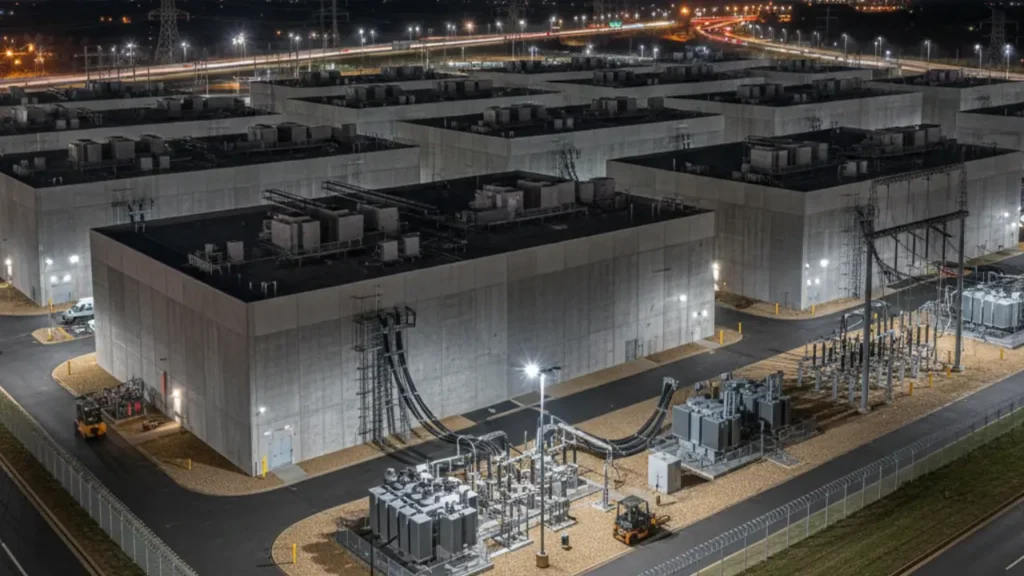
The geographic corridor known as Data Center Alley is currently undergoing a massive industrial metamorphosis. This region sits primarily within
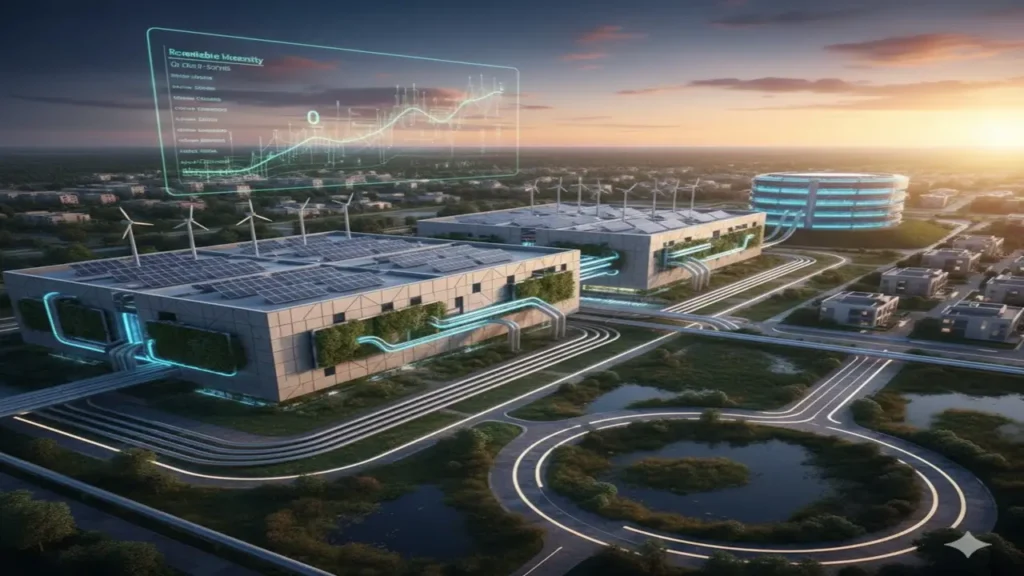
The rapid expansion of artificial intelligence infrastructure necessitates a fundamental shift toward carbon-aware data center design. Global technology firms must
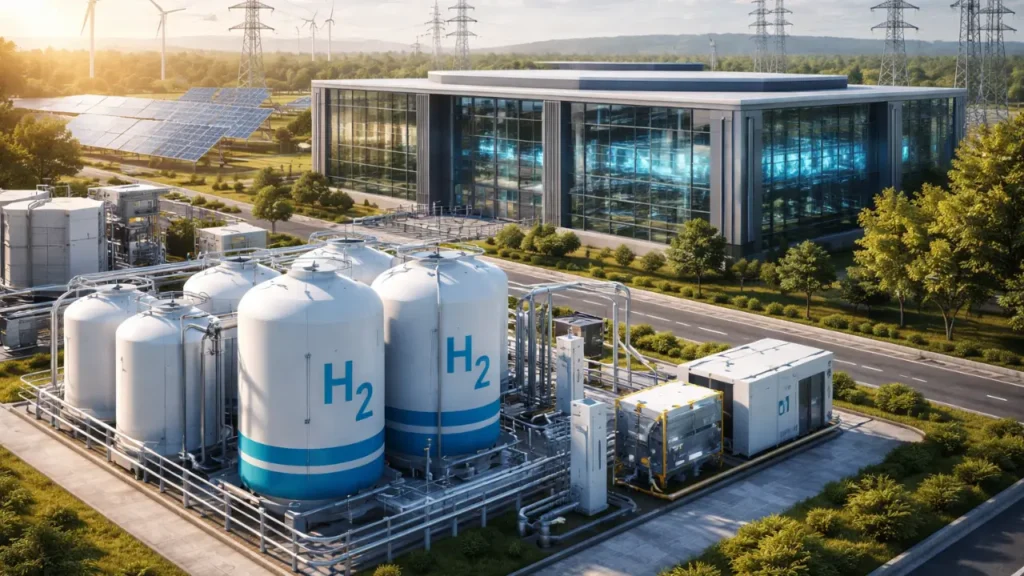
The Return of Forgotten Systems The re-emergence of fuel infrastructure inside digital campuses marks a subtle but consequential shift in

The technological ascent of generative artificial intelligence has fundamentally shifted the trajectory of global energy consumption. Earlier periods of digital

The current state of artificial intelligence development demands insatiable computational throughput. This requirement places unprecedented stress on the physical limits

At first glance, artificial intelligence is often framed as a trajectory toward inevitability rather than limitation. Popular narratives portray intelligence as software-like, infinitely replicable once initial development hurdles fade. This framing borrows language from digital distribution, where marginal costs appear negligible. However, intelligence operates as a system, not a file, and systems resist frictionless scaling. Each layer of artificial cognition remains bound to dependencies that do not disappear with abstraction. As a result, the assumption of costless intelligence rests on conceptual oversimplification.

The modern data center entered a decisive design phase when airflow to fluid dynamics emerged as a necessary framing rather than a metaphorical shift. Early architectural strategies relied on directional air management, where cooling performance followed linear assumptions about movement and containment. Over time, however, airflow behavior revealed interactions that could not be reduced to simple paths or pressure gradients. As a result, thermal behavior began to express itself as a system phenomenon rather than an operational adjustment. In this context, the thermodynamic threshold did not arrive suddenly but appeared through accumulated design friction. Consequently, the language of engineering expanded from ducts and aisles toward circulation, flow fields, and spatial coupling.
Containment strategies once represented the pinnacle of efficiency thinking, yet these dynamics reframed the limits of that paradigm. Hot-aisle and cold-aisle containment assumed predictability, even as density and heat flux quietly altered physical responses. Designers increasingly observed that air no longer behaved as an obedient medium within constrained envelopes. Instead, turbulence, recirculation, and localized thermal stratification asserted influence beyond containment boundaries. Therefore, optimization efforts shifted away from isolation toward holistic spatial awareness. This transition marked a structural realization that airflow alone could not scale indefinitely within complex environments.

Recasting Power Through Digital Foundations The Gulf digital recalibration has been framed as a structural shift rather than a thematic

For decades, cooling ranked as a secondary engineering problem. Power shaped data center design. Cooling followed. That hierarchy has collapsed.
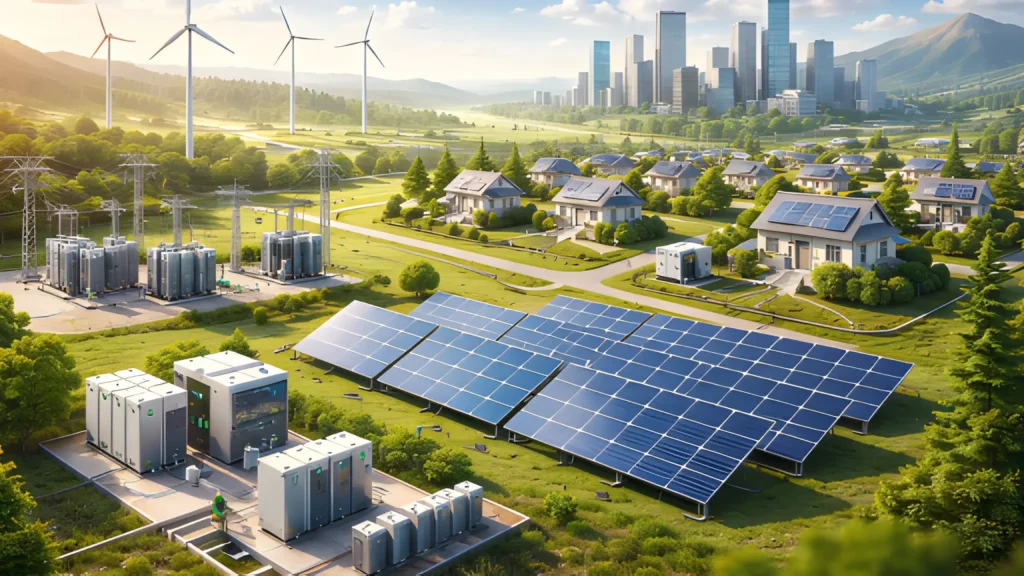
Structural Reorientation of Power Systems Electric power infrastructure is undergoing a structural reorientation as decentralized energy systems reshape how electricity

The Software Boundary That Defines NeoClouds A new class of infrastructure providers has emerged alongside accelerated computing demand, yet not
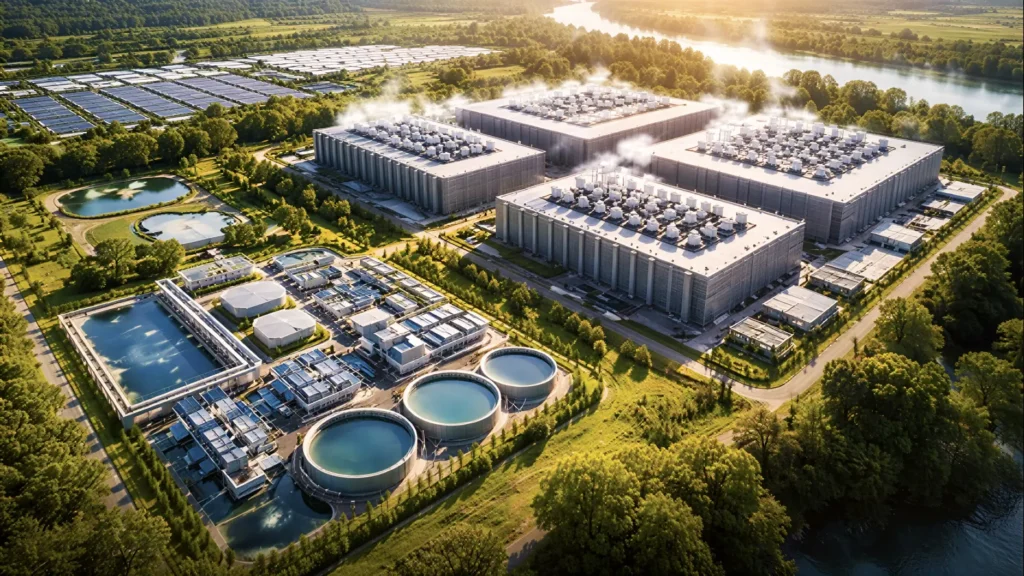
The Invisible Cost Behind the Cloud Data centers rarely appear in conversations about water scarcity, though their growing scale increasingly

When Optimism Meets Arithmetic Solar panels spread across rooftops, electric vehicles glide through city streets, and corporate sustainability reports grow
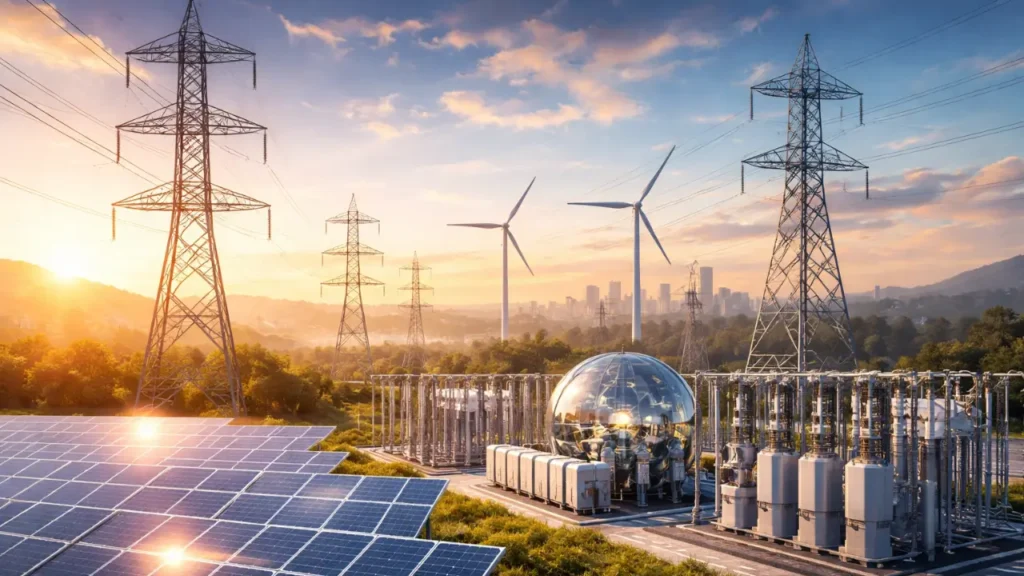
When Electricity Became the Bottleneck Electricity once followed demand quietly, expanding in measured steps as cities grew, factories multiplied, and
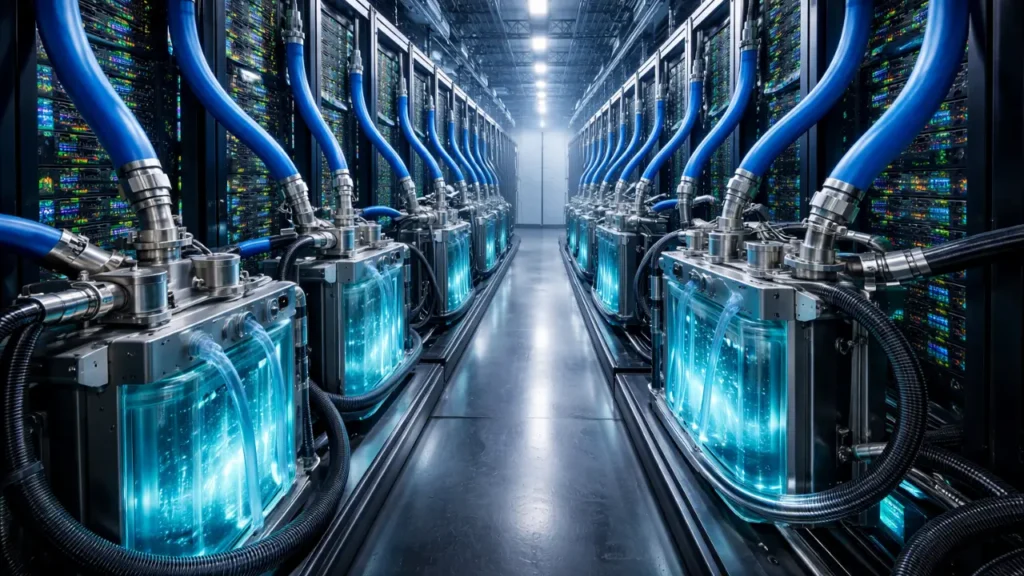
When Heat Becomes the Headline At first, the warning signs arrive quietly. A rack hums louder than expected. A temperature
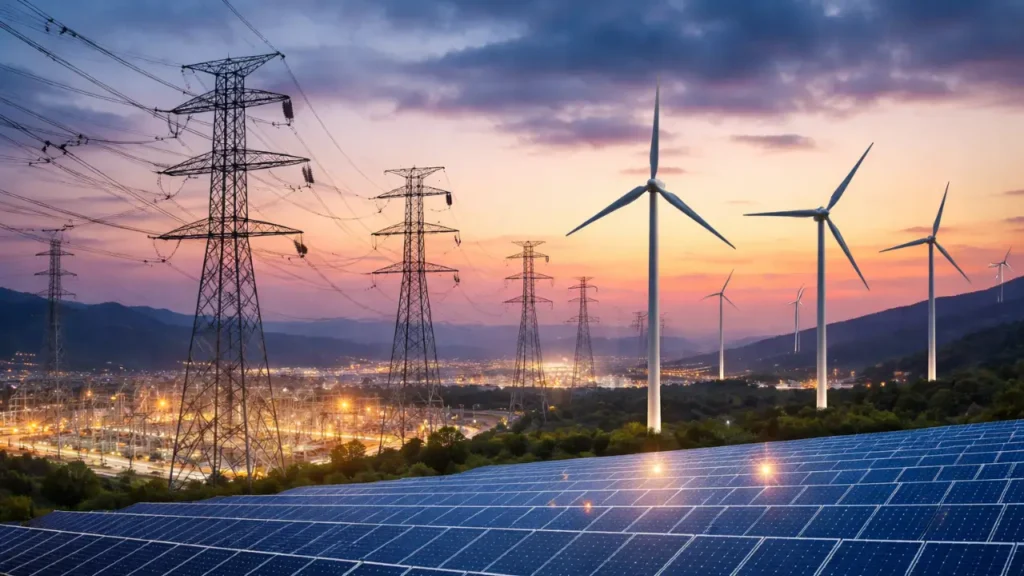
When Clean Ambitions Meet Physical Laws The modern power grid rarely attracts attention when it performs as expected. Lights remain
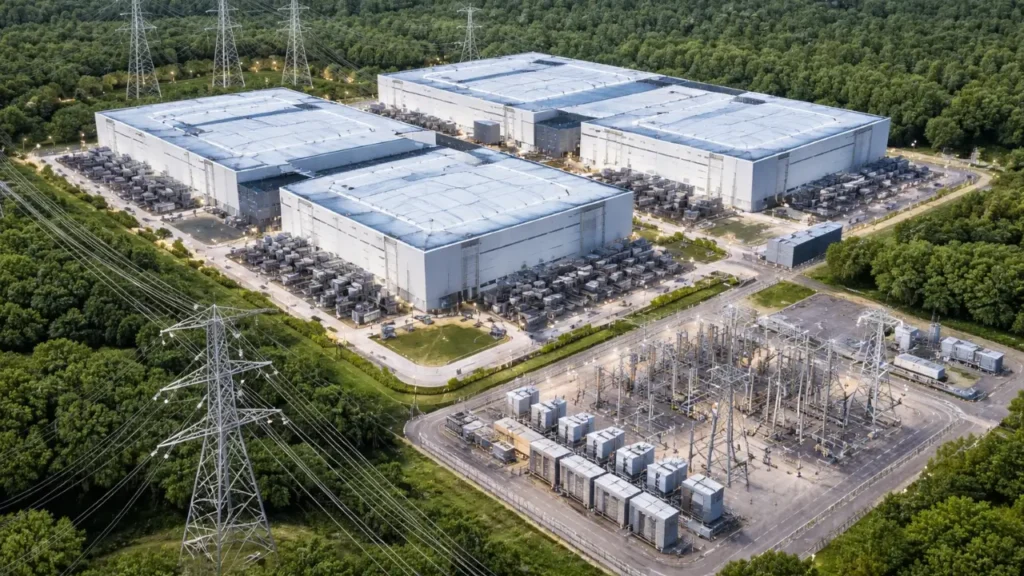
Why data center power capacity is locked far ahead of demand At first glance, the practice appears inefficient. Across global

The infrastructure that powers artificial intelligence now ranks among the most valuable real estate in modern computing. Graphics Processing Units

“We were told that the internet erases identity, but the opposite is true.” MIT’s Joy Buolamwini warned us of this. For decades, technology promised neutrality: data would be fair, algorithms unbiased, and AI corrective of human inequities. That promise is now unraveling. AI shapes hiring, healthcare, credit, and policing. It absorbs societal biases instead of erasing them. Training data reflects historical discrimination, gender inequality, and economic exclusion. Entire populations, especially in the Global South, remain underrepresented. Algorithms trained on these distortions do not fix them; they amplify them. The consequences are real. Facial recognition misidentifies darker-skinned faces. Hiring tools disadvantage women. Healthcare models misdiagnose non-Western patients. Credit systems quietly exclude marginalized communities. The danger grows because algorithmic decisions appear neutral and often remain invisible.
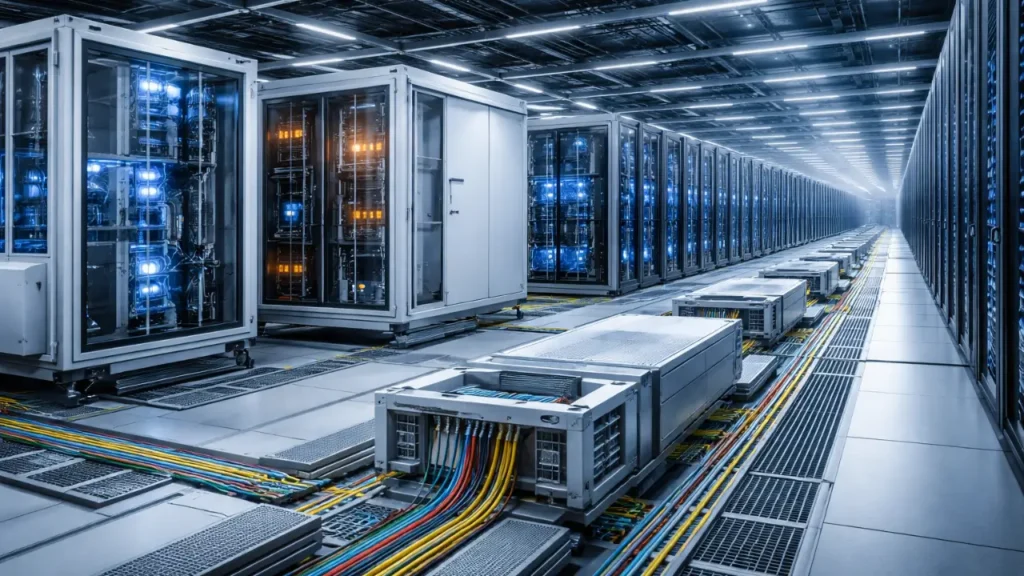
Modern Data Centers Designed for Replacement in a Compressed Digital Era For decades, modern data centers designed for replacement stood

Serverless architectures, most commonly Function-as-a-Service (FaaS), remain one of cloud computing’s key productivity and cost drivers. Event-triggered execution, automatic scaling
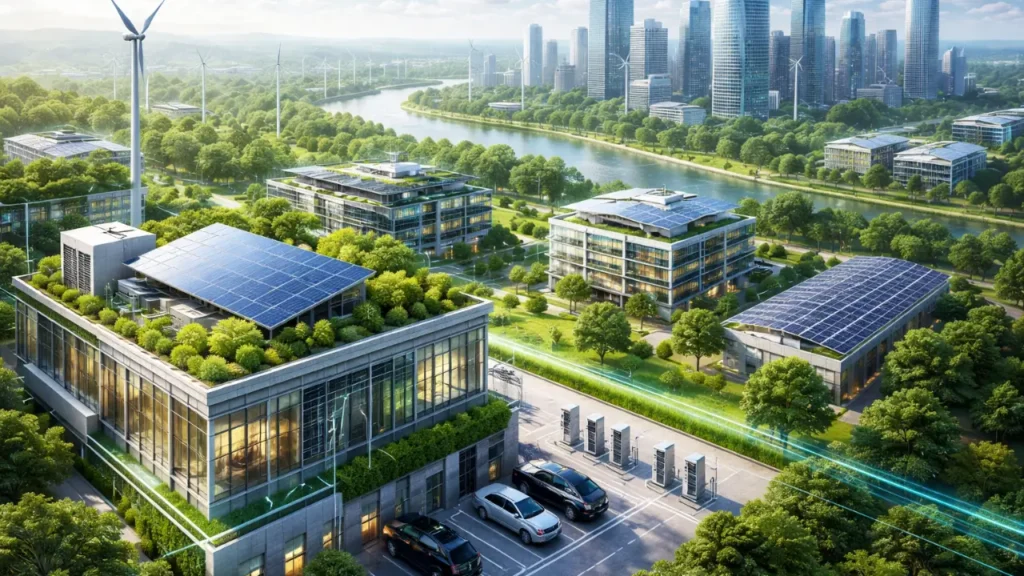
A green label at handover no longer guarantees real sustainability in daily operation. Sustainability claims in the built environment are becoming harder to validate through static labels alone. Buildings certified as energy-efficient at completion often exhibit materially different performance once occupants begin using them, systems connect to live energy networks, and facilities operate under real-world stress. This growing divergence between certified intent and operational reality is reshaping how regulators, industry bodies, and operators measure, report, and govern sustainability across global infrastructure markets, accelerating interest in adaptive infrastructure performance models as an alternative to static validation.
Efficiency is no longer a fixed attribute assigned at commissioning. Operational conditions shape efficiency through load variability, climate volatility, system integration, and human behavior. As energy systems become more dynamic and digitally interconnected, the limitations of one-time efficiency certifications are increasingly visible, particularly in high-demand environments such as data center campuses, healthcare facilities, industrial parks, and dense urban developments.

The rush to build data center infrastructure for artificial intelligence is colliding with a growing data center backlash in the

What does it take for country to lead AI revolution? Not all nations are on equal footing, and AI readiness

The artificial intelligence revolution is rewriting the rules of infrastructure engineering. Yet beneath the sophisticated algorithms and breakthrough neural architectures

AI is driving unprecedented demand for compute, and data centers are struggling to keep pace without straining power grids and

Every time you ask an artificial intelligence system a question- whether it is crafting an email or analyzing medical imaging-

Why Grid Congestion Is Emerging as a Defining Pressure on Digital Infrastructure Grid congestion is now reshaping digital infrastructure planning