
Prefabricated AI Modules and the Industrialization of Micro Data Center Delivery
A data center can be physically small and still be difficult to deliver, particularly when its computing equipment, supporting infrastructure,
 Skip to content
A data center can be physically small and still be difficult to deliver, particularly when its computing equipment, supporting infrastructure,

A model can sit on a server inside a country’s borders while its most consequential dependencies remain somewhere else, beyond

A cooling system can perform exactly as its designers intended and still become a liability for the site that depends

Introduction: The Risk Behind a Change of Ownership An AI system can keep running after its ownership changes. However, the

A property can sit beside a major transmission line and still struggle to support a power-intensive development, while another site

A replacement accelerator can restore a stalled AI workload without resolving the environmental consequences of the recovery. The failed component

Capacity planning often begins with a deceptively simple question: how much computing power will the next workload require? The more

The cooling decision that shapes an AI infrastructure site’s operating future often happens long before anyone installs a cold plate

The Cooling Warranty Boundary Becomes Visible When Hardware Needs Protection The coolant supply remains stable, and the distribution controller reports

As a site expands, introduces new compute workloads, or adds cooling systems with different heat-transfer requirements, operators may encounter inconsistent

The Infrastructure Decision That Begins Before Construction A parcel of land can look ready for an artificial intelligence data center

A capacity inquiry can sound like the beginning of a major infrastructure project until the conversation reaches the question of

An AI campus may have room for additional computing equipment, available electrical capacity, and cooling infrastructure capable of supporting further

A power distribution system can become more expensive to operate as current, routing constraints, and conductor losses increase, although the

A dedicated AI cluster can look straightforward on a commercial proposal. The buyer sees a hardware allocation, an expected deployment

A site can look ready for development long before it can support a live workload, and that gap increasingly shapes

Why Electricity Reporting Cannot Tell the Whole Sustainability Story A data center can improve its electricity efficiency and still leave

The first sign that a data center cannot sustain its intended computing load may not appear on a temperature dashboard.

A cooling system can circulate the same coolant for years without consuming that same fluid continuously, yet still depend on

The first constraint on an AI deployment may emerge before anyone examines where its data will reside: the building itself.

The Difference Between Installed Cooling and Proven Capacity A shipment of expensive AI processors can arrive at a building that

A data center can have land available, an electrical connection under development, and a building designed to accept another generation

A row of empty rack positions can create a misleading sense of readiness inside an expanding data center. The floor

Introduction: The environmental cost of an AI result begins before training finishes An AI training run can finish successfully and

The electricity system faces a problem that new generation alone cannot solve: demand does not arrive when the grid finds

A data center can have its electrical architecture approved, its server specifications finalized, and its structural work progressing on schedule,

The Gap Between Equipment Delivery and Usable Power AI infrastructure projects can reach an uncomfortable point when computing equipment arrives

The deployment date can fail before the servers arrive A construction schedule can look healthy until someone asks whether the

A new generation of accelerators can change the electrical assumptions behind a rack long before an operator replaces the overhead

A server can finish a computation efficiently and still contribute to an inefficient site. The result depends on what happens

The Cooling Loop Is Becoming a Shared Capacity Decision AI infrastructure is changing how buyers evaluate cooling capacity. Liquid cooling

A workload does not become flexible simply because nobody needs the result immediately. Its real operating envelope sits inside a

A building can remain standing while almost everything that once justified its design changes, and that simple fact is becoming

The most important part of an AI infrastructure power commitment may not appear anywhere in the headline capacity figure presented

A cooling system can satisfy its design targets and still leave a difficult question unanswered: what did the site have

A data center can have sufficient land, a completed building, and a secured grid connection, yet still struggle to turn

A sustainability audit can look perfectly clean until someone asks a more uncomfortable question: what happened to the electricity that

A procurement team can examine compute availability, network architecture, deployment schedules, security controls, and commercial terms. Yet one physical dependency

A completed structure can create a powerful illusion because the physical evidence of progress arrives before the commercial evidence of

A power system can have generation available on paper and still fail at the point where a site needs electricity

A cooling decision used to sit deep inside the mechanical design package, where engineers could debate airflow, heat rejection, redundancy,

The expensive part of an AI deployment does not always appear when the hardware order receives approval. Some costs stay

The period after a grid disturbance can become an important part of the electrical response of a large AI site,

A cooling system can look exceptionally disciplined while its water behavior remains almost impossible to predict from the procurement documents

The servers can arrive on time while the capacity they represent remains unavailable. Power may be ready, network connections complete,

The first rack in a new high-density hall marks a particular point in computing history, even when the concrete, electrical

A cooling system can perform well on opening day and still limit what a site can host later. The first

A challenging operating condition for an AI power system can arise when rack-level electrical demand changes rapidly relative to the

An AI deployment can appear ready while leaving one important infrastructure question unanswered. The processors may be installed, connected, powered,

A rack does not care which country offered the cheapest land before construction started, and a model does not care

A reserved GPU allocation can look remarkably stable from the customer side, even when important infrastructure changes underneath it. Capacity

The most consequential change inside an AI compute environment may arrive disguised as routine engineering work. A cooling component gets

A new block of AI capacity can look finished long before its complete cooling path has proved itself under load.

There is a subtle change taking place beneath the visible race for faster artificial intelligence accelerators, with increasing attention turning

A coastline can look like an almost limitless heat sink until the first seawater sample enters an engineering discussion. The

A door can tell you more about a data center than a server specification sheet ever will. If the equipment

AI budgets can absorb infrastructure inefficiencies that token or request pricing does not directly reveal, because model behavior, serving configuration,

Water becomes difficult to discuss the moment a number leaves the engineering drawing and enters a headline. A cooling system

AI capacity can look available on paper while a less visible constraint develops underneath the servers. Power may remain available.

The first purchase order did not look unusual. A site operator needed a transformer for an electrical sequence already moving

A trading desk can evaluate a server generation more meaningfully through the effect it has on workload completion, such as
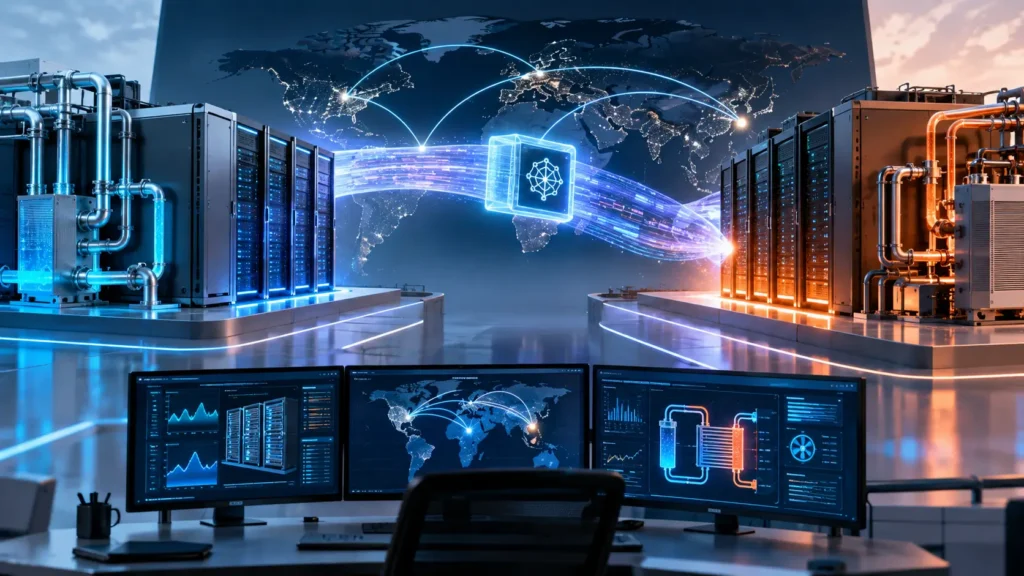
A workload can look remarkably portable from a software console, right up until someone asks what happens to the heat

A late change rarely announces itself as a design problem. It usually arrives as a practical request: move the rack,

A large compute site no longer begins its relationship with the power system at the utility meter. The electrical architecture
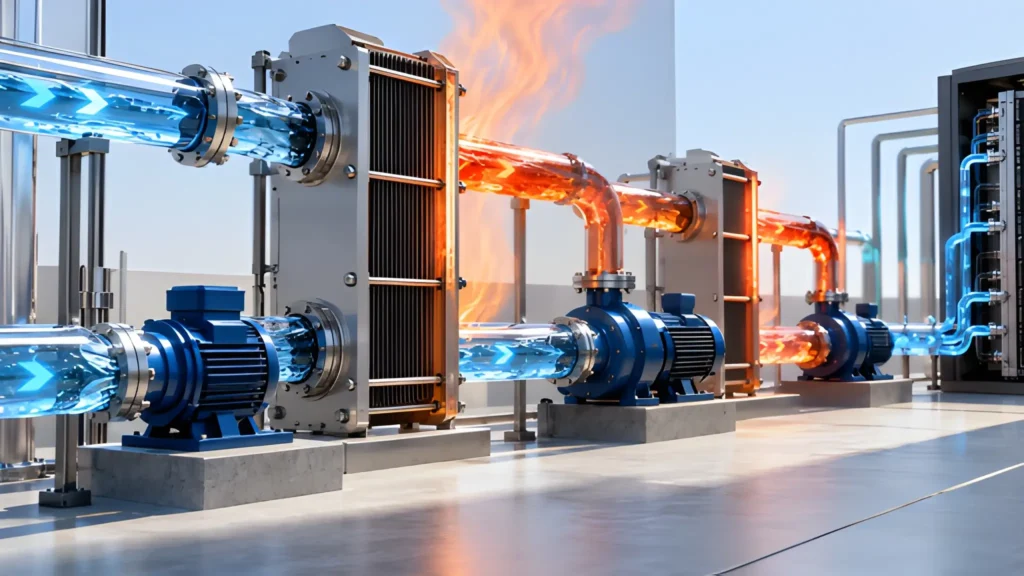
A liquid-cooled rack can look remarkably simple when its thermal path runs from silicon to coolant and from coolant to
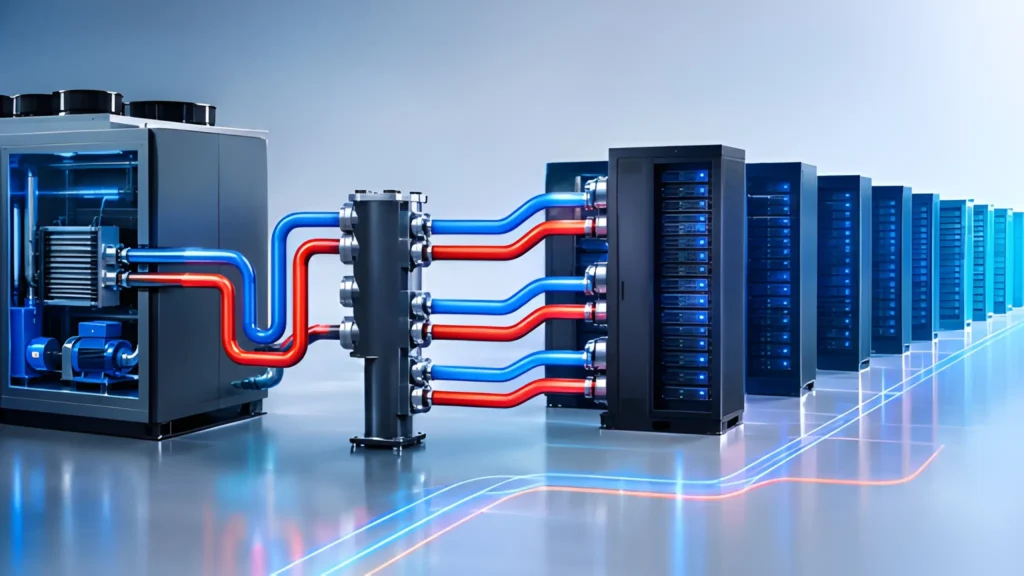
The next GPU cluster does not arrive alone. It enters a cooling loop that already has its own resistance, pressure
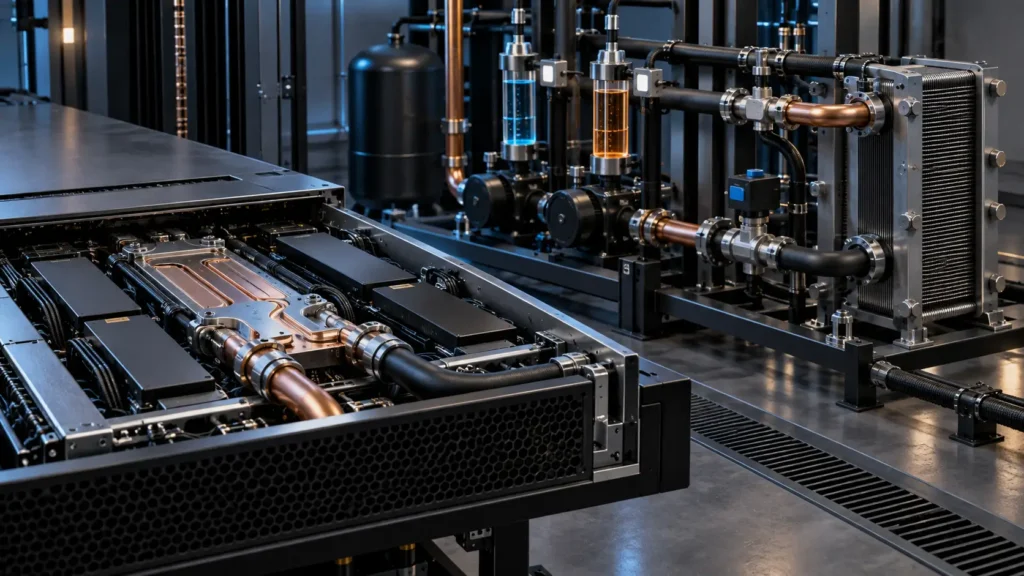
The Upgrade Begins Before the GPU Arrives The purchase order may describe processors, memory, interconnects, and software licenses, yet a
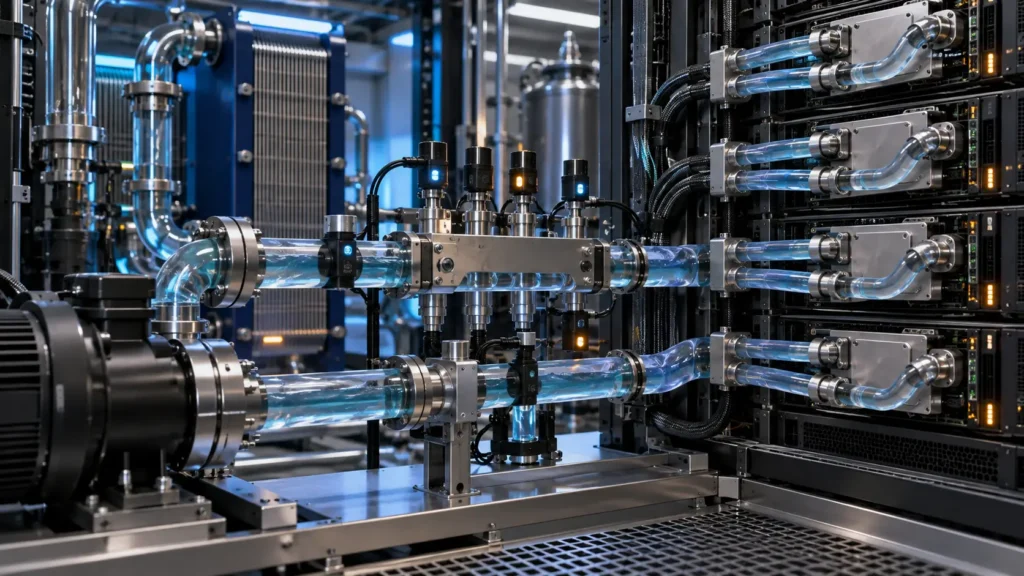
An AI customer can reserve accelerators, network capacity, and storage without receiving a clear promise about cooling performance. That gap

AI infrastructure is entering a phase where the most expensive component is no longer necessarily the component that defines the
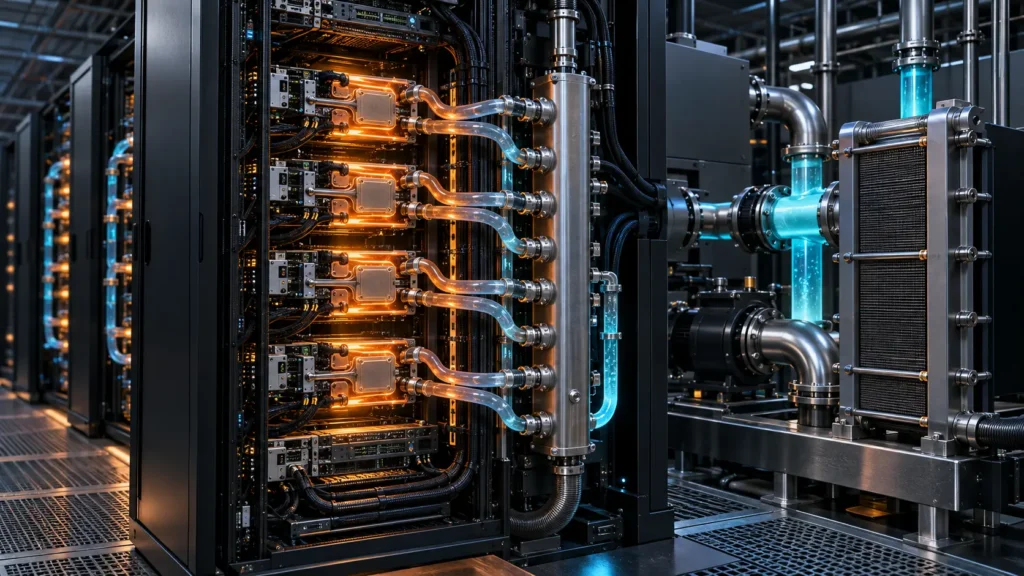
A compute contract can appear complete while leaving one major operating boundary undefined. That boundary covers the heat the contracted
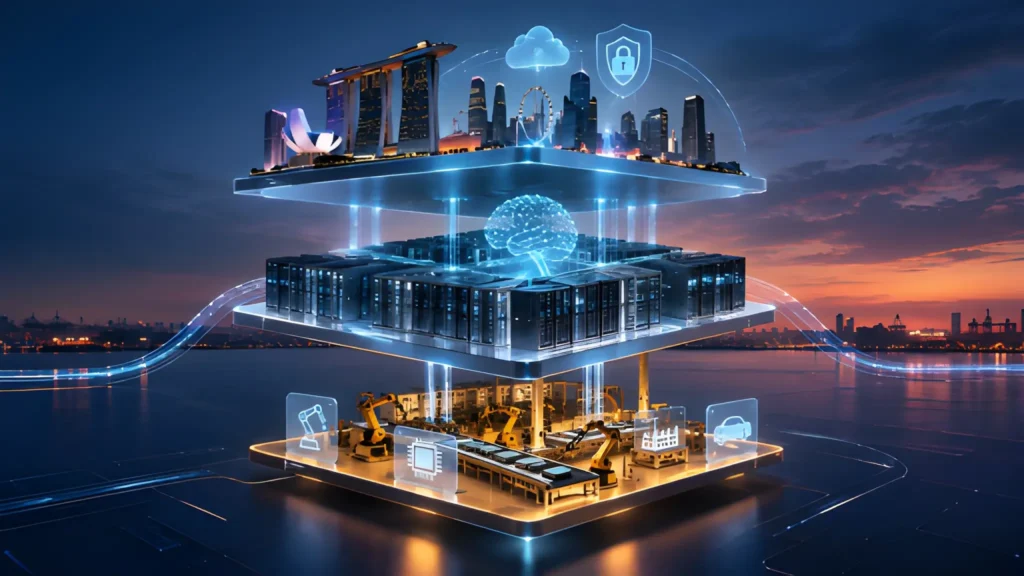
A map of Southeast Asia can make the regional data center story look deceptively simple, because Singapore, southern Malaysia, and
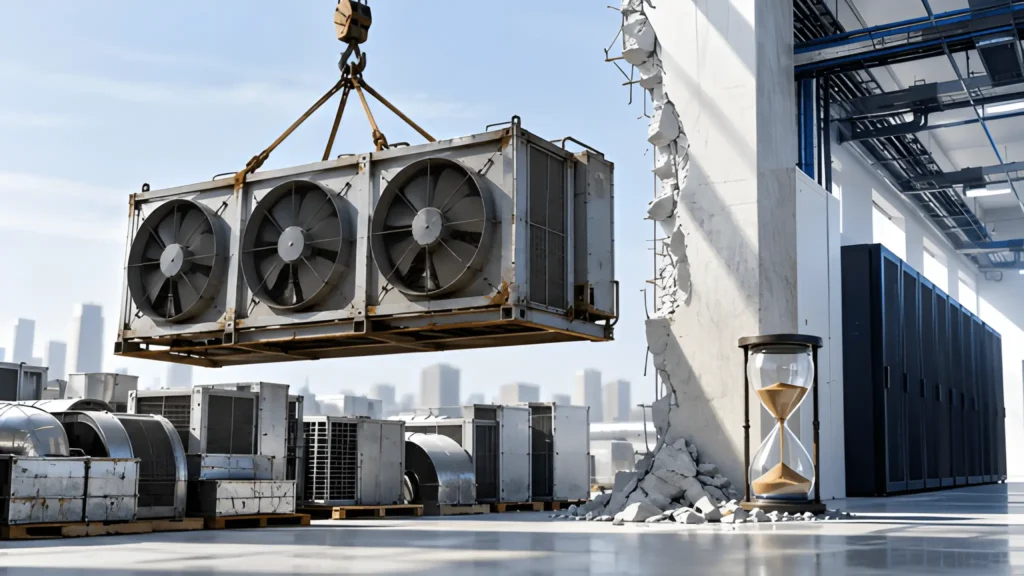
A data center does not become obsolete only when its fans stop turning or its chillers refuse to start, because
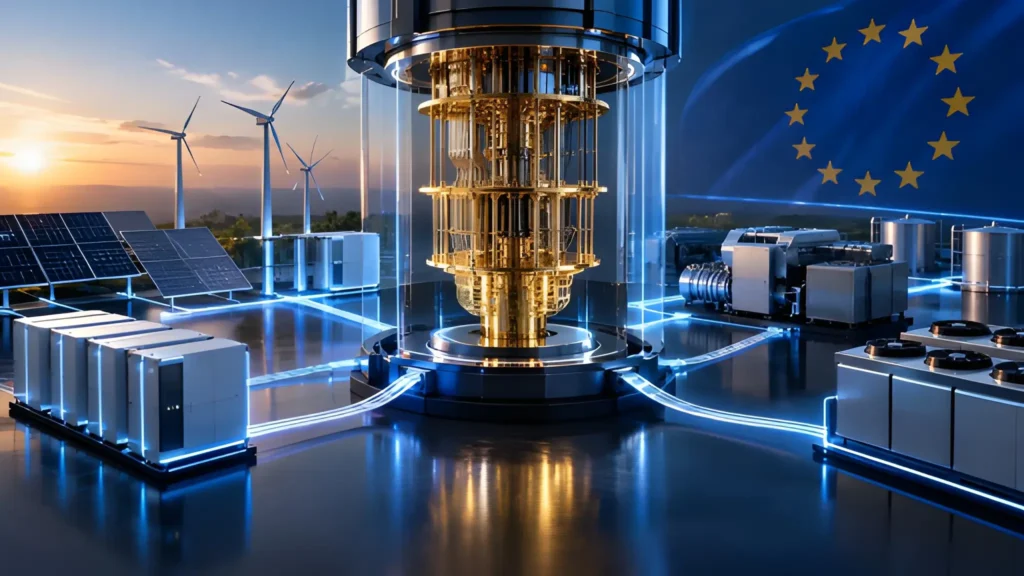
A quantum computer can sit inside an otherwise impressive computing environment and still fail for reasons that never appear on
A compute contract can remain valid while the physical system beneath it becomes harder to operate. The problem begins when

A cooling system can look stable from the outside while its most chemically important material keeps moving through a much
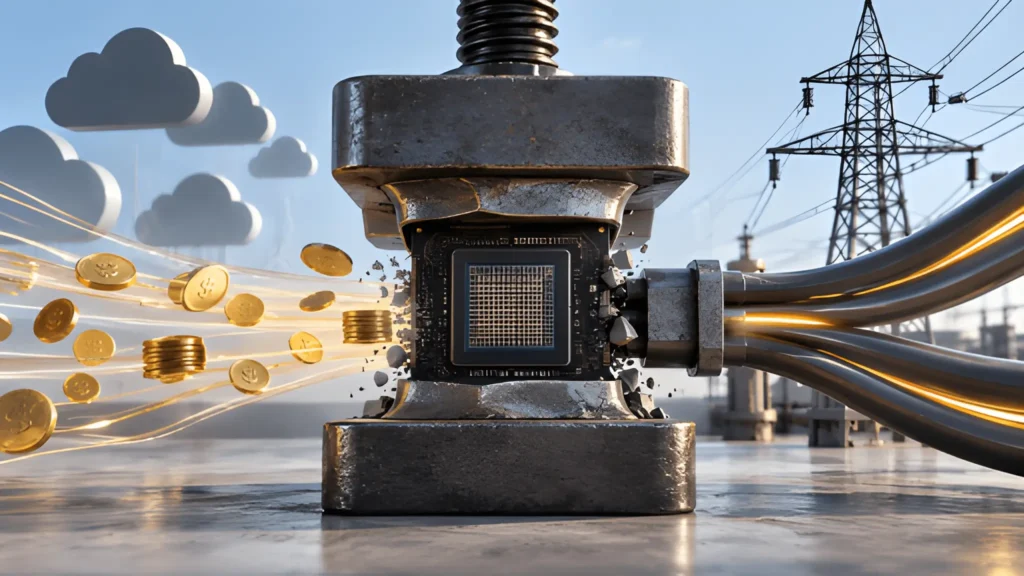
A GPU price can fall on a website without the economics underneath it becoming cheaper. That is the first problem
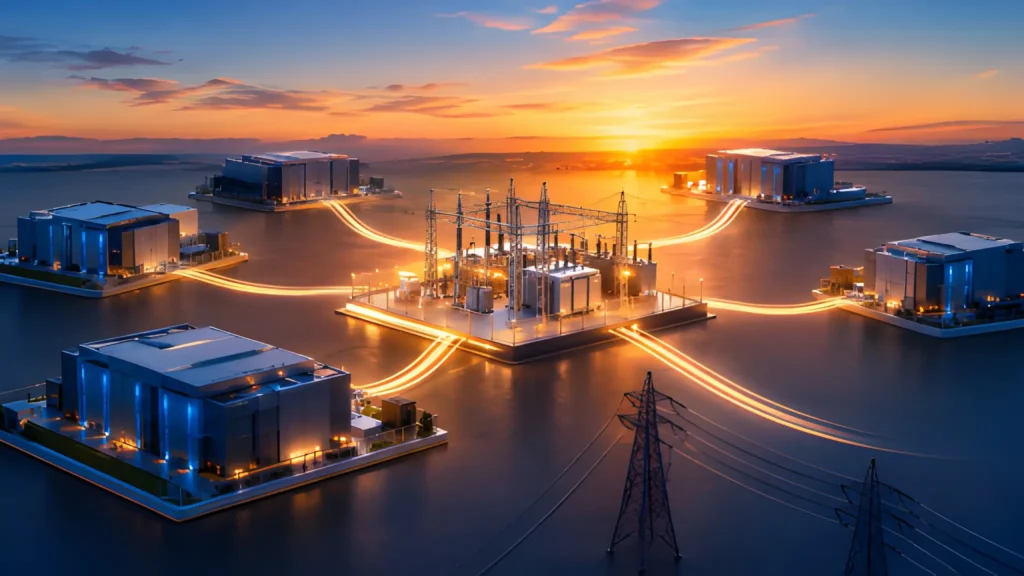
The Cluster Effect at the Substation Level ACA parcel can look electrically ready long before the grid around it is
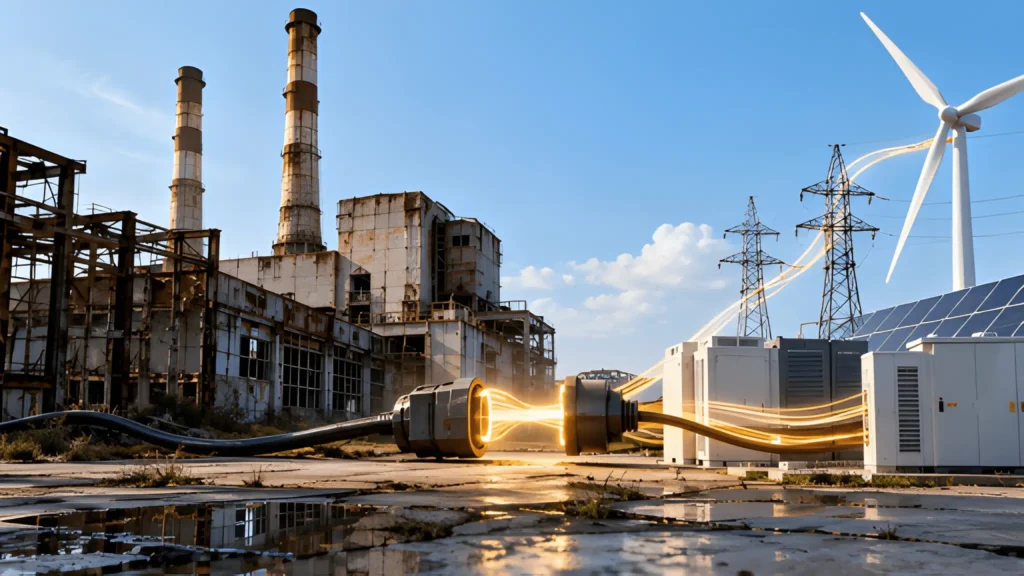
The most strategically relevant power site may not always be the one that still produces power. Across former industrial landscapes,
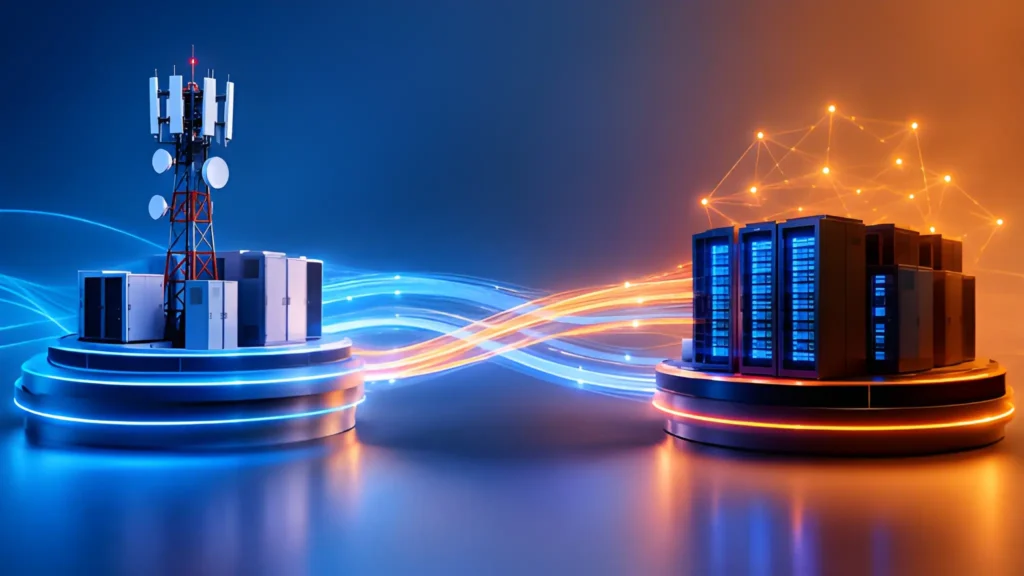
The most important change inside a telecom building may be the one that no longer looks like a telecom project.
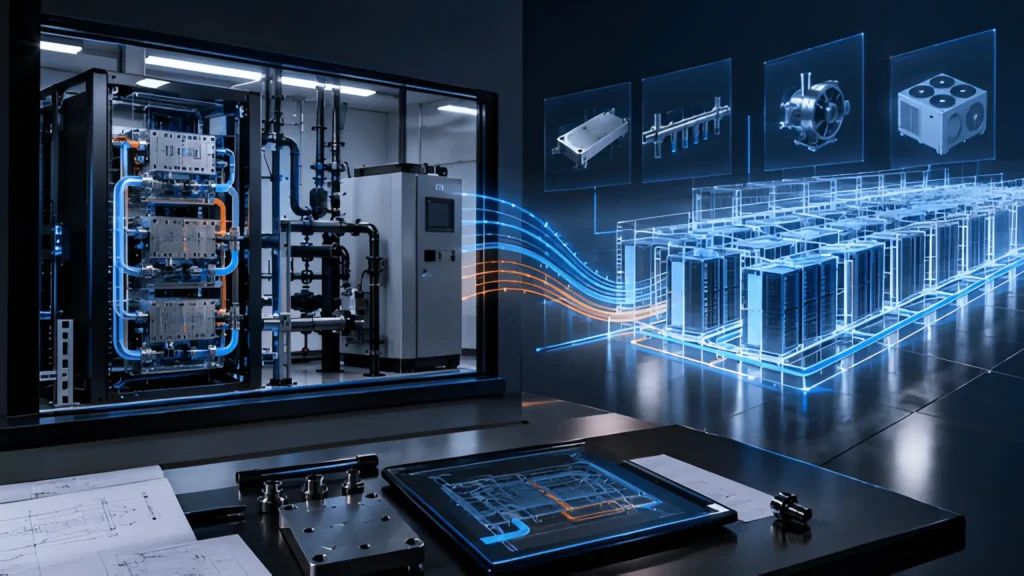
An AI factory can reach an advanced stage of construction before its cooling system has been validated as an integrated
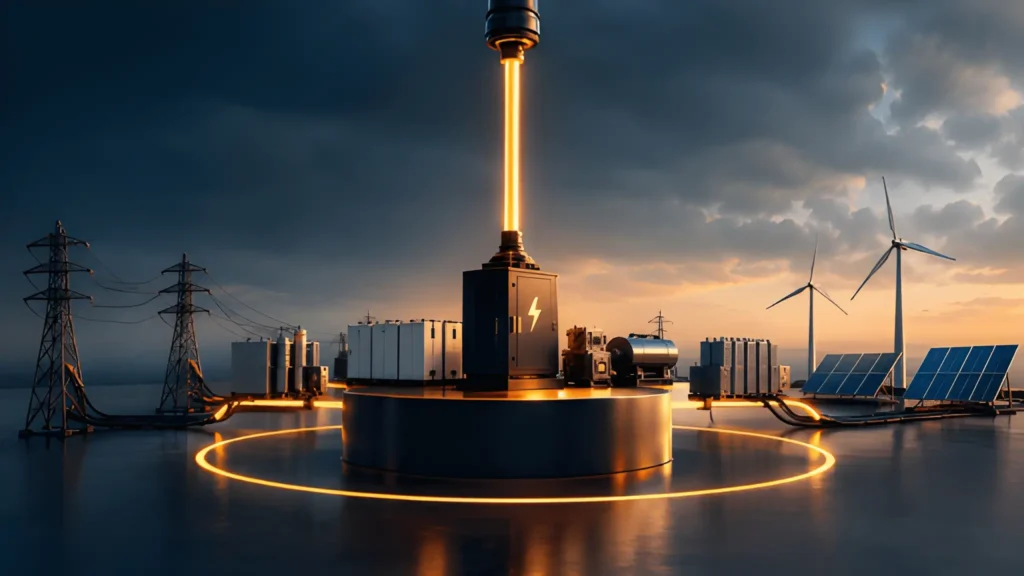
The moment an AI deployment depends on a power architecture that has never operated at its intended scale, the definition

In the early commercial Internet, some of the most strategically valuable locations were those that combined network access, fiber connectivity,
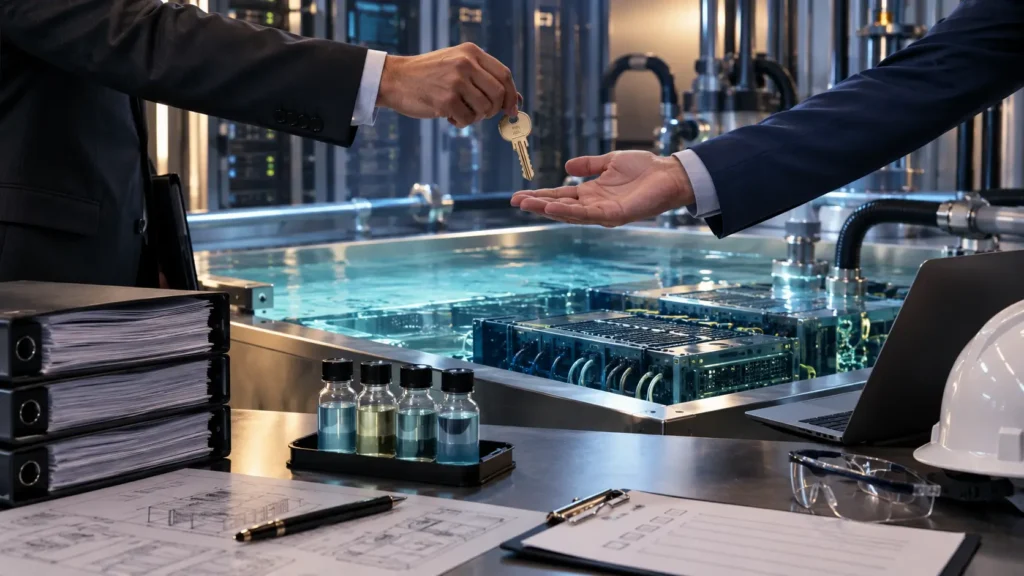
An immersion cooling system can change operators without moving a tank, server, pump, pipe, or container. Yet the transfer can
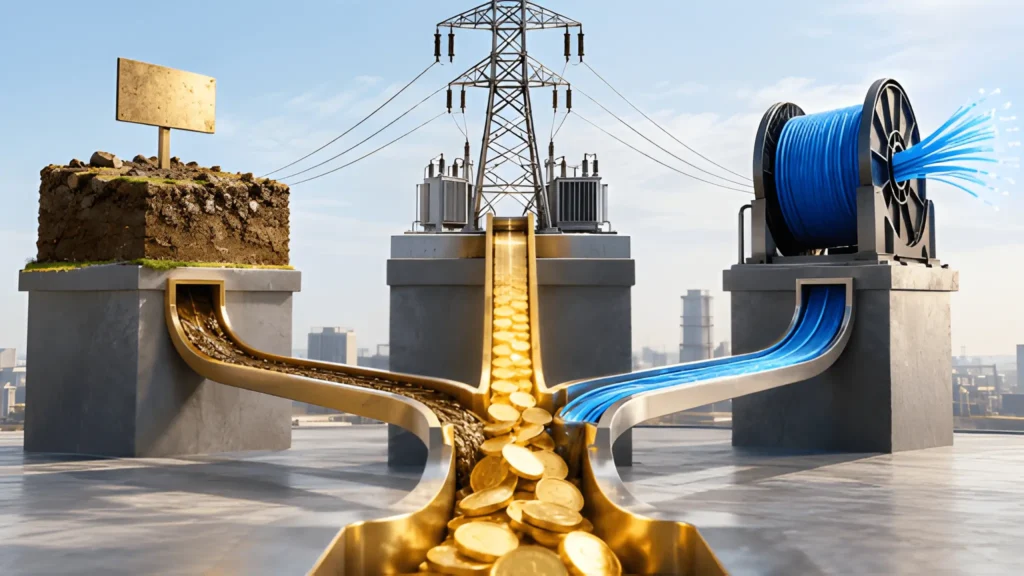
The most valuable part of a data center site can exist long before concrete reaches the ground. A site can
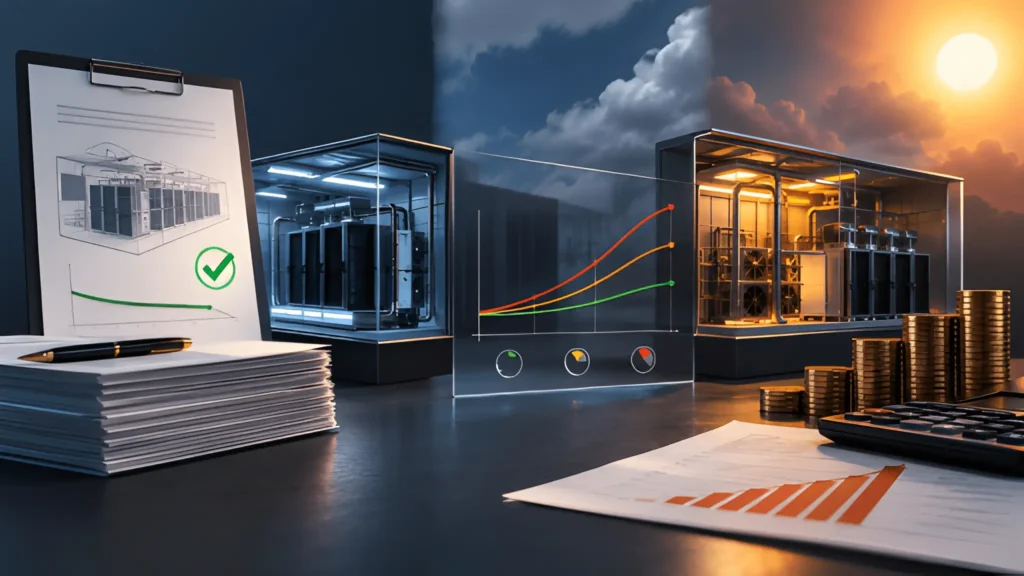
A procurement team can approve a data center because its proposed PUE fits neatly into a financial model, only to

The financing question around accelerated compute is moving away from whether the machines can generate revenue and toward whether that

A data center operating manual once served mainly as a practical reference for equipment, maintenance activities, operating procedures, and abnormal
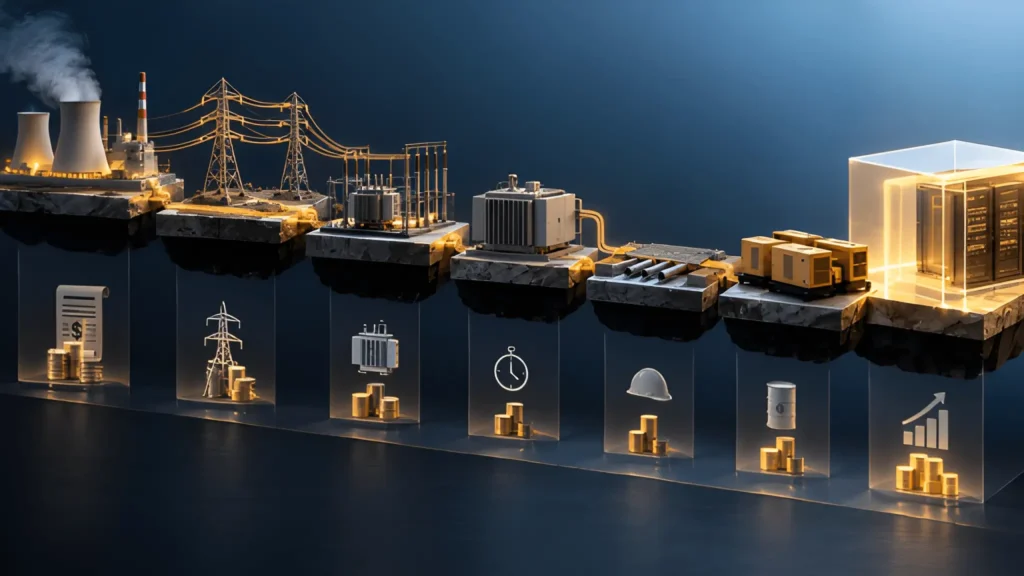
A power quote can look complete while leaving the most consequential part of the calculation unfinished. The first number usually

A construction pause can look uneventful from the outside, especially when no cranes move and no concrete reaches the ground.

A small configuration change can carry a large operational consequence. The change may start with one firmware setting, network rule,
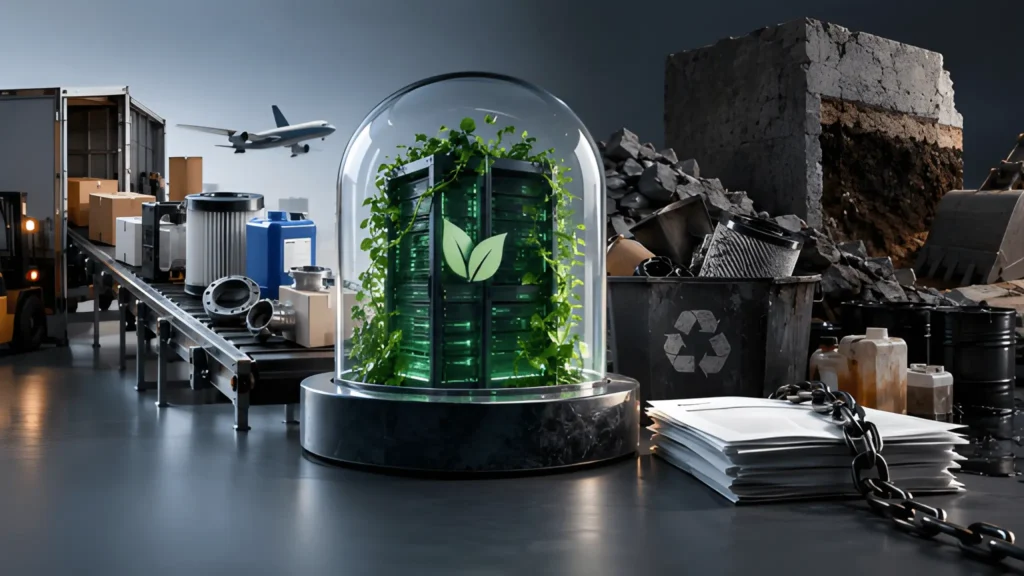
A green claim can survive a commissioning ceremony with almost no friction. The harder test begins when the doors close,
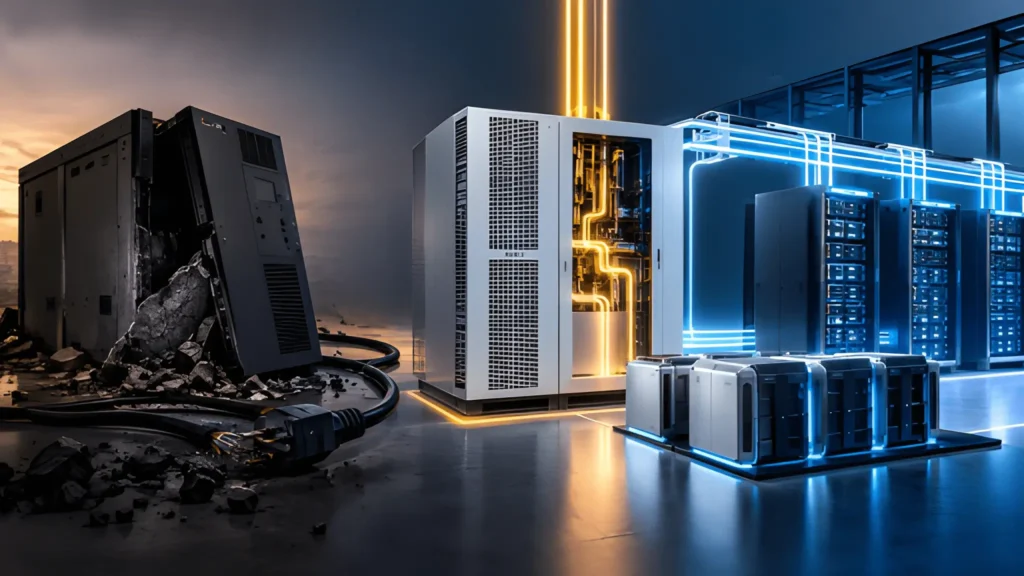
There is a moment in electrical architecture when a familiar component stops solving the problem it originally addressed. The component
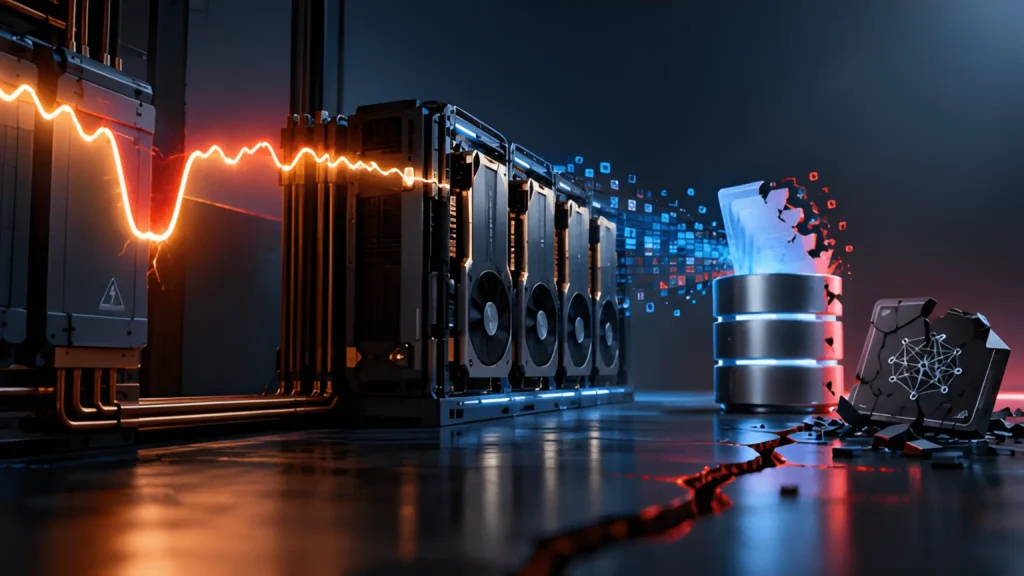
A training run rarely announces its most expensive failure when the damage begins, because the first sign may be a
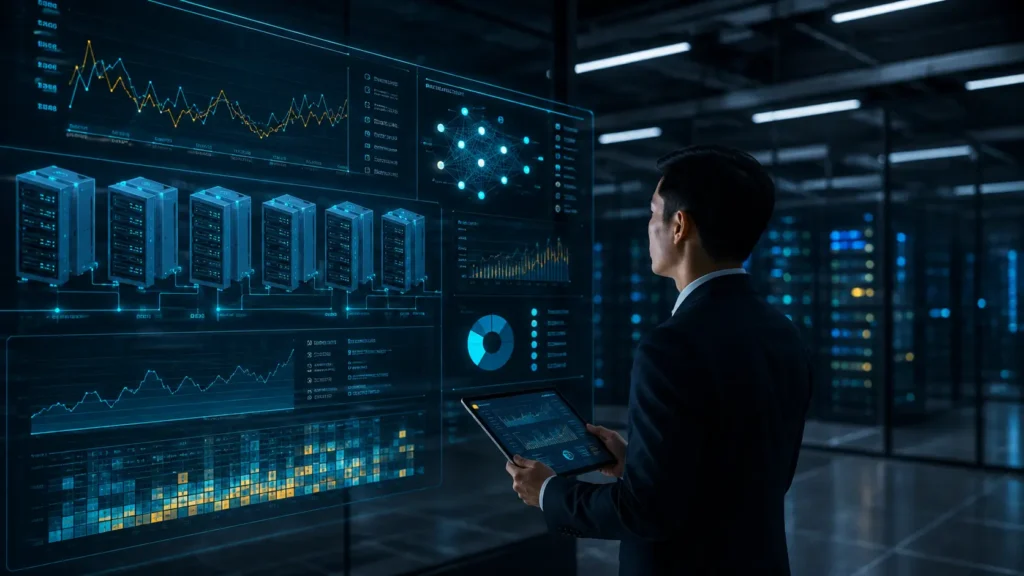
The bill for artificial intelligence rarely shows every physical cost behind the compute. Buyers see capacity prices, while operators see

The most important change in AI infrastructure is not always visible from the outside of a site. It happens when

A project rarely reveals its real difficulty while drawings remain clean, assumptions stay neatly organized, and every interface appears to
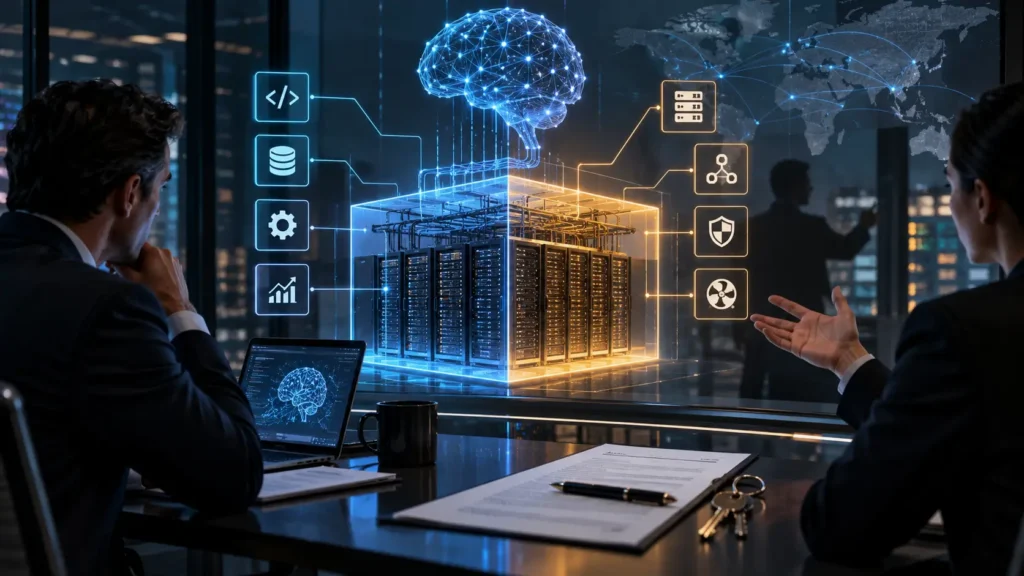
A compute contract can appear precise while leaving one important question surprisingly open. The buyer may know which accelerators, storage
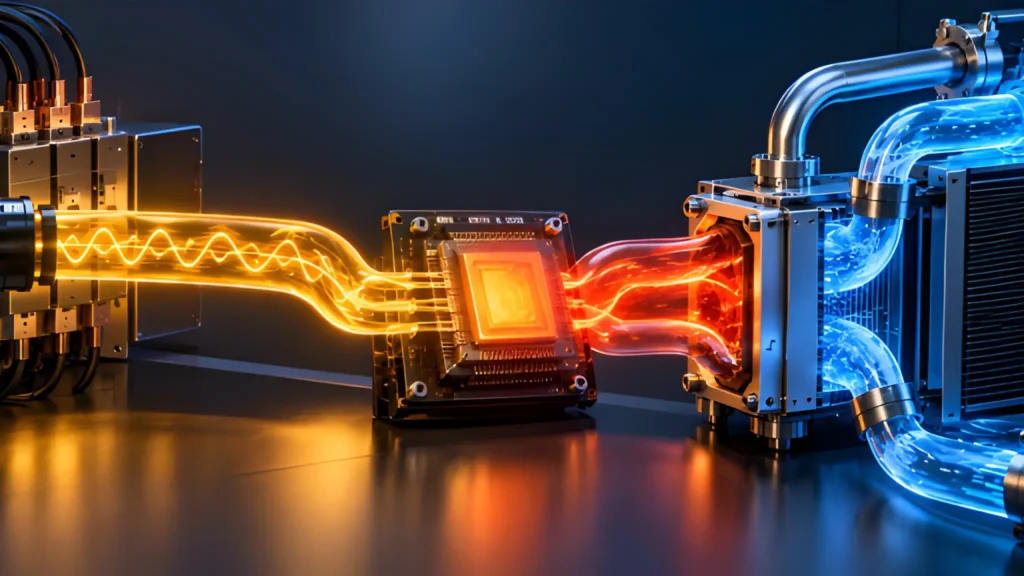
A data center does not experience a watt as an accounting unit. A processor consumes electrical power measured in watts,

A cooling system can look complete on an engineering drawing while one critical component remains almost invisible. The coolant sits

The next generation of AI infrastructure will not necessarily begin where the last generation became established. A site that once
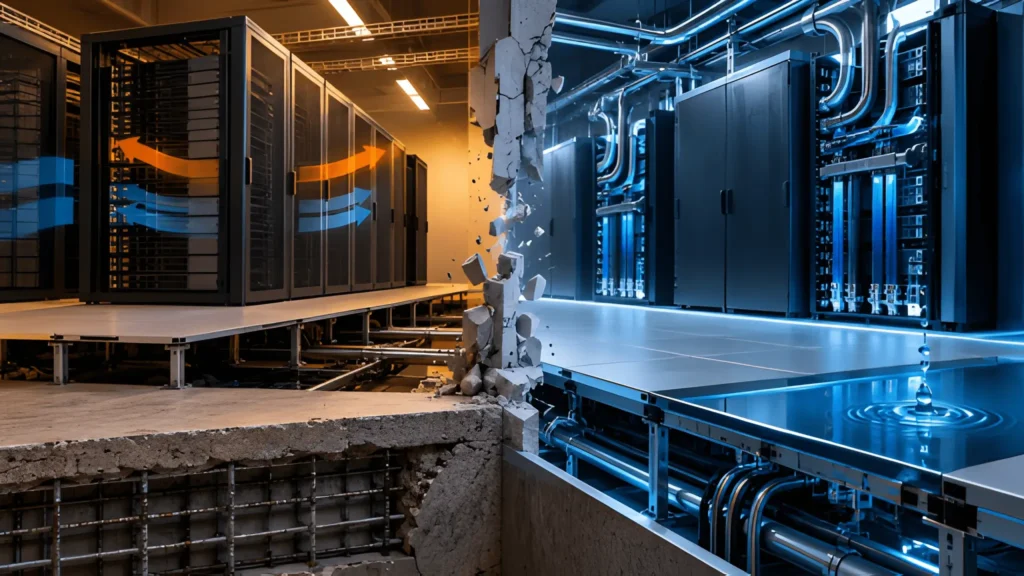
A data hall can look remarkably healthy while already carrying the limitations that will decide whether its next workload fits.
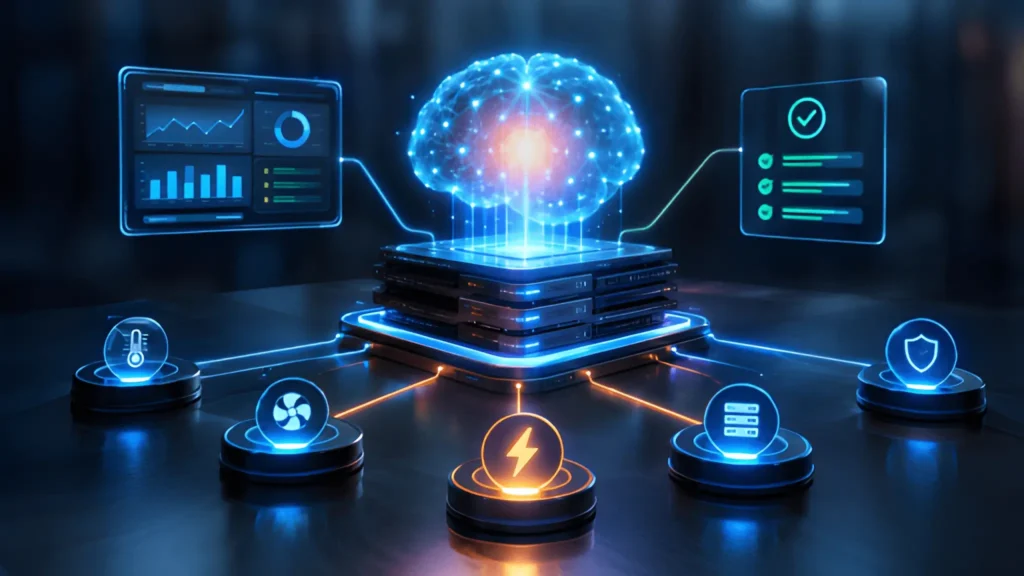
A control room can look exactly the same on the day a machine begins making decisions that once belonged to
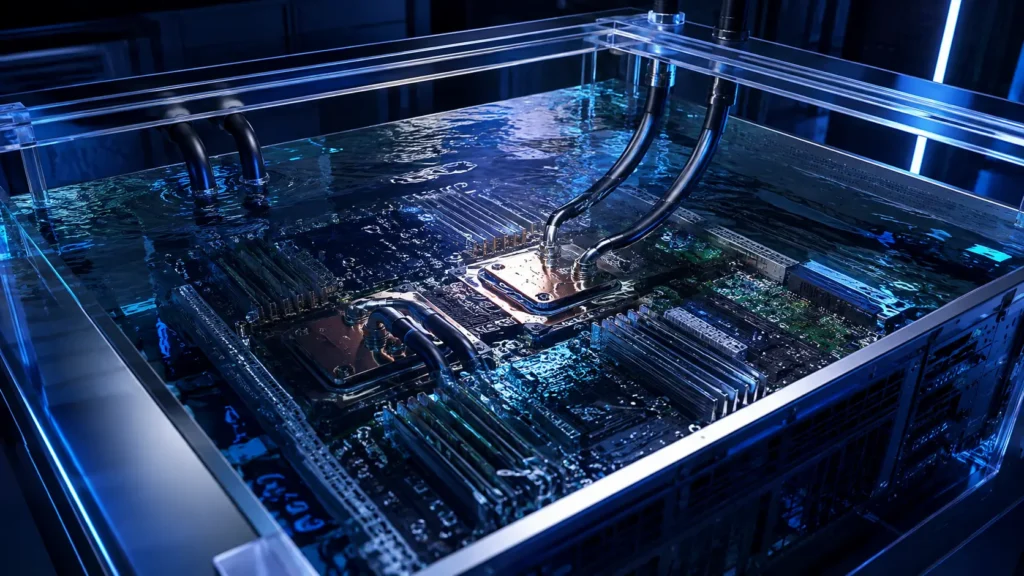
A server warranty can become much harder to interpret when the machine moves from air into liquid. The change involves
A grounding system can look exceptionally orderly while behaving very differently once a high-density AI hall begins operating as a

The Nordic data center market is entering a more demanding phase. Artificial intelligence is changing how developers and investors assess
A battery does not know whether the next electrical event matters more to the grid or to the customer. It
The first question at a new AI site is increasingly not which accelerator will fill the racks. It is whether
A rendered campus can answer almost every question before anyone walks the ground, which is precisely why a CTO should

The cooling system can be perfectly engineered and still encounter a boundary it cannot redesign: the water receiving its heat.
A quantum workload can look like software from a distance, but its legal operating boundary increasingly begins somewhere much colder
AI infrastructure creates a peculiar measurement problem before it creates a technical one. A system can contain substantial compute capacity
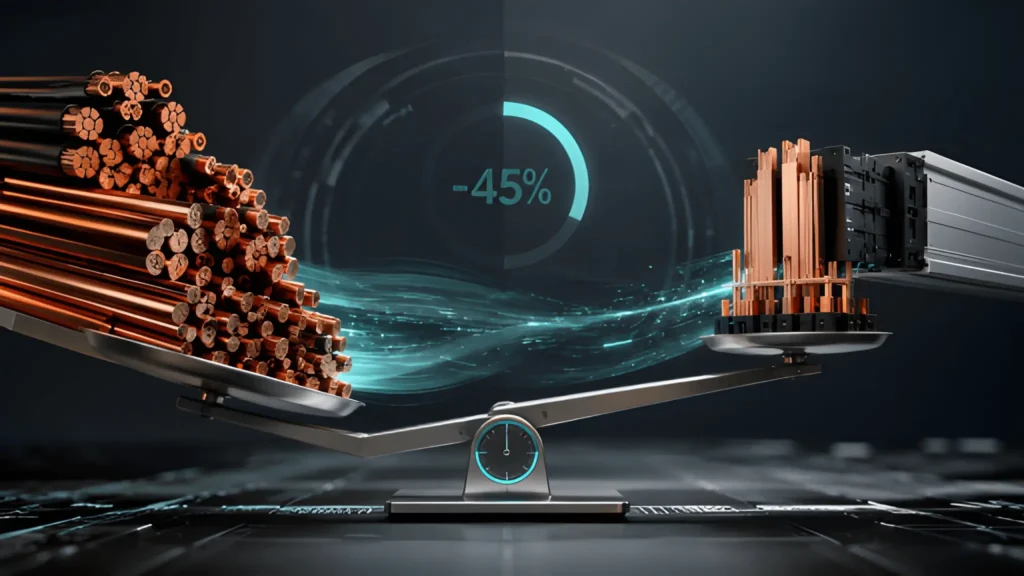
Copper rarely appears in the architectural drawings executives use to understand a data center, yet it quietly determines how much
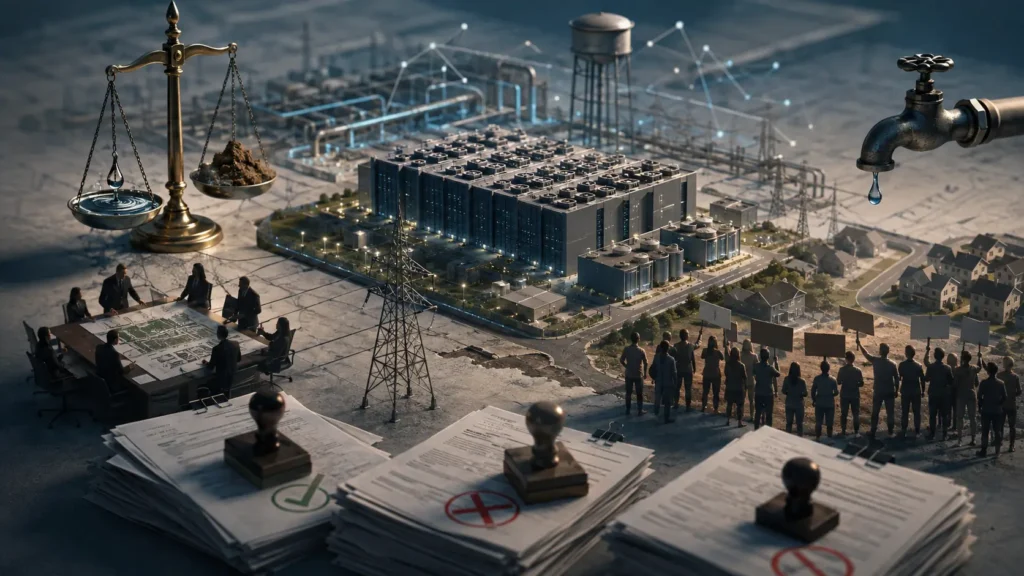
An AI campus can dominate a business announcement long before anyone knows whether construction can begin. The headline usually focuses
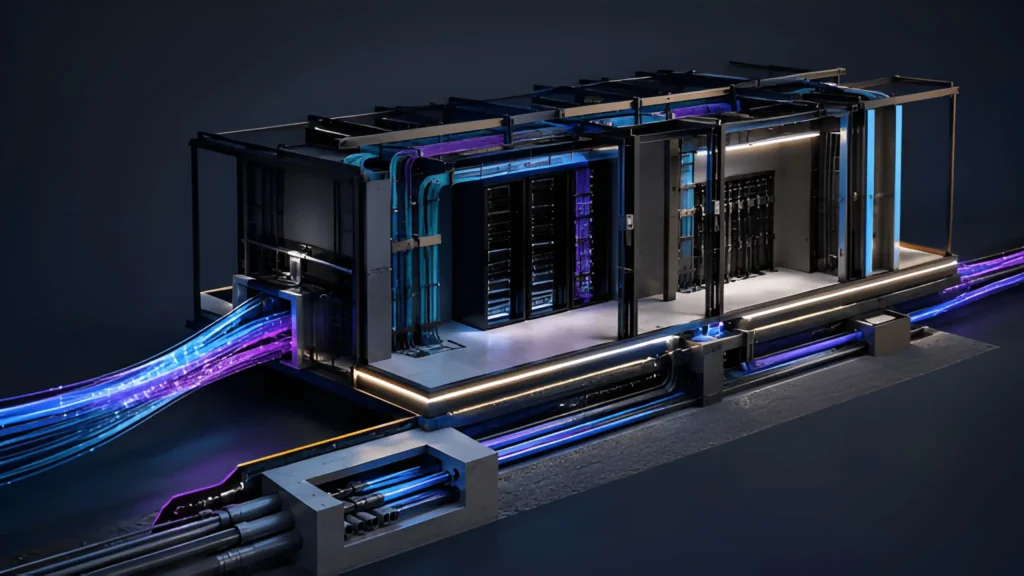
A data center can become more difficult to expand when existing communications pathways lose the physical space or accessibility needed

An AI campus can advance its electrical design substantially and still remain operationally unready because the network entrance sits in

There is a point in every industrial transition when the most important opportunity stops looking like the headline product. For
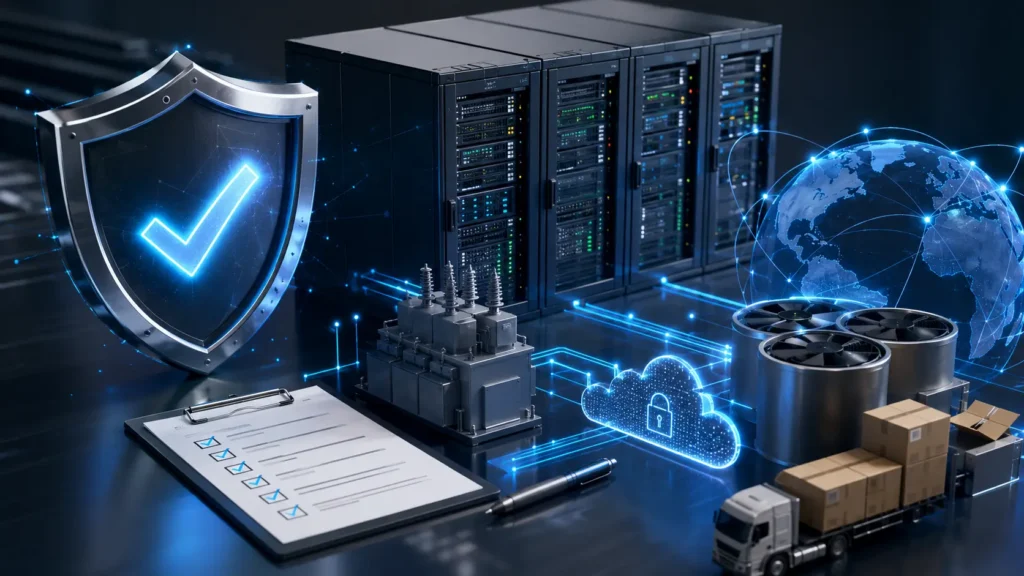
Why AI Data Center Insurance Risk Is Different An insurance underwriter does not begin with a server rack. The real

The first thing a future AI campus encounters is not a power contract, a fiber route, or a building permit.

Artificial intelligence does not leave the rack when a model finishes training. The electricity that powered its computation remains part
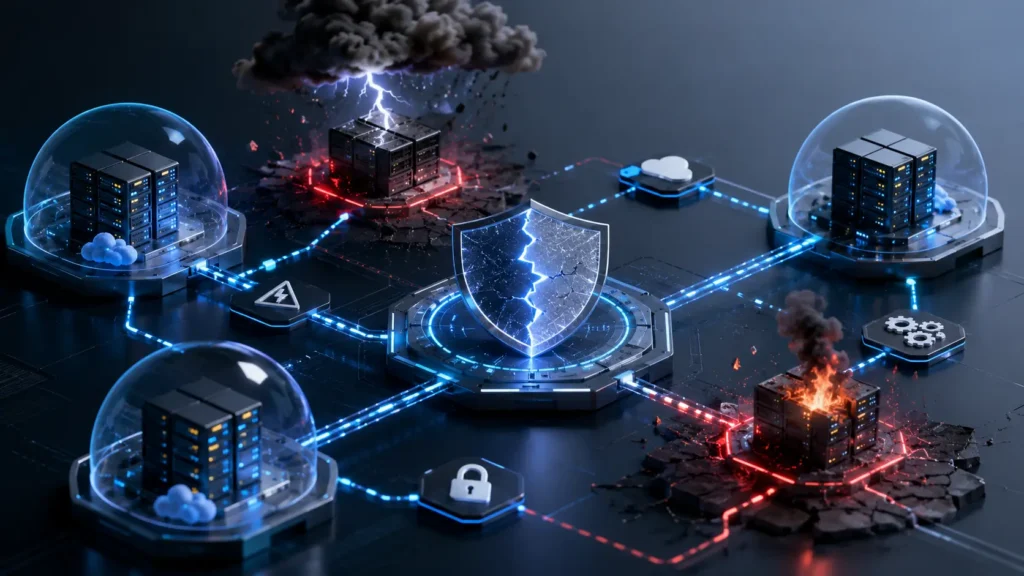
A map can make an infrastructure strategy appear safer than it really is. Two distant locations suggest separation, recovery, and
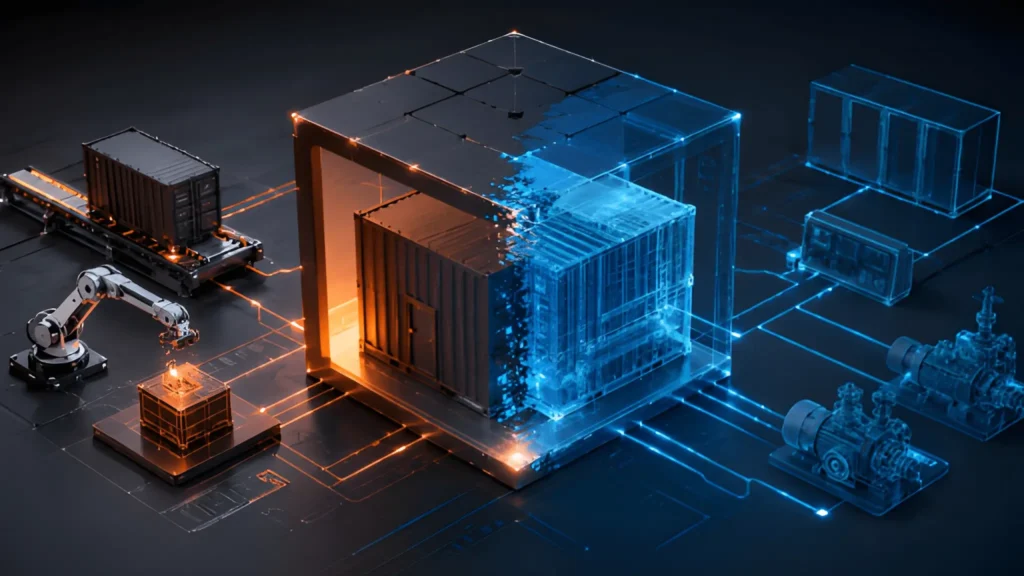
A module can leave a factory looking finished, documented, energized, and ready for shipment, yet none of those conditions answers

The first sign of infrastructure trouble is not always an alarm. Sometimes, the workload simply begins taking longer than it
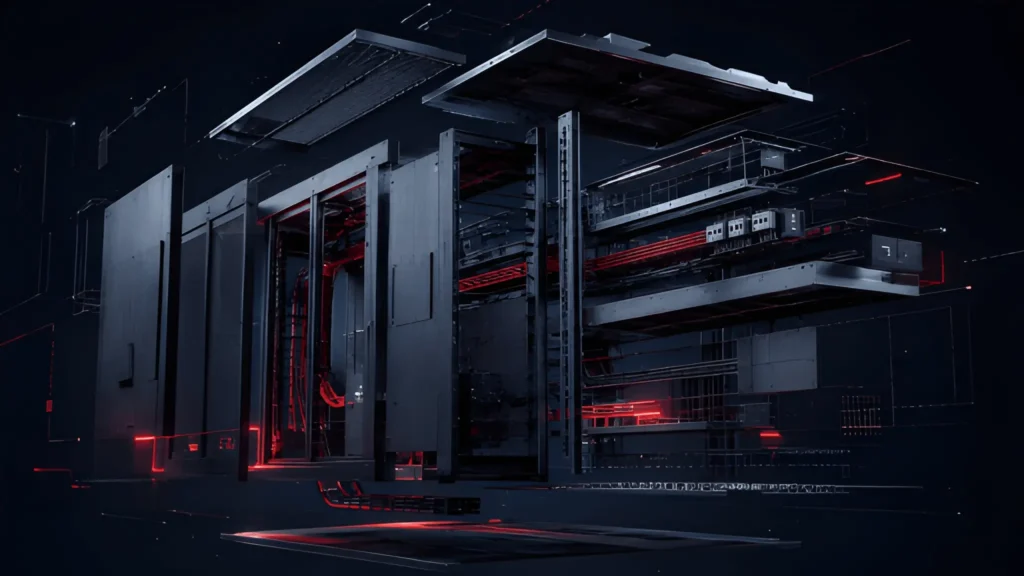
A building can look remarkably close to becoming an AI-ready data center while remaining fundamentally incapable of supporting the infrastructure

An AI system can appear ready to scale until its workload changes enough to expose limitations that the original deployment

The Power Problem Has Moved Beyond Generation A power project can exist on paper, a site can have the right
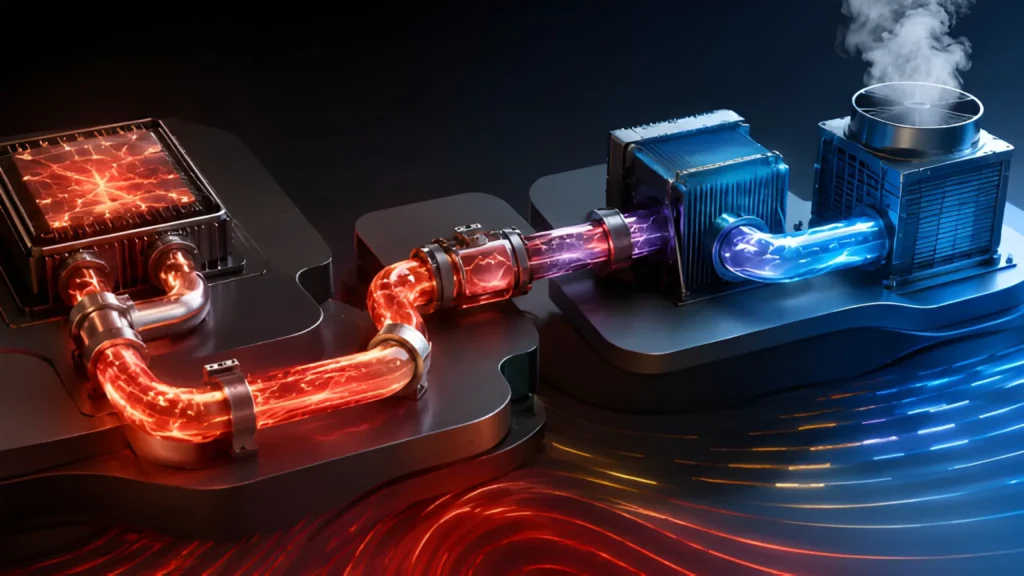
A thermal problem can arrive at the operations desk looking deceptively small, because a rack return temperature can rise, a
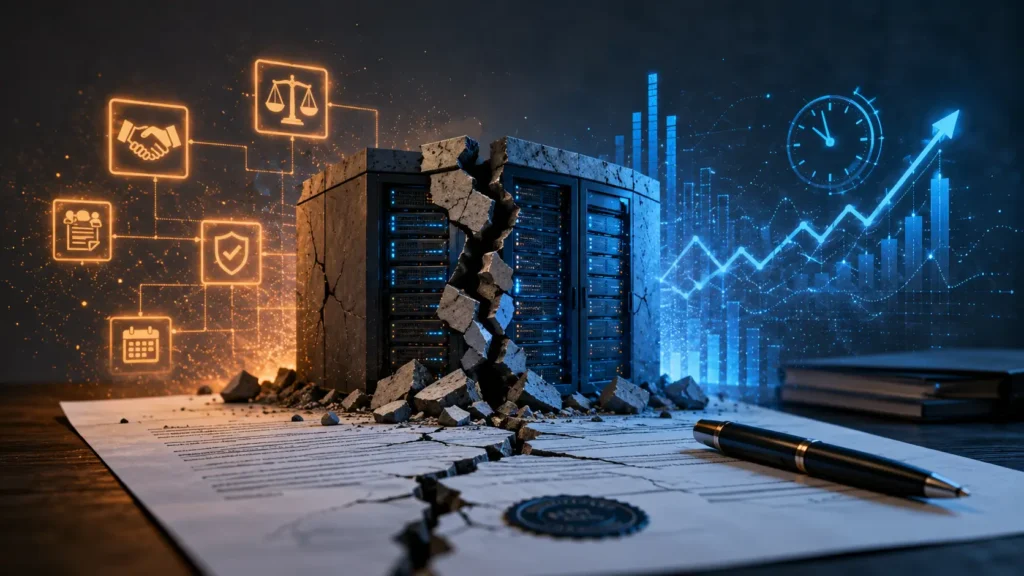
The Contract Can Become the Constraint A capacity contract can look sensible on the day it is signed. Months later,
A training job does not need to crash to become less useful. It can remain active while its progress slows,

Denmark’s power story changed the moment the queue became harder to believe than the projects inside it. When scarce capacity
The most revealing sustainability problem in an AI environment may not appear where the sustainability team normally looks. A site

In conventional backup architectures, a power failure often made the UPS the principal ride-through mechanism while generators and transfer equipment
The growing importance of large-load development is putting greater emphasis on how physical sites, electrical infrastructure, generation options, and regulatory
Water rarely announces itself as a constraint until the infrastructure depending on it can no longer assume that supply will
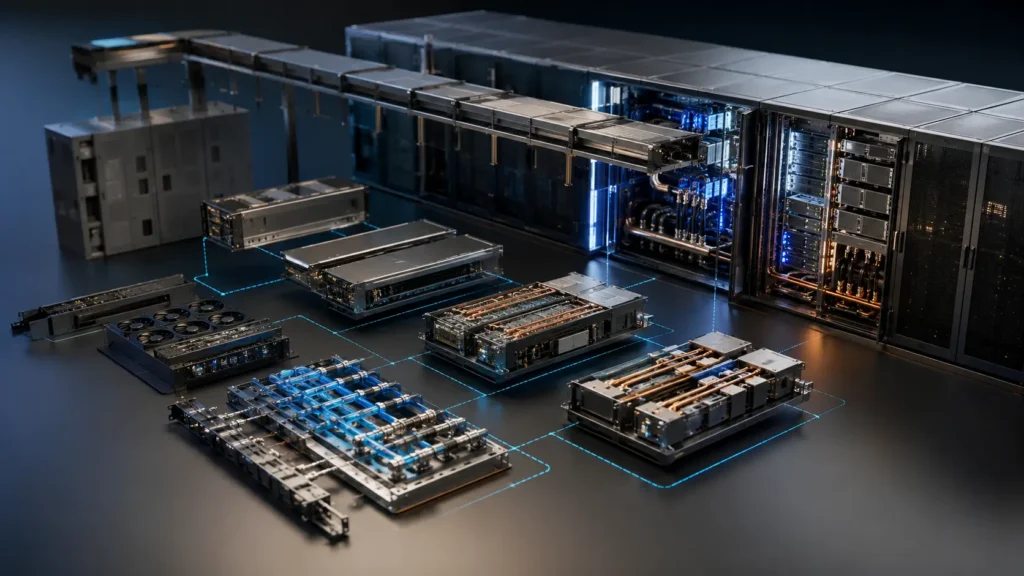
An AI data center can outlive much of the technology installed inside it. The building, major pathways, and core infrastructure
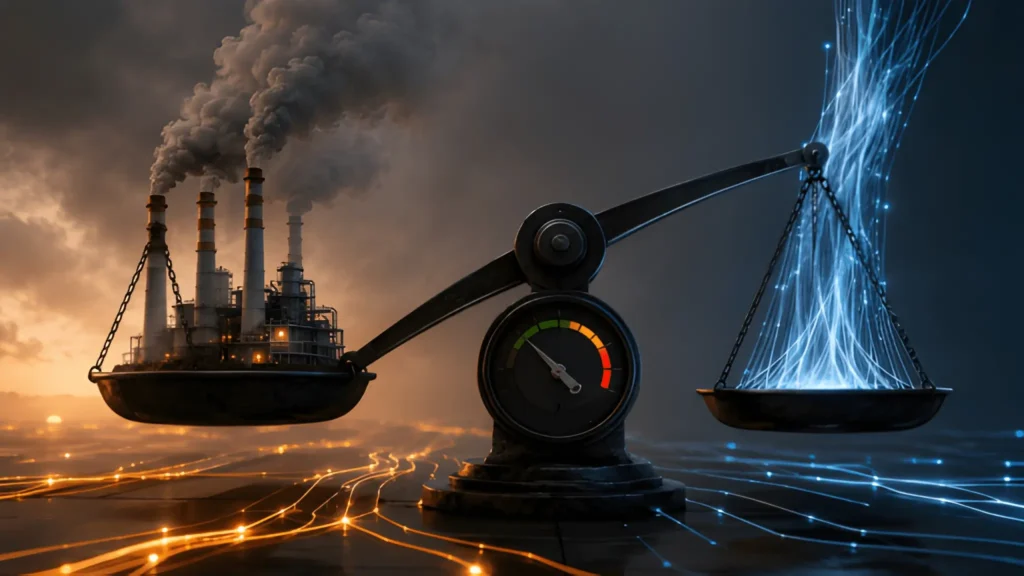
A strange thing happens when a large computing operation stops asking the grid for all of its electricity and instead
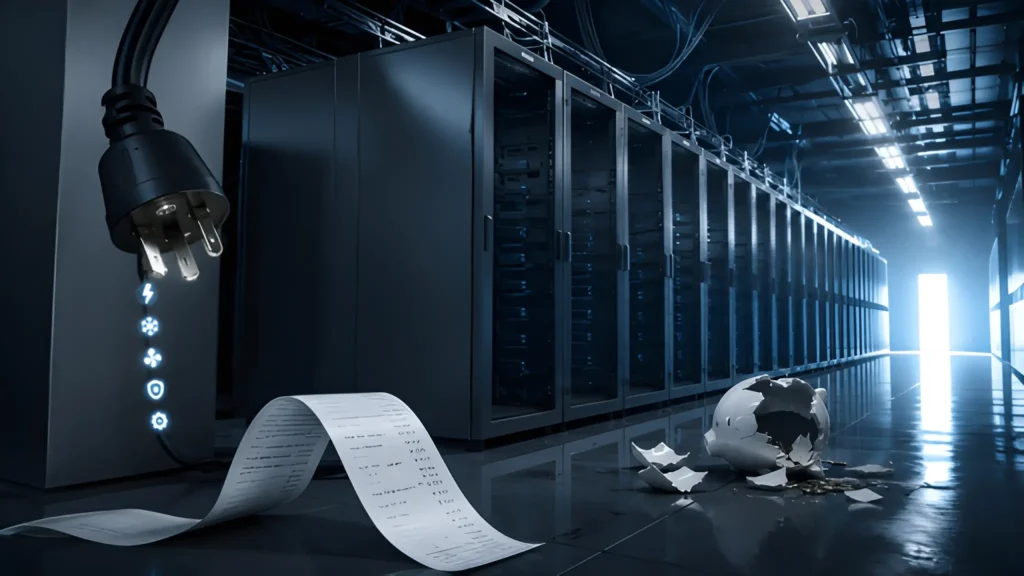
An important cost exposure in a new AI computing site can emerge before customer workloads reach production, because the infrastructure
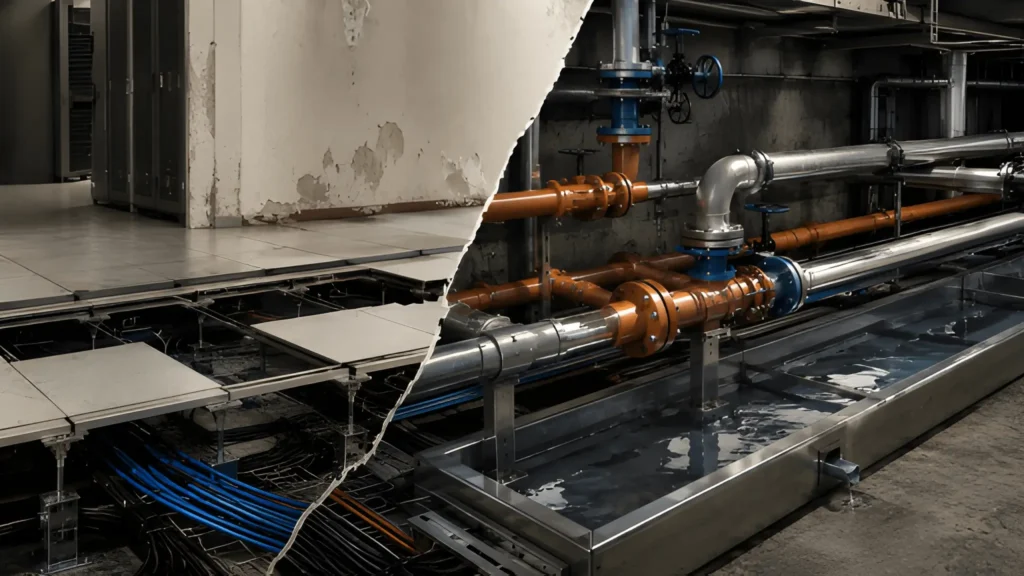
A liquid connection does not enter an existing data hall as an isolated mechanical component because its installation adds requirements

The AI infrastructure decision starts with the workload, not the hardware AI infrastructure becomes a business decision long before anyone

The price of an AI workload can look like a commercial decision when it reaches a customer-facing pricing page, yet
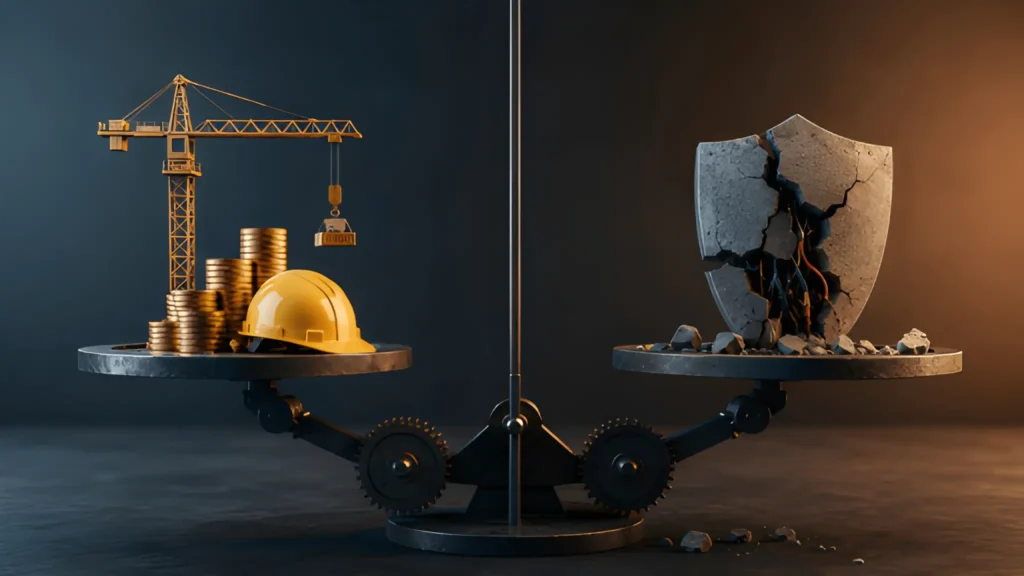
The most consequential moment in a critical infrastructure project does not always arrive when a machine fails, a breaker trips,
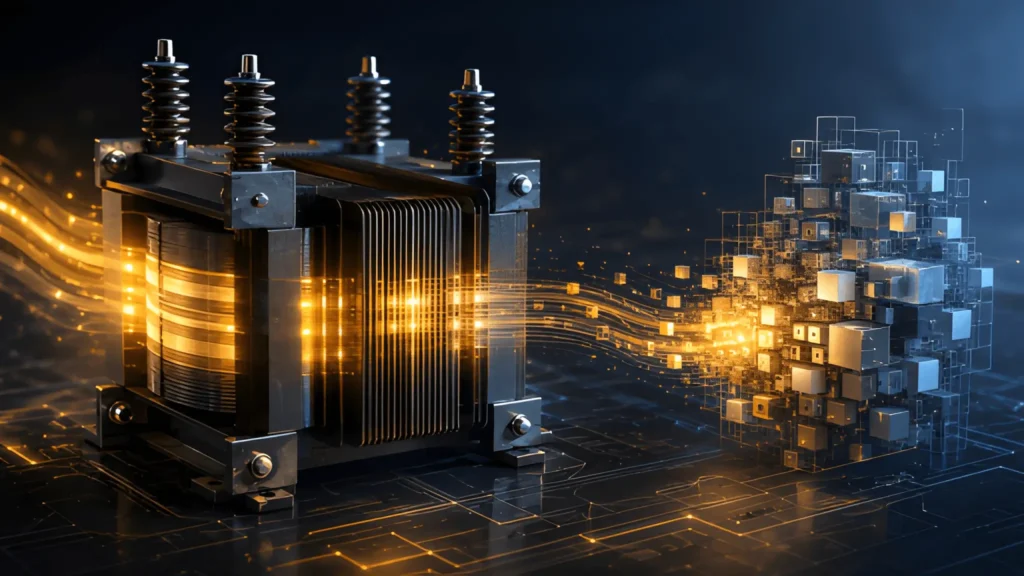
A new transformer factory changes the physical landscape long before it changes the delivery calendar, and that distinction matters when
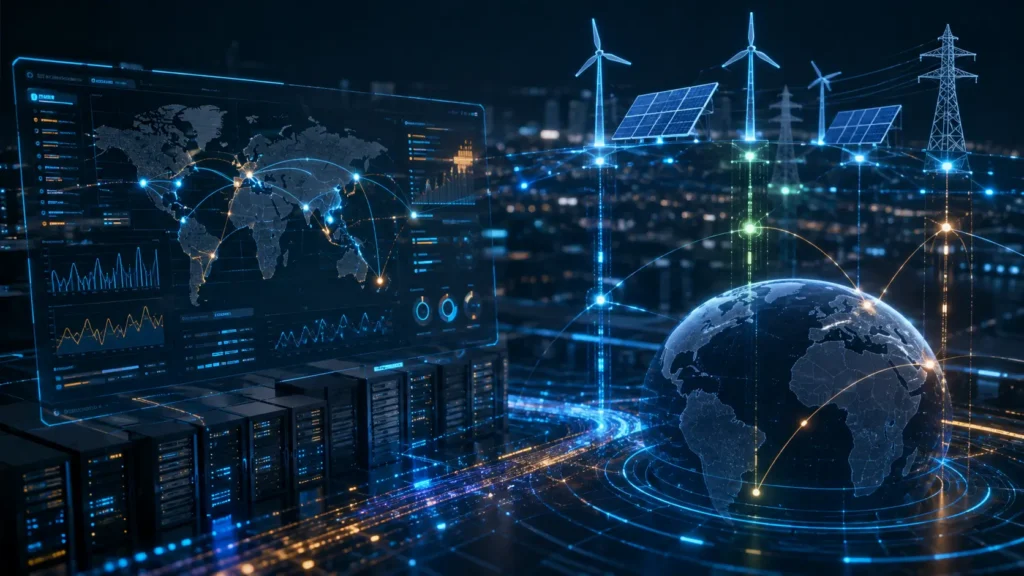
A computing task does not know what powers it at any given moment. The application sees processors, memory, storage, networks,
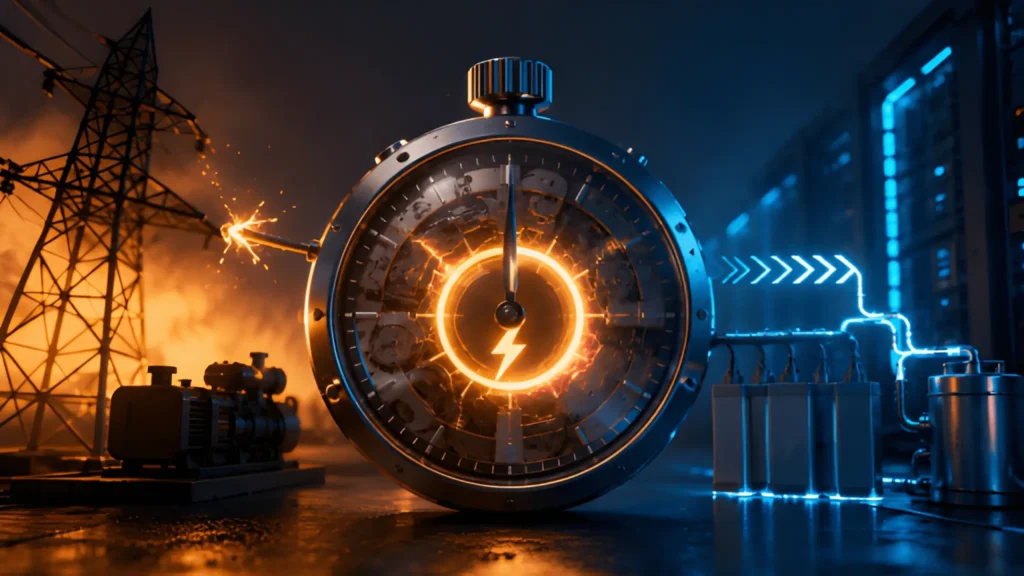
A data center does not suddenly lose power when the utility disappears. It enters a sequence of electrical decisions, each
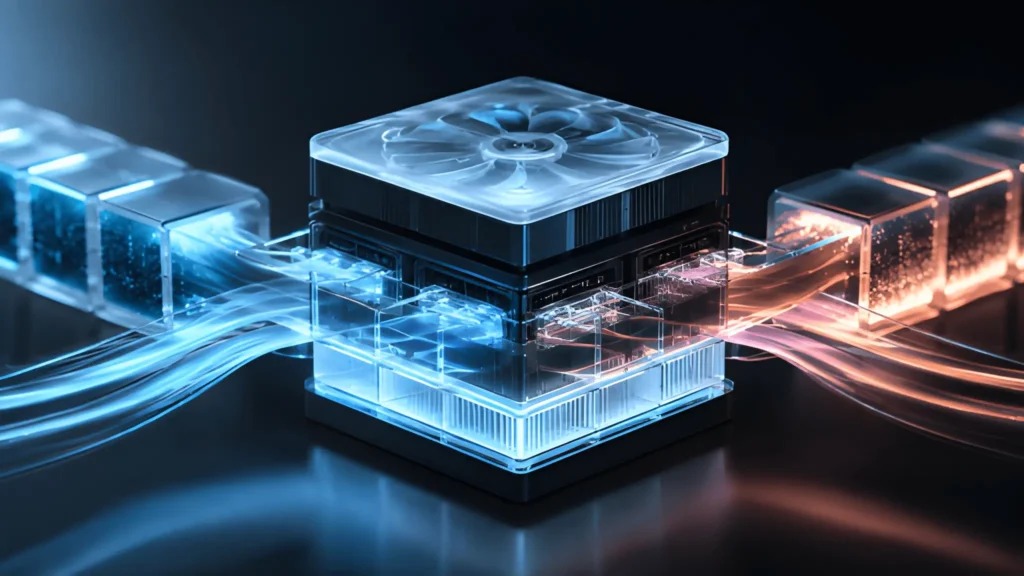
The first indication of a cooling problem can come from measurements within the compute cooling path rather than from room
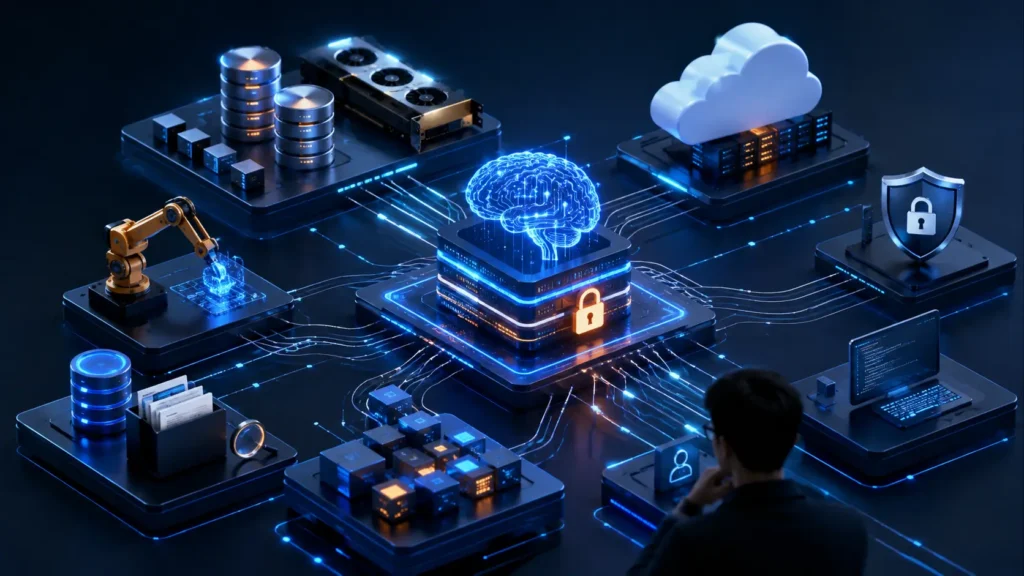
The hardest question in AI infrastructure is no longer who can build more compute. It is who remains responsible when

A large round number has a peculiar ability to become infrastructure folklore. Once a water-use estimate enters public discussion, it

The easiest place to imagine a data center is not necessarily the easiest place to build one. A server campus

A piece of land can sit untouched for years and still become strategically important when it provides control of a

A cooling loop rarely announces that its fluid has become a strategic dependency. The change usually begins somewhere outside the
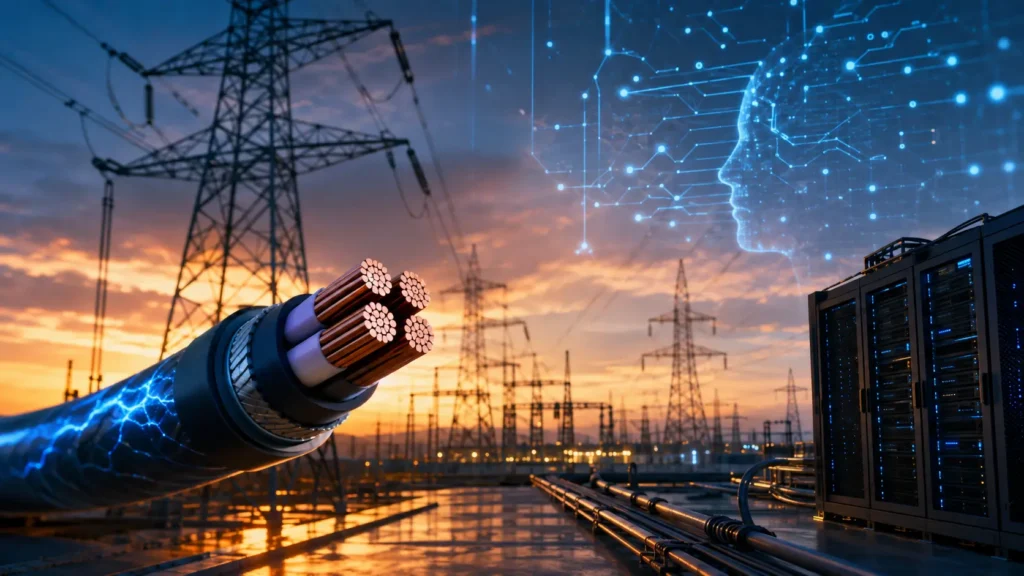
AI infrastructure is entering a phase where the biggest constraint may sit far away from the application layer. The processors

A parcel can look perfect on a map and still be years away from becoming a working data center site,
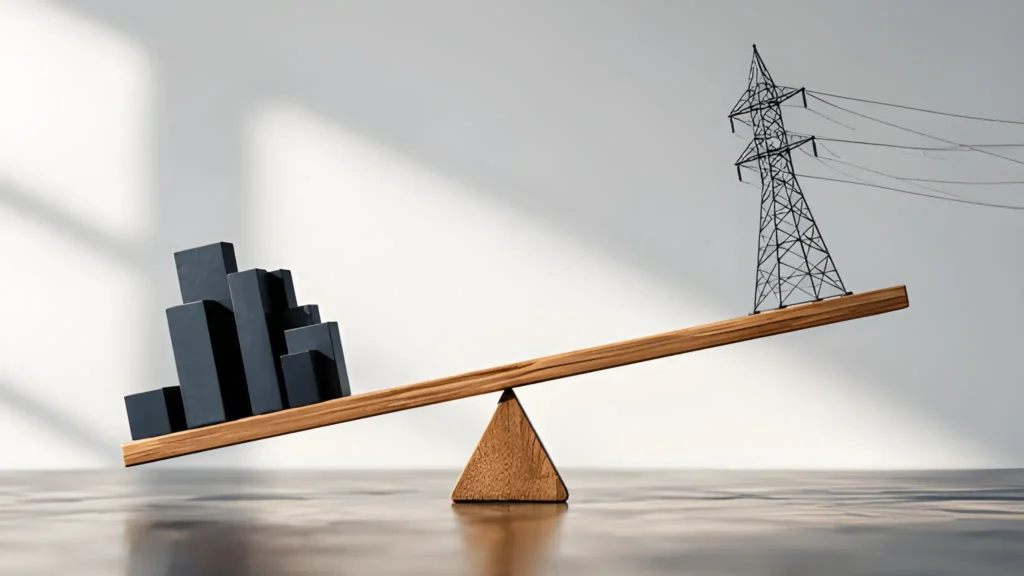
The most carefully constructed capacity plan can become obsolete without a single change to the compute strategy. A rack forecast

The most dangerous moment in a data hall is not necessarily the moment a breaker opens, a pump stops, or
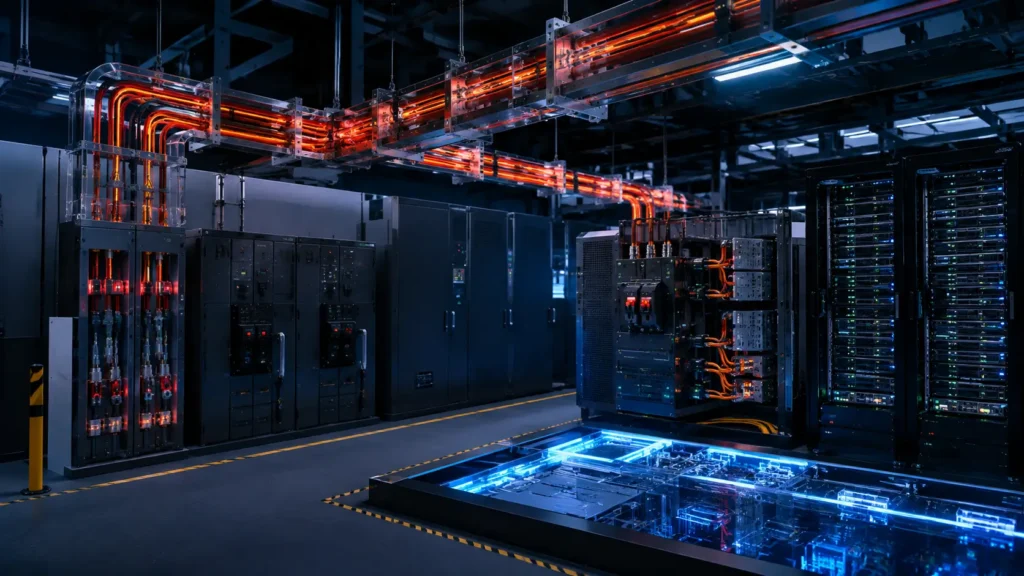
A GPU never sees the data center around it, yet the computing experience can depend on electrical decisions made far
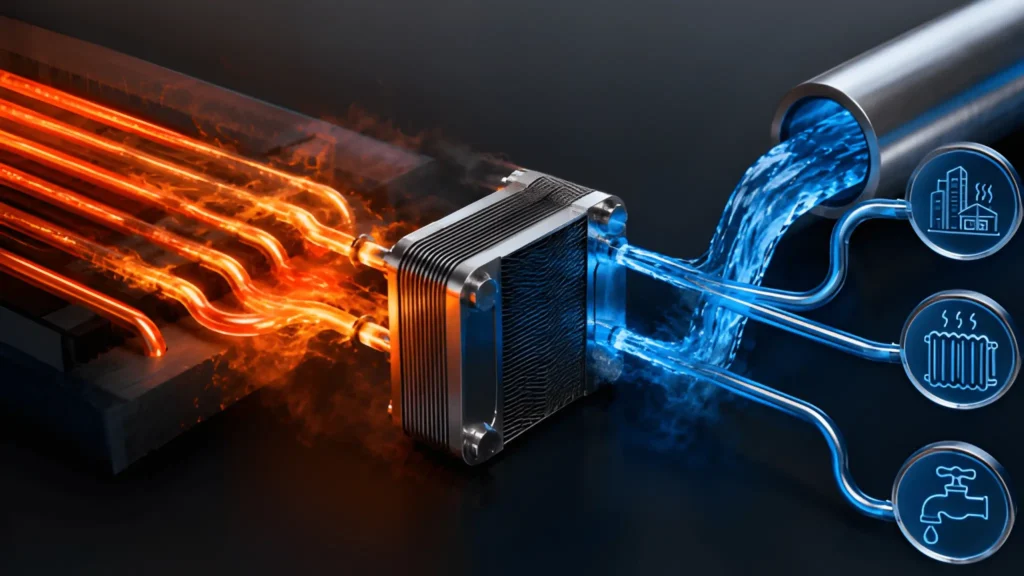
A pipe can leave a computing system carrying an impressive amount of thermal energy and still arrive at the wrong
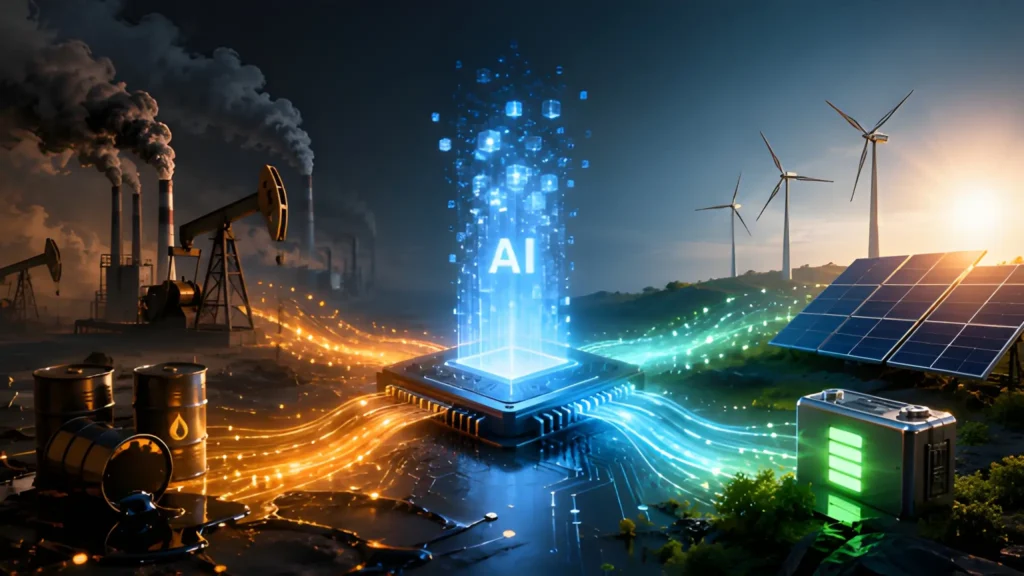
Artificial intelligence is usually described as an efficiency machine, and that description becomes uncomfortable when the same efficiency reaches industries
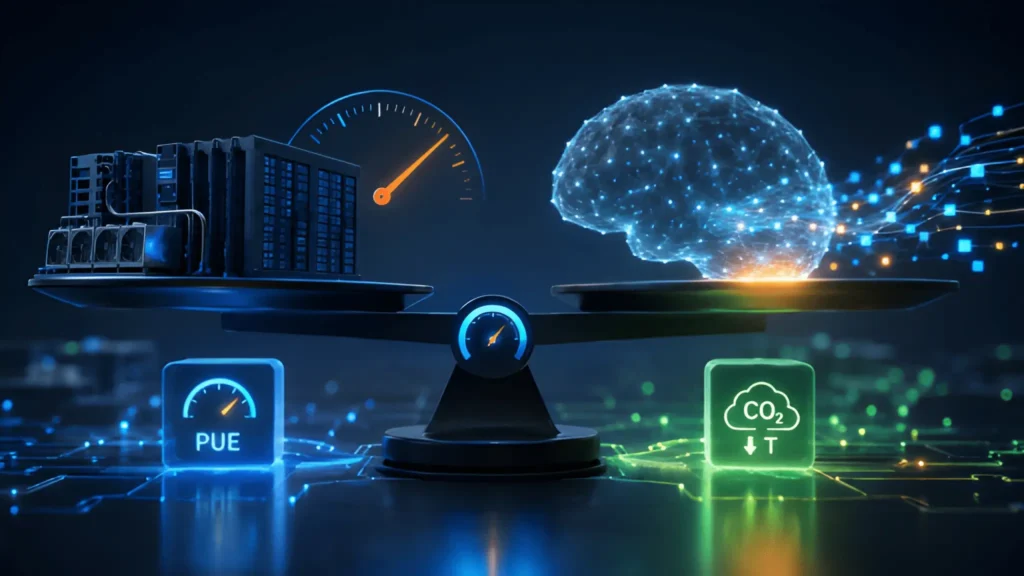
Power Usage Effectiveness became influential because it answered a practical question that operators could measure consistently: how much additional energy
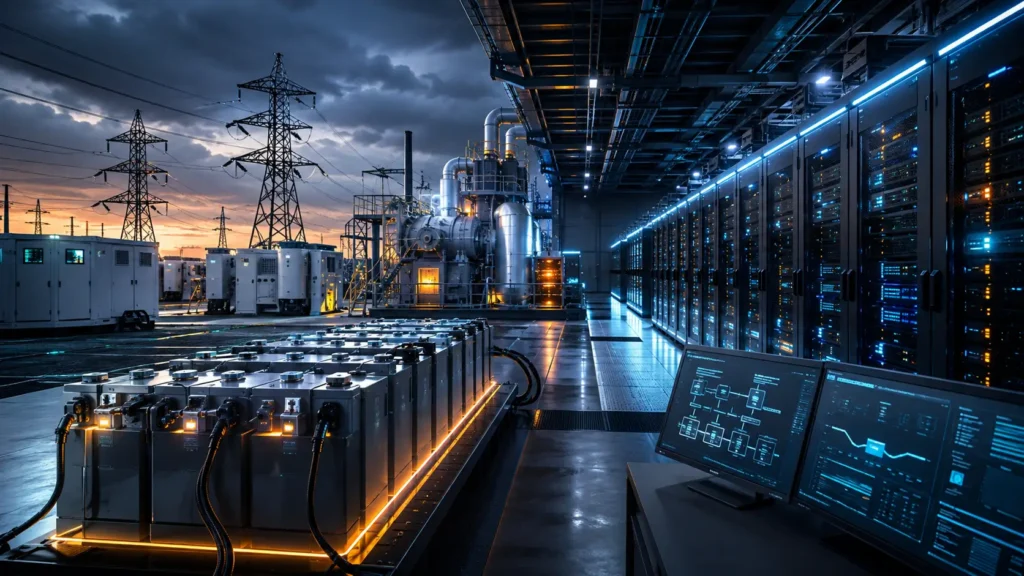
A user rarely thinks about electricity while running an AI application. The request arrives, the system processes it, and the
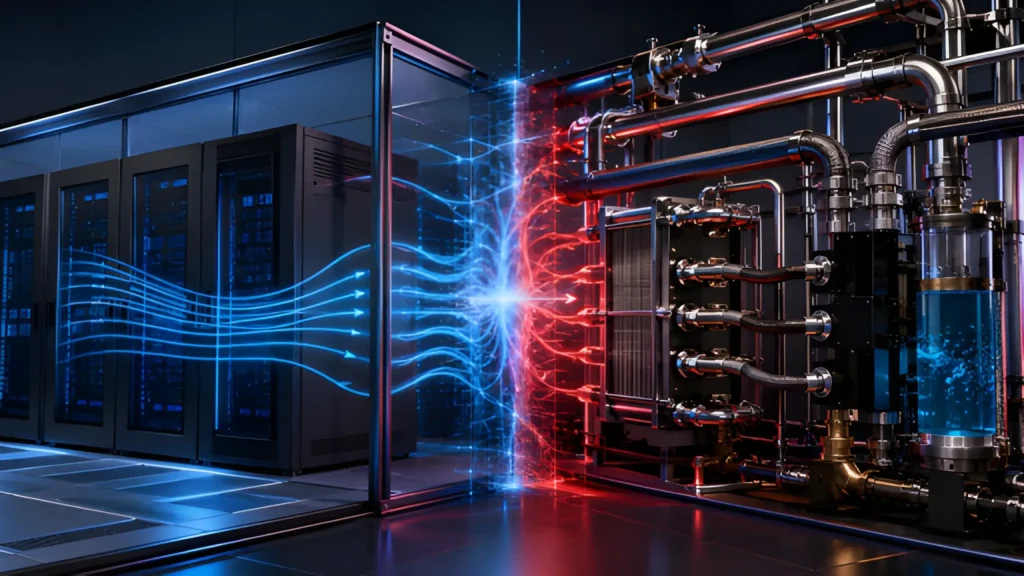
A rack can meet its specifications, a rear-door heat exchanger can match the application, and a liquid distribution system can
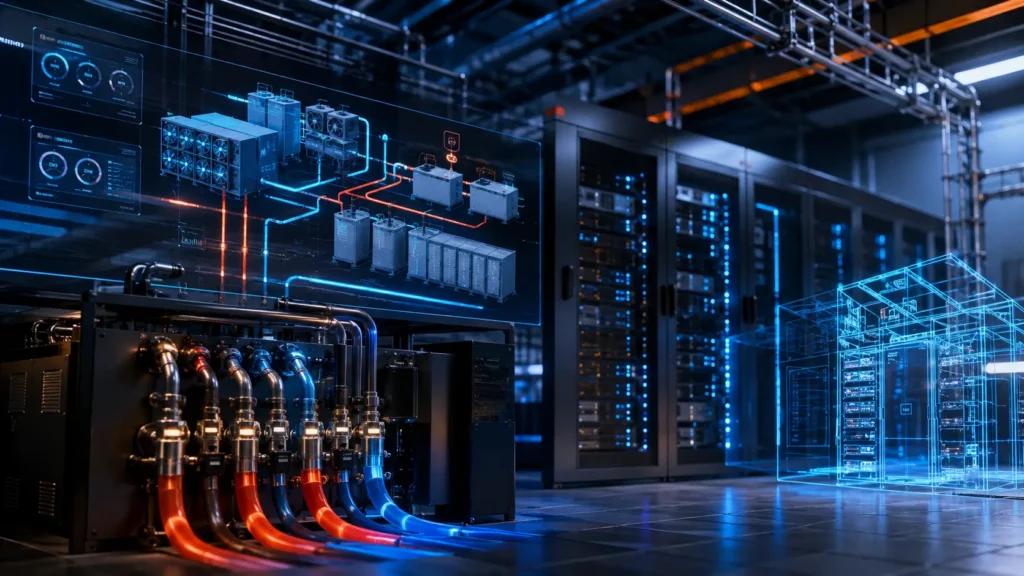
A cooling system can work perfectly when a data center opens and still become a serious constraint later. The problem

Brazil data center story does not begin with wealth. It begins with the economic value created when land, labor, connectivity,
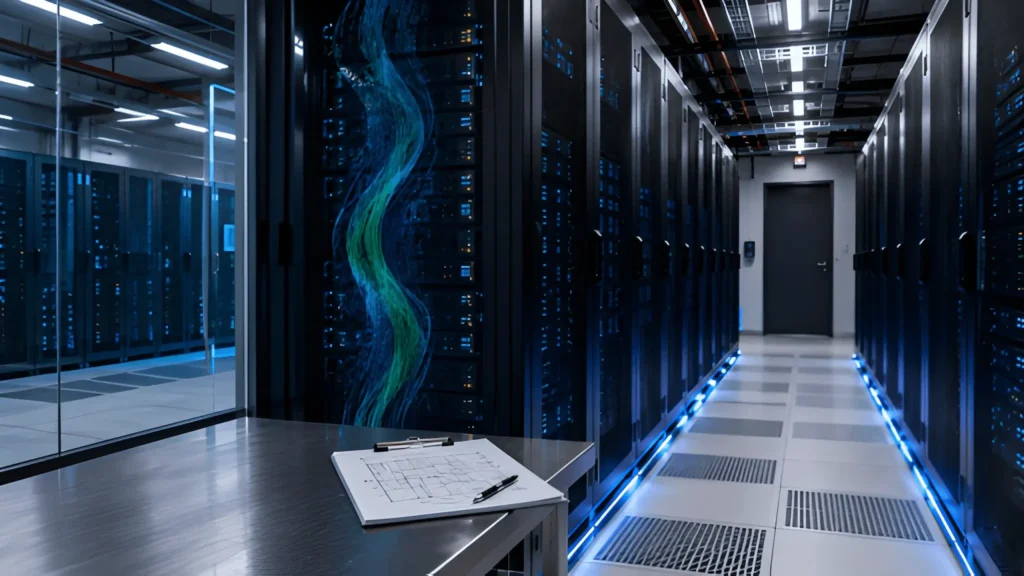
A containment system can look remarkably convincing during a site tour, especially when every aisle appears enclosed, every panel sits
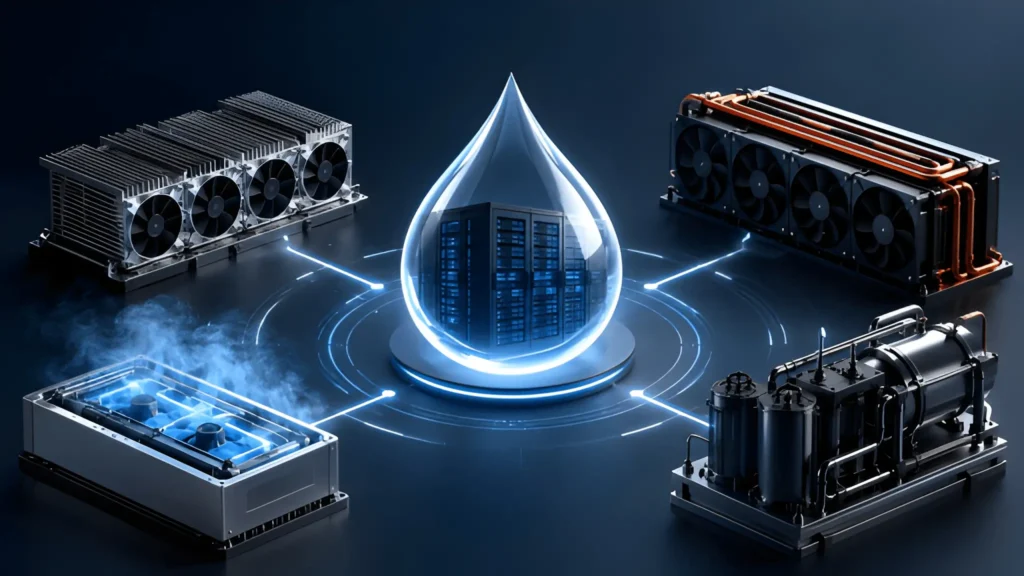
The next cooling decision may begin long before a chiller is selected, because the most consequential question for a new
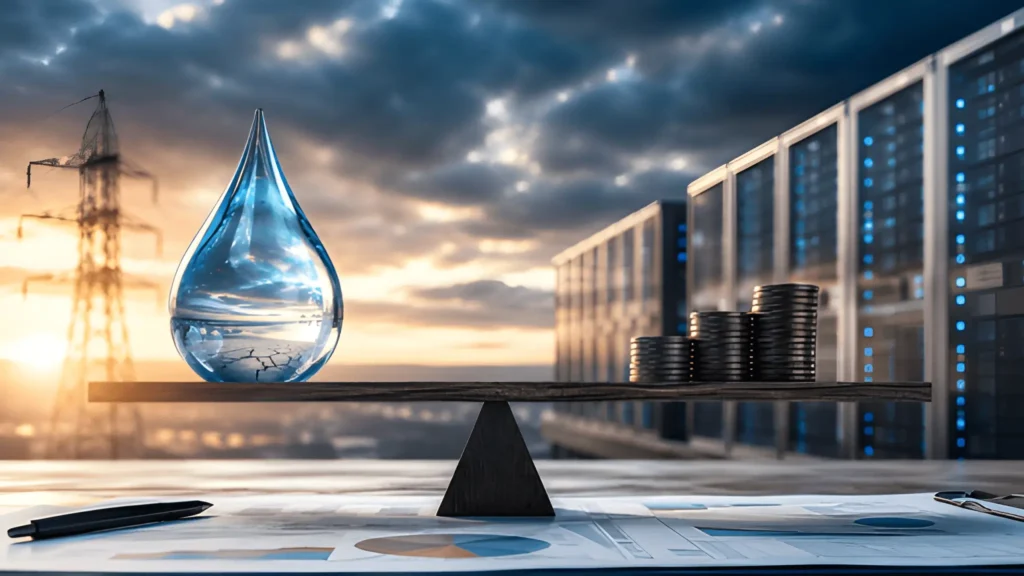
For years, economic development discussions around large infrastructure projects commonly emphasized land availability, power access, capital investment, construction activity, employment,
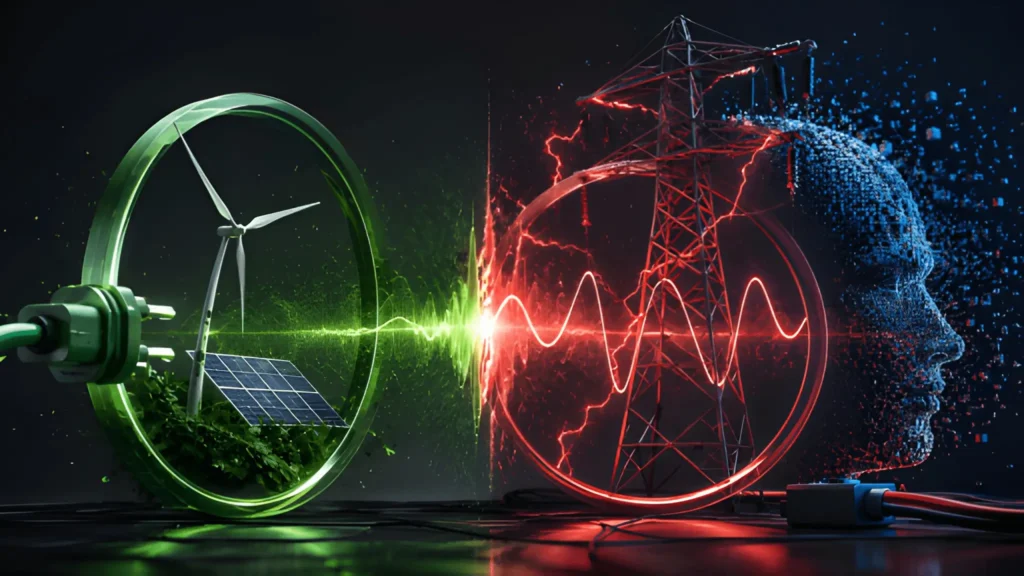
A renewable-energy contract does not tell you what an electrical load does to the system around it. It tells you
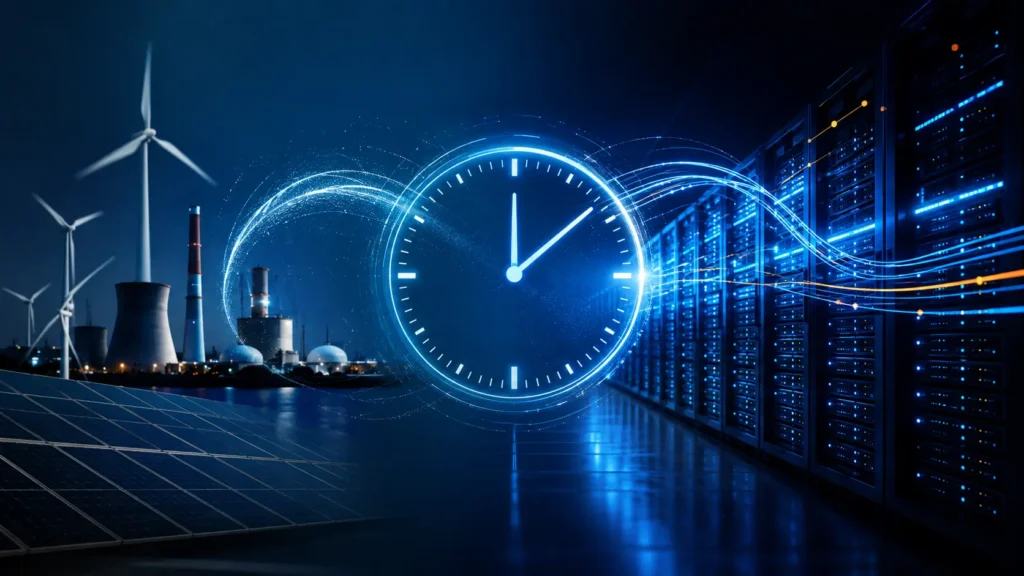
A data center does not pause when the sun goes down. Servers continue processing requests while cooling systems keep supporting
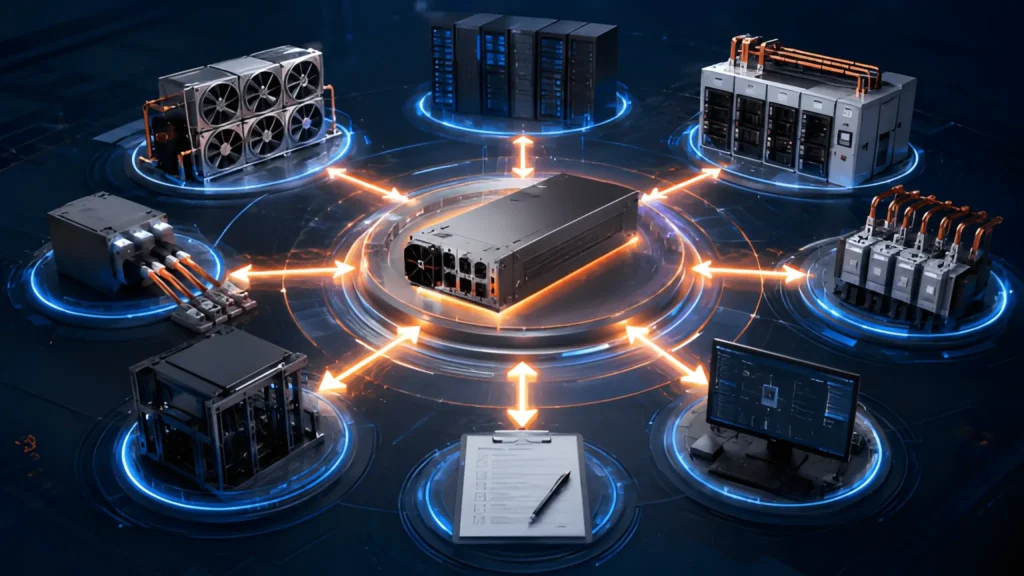
A power conversion unit can look like a contained component when its specification sits inside a rack drawing, yet its
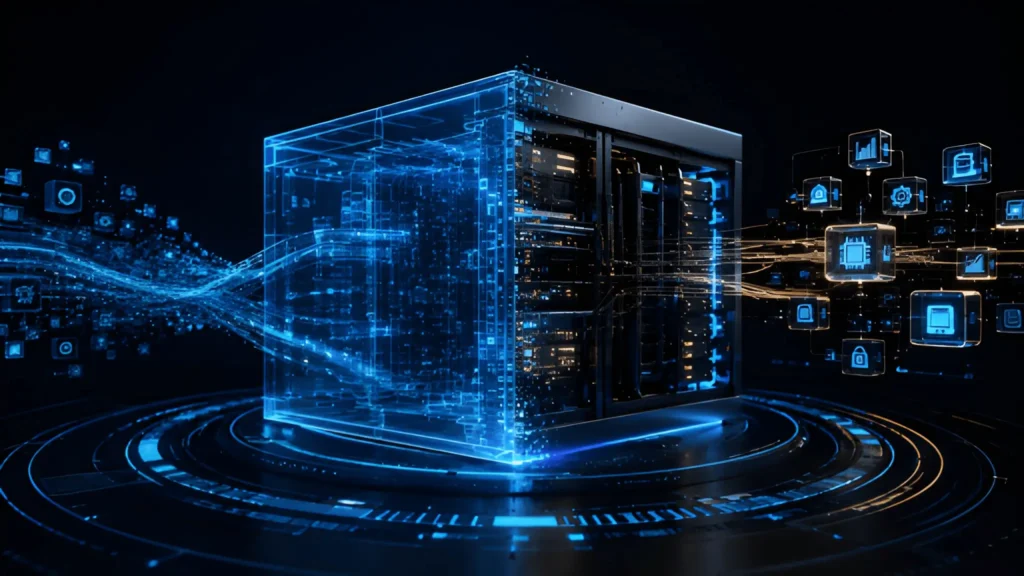
Historically, design documentation has often shifted from an active project-delivery resource toward an operational reference once construction and commissioning are
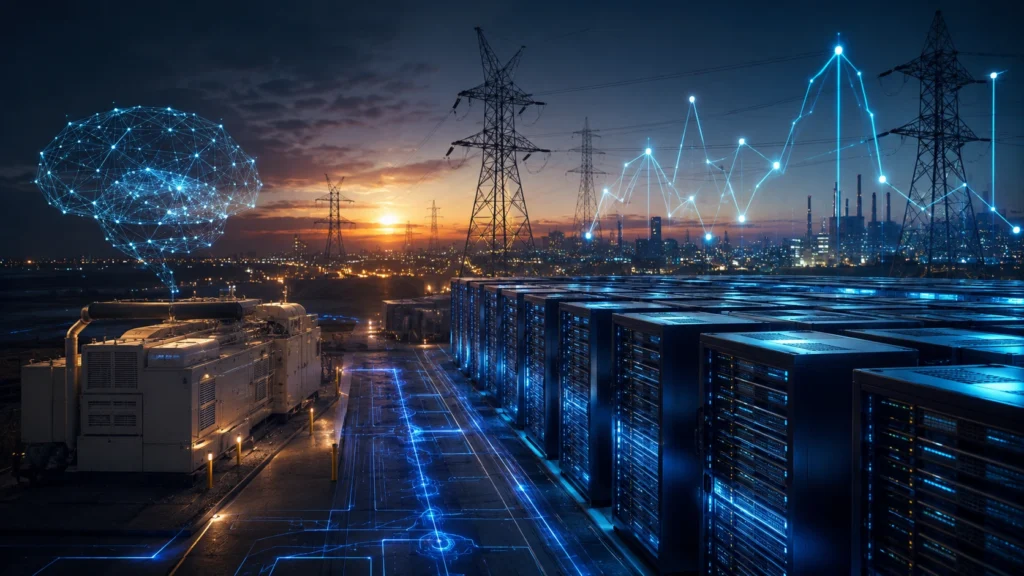
The rack is no longer the beginning of an AI infrastructure decision. The harder question can arrive before a server
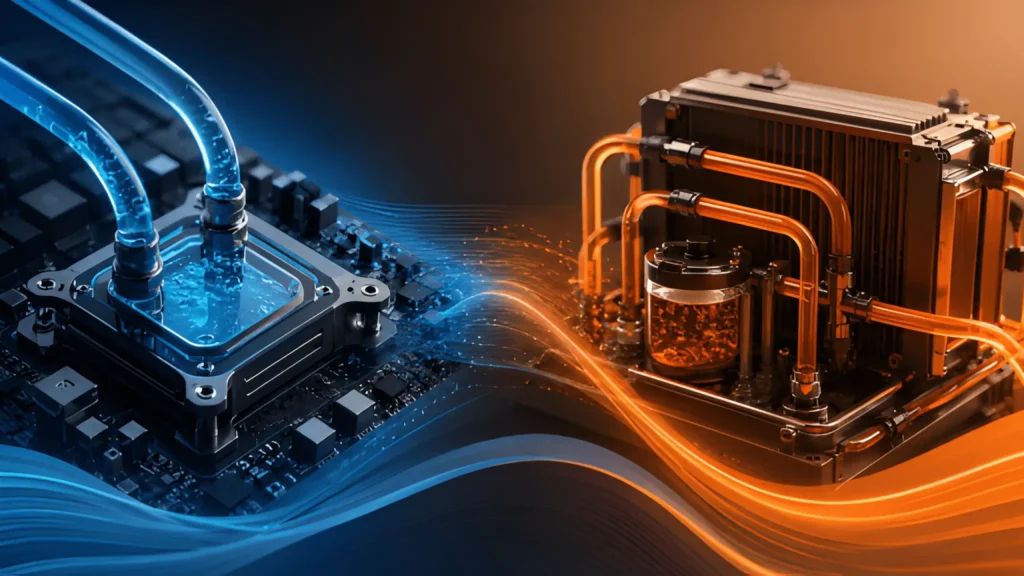
A cooling system rarely announces the moment it has become thermally constrained. The rack continues to run, pumps continue to
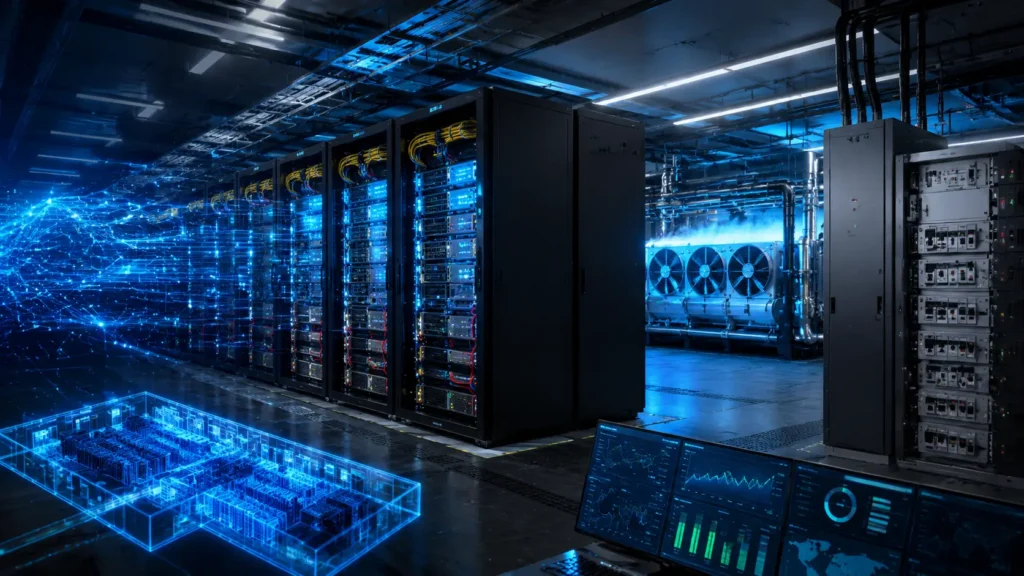
Artificial intelligence infrastructure is often discussed through the lens of processors. Advanced GPUs and accelerators receive significant attention because they
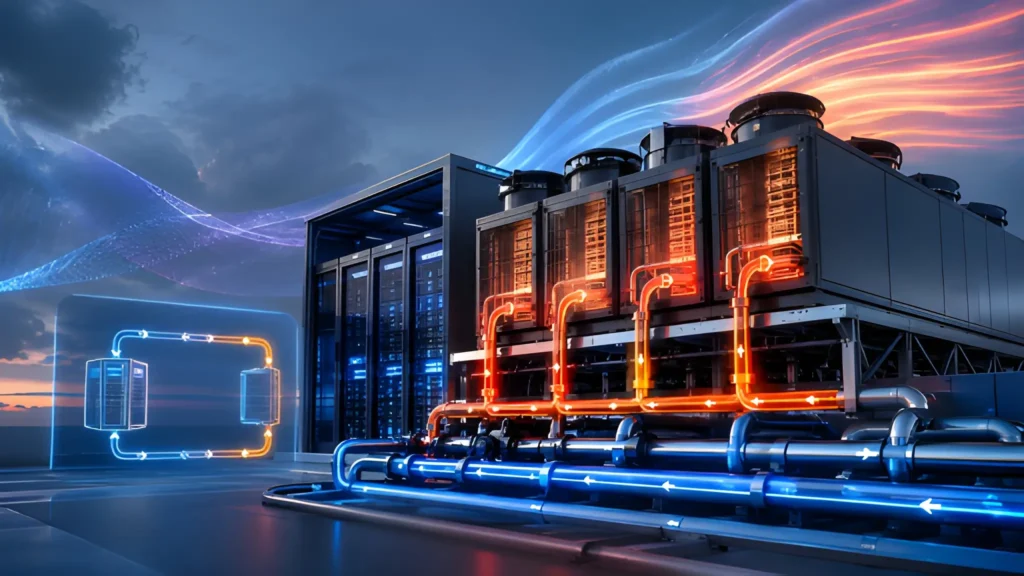
Modern AI infrastructure has changed the economics of thermal engineering more dramatically than processor architecture has changed computing itself. Rack
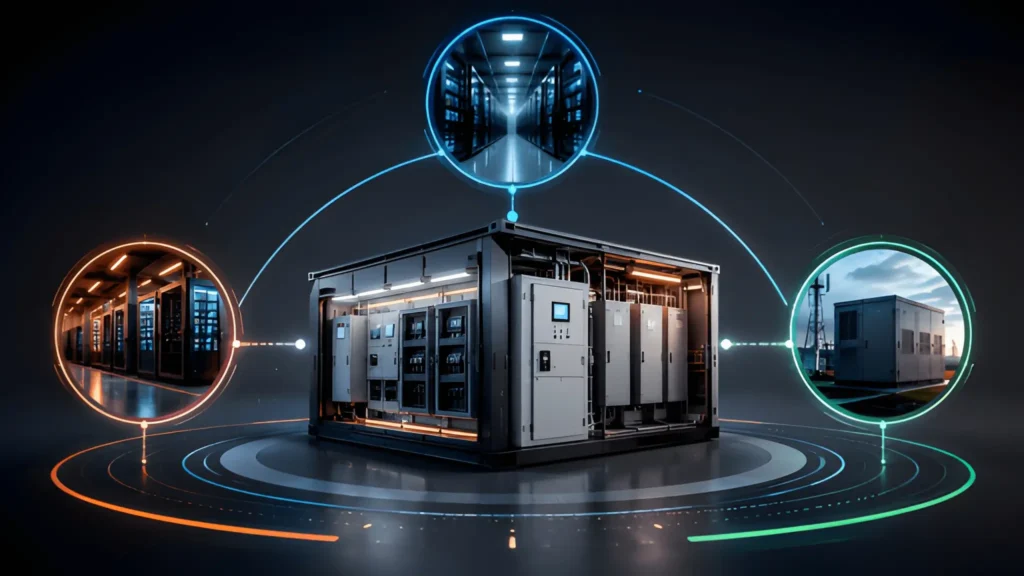
A standardized Electrical Power Distribution Pod, commonly referred to as an EPOD, represents more than a prefabricated enclosure containing electrical
An LLM training cluster can change the working day of an operations technician without changing the technician’s job title. The
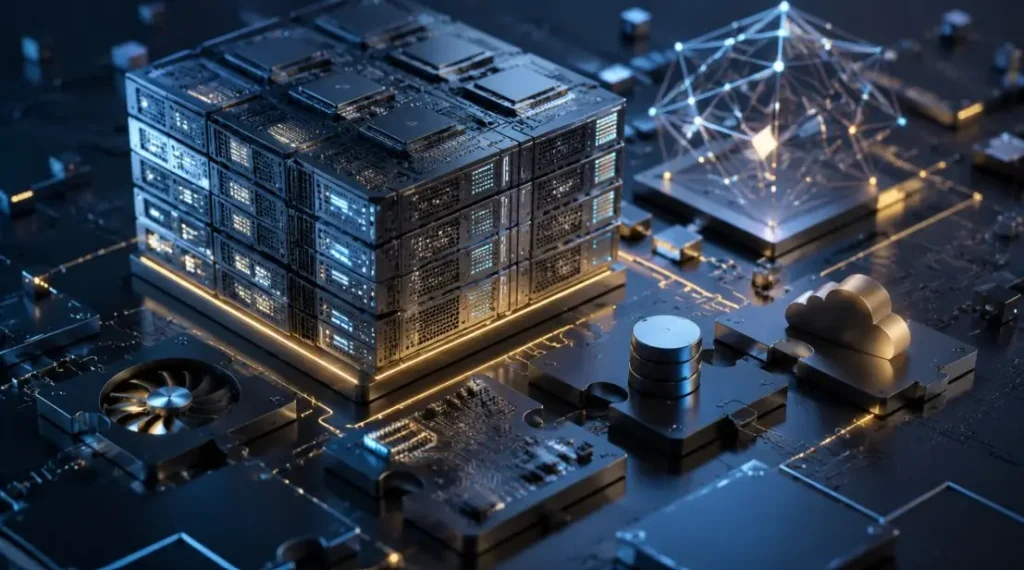
The hardest infrastructure decisions are rarely about what technology can achieve today; they are about whether the systems built today

Liquid cooling has become one of the defining technologies behind modern AI infrastructure because processors now generate heat levels that

Few engineering decisions announce themselves as permanent when they first appear inside an AI stack. Most arrive disguised as practical
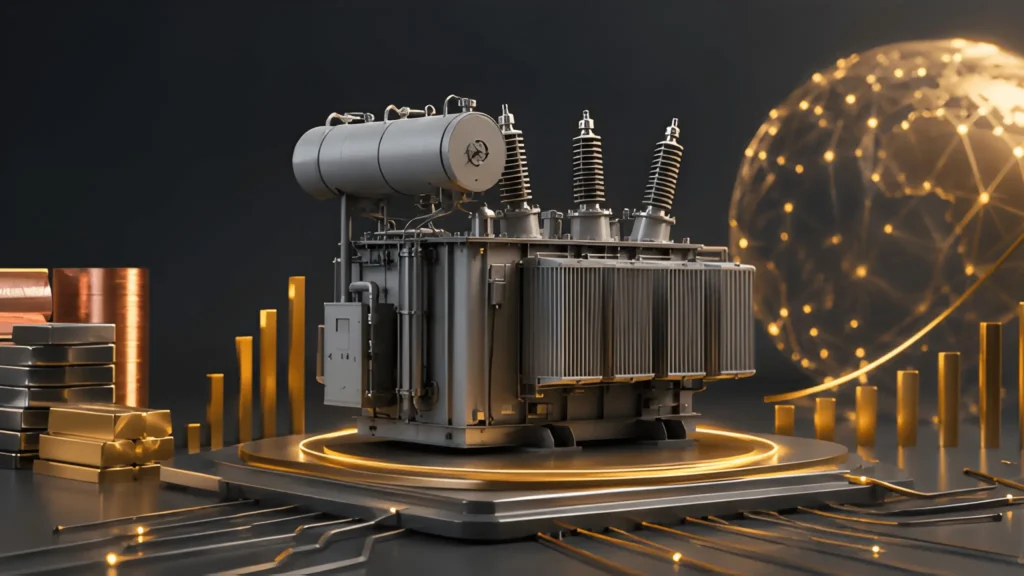
The global digital infrastructure industry has become accustomed to discussing constraints in terms of computing capacity, electrical availability, and permitting
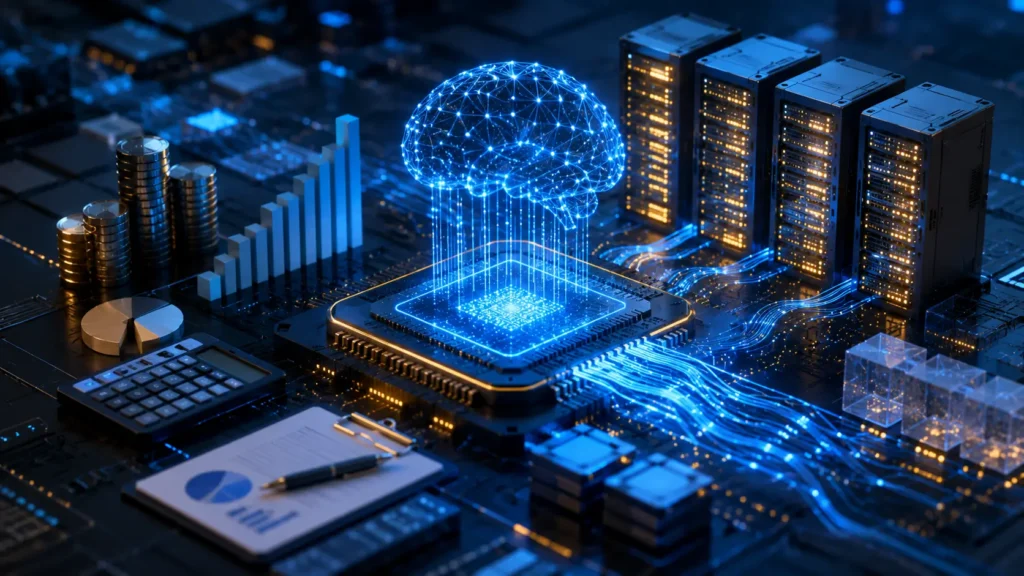
The biggest changes in technology investment rarely begin inside a finance spreadsheet, yet that is where their long-term impact eventually
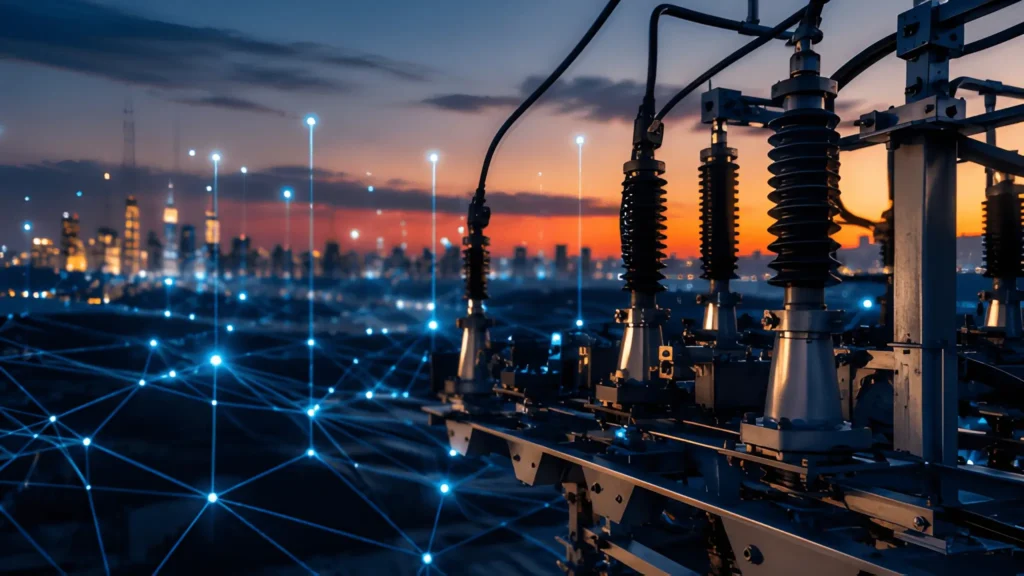
Electricity infrastructure has always influenced industrial development, but AI has compressed planning assumptions that once unfolded across much longer investment
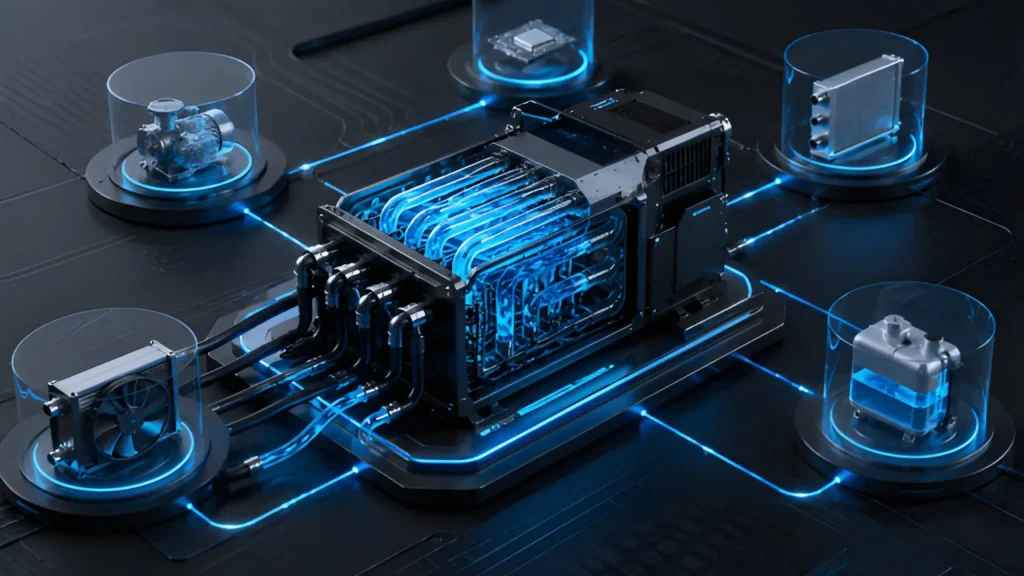
Liquid cooling has steadily moved from an advanced engineering option to an operational requirement for many high-density AI deployments, yet

Artificial intelligence has changed how people interact with technology, but every AI response depends on a physical system working behind
Artificial intelligence infrastructure purchasing has entered an unfamiliar phase where the greatest risk often appears only after deployment rather than
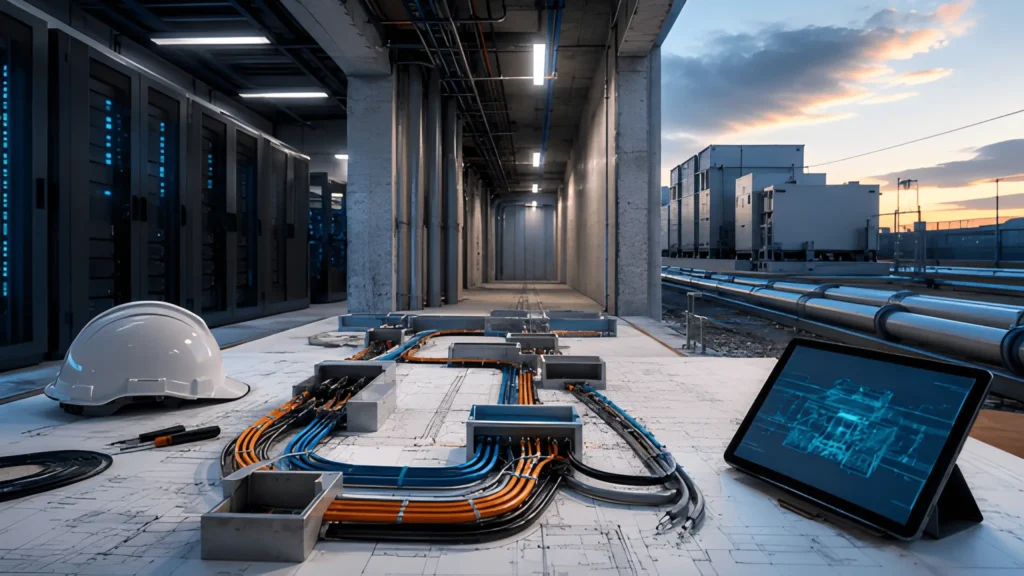
A campus may receive sufficient electrical capacity, advanced cooling architecture, and abundant fiber resources, yet still struggle with operational resilience
Electricity has become an active operating variable rather than a background utility for modern AI infrastructure. Compute demand now changes
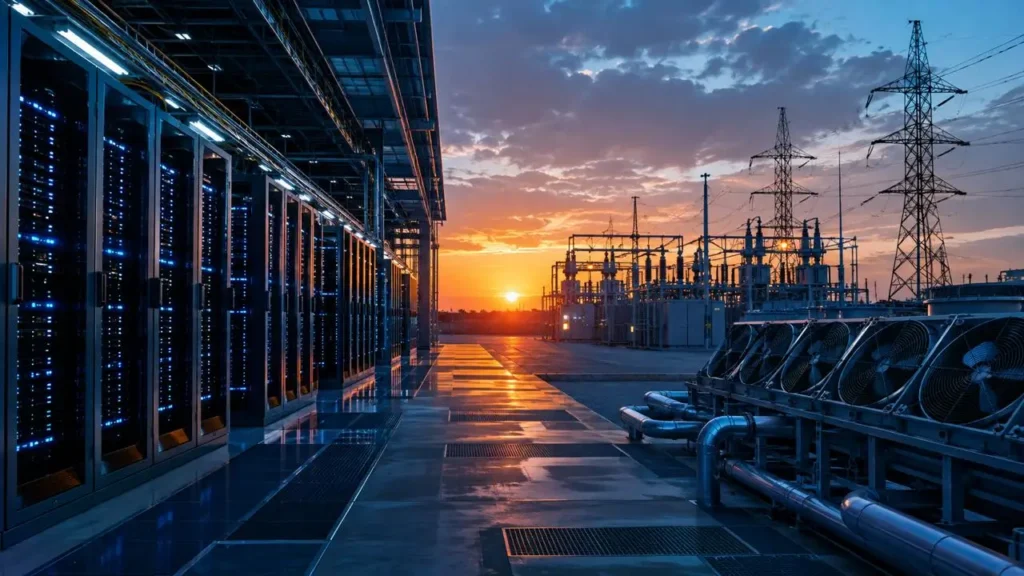
When Computing Starts to Test the Physical World The most important changes in computing infrastructure are not always visible on
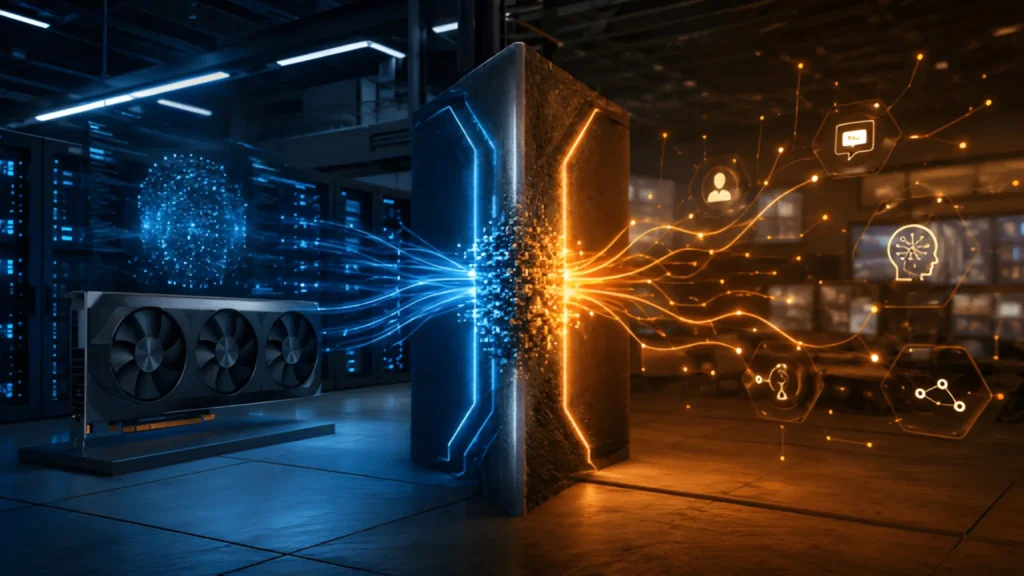
Modern AI infrastructure planning increasingly demonstrates that long-term operational flexibility depends not only on power, cooling, networking, and compute density

Modern digital infrastructure rarely creates sustainability questions with simple answers. Every design decision shifts environmental impacts across multiple reporting categories

Pricing an AI inference service often begins with accelerator selection, software optimization, networking, and expected utilization because those variables appear
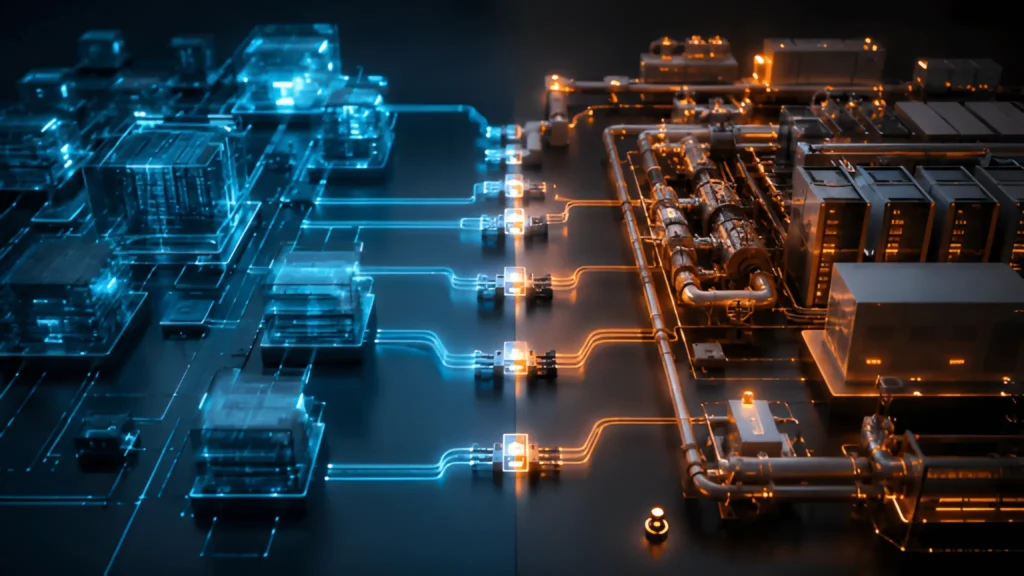
A design review often begins with a familiar question about whether a project requires N, N+1 or 2N redundancy. The

The conversation around data residency has quietly shifted away from legal language and toward electrical infrastructure. Boardrooms continue to approve
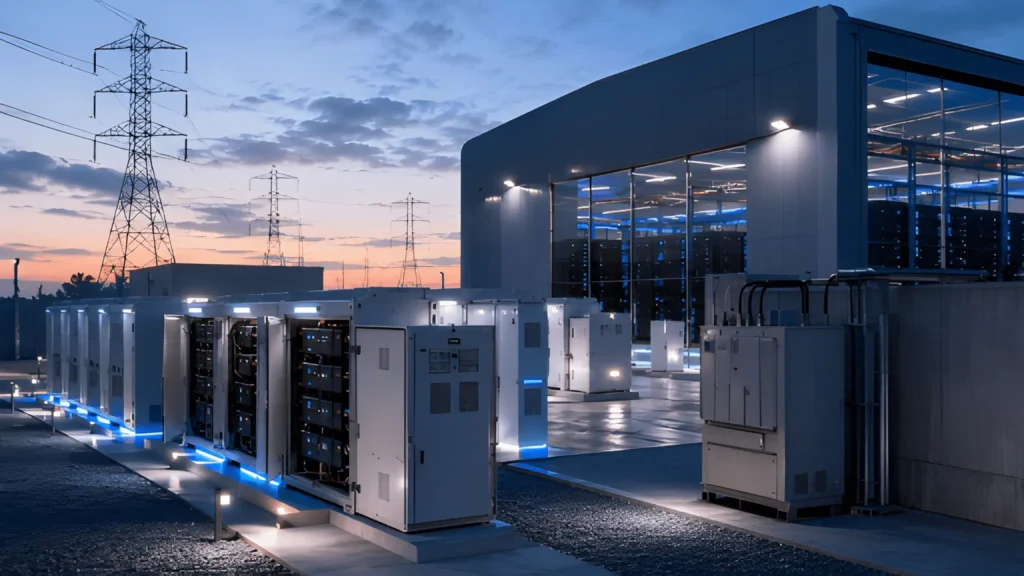
Large infrastructure projects rarely change because a single technology improves. They change when several engineering disciplines begin influencing each other
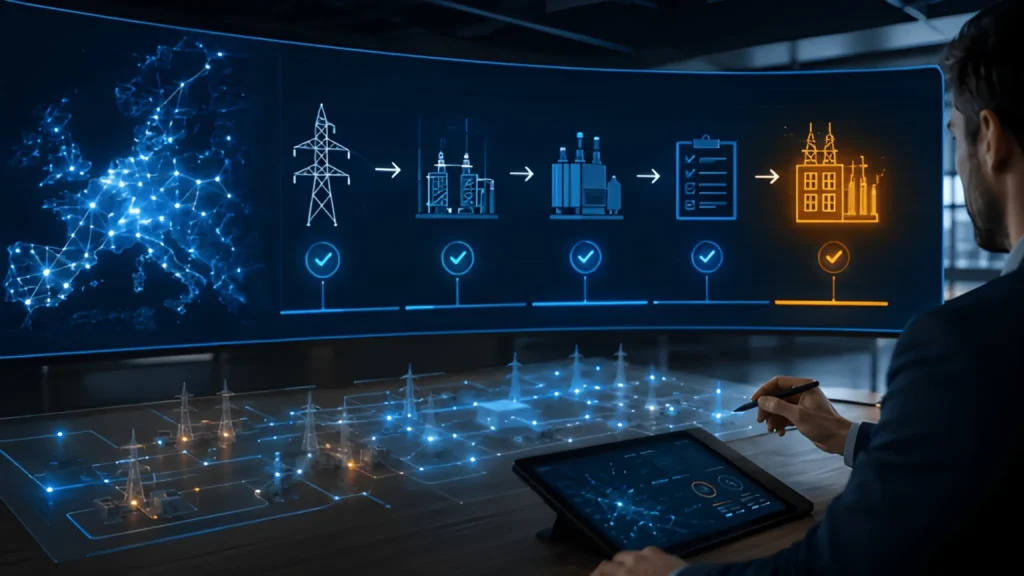
The European AI infrastructure market increasingly competes on one asset before any concrete foundation reaches the ground, and that asset
Few investment decisions appear as straightforward as comparing one rental figure against another on a development spreadsheet. Procurement teams often
The first design decision rarely appears on the commissioning report, yet it often determines the economic life of the entire
Power Usage Effectiveness became one of the industry’s most recognizable measurements because it translated infrastructure efficiency into a single ratio
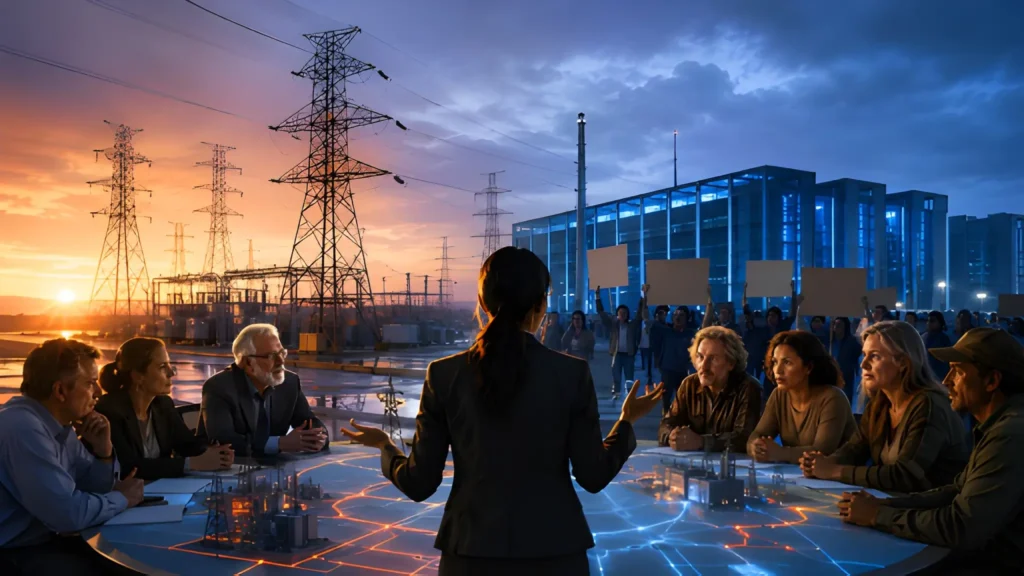
Modern electricity systems were never designed to become the public face of digital infrastructure. Grid operators and regulated utilities traditionally
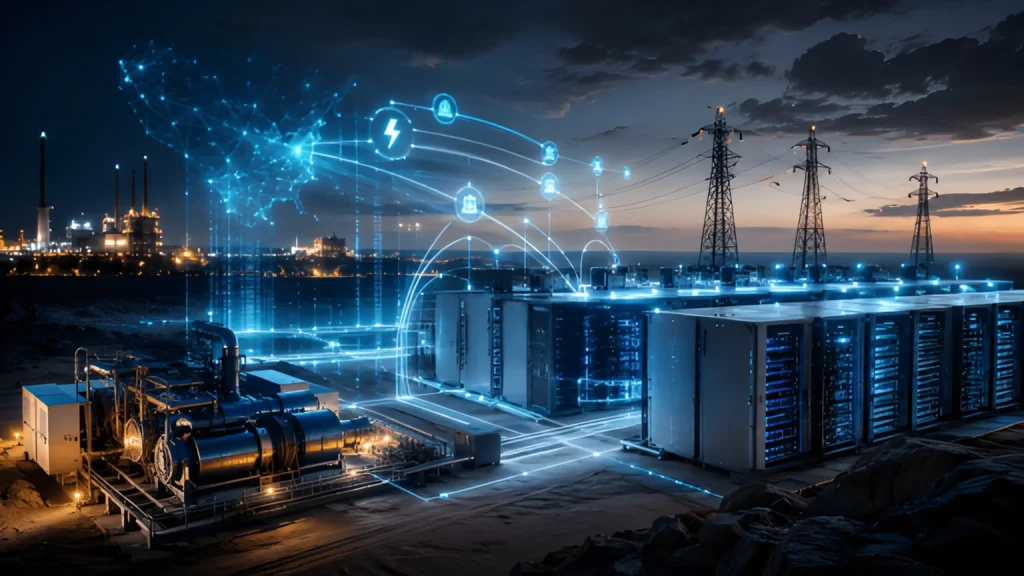
The conversation around AI infrastructure has quietly shifted away from processors, racks, and cloud software. A different layer now determines
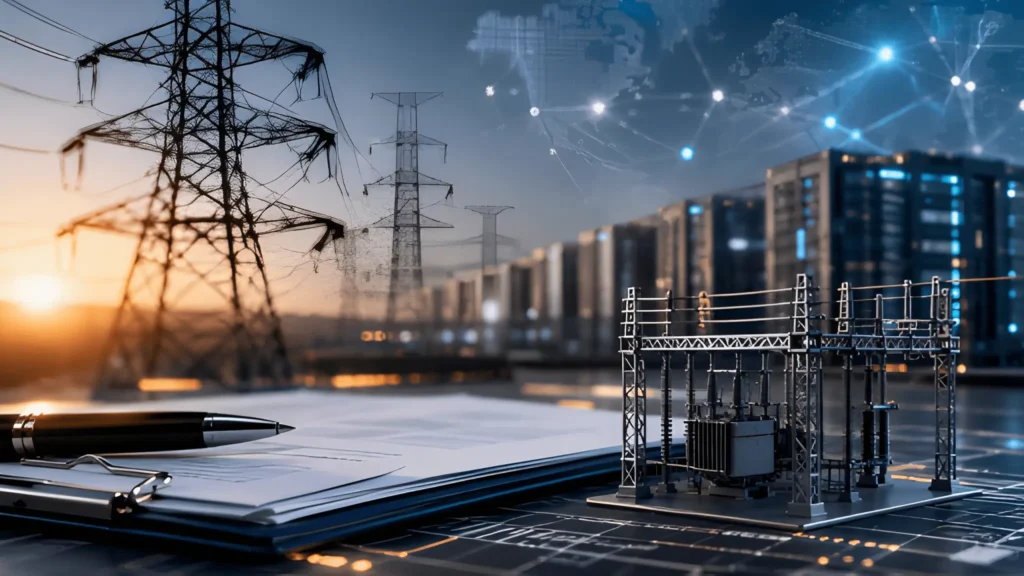
A contract renewal rarely begins with the words written on the first page anymore. It increasingly begins with infrastructure that
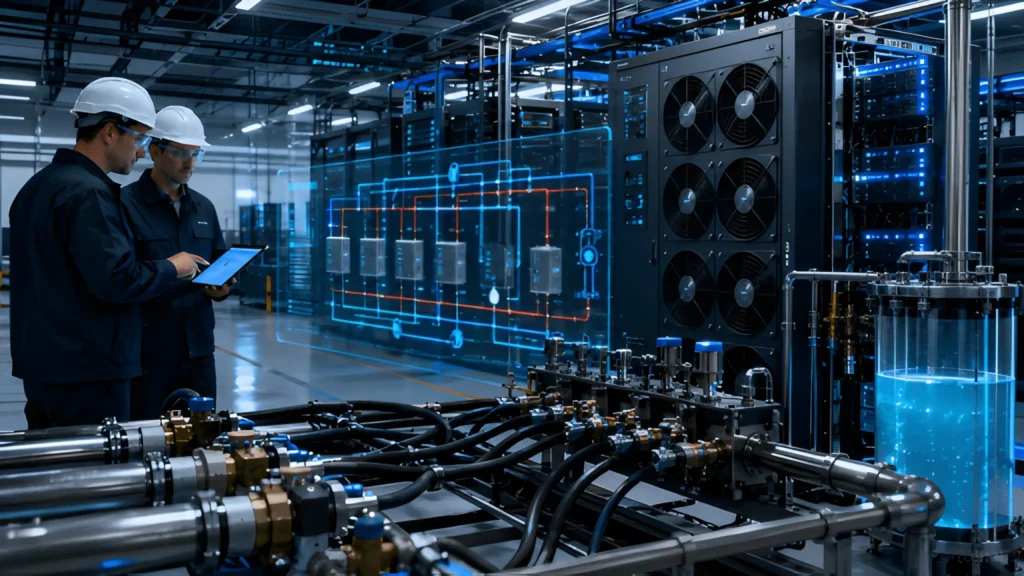
Every major transition in critical infrastructure eventually changes the way engineers define operational proof. Liquid-cooled AI environments have now reached
 Optimized by Seraphinite Accelerator