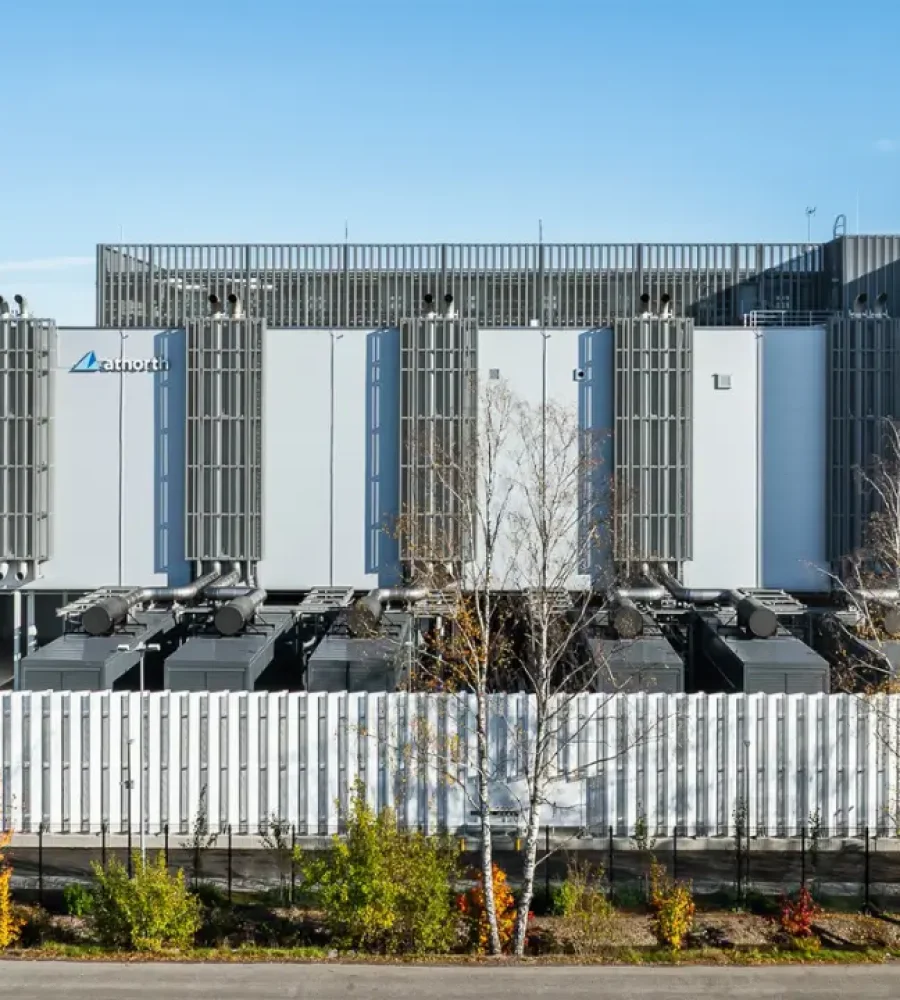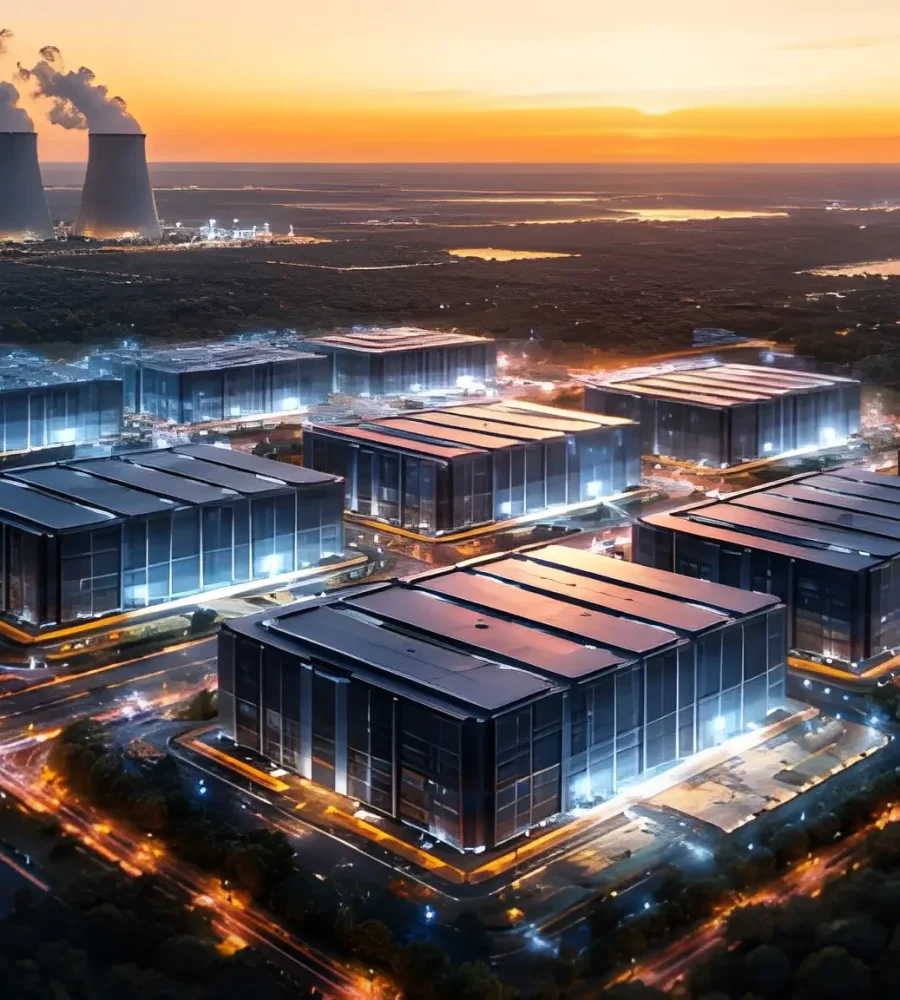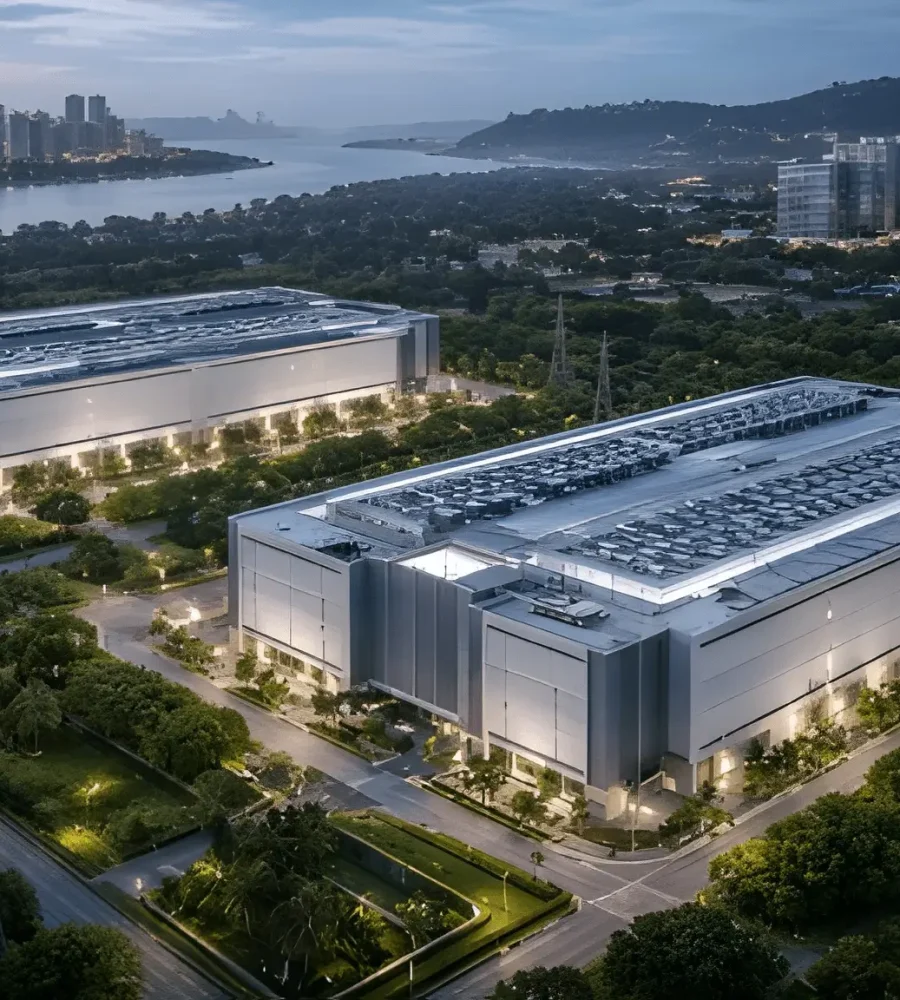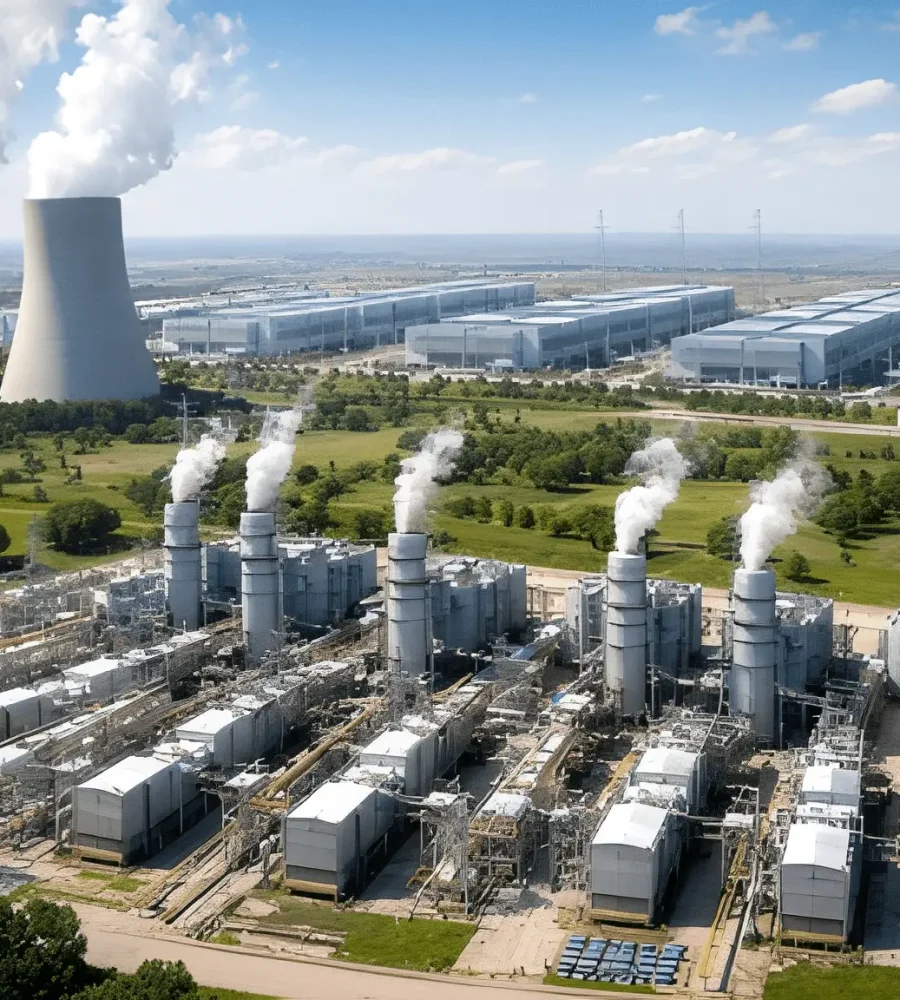
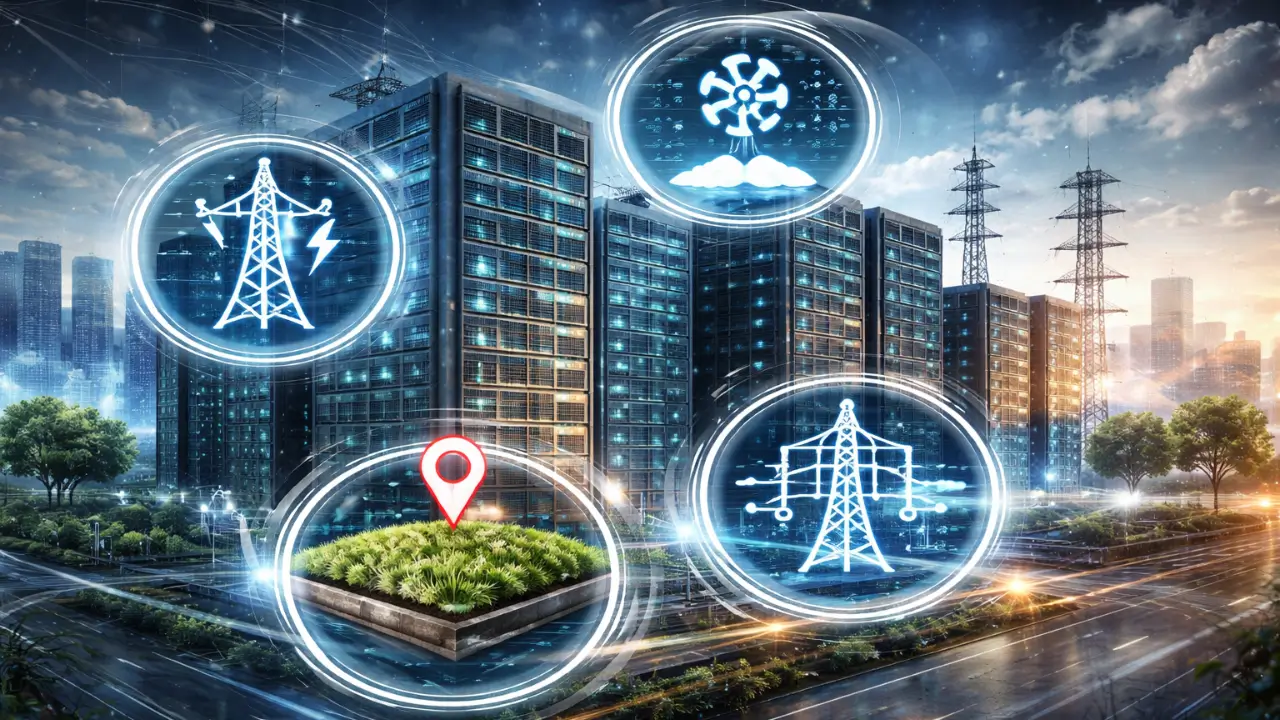
The physical limits defining modern data center growth have become central to infrastructure discourse across the digital economy. Power density, land availability, grid saturation, and cooling thresholds now shape how facilities are conceived and constrained. Industry observers increasingly frame expansion not as a question of capital or demand, but of physical feasibility. These limits operate independently of market cycles or technology hype, anchoring growth discussions in material realities. Engineering boundaries rather than financial models increasingly dictate where and how facilities can be built. As a result, the data center has reemerged as a fundamentally physical system, bound by laws that resist abstraction.
The modern data center evolved during an era when digital growth appeared largely unconstrained by geography. Virtualization, cloud abstraction, and software-defined infrastructure encouraged perceptions of near-limitless scalability. Physical inputs remained essential, yet they receded from public narratives about digital expansion. That conceptual separation has steadily eroded as infrastructure density intensified. Power delivery, thermal dissipation, and spatial efficiency now define operational ceilings. Consequently, growth discussions increasingly return to engineering fundamentals once considered solved problems.
This long read examines the physical constraints shaping contemporary data center development without relying on projections or speculative modeling. The analysis focuses on established engineering principles and operational realities rather than market forecasts. Each limitation operates independently yet intersects with others in complex ways. Power density influences cooling design, which in turn affects land utilization and grid integration. These interactions produce compounding constraints that resist incremental optimization. Understanding these limits requires treating data centers as industrial facilities rather than abstract digital platforms.
Power Density as a Structural Constraint
Power density has become one of the most consequential physical limits within modern data center design. The concentration of electrical load within confined spaces challenges traditional distribution architectures. Electrical systems must safely deliver power while maintaining redundancy and fault tolerance. Higher densities intensify thermal output, increasing stress on both equipment and cooling infrastructure. Facility layouts must accommodate thicker cabling, larger busways, and expanded electrical rooms. These requirements impose non-negotiable spatial and engineering constraints.
Historically, power density increases were absorbed through incremental upgrades to distribution equipment. Over time, however, physical clearances and material limits narrowed available options. Conductors generate heat as current increases, demanding additional space for safe operation. Switchgear dimensions expand as fault currents rise, limiting floor plan flexibility. Structural loading also increases due to heavier electrical components. Consequently, power density shifts cannot occur independently of building design considerations.
Electrical safety standards further reinforce density limitations through mandatory spacing and isolation requirements. These standards exist to prevent cascading failures and protect maintenance personnel. Compliance restricts how closely power systems can be packed, regardless of technological advances. As density rises, the margin for error narrows significantly. Redundancy architectures require duplication rather than compression of systems. Therefore, power density reaches a point where additional capacity demands disproportionate physical expansion.
Power distribution losses also scale with density, introducing inefficiencies unrelated to computing performance. Resistance within conductors converts energy into heat before reaching IT equipment. Mitigation strategies require larger conductors or alternative distribution voltages. Each solution carries spatial and material implications that cannot be eliminated. These losses contribute additional thermal load that cooling systems must remove. Power density therefore exerts pressure across multiple infrastructure layers simultaneously.
Operational reliability becomes increasingly sensitive as density rises within confined electrical environments. Fault isolation grows more complex as systems interconnect more tightly. Maintenance activities face tighter tolerances and higher risks. Downtime consequences escalate as more compute capacity concentrates within smaller footprints. These operational factors reinforce conservative design limits grounded in physical safety. Power density thus represents a hard boundary shaped by physics and engineering discipline.
Land Constraints and Spatial Saturation
Land availability imposes another foundational constraint on data center growth, particularly in established infrastructure corridors. Large facilities require contiguous parcels capable of supporting industrial-scale construction. Zoning regulations often restrict suitable locations to limited industrial districts. As development concentrates, remaining parcels fragment or disappear entirely. Spatial scarcity therefore emerges as a non-negotiable development limiter.
Site selection must also account for setbacks, easements, and environmental buffers that reduce usable acreage. These constraints exist independently of facility size ambitions. Stormwater management requirements further consume land area through retention systems. Security perimeters introduce additional spatial demands that cannot be compressed. Each regulatory layer reduces effective buildable space. Land constraints thus operate through cumulative reductions rather than singular barriers.
Vertical construction offers only limited relief from land scarcity because structural and operational constraints quickly compound. Floor loading limits cap how much equipment can be stacked, while cooling and airflow requirements grow increasingly complex as buildings rise. At the same time, electrical distribution becomes less efficient over greater vertical distances, and emergency egress and safety codes further restrict usable density. As a result, upward expansion cannot fully compensate for the lack of horizontal space.
Geographic proximity to end users and network interconnection points further intensifies competition for land. In high-value regions, accelerated clustering by multiple operators rapidly exhausts available parcels. Once land is consumed, relocation becomes impractical due to latency sensitivities, while brownfield redevelopment introduces additional cost and complexity without eliminating physical constraints. Land, therefore, functions as a fixed resource rather than a scalable input.
Expanding into peripheral areas often creates new constraints instead of resolving existing ones. Remote sites frequently lack adequate utilities, transport connectivity, or access to skilled labor, forcing operators to build supporting infrastructure from scratch. This extends project timelines, increases coordination complexity, and triggers lengthy environmental review processes. Together, these factors reinforce geographic concentration even as land scarcity worsens, allowing spatial constraints to persist despite apparent flexibility.
Grid Saturation as an Infrastructure Boundary
Grid saturation has emerged as a decisive physical limit shaping modern data center growth. Electrical grids were designed around predictable, distributed demand rather than concentrated industrial-scale loads. Data centers introduce sustained consumption patterns that differ from traditional commercial users. These facilities draw power continuously rather than cyclically. Grid components therefore experience prolonged stress under operating conditions they were not originally designed to sustain. Saturation reflects physical transmission and transformation limits rather than regulatory delay.
Transmission capacity constrains how much power can reach a site regardless of generation availability. Conductors carry finite current before thermal limits compromise safety and performance. Substations face similar limitations within transformers and switchgear assemblies. Upgrading these assets requires physical replacement rather than software optimization. Construction timelines reflect material logistics and engineering complexity. Grid saturation thus persists even when generation capacity exists elsewhere.
Distribution networks amplify these constraints at the local level. Feeder lines and local substations serve defined service areas with fixed capacity envelopes. Introducing a large data center can consume a disproportionate share of available load headroom. Neighboring developments then face constrained access to power. Utilities must balance competing demands within immutable infrastructure boundaries. Grid saturation therefore produces localized scarcity rather than systemwide failure.
Physical redundancy requirements further intensify grid constraints. Reliable facilities must draw power from multiple independent feeds sourced from separate substations, a design choice that introduces significant routing challenges—especially in dense, developed areas. Geographic separation between these feeds limits available corridors, while rights-of-way restrictions narrow the set of feasible pathways for additional transmission lines. Each redundant connection consumes grid capacity that cannot be repurposed elsewhere. As a result, redundancy compounds saturation effects rather than relieving them.
Thermal constraints within grid components further limit sustained power delivery. Transformers generate heat through magnetic and resistive losses, and their cooling systems impose hard limits on continuous loading to prevent long-term degradation. Elevated ambient temperatures reduce allowable throughput even further, tightening operational margins. Together, these factors establish non-negotiable performance ceilings. Grid saturation, therefore, reflects thermal physics as much as electrical design.
Infrastructure expansion, meanwhile, is governed by inherent physical inertia. New substations demand land acquisition, heavy equipment deployment, and extended construction timelines. High-voltage transmission lines require towers, foundations, and complex, multi-jurisdictional permitting. Core materials such as copper and steel introduce additional supply-chain dependencies. These realities prevent rapid scaling in response to demand, positioning grid saturation as a structural growth limiter rather than a temporary bottleneck.
Cooling Ceilings and Thermodynamic Limits
Cooling ceilings represent another fundamental physical boundary in modern data center operation. Computing equipment converts electrical energy into heat that must be continuously removed. Thermal dissipation obeys established laws of thermodynamics rather than software efficiency gains. As power density rises, heat flux intensifies within confined volumes. Cooling systems must scale accordingly to maintain safe operating conditions. These systems encounter limits rooted in physics rather than design preference.
Air-based cooling systems encounter inherent volumetric constraints as compute density increases. Delivering sufficient airflow under these conditions demands larger ducting, higher fan speeds, and greater energy input, while pressure differentials yield diminishing efficiency gains beyond certain thresholds. As airflow intensity rises, noise, vibration, and mechanical wear escalate, and the physical footprint of air-handling equipment expands rapidly. Taken together, these factors impose a practical ceiling on air cooling as rack densities continue to climb.
Liquid cooling technologies mitigate several airflow-related limitations, but they introduce a different set of physical constraints. Effective coolant distribution depends on extensive piping, manifolds, and leak-detection or containment systems, all of which must be built from materials capable of withstanding pressure, corrosion, and repeated thermal cycling. Heat exchangers add further spatial requirements within racks or across facilities, while maintenance becomes increasingly complex as fluid networks expand. In this way, liquid cooling shifts the nature of physical boundaries rather than removing them entirely.
Beyond internal systems, heat rejection to the external environment introduces additional, unavoidable limits. Cooling towers and dry coolers depend on ambient conditions to dissipate heat, with temperature differentials setting hard caps on achievable efficiency regardless of internal design sophistication. High humidity and elevated air temperatures further reduce heat transfer capacity, while water availability constrains the deployment of evaporative systems in many regions. As a result, external environmental factors ultimately define the upper bounds of cooling performance.
Redundancy requirements compound cooling challenges by forcing the duplication of critical infrastructure, including backup chillers, pumps, and heat-rejection equipment that consume both space and energy. Although these systems may remain idle under normal conditions, they must stay physically available at all times. Moreover, failure-isolation principles favor separation over consolidation, reinforcing conservative design thresholds across the cooling stack. As a result, cooling capacity tends to expand in discrete steps rather than scale continuously.
Thermal runaway risk defines the absolute boundary of cooling feasibility, because when heat removal falls behind generation, temperatures escalate rapidly. In such scenarios, equipment protection mechanisms trigger shutdowns to prevent damage, establishing a hard operational limit rather than a negotiable economic tradeoff. No degree of optimization can bypass this fundamental constraint. Consequently, cooling ceilings anchor data center growth firmly within the realities of thermodynamics.
Interdependency of Physical Limits
Physical limits within modern data centers do not operate in isolation. Power density, land availability, grid capacity, and cooling ceilings interact in reinforcing ways. A constraint in one domain often amplifies pressure in another. Increasing electrical load intensifies thermal output, which then strains cooling systems. Cooling expansion demands additional land and power infrastructure. These interactions form a tightly coupled system governed by physical realities.
Design responses frequently encounter cascading constraints rather than singular bottlenecks. Expanding electrical capacity requires more substations, which consume land and increase heat generation. Enhanced cooling systems draw additional power, feeding back into grid demand. Land scarcity limits the placement of auxiliary infrastructure needed to resolve these stresses. Each attempted mitigation introduces new physical requirements. The system therefore resists linear scaling strategies.
Spatial planning illustrates this interdependency clearly. Compact layouts increase power density, intensifying cooling demands within smaller volumes. Distributed layouts reduce density but require more land and longer power distribution paths. Longer paths increase electrical losses and complexity. Cooling efficiency varies across these configurations without eliminating constraints. Trade-offs thus redistribute limitations rather than removing them.
Grid interconnection further demonstrates these compound effects. While dual-feed redundancy improves reliability, it simultaneously doubles grid interface requirements, often necessitating additional substations and adjacent land parcels near existing infrastructure. At the same time, the cooling equipment required to support expanded electrical systems introduces further spatial demand. Each layer reinforces the next through physical necessity, producing configurations shaped more by constraint and compromise than by pure optimization.
Operational decisions mirror the same interdependent limits. Although load-balancing strategies can shift power demand over time, they cannot relocate it spatially. Thermal inertia further restricts how rapidly operating conditions can change, while maintenance scheduling must accommodate overlapping infrastructure dependencies. As a result, failures in one system propagate through others due to tight physical coupling, anchoring operations firmly within fixed boundaries rather than flexible abstractions.
This compound nature of constraint directly challenges narratives of modular scalability. Prefabrication may accelerate deployment timelines, but it does not alter the underlying physics that govern power, cooling, land use, and grid access. Individual modules still depend on the same foundational resources, and when aggregated, they simply reproduce these constraints at larger scales. Interdependency therefore persists regardless of construction methodology, underscoring that physical limits are cumulative rather than avoidable.
Power Density and Cooling Feedback Loops
Power density and cooling capacity form a direct feedback loop within data center environments. Increased computational intensity elevates heat output proportionally. Cooling systems must remove this heat continuously to maintain operational stability. Additional cooling equipment consumes power, raising overall electrical demand. This feedback loop tightens as density increases. Physical ceilings emerge when incremental cooling requires disproportionate power input.
Cooling infrastructure occupies significant physical volume relative to IT equipment. Chillers, pumps, heat exchangers, and piping require dedicated space. As cooling capacity increases, supporting systems expand accordingly. Structural supports must accommodate added weight and vibration. These requirements limit how densely equipped equipment can be arranged. Cooling thus imposes spatial boundaries linked directly to power density.
Airflow management further constrains density through inherent geometric limitations. While hot and cold aisle containment can improve cooling efficiency, it depends on precise physical alignment. Even minor deviations reduce effectiveness and increase air recirculation. As rack densities rise, localized hotspots emerge, making it difficult to maintain uniform airflow across the facility. Mitigating these hotspots typically requires targeted cooling equipment, which in turn consumes additional floor space and energy.
Liquid cooling alters this feedback loop but does not eliminate it. Direct-to-chip systems remove heat more efficiently at the source; however, that heat must still be rejected into the surrounding environment. Secondary cooling loops and heat exchangers introduce additional power demands, while pumps and control systems add operational complexity. As a result, the feedback loop shifts in form rather than disappearing altogether.
Thermal monitoring systems illustrate the sensitivity of these feedback dynamics, as sensors continuously track temperature gradients across equipment and airflow paths. Even small deviations can signal that cooling limits are approaching, prompting operators to respond by reducing computational load or increasing cooling output. Importantly, these responses reflect hard physical boundaries rather than discretionary policy choices, which is why feedback loops consistently enforce conservative operational margins.
Over time, accumulated heat stress directly affects equipment lifespan and system reliability, since elevated operating temperatures accelerate material degradation. To preserve acceptable conditions, cooling systems must compensate more aggressively, which in turn increases power consumption and infrastructure wear. Long-term operational stability therefore depends on respecting cooling ceilings, ensuring that power-density expansion remains inherently bounded by these feedback mechanisms.
Land, Infrastructure Clustering, and Physical Saturation
Land constraints become more pronounced as data center development clusters around existing infrastructure corridors. Proximity to transmission lines, fiber routes, and substations narrows viable site options. Concentration accelerates parcel consumption within these preferred zones. Over time, remaining land fragments into irregular or undersized plots. Physical saturation thus emerges even in regions with apparent geographic abundance.
https://www.datacenterknowledge.com/site-selection/why-data-centers-cluster-where-they-do
Infrastructure clustering introduces cumulative spatial inefficiencies, as each facility requires its own setbacks, buffer zones, and security perimeters. Although operators attempt to share corridors, safety standards and regulatory separation rules prevent full overlap. In addition, roads, substations, and cooling plants occupy acreage well beyond the data halls themselves. As a result, incremental builds consume more land per megawatt over time. Saturation, therefore, reflects compounding spatial overhead rather than simple footprint size.
Environmental compliance further constrains clustered development by limiting the availability of usable parcels. Wetlands, floodplains, and protected habitats reduce buildable land, while stormwater runoff controls require retention basins that scale with impervious surface area. At the same time, noise and heat discharge regulations impose additional spatial buffers. These requirements apply regardless of facility efficiency, intensifying land scarcity as compliance absorbs an increasing share of developable area.
Transportation infrastructure adds another layer of spatial demand. Heavy equipment delivery requires access roads capable of supporting oversized loads. Ongoing operations depend on reliable staff access and emergency response routes. These needs introduce minimum road widths and turning radii. Urban and peri-urban environments struggle to accommodate such requirements. Land constraints therefore extend beyond the facility boundary itself.
Security considerations further reinforce conservative land utilization. Required standoff distances protect facilities from external threats and accidental hazards, while fencing, surveillance systems, and controlled entry points consume substantial noncomputing space. Vertical security solutions provide only limited mitigation, constrained by line-of-sight, access control, and response requirements. As a result, these measures remain mandatory regardless of density objectives, embedding security-driven inefficiencies directly into physical site planning.
Once saturation sets in, relocation options narrow rapidly. Sensitivity to network latency limits the ability to move operations away from established hubs, while new infrastructure corridors demand significant capital investment and cross-sector coordination. At the same time, workforce availability tends to cluster around existing ecosystems. Land, therefore, operates as a fixed constraint rather than a flexible variable, with growth stalling once spatial capacity is fully exhausted.
Grid Saturation and Geographic Inflexibility
Grid saturation reinforces geographic rigidity in data center expansion, as electrical infrastructure remains aligned with historic population and industrial centers. Transmission topology still reflects decades-old planning assumptions, meaning added capacity requires physical augmentation rather than the digital rerouting of demand. As a result, saturated nodes constrain development even where land is available, keeping geography and grid design tightly coupled.
Substation capacity further defines local growth ceilings. Transformers operate within fixed thermal and electrical limits that cannot be safely exceeded, while parallel substations require additional land and new feeder connections. In urban environments, such space is rarely available near load centers. Saturation therefore presents a hard stop rather than a gradual slowdown, extending development timelines until physical infrastructure can catch up.
Transmission congestion compounds local saturation effects. High-load corridors experience limited headroom for additional flows. Line ratings depend on conductor temperature and ambient conditions. Weather variations further constrain available capacity. These physical dependencies prevent reliable expansion beyond engineered limits. Grid saturation therefore persists independently of market demand signals.
Backup generation requirements further stress grid-adjacent space. On-site generators require fuel storage, exhaust clearance, and acoustic mitigation. These systems cannot be vertically compressed without compromising safety. Fuel delivery logistics demand vehicular access and staging areas. Land consumption increases as resilience requirements intensify. Grid saturation indirectly amplifies land constraints through redundancy planning.
Interconnection queues reflect physical bottlenecks rather than administrative delay, as utilities assess available fault current, voltage stability, and thermal margins against tangible equipment limits. Approval ultimately depends on whether physical upgrades are feasible, meaning saturation reflects real-world capacity rather than theoretical availability. As a result, grid inflexibility continues to anchor development to existing constraints.
Efforts to bypass saturation through remote siting introduce a different set of challenges. Long-distance transmission increases losses and raises reliability concerns, while new lines require rights-of-way that span multiple jurisdictions. Environmental review processes further extend timelines, reintroducing constraints in new forms. Consequently, grid saturation remains a limiting factor regardless of siting strategy.
Cooling Ceilings, Water Dependence, and Environmental Boundaries
Cooling ceilings intersect directly with environmental boundaries that data center operators cannot override. Heat rejection depends on surrounding air and water conditions. Ambient temperature establishes a baseline that mechanical systems must work against. Higher external temperatures reduce cooling effectiveness regardless of internal efficiency. Environmental conditions therefore impose fixed operational limits. These limits persist independently of technological advancement.
Water-based cooling introduces additional physical dependencies, as evaporative systems rely on continuous water availability to operate as designed. Intake volumes scale with thermal load rather than facility footprint, which means local water infrastructure must support sustained industrial withdrawal rates. As a result, drought conditions and watershed constraints can directly restrict operational continuity. Cooling ceilings therefore extend beyond facility boundaries and into regional resource systems.
Heat rejection infrastructure also consumes significant land area. Cooling towers require adequate spacing to prevent recirculation of exhaust heat, while dry coolers depend on unobstructed airflow paths. Structural height limitations further restrict vertical stacking of heat rejection equipment. Taken together, these physical realities limit how much heat can be expelled from a given site, making cooling capacity directly correlated with available external space.
Environmental regulations reinforce conservative cooling design by imposing multiple, overlapping constraints. Thermal discharge limits are intended to protect surrounding ecosystems from heat pollution, while water quality standards tightly govern chemical treatment and blowdown practices. At the same time, noise ordinances restrict allowable fan and pump operating levels, narrowing acceptable operating ranges. Together, these compliance requirements constrain both system sizing and operational envelopes, resulting in cooling ceilings that must simultaneously account for regulatory mandates and physical limits.
Seasonal variability further tightens these cooling constraints, as peak thermal loads frequently coincide with the highest ambient temperatures. Because systems must perform reliably under worst-case conditions rather than average scenarios, redundancy planning becomes increasingly conservative. While oversizing equipment can address these extremes, it also drives up land use and power consumption, whereas under-sizing increases the risk of thermal excursions during extreme weather events. Cooling ceilings, therefore, reflect a deliberately cautious design approach anchored in physical extremes rather than nominal operating conditions.
Closed-loop and advanced cooling designs reduce reliance on water, but they do not eliminate environmental dependence. Heat must still dissipate into surrounding air or nearby water bodies, while secondary systems introduce their own efficiency limits. Material durability further constrains operating temperatures and pressures, ensuring that environmental coupling persists across cooling architectures and that physical boundaries remain inescapable.
The Immutability of Physical Infrastructure Timelines
Physical infrastructure evolves on timelines distinct from digital innovation cycles. Data centers integrate components that require years to plan, permit, and construct. Power plants, substations, and transmission lines follow similarly extended schedules. These assets cannot be accelerated through software-driven optimization. Timelines reflect material fabrication, site preparation, and testing requirements. Physical limits therefore manifest temporally as well as spatially.
Construction sequencing imposes fixed dependencies, with electrical infrastructure required before equipment installation and cooling systems dependent on structural completion prior to commissioning. Testing phases then validate safety and reliability under load, with each stage contingent on the successful completion of the one before it. As a result, opportunities for parallelization remain limited by safety considerations, causing infrastructure timelines to resist compression.
Permitting processes mirror physical realities rather than administrative inertia. Environmental impact assessments require seasonal data collection. Grid interconnection studies evaluate load effects under multiple scenarios. Public consultation periods reflect land and resource concerns. These steps correspond to tangible external impacts. Timelines therefore align with physical verification rather than paperwork alone.
Supply chains reinforce temporal constraints through material dependencies, as critical components such as transformers, switchgear, and cooling equipment rely on specialized manufacturing processes. As a result, lead times are shaped by both production capacity and stringent quality assurance requirements. On-site installation further compounds these timelines, requiring skilled labor and heavy machinery to be coordinated within narrow windows. Consequently, delays tend to propagate across tightly coupled schedules. Physical components, therefore, continue to anchor overall project duration.
Operational readiness testing further extends deployment timelines, as integrated systems must demonstrate stable performance under simulated failure conditions. Power transfer mechanisms, cooling responses, and control logic are validated together, ensuring the facility can withstand real-world stress scenarios. Because these tests directly affect safety and uptime, they cannot be accelerated without elevating operational risk. Certification, therefore, hinges on proven performance rather than stated intent, making physical reliability the primary determinant of commissioning pace.
The immutability of these timelines, in turn, constrains how growth can be sequenced. Capacity cannot materialize instantaneously in response to demand signals alone; expansion plans must remain synchronized with underlying infrastructure readiness. Overbuilding leads to idle assets and inefficient resource use, while underbuilding heightens the risk of congestion and systemic instability. As a result, physical timelines act as a governing discipline on growth strategies rather than a variable that can be optimized away.
Physical Limits as the Defining Growth Framework
Physical limits increasingly define the strategic framework for modern data center growth. Power density, land constraints, grid saturation, and cooling ceilings establish hard boundaries. These boundaries operate independently of economic cycles or software evolution. Industry discourse has shifted toward accommodating these realities rather than bypassing them. Infrastructure planning now begins with physical feasibility assessments. Growth strategies reflect constraint management rather than limitless expansion.
Design innovation increasingly focuses on operating closer to physical limits without crossing them, with incremental efficiency gains improving utilization within fixed envelopes. Advanced monitoring enables tighter operational control; however, fundamental boundaries remain unchanged. No architecture eliminates the need for power, space, or heat rejection, and physical limits therefore retain primacy in long-term planning.
Regional disparities underscore how universal these constraints have become. Dense urban markets are the first to confront land scarcity and grid saturation, while emerging regions face parallel pressures in the form of water availability and underdeveloped infrastructure. At the same time, climate conditions increasingly shape cooling feasibility across geographies. Although these physical limits manifest differently from region to region, they remain equally binding. As a result, growth increasingly adapts to geography rather than attempting to transcend it.
Industry resilience depends on recognizing immovable boundaries early, as planning errors tend to compound when physical constraints surface late in the process. Transparent assessments help improve alignment between capacity and capability, while stakeholders increasingly prioritize predictability over aggressive expansion. Ultimately, physical realism underpins sustainable development, prompting data center growth to re-center on core engineering fundamentals.
Long-term viability aligns with respect for thermodynamic and spatial laws, as infrastructure that operates within these limits achieves greater stability. By contrast, systems designed at the edge of physical tolerance face cascading risks, turning constraints into points of failure rather than resilience. Seen this way, physical limits function as safeguards, not obstacles, ensuring that growth grounded in reality endures longer. The modern data center, despite its digital promise, remains firmly anchored in the physical world.