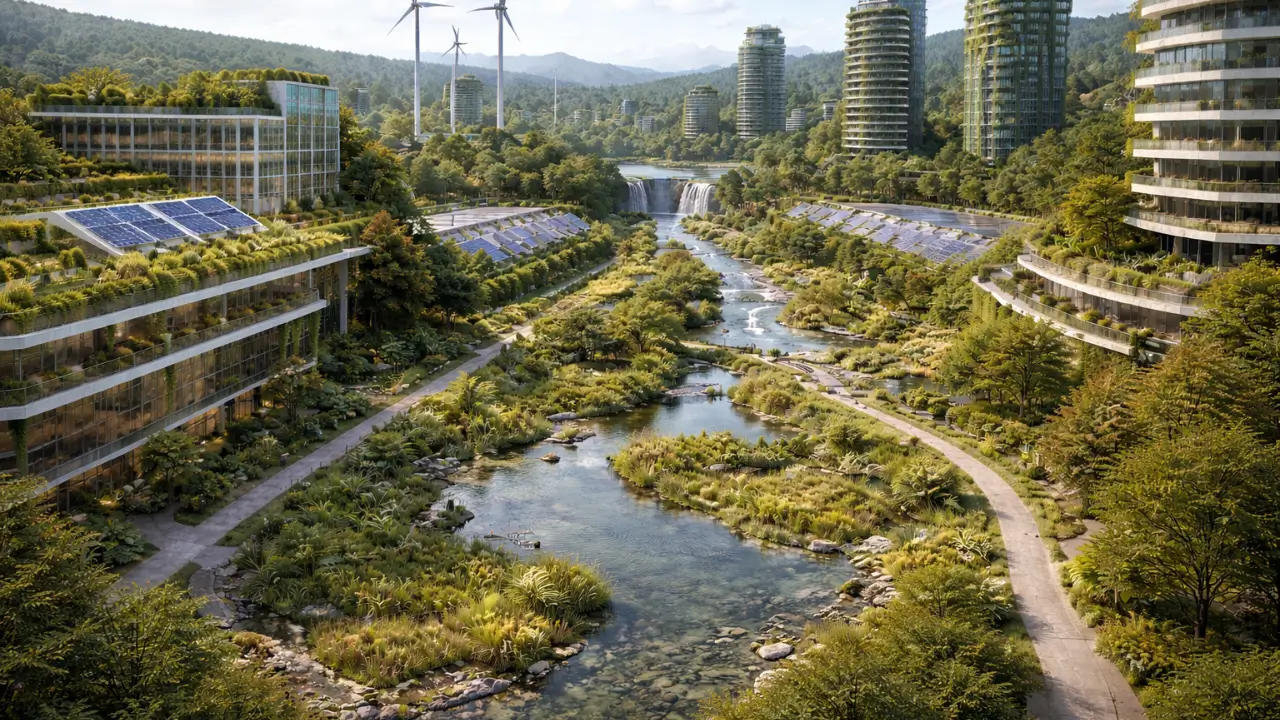
The ground beneath our cities tells a quiet story of extraction, exhaustion, and relentless expansion, yet it also holds the blueprint for renewal if we choose to listen. For decades, infrastructure development aimed to reduce visible harm, install cleaner technologies, and comply with environmental thresholds that governments defined as acceptable. However, a new generation of architects, engineers, and industrial leaders now recognizes that compliance alone cannot repair degraded watersheds, depleted soils, or fragmented habitats. Consequently, regenerative infrastructure has emerged as a decisive response that reframes development as an active ecological contributor rather than a neutral presence. This shift does not romanticize nature or dismiss industrial progress; instead, it integrates ecological intelligence directly into structural systems, energy flows, and material cycles. Ultimately, regenerative infrastructure demands that every project ask a deeper question: how can this system give back more than it takes?
From Sustainable to Regenerative: A Paradigm Shift
Sustainability once represented a radical improvement over unchecked industrial expansion, yet its core ambition often centered on minimizing environmental damage rather than reversing it. Designers focused on reducing emissions, lowering water consumption, and improving energy efficiency while keeping the broader extractive model intact. Although those efforts slowed degradation, ecosystems continued to decline because infrastructure still consumed resources faster than natural systems could replenish them. Therefore, regenerative infrastructure advances the conversation by redefining success as ecological restoration instead of operational efficiency alone. This paradigm shift treats infrastructure not as a burden that must become lighter, but as a living system that can restore biodiversity, replenish aquifers, and strengthen atmospheric balance. As a result, regenerative thinking transforms environmental responsibility from a defensive strategy into a proactive design mandate.
Infrastructure historically supported economic growth by enabling mobility, power distribution, manufacturing, and urban expansion, yet it rarely accounted for long-term ecological consequences. Roads fragmented wildlife corridors, industrial plants discharged heat into waterways, and buildings replaced permeable soil with sealed concrete surfaces. Under a regenerative lens, designers now reassess these inherited assumptions and align infrastructure performance with ecosystem health. This reframing requires that planners evaluate how every intervention influences soil regeneration, species diversity, and hydrological continuity. Moreover, regenerative infrastructure integrates environmental metrics into core performance criteria rather than treating them as secondary reporting tools. Consequently, infrastructure evolves from a background utility into an intentional ecological participant.
Designing with Ecosystems, Not Around Them
Conventional planning often treats rivers, forests, wetlands, and climatic patterns as obstacles that constrain project feasibility, which leads to costly mitigation measures after damage occurs. In contrast, regenerative infrastructure begins with ecological mapping and embeds natural processes into the design logic from the outset. Engineers analyze watershed flows, prevailing wind systems, soil microbiology, and regional biodiversity before establishing structural footprints. This proactive alignment reduces friction between built systems and living systems while enhancing long-term resilience. Furthermore, such integration creates multi-functional landscapes where buildings support pollinator corridors, and stormwater channels nourish native vegetation. Through this method, infrastructure becomes inseparable from the ecosystems it inhabits.
Regenerative site planning relies on ecological intelligence that merges landscape architecture, environmental science, and systems engineering into a unified framework. Rather than flatten terrain for construction convenience, designers shape foundations around existing topography to preserve drainage patterns and root systems. Native plantings replace ornamental landscaping because they strengthen local biodiversity and require fewer artificial inputs. Designers also incorporate green roofs, vertical gardens, and permeable pavements that restore microhabitats within dense urban environments. These strategies transform formerly sterile surfaces into active contributors to ecological cycles. As a result, site planning becomes an exercise in amplification rather than suppression of natural processes.
Infrastructure as Ecological Participant
The concept of infrastructure as an ecological participant represents one of the most transformative ideas within regenerative design philosophy. Instead of functioning as passive consumers of energy and materials, buildings and industrial facilities now operate as dynamic nodes within broader ecological networks. Designers equip structures with systems that capture rainwater, filter air pollutants, and sequester carbon within structural components. Additionally, integrated habitat zones support birds, insects, and small mammals that would otherwise disappear from urbanized areas. By embedding these features into core architectural systems, infrastructure actively strengthens ecosystem services rather than degrading them. Consequently, development and ecological restoration no longer exist in opposition but operate as synchronized processes.
Healthy soil underpins food security, carbon storage, and water filtration, yet conventional construction often compacts and sterilizes it during development. Regenerative infrastructure counters this damage by incorporating soil restoration programs into project lifecycles. Developers integrate compost systems, biochar amendments, and regenerative landscaping that rebuild microbial diversity beneath built surfaces. Meanwhile, biodiversity corridors reconnect fragmented habitats and allow species migration across urban landscapes. These interventions collectively strengthen atmospheric balance because thriving ecosystems regulate carbon and oxygen cycles more effectively. Through deliberate design, infrastructure becomes a catalyst for ecological stabilization rather than environmental stress.
Biogenic Materials and Living Construction Systems
Industrial construction historically relied on materials extracted through energy-intensive processes that severed the connection between building systems and ecological cycles. Steel, concrete, and synthetic polymers enabled rapid urban expansion, yet their production often accelerated atmospheric imbalance and landscape disruption. Regenerative infrastructure challenges this dependency by advancing biogenic materials that align structural integrity with ecological restoration. Designers increasingly specify timber from responsibly managed forests, agricultural byproducts transformed into composite panels, and mycelium-based insulation that biodegrades without toxicity. These materials not only reduce embodied carbon but also sequester atmospheric carbon within structural frameworks. Consequently, living construction systems convert buildings into reservoirs of ecological value rather than repositories of environmental debt.
Carbon-sequestering components redefine how architects evaluate material performance across a building’s lifespan. Cross-laminated timber, hempcrete, algae-based façades, and biochar-infused concrete demonstrate how structural elements can store carbon while maintaining durability. Unlike conventional materials that degrade into landfill waste, regenerative materials follow adaptive lifecycles that anticipate reuse, reintegration, or biological decomposition. Designers now map material flows before construction begins, ensuring that each component can re-enter industrial or ecological cycles at the end of its primary use. This systems-level thinking reduces long-term resource extraction while preserving structural performance. As a result, regenerative infrastructure transforms material selection into a strategic ecological decision rather than a procurement exercise.
Living Systems That Evolve with Their Environment
Living construction systems extend beyond passive materials and incorporate biological processes directly into architectural performance. Bio-reactive façades cultivate microalgae that absorb carbon dioxide while generating biomass that can support energy or material cycles. Green walls moderate temperature fluctuations, support pollinator species, and filter airborne particulates within dense urban corridors. Designers also experiment with responsive shading systems inspired by plant morphology, allowing buildings to adapt dynamically to changing solar exposure. These innovations illustrate how regenerative infrastructure embraces evolution rather than resisting environmental variability. Through integration of living systems, architecture shifts from static permanence to adaptive participation in ecological rhythms.
Water Systems That Restore Rather Than Drain
Water management defines the ecological footprint of nearly every industrial and urban project, yet traditional infrastructure channels runoff away as quickly as possible. Stormwater pipes, impermeable surfaces, and centralized drainage systems accelerate watershed disruption and increase downstream flooding risk. Regenerative infrastructure replaces this extractive logic with closed-loop water systems that restore hydrological balance within project boundaries. Designers implement rainwater harvesting, greywater recycling, constructed wetlands, and infiltration basins that recharge aquifers instead of overwhelming municipal networks. These integrated systems strengthen resilience during extreme weather events while supporting local ecosystems. Consequently, water infrastructure evolves from a drainage mechanism into a restorative environmental engine.
Watershed alignment requires planners to understand regional hydrology before determining site-level engineering decisions. Instead of isolating infrastructure from surrounding water systems, regenerative projects synchronize discharge, filtration, and storage functions with natural watershed cycles. Constructed wetlands replicate ecological filtration processes that remove contaminants while fostering biodiversity. Permeable pavements and bioswales allow precipitation to percolate gradually into soil layers, restoring groundwater recharge rates. Designers also integrate landscape contours that slow runoff velocity and reduce erosion without mechanical intervention. Through hydrological renewal, regenerative infrastructure stabilizes water systems that conventional development often destabilized.
Industrial facilities historically consumed vast volumes of freshwater while releasing thermal and chemical byproducts into adjacent waterways. Regenerative infrastructure redesigns these facilities around circular water loops that minimize extraction and eliminate contamination. Advanced filtration systems enable water reuse within manufacturing cycles, reducing strain on municipal supply networks. Facilities also share excess treated water with neighboring agricultural or landscape projects that support ecosystem regeneration. By aligning industrial processes with community water needs, regenerative systems strengthen both ecological and social resilience. This integration repositions water stewardship as a strategic asset rather than a regulatory obligation.
Energy Systems That Strengthen Local Resilience
Energy infrastructure shapes economic productivity and environmental stability, yet centralized generation models often concentrate risk and ecological burden. Fossil-fuel dependency fragmented landscapes, polluted air, and locked communities into vulnerable supply chains that falter under disruption. Regenerative infrastructure introduces distributed generation networks that align energy production with local ecological capacity. Solar arrays integrate with agricultural landscapes, micro-wind systems support rural grids, and geothermal loops stabilize building temperatures without combustion. Designers also integrate battery storage and intelligent grid management that enhances reliability during extreme climate events. Consequently, energy systems evolve from extractive pipelines into resilient ecosystems of production and regeneration.
Distributed Generation and Micro-Ecosystems
Distributed generation encourages communities to produce energy closer to consumption points, which reduces transmission losses and enhances grid flexibility. Microgrids integrate renewable energy sources with localized storage, enabling facilities to operate independently during broader network disruptions. Regenerative infrastructure extends this model by coupling energy production with ecological restoration, such as agrovoltaic systems that support crop growth beneath solar panels. Designers evaluate site-specific wind, solar, and geothermal potential to ensure that energy systems complement environmental conditions rather than impose uniform solutions. These integrated micro-ecosystems enhance community resilience while reinforcing environmental stability. Through careful design, energy infrastructure becomes a catalyst for regional regeneration.
Urban Design Beyond Neutrality
Cities concentrate human ambition, economic power, and cultural expression, yet they also concentrate heat, pollution, and ecological disruption. Traditional urban sustainability frameworks sought carbon neutrality and resource efficiency, but neutrality merely stabilizes decline rather than initiating recovery. Regenerative infrastructure pushes urban design beyond neutrality toward active ecological enrichment within metropolitan boundaries. Designers now embed food production, habitat restoration, and climate adaptation directly into urban master plans. Rooftop farms, shaded corridors, and biodiversity parks interlace with transit systems and commercial districts to form layered ecological networks. As a result, cities evolve from resource sinks into dynamic landscapes that generate environmental value.
Urban heat islands intensify climate stress, yet regenerative design transforms this vulnerability into an opportunity for innovation. Tree canopies, reflective materials, and water-integrated public spaces moderate temperature while improving air quality. Urban agriculture initiatives convert vacant rooftops and underutilized plots into productive ecosystems that strengthen food security. Designers integrate composting systems and organic waste loops that replenish soil fertility within city limits. These interconnected strategies foster microclimates that support biodiversity and human well-being simultaneously. Through deliberate ecological layering, urban environments become self-cooling and self-sustaining systems.
Transportation networks historically fragmented habitats and prioritized vehicle throughput over ecological continuity. Regenerative infrastructure reimagines transit corridors as green arteries that connect parks, wetlands, and community spaces. Elevated walkways incorporate vegetation that absorbs pollutants and provides pollinator pathways across dense districts. Designers align public transit expansion with habitat restoration initiatives to ensure that growth enhances rather than displaces ecological systems. Community participation guides these interventions to align regeneration with social equity and cultural identity. Consequently, mobility infrastructure becomes an instrument of ecological and civic renewal.
Industrial Facilities as Regeneration Hubs
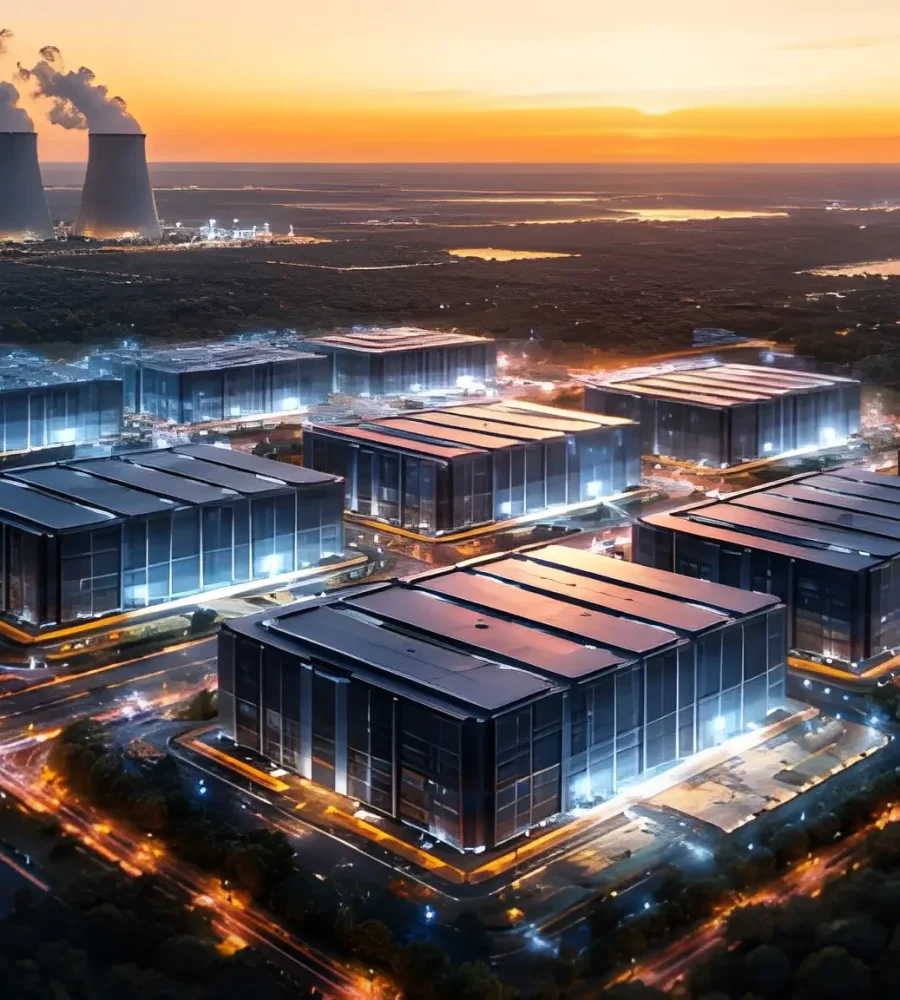
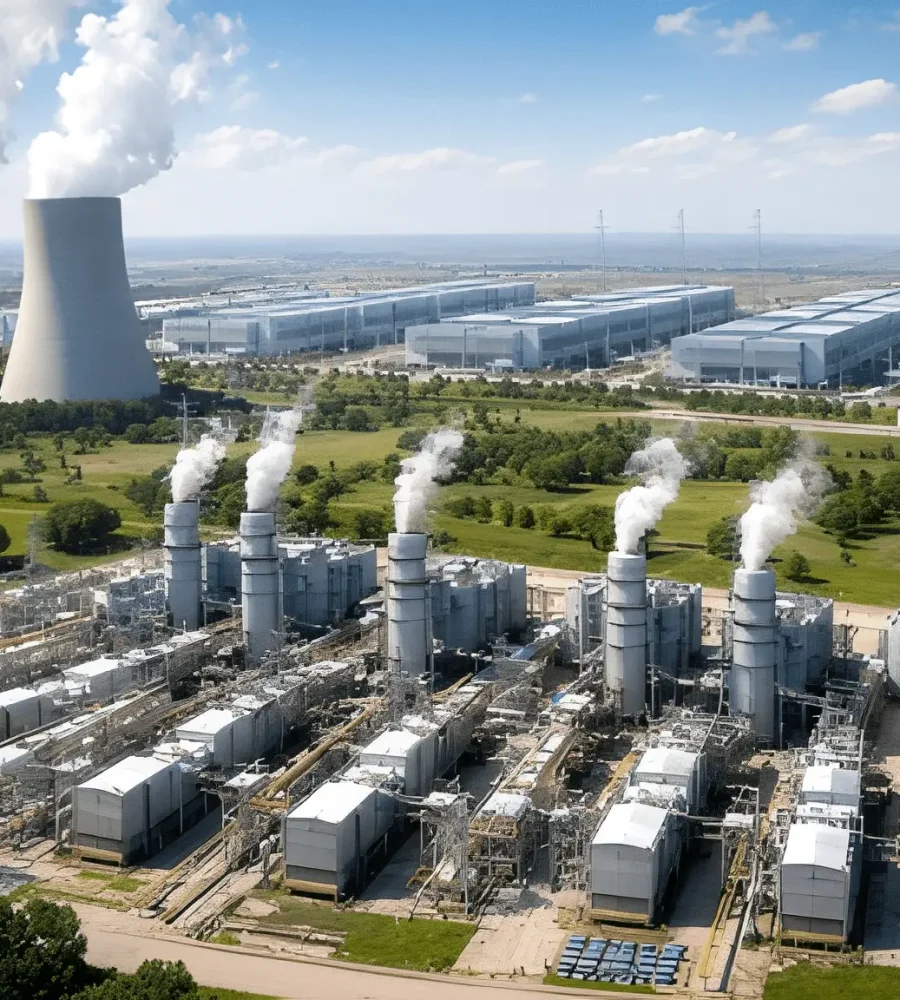
Factories, logistics centers, and data facilities often symbolize environmental burden, yet regenerative infrastructure reframes them as potential anchors for ecosystem restoration. Industrial sites typically occupy expansive land areas that can host biodiversity corridors, renewable energy arrays, and soil regeneration projects. Designers integrate green buffers, pollinator meadows, and constructed wetlands around operational cores without compromising efficiency. These interventions mitigate noise, filter air emissions, and create habitat networks that extend beyond property boundaries. Industrial leaders increasingly recognize that ecological stewardship strengthens long-term operational resilience and community trust. Through strategic design, industrial facilities transform into regeneration hubs embedded within living landscapes.
Data Centers and Ecological Integration
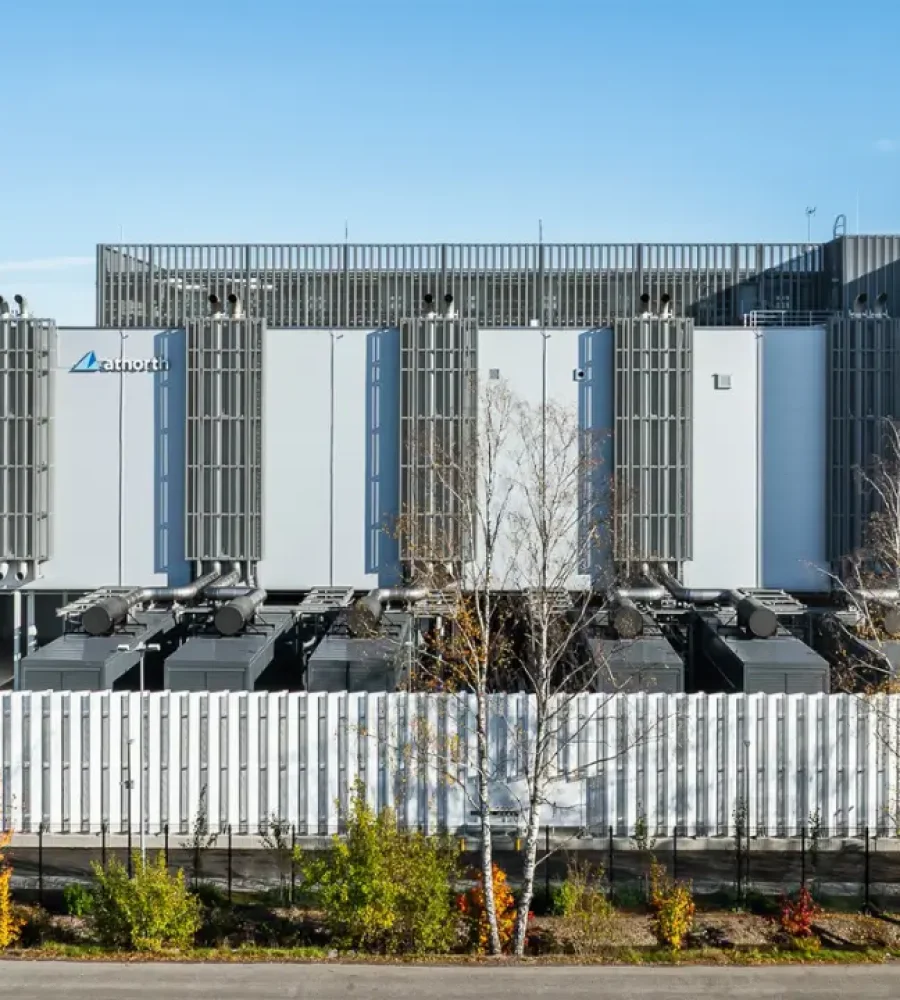
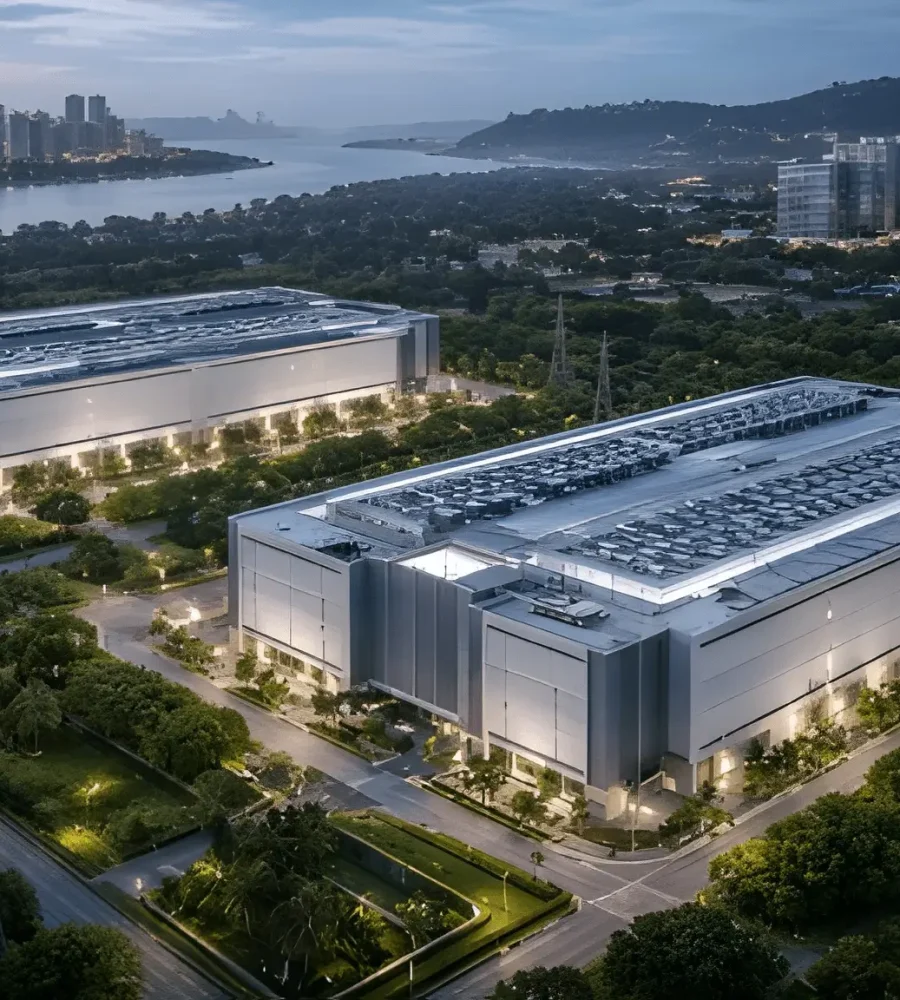
Data centers exemplify high-density infrastructure that demands energy and cooling precision, yet they also offer opportunities for regenerative innovation. Designers capture waste heat from servers and redirect it to district heating systems that support nearby residential or agricultural facilities. Green roofs and vertical vegetation systems moderate internal temperatures while enhancing biodiversity in surrounding zones. Water-efficient cooling technologies reduce freshwater withdrawal and align facility operations with regional watershed capacity. Operators increasingly collaborate with local communities to restore degraded land adjacent to campuses. Consequently, digital infrastructure can coexist with ecological restoration rather than conflict with it.
Logistics hubs orchestrate global supply chains, yet they often displace natural habitats and intensify transportation emissions. Regenerative infrastructure integrates electric vehicle fleets, renewable charging stations, and habitat corridors into logistics design frameworks. Warehouses incorporate daylighting strategies and adaptive façades that reduce energy demand while supporting worker well-being. Surrounding landscapes host native vegetation zones that stabilize soil and filter stormwater runoff. Designers also create buffer zones that connect to regional green networks, extending ecological restoration beyond facility perimeters. Through comprehensive planning, logistics infrastructure strengthens both economic and ecological continuity.
Heat, Waste, and Byproducts as Assets
Industrial systems historically classified excess heat, wastewater, and material residues as unavoidable waste streams. Regenerative infrastructure redefines these outputs as valuable resources that can support adjacent ecosystems or industrial partners. Combined heat and power systems redirect thermal energy into district heating networks or greenhouse operations. Organic waste streams feed anaerobic digestion systems that generate biogas and nutrient-rich fertilizers. Designers establish industrial symbiosis networks where one facility’s byproduct becomes another’s input. This circular exchange reduces environmental burden while strengthening regional economic interdependence. As a result, regenerative infrastructure converts waste management into ecosystem support.
Circular industrial ecosystems depend on collaboration among manufacturers, municipalities, and community stakeholders. Shared infrastructure platforms enable facilities to exchange energy, water, and material flows efficiently. Digital monitoring systems track resource streams in real time, ensuring that outputs align with regenerative objectives. Designers incorporate modular components that allow facilities to adapt to evolving resource cycles without structural overhauls. This flexibility reinforces long-term viability and reduces the need for disruptive redevelopment. Through circular coordination, industrial districts evolve into regenerative ecosystems rather than isolated production units.
Governance and Policy as Regenerative Tools
Infrastructure evolves within regulatory frameworks that shape incentives, accountability structures, and long-term investment priorities. Traditional policy models often emphasize compliance thresholds, emission caps, and mitigation strategies that limit harm without demanding restoration. Regenerative infrastructure requires governance systems that reward ecological contribution rather than minimal adherence to environmental standards. Policymakers can embed restoration benchmarks into zoning codes, procurement standards, and public-private partnership agreements. Financial instruments such as green bonds and regenerative investment funds can prioritize projects that demonstrate measurable ecosystem renewal. Consequently, governance transforms from a constraint mechanism into a catalytic force that accelerates restoration-centered development.
Zoning frameworks historically separated industrial, residential, and ecological zones into rigid categories that limited integrated regeneration. Regenerative policy design encourages mixed-use ecological corridors, distributed energy integration, and watershed-aligned development boundaries. Incentive structures can reduce permitting timelines for projects that restore soil health, enhance biodiversity, or improve hydrological resilience. Public agencies also align infrastructure procurement guidelines with regenerative performance standards to influence market behavior. Institutional collaboration between environmental departments, urban planners, and economic development agencies strengthens policy coherence. Through coordinated governance, regenerative infrastructure becomes structurally embedded in development pathways rather than treated as an optional enhancement.
Capital allocation determines which infrastructure paradigms scale and which remain experimental. Conventional financing models often prioritize short-term returns and underestimate long-term ecological risk exposure. Regenerative infrastructure financing integrates lifecycle ecosystem valuation into risk assessment frameworks. Investors increasingly recognize that projects aligned with biodiversity restoration and climate resilience demonstrate durable economic stability. Blended finance mechanisms combine public support with private capital to de-risk regenerative innovation. As financial architecture evolves, restoration emerges as a core investment thesis rather than a peripheral sustainability narrative.
Cultural and Leadership Mindsets in Regenerative Design
Technological capability alone cannot deliver regenerative infrastructure without leadership that embraces ecological stewardship as a strategic imperative. Executive decision-makers shape corporate priorities, investment strategies, and operational culture across industrial sectors. Leaders who internalize regenerative principles align organizational vision with long-term ecosystem vitality rather than quarterly performance metrics alone. This cultural shift requires interdisciplinary collaboration among engineers, ecologists, economists, and community representatives. Educational institutions and professional training programs increasingly integrate regenerative design frameworks into core curricula. Consequently, regenerative infrastructure reflects a transformation in mindset as much as an evolution in materials and systems.
Stewardship as Strategic Advantage
Organizations that adopt regenerative strategies often discover competitive advantages in resilience, stakeholder trust, and innovation capacity. Ecological restoration initiatives can reduce operational risk associated with climate volatility and resource scarcity. Transparent engagement with local communities strengthens social license to operate and enhances brand credibility. Cross-sector partnerships unlock collaborative solutions that isolated entities cannot achieve independently. Leaders who champion regenerative infrastructure cultivate adaptive cultures capable of navigating complex environmental challenges. Through stewardship-driven leadership, regeneration becomes embedded in strategic decision-making rather than relegated to corporate responsibility departments.
Cultural narratives influence how societies perceive development, progress, and environmental responsibility. Regenerative infrastructure flourishes when public discourse recognizes ecosystems as foundational assets rather than expendable backdrops. Universities, design studios, and engineering institutions play critical roles in disseminating regenerative methodologies. Public awareness campaigns and participatory planning processes empower communities to demand restoration-centered development. Intergenerational thinking reinforces accountability by connecting present infrastructure decisions with future ecological conditions. Through sustained cultural evolution, regenerative principles gain permanence within institutional and societal frameworks.
Conclusion: Infrastructure as a Living System
Infrastructure once stood as a symbol of human dominance over landscape and resource flows, yet the future demands a different narrative grounded in reciprocity and renewal. Regenerative infrastructure reframes development as an active ecological participant that strengthens soil systems, restores water cycles, and stabilizes atmospheric balance. Each building, grid, and industrial facility can function as a node within a larger living network that integrates natural and engineered intelligence. Designers, policymakers, investors, and community leaders share responsibility for embedding regenerative logic into every project lifecycle. When governance, culture, materials, water systems, and energy networks align around restoration, infrastructure evolves into a platform for ecological continuity. Ultimately, treating infrastructure as a living system enables societies to transition from minimizing harm to cultivating resilience, regeneration, and shared environmental prosperity.