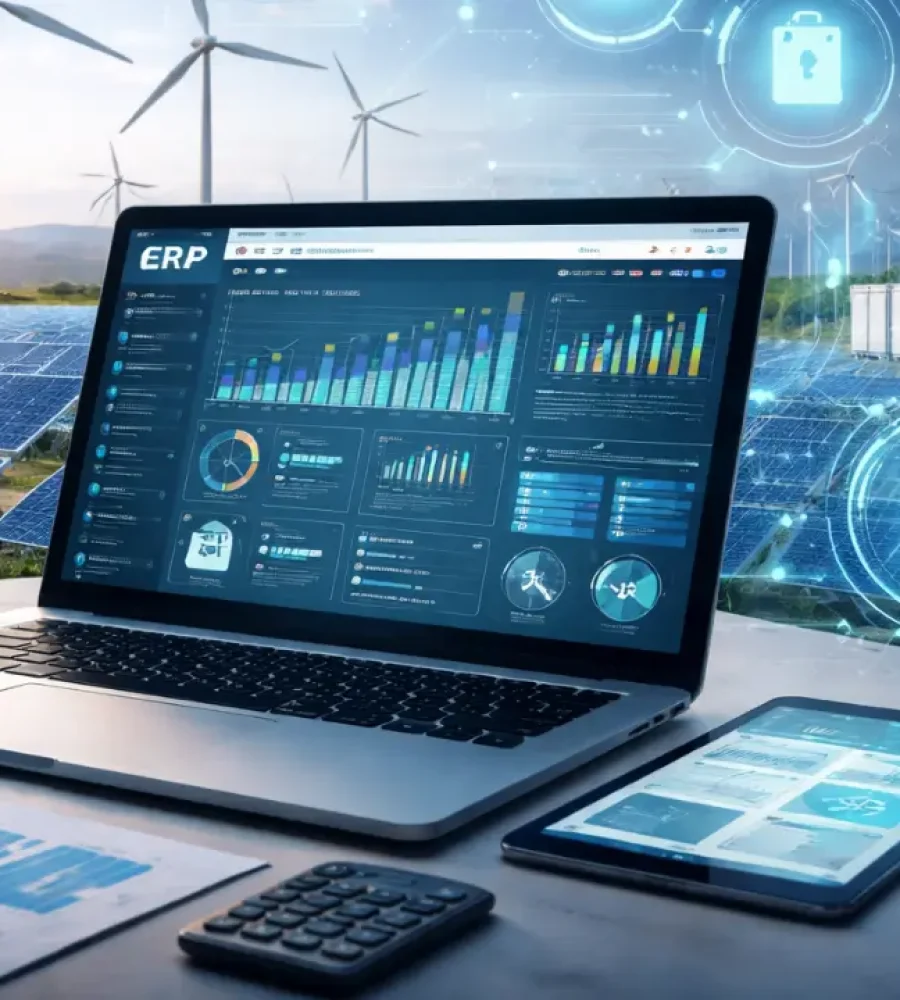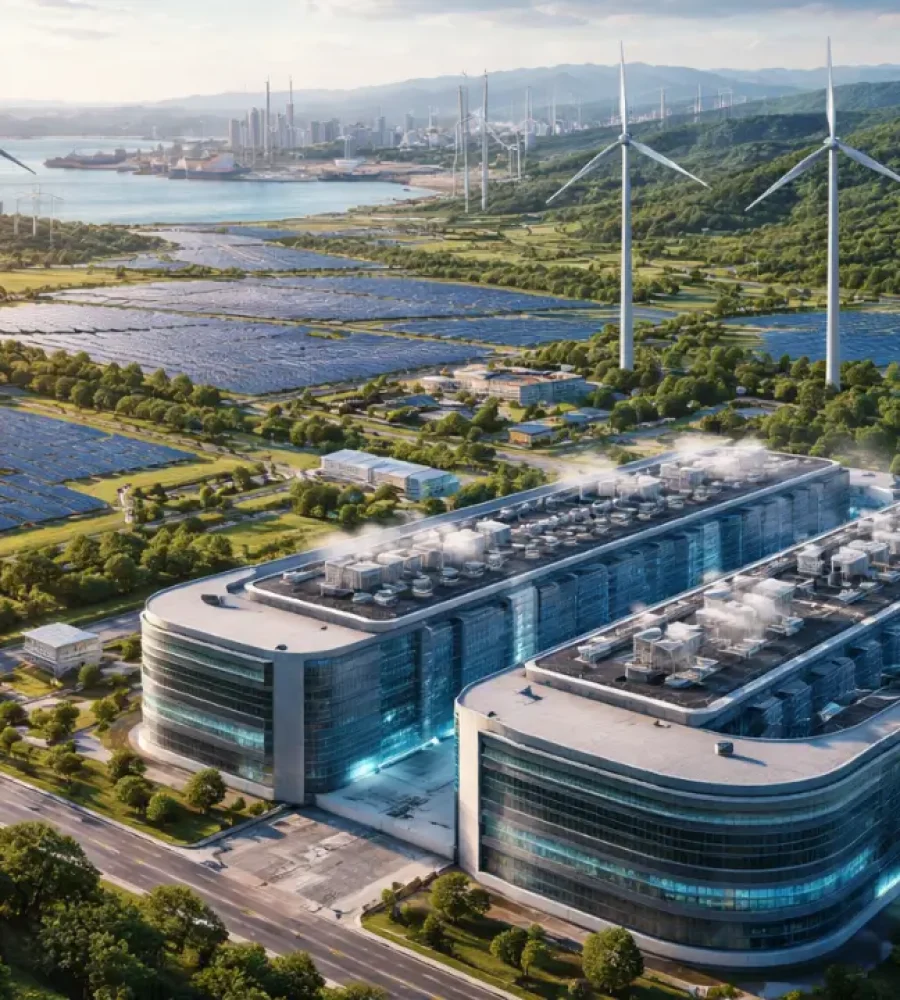
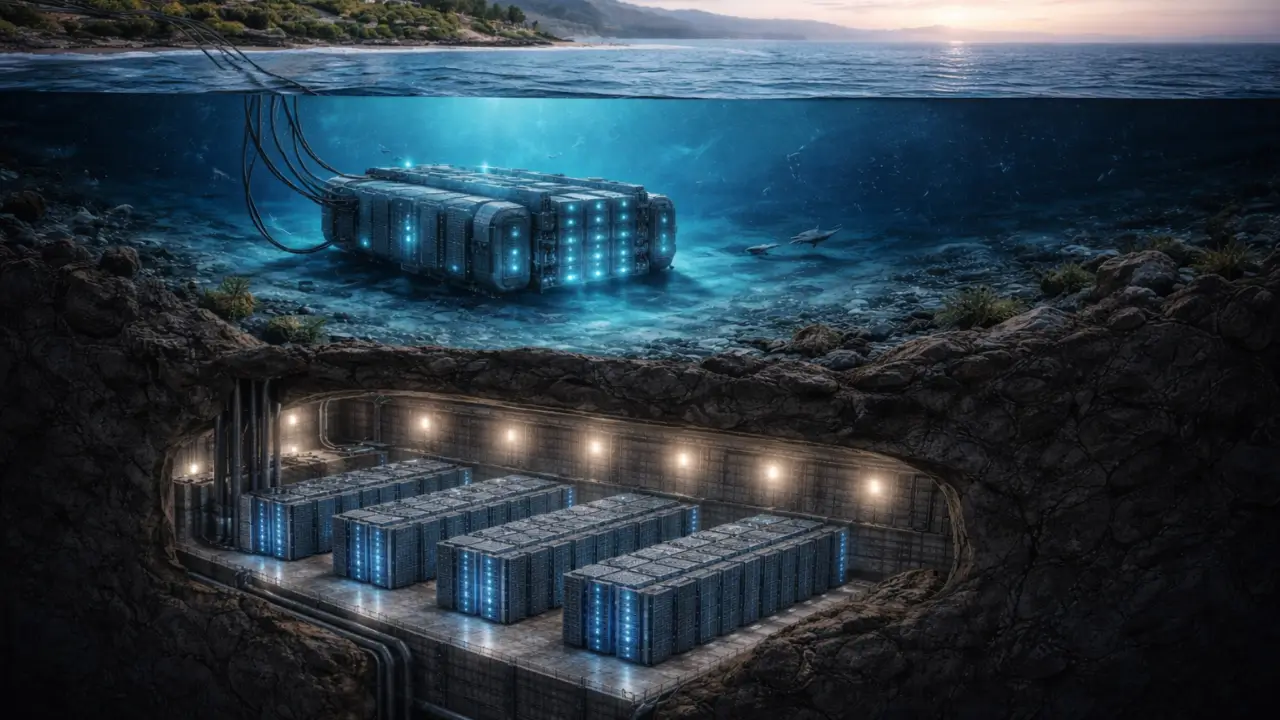
Digital infrastructure is no longer constrained to conventional landscapes. As urban density intensifies and environmental sensitivities rise, data centers are venturing beneath the earth’s surface and into the ocean’s depths. This evolution is not a spectacle but a strategic response to spatial pressures, cooling challenges, and societal expectations of minimal disruption. By embedding compute environments into unconventional geographies, engineers and planners are redefining how digital systems coexist with natural and urban ecosystems. Every design choice now reflects a deliberate interplay between efficiency, resilience, and subtlety, challenging long-held assumptions about the visibility and footprint of critical infrastructure. Subsea and underground deployments are demonstrating that infrastructure can shrink its physical imprint while expanding its operational sophistication.
Beyond the Surface: Why Physical Footprint Is Being Reimagined
Urban density, land scarcity, and ecological sensitivity increasingly pressure digital infrastructure planning. Cities now demand innovative solutions that balance compute needs with limited surface space. Designers reimagine geography, embedding critical infrastructure in ways that optimize existing land while preserving environmental integrity. Planners integrate infrastructure into urban layouts to maintain connectivity to utilities, transportation, and energy grids. Developers also evaluate ecological impacts before siting new facilities, ensuring long-term sustainability aligns with operational goals. By considering these factors proactively, operators maximize efficiency while minimizing disruptions to urban and natural systems
Spatial Pressures and Urban Constraints
High-density urban environments require strategic integration of digital infrastructure within constrained spaces. Engineers analyze available plots, vertical options, and subterranean alternatives to meet operational capacity. They align facilities with existing urban utilities and surface infrastructure, enabling seamless expansion without additional land acquisition. City planners collaborate with technology teams to identify areas where infrastructure can coexist with public spaces, transportation corridors, and ecological zones. By prioritizing integration over expansion, operators optimize land use while maintaining essential service performance. This approach redefines infrastructure planning as a proactive, spatially aware discipline rather than a reactive necessity
Ecosystem preservation is another driving factor for reimagining physical footprint. Surface-level developments can disrupt habitats, alter drainage patterns, and introduce noise or light pollution. In contrast, underwater and underground facilities interact more subtly with their surroundings, mitigating ecological impact through minimal exposure and careful siting. By aligning deployments with natural thermal flows and geological formations, designers can achieve energy efficiency while reducing environmental intrusion. The integration of infrastructure into existing environmental patterns reflects a paradigm shift where engineering decisions prioritize coexistence rather than domination of the landscape.
The Ocean as Thermal Partner
Subsea deployments harness the natural thermal stability of deep water to manage heat efficiently. Engineers position underwater modules to exploit consistent ocean temperatures, reducing reliance on energy-intensive cooling systems. Designers incorporate water flow and thermal dynamics into system architecture, creating passive cooling loops that maintain optimal equipment temperatures. By integrating the ocean as a functional collaborator, operators minimize mechanical energy use while enhancing reliability. Submerged modules benefit from natural heat dissipation, ensuring servers run efficiently without extensive intervention. Project Natick and other subsea prototypes demonstrate the feasibility and sustainability of this approach, confirming that water can serve as an effective cooling partner when engineers design for it intentionally.
Designing underwater facilities requires precise consideration of heat transfer, water pressure, and system redundancy. Engineers implement closed-loop cooling systems that work in tandem with ambient water conditions, maintaining temperature consistency and preventing thermal hotspots. They also select materials that resist corrosion while facilitating heat exchange, ensuring long-term operational integrity. By actively leveraging environmental conditions, designers achieve energy efficiency and system stability simultaneously. This approach demonstrates how infrastructure can collaborate with natural elements rather than relying solely on mechanical systems, highlighting the value of environmental integration in modern data center design.
Subterranean Intelligence: Building Beneath the Built World
Designers now treat underground facilities as spatially efficient extensions of urban landscapes. Engineers analyze geological stability, selecting sites that support structural integrity and long-term operations. They integrate subterranean modules with existing city utilities, minimizing additional land use while maintaining connectivity to energy, water, and fiber networks. Acoustic insulation and natural sound absorption help teams prevent operational noise from affecting surrounding communities. Architects also optimize layouts to conceal infrastructure visually while facilitating maintenance access and efficient workflow. By embedding critical systems beneath the built environment, operators achieve high-density computing without compromising urban functionality or aesthetic value
Geological and Structural Considerations
Engineers assess soil composition, rock density, and groundwater flow to ensure structural resilience under load and vibration. They employ reinforced concrete, waterproof liners, and pressure-adapted supports to protect systems from environmental stress. Subterranean deployments benefit from the earth’s natural thermal stability, which reduces cooling energy requirements and enhances server longevity. By actively integrating infrastructure with the existing urban framework, planners maintain operational efficiency while mitigating environmental and logistical risks. Teams also coordinate with city planners to align construction schedules and emergency access routes, ensuring minimal disruption to city life. This approach demonstrates that underground placement can combine spatial efficiency, operational reliability, and environmental discretion in a single solution
Cooling Synergy Through Environmental Integration
Designers now align data center operations with ambient environmental conditions to maximize cooling efficiency. Engineers leverage stable subterranean temperatures or ocean thermal inertia to implement passive and hybrid cooling strategies that reduce energy consumption. Teams integrate natural airflow, heat exchange, and water cooling loops directly into system architecture, ensuring servers maintain optimal temperatures without relying solely on mechanical systems. By embedding infrastructure in environments that naturally support thermal regulation, operators enhance both reliability and sustainability. Architects also consider site-specific conditions, such as seasonal temperature variation and humidity, to fine-tune designs for consistent performance. This approach demonstrates how environmental integration actively contributes to energy efficiency and system stability
Engineers design modular systems that exploit environmental conditions, reducing reliance on external cooling equipment. They actively manage heat distribution through conductive materials, airflow channels, and water-cooled surfaces, maintaining thermal equilibrium across all computing modules. Teams also monitor real-time temperature data to adjust operations dynamically, ensuring consistent efficiency under varying loads. By synchronizing infrastructure with its surrounding environment, planners minimize energy usage and operational costs while supporting sustainable practices. Operators achieve both performance and ecological benefits by integrating site-specific natural advantages directly into facility design. This methodology illustrates how careful environmental planning can enhance cooling synergy and operational resilience simultaneously
Designing for Invisibility Without Compromising Identity
Architects now prioritize minimal visual impact when integrating data centers into urban and natural landscapes. Designers actively embed infrastructure within existing environments, ensuring that facilities coexist with human activity and ecological systems. Engineers select materials and façades that blend seamlessly with surroundings while maintaining structural integrity and operational accessibility. By emphasizing integration rather than concealment, planners foster public acceptance and reduce objections to large-scale installations. Urban and coastal layouts now reflect these principles, allowing critical infrastructure to operate without disrupting aesthetic or functional characteristics. This approach positions invisibility as a strategic design choice that enhances environmental harmony and operational identity simultaneously.
Harmonization with Natural and Urban Landscapes
Harmonization strategies include aligning facility orientation with natural topography, incorporating vegetative screening, and situating access points to avoid disruption of pedestrian or vehicular traffic. In urban environments, underground facilities often mirror the spatial rhythm of streets and utilities above, ensuring seamless coexistence with city planning. Subsea deployments consider maritime navigation and ecological corridors, integrating infrastructure in ways that do not interfere with marine life or commercial activity. By designing with context in mind, invisible infrastructure becomes an example of purposeful engineering, where operational efficiency, aesthetic discretion, and environmental sensitivity converge to create high-functioning yet minimally intrusive digital ecosystems.
Structural Resilience in Extreme Environments
Operating beneath sea pressure or within deep geological formations imposes unique structural demands that differ significantly from surface facilities. Subsea data centers must withstand hydrostatic pressure, dynamic currents, and potential impacts from marine debris, necessitating the use of reinforced hulls, pressure-adaptive materials, and redundant sealing systems. Underground facilities face analogous challenges in load-bearing and moisture management, requiring careful assessment of rock integrity, soil compaction, and groundwater flow. Durability is enhanced through the selection of corrosion-resistant alloys, high-performance concrete, and advanced composites capable of sustaining extreme environments over long operational periods. Engineering considerations also extend to thermal expansion, vibration tolerance, and shock absorption, ensuring that sensitive electronic components remain stable under environmental stress. This focus on resilience ensures that infrastructure maintains both operational continuity and structural integrity despite challenging conditions.
Materials are tailored to specific environmental pressures, incorporating anti-corrosive coatings, flexible sealing interfaces, and fatigue-resistant structures. In subsea deployments, marine-grade metals and polymeric composites reduce degradation caused by salinity, pressure, and biological activity. Subterranean facilities employ waterproof liners, vapor barriers, and reinforced concrete systems to protect against groundwater infiltration and geological shifts. By integrating these materials into design from the outset, operators achieve robust infrastructure capable of long-term performance with minimal maintenance interventions. Such innovations illustrate that material science is as critical as architectural design in supporting infrastructure that is both durable and environmentally integrated.
Modular Pods and Sealed Ecosystems
Subsea and subterranean deployments often rely on modular, self-contained units that operate autonomously within a sealed ecosystem. These pods integrate power, cooling, and compute systems in compact formats optimized for transport, deployment, and long-term stability. Sealed environments mitigate the risk of contamination, corrosion, and thermal inefficiency, allowing modules to function reliably with minimal human intervention. The modular approach also enhances scalability, as additional units can be installed incrementally without disrupting ongoing operations. Moreover, standardized pod design simplifies logistics, maintenance planning, and lifecycle management, enabling operators to deploy infrastructure efficiently across diverse geographies. By combining autonomy with precision engineering, modular pods exemplify a design philosophy that prioritizes reliability, compactness, and environmental integration.
Autonomous Operation and Lifecycle Planning
Sealed pods require careful integration of predictive monitoring systems, remote diagnostics, and automated control to reduce dependency on physical access. Sensors embedded within the ecosystem track temperature, humidity, pressure, and power load, allowing for real-time adjustments to operational parameters. Lifecycle planning incorporates redundancy, energy management, and maintenance scheduling, ensuring that pods remain functional even when direct human intervention is limited. This autonomous framework underscores a shift in infrastructure philosophy, where physical accessibility is secondary to robust design, operational monitoring, and predictive resilience. The emphasis on self-sufficiency and minimal human presence enables these deployments to operate in otherwise inaccessible or hazardous environments.
Rethinking Maintenance in Remote Enclosures
Maintenance strategies for underwater and underground facilities differ fundamentally from conventional surface installations. Access limitations necessitate predictive design, where critical components are engineered for longevity, redundancy, and ease of remote monitoring. Routine inspections are supplemented by sensors, automated diagnostics, and AI-driven performance analytics to detect anomalies before they escalate into failures. Emergency protocols emphasize preemptive containment, modular replacement, and minimal intervention, reducing both operational risk and environmental disturbance. In addition, maintenance planning incorporates supply chain considerations, ensuring that spare parts and service modules can be deployed efficiently when necessary. This approach represents a fundamental shift from reactive maintenance toward proactive lifecycle management, highlighting the importance of design foresight in supporting remote or sealed infrastructure.
Optimizing service in constrained locations requires combining remote monitoring, automated fault mitigation, and predictive modeling. Data collected from embedded sensors informs operational adjustments, system calibration, and resource allocation, minimizing the need for physical presence. Both subsea and underground facilities benefit from this approach, as it reduces downtime, enhances operational safety, and prolongs component lifespan. By rethinking maintenance protocols around remote accessibility, operators maintain continuous service while mitigating the environmental and logistical challenges inherent to unconventional deployments. The shift toward predictive, sensor-driven maintenance underscores a new paradigm where infrastructure reliability is engineered rather than merely supervised.
Land Reclamation Through Vertical Thinking
Embedding data centers beneath the surface or underwater creates opportunities to reclaim valuable land for civic, commercial, or ecological purposes. By relocating infrastructure downward, urban planners and developers can repurpose surface areas for parks, transportation hubs, or commercial districts, preserving the city’s functional and aesthetic integrity. Subsurface placement also allows for integration with existing utilities, reducing additional land consumption while maintaining proximity to energy grids, fiber networks, and transportation corridors. In coastal regions, submerged deployments prevent the occupation of fragile shoreline ecosystems while still positioning compute resources near population centers. Vertical thinking in data center design reframes digital infrastructure as an enabler of urban efficiency rather than a constraint, demonstrating that land stewardship and technological growth can coexist harmoniously.
Strategic Urban and Coastal Integration
Designing for vertical efficiency requires close coordination with urban planners, environmental scientists, and utility engineers. Underground facilities often mirror the spatial rhythms of existing city infrastructure, such as subways, tunnels, and utility shafts, to minimize disruption and maximize connectivity. Subsea deployments are sited to balance proximity to coastal populations with minimal ecological interference, often integrating with offshore energy installations for dual functionality. By strategically considering surface and subsurface interactions, designers transform conventional footprint limitations into opportunities for urban renewal and ecosystem preservation, reflecting a holistic approach to land use and infrastructure planning.
Acoustic and Environmental Quietude
Subterranean and submerged data centers inherently reduce noise, vibration, and visual impact. Underground walls and ceilings absorb sound, preventing operational noise from affecting surrounding communities, while subsurface or underwater placement shields sensitive equipment from surface-level vibrations. Similarly, visual impact is minimized, with structures largely invisible to both residents and ecosystems. This quietude extends to environmental considerations, as less mechanical disturbance is required to maintain ambient conditions, reducing energy consumption and enhancing system stability. By combining acoustic insulation with environmental discretion, these deployments align operational efficiency with societal expectations, demonstrating a design philosophy where infrastructure coexists quietly with its surroundings.
Noise and vibration reduction is particularly relevant in densely populated urban areas or ecologically sensitive coastal regions. Submerged modules maintain minimal mechanical noise due to water damping, while underground facilities benefit from natural absorption through surrounding rock and soil. These features reduce the likelihood of complaints, mitigate ecological stress, and improve equipment lifespan by limiting mechanical wear. The integration of acoustic and environmental quietude illustrates a key advantage of unconventional deployments: high-capacity operations with minimal intrusion, emphasizing that design can optimize both performance and societal acceptance.
Geographic Decentralization and Edge Alignment
Deploying data centers in unconventional locations supports decentralized computing strategies and edge infrastructure models. By positioning resources closer to urban populations or coastal corridors, subsea and underground facilities reduce latency and enhance the responsiveness of cloud and AI applications. Decentralization also distributes operational risk, mitigating the impact of localized outages or natural disasters on critical services. Additionally, edge-aligned deployments enable efficient integration with renewable energy sources, such as offshore wind farms or urban solar arrays, further enhancing sustainability and resilience. By redefining geographic considerations, operators align infrastructure deployment with both technological requirements and societal expectations, demonstrating that location choice is as strategic as computational capacity.
Edge Computing in Remote and Submerged Locations
Edge computing benefits from proximity to data generation points, requiring infrastructure that balances accessibility with environmental integration. Submerged facilities can be positioned near coastal metropolitan hubs, supporting content delivery, AI inference, and IoT aggregation with minimal latency. Underground centers in urban cores provide similar advantages, leveraging existing network density while maintaining land use efficiency. These strategies highlight the growing importance of geography in digital infrastructure planning, where unconventional locations enhance operational performance while reducing environmental and spatial impact.
Material Innovation for Submerged and Subterranean Conditions
Material selection is critical for ensuring operational longevity and safety in unconventional deployments. Subsea modules rely on corrosion-resistant alloys, advanced polymers, and high-strength composites to withstand saline environments and hydrostatic pressure. Underground facilities use moisture-resistant concrete, vapor barriers, and pressure-adapted reinforcements to manage groundwater, soil pressure, and seismic activity. Thermal management, structural integrity, and environmental resilience are all influenced by these materials, which are carefully engineered to maintain system performance over decades. By integrating advanced material science into the core design, operators can achieve both operational reliability and environmental harmony, exemplifying a holistic approach to infrastructure engineering.
Durability considerations extend beyond simple longevity, encompassing thermal expansion, fatigue resistance, and chemical stability. Materials are tested for long-term exposure to pressure, temperature fluctuations, and environmental stressors, ensuring that both subsea and underground deployments maintain performance under extreme conditions. By emphasizing material innovation, infrastructure designers mitigate the challenges posed by inaccessible or harsh environments, transforming potential limitations into strategic advantages that support continuous, high-efficiency operations.
The Psychology of Hidden Infrastructure
Unseen infrastructure transforms societal perception of digital systems, influencing urban design, public engagement, and symbolic representation. Hidden data centers reduce visual clutter and environmental disruption, allowing cities to prioritize civic and recreational spaces without compromising computational capacity. This invisibility also reshapes narratives around technological presence, shifting from imposing structures to integrated, supportive networks that operate quietly in the background. Public engagement with digital infrastructure evolves, as systems are appreciated more for their service than their visibility. Subsea and underground deployments redefine how society interacts with critical infrastructure, demonstrating that concealment, when intentional, can enhance social and ecological harmony without diminishing operational identity.
Shaping Perception Through Design
Design decisions now influence both functionality and public perception. By prioritizing integration over visibility, planners actively foster acceptance and reduce resistance to large-scale infrastructure projects. Strategically concealing data centers encourages the perception of technology as supportive and unobtrusive, reframing urban and coastal landscapes to accommodate both human activity and digital innovation. This approach highlights the psychological dimension of infrastructure planning, where operational invisibility actively complements societal expectations and environmental stewardship.
Subsea and underground data centers evolve as a strategic response to the intersecting challenges of land scarcity, environmental sensitivity, and operational efficiency. Designers embed infrastructure beneath the earth or ocean surface, reducing physical footprint while enhancing cooling performance, structural resilience, and spatial integration. They reframe digital systems as adaptive extensions of natural and urban landscapes, blending operational capability with ecological and societal responsibility. Engineers integrate passive environmental cooling, modular autonomous pods, and advanced materials, creating a design philosophy that anticipates long-term performance in challenging conditions. These innovations shift digital infrastructure growth from outward expansion to inward optimization, ensuring operators expand capacity without compromising surrounding environments or urban livability.
Strategic Implications for Urban and Coastal Planning
Embedding data centers in submerged or subterranean locations allows cities to reclaim surface land for civic, commercial, or ecological purposes. Planners actively repurpose previously occupied areas for parks, transportation hubs, or commercial development while keeping compute resources strategically located. Designers align underground facilities with existing utilities, reducing additional land consumption and maintaining connectivity to energy grids and fiber networks. Coastal deployments minimize surface disruption while keeping operations near population centers. Vertical and underwater strategies convert land constraints into opportunities, showing how technology can support urban efficiency without compromising environmental integrity.
Resilient design principles ensure subsea and subterranean deployments maintain long-term functionality under extreme conditions. Engineers select pressure-adaptive materials, corrosion-resistant components, and sealed autonomous modules to minimize risk while supporting continuous operation with limited human intervention. Predictive monitoring and lifecycle planning actively enhance reliability, ensuring critical systems remain functional even in remote or inaccessible locations. This operational foresight confirms that invisibility represents a deliberate strategy for efficiency, sustainability, and reliability in high-density computing environments.
Environmental Synergy and Energy Efficiency
Submerged and underground data centers exemplify the synergy between infrastructure and environment. Passive and hybrid cooling strategies leverage stable temperatures of the ocean or subterranean strata, reducing dependence on energy-intensive systems and enhancing sustainability. Acoustic insulation, vibration damping, and minimal surface intrusion further align operational performance with ecological and social priorities. By integrating with natural conditions rather than overriding them, these facilities demonstrate that energy efficiency, environmental stewardship, and operational capacity are not mutually exclusive but can coexist as complementary design objectives.
Hidden infrastructure reshapes public perception of technological presence, fostering an understanding of digital systems as supportive and unobtrusive elements within daily life. The lack of visual and acoustic disruption enables urban spaces to maintain their aesthetic and functional character, while the underlying infrastructure quietly supports digital services. This approach encourages a shift in societal narratives around technology, framing it as integrative rather than imposing. Subsea and subterranean deployments therefore represent not only an engineering evolution but also a social and cultural reimagining of how infrastructure should exist within human environments.
The Path Forward: Inward and Downward Growth
The trajectory of digital infrastructure is increasingly defined by depth rather than breadth. By embracing subsea and subterranean strategies, operators can accommodate growth in computational demand while respecting spatial, environmental, and societal limitations. Vertical and submerged thinking transforms constraints into opportunities, enabling high-capacity, resilient, and energy-efficient deployments that coexist with both urban life and natural ecosystems. As technology continues to advance, the principles demonstrated by these unconventional deployments will inform the design of future infrastructure, illustrating that the most effective path to expansion may be inward, downward, and harmonized with the world around it.
The integration of subsea and underground data centers marks a pivotal evolution in digital infrastructure philosophy. By prioritizing minimal footprint, environmental alignment, structural resilience, and societal acceptance, these deployments redefine the conventional notion of what a data center can be. Hidden yet powerful, discrete yet fully operational, they embody a strategic balance between technological advancement and ecological responsibility. As cities grow denser and environmental pressures intensify, this inward-focused approach represents a sustainable and forward-looking path, demonstrating that the future of infrastructure may not lie in surface expansion, but in learning to disappear without diminishing capacity or influence.