AI’s rapid expansion has triggered an unprecedented infrastructure investment supercycle. Analysts estimate up to $3 trillion in capital expenditure will be needed by 2030. As compute demands for training and inference grow exponentially, traditional monolithic data centers face physical, economic, and environmental limits. These thresholds threaten the long-term viability of current technological practices.
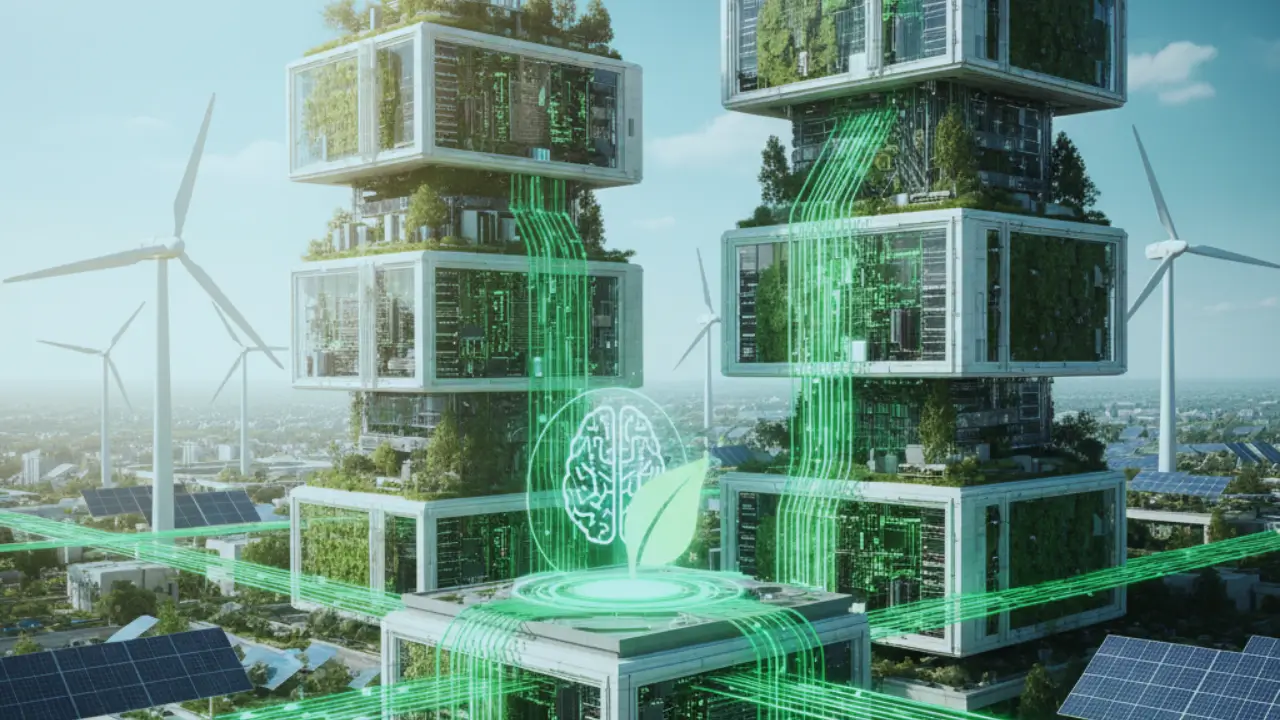
The convergence of modular design and green technology represents a major structural shift. It changes how digital infrastructure is conceptualized, built, and operated. This approach offers a pathway to reconcile AI’s massive energy demand with global sustainability mandates. This report explores the technical mechanisms, market dynamics, and operational innovations shaping sustainable AI scaling.
The Infrastructure Supercycle and the Scaling Crisis
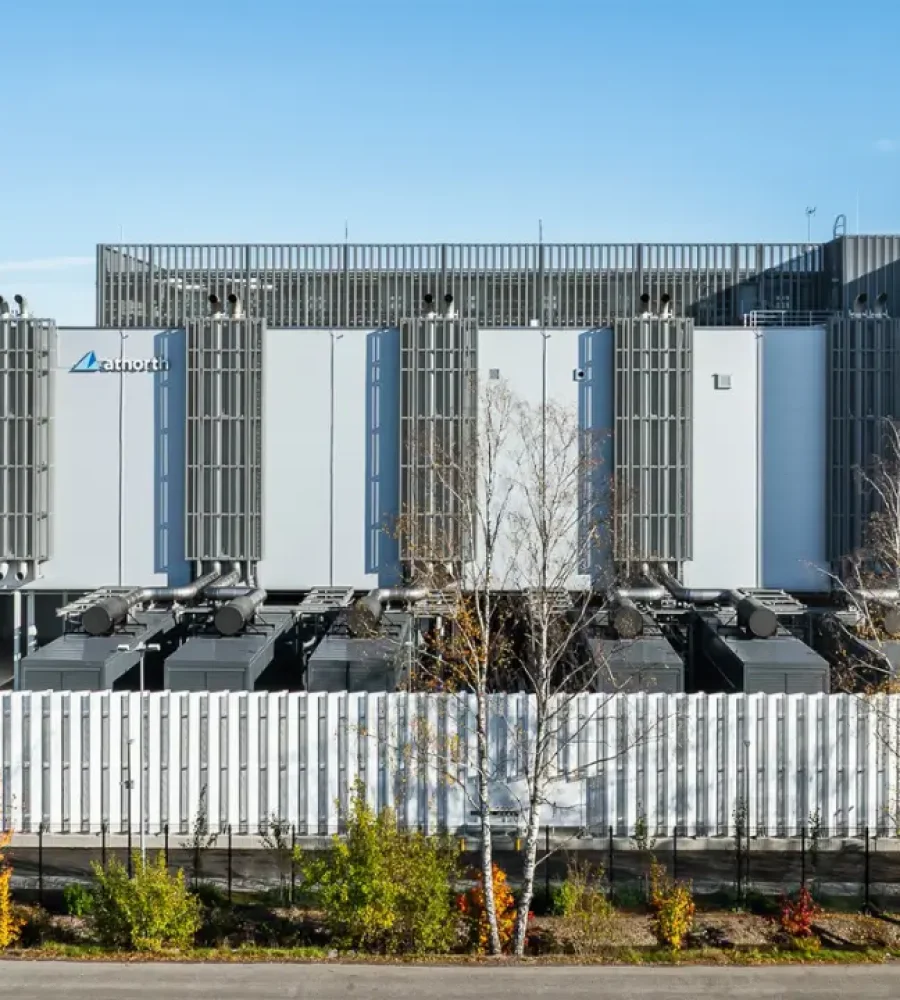
The global data center sector is projected to add roughly 100 GW of new capacity between 2026 and 2030. This expansion will effectively double the current footprint. Hyperscale cloud growth and AI’s resource-intensive workloads are the main drivers. By 2030, AI is expected to account for half of all data center activity.
In 2025, AI training dominated compute workloads. However, a pivotal shift is anticipated in 2027. At that point, inference workloads are likely to surpass training as the main driver of compute demand.
This expansion occurs amid severe constraints. Data centers currently consume 1% to 1.3% of global electricity. This figure is expected to rise sharply as GPU-dense racks become standard. Traditional brick-and-mortar facilities, with long construction timelines and over-provisioned infrastructure, struggle to match the speed and efficiency required for modern AI scaling.
Economic pressures are significant. Construction costs have grown at a 7% compound annual growth rate (CAGR) since 2020, reaching $10.7 million per MW in 2025. AI-specific deployments require an additional $25 million per MW for technology fit-out. This reflects the high cost of GPUs and specialized networking hardware.
Tighter environmental regulations also increase pressure. For example, the European Union’s 2026 Data Centre Energy Efficiency Package raises compliance requirements. These factors elevate modularity and green technology from niche considerations to core strategic priorities.
Key Infrastructure Metrics and Projections
- Global Data Center Capacity: Approximately 100 GW currently, projected to reach 200 GW by 2030.
- AI Workload Share: Expected to grow from 25% in 2025 to 50% by 2030.
- Total Sector Investment: Rising, with a cumulative projection of $3 trillion by 2030.
- Construction Cost per MW: Increasing from $10.7 million in 2025 to an estimated $11.3 million or more by 2026.
The Modular Paradigm in AI Infrastructure
Modular infrastructure uses prefabricated, factory-built units. These units integrate IT racks, power distribution, and cooling systems into standardized modules. This approach allows rapid, pay-as-you-grow scalability. It also reduces the upfront capital waste common in monolithic builds.
Technical Definitions and Engineering Standards
Prefabricated Modular Data Centers (PMDCs) form highly engineered ecosystems. Each module is tested and optimized before delivery. Modules typically include separate IT, cooling, and power units. They can be stacked, mirrored, or expanded as requirements change.
The updated UL 2755:2025 standard reflects how these units evolved. They have progressed from simple shipping containers to complex distributed architectures capable of supporting hundreds of megawatts across multiple zones.
The Vertiv SmartRun exemplifies the shift toward high-density modular systems. It is a prefabricated overhead IT infrastructure system designed to integrate high-density power distribution, liquid cooling, networking, and containment into an all-in-one deliverable platform. By utilizing pre-integrated components like the iMPB Busway and Hot Aisle Containment, it enables data center installations of greater than 1 MW per day with a single crew. This design accelerates onsite deployment by up to 85% compared to traditional “stick build” methods and can reduce total aisle-based infrastructure costs by up to 40%.
Broadly speaking, engineering priorities focus on three areas:
- Load-bearing efficiency to support high-density GPU racks
- Thermal optimization for advanced liquid cooling pathways
- Seamless integration of mechanical, electrical, and plumbing systems
This standardized approach reduces on-site variability. It allows more accurate budget forecasting and lowers the risk of project overruns.
Economic and Speed-to-Market Advantages
Modular deployment addresses several pain points: speed, cost predictability, and resource efficiency. Modular facilities can be deployed in 12 to 16 weeks. Traditional bespoke buildings can take years. Rapid deployment is critical in AI, where competitive advantage depends on time-to-power for new clusters.
Factory-controlled environments improve precision and quality control. This translates into better energy performance. Prefabrication reduces on-site waste by up to 90%. It also allows integration of high-density cooling technologies that older facilities cannot accommodate. Modular designs are generally 30% less expensive per kW than equivalent brick-and-mortar centers.
Market Dynamics and Regional Growth
The global modular data center market was valued at $34.84 billion in 2025. Analysts project it will reach $143.08 billion by 2034, representing a 17.2% CAGR. North America held the largest share at 36.25% in 2025. However, Asia-Pacific is expected to grow the fastest, at an 18.65% CAGR, driven by digital transformation and sovereign AI initiatives.
Modular Market Segments and Drivers
- Prefabricated IT Modules: 44.37% revenue share in 2025, driven by rapid GPU deployment needs
- Edge Deployment: 39.74% revenue share in 2025, fueled by 5G expansion and low-latency inference
- Management Software & Automation: Fast-growing segment with 18.9% CAGR, focused on AI-driven optimization
- Telecommunications: Emerging segment supporting decentralized compute and 5G nodes
Adoption is especially high in edge computing. Smaller footprints and rapid deployment are essential for 5G integration and local AI inference. Businesses increasingly decentralize workloads to reduce latency. Modular data centers provide an effective solution for this trend.
Advanced Thermal Management for High-Density AI
AI workloads generate far more heat than traditional cloud applications. Rack densities have increased from an average of 10–15 kW to nearly 100 kW. Conventional air cooling cannot manage the thermal load of modern GPUs, which may consume up to 600 kW per rack in extreme setups. As a result, liquid cooling has become essential for sustainable AI scaling.
Direct-to-Chip and Immersion Cooling Mechanisms
Two main liquid cooling strategies dominate the market: Direct-to-Chip (DLC) and Immersion Cooling.
Direct-to-Chip (DLC) Cooling
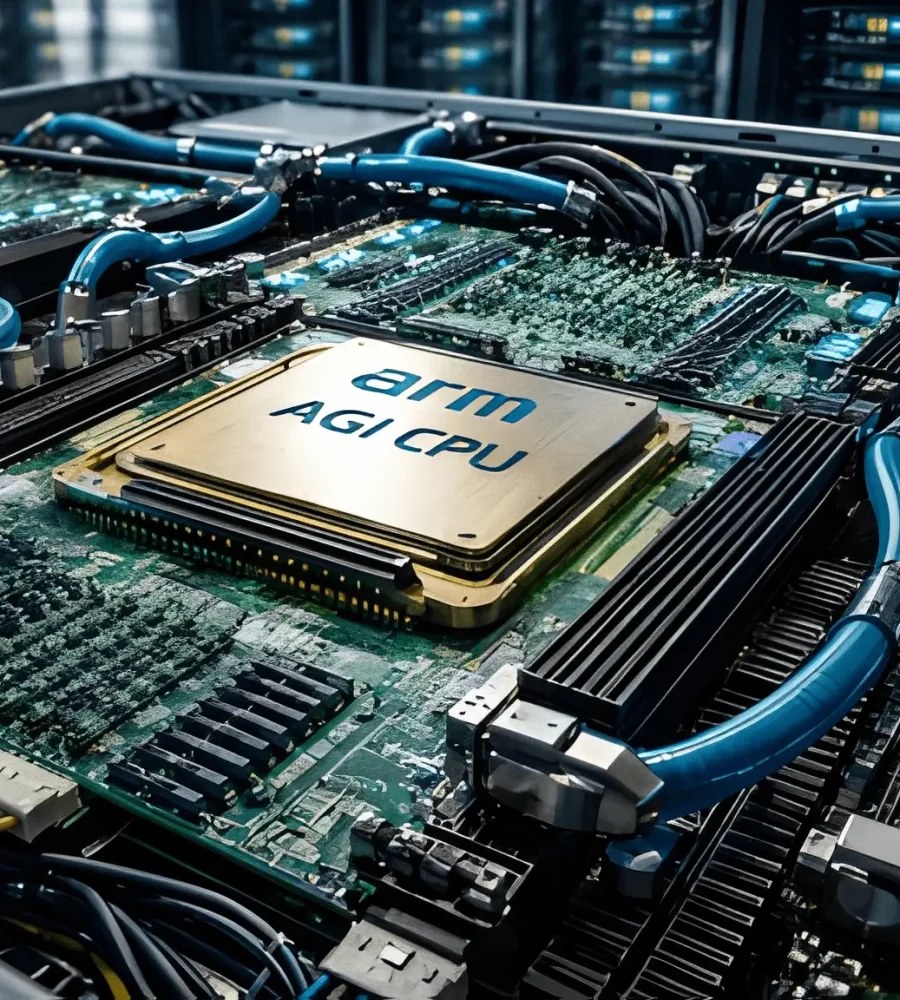
DLC circulates coolant through cold plates mounted directly onto CPUs or GPUs. This approach targets heat at its source, offering low thermal resistance and requiring less coolant than immersion systems. DLC integrates smoothly with existing air-cooled infrastructure. It focuses on the most heat-intensive components while fans continue to cool secondary parts. However, the network of tubing and pumps increases the risk of leaks, which can cause downtime.
Immersion Cooling
Immersion Cooling submerges the entire server in a non-conductive dielectric fluid. This method eliminates the need for internal fans, reducing energy consumption and mechanical complexity. Immersion systems capture nearly all server heat and provide uniform thermal conditions. This reduces hotspots and thermal cycling. While the initial investment is higher due to tanks and specialized plumbing, immersion cooling offers long-term flexibility. Its performance is independent of processor shape or socket design.
Cooling Factor Comparison
| Factor | Direct-to-Chip (DLC) | Immersion Cooling |
|---|---|---|
| Primary Heat Path | Cold plates on chips | Fluid bath for the entire system |
| Air-Handling Needs | Requires fans | No internal fans needed |
| Hardware Flexibility | Low; generation-specific | High; hardware agnostic |
| Maintenance | Familiar but leak-prone | More complex; requires fluid handling |
| Density Ceiling | 50-80 kW per rack | Exceeds 100 kW per rack |
Evolving Performance Metrics: PUE, WUE, and PCE
Sustainability in AI infrastructure is measured through evolving KPIs.
- Power Usage Effectiveness (PUE): Measures total energy relative to IT energy. A perfect score is 1.0. The global average is about 1.8, but optimized AI facilities target 1.2 or lower. Google has achieved PUE as low as 1.06 using advanced cooling.
- Water Usage Effectiveness (WUE): Gains importance due to evaporative cooling consuming millions of gallons annually. Efficient AI cooling uses closed-loop systems and Advanced Oxidation Process (AOP) water treatment to prevent scaling and biological growth without harsh chemicals.
- Power-to-Compute Effectiveness (PCE): Emerging in 2026, PCE measures the fraction of energy converted into actual AI computation rather than infrastructure overhead. Conventional air-cooled centers may reach 0.4, while modular immersion systems can exceed 0.9.
Green Power Integration and Energy Autonomy
As grid capacity becomes a bottleneck, operators increasingly rely on on-site generation and innovative storage solutions. AI’s energy demands are immense, with $6.7 trillion projected for power infrastructure by 2030. Operators are moving toward behind-the-meter solutions to ensure reliability and sustainability.
Small Modular Reactors (SMRs) for Baseload AI
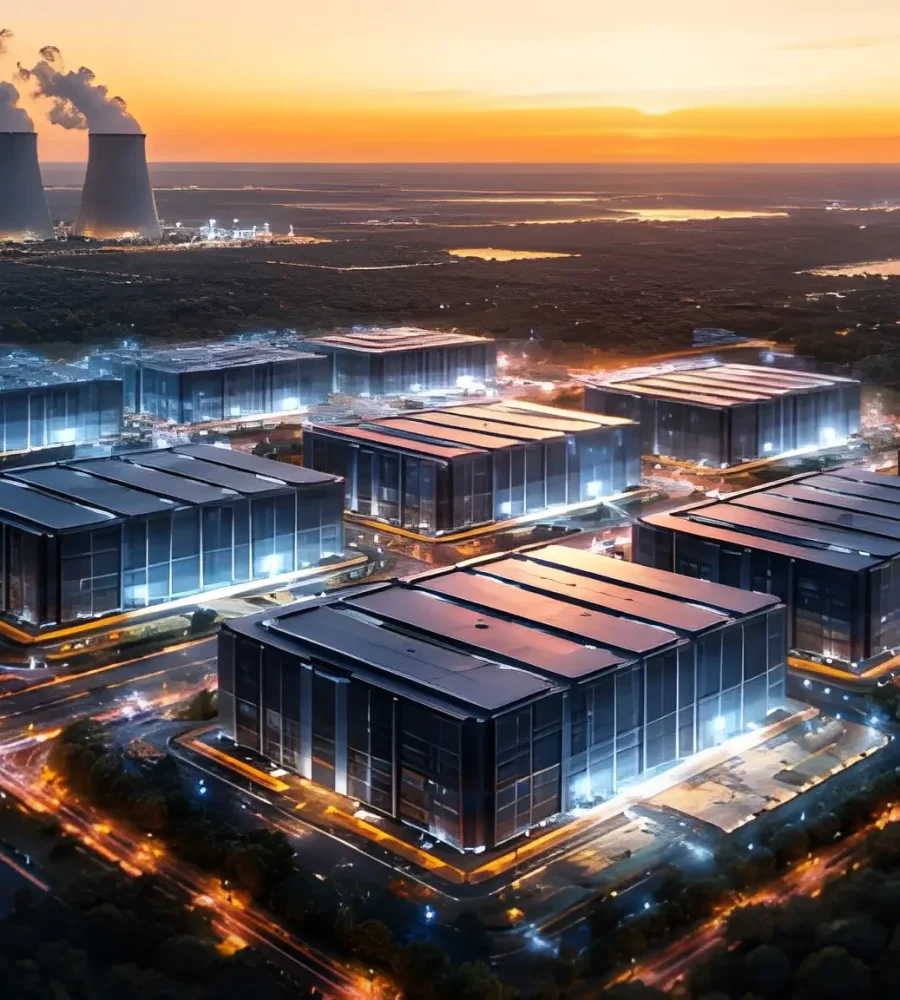
Small Modular Reactors (SMRs) are advanced nuclear units with up to 300 MW capacity per unit. They are factory-fabricated and modular, providing a carbon-free, baseload power supply. SMRs are immune to the intermittency of wind and solar, meeting AI’s 24/7 processing demands.
Major tech companies are pursuing SMR partnerships to bypass grid limitations. In October 2025, X-energy and Amazon formed an alliance to deploy Xe-100 reactors. Deep Fission announced letters of intent for 12.5 GW of AI data center capacity by late 2025. The U.S. Department of Energy supported this transition with a $900 million solicitation to accelerate Gen III+ SMR deployment.
Key SMR Developers and Partnerships
- X-energy: Partnered with Amazon and Doosan for AI power solutions
- Deep Fission: Collaborating with Endeavour Energy on a 2 GW co-development deal
- GE Hitachi: Partnered with TVA and Ontario Power for BWRX-300 deployment
- Oklo: Working with Blykalla in Sweden on advanced reactor projects
Modular Renewable Platforms and Microgrids
Modular renewable systems like the Exowatt P3 are redefining on-site solar. Exowatt uses Fresnel lenses to capture solar energy, stores it as heat in high-efficiency batteries, and generates electricity on demand via proprietary heat engines. This approach provides 24-hour dispatchable renewable baseload, overcoming the limits of conventional solar generation.
Pre-engineered modular microgrids also support facilities disconnected from unreliable utility infrastructure. They combine engines, solar PV, and long-duration storage such as vanadium flow batteries. These microgrids maintain Tier III or IV uptime independently. Operating behind the meter allows operators to bypass long utility queues that can last two to five years.
Circular Economy and Sustainable Material Practices
AI infrastructure’s environmental impact extends beyond operational energy. Embodied carbon from materials, manufacturing, and transport is increasingly significant, especially as grids decarbonize.
Embodied Carbon and Lifecycle Assessment (LCA)
Life Cycle Assessments (LCAs) are now often required for new developments. The EU’s 2026 Energy Efficiency Directive mandates greater transparency. Initiatives like the iMasons Climate Accord, involving AWS, Google, and Microsoft, standardize carbon accounting. They provide a taxonomy for embodied carbon disclosure and promote Environmental Product Declarations (EPDs) for equipment such as generators and cooling units. Scope 3 emissions, especially Category 1 (Purchased Goods and Services), are the largest contributor to embodied carbon in construction.
Design for Disassembly and Modular Circularity
Modular design aligns naturally with circular principles. Units can be relocated, refurbished, or disassembled, allowing recovery of valuable materials like steel, aluminum, and copper. Component-level upgrades, such as replacing a single GPU rack or power module, avoid decommissioning entire facilities.
Sustainable procurement standards are emerging. Low-carbon materials are becoming a baseline in contracts. Green concrete using fly ash or biochar, and low-emission steel produced in electric arc furnaces, can significantly reduce embodied carbon in data center construction.
AI-Driven Operational Efficiency
Paradoxically, artificial intelligence is one of the most effective tools for managing its own environmental footprint. AI-powered management software and digital twin architectures enable real-time energy and cooling optimization that far exceeds the capabilities of static control systems.
Digital Twins and Adaptive Cooling Control
A digital twin is a dynamic virtual replica of a physical data center, continuously updated with real-time sensor data. When coupled with AI algorithms, particularly machine learning and reinforcement learning, these twins can analyze thermal loads and automatically adjust cooling output to minimize energy consumption. Research involving Proximal Policy Optimization (PPO) agents has demonstrated that AI-driven control can reduce specific energy consumption by up to 12.4% in industrial settings.
Digital twin simulations allow operators to perform what-if testing for different workloads and environmental conditions, enhancing both operational resilience and energy efficiency. Companies like Schneider Electric have demonstrated that AI-enhanced digital twins can reduce cooling energy consumption by up to 20% without degrading service-level agreements (SLAs).
Predictive Maintenance and Intelligent Scheduling
AI workloads themselves can be optimized for sustainability. Carbon-aware scheduling involves shifting non-critical AI tasks to periods of high renewable energy availability or cooler outside temperatures. Additionally, IoT-based predictive maintenance models can forecast equipment failures before they occur, preventing energy waste and extending the functional lifespan of high-value hardware.
These proactive operations enable automated adjustments that minimize energy use while maintaining uptime. AI-driven analytics can reduce maintenance costs by up to 30% and increase equipment availability by as much as 20% in complex energy systems like SMRs.
Challenges and Implementation Barriers
Despite the clear benefits of modular and green technologies, several hurdles remain to their universal adoption in the AI sector.
Economic and Operational Complexity
Modular units and liquid cooling systems often require a higher upfront capital expenditure (CapEx) compared to traditional setups. Liquid-cooled facilities can carry a 10% cost premium over standard construction. Furthermore, operational complexity increases with the integration of distributed renewable sources and liquid-based thermal loops, requiring new skills and automated management software.
Standardization and Supply Chain Gaps
The modular data center market is currently fragmented, with a lack of standardized compliance systems and interoperable components across different vendors. This fragmentation complicates global deployments and increases the risk of vendor lock-in. Additionally, the massive demand for AI infrastructure is straining the supply of critical materials like high-grade steel and specialized cooling fluids.
Regulatory and Policy Constraints
Regulatory environments vary significantly by region, often hindering rapid innovation. Policy misalignments regarding grid interconnection and renewable energy credits can delay the deployment of sustainable AI campuses. In the EU, while new directives mandate transparency, operators still struggle with a quickly evolving and often complex regulatory framework.
Case Studies in Sustainable Scaling
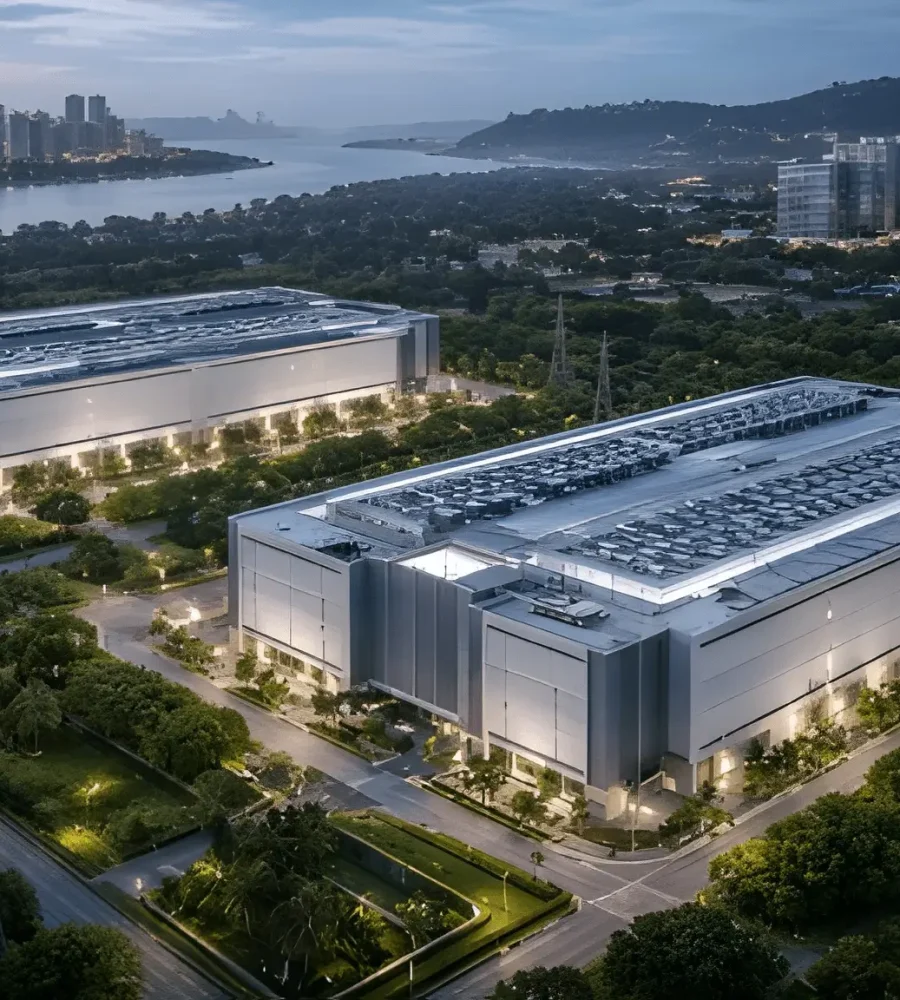
Real-world implementations demonstrate the viability of integrating modularity and green technology at scale, providing blueprints for future infrastructure.
Case Study 1: Killellan AI Growth Zone, Scotland
The Killellan AI Growth Zone is a 184-acre green digital campus on Scotland’s Cowal Peninsula, developed by Argyll Data Development and SambaNova Systems.
- Computing Hardware: Uses SambaNova SN40L systems, which are air-cooled but require approximately one-tenth the power of conventional GPU systems.
- Power Network: The campus utilizes a private-wire network of on-site wind, wave, and solar energy, coupled with vanadium flow batteries for long-duration storage.
- Sustainability Goal: Operates as a circular digital ecosystem where waste heat is captured and repurposed for local district heating, aquaculture, and vertical farming.
- Capacity: The first phase delivers 100 to 600 MW, with a long-term goal of scaling to over 2 GW in island mode, independent from the national grid.
Case Study 2: Submer and Anant Raj, India
Submer and Anant Raj Cloud have partnered to deploy sovereign, AI-ready data centers across India, specifically at campuses in Manesar and Panchkula.
- Infrastructure: The project combines Submer’s modular immersion cooling platforms with prefabricated MEP systems to support high-density, GPU-intensive workloads.
- Sovereignty: This collaboration enables India to maintain data sovereignty while utilizing advanced European liquid-cooling engineering.
- Impact: The modular design allows for higher computing capacity within the same physical footprint, significantly reducing environmental impact compared to traditional colocation services.
Case Study 3: NCAR-Wyoming Supercomputing Center (NWSC)
The NWSC in Cheyenne, Wyoming, serves as a model for environmental integration and modular efficiency.
- Efficiency Metrics: The LEED-Gold-certified facility achieves a projected PUE of 1.08, ranking it among the top 1% of efficient data centers worldwide.
- Cooling Strategy: RMH engineers harnessed Cheyenne’s cool, dry climate for free cooling via evaporative towers for 96% of the year.
- Modular Approach: Flexible module tiers enable the center to house multiple generations of supercomputing systems as hardware evolves.
- Water Conservation: Advanced water-conserving technologies save up to six million gallons of water annually.
Case Study 4: Verne Global ‘The Rock’, Finland
Verne Global operates a sustainable underground data center in former military tunnels near Pori, Finland.
- Transition to Liquid: The facility, known as ‘The Rock’, is transitioning from air cooling to Direct Liquid Cooling (DLC) using Dell DLC3000 solutions to support AI and HPC.
- Energy Mix: Infrastructure is powered by 100% renewable energy from local wind farms and a 2,600 m2 on-site solar plant used specifically for cooling systems.
- Efficiency Gain: Moving from air to liquid cooling is expected to reduce the proportion of energy required for cooling from 20% of IT power to just 10%.
- Waste Heat Recovery: Excess heat from the facility is redirected to Helsinki’s district heating network to provide warmth for local housing.
Future Outlook: The Path to 2030
The remainder of the decade will be defined by the maturation of these technologies and their integration into a unified circular digital infrastructure ecosystem.
The 2030 Vision for Sustainable AI Infrastructure
By 2030, the Data Center of the Future will likely be a modular, software-defined entity that acts as an active, resilient node in the energy grid. Forecasted trends include:
- Distributed Baseload Autonomy: Widespread adoption of SMRs and modular renewable storage will allow major campuses to operate independently of stressed public utilities.
- Universal Liquid Cooling: Immersion cooling will transition from a niche high-density solution to the standard for all AI-ready racks, with waste heat reuse becoming a mandatory design feature.
- Autonomous Operational Excellence: AI management systems will move beyond simple monitoring to autonomous planning and decision-making, optimizing everything from power arbitrage to predictive component recycling.
- Full Material Traceability: Standardization of modular components and the use of digital twins will enable full lifecycle tracking of every component, fulfilling circular economy goals.
Policy and Industry Standards
Regulatory frameworks are evolving rapidly. The EU’s proposed Data Centre Energy Efficiency Package and the AI Act’s transparency requirements will push the global industry toward higher accountability. Carbon reporting will shift from voluntary ESG goals to legally binding mandates.
Incentives for green infrastructure will encourage investment in modular and low-carbon technologies. Initiatives like the iMasons Climate Accord and the Open Compute Project will continue to provide unified taxonomies for global carbon accounting. These standards will be critical for consistent measurement and reporting across the industry.
Economic Impact and Competitive Advantage
Sustainable scaling is no longer only an environmental goal—it has become an economic imperative. Companies adopting modular and green technologies will benefit from:
- Favorable financing opportunities
- Reduced lifecycle costs
- Lower risk from power scarcity
- Fewer regulatory penalties
In a resource-constrained environment, the ability to deploy high-density compute quickly and responsibly will define competitive advantage. Hyperscalers and enterprises that lead in sustainable scaling will secure the most strategic positions in AI infrastructure.
The Future of AI Infrastructure
The combination of modular design and green technology offers the only viable architecture for the next phase of AI expansion. Traditional data centers are reaching physical and economic limits. Factory-built, liquid-cooled, and renewably powered facilities provide a sophisticated solution to the scaling crisis.
By decoupling compute growth from environmental degradation, the industry can transform AI’s energy demands into a model of efficiency and responsibility. Success depends on three key factors:
- Continued innovation in baseload power, including Small Modular Reactors (SMRs)
- Global standardization of modular components
- Rigorous application of circular economy principles across the digital lifecycle
This approach ensures that AI expansion drives a new era of resilient, efficient, and responsible digital infrastructure, rather than causing a resource catastrophe.