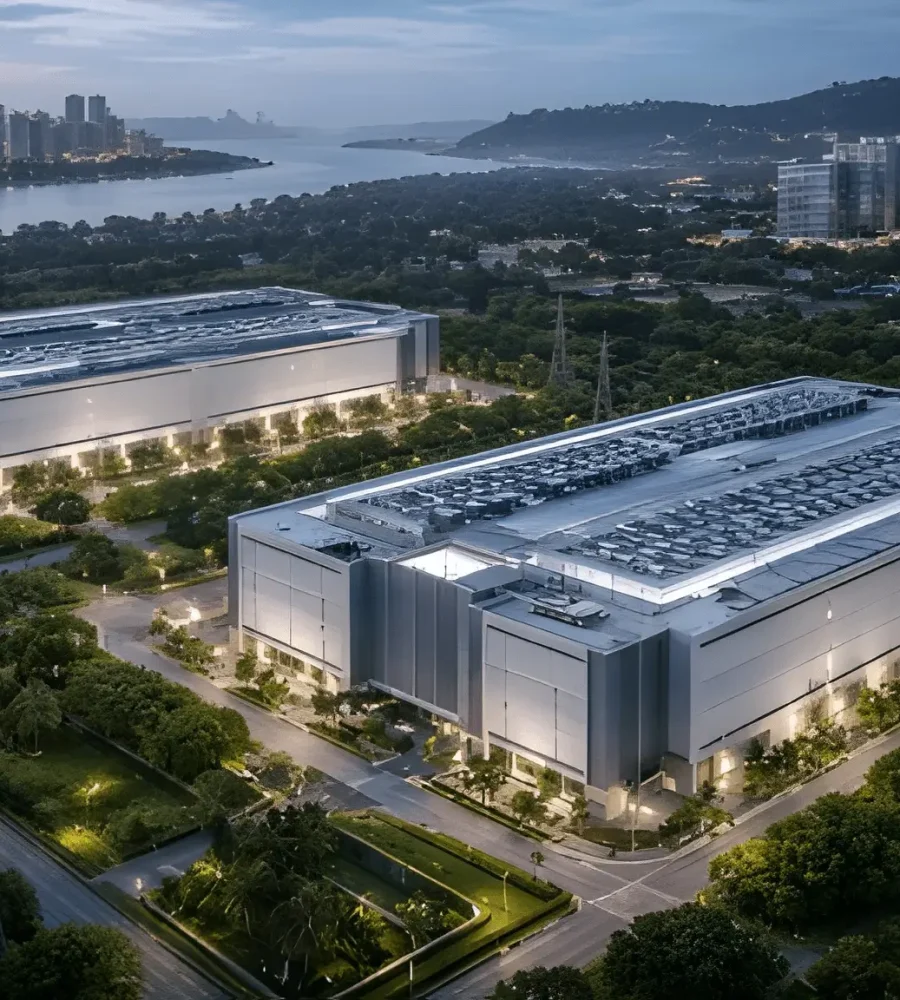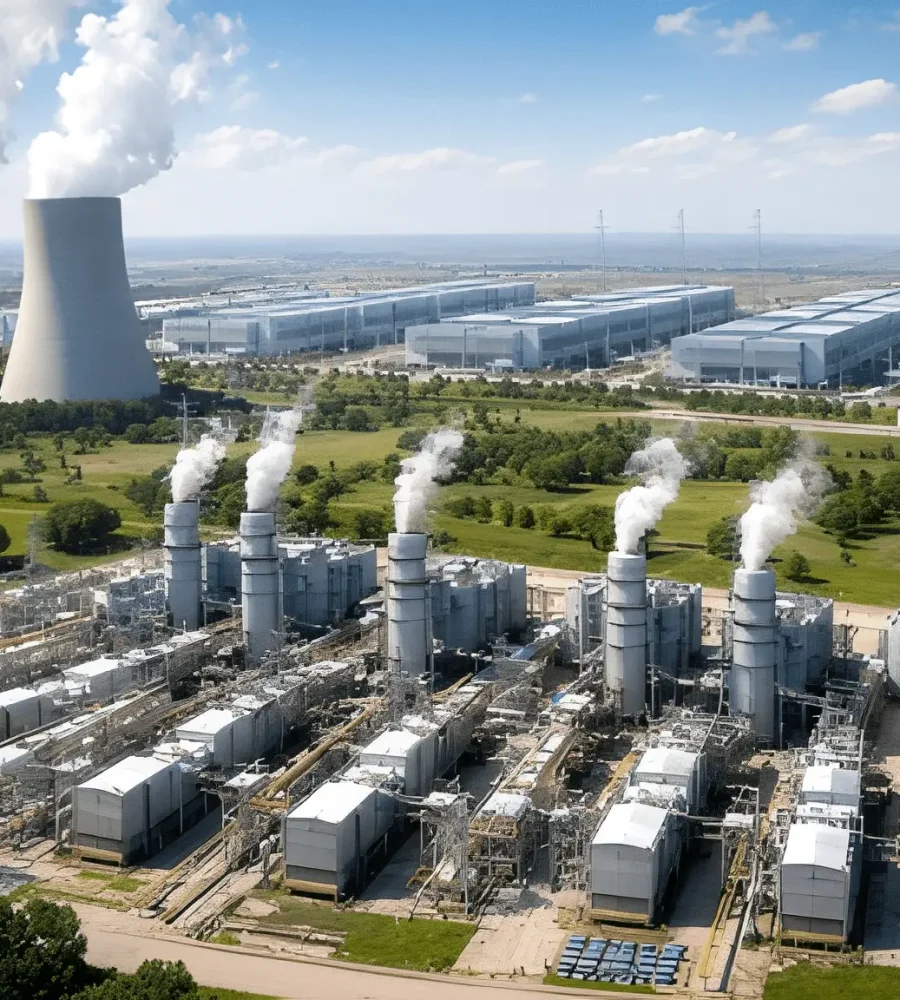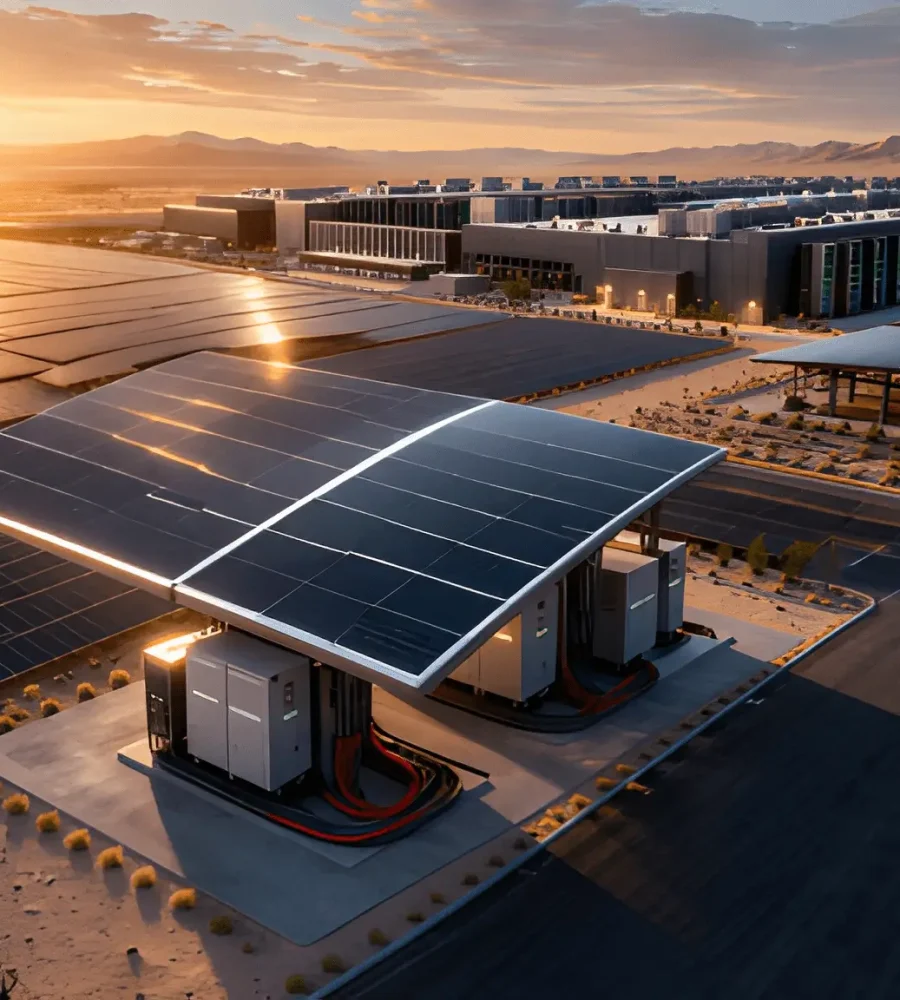
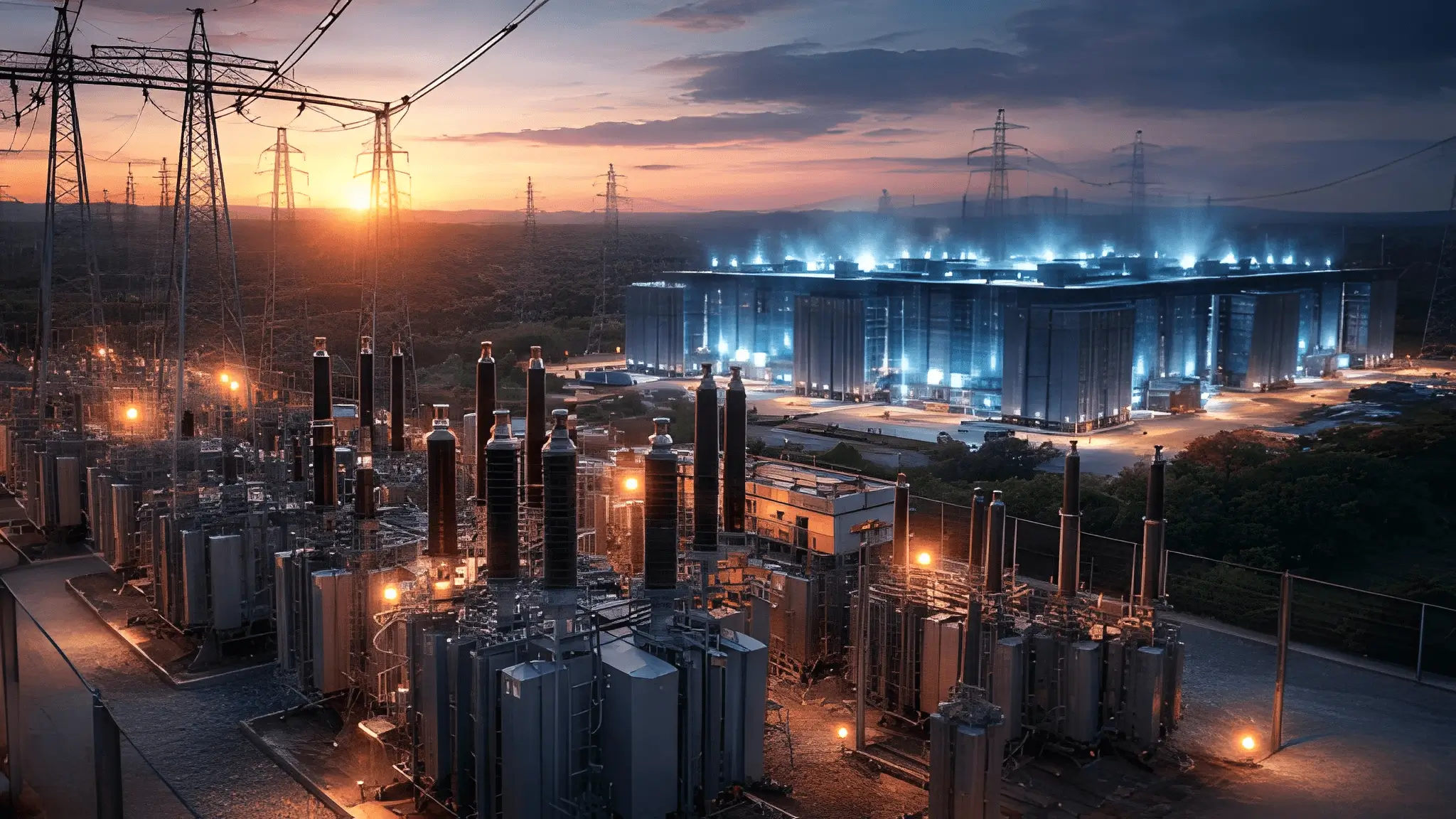
The narrative around AI infrastructure once revolved almost entirely around compute, where GPUs defined the ceiling of innovation and scale. That narrative has shifted in a way few anticipated, as power delivery systems now dictate the real boundaries of expansion. Organizations that once competed for silicon now compete for megawatts, and this transition reshapes how AI capacity gets planned and deployed. Electrical infrastructure has increasingly emerged as a significant limiting factor in several regions, operating outside the spotlight while influencing the pace of AI infrastructure growth. Supply chains for transformers and substations now carry strategic weight, often determining whether projects move forward or stall indefinitely. This shift signals a deeper structural imbalance between digital acceleration and physical infrastructure readiness.
The Constraint Has Moved Beyond Silicon
The earlier bottleneck around GPUs created urgency in chip manufacturing, pushing companies to secure supply through long-term agreements and vertical strategies. That constraint forced innovation in compute optimization, workload efficiency, and hardware utilization. A different type of constraint now dominates, rooted in the physical limitations of grid infrastructure and electrical equipment production. Transformers require specialized materials, manufacturing precision, and long lead times that resist rapid scaling. Substations demand regulatory approvals, land acquisition, and engineering expertise that introduce delays beyond typical tech timelines. The result reflects a systemic shift where infrastructure constraints increasingly shape the upper bounds of AI deployment alongside computational availability.
A New Hierarchy of Bottlenecks
The hierarchy of bottlenecks has inverted in a way that places infrastructure at the core of strategic planning. GPU availability no longer guarantees deployment readiness, as power constraints delay operational timelines. Companies now evaluate projects based on grid access rather than compute procurement alone. Electrical capacity has become the gating factor that determines whether data centers can transition from construction to activation. This change forces a reevaluation of priorities across the AI ecosystem. The ability to secure and deliver power now holds equal importance to acquiring compute resources.
The timeline for deploying AI infrastructure now hinges on transformer procurement cycles rather than chip delivery schedules. Transformers represent a critical component in power distribution, enabling voltage regulation and efficient energy transmission. Manufacturing these units involves complex processes that resist rapid scaling, especially under rising demand. Lead times stretch across extended periods due to material constraints and limited production capacity. These delays introduce a critical path in many deployments that organizations must navigate alongside traditional compute procurement timelines.
Manufacturing Complexity and Supply Chain Strain
Transformer production involves intricate engineering, specialized materials, and precise manufacturing processes that limit scalability. Core components such as electrical steel require specific supply chains that cannot expand overnight. Skilled labor plays a vital role in assembly, testing, and quality assurance, adding another layer of constraint. Manufacturers operate within capacity limits that restrict output growth despite increasing demand. This imbalance creates extended procurement cycles that ripple across the AI infrastructure ecosystem. The dependency on these components introduces delays that exceed traditional expectations in technology deployment.
Deployment timelines now extend beyond compute readiness, incorporating power infrastructure as a defining factor. Organizations must forecast transformer availability years in advance to align with project milestones. This requirement introduces new planning frameworks that integrate electrical infrastructure into core strategies. Delays in transformer delivery can postpone entire data center activations, regardless of compute readiness. The dependency shifts decision-making toward infrastructure-first planning approaches. AI expansion now follows the pace set by power equipment rather than technological capability.
Substations serve as the interface between generation and consumption, making them essential for large-scale AI deployments. Interconnection processes often involve regulatory reviews, environmental assessments, and coordination with utilities. These processes create queues that delay access to grid capacity even when infrastructure projects reach completion. The phenomenon results in “ready-but-unpowered” facilities that cannot operate at full capacity. Delays extend across multiple stages, from permitting to final commissioning. The accumulation of these factors creates a backlog that affects the entire AI deployment pipeline.
Interconnection Backlogs and Their Impact
Interconnection backlogs arise from the increasing number of projects seeking grid access simultaneously. Utilities must evaluate each request carefully to ensure grid stability and reliability. This evaluation process introduces delays that extend beyond initial projections. Data center projects often wait in queues despite completing construction and installing compute infrastructure. The mismatch between readiness and power availability can create inefficiencies in certain deployments, particularly where interconnection timelines extend beyond construction schedules. These delays highlight the importance of aligning infrastructure planning with regulatory processes.
The Emergence of Idle Capacity
Idle capacity emerges when facilities remain inactive due to incomplete power connections. This scenario reflects a structural inefficiency where investments in compute infrastructure fail to generate immediate returns. Organizations must navigate these delays while maintaining operational readiness for eventual activation. The presence of idle capacity underscores the importance of synchronized deployment strategies. Power availability now dictates the utilization of compute resources, redefining operational dynamics. The issue represents a critical challenge for scaling AI infrastructure effectively.
Compute infrastructure benefits from modularity, standardization, and rapid manufacturing cycles that enable quick scaling. Grid equipment operates under entirely different constraints, requiring customization, regulatory compliance, and extensive installation processes. This disparity creates a mismatch between the pace of AI innovation and the speed of infrastructure expansion. Electrical systems cannot scale with the same agility as digital components. The limitations stem from physical, regulatory, and logistical factors that resist acceleration. This mismatch defines one of the most significant challenges in modern AI deployment.
Electrical infrastructure involves heavy equipment, site-specific engineering, and long installation timelines that limit scalability. Transformers and substations require physical space, environmental considerations, and compliance with safety standards. These requirements introduce constraints that do not exist in compute deployment. Scaling electrical systems demands coordination across multiple stakeholders, including utilities and regulatory bodies. The process introduces delays that extend beyond typical technology cycles. These structural limits highlight the complexity of aligning infrastructure with AI growth.
The Speed Mismatch Problem
The speed mismatch between compute and power infrastructure creates challenges in planning and execution. AI systems evolve rapidly, driven by advancements in hardware and software. Electrical infrastructure evolves at a slower pace due to its reliance on physical construction and regulatory approval. This difference creates a bottleneck that constrains overall system performance. Organizations must adapt to this mismatch by integrating infrastructure timelines into their strategies. The alignment of these timelines becomes critical for successful deployment.
Infrastructure lag has transitioned from an external constraint to an internal planning variable that shapes AI deployment strategies. Organizations are increasingly beginning to incorporate power availability timelines into their infrastructure planning and decision-making processes. This integration reflects a deeper understanding of the dependencies between compute and infrastructure. Planning frameworks evolve to accommodate delays in electrical equipment procurement and installation. The inclusion of infrastructure lag introduces new complexities in project management. AI expansion strategies now account for both technological and infrastructural constraints.
Strategic planning now involves aligning compute deployment with power infrastructure readiness. Organizations must forecast energy requirements and secure capacity well in advance of project execution. This approach ensures that compute resources can transition to operational status without delays. The integration of power timelines into planning reflects a shift toward holistic infrastructure management. Decision-makers must balance technological ambitions with practical constraints. The result is a more integrated approach to AI infrastructure development.
The Rise of Power-Gated AI Expansion
AI expansion no longer follows the traditional trajectory where capital and compute define growth velocity, because power availability has become the gating layer that determines whether infrastructure can transition from planned to operational. Organizations now face a constraint that operates independently of demand signals, forcing them to rethink how scaling decisions get executed across regions and timelines. This constraint introduces a structural dependency on grid readiness, where megawatt delivery defines the activation window for AI clusters. Power gating does not emerge as a temporary issue, but as a systemic shift rooted in infrastructure limitations that cannot scale at the same rate as compute ecosystems. The inability to synchronize power delivery with deployment plans creates friction that directly affects expansion strategies. This shift reframes AI growth as an infrastructure coordination challenge rather than a purely technological race.
When Energy Becomes the Gatekeeper
The role of energy has transitioned from a supporting function to a controlling variable that governs deployment feasibility across AI infrastructure projects. Organizations that secure compute capacity still encounter delays if they fail to align with power delivery timelines, creating a disconnect between readiness and activation. This shift introduces a new operational logic where infrastructure availability dictates execution rather than technological readiness. In certain high-demand regions, power availability can act as a structural limitation where megawatt delivery influences the pace of AI expansion alongside processing capability. The dependency on external infrastructure introduces uncertainty that extends beyond traditional supply chain risks. This transformation places energy systems at the center of AI strategy, redefining what it means to scale effectively.
Decoupled Growth Dynamics
Growth dynamics in AI infrastructure have diverged into two parallel tracks, where demand continues to accelerate while deployment remains constrained by infrastructure readiness. This decoupling creates a lag between investment and operational output, affecting how organizations measure progress and performance. Companies must now manage expectations across stakeholders while navigating delays that originate outside their direct control. The separation between demand and deployment introduces inefficiencies that ripple across the ecosystem. Strategic planning must account for this divergence, integrating infrastructure timelines into growth models. The resulting framework reflects a more complex and interdependent approach to scaling AI systems.
The concept of stranded compute highlights a potential structural inefficiency within AI infrastructure development in cases where power delivery lags behind deployment readiness. This condition reflects a breakdown in synchronization between compute deployment and infrastructure readiness, creating a scenario where resources cannot be utilized effectively. Organizations invest heavily in hardware, construction, and system integration, yet fail to generate output because power delivery lags behind. The presence of stranded compute introduces operational challenges that extend beyond immediate delays. This issue underscores the importance of aligning every layer of infrastructure to ensure seamless activation. The phenomenon represents a critical bottleneck that reshapes how deployment strategies get structured.
Idle Infrastructure as a Systemic Inefficiency
Idle infrastructure in such scenarios may represent more than a temporary delay, indicating misalignment between deployment sequencing and infrastructure readiness. Facilities that remain inactive continue to incur operational overhead without contributing to output, affecting overall efficiency. This condition forces organizations to reconsider how they sequence investments across compute and infrastructure layers. The inability to activate systems on time introduces cascading effects across project timelines. These inefficiencies highlight the importance of integrated planning frameworks. Addressing this challenge requires a coordinated approach that aligns all components of infrastructure development.
Synchronization Failures in Deployment Pipelines
Deployment pipelines depend on precise coordination across multiple stages, yet power delivery delays disrupt this alignment and create gaps in execution. These synchronization failures occur when infrastructure readiness does not match the pace of compute deployment. Organizations must navigate these gaps while maintaining operational readiness for eventual activation. The lack of synchronization introduces uncertainty that complicates planning and execution. This issue reflects the broader complexity of modern infrastructure ecosystems. Effective coordination becomes essential for minimizing delays and maximizing efficiency.
Pre-provisioning has evolved into a strategic necessity as organizations recognize that waiting for infrastructure availability introduces unacceptable delays in AI deployment. Leading operators are increasingly seeking to secure transformers, substations, and grid capacity in advance to better align with anticipated compute deployment timelines. This approach reflects a proactive shift that prioritizes infrastructure readiness as a core component of strategy. Pre-provisioning requires accurate forecasting, long-term commitments, and coordination with multiple stakeholders. The strategy introduces complexity in resource allocation and financial planning. This evolution marks a transition toward infrastructure-first thinking in AI ecosystems.
Anticipating Future Demand Through Infrastructure
Organizations must anticipate future demand with precision to ensure that infrastructure capacity aligns with projected requirements. This anticipation involves analyzing growth trends, workload patterns, and energy consumption profiles. Early investment in infrastructure reduces the risk of delays and stranded compute. The ability to forecast demand accurately becomes a competitive advantage in AI deployment. This approach requires collaboration across technical and operational teams. Strategic foresight now plays a critical role in infrastructure planning.
Vertical Integration into Electrical Infrastructure
Deeper involvement in electrical infrastructure, including partnerships and co-development models, is emerging as an important strategic approach for some operators.Companies now engage directly with transformer manufacturers, substation developers, and utility providers to reduce dependency on constrained supply chains. This shift reflects a broader recognition that infrastructure bottlenecks cannot be managed through procurement alone. Direct involvement in infrastructure development enables organizations to secure priority access to critical resources. The approach reduces uncertainty while improving alignment between compute deployment and power availability. Vertical integration now defines how leading players navigate the constraints of modern AI expansion.
Control Over Supply Chains and Timelines
Control over supply chains introduces a level of predictability that traditional procurement models fail to provide in constrained environments. Organizations that integrate upstream gain visibility into production schedules, material availability, and delivery timelines. This visibility enables more accurate planning and reduces the risk of unexpected delays. Direct relationships with manufacturers allow companies to influence production priorities. The shift toward control reflects the need to mitigate risks associated with infrastructure bottlenecks. This evolution aligns infrastructure management with the strategic importance of AI deployment.
The boundary between energy and technology sectors continues to blur as companies expand their involvement in infrastructure development. AI organizations are increasingly engaging with domains traditionally managed by utilities and energy providers through partnerships and coordinated development efforts. This reconfiguration introduces new dynamics in collaboration and competition across sectors. Companies must navigate regulatory frameworks while engaging in infrastructure projects. The integration of energy and technology reflects the evolving nature of AI ecosystems. This shift redefines how organizations approach infrastructure as part of their core operations.
Geography Rewritten by Equipment Availability
Geographical considerations in AI deployment have shifted from connectivity and real estate to the availability of electrical infrastructure. Regions with access to transformers, substations, and grid capacity now attract disproportionate investment. This shift is influencing the criteria for site selection in data center development, alongside traditional considerations such as connectivity and cost. Organizations evaluate locations based on their ability to support large-scale power requirements. The availability of equipment influences where AI campuses can realistically scale. Geography now reflects infrastructure constraints rather than traditional economic factors.
Location strategy now prioritizes infrastructure availability as the primary factor in site selection. Organizations assess regions based on grid capacity, regulatory environment, and equipment supply chains. This approach ensures that deployment timelines align with infrastructure readiness. The emphasis on infrastructure reshapes how companies evaluate potential sites. Traditional considerations such as cost and connectivity remain relevant but secondary. The shift reflects the growing influence of power systems in AI deployment decisions.
Emerging Power-Centric Hubs
New hubs for AI infrastructure emerge in regions that offer reliable access to power and equipment. These hubs attract investment due to their ability to support rapid deployment. The concentration of infrastructure resources creates competitive advantages for certain regions. Organizations cluster operations in areas where constraints are less severe. This trend influences the global distribution of AI infrastructure. The emergence of power-centric hubs reflects the realities of infrastructure-driven growth.
Capital expenditure in AI infrastructure has expanded to include a significant allocation toward power equipment and grid integration. Organizations must now invest in transformers, substations, and related systems alongside compute hardware. This shift reflects the growing importance of infrastructure in enabling deployment. Budget considerations extend beyond traditional IT investments to include energy systems. The allocation of resources introduces new financial dynamics in project planning. Power equipment is becoming an increasingly important component of capital expenditure in many AI infrastructure projects.
Infrastructure has evolved into a core investment category that shapes financial strategies in AI deployment. Organizations must allocate resources to ensure that power systems align with compute requirements. This allocation reflects the critical role of infrastructure in enabling operational capacity. Financial planning now integrates energy systems as a central component. The emphasis on infrastructure investment highlights its importance in scaling AI operations. This shift redefines how organizations approach capital allocation.
Balancing Long-Term and Immediate Costs
Balancing long-term infrastructure investments with immediate compute needs introduces complexity in financial planning. Organizations must evaluate trade-offs between early investment in power systems and delayed deployment. This balance affects project timelines and overall efficiency. Strategic decisions must account for both short-term and long-term considerations. The integration of these factors reflects the complexity of modern AI infrastructure. Financial strategies now incorporate infrastructure as a critical variable.
Deployment synchronization has become essential in ensuring that compute infrastructure aligns with power delivery timelines. Organizations must coordinate procurement, construction, and infrastructure development to achieve seamless activation. This coordination reduces the risk of delays and stranded compute. Synchronization introduces a structured approach to managing dependencies across different stages. The process requires collaboration across teams and stakeholders. Effective synchronization enhances efficiency and operational readiness.
Interdependent timelines require careful coordination to ensure that all components reach readiness simultaneously. Organizations must align compute deployment with power infrastructure development. This alignment involves managing dependencies across multiple stages of the project. Effective coordination reduces inefficiencies and delays. The process reflects the complexity of modern infrastructure systems. Managing interdependencies becomes critical for successful deployment.
Operational Precision in Activation
Operational precision ensures that infrastructure and compute resources become active without unnecessary delays. Organizations must implement processes that minimize gaps between readiness and activation. This precision requires detailed planning and execution across multiple stages. The focus on operational accuracy enhances overall efficiency. Companies must integrate these considerations into their deployment strategies. Precision in activation reflects the importance of synchronization in AI infrastructure.
The expansion of high-voltage infrastructure depends heavily on skilled labor, introducing a human bottleneck that affects deployment timelines. Engineers, technicians, and specialists play essential roles in installation and commissioning processes. The shortage of skilled labor creates delays that extend beyond equipment availability. This constraint highlights the importance of workforce development in infrastructure planning. Organizations must address these challenges to ensure timely deployment. The human factor remains a critical component of AI infrastructure development.
Workforce Constraints in Infrastructure Deployment
Workforce constraints arise from the limited availability of professionals with specialized skills in high-voltage systems. The demand for expertise exceeds supply, creating delays in project execution. Organizations must navigate these constraints while maintaining deployment timelines. Workforce limitations introduce additional complexity in infrastructure planning. Addressing these challenges requires strategic investment in human capital. The impact of workforce constraints reflects the broader challenges in scaling infrastructure.
The Race Will Be Won at the Grid Edge
Developing a sustainable talent pipeline requires investment in education, training, and skill development initiatives. Organizations must collaborate with institutions to ensure a steady supply of qualified professionals. These efforts support long-term infrastructure growth and resilience. Workforce development aligns with the broader goals of scaling AI systems. The focus on talent reflects the importance of human resources in infrastructure planning. Building a skilled workforce becomes essential for future expansion.
The trajectory of AI expansion is increasingly influenced by the ability to secure and deploy power infrastructure effectively. Organizations that excel in managing electrical supply chains will gain a competitive advantage in scaling operations. The focus shifts from acquiring compute resources to ensuring infrastructure readiness. This transition reflects a broader evolution in how AI systems get built and deployed. The race for leadership in AI now extends beyond technology into energy systems. Success will likely depend on how effectively organizations operate at the intersection of technology and power delivery.