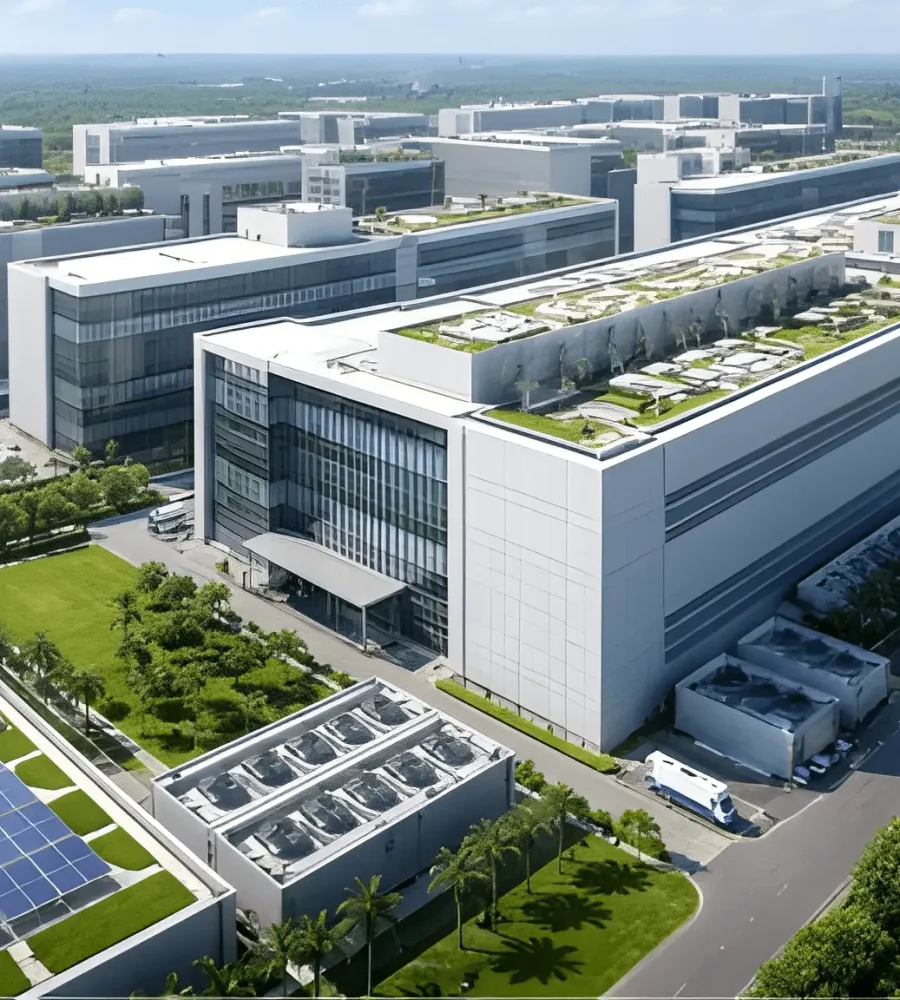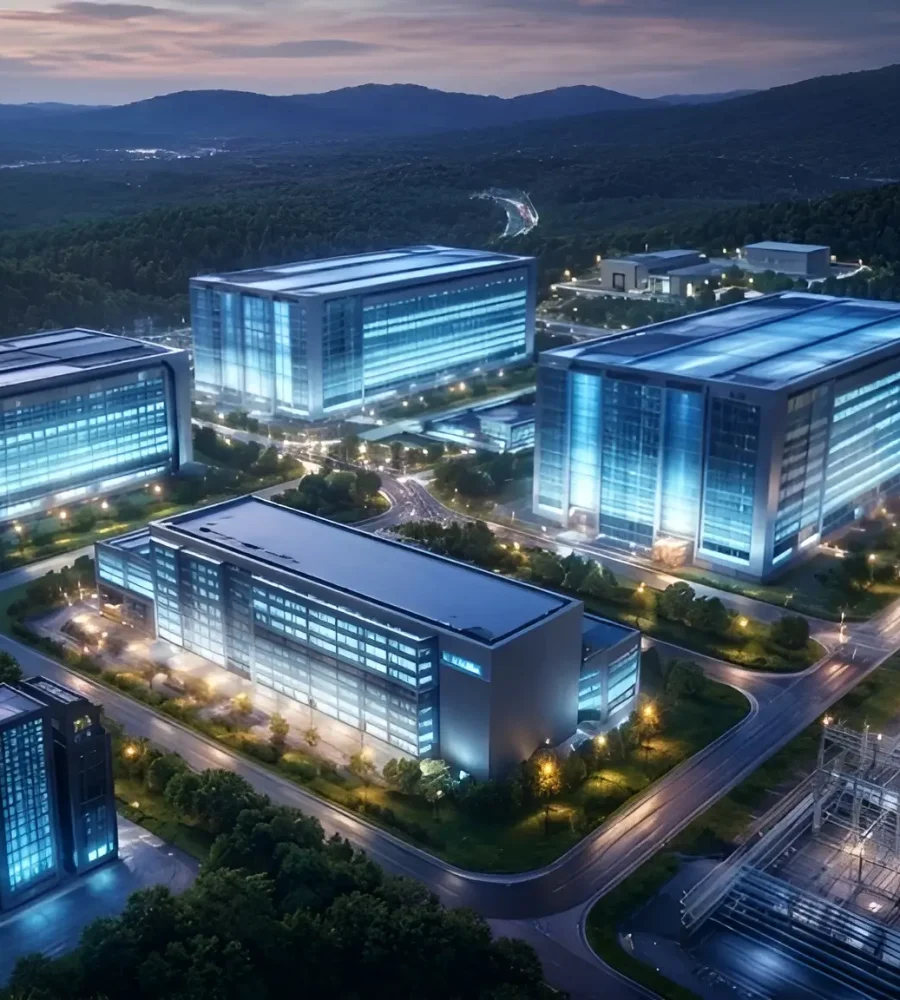

JinkoSolar has introduced a new class of photovoltaic modules engineered specifically for data center environments, signaling a sharper alignment between renewable energy infrastructure and the rising demands of AI-driven computing. Built on the company’s Tiger Neo 3.0 TOPCon platform, the AIDC modules target a wide spectrum of high-density compute environments, including AI factories, GPU clusters, and supercomputing facilities.
The launch reflects a broader industry shift toward integrating energy systems with compute workloads. As data centers scale rapidly, operators face mounting pressure to secure stable, high-output, and low-maintenance power sources. JinkoSolar positions its AIDC modules as a direct response to these constraints, emphasizing durability, efficiency, and operational continuity.
Efficiency Gains Redefine Power Density Economics
At the core of the AIDC module lies a focus on maximizing output within constrained physical footprints. The modules deliver front-side efficiency of 24.8% or higher and a power output of at least 670W, enabling higher energy yield per square meter. This directly improves land and rooftop utilization, while lowering levelized cost of electricity (LCOE) across the system lifecycle. Moreover, the Tiger Neo 3.0 platform integrates scalability into its design, allowing operators to future-proof deployments as energy demands grow alongside compute density.
Bifacial Architecture Unlocks Incremental Power Gains
The modules leverage TOPCon cell architecture to achieve bifaciality of 85% ± 5%, significantly exceeding conventional back-contact alternatives. This design enables near-symmetric energy generation from both sides of the panel.
In practical terms, a 670W module operating under standard reflectance conditions can deliver total output reaching 844W. As a result, operators effectively gain additional power capacity without incremental module cost. This dynamic becomes particularly valuable in high-reflectivity environments such as desert regions or snow-covered geographies, where natural conditions amplify rear-side generation.
Data centers require consistent energy supply across all hours, yet solar generation traditionally weakens during low-irradiance periods. JinkoSolar addresses this mismatch by optimizing module performance in the 100–200 W/m² range, typical of early mornings, evenings, and overcast conditions.
Power generation during these periods increases by up to 8.93% compared to conventional modules. Even under dense fog or shading, output stability remains within 95%–98%. Consequently, the generation curve aligns more closely with continuous data center demand, improving self-consumption rates and easing grid dependency.
Fire Safety Engineering Targets Critical Infrastructure Risk
Safety remains central to data center operations, and JinkoSolar embeds stringent fire resistance standards into its module design. The AIDC modules comply with IEC 61730-2:2023 and UL 790 Class A certifications, ensuring controlled flame spread and resistance to sustained thermal exposure.
Critical insulation components meet UL 94 V-0 standards, enabling rapid self-extinguishing behavior. Additionally, the integration of arc-resistant junction box technology reduces the probability of DC arcing, a known risk factor in rooftop solar installations. The modules are engineered to withstand severe environmental stress, including hail impacts up to 55 millimeters in diameter, well above standard industry thresholds. Reinforced tempered glass and shock-absorbing encapsulation structures mitigate the risk of mechanical damage cascading into electrical failures.
Furthermore, the modules support front-side loads of 6,000 Pa and rear-side loads of 4,000 Pa. This allows them to endure heavy snow accumulation and high wind conditions without structural compromise. In typhoon-prone or high-altitude regions, the design ensures both physical stability and electrical integrity.
Strategic Positioning in the Computing-Power Convergence
JinkoSolar’s AIDC modules reflect a deeper strategic move toward what the company frames as “computing-power synergy.” By combining high efficiency, bifacial gains, low-light responsiveness, and structural resilience, the modules aim to deliver stable and scalable clean energy tailored to compute-intensive environments.
However, the significance extends beyond product innovation. The launch underscores how renewable energy providers are evolving to meet the specialized requirements of AI infrastructure. As energy and compute become increasingly interdependent, solutions like AIDC modules could define the next phase of data center design and deployment.
JinkoSolar, already a global leader in cumulative PV shipments, positions this release as both a technical milestone and a signal of intent targeting deeper integration across energy and digital infrastructure ecosystems.