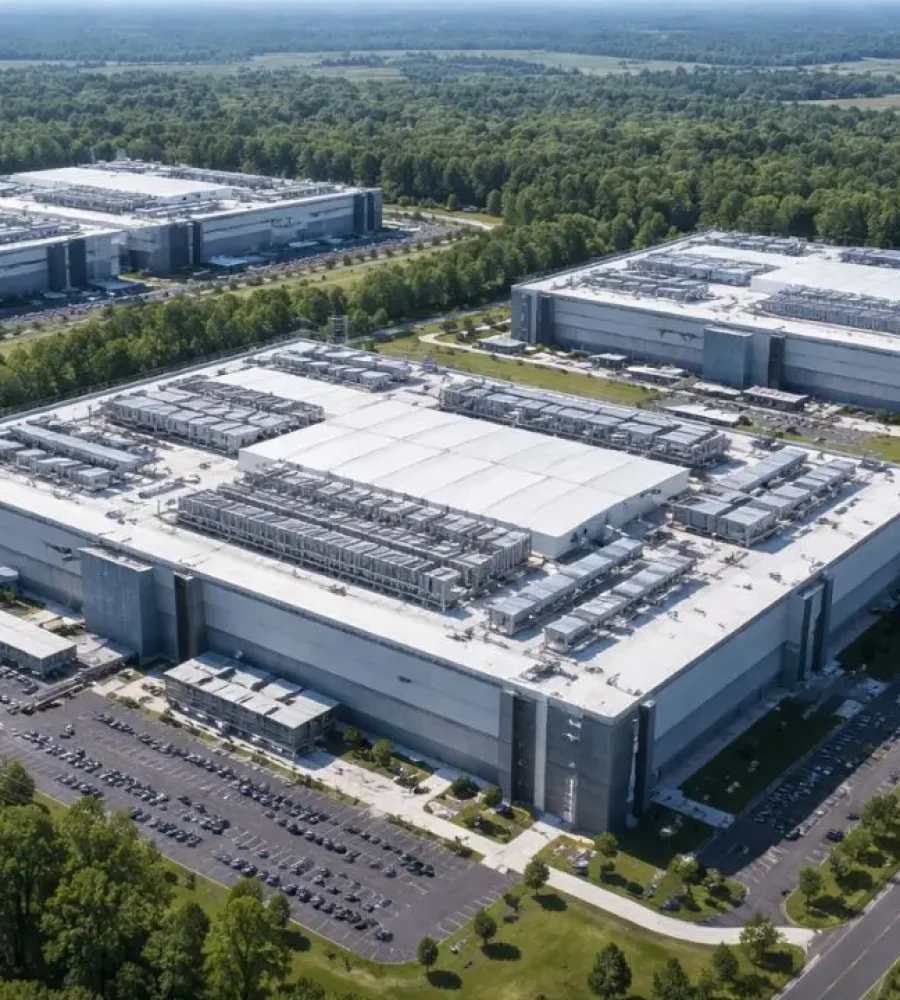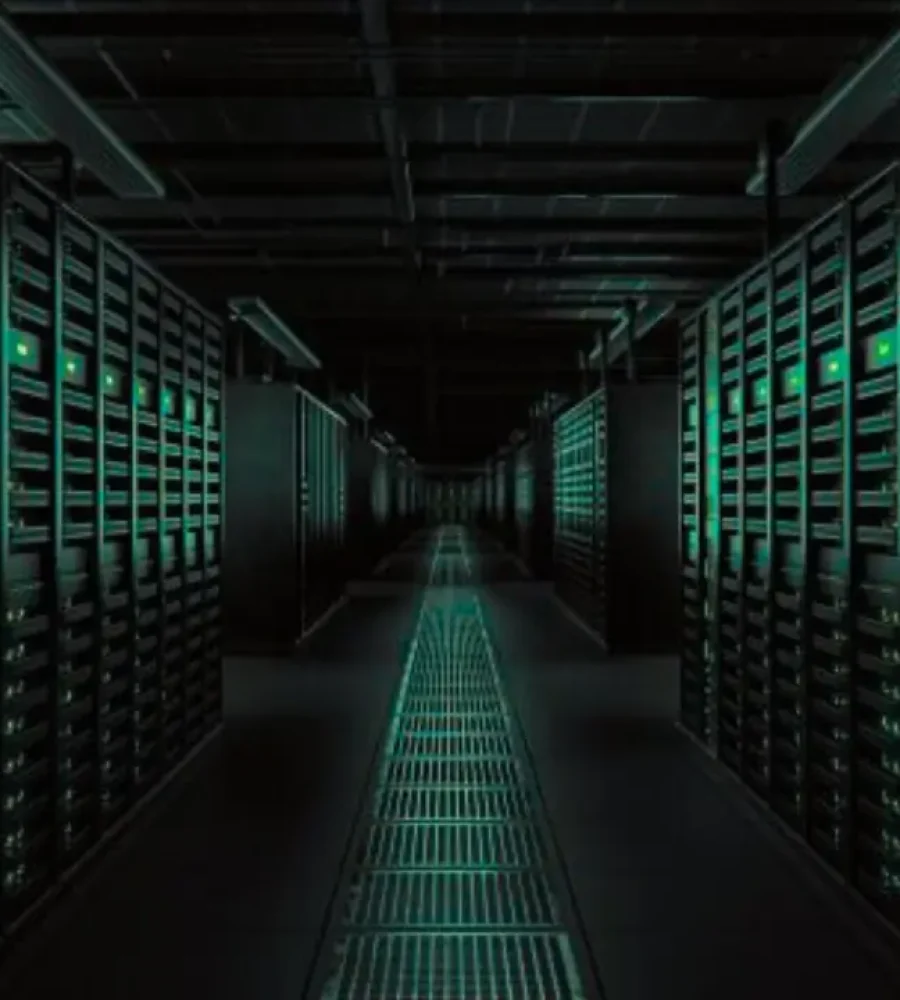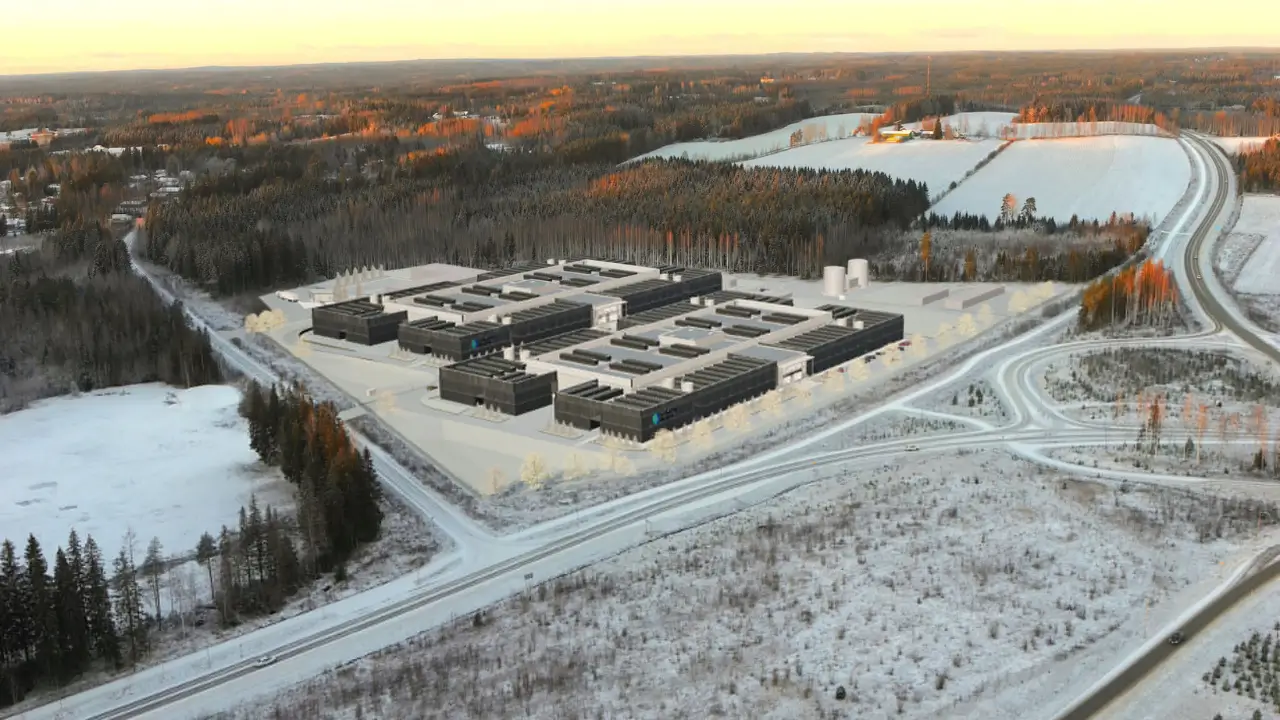
AI Training & Inference Campus in Mikkeli Finland Concept
Image courtesy: Compute Nordic Ltd LinkedIn post
Compute Nordic Finland Data Center Clears Regulatory and Power Milestones
Compute Nordic Ltd has secured formal construction permits and finalized power agreements for its Finland data center, enabling the development of 212 MW of IT compute capacity in Mikkeli, the company said.
The approvals cover the first phase of its AI Training and Inference Campus in Mikkeli. With permits and power in place, the project now moves into execution. The development sets the foundation for one of the Nordic region’s largest high-density data center campuses.
The company confirmed the milestone in a public statement, noting that regulatory clearance allows construction to begin as scheduled. Power capacity has also been secured for the initial phase, removing a key constraint that often delays large-scale AI infrastructure projects.
Campus Designed for AI and High-Performance Computing
It designed the Mikkeli campus from the outset to support extreme compute density. The facility targets workloads that include artificial intelligence training, inference, high-performance computing, and large-scale cloud platforms.
The company emphasized flexibility as a core design principle. Infrastructure can be adapted to different deployment models as customer requirements evolve. This approach reflects rising demand for facilities that can accommodate rapid changes in AI hardware and software architectures.
According to the company, the strategy focuses on scalable and energy-efficient infrastructure. The Nordic region’s stable power grids and cold climate play a central role in that plan. Strong sustainability credentials also influenced the site’s selection, Compute Nordic said.
Cooling Architecture and Rack Density
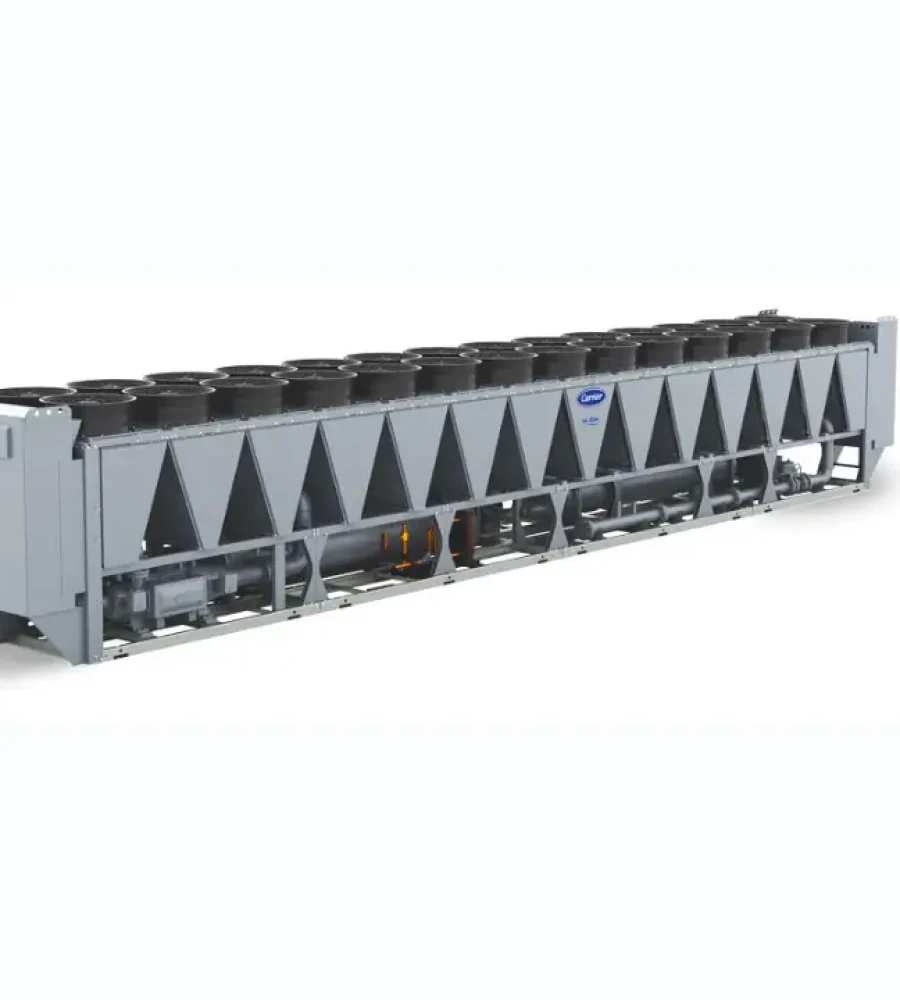
The campus architecture incorporates dual-loop cooling systems. These systems support both direct liquid cooling and rear door heat exchangers. The design aims to meet the thermal demands of GPU-intensive AI workloads.
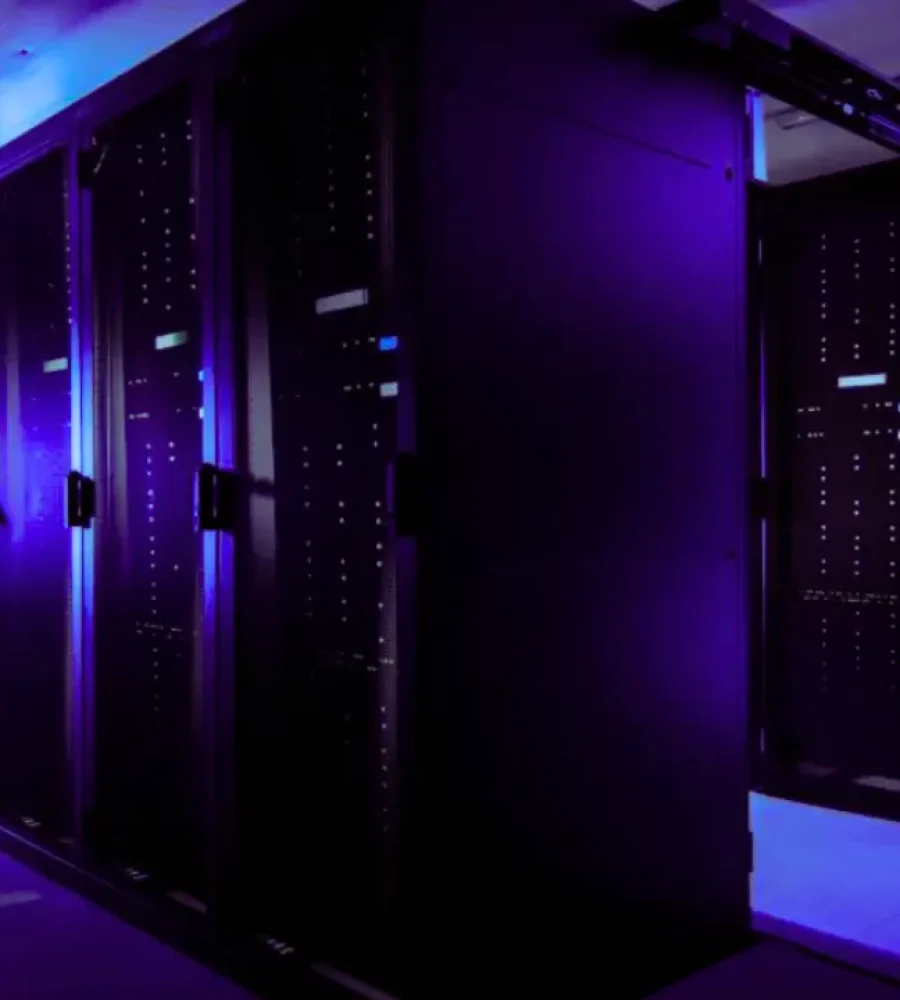
Each data hall is designed for rack densities exceeding 240 kilowatts per rack. That level of density reflects the increasing power requirements of modern AI accelerators. The company said the facility targets a Power Usage Effectiveness below 1.15.
Energy efficiency remains a core performance metric for the campus. Compute Nordic said it integrated efficiency targets into the facility design rather than treating them as operational add-ons. The company views this approach as essential for long-term sustainability and cost control.
Configurable Data Halls and Resilience Options
The data halls are configurable in both density and resilience, the company said. This allows infrastructure specifications to align with workload needs and cost objectives. Operators can tailor redundancy levels without redesigning the entire facility.
As per the company, this modular approach supports a wide range of tenants. It also allows the campus to adapt as AI workloads shift between training and inference over time. Flexibility remains a priority as compute demand patterns continue to evolve.
Project Moves Into Execution Phase
With permits granted and power secured, the Mikkeli AI Campus has entered the execution phase. Approved renderings show the structures authorized for construction. The company said these designs reflect readiness to proceed as the new year begins.
Construction activity is expected to follow the approved plans without further regulatory delays. The company did not disclose a commissioning timeline. It confirmed that the first phase establishes the baseline capacity for future expansion.
Broader Market Context
Industry analysts view projects like Mikkeli as signals of how AI demand is reshaping data center development. Power availability, cooling performance, and density now define site viability more than traditional enterprise requirements.
From a broader perspective, the project highlights the Nordic region’s growing role in advanced compute infrastructure. Developers continue to favor markets that combine grid stability with favorable climate conditions. These factors reduce operational risk for high-density AI deployments.
Compute Nordic said, the Mikkeli campus reflects these broader shifts. The company positioned the project as part of a long-term strategy to serve next-generation compute workloads at scale, while maintaining efficiency and adaptability.