
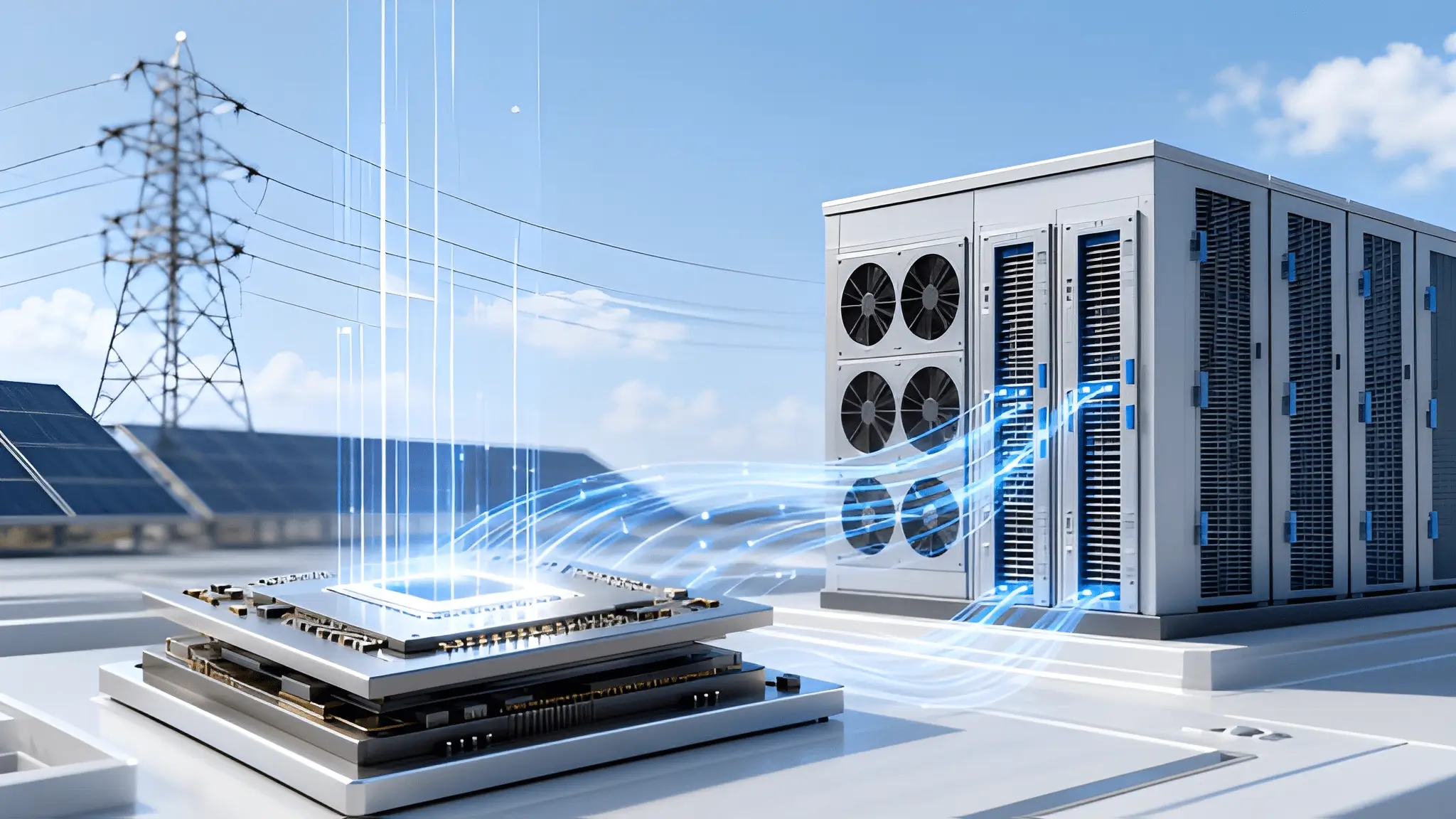
Australian data center company DXN has landed a AU$12.2 million (US$8.7 million) contract to deliver a 2MW modular facility for an unnamed AI compute operator. The deal gives DXN another foothold in the rapidly expanding market for infrastructure built specifically for high-density GPU workloads. Instead of constructing a conventional data center from scratch, the project will combine purpose-built DXN modules with upgrades to infrastructure already available at the customer’s site. The customer expects the facility to begin operations in early 2027, creating an aggressive delivery timeline for the AI infrastructure project.

DXN Secures Second AI HPC Award
DXN described the agreement as a binding contract covering the full delivery chain, rather than a limited equipment supply arrangement. The company will handle the design, engineering, manufacturing, delivery, installation and commissioning of the 2MW pod. The completed project will function as a turnkey AI High-Performance Computing facility, with the modular deployment approach intended to compress the timeline between infrastructure planning and usable GPU capacity. The customer has not disclosed the location of the site or its identity.
The contract also marks a notable increase in scale for DXN’s AI HPC business. The company said this is its second AI HPC award in two months, with the latest project materially larger than its previous award. That progression matters because AI infrastructure customers increasingly need capacity that can move from specification to deployment faster than conventional construction cycles allow. DXN is positioning its modular platform as an answer to that timing problem rather than simply another form factor for data center construction.
2MW Pod Targets High-Density GPU Workloads
The project centers on a single 2MW pod that will support high-density GPU computing. That capacity matters because AI clusters place very different physical and electrical demands on infrastructure than traditional enterprise workloads. GPU deployments concentrate power and thermal demand into smaller footprints, putting simultaneous pressure on electrical distribution, cooling systems and site infrastructure. A modular facility can integrate many of these requirements into a controlled deployment unit, allowing DXN to manufacture the pod before delivering it to the final site.
The project will not rely entirely on new infrastructure. DXN plans to combine its purpose-built modules with upgrades to the customer’s existing infrastructure, creating a hybrid delivery model that could reduce construction requirements on site. This approach also highlights a broader shift in AI infrastructure economics: operators do not necessarily need an entirely new campus when they can adapt an existing site for dense compute. As a result, underutilized infrastructure can gain strategic value as GPU demand continues to expand.
Conventional Construction Faces A Timing Problem
DXN’s announcement points to one of the most important constraints in the current AI infrastructure market: time. AI operators can secure GPUs, computing contracts and capital faster than traditional data center projects can sometimes deliver the physical infrastructure needed to run those systems. Long construction cycles therefore create a mismatch between when compute demand emerges and when additional capacity becomes usable. Shalini Lagrutta said the customer’s schedule was a central reason DXN won the project. “This contract is a significant step forward for DXN. It is our second AI HPC award in as many months, materially larger than the first. This win demonstrates that the AI HPC module platform we have productized over the last three years is translating into wins across both offshore and domestic markets. Delivering 2MW of high-density GPU capacity on a single site is a meaningful uplift in scale for the product line.”

Her comments underline the strategic purpose behind DXN’s modular platform. The company has spent three years productising its AI HPC modules, and this contract provides a larger commercial test of that strategy. The reference to both offshore and domestic markets also suggests DXN sees demand beyond a single geography or customer segment. For the company, the important metric may therefore be repeatability: whether the same modular architecture can be adapted and deployed across multiple AI infrastructure projects.
First Phase Could Expand Beyond 2MW
The initial deployment is expected to provide 2MW of high-density GPU capacity within the next 12 months. That deadline puts the project on a compressed path from contract award to operational compute, particularly given that DXN is responsible for manufacturing, delivery, installation and commissioning. The company has not provided details about the underlying GPU hardware or the precise cooling and power architecture that will support the cluster. Those technical details could ultimately determine how efficiently the 2MW envelope translates into usable AI compute.
Lagrutta also indicated that the project could become the beginning of a larger deployment. “This contract will result in 2MW of high-density GPU capacity, expected to be online inside the next 12 months. DXN has been selected because the requirement is one that conventional construction cannot meet within the timeframe. This is the first phase of a potentially larger deployment, and delivering this phase well places DXN in a strong position for future phases. We look forward to delivering the project and supporting future capacity requirements should they grow.”
That possibility changes the significance of the AU$12.2 million contract. The immediate project establishes 2MW of capacity, but successful execution could create a template for additional phases at the same customer site. Meanwhile, the customer can potentially expand compute capacity without committing immediately to an entirely new conventional facility. That makes execution speed a commercial differentiator, not merely an engineering benefit.
Modular Data Centers Move Closer To AI’s Core
The DXN deal reflects a larger change in how AI infrastructure gets deployed. Traditional data center development assumes that operators can plan large facilities years ahead and build infrastructure around relatively predictable power and cooling requirements. AI clusters make that assumption harder because compute demand can arrive in concentrated bursts, while GPU generations, rack densities and cooling requirements continue to evolve.
For modular providers, that volatility creates an opening. A standardized pod can provide a defined block of power and cooling capacity while allowing operators to expand incrementally rather than committing all capital to a large facility at once. The challenge is making that standardization flexible enough to accommodate rapidly changing AI hardware without turning today’s optimized infrastructure into tomorrow’s stranded asset. DXN’s 2MW project will therefore be worth watching beyond its contract value. If the facility reaches operation in early 2027 and supports additional phases, it could demonstrate how modular infrastructure fits into the next generation of AI capacity expansion. For an industry racing to put GPUs into production, the competitive advantage may increasingly belong to infrastructure that can arrive at the right site before the compute opportunity moves somewhere else.











