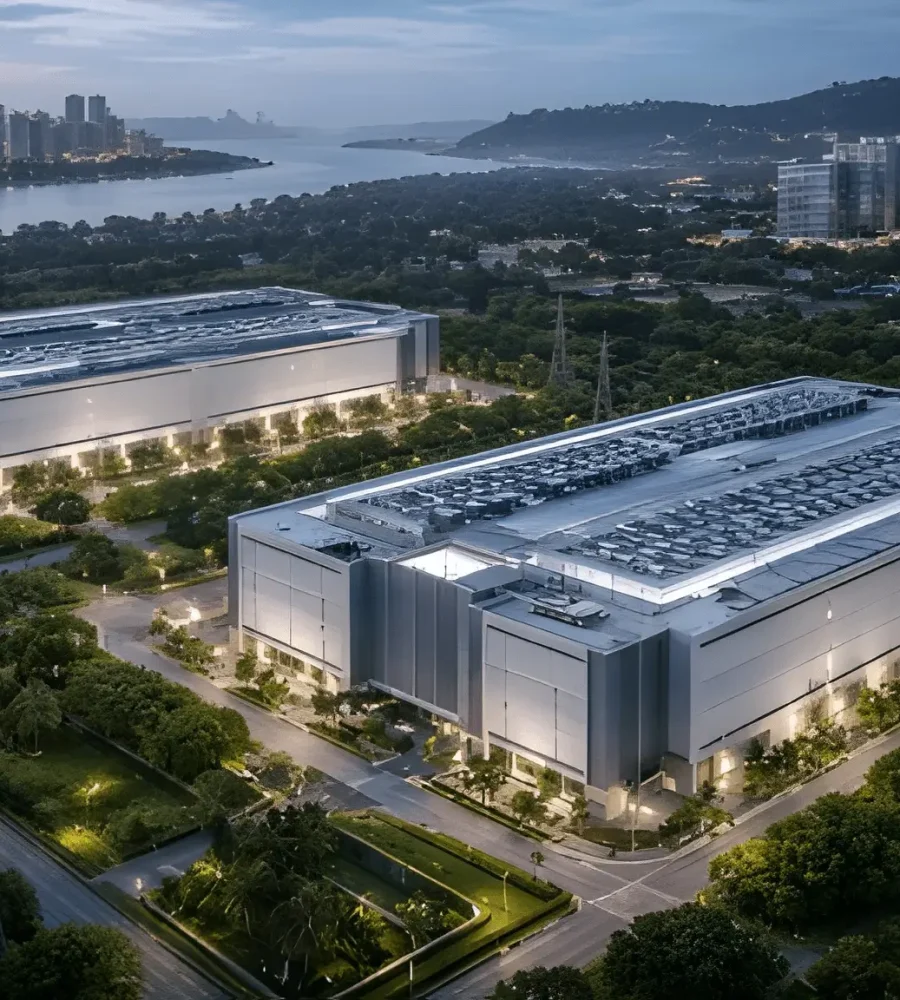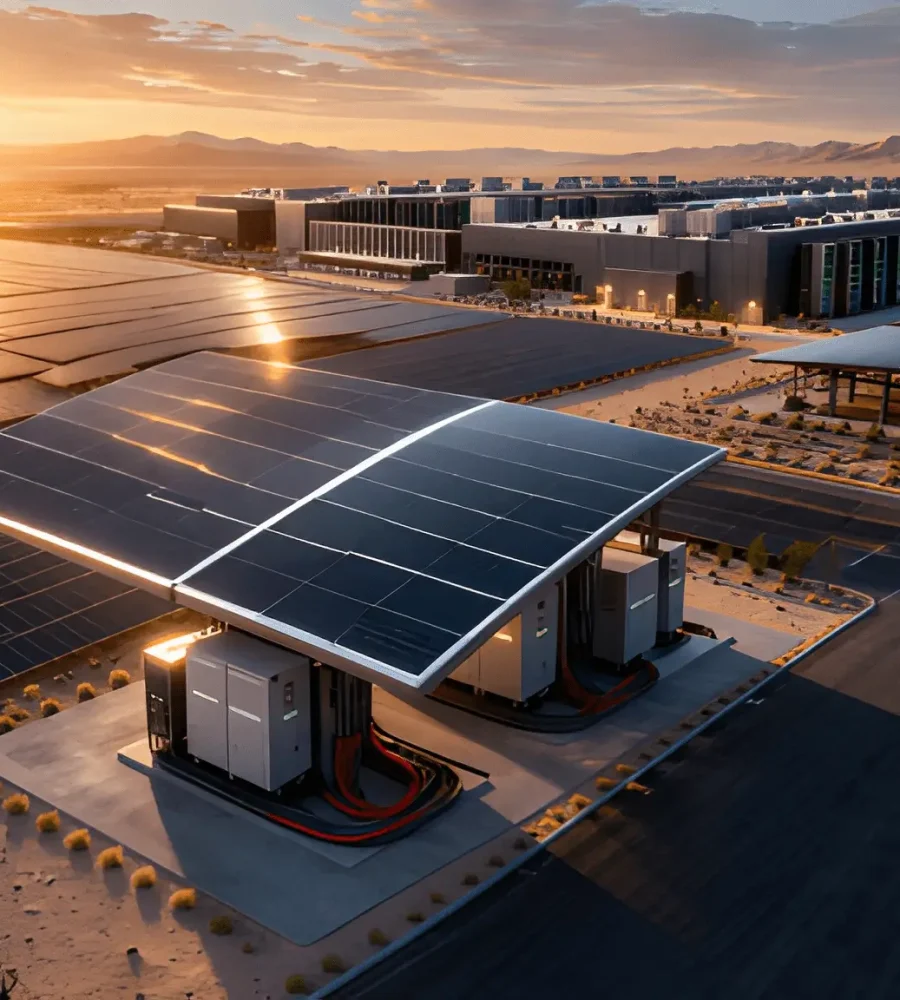
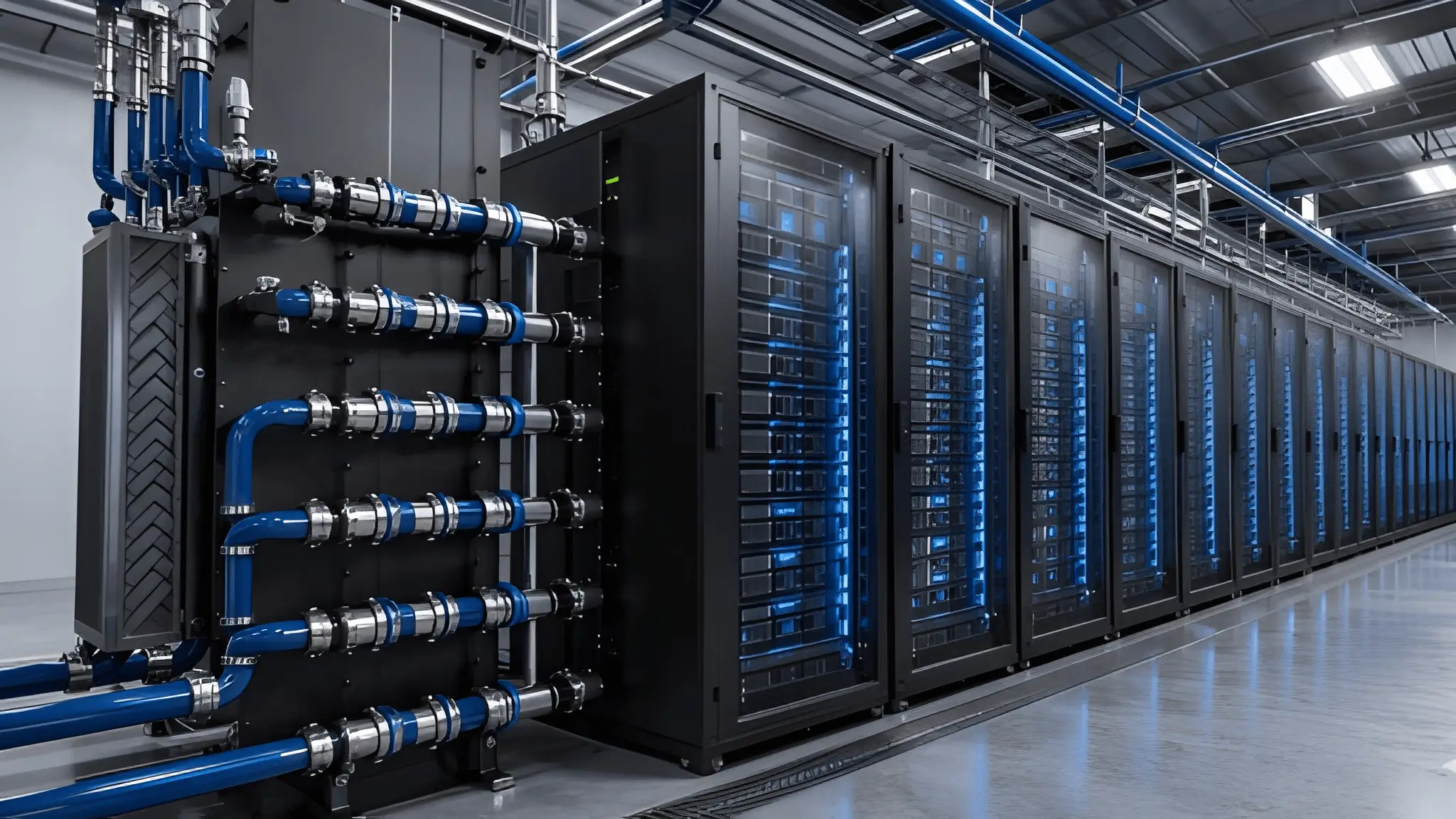
A new alliance between Gray and Valvoline Global signals a deeper shift in how data center infrastructure gets conceived and executed. The collaboration merges integrated facility delivery with advanced thermal-fluid expertise, positioning both firms at the center of the industry’s transition toward liquid-cooled environments.
Rather than treating cooling as a downstream engineering decision, the partnership reframes it as a foundational design variable. This shift reflects a broader recalibration across hyperscale and enterprise operators who now prioritize thermal strategy alongside compute architecture from day one.
“Successful data center projects depend on strong teams with a shared vision. In a highly technical market, that vision must be constantly refined and verified across disciplines to avoid mistakes,” says Rebekah Gray, President & CEO, Gray Construction. “That’s why Gray brings every scope under one roof, and why we’ve long been a leader in design-build and data center construction.”
AI Workloads Accelerate the End of Air Cooling Dominance
The rapid rise of AI workloads has pushed GPU rack densities into ranges that air cooling struggles to sustain efficiently. As a result, operators face not just incremental upgrades, but a structural pivot in infrastructure design.
Liquid cooling now moves from experimental deployment to operational necessity. Consequently, organizations must rethink facility layouts, supply chains, and long-term scalability assumptions.
Gray and Valvoline’s joint whitepaper, Building & Designing Data Centers for the Shift to Liquid Cooling, addresses this inflection point directly. It focuses on hybrid environments where legacy air-cooled systems coexist with emerging liquid-cooled architectures, an increasingly common transitional state.
“The shift to liquid cooling isn’t a future consideration, it’s happening now. The owners who move with intention and urgency will be the ones with the most options tomorrow,” says Ben Burgett, Vice President, Data Centers, Gray. “Our focus is on making sure our customers don’t have to choose between speed and flexibility. We bring the delivery capability to move fast and the integrated expertise to make sure the decisions made early hold up over the life of the facility.”
Fluid Strategy Becomes Core Infrastructure Logic
Cooling fluids, once treated as consumables, now sit at the core of system reliability and performance. This evolution elevates chemical engineering decisions to the same strategic level as power and compute planning.
“Because chip thermal design power has increased so significantly, you have to use liquid cooling,” says George Zhang, Vice President, R&D, Valvoline Global. “You need a way to remove heat to protect chip integrity and prevent thermal throttling and the right fluid strategy is central to making that work reliably, long term.”
Moreover, the integration of fluid strategy into early-stage planning reduces downstream risk. Misalignment across design, procurement, and operations often leads to inefficiencies that compound over a facility’s lifecycle. However, aligning these domains early creates both speed and resilience.
The industry will not flip a switch from air to liquid cooling overnight. Instead, hybrid facilities will dominate the near-term landscape, blending both approaches within the same operational footprint.
This duality introduces complexity. Operators must balance different thermal profiles, maintenance regimes, and infrastructure requirements simultaneously. Therefore, partnerships like this one aim to simplify execution through unified delivery models. The whitepaper underscores that early coordination across stakeholders, designers, engineers, and fluid specialists can significantly reduce costly retrofits and delays.
Narrowing Window for Strategic Advantage
As rack densities continue to climb, the margin for reactive decision-making shrinks. Data center owners who delay adopting liquid cooling risk locking themselves into outdated architectures that limit future scalability.
Meanwhile, those who act early gain optionality. They can adapt faster to evolving chip designs, optimize energy efficiency, and extend infrastructure lifespan. The partnership reflects a broader industry truth: cooling is no longer a support system. It is the system.
Gray and Valvoline position themselves as enablers of that forward posture. Their combined approach emphasizes speed without sacrificing long-term viability, an increasingly rare balance in high-stakes infrastructure development.