Inlyte Energy and NTS Colocation AG have formed a partnership to deploy long-duration battery storage across Swiss data centers, beginning with a pilot project in Bern. The companies plan to install up to 2 megawatts of iron-sodium battery capacity by 2028.
They will start with a 600 kilowatt-hour system scheduled for commissioning at the end of 2026. After that, performance will be evaluated in a live production environment. If the results meet expectations, broader deployment across NTS facilities will move forward.
Pilot Project to Test Iron-Sodium in Live Environment
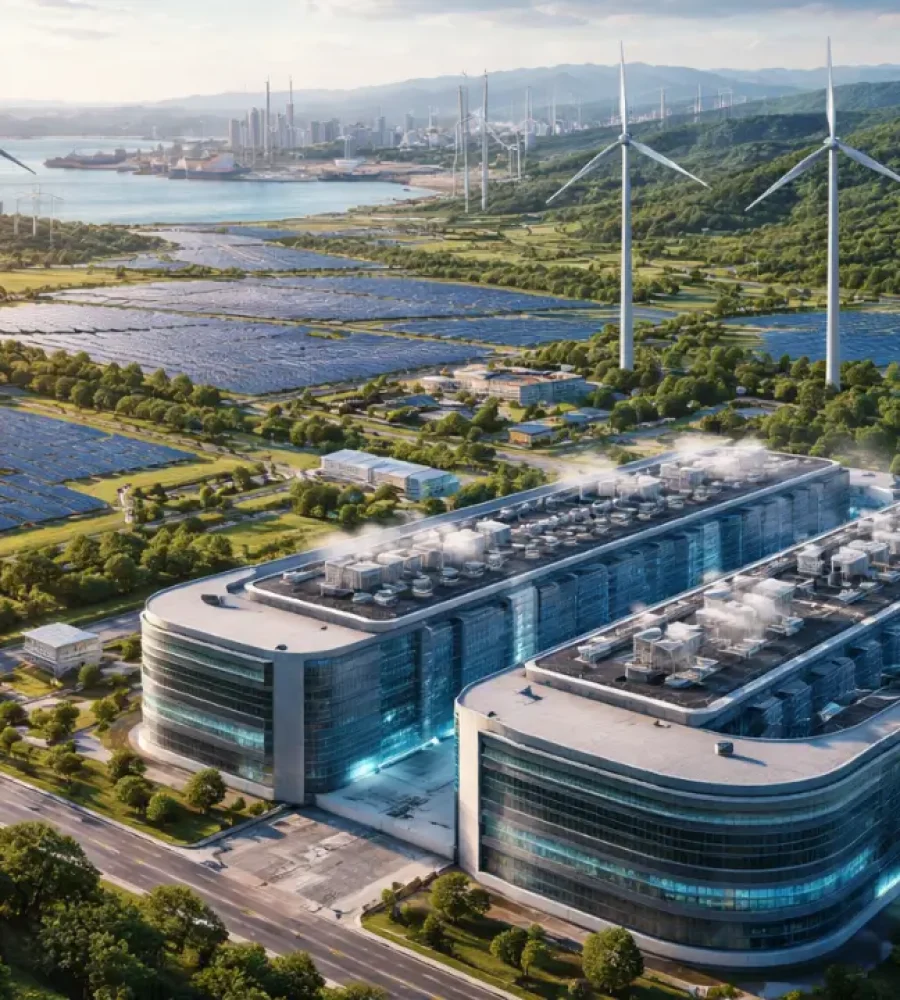
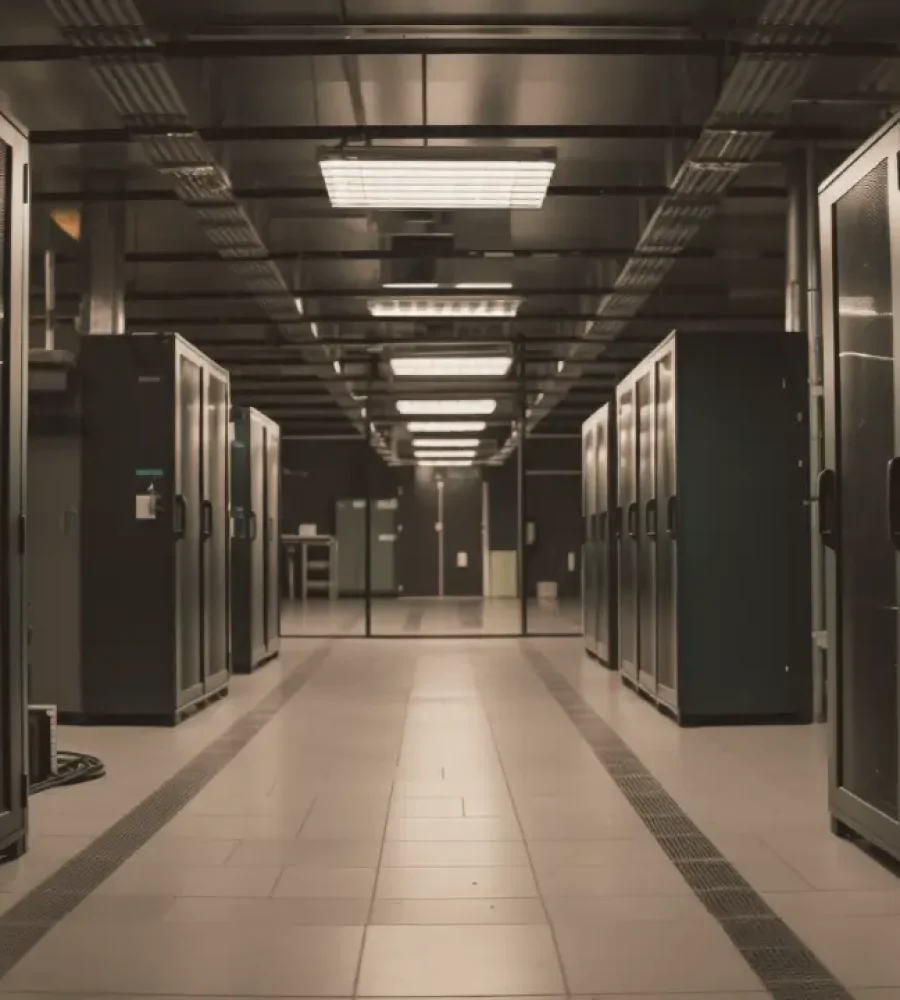
NTS operates carrier-neutral, Tier IV-certified data centers in Zurich and Bern. The facilities run on 100% renewable energy and integrate waste heat recovery systems. However, as customer resilience requirements increase, the company has sought additional layers of backup and load management.
The Bern pilot will test how the iron-sodium system integrates with existing electrical and control infrastructure. Engineers will assess discharge duration, operational stability, and compatibility with mission-critical workloads. Therefore, the installation will serve as both a technical and operational validation.
Niklaus Hug, CEO of NTS, said the company is building a diversified energy architecture beyond traditional UPS systems and diesel generators. He noted that iron-sodium storage could add a durable and inherently safe layer to the power stack.
Alternative to Lithium-Ion and Diesel
Data center operators face growing scrutiny over backup power systems. Lithium-ion batteries, while widely deployed, can present fire safety and permitting challenges. In addition, diesel generators introduce noise, emissions, and ongoing fuel logistics.
Inlyte’s iron-sodium technology targets those concerns directly. The system provides daily load leveling, multi-hour to multi-day backup, and high-performance UPS capability within a single platform. Fire risk is reduced, and long asset life is emphasized. As a result, facilities can shift demand, manage peak loads, and strengthen operational stability.
Antonio Baclig, CEO of Inlyte Energy, said data centers require storage systems built for decades of operation. He added that iron-sodium batteries can deliver long-duration backup without the safety and emissions trade-offs tied to other technologies.
Regulatory Pressure and Surging Power Demand
The partnership arrives at a pivotal moment for the data center industry. Global demand is accelerating at an unprecedented pace, driven by AI training clusters, cloud expansion, and broader digital infrastructure growth. According to industry estimates, electricity demand from data centers and AI workloads could more than double by 2026. Meanwhile, global data center capacity may need to expand at an annual rate of 19% to 27% through 2030 to keep up.
As a result, operators face mounting pressure to secure reliable and flexible energy systems. In Europe, those pressures are compounded by high grid fees, limited land availability, and strict permitting requirements. Switzerland presents additional constraints due to space limitations and regulatory oversight.
Moreover, the revised EU Energy Efficiency Directive now requires data centers to disclose fossil fuel usage, including diesel backup generation. Although diesel has not been prohibited, reporting obligations have increased scrutiny. Consequently, many operators are evaluating lower-emission and longer-duration storage alternatives to strengthen resilience while aligning with policy expectations.
If the Bern pilot performs as expected, NTS plans to scale the technology across its portfolio. That expansion could include a new data center under development in the Bern region, scheduled to come online around 2028. Through phased deployment, iron-sodium storage may become a core element of the company’s long-term energy strategy.