Meta has signed a multi-year agreement worth up to $6 billion with Corning to secure fiber-optic cables and connectivity hardware for its rapidly expanding artificial intelligence data centre footprint. The deal runs through 2030 and places Corning at the centre of the physical infrastructure behind Meta’s AI ambitions.
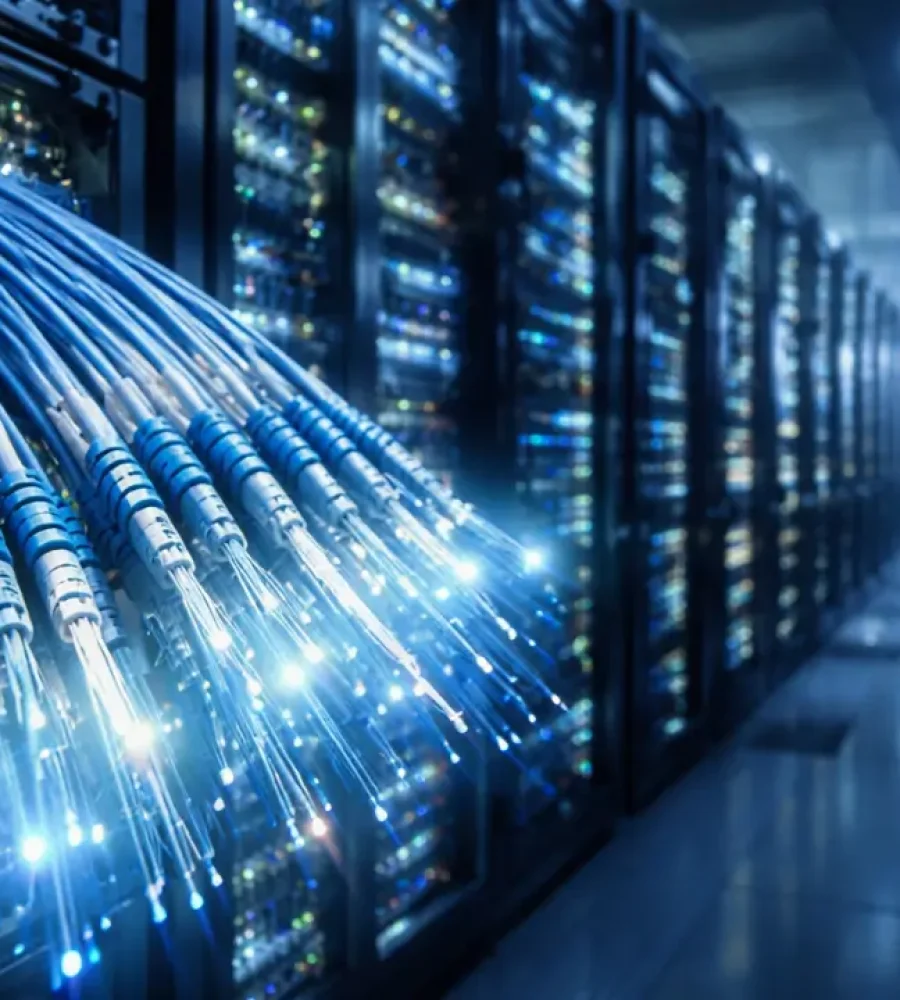
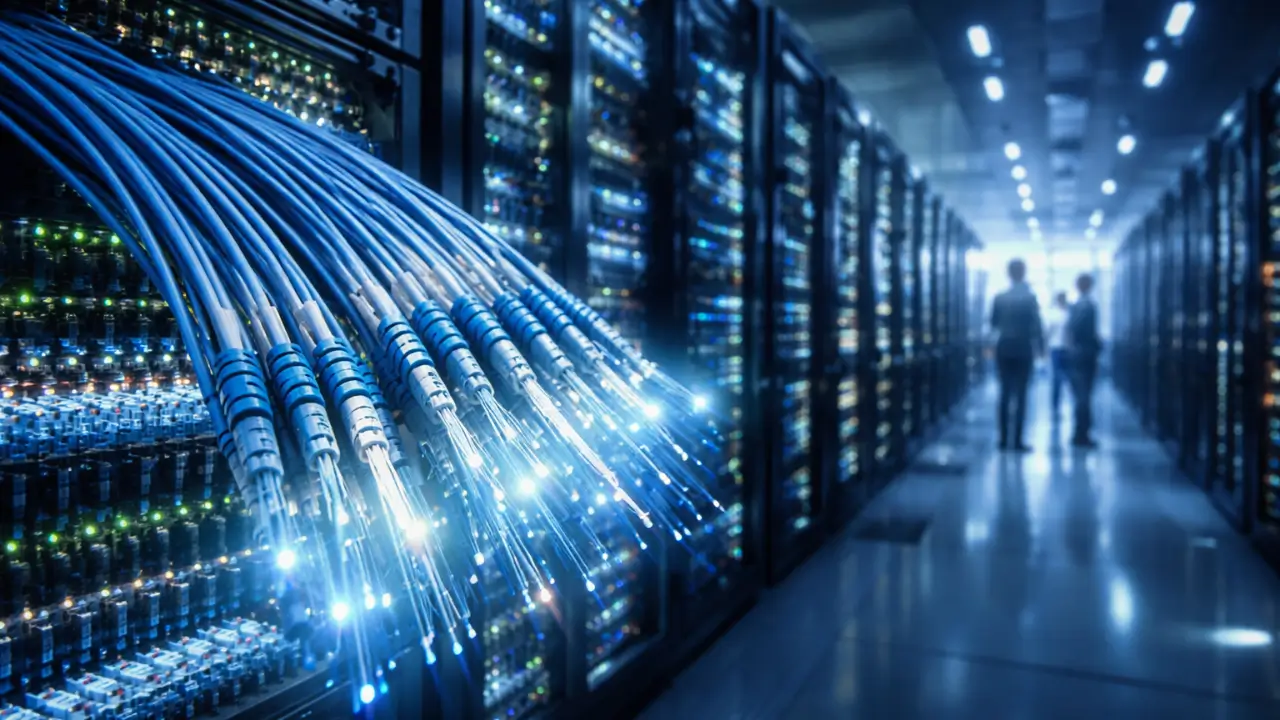
The agreement covers advanced optical fiber, specialised cabling and high-density connectivity products. These components form the backbone of modern AI data centres, where massive volumes of data must move between thousands of processors with minimal latency. According to a report by Reuters, the deal also includes a significant manufacturing expansion by Corning in North Carolina.
Meta, the parent company of Facebook, Instagram and WhatsApp, has accelerated spending on AI infrastructure as it races to build large-scale compute capacity. The Corning agreement reflects a shift toward long-term supply commitments as competition for critical data centre components intensifies.
Manufacturing expansion anchors domestic supply chain
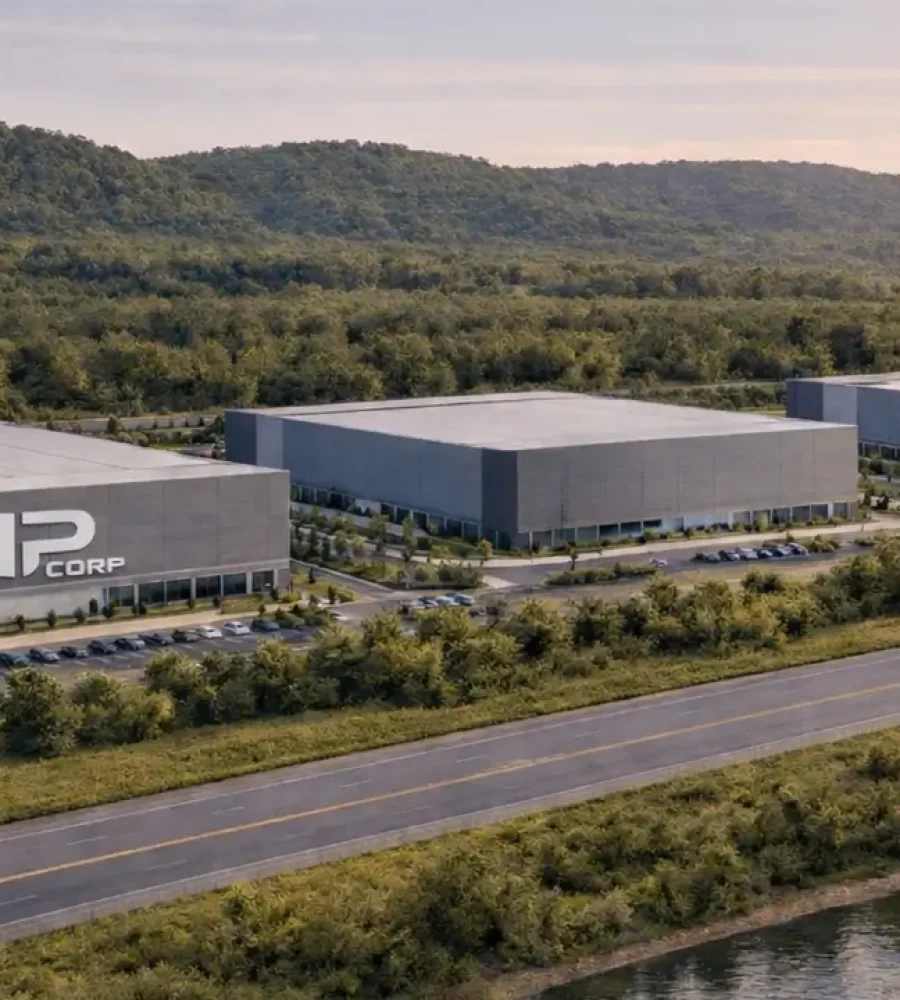
Corning will expand production at its cable manufacturing facility in Hickory, North Carolina, where Meta will act as the “anchor customer.” The company expects the move to increase its regional workforce of roughly 5,000 employees by an estimated 15% to 20%.
“Together with Meta, we’re strengthening domestic supply chains and helping ensure that advanced data centers are built using US innovation,” said Corning CEO Wendell Weeks.
The expansion underscores how AI infrastructure spending now extends beyond chips and servers into the physical layers of connectivity. By committing to long-term volumes, Meta gains priority access to capacity at a time when lead times for optical components continue to tighten across the industry.
For Corning, the deal provides revenue visibility deep into the decade. The company, best known to consumers for Gorilla Glass, has steadily repositioned itself as a core supplier to hyperscale data centre operators.
Why fiber has become critical to AI scale
Although much of the AI narrative centres on GPUs and software models, data movement increasingly defines performance limits. Large AI workloads depend on constant, high-speed communication between processors, storage systems and networking equipment. Copper cabling struggles at these speeds and distances, particularly as power density inside data centres rises.
Fiber-optic technology addresses these constraints by transmitting data as light, which allows for higher bandwidth, lower latency and improved energy efficiency. As AI models grow larger and more distributed, demand for dense fiber connectivity continues to rise.
This shift has pushed optical infrastructure into the spotlight. Corning has emerged as a key beneficiary, supplying fiber and cabling to several of the world’s largest cloud and technology companies. Driven by orders from Meta, Microsoft and Google, Corning’s shares surged more than 84% in 2025, turning the company into a Wall Street favourite tied to AI infrastructure spending.
Meta Compute and long-term infrastructure bets
The Corning agreement also aligns with Meta’s recently announced “Meta Compute” initiative. The program centralises oversight of the company’s global data centre fleet, supplier relationships and infrastructure strategy. Rather than sourcing components on a project-by-project basis, Meta has moved toward integrated, long-term partnerships.
That approach mirrors strategies adopted by other hyperscalers seeking to reduce supply risk while controlling costs. By locking in fiber supply through 2030, Meta gains predictability for future AI data centre builds while supporting domestic manufacturing expansion.
Meta has committed to spending $600 billion on US tech infrastructure and jobs over the next three years. The Corning deal represents one of the most concrete examples of how that capital will flow into physical assets rather than purely digital platforms.
A signal for the AI infrastructure market
The size and duration of the agreement highlight how infrastructure has become a competitive differentiator in AI. As model performance increasingly depends on system-level design, companies that secure reliable access to networking, power and cooling components gain an advantage.
While chips may capture headlines, the Meta-Corning agreement shows that fiber-optic cables now sit just as close to the core of AI strategy. In the race to scale intelligence, control over the physical nervous system matters more than ever.