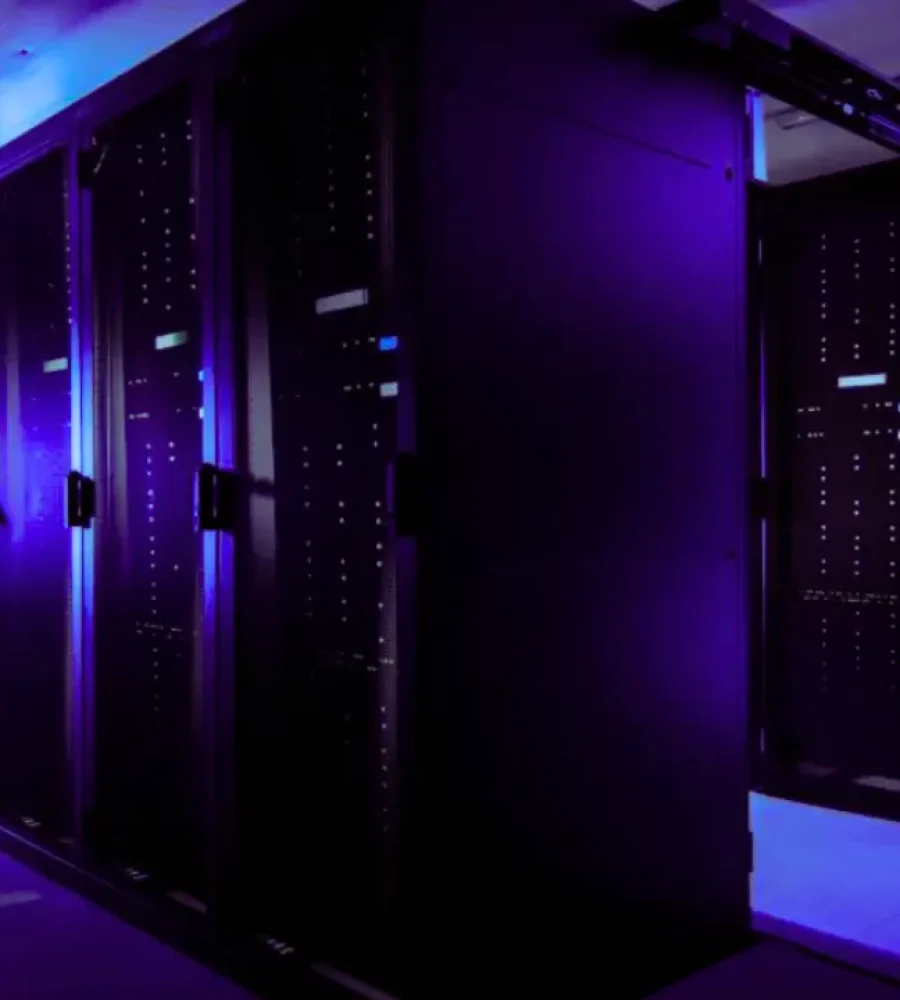
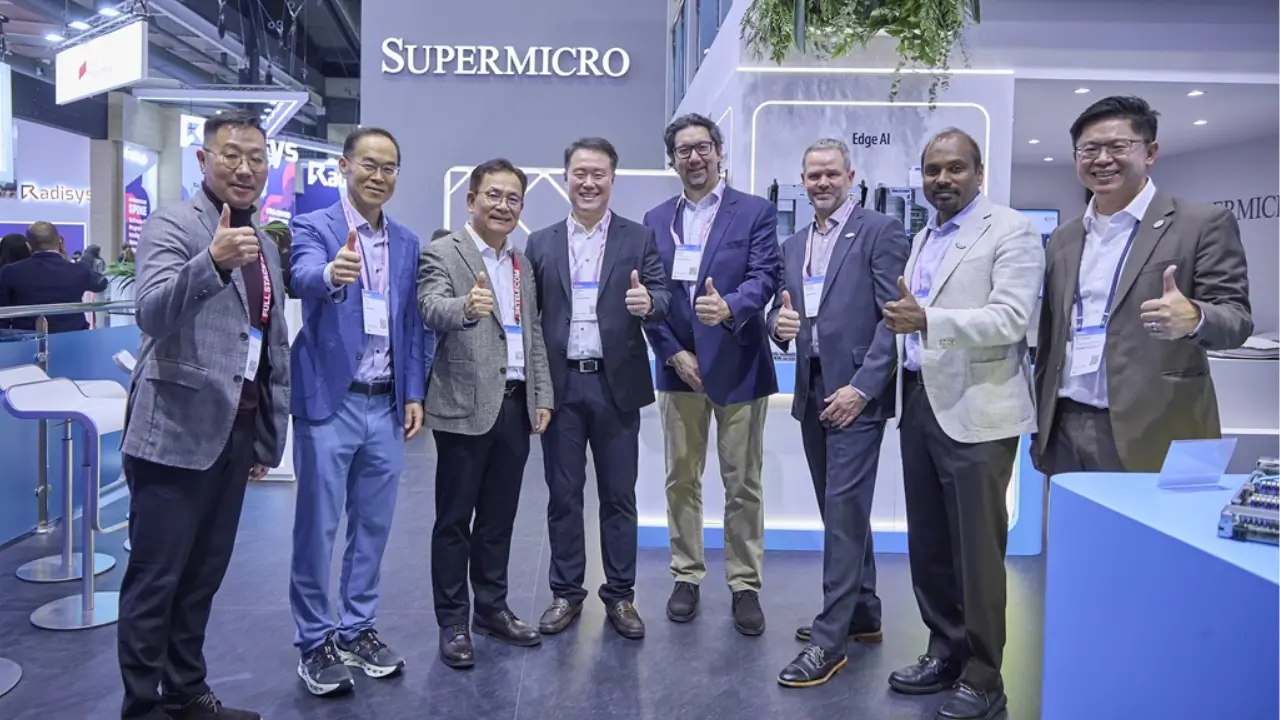
At SK Telecom’s global expansion table, AI infrastructure now sits at the center. The company has signed a three-party memorandum of understanding with Supermicro and Schneider Electric to build what it calls a total solution for artificial intelligence data centers (AIDCs), signaling a coordinated shift toward modular deployment at industrial scale.
The agreement, formalized at MWC 2026, directly targets two structural pressures in the AI infrastructure market: prolonged construction cycles and constrained supply chains. Rather than layering compute, power, and cooling sequentially into completed facilities, the trio plans to industrialize deployment through pre-fabricated, integrated modules.
A Structural Re-Think of AI Data Center Construction
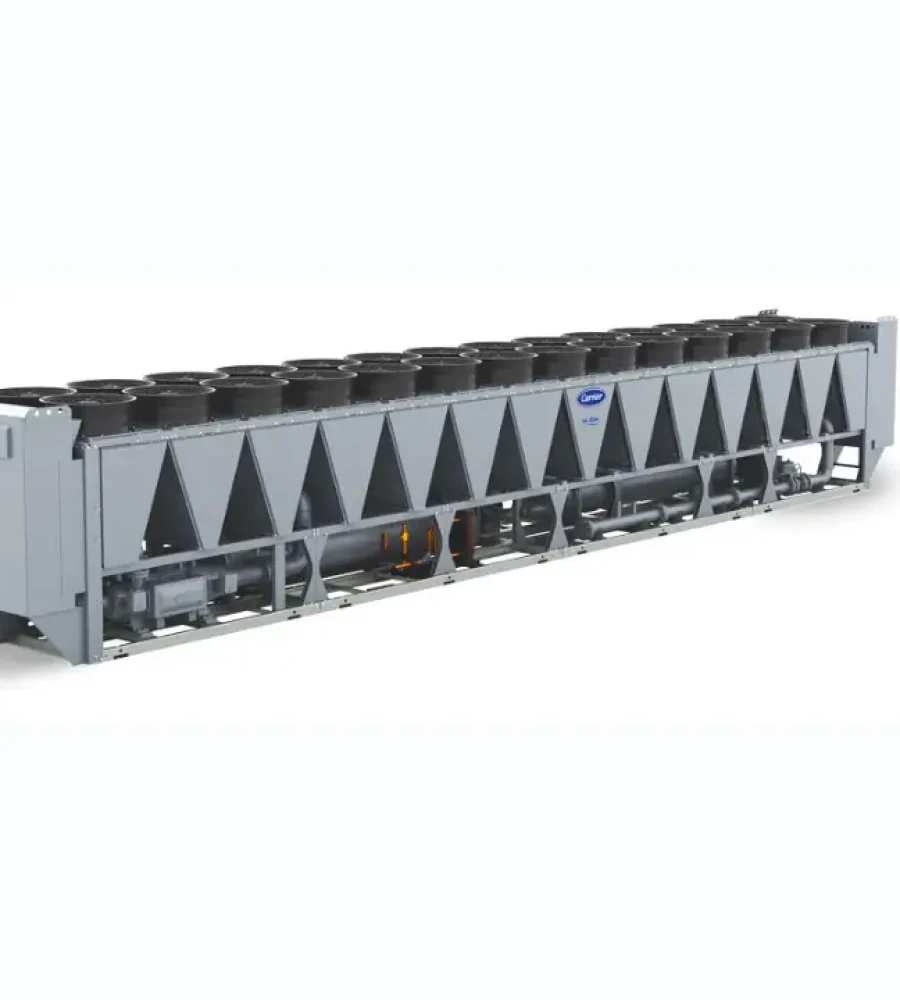
Under the collaboration, the companies will co-develop a pre-fabricated modular model that merges GPU-optimized AI servers with power and cooling infrastructure into unified, factory-built units. These modules will arrive pre-integrated and ready for building-block assembly onsite.
This marks a departure from the conventional steel-reinforced concrete (SRC) model, where operators complete physical construction before installing IT and mechanical systems in phases. That linear process often stretches project timelines and amplifies exposure to supply bottlenecks. In contrast, the modular approach enables parallelization: infrastructure manufacturing and site preparation move forward simultaneously.
As a result, operators can accelerate deployment while improving cost predictability. Furthermore, phased module rollouts allow capacity to scale alongside demand. Instead of committing to heavy upfront capital expenditures, AI operators can expand incrementally, preserving financial flexibility while adapting to volatile AI workload growth.
Defined Roles Across the AI Stack
The memorandum assigns clear operational responsibilities across the stack. SK Telecom will contribute its operational expertise in artificial intelligence data centers, drawing on its experience running advanced digital infrastructure. Supermicro will supply high-performance GPU servers engineered for customer-specific AI workloads. Meanwhile, Schneider Electric will lead mechanical, electrical and plumbing (MEP) design and construction to ensure resilience under large-scale AI demand.
This division reflects a broader market shift. Hyperscalers and sovereign AI programs increasingly seek vertically coordinated solutions rather than fragmented vendor stacks. By integrating server architecture with energy and cooling systems at the design stage, the partners aim to reduce friction during commissioning and ongoing operations.
Executive Statements
“Through collaboration with global leaders in the AIDC business, we are advancing a total solution based on a pre-fabricated modular model,” said Ha Min-yong, Head of SK Telecom’s AIDC Business. “Building on this initiative, we aim to proactively address the AIDC deployment needs of global hyper-scalers while further strengthening our cost competitiveness.”
“In the era of AI, the true measure of competitiveness lies in how fast and sustainably organizations can deliver high-performance infrastructure,” said Andrew Bradner, Senior Vice President at Schneider Electric. “Through this collaboration, we are introducing an integrated AI DC model based on a pre-fabricated modular design empowering customers to lower carbon emissions, eliminate supply bottlenecks, and operate high-density AI workloads with greater resilience and efficiency.”
“Supermicro is excited to partner with SK Telecom to bring data centers online faster than ever before,” said Cenly Chen, Chief Growth Officer at Supermicro. “This new integrated solution will leverage Supermicro’s high-performance, GPU-optimized servers tailored to customer workloads. We look forward to helping organizations meet their growing data center needs with this latest technology.”
Strategic Implications for Global AI Capacity
Importantly, this alliance emerges as AI compute demand begins to outpace traditional infrastructure delivery models. GPU supply remains constrained, grid interconnection timelines stretch across years in some regions, and hyperscalers race to deploy AI clusters at unprecedented density.
Modular AI infrastructure offers a pragmatic response. By compressing build timelines and synchronizing supply chains across compute and power systems, operators can bring capacity online closer to demand inflection points. Moreover, the phased deployment model reduces stranded asset risk if AI adoption curves shift.
Collectively, the MOU signals that the next phase of AI data center competition will hinge not only on chip performance, but also on how rapidly, efficiently, and sustainably modular AI infrastructure can scale worldwide.