India stands at a critical inflection point in its AI journey. Growth in adoption is clear, yet infrastructure readiness will determine its long-term advantage. The race now moves to the data centre floor.
At the AI Impact Summit 2026, the conversation shifted decisively from algorithms to electricity, cooling, and compute density. The message resonated across boardrooms and policy corridors alike: AI demand is no longer experimental. It is structural. Enterprises are scaling production models. Governments are digitising services. Cloud providers are expanding regional footprints. Consequently, the infrastructure underpinning this transformation must evolve at an equally aggressive pace.
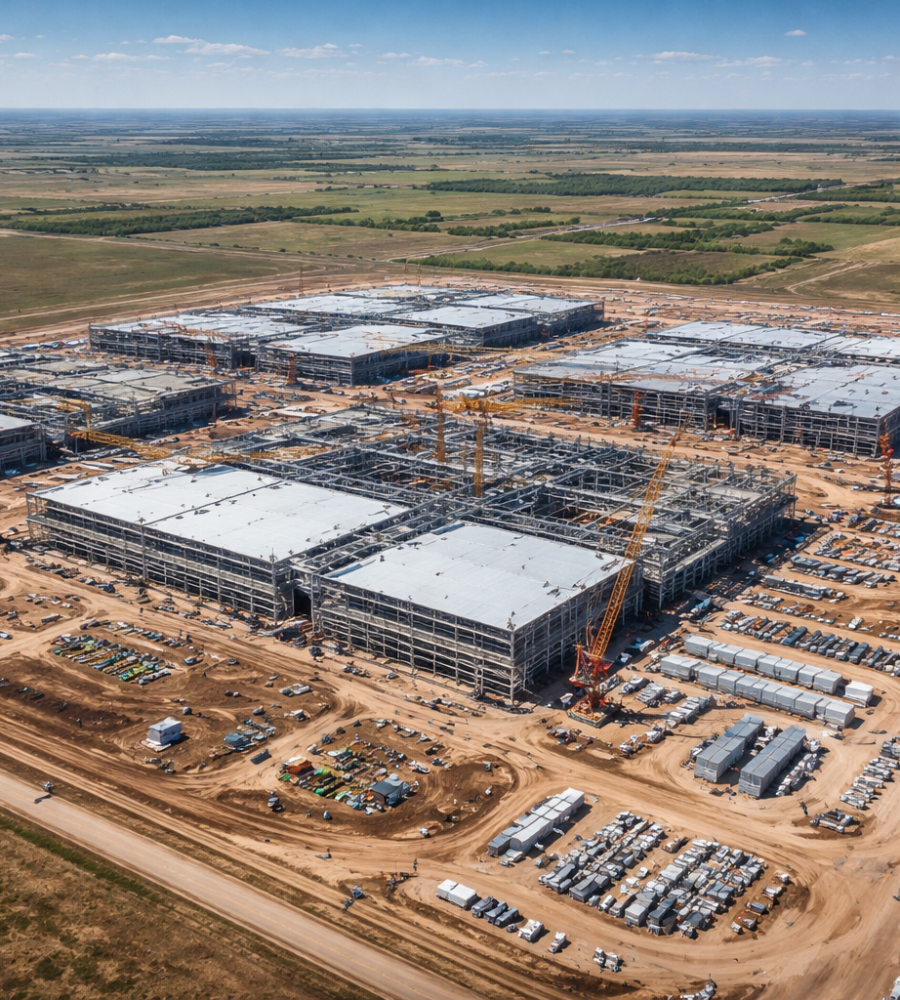
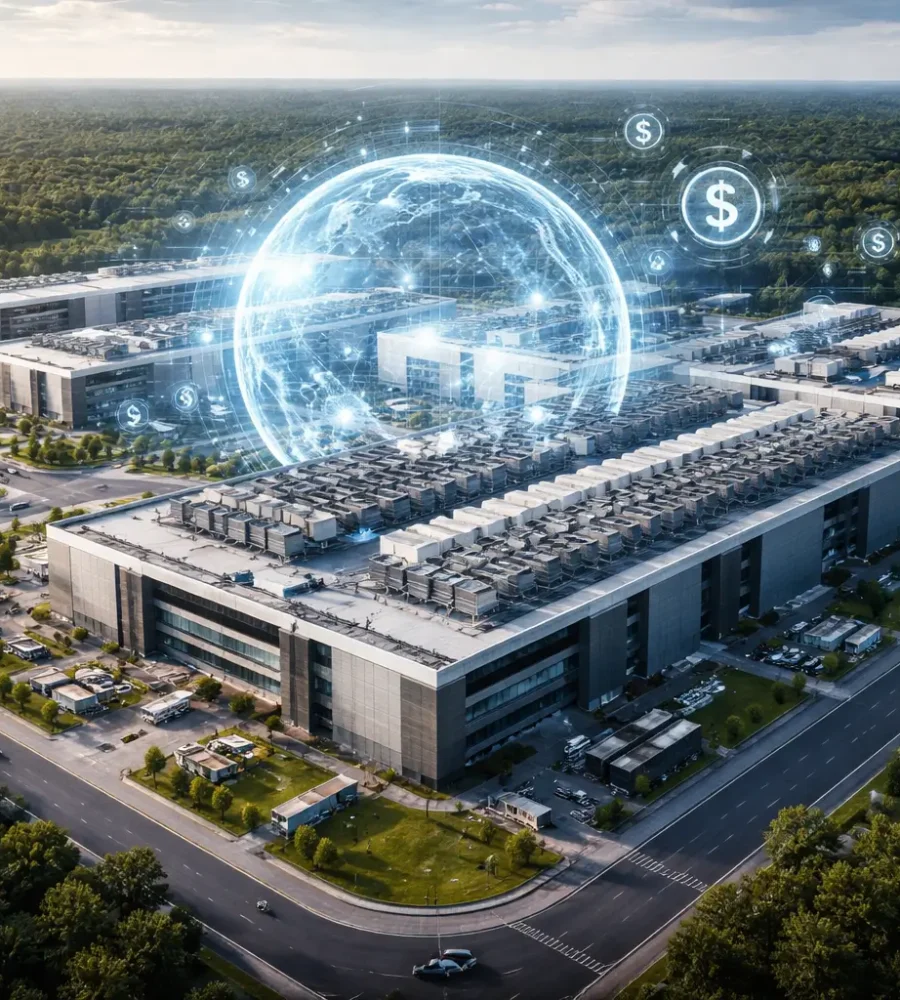
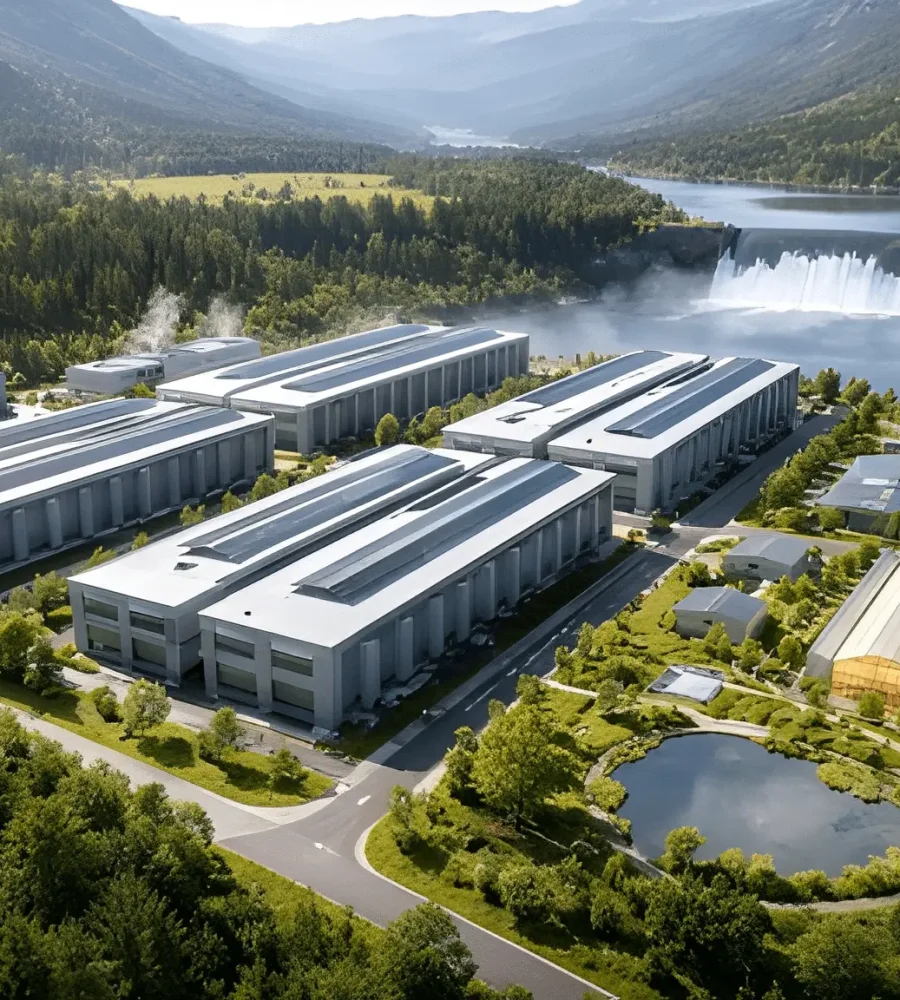
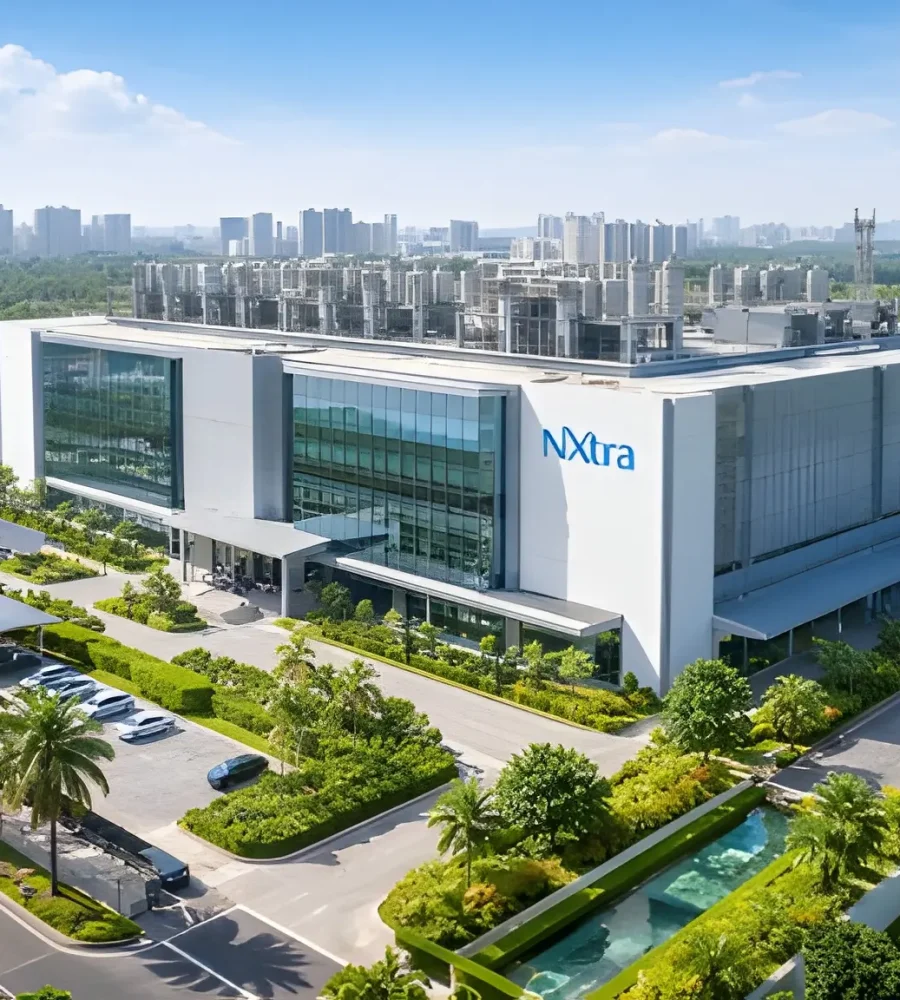
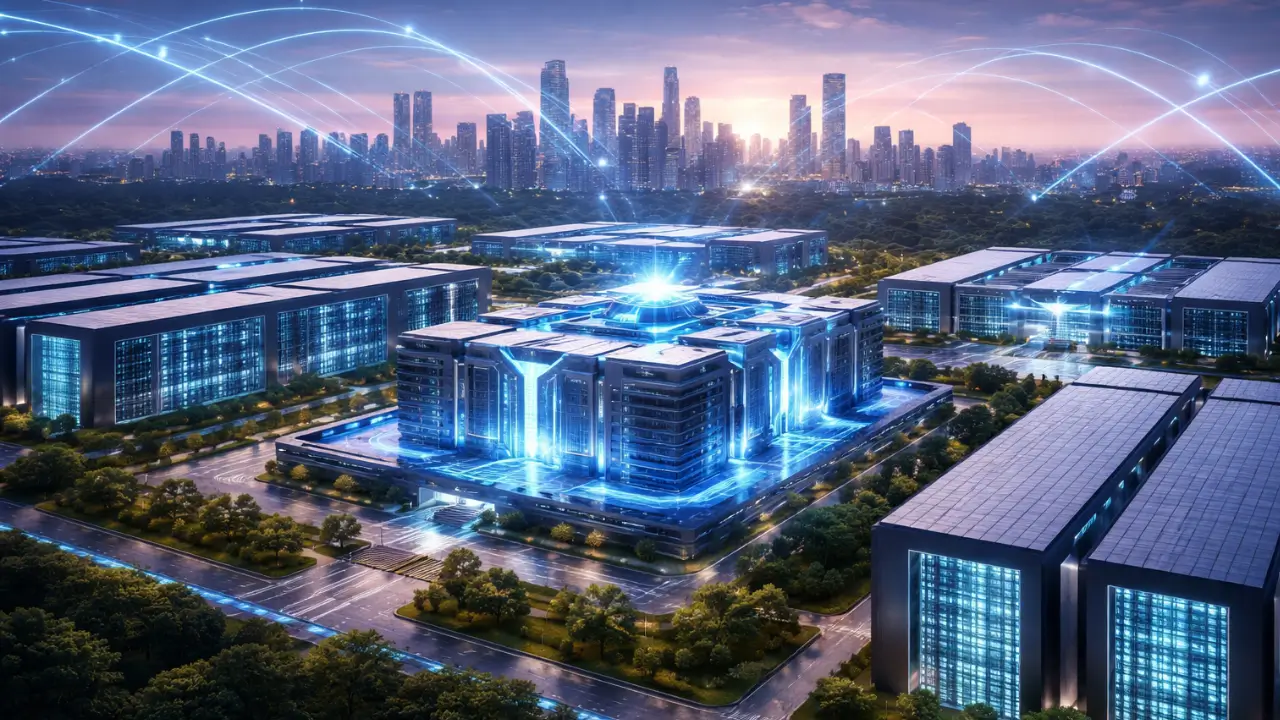
This is where Tata Consultancy Services (TCS) intends to reset the narrative.The company plans to introduce HyperVault, a secure, hyperscale, AI-ready infrastructure platform designed specifically for next-generation compute demands. Rather than retrofitting legacy sites, TCS is building purpose-designed environments that support high-performance AI clusters from inception.
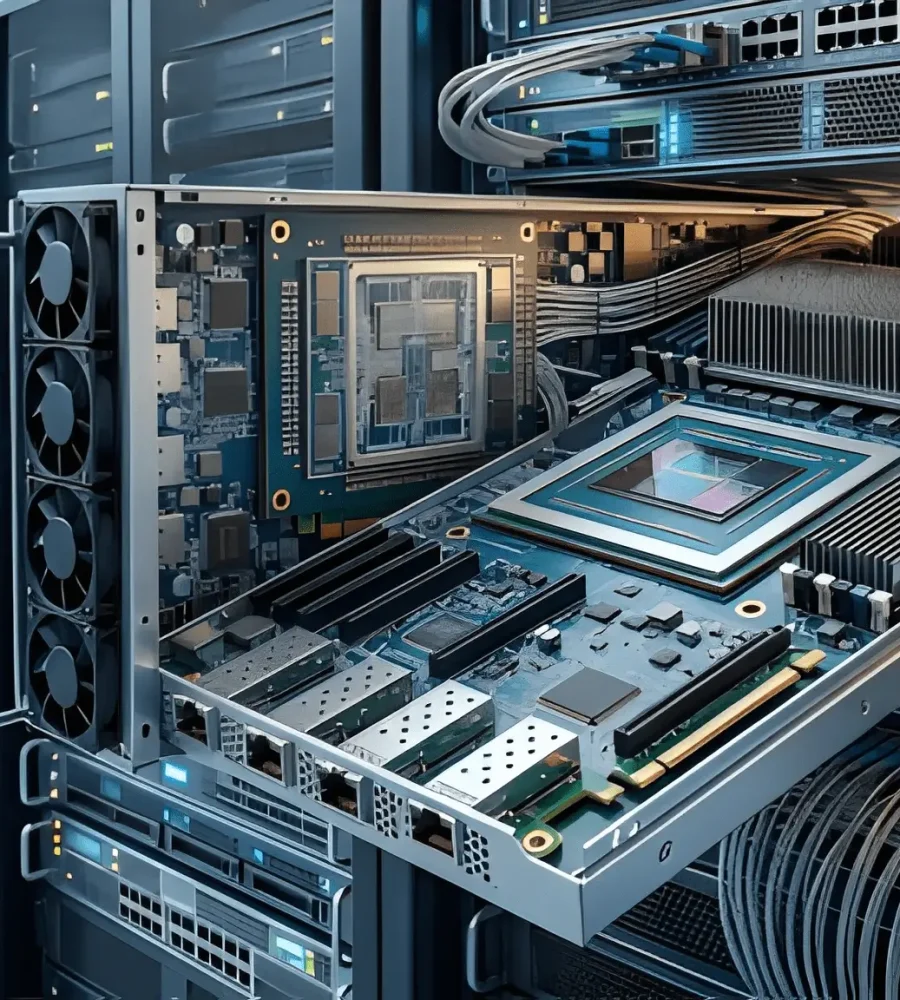
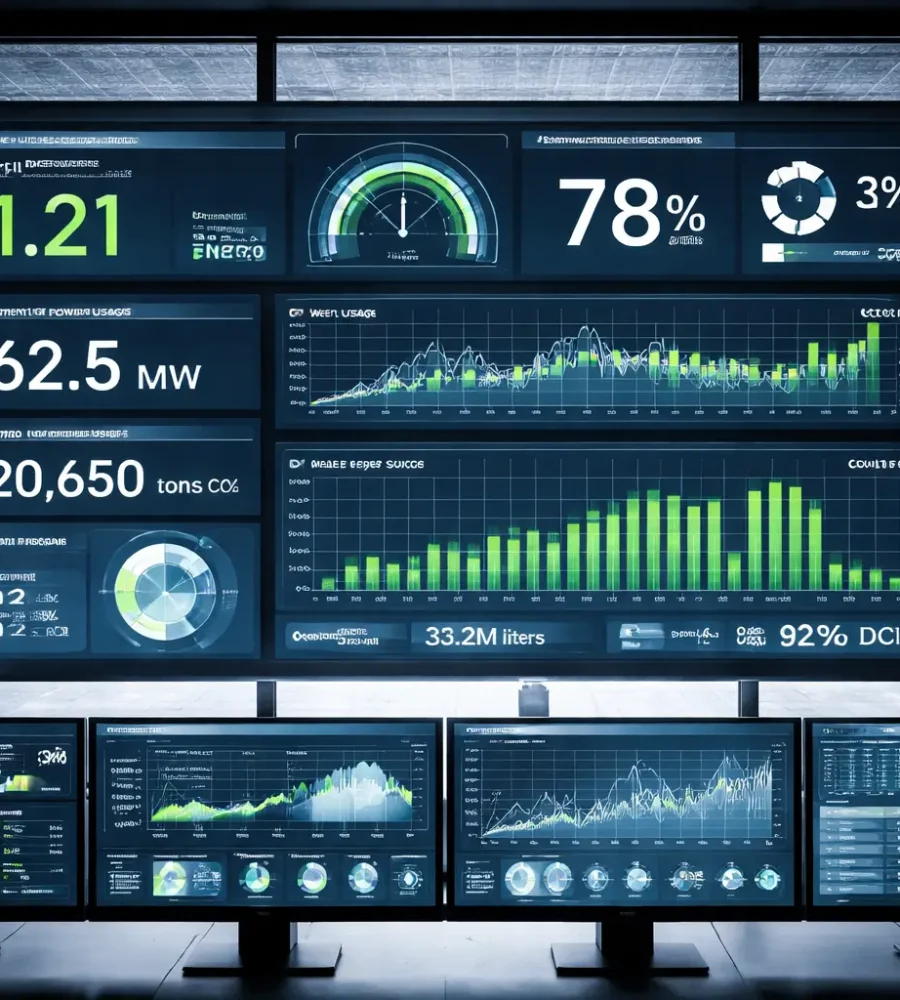
HyperVault integrates liquid cooling systems to manage the extreme thermal loads generated by GPU-intensive workloads. It supports high rack densities to maximise compute throughput within constrained footprints. At the same time, energy-efficient architectural frameworks address sustainability pressures that increasingly shape global data centre strategy. Strong interconnection across major cloud regions ensures seamless data flow and low-latency performance, an essential requirement for AI training and inference at scale. Importantly, TCS is not positioning HyperVault as real estate. It is positioning it as an infrastructure strategy.
The company will collaborate closely with hyperscalers and AI enterprises to design, deploy, and optimise AI environments. The focus is not just on building facilities, but on delivering reliable, secure, world-class AI services at scale. This distinction matters. In a market where capacity headlines dominate, execution quality will determine long-term competitiveness.
India’s geographic advantage further strengthens the proposition. The country offers a rapidly expanding digital economy, skilled technical talent, and improving energy infrastructure. Moreover, enterprises increasingly seek diversified global AI capacity beyond established Western hubs. HyperVault therefore aligns with both domestic digital ambitions and multinational resilience strategies.
From Capacity Expansion to Strategic AI Sovereignty
The larger implication extends beyond megawatts. HyperVault signals India’s transition from a fast-growing data centre market to a strategic AI infrastructure player. By combining hyperscale facilities with cloud services, AI platforms, AI-led IT services, and industry-specific solutions, TCS is assembling a vertically integrated ecosystem. That ecosystem reduces fragmentation between compute, applications, and enterprise deployment.
Furthermore, deep partnerships across the technology ecosystem allow TCS to operate at the intersection of infrastructure and transformation. Enterprises no longer purchase racks alone; they demand end-to-end AI capability. TCS aims to deliver precisely that convergence.
Yet the most strategic dimension may lie in timing. AI adoption curves are steepening across sectors including finance, healthcare, manufacturing, and public services. Infrastructure decisions made today will shape competitive positioning for the next decade. By committing early to purpose-built AI environments, TCS aims to capture first-mover advantages in a market where demand growth shows little sign of moderation.
HyperVault reflects a broader ambition. TCS seeks to power the next phase of digital growth, not only within India but across global markets. As AI shifts from experimentation to economic backbone, infrastructure leadership will define technological sovereignty. With HyperVault, TCS is placing a calculated bet that India can host and shape that future.