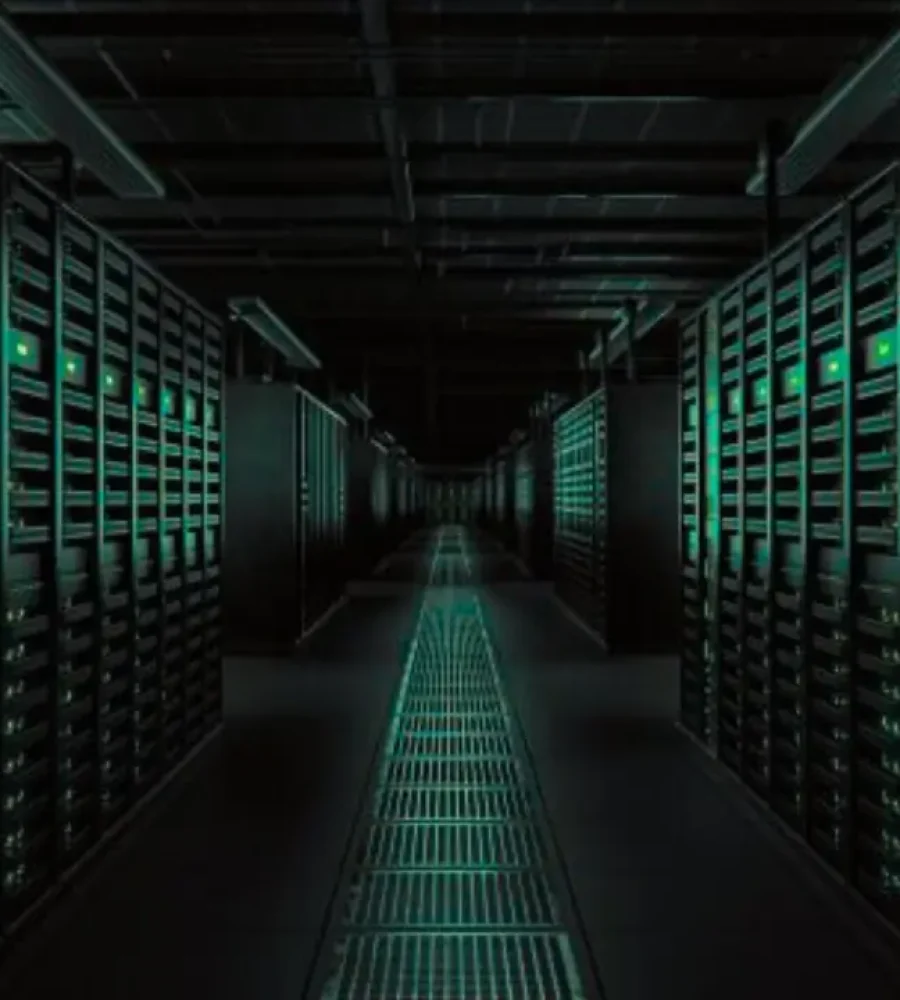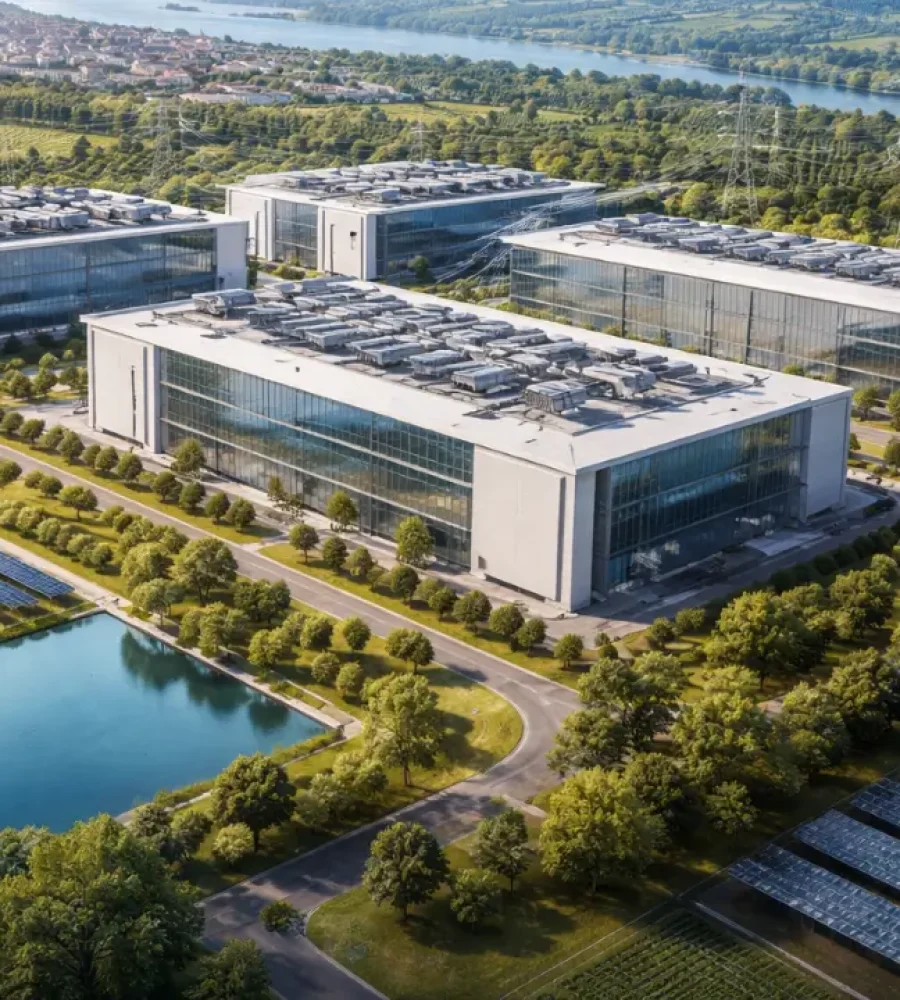

Telefónica has intensified its push toward smarter infrastructure operations by deploying an AI-driven digital twin platform to improve energy efficiency across its data center footprint. The initiative, led by Telefónica Germany in collaboration with EkkoSense, introduces real-time analytics and thermal intelligence to reshape how the company manages cooling and operational performance within critical infrastructure environments.
The program forms part of Telefónica’s broader Autonomous Network Journey (ANJ) strategy, which aims to transform network and infrastructure management through automation, predictive intelligence, and advanced data analytics.
As hyperscale traffic growth and edge infrastructure expansion drive rising energy consumption across the telecom sector, operators increasingly view thermal optimization and power efficiency as strategic priorities rather than operational afterthoughts. Telefónica’s new deployment signals a shift toward software-defined infrastructure operations, where digital models guide energy decisions in real time.
Real-Time Infrastructure Intelligence Through Digital Twin Modeling
The platform integrates IoT sensors, advanced analytics, and a real-time 3D digital twin environment that continuously models thermal behavior and infrastructure load across facilities. This architecture enables operators to monitor equipment performance instantly while generating a dynamic thermal and risk map across the environment. Consequently, infrastructure teams can identify inefficiencies, forecast capacity limits, and adjust cooling strategies before performance issues emerge.
The digital twin environment also enables infrastructure simulation, allowing engineers to test failure scenarios, analyze thermal design changes, and model the impact of capacity adjustments before deploying them in production environments. Importantly, the system integrates into existing facilities without major structural modifications. New sites can be onboarded within days, minimizing deployment complexity while avoiding operational disruption.
As Rüdiger Kunze, Telefonica Germany, Head of Housing & Site Infrastructure, highlights:
“Digitalization makes the data centre visible, automation makes it intelligent. EkkoSense’s Digital Twin combines both, enabling operators to redefine energy efficiency and proactively guide their infrastructure into the future.”
Tackling the Cooling Challenge in High-Density Infrastructure
Cooling infrastructure remains one of the largest contributors to operational expenditure in telecom and data center environments. As compute density rises and AI workloads intensify thermal loads, operators face increasing pressure to optimize energy consumption without compromising reliability.
Telefónica’s deployment addresses this challenge by introducing predictive thermal management capabilities that refine climate control strategies and improve Power Usage Effectiveness (PUE). The system continuously evaluates environmental conditions, load distribution, and airflow dynamics. Automated recommendations then guide operators toward corrective actions that reduce inefficiencies, extend equipment lifespan, and stabilize infrastructure performance.
According to EkkoSense CEO Dean Boyle:
“One of the main barriers to data centre optimization has always been the complexity of traditional tools such as DCIM. EkkoSense solves this challenge for Telefónica Germany by drawing on new levels of sensing granularity, real-time analytics, and 3D visualization capabilities to create a concise digital twin of the data centre environment. This approach makes immersive real-time optimization a reality from the smallest Edge site through to the largest facility.”
Early Results Show Significant Energy Gains
Initial program evaluations indicate estimated energy savings of 15–20% in cooling systems, delivering immediate reductions in operational expenditure while improving overall infrastructure efficiency.
These gains extend beyond energy costs. Continuous monitoring of thermal conditions enables more accurate capacity planning and prevents premature infrastructure expansion. As a result, operators can extract greater value from existing facilities while maintaining service reliability.
Furthermore, predictive alerts enable proactive maintenance strategies, reducing operational risk while strengthening the resilience of critical infrastructure environments. Automated reporting and auditable performance data also simplify compliance and operational governance, an increasingly important factor as regulators and investors scrutinize energy consumption across digital infrastructure.
Scaling the Model Across the Telefónica Group
Telefónica plans to expand the digital twin platform progressively across its network infrastructure, prioritizing sites with the highest energy consumption. The operator intends to extend the approach to additional markets within the Telefónica Group, using operational insights from early deployments to accelerate adoption of energy-efficiency technologies across the organization.
Through initiatives such as this, Telefónica aims to build a more efficient, resilient, and sustainable digital infrastructure ecosystem capable of supporting rising data traffic and expanding digital services.
Demonstrations of the solution are currently available at LaCabina in Distrito Telefónica and at the Innovation Experience Area of O2 Telefónica Germany in Munich, where the company showcases technologies supporting its Autonomous Network Journey.