O’Leary Digital has announced the formation of a strategic joint venture with West GenCo LLC to advance the development of Wonder Valley Utah Project, a large-scale powered compute campus planned in the state. Under the agreement, permitting and state-level regulatory coordination will be overseen by West GenCo.
At the same time, permitting activities have been initiated for Wonder Valley Alberta, located in Grande Prairie, Alberta. Together, the two projects are intended to anchor O’Leary Digital’s broader powered compute and integrated energy infrastructure platform, which has been structured to address rising demand from artificial intelligence and hyperscale cloud operators.
Across Utah and Alberta, approximately 26,000 acres are currently under development. These land holdings have been positioned for long-term infrastructure buildout, according to the company.
A 15-Gigawatt Master Plan
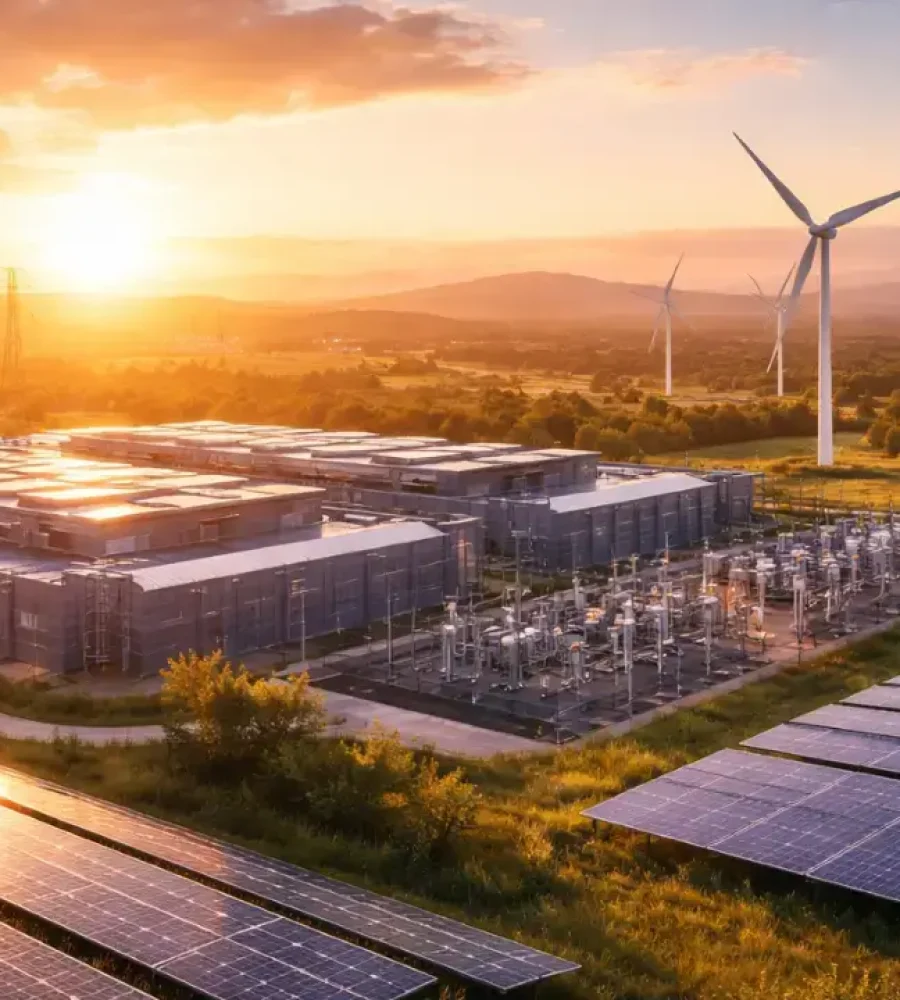
Each Wonder Valley campus has been planned with 7.5 gigawatts of power generation capacity. Phased deployment of powered buildings and integrated on-site energy infrastructure is expected to support that capacity over time.
Combined, the Utah and Alberta sites represent an initial 15-gigawatt power plan. Moreover, expansion capacity has been built into the master design, allowing additional scale based on tenant demand and infrastructure deployment. Based on publicly available data, O’Leary Digital believes the combined development represents the largest integrated powered compute infrastructure project currently underway globally.
Kevin O’Leary, Chairman of O’Leary Digital, said the Utah location offers long-term advantages due to energy resources and strategic positioning. He also acknowledged state leadership, including Governor Spencer J. Cox, Senate President J. Stuart Adams, and members of Utah’s federal delegation. According to O’Leary, projects of this scale require disciplined coordination with state and local authorities, and collaboration has been prioritized as development advances.
Strategic Locations and Flexible Campus Design
Wonder Valley Utah has been positioned near major interstate natural gas infrastructure. In addition, proximity to aerospace, defense, and advanced manufacturing ecosystems has been highlighted as a strategic advantage. The campus is being designed to support secure, high-performance computing environments suited for enterprise and mission-critical applications.
Meanwhile, Wonder Valley Alberta is expected to leverage Western Canada’s energy resources and industrial base. Long-duration power development and large-scale compute deployment are anticipated at the site. Both campuses have been designed to accommodate either single-tenant deployments or segmented multi-tenant configurations.
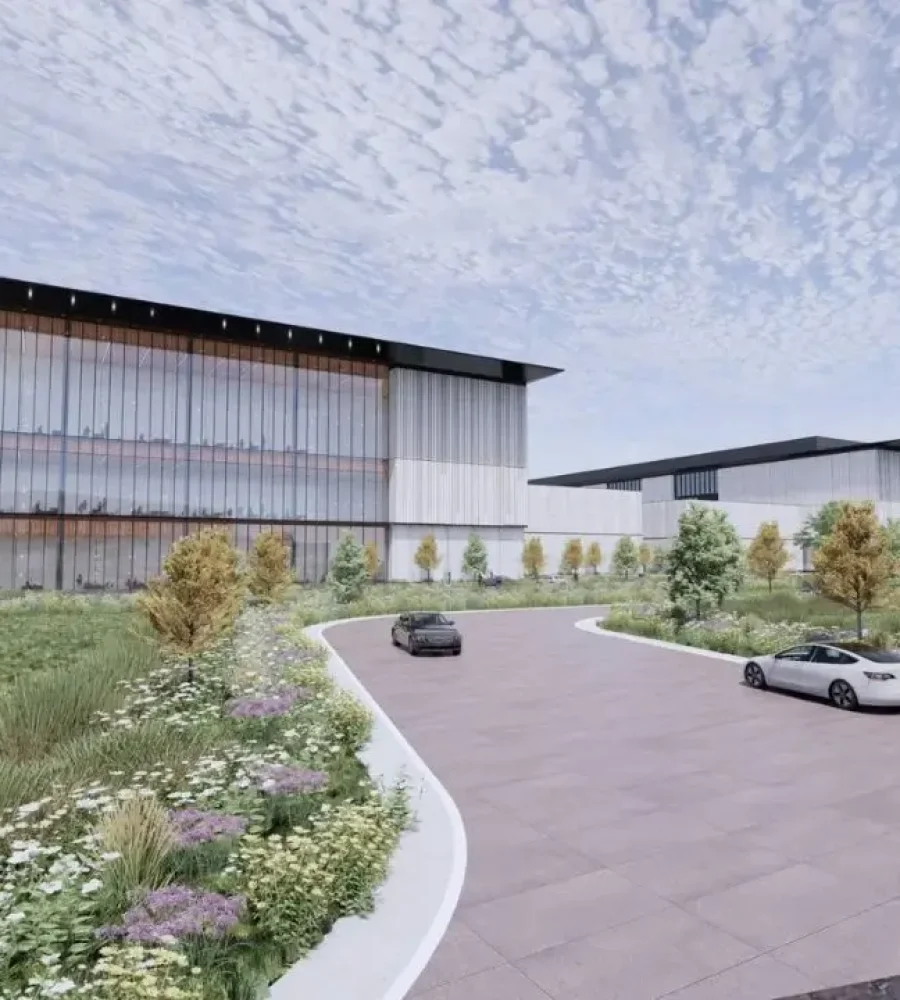
Representative campus layouts and building designs have already been developed. These designs align with hyperscale standards while allowing flexibility in power density, cooling systems, and infrastructure specifications. According to Chief Executive Officer Paul Palandjian, repeatable design frameworks have been created in partnership with experienced operators, while adaptability has been preserved to meet specific tenant requirements.
Advisory Team and Capital Strategy
A broad execution team has been assembled to support the projects. Architecture and master planning are being led by Gensler, while financial and tax advisory services are being provided by KPMG. Electrical infrastructure is being handled by InPwr Inc., and campus security planning has been assigned to CenCore Group. Data center design and engineering are being supported by Kent Data Centers. Construction oversight in Alberta is being managed by PCL Construction, and Clayco has been appointed as construction manager and general contractor in Utah.
Both Wonder Valley Utah and Wonder Valley Alberta have been capitalized to move through permitting and toward shovel-ready execution. In addition, global investment banks have been retained as capital markets advisors to structure and secure project-level equity and debt financing.
In Alberta, engagement has also been initiated with Indigenous communities whose traditional territories include the Greenview Industrial Gateway, where the project is proposed. According to O’Leary, consultation and shared opportunity are being treated as foundational elements of the development process.