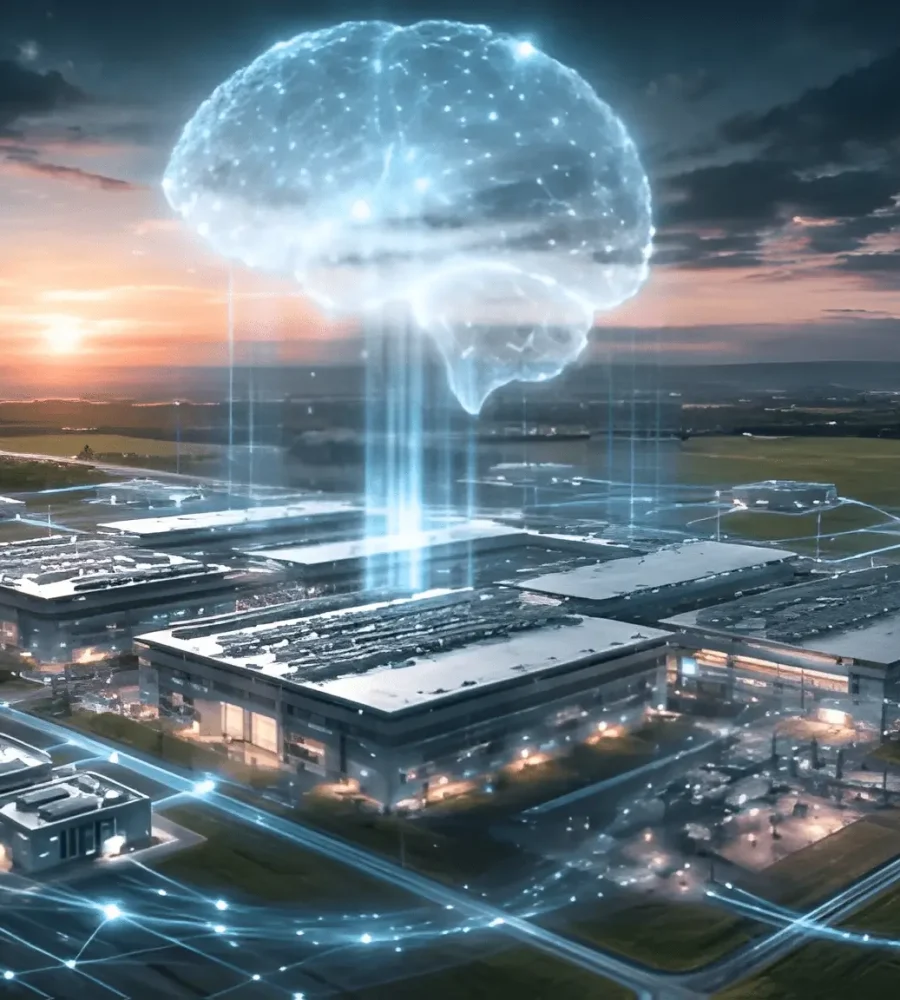
Artificial intelligence workloads are reshaping electricity demand patterns by introducing sustained, high-density consumption profiles that differ sharply from legacy enterprise computing environments. Training large-scale models requires clusters of GPUs operating for extended durations, which creates sustained high-load periods that differ from the cyclical usage patterns seen in traditional IT systems.This shift forces utilities to reconsider demand forecasting models that historically relied on predictable industrial and residential consumption cycles, while also increasing the need for more adaptive load-balancing approaches. Data centers built for AI do not ramp down significantly during off-peak hours, which reduces the effectiveness of existing load-balancing strategies across grids. Utilities now face the challenge of serving infrastructure that exhibits characteristics similar to large industrial loads while scaling at a significantly faster, digitally driven pace.
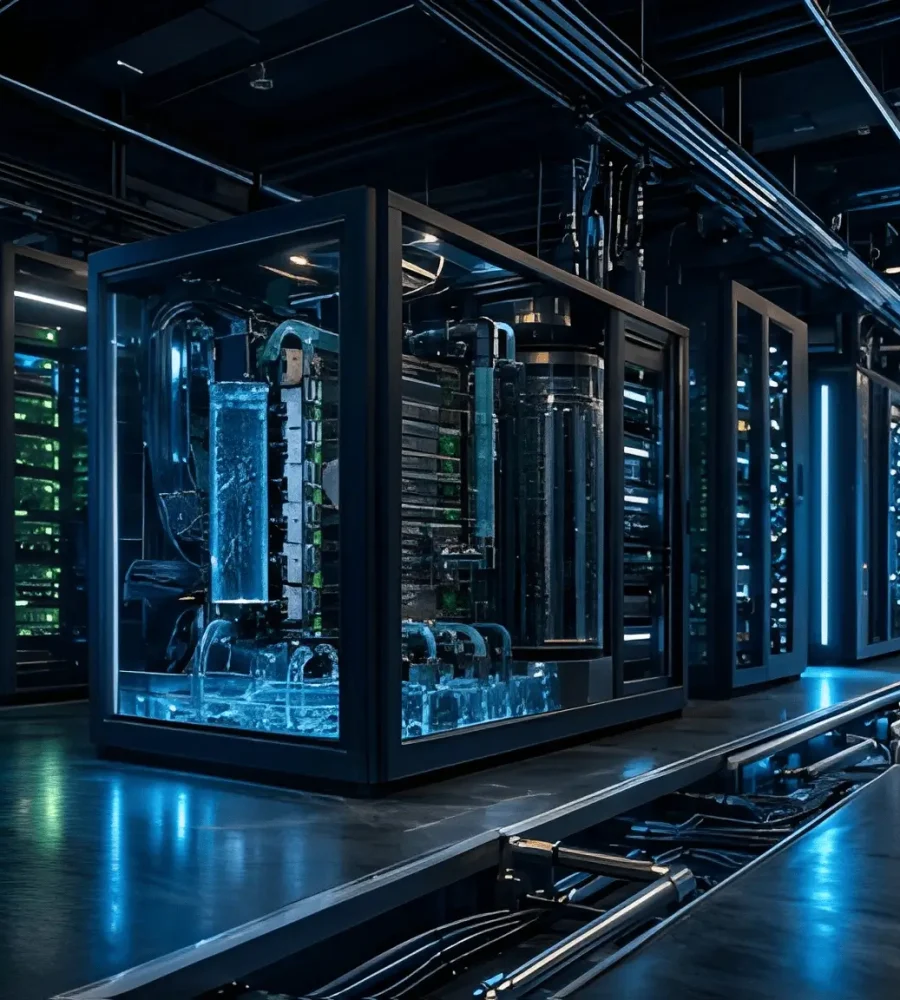
The density of power consumption within AI data centers has also increased due to advanced hardware configurations and liquid cooling systems that support higher computational throughput. Rack-level power densities now exceed historical norms by several multiples, which places additional strain on local distribution networks and substation capacity. Grid operators must integrate these concentrated loads without destabilizing voltage or frequency conditions across interconnected systems. This evolving demand profile compels planners to incorporate localized infrastructure upgrades alongside broader generation expansion strategies. The cumulative effect of these changes alters regional load curves and compresses the margin for operational flexibility within power systems.
Why Existing Generation Capacity Cannot Keep Pace
The current generation capacity pipeline struggles to match the pace of AI-driven electricity demand due to structural constraints in energy infrastructure development. Power plants require extensive permitting, financing, and construction timelines that often extend over several years, which limits the speed at which new capacity can enter the grid. Meanwhile, AI infrastructure deployments move rapidly, with data centers reaching operational status within significantly shorter timeframes. This mismatch creates a growing gap between available supply and projected demand in regions experiencing concentrated AI investment. Grid interconnection queues further exacerbate the issue, as projects wait extended periods before securing access to transmission networks.
Transmission infrastructure also plays a critical role in constraining the expansion of generation capacity needed for AI workloads. Many high-demand regions lack sufficient transmission capacity to deliver power from existing or planned generation sites to data center clusters. Developers encounter bottlenecks when attempting to connect new plants, which delays both renewable and conventional generation projects. Utilities must coordinate upgrades across multiple stakeholders, including regulators and independent system operators, which introduces additional complexity into deployment timelines. Consequently, the lag between demand growth and supply availability is becoming more pronounced in several high-growth regions.
The Shift Toward Dedicated Power for AI Infrastructure
Hyperscale operators increasingly pursue dedicated energy solutions to secure reliable power for AI-driven data centers amid growing grid uncertainty. Companies enter long-term power purchase agreements to lock in supply from specific generation assets, which provides greater predictability in both cost and availability.Some operators are beginning to invest in generation facilities located near data centers, which can reduce reliance on congested transmission networks and improve operational resilience in specific deployments.This model allows data center developers to align energy procurement strategies more closely with their computational growth plans, particularly in regions facing grid constraints.Dedicated power arrangements also support sustainability targets by enabling direct sourcing from renewable energy projects.
On-site generation represents another approach that data center operators use to mitigate grid dependency and accelerate deployment timelines. Gas turbines, fuel cells, and hybrid energy systems are being explored as flexible solutions that can scale alongside data center expansion in select deployments. These systems provide immediate capacity while longer-term grid connections or renewable integrations develop in parallel. However, operators must balance reliability, emissions considerations, and regulatory compliance when deploying on-site assets. The gradual adoption of captive energy models reflects an emerging shift in how digital infrastructure interacts with traditional energy markets.
Baseload vs Flexible Generation in the AI Era
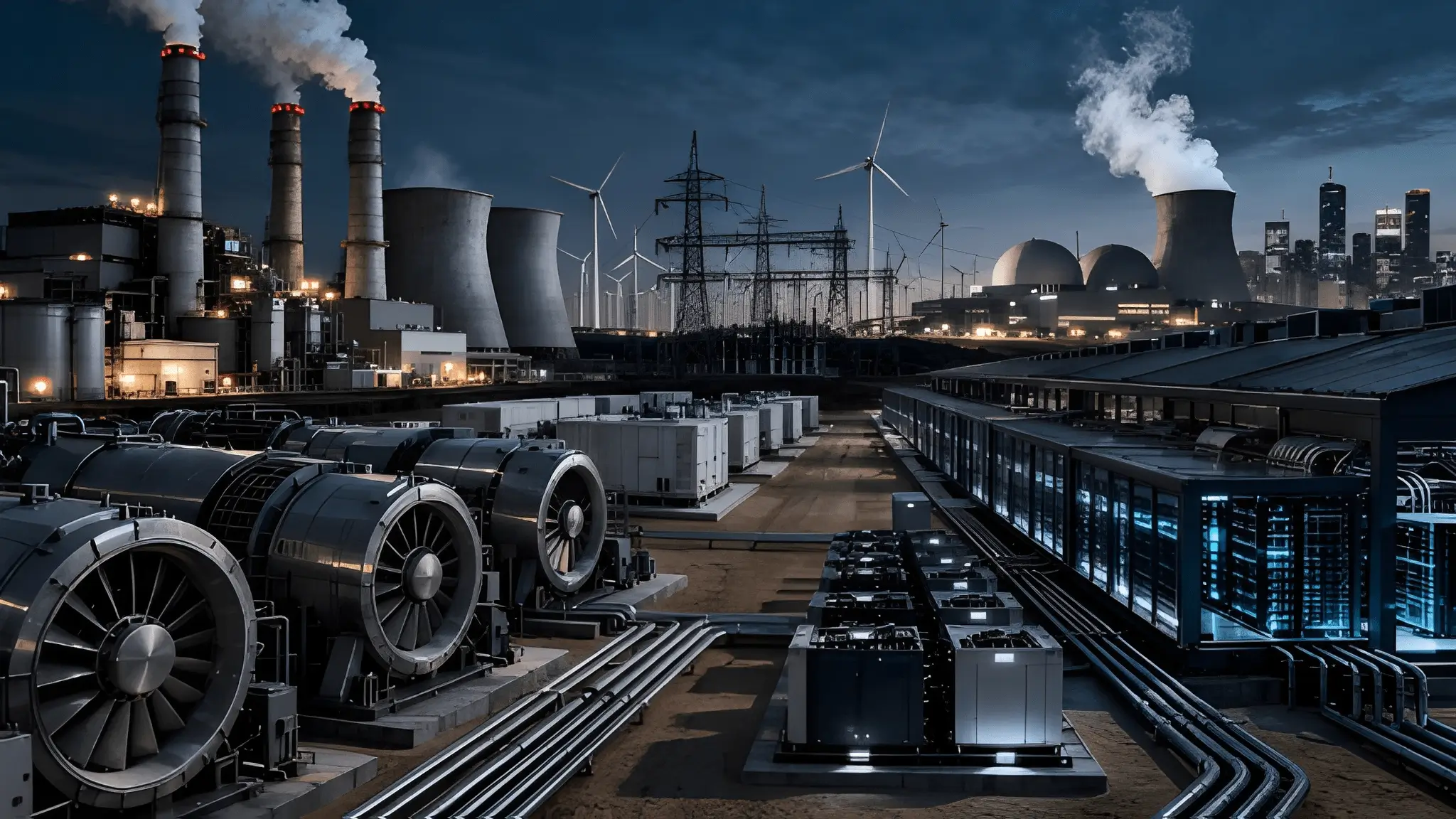
Baseload generation continues to play a central role in supporting the constant power requirements of AI data centers, particularly in regions where reliability remains a primary concern. Nuclear and natural gas plants provide steady output that aligns with the continuous demand profile created by AI workloads. These sources offer grid stability and predictable generation capacity, which helps maintain operational continuity for high-performance computing environments. However, the long development timelines and regulatory complexities associated with baseload projects limit their ability to respond quickly to emerging demand. Energy planners must weigh these constraints against the reliability benefits that baseload resources provide.
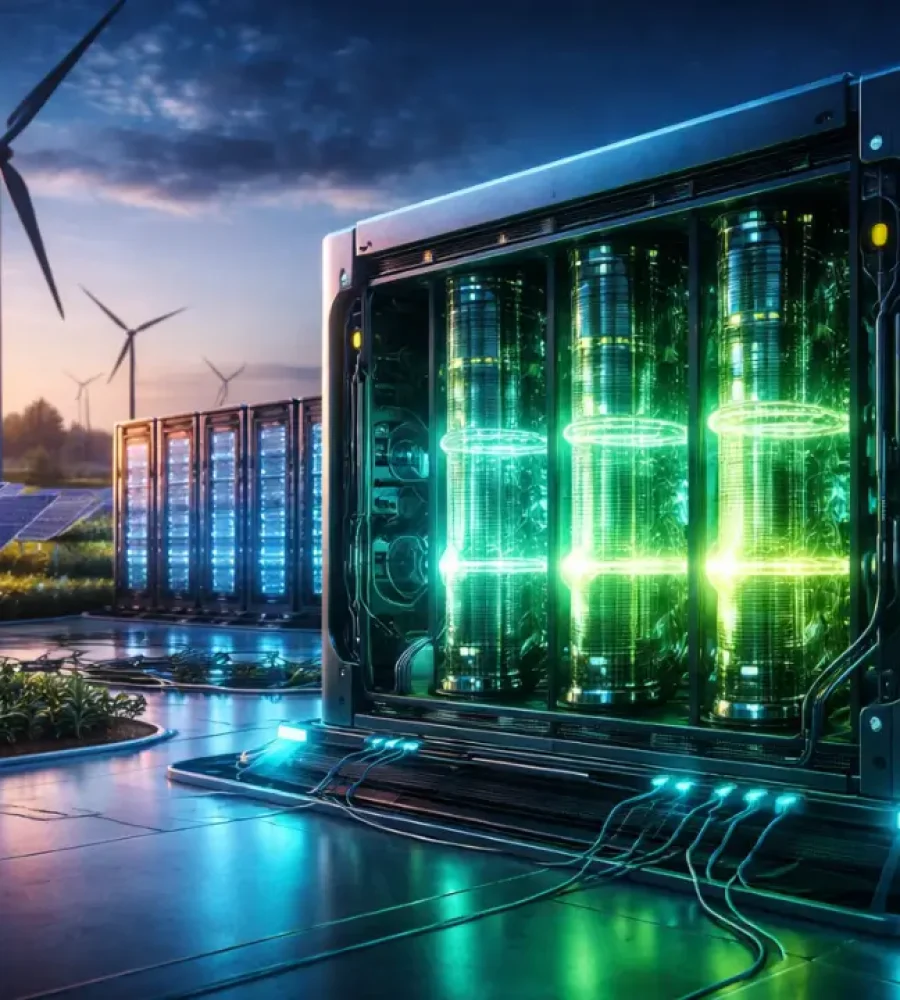
Flexible generation resources, including renewables paired with energy storage, have gained importance as part of the evolving energy mix supporting AI infrastructure. Solar and wind projects can scale more rapidly than traditional baseload plants, which makes them attractive options for meeting incremental demand growth. Battery storage systems enhance the reliability of these resources by smoothing output variability and providing backup during peak demand periods. However, integrating high levels of intermittent generation requires advanced grid management systems and sufficient storage capacity to maintain stability.The balance between baseload and flexible generation is increasingly shaping the strategic direction of energy systems adapting to AI-driven demand.
Speed to Power: Why Deployment Timelines Are Now Critical
The concept of speed to power has emerged as a defining factor in the deployment of AI infrastructure, as energy availability directly influences where data centers can be built. Developers prioritize locations that offer rapid access to electricity, even if those sites require higher upfront investment in dedicated infrastructure. Utilities and governments face increasing pressure to streamline permitting processes and accelerate project approvals to remain competitive in attracting AI investments. Delays in power availability can, in some cases, shift data center development to alternative regions with more favorable energy conditions. This dynamic introduces a new dimension to site selection strategies within the digital infrastructure sector.
Shorter deployment timelines for certain generation technologies have become a critical advantage in addressing immediate power needs.Modular solutions such as small-scale gas plants and distributed energy systems can often be deployed faster than large centralized facilities, depending on regulatory and site conditions.These technologies enable incremental capacity additions that align with phased data center expansion plans. However, rapid deployment must still adhere to regulatory and environmental standards, which can vary significantly across jurisdictions. The interplay between speed, compliance, and scalability defines the effectiveness of these solutions in supporting AI growth.
Generation Capacity as the New Constraint on AI Growth
The expansion of generation capacity now stands as a decisive factor in determining the trajectory of the AI economy, as electricity availability directly influences infrastructure scalability. Regions that align energy development with digital infrastructure growth are likely to gain a strategic advantage in attracting investment and innovation. The interplay between generation capacity, transmission infrastructure, and regulatory frameworks shapes the pace at which AI ecosystems can evolve. Energy constraints have shifted from a secondary consideration to a primary determinant of technological expansion. This transformation reflects the deep integration of computational and energy systems in the modern economy.
The future of AI infrastructure depends on coordinated efforts across utilities, policymakers, and technology companies to expand generation capacity efficiently and sustainably. Investment strategies must address both immediate demand pressures and long-term resilience requirements within power systems. The alignment of energy and digital infrastructure planning will define the next phase of global economic development driven by artificial intelligence. As a result, the ability to deliver reliable power at scale will shape competitive dynamics across regions and industries. The convergence of these factors establishes generation capacity as a central constraint on the continued growth of AI technologies.