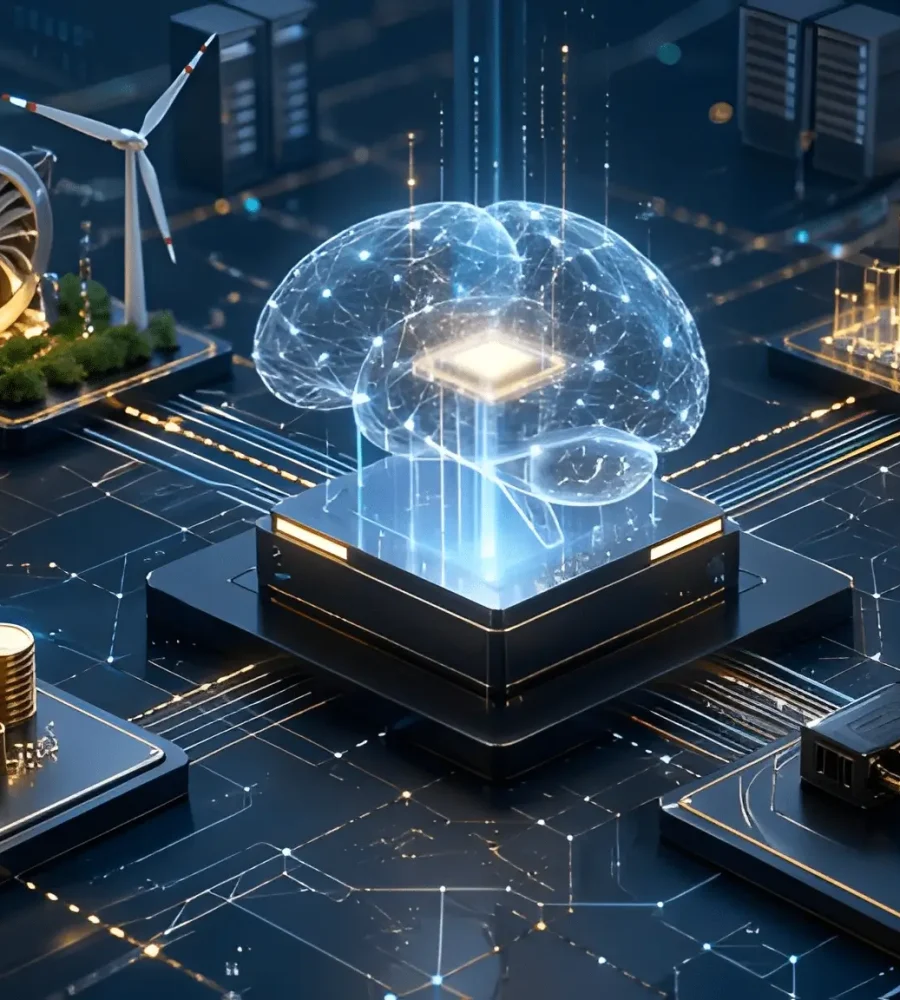
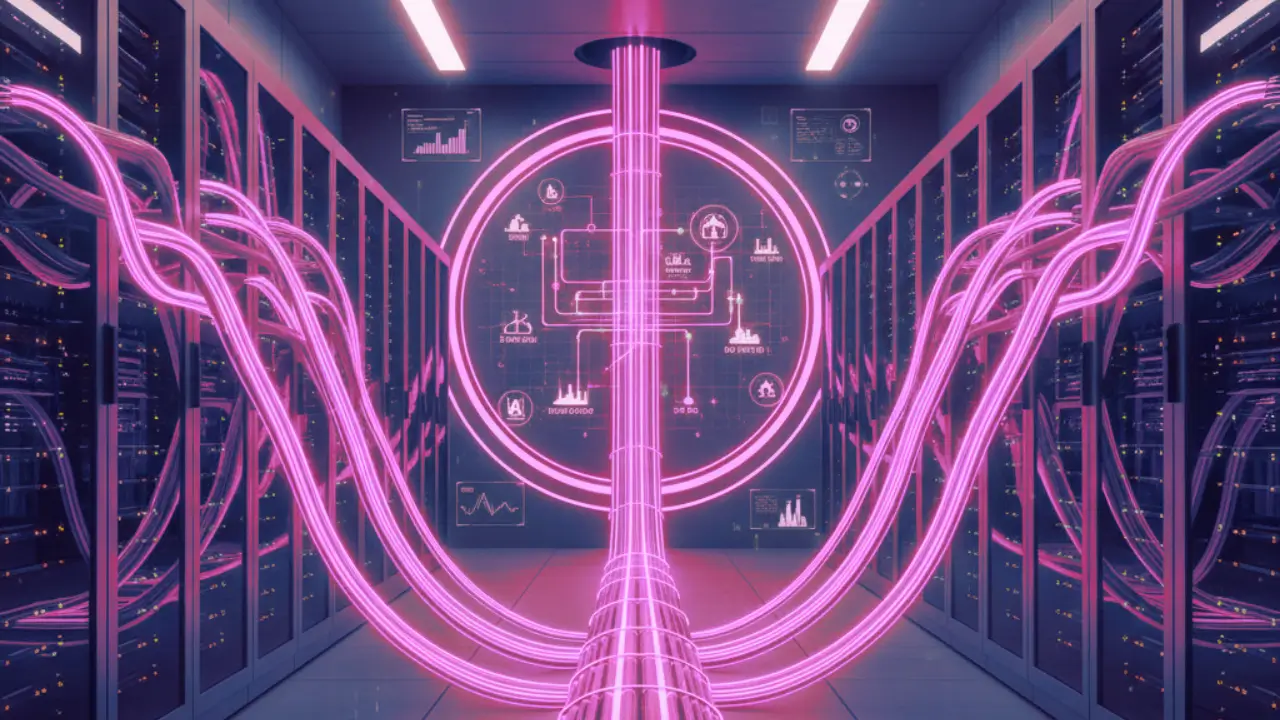
As artificial intelligence workloads scale exponentially, the energy demands of large AI clusters are becoming a major challenge for electric grids worldwide. These clusters require vast, continuous power while also showing variability tied to training cycles, inference surges, and distributed application demand. Traditional energy infrastructure, which relies on large centralized power plants and one-way energy flows, struggles to handle such dynamic loads. In this context, Virtual Power Plants (VPPs) are emerging as a solution. They not only optimize distributed energy resources but also integrate major compute loads into the grid, supporting reliability, flexibility, and decarbonization.
How Virtual Power Plants Work
VPPs aggregate diverse distributed energy assets, including batteries, rooftop solar, demand response resources, and controllable loads. Advanced software and real-time optimization platforms coordinate these assets to behave as a single, dispatchable power resource. The system can supply energy to the grid, provide ancillary services, and respond quickly to fluctuations in supply and demand. This improves both grid stability and efficiency.
What Exactly Is a Virtual Power Plant?
A Virtual Power Plant is a coordinated network of distributed energy resources (DERs) that operates like a traditional power plant. Unlike a single large generator, a VPP draws power from many smaller, dispersed assets that central software manages to balance supply and demand on the grid.
These resources can include:
- Battery energy storage systems (residential, commercial, or utility-scale)
- Distributed generation such as rooftop solar or small wind turbines
- Flexible loads, including smart thermostats, electric vehicles, and industrial demand response systems
- Combined heat and power (CHP) units or microturbines
Advanced software allows the VPP to monitor, forecast, and dispatch energy and flexibility services in real time. This system participates in energy markets, provides frequency regulation, and responds to grid contingencies within seconds to minutes. This approach contrasts with traditional energy systems, where most power comes from central plants and flows outward through transmission and distribution networks with limited flexibility.
Why VPPs Matter in a World with AI Clusters
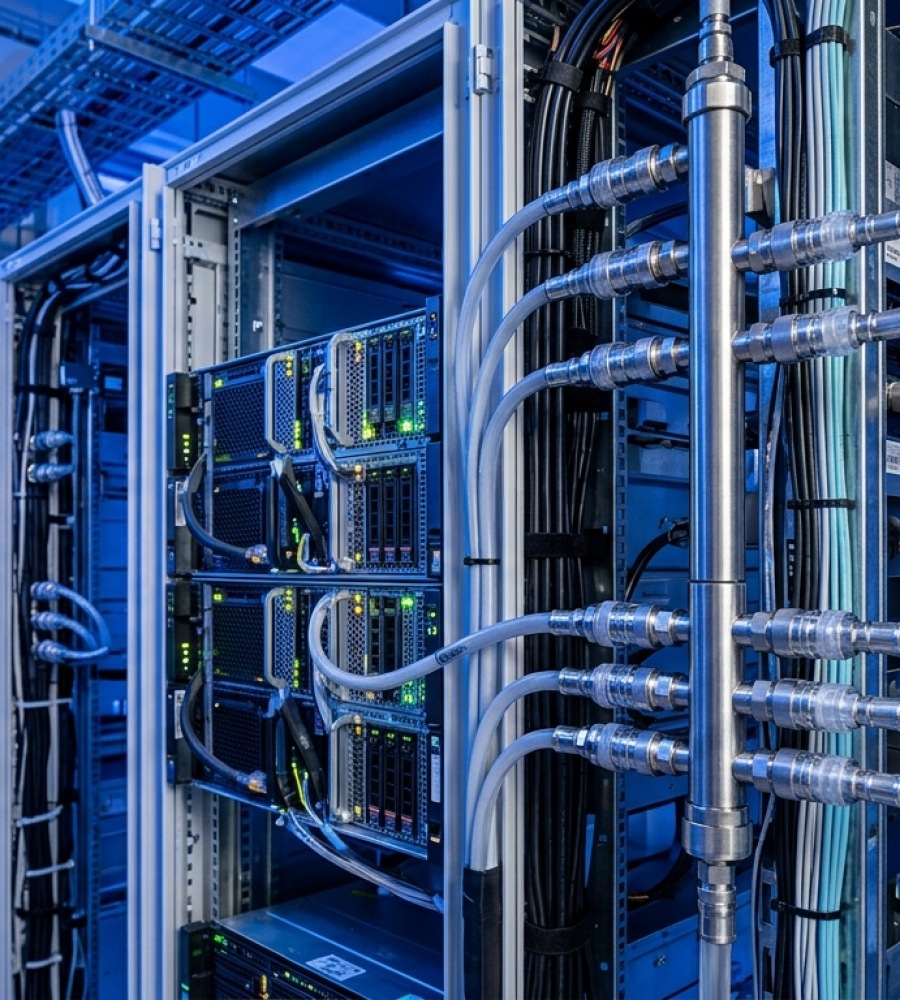
AI data centers and large compute facilities place massive, growing loads on the grid. They require continuous, high-capacity power, often comparable to the demand of small cities. However, their operational profiles fluctuate as workloads vary with traffic and training schedules.
Energy planners are beginning to see these facilities as interactive grid assets rather than passive loads that stress the system. Paired with storage, flexible scheduling, and real-time control software, AI facilities can integrate into VPPs. They can provide demand flexibility and grid services, contributing to stability instead of strain.
VPPs create a framework where disparate energy resources, including AI facility loads, support grid reliability. They help manage peak demand, smooth load profiles, and reduce reliance on costly and carbon-intensive peaker plants.
In areas such as frequency regulation, where supply must match demand within fractions of a second, VPPs offer faster, more precise responses than conventional generators. They leverage digital controls, distributed storage, and automated dispatch to achieve this.
How VPPs Stabilize Electric Grids
VPPs provide services that once required centralized, slow-responding power plants:
Peak Shaving and Load Balancing
During high demand, VPPs discharge stored energy or reduce consumption from controllable loads to shave peak power requirements. This relieves stress on transmission infrastructure and limits the need for costly fossil fuel generation.
Frequency Regulation and Ancillary Services
VPPs adjust power injections and withdrawals rapidly to maintain grid frequency and voltage. Battery storage responds within milliseconds to operator signals, replacing roles previously filled by spinning generators.
Demand Response and Real-Time Load Management
VPPs coordinate demand-side resources such as smart appliances, electric vehicles, and industrial flex loads. This reduces grid load during peak periods, supports demand response programs, and enhances reliability during stress events.
Energy Market Participation
Aggregated resources can enter wholesale energy and capacity markets. DER owners monetize their contributions, while grid operators gain flexibility and capacity faster and more cost-effectively.
Together, these services help grids avoid blackouts, delay infrastructure upgrades, and integrate more renewable energy, which can be intermittent or unpredictable.
Real-World Example: Grid Impact in Texas
A clear example of VPPs at scale comes from Texas. SOLRITE Energy and sonnen launched a battery-only VPP in the ERCOT market. The initiative enrolls thousands of customers with sonnen home battery systems. Currently, 3,000 participants contribute, and the program aims for 10,000 by the end of 2026. This could provide around 600 megawatt-hours of energy storage and an aggregate power output of roughly 144 megawatts for grid dispatch.
This example shows how a network of residential batteries can actively support grid flexibility and supply when managed through a VPP. Programs like this demonstrate that decentralized storage can maintain grid health in regions with high demand peaks and variable renewable generation.
Integrating AI Clusters into VPPs
Large AI clusters typically draw continuous, high-density power. Yet, they offer opportunities for flexibility:
- Scheduled compute loads can shift to periods of lower demand or higher renewable generation.
- On-site storage can buffer short-term fluctuations, allowing energy dispatch back to the grid when needed.
- Demand curtailment during extreme grid stress can earn service payments, similar to industrial demand response programs.
Research increasingly explores optimization strategies where energy workloads migrate across data centers within a VPP. This minimizes costs and better tracks demand response curves.
Properly configured, AI facilities can act as flexible grid partners rather than rigid loads. They help manage volatility from intermittent renewables and rapid demand changes.
Challenges on the Road Ahead
Despite their potential, VPP adoption faces several challenges, especially when integrating large industrial or AI loads:
Interoperability and Control Complexity
Aggregating thousands of heterogeneous resources requires sophisticated software and real-time data flows. Standardization is still emerging, and integrating different asset types remains complex.
Market Design and Regulation
Energy markets and regulations vary widely. Rules for VPP participation in capacity, ancillary service, and wholesale energy markets must evolve to compensate contributors fairly and ensure reliability.
Cybersecurity and Reliability
VPPs depend on digital communication and control systems. These systems must remain secure to prevent cyberattacks or data breaches that could disrupt power operations.
The Grid of the Future
The shift toward distributed energy, digital control systems, and flexible load management marks a major transformation. Virtual Power Plants reflect this change by letting smaller resources, whether residential batteries or large commercial storage assets, operate like large power plants with dynamic dispatch capabilities.
By including AI clusters in VPPs, energy planners and grid operators can reconcile compute-intensive growth with grid stability, decarbonization, and flexibility. Instead of straining the system, AI loads can become assets that stabilize the grid, enable renewable integration, and create new revenue opportunities for energy market participants.