 Skip to content
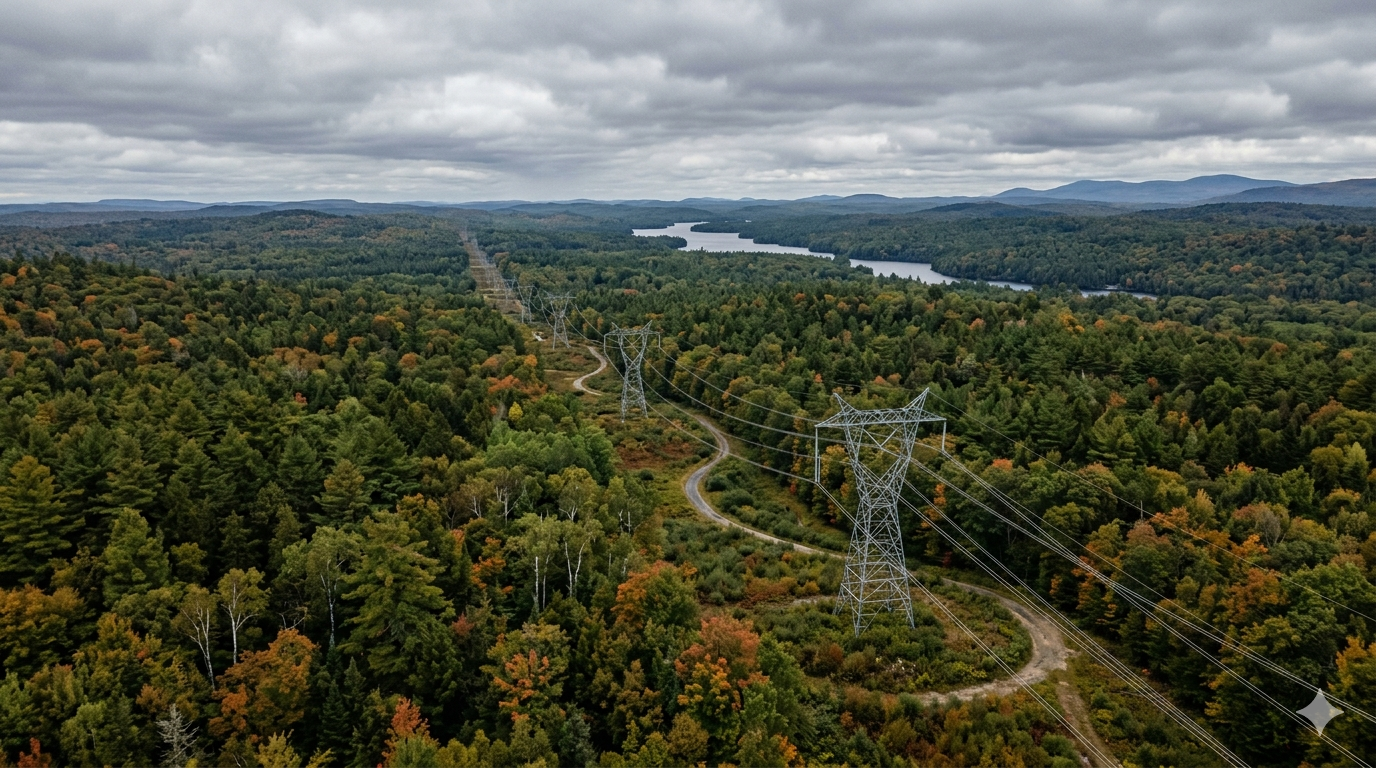
Maine Governor Janet Mills has until April 25 to sign, veto, or allow LD 307 to become law — a bill that would impose an 18-month moratorium on all new data center construction in the state. If enacted, it becomes the first statewide data center ban in US history.

The Maine Legislature passed the bill on April 14, blocking approval for any data center drawing 20 megawatts or more until November 2027. The bill also creates a coordinating council tasked with studying grid load projections and recommending guardrails around electricity rates, water usage, and environmental impact before new development can proceed.
The legislation passed with bipartisan support in the House. Ten other states, including Virginia, Vermont, New Hampshire, and New York, are now watching the outcome closely and considering their own versions of the bill.
Why the Bill Has Momentum
The driving force behind the backlash is electricity costs. A March 2026 Quinnipiac poll found 65% of Americans now oppose data centers in their communities. Of those, 72% cited rising electricity costs as their primary reason, followed by water usage at 64%.

In Virginia, where northern Virginia hosts one of the densest concentrations of data centers in the world, public opinion has shifted sharply. A Washington Post-Schar School poll found only 35% of voters would welcome a new data center in their community, down from 69% in 2023. Support for state tax breaks for data center companies fell from 61% to 37% over the same period.
The bill’s sponsor, Democratic state Representative Melanie Sachs, described the moratorium as a temporary pause rather than a permanent rejection. She argued data center developers had been operating with little transparency and limited engagement with affected communities. Senator Bernie Sanders separately introduced a national moratorium bill that would halt AI data center construction across the country until Congress establishes a comprehensive regulatory framework.
The Political Calculation for Mills
The decision is not straightforward for Mills. She asked lawmakers to include an exemption for a $550 million project at a former paper mill in Jay — a development that would bring jobs to a community still recovering from the mill’s 2023 closure. That amendment was voted down 115 to 29 in the House.
Mills is also running for US Senate in a Democratic primary against oyster farmer Graham Platner, who leads her in recent polls by double digits. Signing the ban could strengthen her standing with voters. Vetoing it risks significant backlash from a constituency that increasingly sees data centers as a cost burden rather than an economic opportunity.
Industry groups are pushing hard for a veto. The Data Center Coalition warned the legislation sends the signal that Maine is closed for business and could deter future investment. As we have previously covered, aging power grids and AI data centers are already on a collision course across the US. Maine’s bill is the most direct legislative response to that pressure yet.
What happens on April 25 will set a precedent that no state, developer, or hyperscaler can afford to ignore.












