Skip to content
AI Growth Is Reshaping the Water Conversation
Artificial intelligence has transformed the global conversation around digital infrastructure. Every new AI model demands greater compute capacity than previous generations. That demand has accelerated hyperscale data center construction across multiple continents. Communities now ask how these facilities affect electricity, land, and water resources. Water has emerged as one of the most closely examined aspects of AI infrastructure. Microsoft has spent two decades preparing for this moment. Water stewardship did not become a priority after generative AI gained momentum. Microsoft began integrating water efficiency into its earliest data center designs during the 2000s. Engineers recognized that cooling infrastructure would determine long-term operational sustainability. Those early decisions now influence how the company expands Azure and AI capacity worldwide. Today’s AI infrastructure strategy builds upon years of engineering refinement rather than sudden policy changes. Long-term planning has become a competitive advantage.

Why Water Matters More in the AI Era
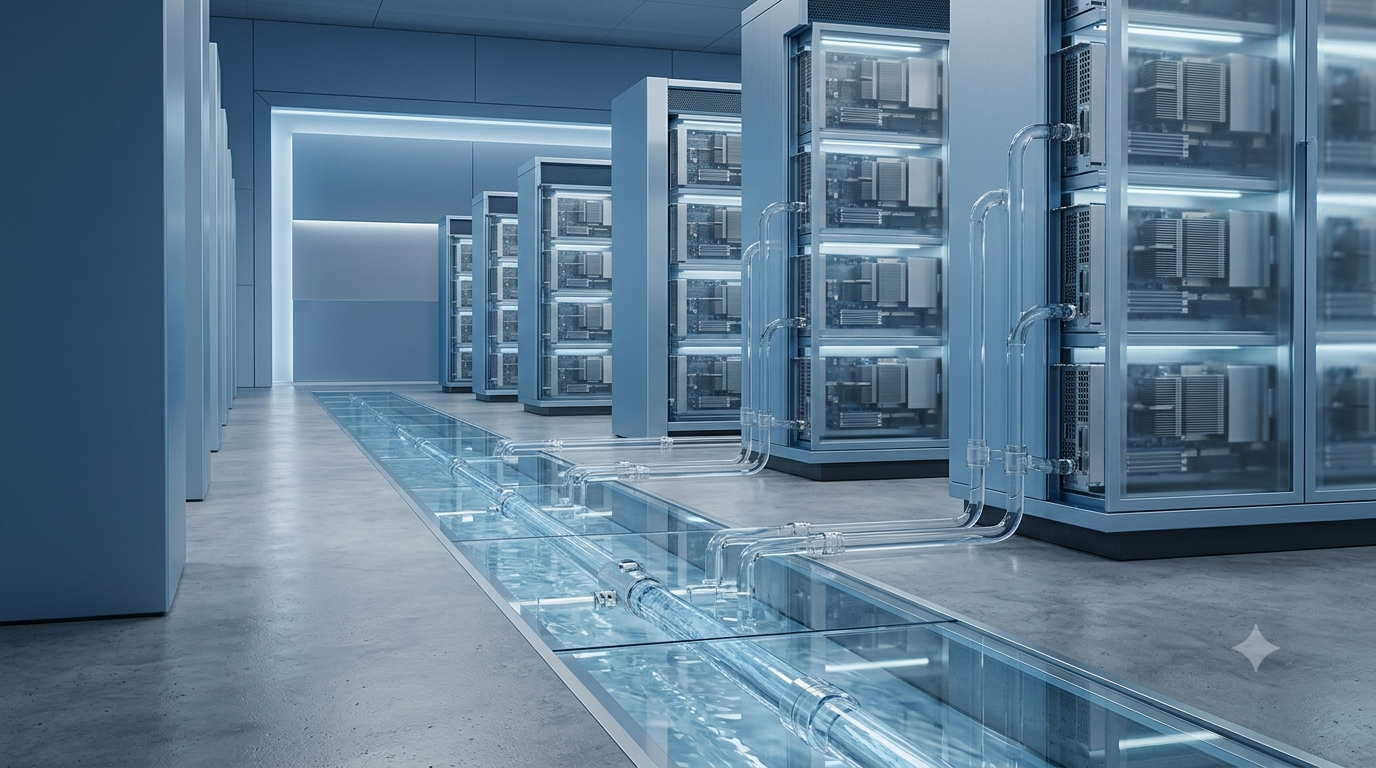
Modern AI servers generate significantly more heat than traditional enterprise hardware. Graphics processing units operate at far higher power densities than conventional processors. Greater heat output requires more advanced cooling technologies throughout hyperscale facilities. Cooling systems therefore play an essential role in maintaining reliable AI operations. Engineers must balance thermal performance, operational efficiency, and responsible water consumption simultaneously. Every design decision affects long-term sustainability. Cooling can account for a substantial share of operational resource use inside large data centers. Operators continuously improve cooling efficiency to reduce environmental impact while supporting higher computing densities. Air cooling remains suitable for many workloads, but advanced AI clusters increasingly require alternative approaches. Liquid cooling, optimized airflow, and intelligent thermal management now receive greater industry attention.
A Long-Term Strategy Rather Than a Short-Term Response
Microsoft approaches water stewardship through continuous engineering improvements instead of isolated sustainability projects. The company evaluates every stage of a data center’s operational lifecycle. Site selection, cooling architecture, equipment design, and operational management all influence water intensity. Engineers continuously monitor performance to identify additional efficiency opportunities. Lessons learned from existing campuses shape future facility designs. This iterative approach has guided infrastructure development for more than twenty years. The company’s broader sustainability commitments reinforce this operational strategy. Microsoft has pledged to become water positive by 2030. That commitment extends beyond reducing direct operational withdrawals. The company also invests in replenishment projects designed to restore water availability in stressed watersheds. Local partnerships strengthen these initiatives across multiple regions. Water stewardship therefore combines operational efficiency with ecosystem restoration.
Measuring Water Intensity Instead of Water Consumption
Total water use tells only part of the infrastructure story. Microsoft increasingly focuses on reducing water intensity across its operations. Water intensity measures how efficiently facilities consume water relative to computing output. This approach provides a clearer picture of engineering performance over time. Growing infrastructure does not automatically require proportional increases in water demand. Efficiency improvements allow digital capacity to expand more sustainably. Water intensity has become an important industry benchmark because AI infrastructure continues expanding rapidly. Operators must deliver higher computational performance without matching increases in resource consumption. Engineering teams therefore optimize cooling systems, equipment layouts, airflow management, and operational controls together.

Engineering Innovation Is Changing Data Center Cooling
Cooling technologies have evolved considerably since Microsoft’s earliest hyperscale deployments. Traditional evaporative systems no longer represent the only viable solution for high-density computing. Engineers increasingly deploy advanced cooling methods that reduce operational water requirements. Closed-loop systems, precision cooling, and liquid-based technologies improve thermal efficiency under demanding workloads. These innovations also support the growing power densities associated with AI clusters. Infrastructure design continues evolving alongside processor technology. One significant milestone involved Microsoft’s development of datacenter designs capable of operating without continuously consuming water for cooling during normal operations. Such engineering advances demonstrate how infrastructure innovation can address resource challenges directly. Rather than relying solely on conservation measures, Microsoft redesigns core systems to improve efficiency fundamentally. These technologies also enhance operational resilience across diverse climates. Engineering therefore remains central to the company’s sustainability strategy.
Community-First Infrastructure Extends Beyond the Data Center
Microsoft increasingly frames infrastructure expansion through its Community-First AI Infrastructure initiative. The strategy recognizes that successful AI deployments depend on community trust alongside technical performance. Every new campus interacts with local water systems, energy networks, and regional economies. Infrastructure planning therefore begins long before construction starts. Environmental assessments guide decisions throughout the development process. Community engagement remains a core element of long-term project planning. Site selection now includes detailed evaluations of local water availability and watershed conditions. Engineers study long-term climate trends before finalizing development plans. Regional water stress influences both facility design and cooling technology selection. Areas facing higher water scarcity often require different engineering solutions than water-abundant regions. This localized approach improves operational resilience while reducing environmental pressure. Responsible planning begins with understanding regional conditions.
Water Stewardship Requires Local Solutions
Water challenges differ significantly across geographic regions. A cooling strategy that works in Northern Europe may not suit the American Southwest. Similar differences exist across Asia, Australia, and Latin America. Microsoft therefore adapts infrastructure designs to local environmental conditions. Engineering flexibility helps reduce unnecessary resource consumption. Regional customization strengthens both sustainability and operational reliability. Many replenishment projects also focus on local impact instead of global averages. Microsoft partners with governments, conservation organizations, and community groups to restore watersheds. These projects improve groundwater recharge, river restoration, and wetland conservation. Healthy watersheds strengthen ecosystems while supporting nearby communities.
Data Improves Water Management Decisions
Modern hyperscale facilities generate enormous volumes of operational data every day. Microsoft uses digital monitoring systems to optimize cooling performance continuously. Sensors track temperatures, flow rates, humidity, and equipment efficiency across campuses. Engineers analyze this information to identify improvement opportunities quickly. Data-driven operations reduce waste while improving infrastructure reliability. Continuous monitoring supports long-term sustainability objectives. Artificial intelligence increasingly assists facility management alongside customer workloads. Predictive analytics identify equipment inefficiencies before operational problems develop. Automated controls also adjust cooling systems according to changing environmental conditions. Intelligent optimization improves thermal performance without increasing resource consumption unnecessarily.
Cooling Technologies Continue to Evolve
The rapid growth of AI computing has accelerated investment in advanced thermal management technologies. Higher rack densities require cooling systems that perform efficiently under greater thermal loads. Microsoft continues evaluating liquid cooling, direct-to-chip technologies, and other innovative approaches. Each solution aims to improve heat removal while minimizing operational resource demands. Cooling technology now represents a strategic component of AI infrastructure planning. Engineering decisions increasingly influence long-term environmental performance. Industry collaboration also supports technology development across the broader infrastructure ecosystem. Equipment manufacturers, cooling specialists, and cloud providers continue sharing engineering knowledge through open standards initiatives. These partnerships accelerate innovation across server design, thermal management, and sustainability practices. Common engineering frameworks improve compatibility while encouraging greater efficiency. Collaboration helps the industry address increasingly complex infrastructure challenges. Shared innovation benefits both operators and customers.
Water Efficiency Now Supports Business Resilience
Sustainability increasingly influences long-term infrastructure economics. Efficient cooling systems lower operational costs while improving resource security. Water-conscious designs also reduce exposure to future regulatory and environmental risks. Investors increasingly evaluate environmental resilience alongside financial performance. Enterprise customers similarly expect cloud providers to strengthen sustainability commitments. Water stewardship therefore creates both operational and commercial value.
Microsoft’s Water Strategy Reflects a Broader Industry Shift
Artificial intelligence has changed how operators evaluate infrastructure sustainability. Water stewardship now receives attention alongside power availability and compute capacity. Hyperscalers increasingly recognize that resource efficiency supports long-term infrastructure resilience. Engineering teams therefore integrate sustainability into core facility design. Environmental performance has become a competitive differentiator across cloud markets. Infrastructure leadership now extends beyond processing power alone. Many industry practices now reflect lessons developed during earlier hyperscale expansion. Operators increasingly prioritize efficient cooling, intelligent monitoring, and regional infrastructure planning. These principles improve resilience while supporting continued AI growth.
Two Decades of Planning Offer a Blueprint for AI Expansion
Microsoft’s approach demonstrates that sustainable infrastructure requires consistent investment over many years. Water stewardship did not emerge as a reaction to today’s AI boom. Instead, it developed through continuous engineering refinement across multiple generations of data centers. Long-term planning now allows the company to expand AI capacity while improving operational efficiency. That foundation provides valuable lessons for the broader hyperscale industry. Strategic infrastructure development depends on sustained commitment rather than short-term adaptation. The next chapter of AI infrastructure will depend on balancing compute growth with responsible resource management. Water, energy, land, and community engagement will increasingly shape investment decisions worldwide. Organizations that integrate sustainability into infrastructure design will strengthen long-term resilience. Microsoft’s two-decade journey illustrates how engineering and environmental stewardship can advance together.