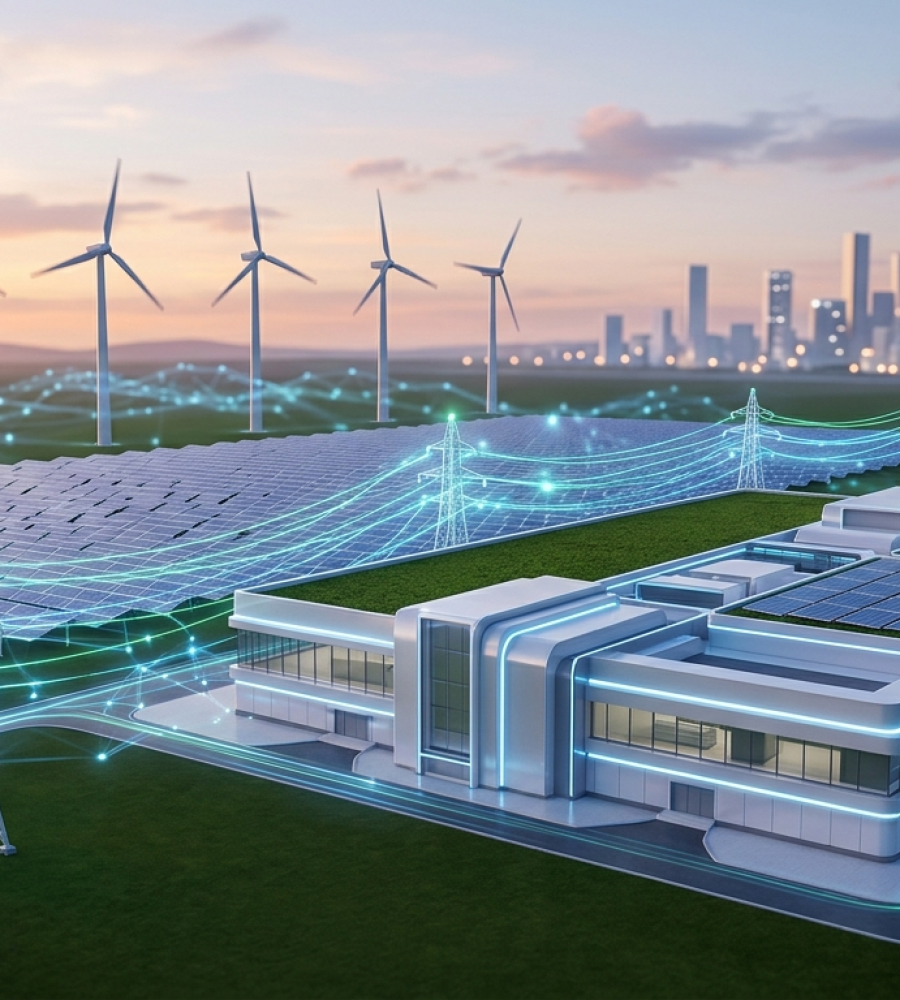
For years, artificial intelligence infrastructure followed one clear rule. Bigger data centers delivered greater computing power. Hyperscale campuses became symbols of AI leadership. Companies invested billions in GPUs, networking equipment, and power infrastructure. Massive facilities appeared across North America, Europe, and Asia. That strategy still supports AI training today. However, the next phase of AI growth demands a different infrastructure model. Inference is changing the industry’s priorities. Unlike model training, inference delivers AI responses to users in real time. Every chatbot conversation, enterprise copilot request, recommendation engine, and autonomous decision depends on inference. Consequently, response speed now matters as much as computing capacity. Infrastructure must therefore move closer to users rather than remain concentrated on a few hyperscale campuses. The result is a quiet transformation across digital infrastructure. Instead of building only larger campuses, operators are deploying smaller AI facilities across multiple regions. These facilities prioritize latency, network connectivity, and deployment speed. Meanwhile, advances in liquid cooling and modular construction make distributed deployments increasingly practical. AI infrastructure is no longer expanding in one direction. It is spreading outward toward the network edge.
AI Training and AI Inference Follow Different Rules
Training and inference serve different purposes inside the AI ecosystem. Training teaches models by processing enormous datasets across thousands of GPUs. That process requires sustained computing power over weeks or months. Consequently, developers typically place training clusters inside large centralized facilities. These campuses optimize for scale rather than proximity. Inference begins after training finishes. It delivers predictions, generates text, processes images, and answers user requests within milliseconds.
Every interaction depends on rapid communication between users and computing resources. Therefore, network distance directly affects application performance. Even powerful AI models lose effectiveness when latency increases. This distinction changes infrastructure planning. Training benefits from centralized capacity because workloads remain predictable. Inference produces millions of distributed requests across countless locations. Consequently, operators increasingly deploy compute where demand actually exists. AI infrastructure now follows users rather than expecting users to reach centralized compute.
Why Latency Has Become an Infrastructure Priority
Many emerging AI applications cannot tolerate delays. Autonomous vehicles continuously interpret changing road conditions. Manufacturing robots coordinate movements within milliseconds. Financial systems evaluate transactions instantly. Healthcare platforms increasingly support real-time clinical decision tools. Consequently, every additional millisecond influences user experience and operational reliability. Routing every request through a distant hyperscale campus introduces unavoidable delays. Data must travel across regional and international networks before reaching AI servers. That journey increases latency regardless of processing speed. Therefore, organizations increasingly position inference infrastructure closer to customers. Shorter network paths improve responsiveness while reducing congestion. Low latency also creates business advantages. Faster AI responses improve customer satisfaction, industrial automation, and enterprise productivity. Consequently, infrastructure decisions increasingly balance compute capacity with geographic distribution. Operators no longer optimize solely for scale. They optimize for user experience across multiple regions.
The Rise of Regional AI Inference Hubs
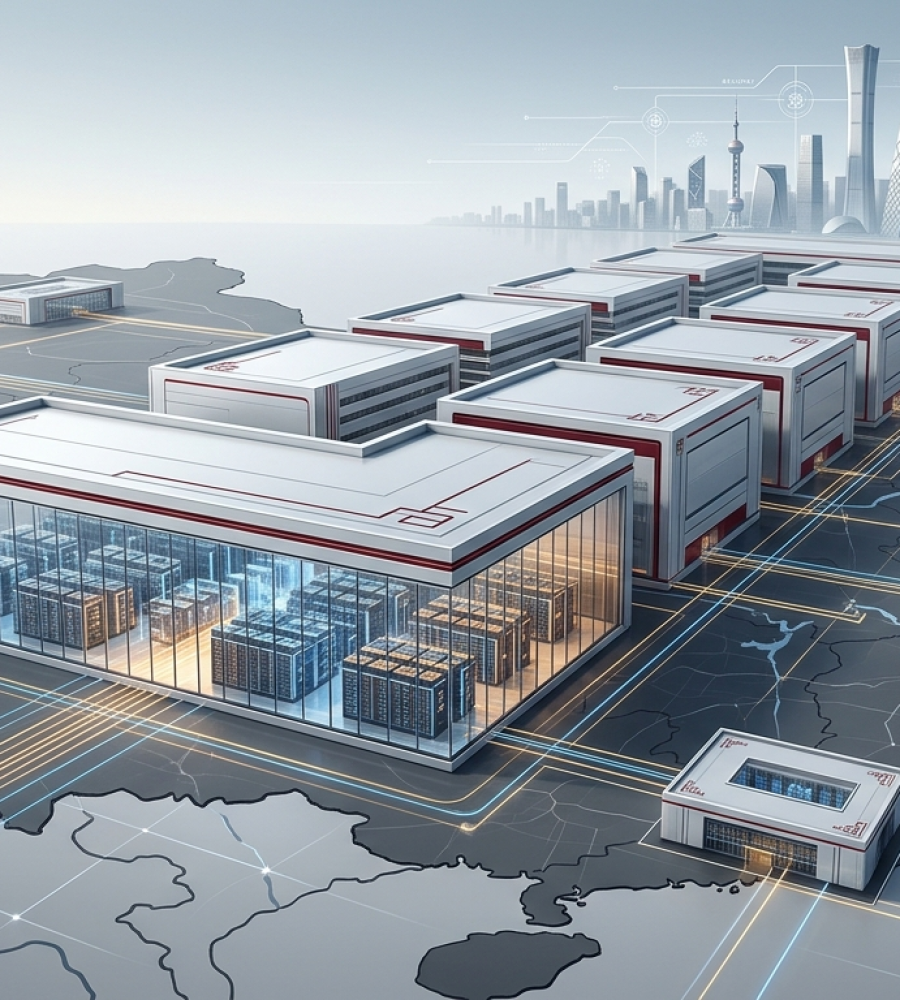
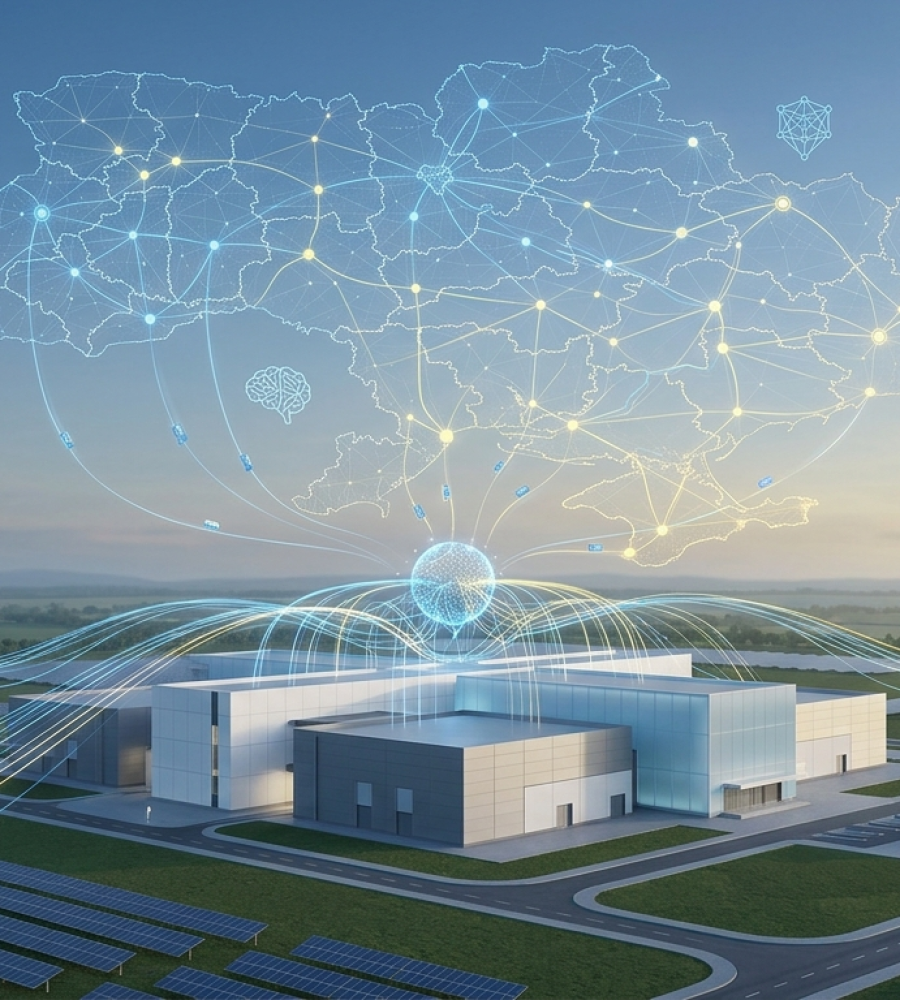
The next generation of AI infrastructure will likely combine hyperscale campuses with regional inference hubs. Large facilities will continue training frontier models and supporting enormous cloud workloads. Smaller regional sites will deliver those models closer to businesses and consumers. This hybrid architecture balances efficiency with responsiveness. Each facility performs a specialized role within the broader AI ecosystem. Regional inference hubs also improve resilience. Distributing workloads across multiple facilities reduces dependence on individual campuses. Operators gain greater flexibility during maintenance, equipment failures, or unexpected demand spikes. Consequently, distributed architecture strengthens both performance and operational continuity. AI infrastructure becomes more adaptive as deployments expand.
Smaller Facilities Could Deliver Bigger Business Value
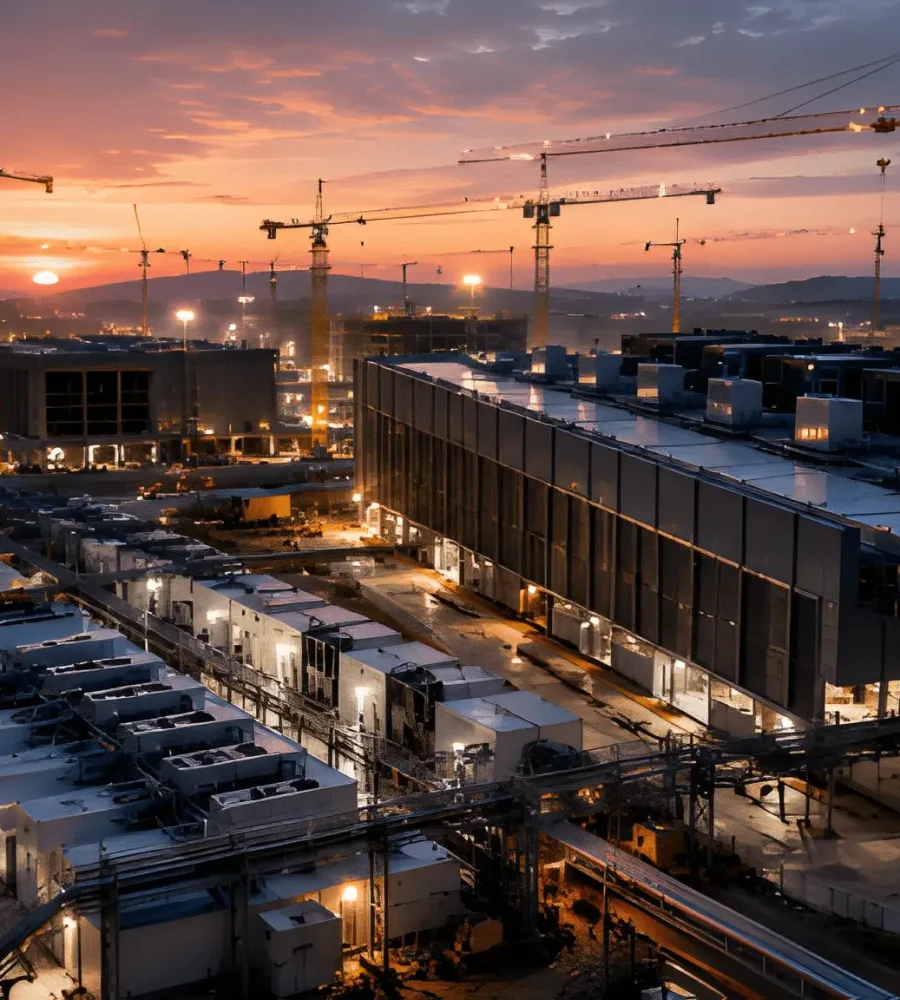
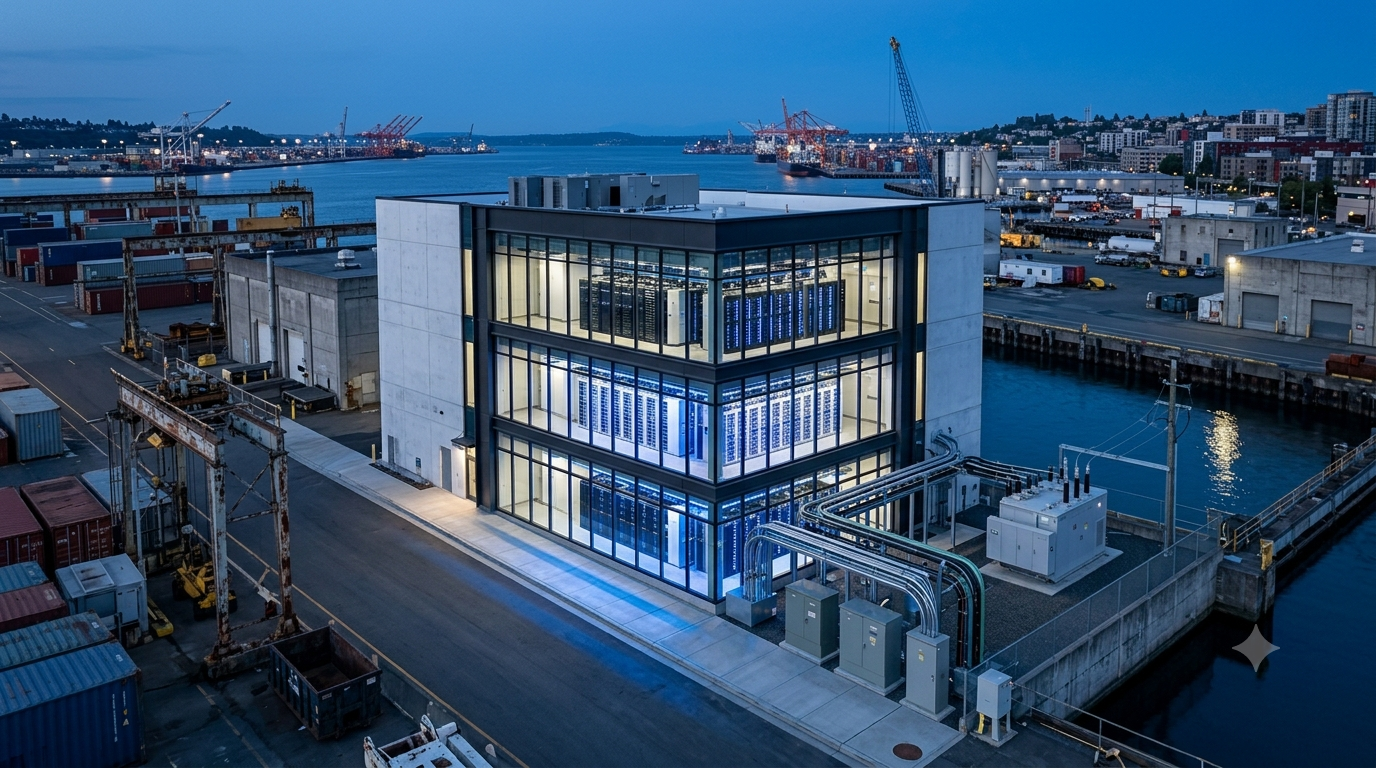
The next generation of AI infrastructure may not rely exclusively on mega campuses. Instead, operators increasingly deploy smaller GPU clusters across multiple locations. These regional facilities support enterprise AI, digital assistants, industrial automation, and intelligent applications. Consequently, infrastructure scales horizontally rather than only vertically. Growth becomes distributed instead of centralized. Distributed deployments also shorten implementation timelines. Developers can construct modular facilities faster than traditional hyperscale campuses. They expand capacity incrementally as demand grows. Therefore, organizations reduce upfront investment while maintaining operational flexibility. Modular expansion better matches the unpredictable pace of AI adoption. Moreover, regional deployments improve service availability. Workloads shift between nearby facilities whenever demand fluctuates. This architecture reduces congestion while supporting higher reliability. As a result, enterprises experience consistent AI performance across broader geographic regions. Infrastructure becomes more resilient through distribution rather than concentration.
Water Is Becoming a Critical Site Selection Factor
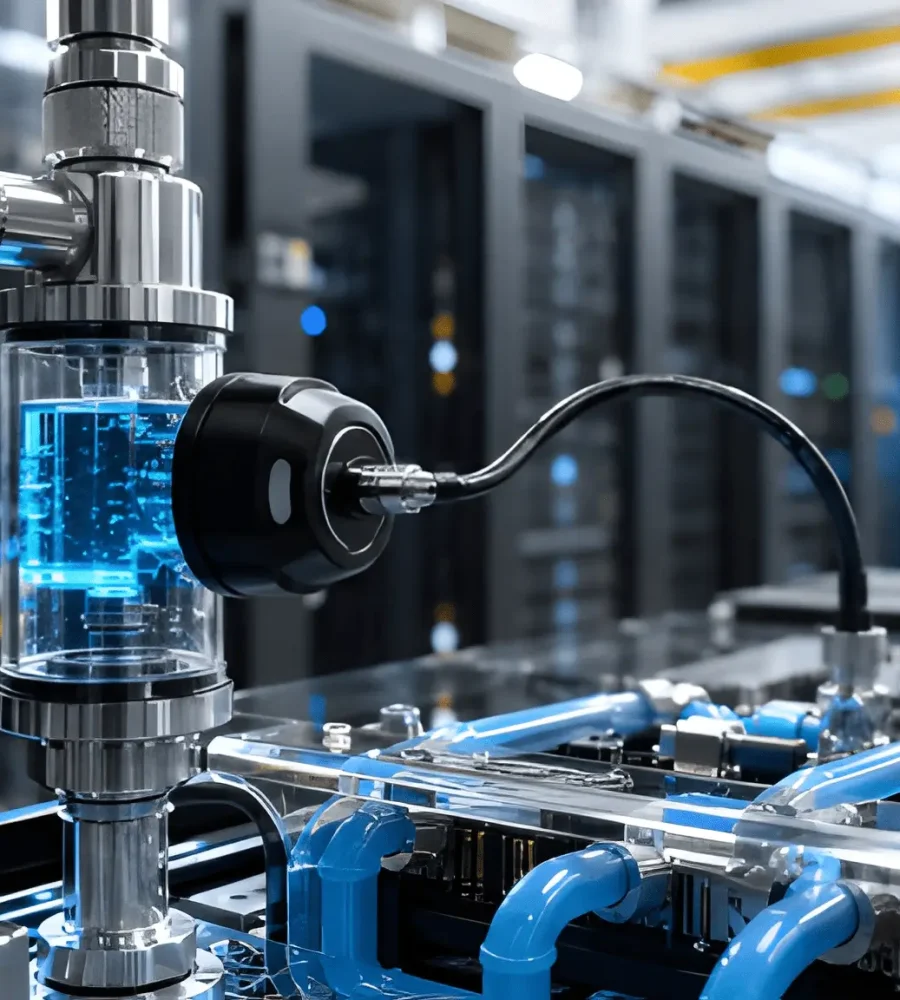
AI infrastructure discussions often emphasize electricity demand. However, water availability increasingly shapes deployment decisions as well. Many traditional cooling systems rely on significant water resources. Communities and regulators therefore expect developers to improve efficiency while reducing environmental impact. Water stewardship has become a strategic infrastructure consideration. This challenge becomes even greater in water-stressed regions. Operators cannot assume unlimited local resources for future expansion. Instead, many evaluate cooling technologies before selecting new locations. Consequently, site selection increasingly balances compute demand with long-term resource availability. Sustainable operations now influence commercial planning. Importantly, distributed inference infrastructure may reduce pressure on individual campuses. Workloads spread across multiple facilities instead of concentrating inside enormous sites. This approach allows operators to tailor cooling strategies according to regional conditions. Therefore, infrastructure becomes more adaptable to local environmental realities.
Networking Is Becoming the New Compute Multiplier
AI infrastructure no longer depends only on faster processors. High-performance networking now determines how efficiently distributed inference operates. Every regional facility must exchange data quickly with cloud platforms, enterprise systems, and nearby users. Consequently, network architecture has become as important as GPU performance. Compute and connectivity now evolve together. Modern AI applications also generate continuous streams of data. Smart factories, connected vehicles, and intelligent retail systems require constant communication with inference engines. Therefore, operators increasingly invest in high-bandwidth fiber and low-latency interconnections.
These investments ensure AI services remain responsive under growing demand. Network quality directly influences application performance. The relationship between networking and compute will strengthen over time. Regional inference hubs cannot succeed without reliable digital connectivity. Likewise, advanced networks deliver greater value when nearby AI resources process data instantly. As a result, infrastructure planners increasingly design both systems together. The next generation of AI depends on integrated digital infrastructure.
What This Means for the Future of AI Infrastructure
The next decade will likely produce a far more diverse AI infrastructure landscape. Centralized campuses will continue expanding to support large-scale model development. At the same time, regional inference hubs will multiply across metropolitan and industrial markets. Consequently, AI infrastructure will become both larger and more geographically distributed. Growth will occur across multiple layers of the digital ecosystem. Enterprises will also rethink how they deploy AI services. Many organizations will prioritize response speed, reliability, and operational efficiency over centralized computing alone.
Therefore, infrastructure investments will increasingly align with customer proximity and application performance. Businesses that optimize for latency will gain measurable competitive advantages. AI deployment strategies will become more location-aware. Infrastructure providers must adapt alongside these changing requirements. Success will depend on integrating compute, networking, cooling, and sustainability into a unified strategy. Operators that embrace distributed architectures will respond faster to evolving business needs. As a result, the next generation of AI infrastructure will emphasize flexibility as much as raw computing power. Intelligence will move closer to where decisions happen.