
Meta Platforms is taking its artificial intelligence infrastructure strategy beyond the United States with a landmark investment in Canada. The company will build its first Canadian data center, a 1GW campus in Sturgeon County, Alberta, representing one of its largest infrastructure commitments to date. Moreover, the project carries an estimated $9 billion price tag and will take approximately two to three years to complete. As AI demand continues rising, Meta is accelerating investments in computing infrastructure capable of supporting future model development and digital services. The Alberta campus becomes Meta’s 33rd data center globally, reinforcing the company’s aggressive AI expansion strategy. However, the project also highlights broader industry challenges surrounding energy availability, community impact, and the enormous capital required to compete in the AI race. Consequently, the Canadian investment represents both an infrastructure milestone and a strategic move within an increasingly competitive global AI market.

Alberta Emerges as Meta’s Next AI Infrastructure Hub
Meta selected Sturgeon County after evaluating several infrastructure requirements essential for hyperscale AI facilities. The company cited reliable electricity, available infrastructure, access to energy, skilled talent, and strong community partnerships as key factors supporting the decision. Furthermore, the proposed site already carries industrial zoning, allowing faster project development compared with entirely new locations. The surrounding area also provides sufficient capacity for future electrical infrastructure expansion, an increasingly important consideration for modern AI campuses. Additionally, Alberta offers one of Canada’s strongest energy markets. Reliable electricity has become a decisive factor for AI infrastructure as GPU clusters require continuous power at unprecedented scale. Consequently, the province continues attracting interest from technology companies searching for long-term infrastructure opportunities beyond traditional hyperscale markets.
$9 Billion Investment Reflects AI Compute Race
The $9 billion investment demonstrates how rapidly AI infrastructure spending continues expanding. Training frontier AI models requires enormous computing resources, forcing technology companies to build increasingly larger campuses across multiple regions. Meta expects construction to continue for two to three years, creating one of Canada’s largest digital infrastructure developments. During peak construction, the project will support more than 3,000 workers, generating substantial regional employment and economic activity. Moreover, the company plans additional investments supporting surrounding communities. These include improvements to local infrastructure alongside funding for nonprofit organizations within the region. The scale of the project illustrates how infrastructure has become central to AI competitiveness. Companies increasingly invest billions before new AI services generate corresponding revenue.
AI Expansion Extends Beyond Internal Infrastructure
While expanding its own computing capacity, Meta continues evaluating broader commercial opportunities. The company is reportedly planning a cloud computing business that could monetize excess infrastructure capacity. Instead of reserving every server exclusively for internal applications, Meta could eventually offer unused compute resources to third-party customers. Another possibility involves providing access to AI models hosted directly on Meta’s infrastructure. Such a strategy would move Meta closer to established cloud providers competing in enterprise AI infrastructure. Consequently, the company could diversify future revenue beyond its traditional advertising business.Meanwhile, competitors including Microsoft, Amazon, and Alphabet already operate mature cloud platforms supporting enterprise AI workloads. Meta therefore continues exploring opportunities to strengthen its position within that broader infrastructure market.
Investors Continue Watching AI Spending
Meta’s infrastructure expansion arrives during a period of elevated investor scrutiny. The company has forecast capital expenditures reaching as much as $145 billion this year, reflecting the extraordinary costs associated with AI infrastructure development. However, some investors remain cautious about those spending levels. Meta continues trailing AI leaders including OpenAI, Anthropic, and Google in frontier model development, while its primary revenue still comes from digital advertising. Consequently, investors continue seeking clearer evidence that AI investments will generate meaningful long-term returns. The market has responded cautiously, with Meta’s shares declining approximately 9 percent this year, while the Nasdaq has gained roughly 11 percent during the same period. Despite those concerns, Meta continues prioritizing infrastructure expansion as competition intensifies across the AI industry.
Community and Environmental Questions Remain
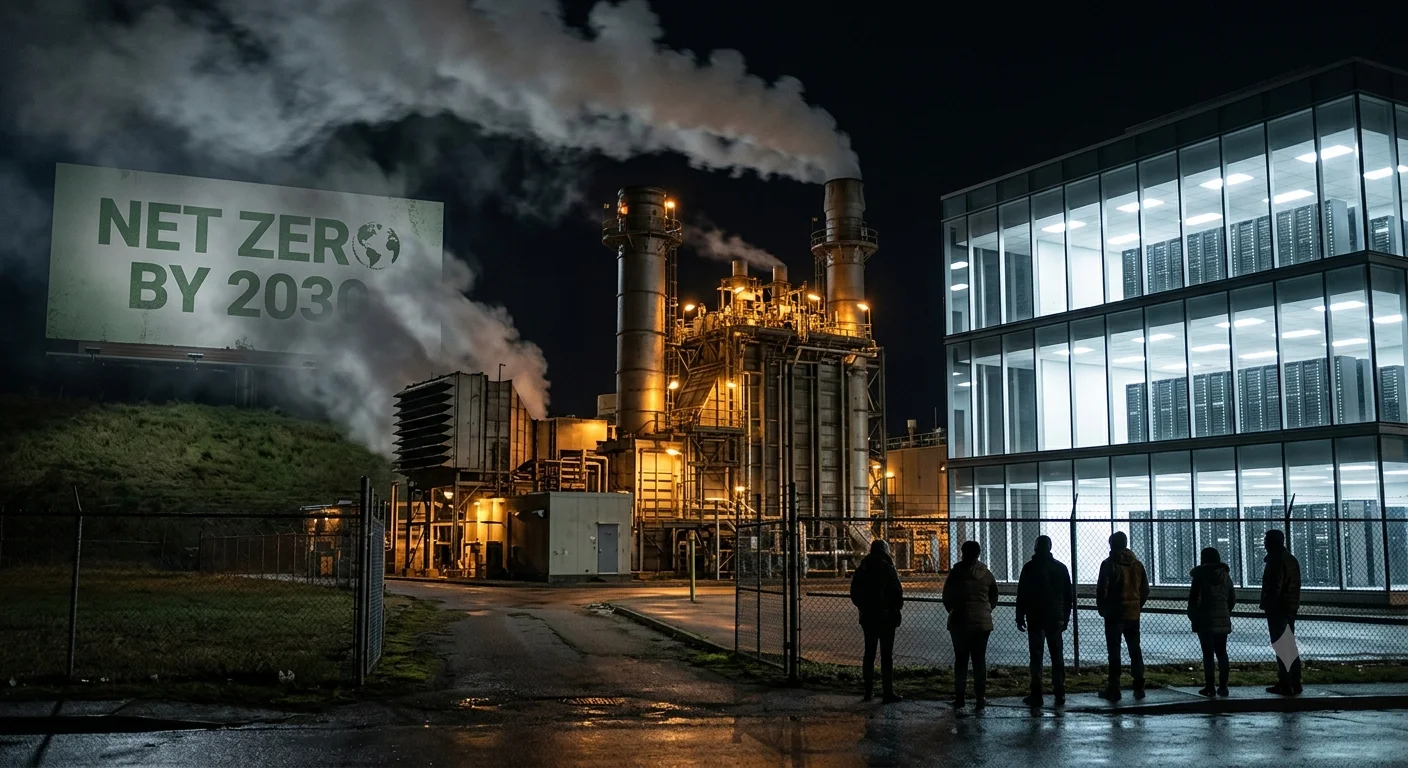
Large hyperscale data centers increasingly face public attention regarding environmental impacts. Local communities often raise questions surrounding electricity consumption, water usage, emissions, and operational noise. Recent reporting within Canada has highlighted those concerns as AI infrastructure projects continue expanding nationwide. Consequently, developers increasingly engage local stakeholders throughout project planning and approval processes. Meta stated that it collaborated with multiple Canadian energy organizations well before construction. These partnerships include Greenlight Limited Partnership, AltaLink, Capital Power, and the Alberta Electric System Operator. According to the company, early coordination helps ensure sufficient electricity capacity before the campus becomes operational. Planning years ahead has become increasingly important as AI infrastructure places growing demands on regional power systems.












