
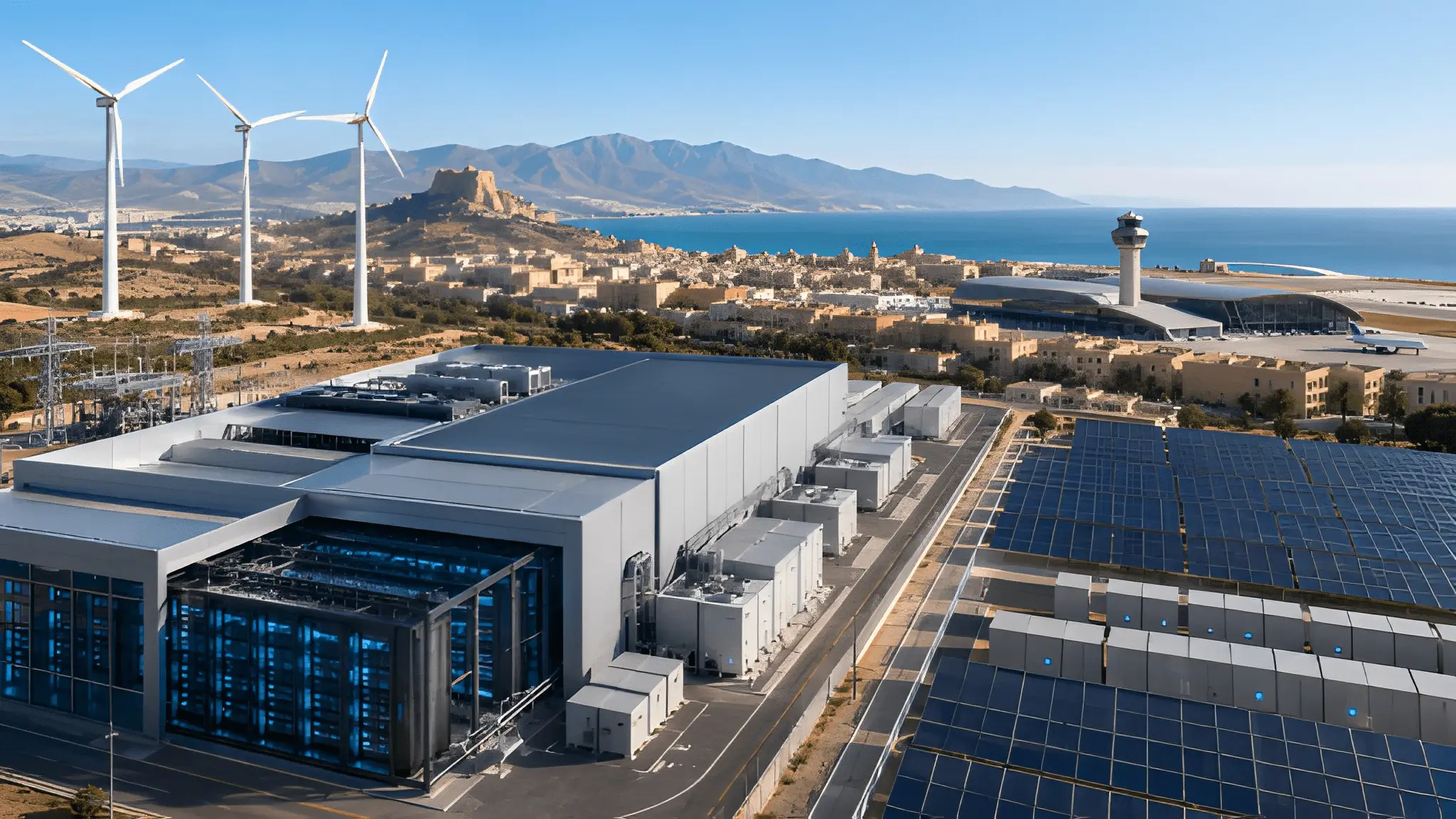
Spain’s data center expansion is increasingly moving beyond its traditional strongholds, with renewable energy companies beginning to shape the next phase of digital infrastructure investment. Valencian renewable energy developer Valfortec is preparing a €300 million ($343.6 million) data center campus in Alicante province, signaling a broader shift toward regional markets capable of supporting cloud computing and artificial intelligence growth. The proposed development will be located in Elche, close to Alicante-Elche Miguel Hernández Airport, where land availability, transport connectivity, and electrical infrastructure create favorable conditions for hyperscale digital infrastructure. The project also reflects how energy-focused companies are taking more active roles in data center development as electricity availability becomes a decisive competitive advantage. If approved, the campus would significantly expand the Valencian Community’s presence within Spain’s rapidly evolving digital economy.

Elche Campus Designed for Large-Scale AI and Cloud Demand
Valfortec has initiated the administrative process required to move the project through Spain’s regulatory framework, according to information published by elEconomista. The proposed campus has been designed as a scalable development capable of accommodating future growth in cloud services and artificial intelligence workloads. Once fully developed, the facility is expected to deliver approximately 60 megawatts of IT capacity. That would place it among the largest announced data center projects in Spain’s Valencian Community. The scale of the investment underscores increasing confidence that demand for AI computing infrastructure will continue accelerating over the coming years. The site’s proximity to Alicante-Elche Miguel Hernández Airport also strengthens its appeal for future enterprise and hyperscale customers by providing efficient logistics alongside established transportation links. These characteristics have become increasingly important as developers search for locations capable of supporting long-term digital infrastructure expansion.
Spain continues to attract significant investment in digital infrastructure, yet securing electrical capacity remains one of the biggest challenges facing new developments. Established markets such as Madrid and Aragón continue to experience strong demand, making alternative regions increasingly attractive for future projects. Consequently, provinces including Alicante are positioning themselves as viable destinations by offering suitable land, access to electricity infrastructure, and potentially faster development timelines. Developers are increasingly evaluating these emerging regions as demand for AI computing continues placing greater pressure on existing infrastructure ecosystems. The growing role of companies with expertise in renewable energy and power management also reflects a structural change across the industry. Rather than relying solely on traditional data center specialists, new projects are increasingly combining digital infrastructure development with energy sector capabilities to improve project execution and long-term power availability.
Energy Expertise Becomes a Strategic Advantage
Valfortec’s involvement highlights an emerging pattern across Europe’s digital infrastructure market, where electricity strategy has become just as important as real estate selection. Developers capable of integrating power generation expertise with data center construction are increasingly viewed as better positioned to navigate capacity constraints. Although Valfortec has not disclosed prospective customers or announced any pre-commercial agreements for the campus, the project’s strategic positioning aligns with broader industry trends. Cloud providers and AI operators continue searching for locations that can provide reliable electrical infrastructure while supporting future expansion requirements. The convergence of renewable energy development and digital infrastructure investment is becoming increasingly relevant as governments and operators seek to balance rising computing demand with long-term energy resilience.

The proposed campus must still complete Spain’s regulatory approval process before construction can proceed. Necessary authorizations will determine the project’s timeline and eventual delivery. However, successful approval would represent another milestone in Spain’s effort to diversify its digital infrastructure footprint beyond its established metropolitan hubs. Expanding into regions such as Alicante would increase available capacity for future cloud deployments while strengthening regional participation in the country’s growing AI infrastructure economy. As investment shifts toward locations offering stronger electricity access and development flexibility, projects like Valfortec’s illustrate how Spain’s next generation of data center growth may increasingly emerge outside its traditional markets. The Alicante development therefore represents more than a single infrastructure investment, it reflects the changing geography of Europe’s expanding AI and cloud ecosystem.











