
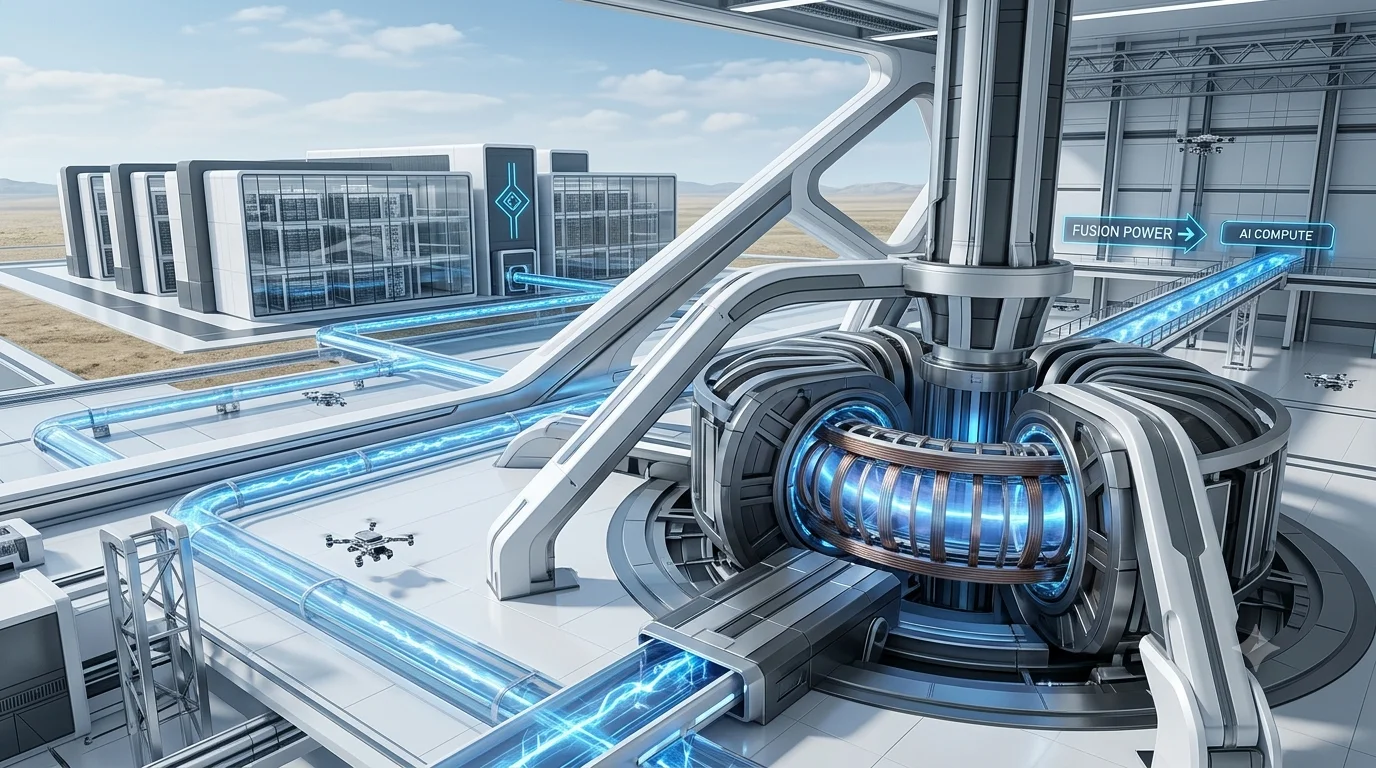
Europe’s fusion energy sector has received a significant financial boost. Proxima Fusion has raised €411 million in new funding, marking one of the largest private fusion investments in Europe. Moreover, the financing round includes backing from Google, highlighting growing technology sector interest in next-generation energy solutions. As artificial intelligence expands worldwide, demand for reliable, carbon-free electricity continues rising. Consequently, fusion energy companies increasingly attract investors seeking long-term solutions for future power infrastructure. The investment arrives as hyperscale cloud providers and AI developers search for dependable clean energy sources. Modern AI data centers require enormous amounts of electricity while pursuing ambitious sustainability targets. Therefore, emerging technologies such as fusion continue gaining attention despite remaining years from commercial deployment. Proxima’s latest funding demonstrates growing confidence that fusion could eventually become a strategic component of future digital infrastructure.

Record Funding Strengthens European Fusion Development
Proxima Fusion announced the €411 million financing round to accelerate development of its stellarator-based fusion technology. The company plans to use the capital to expand engineering capabilities, advance reactor design, and move closer toward commercial deployment. Furthermore, the investment represents one of Europe’s largest private funding rounds for fusion technology. Investors increasingly recognize fusion as a long-term opportunity capable of transforming global electricity generation. Consequently, funding has accelerated across multiple fusion startups during recent years. Google’s participation adds additional credibility to the financing round. The technology giant continues supporting advanced energy research while expanding infrastructure capable of supporting artificial intelligence growth. As AI workloads increase, reliable clean electricity becomes increasingly valuable. Additionally, Proxima intends to strengthen collaborations with research institutions and industrial partners. These partnerships should accelerate technology development while supporting future commercialization efforts.
Fusion Gains Attention From AI Infrastructure Leaders
Artificial intelligence has dramatically increased global electricity demand. Training frontier AI models and operating hyperscale data centers require unprecedented computing capacity. Therefore, technology companies continue exploring long-term energy alternatives beyond conventional generation. Fusion power offers several theoretical advantages. Unlike fossil fuels, fusion produces no direct carbon emissions during electricity generation. Moreover, the technology promises abundant fuel resources alongside continuous power production. Although commercial fusion remains under development, major technology companies increasingly support research initiatives. Investments today could eventually provide future AI infrastructure with dependable carbon-free electricity. Consequently, companies developing advanced AI systems have begun evaluating emerging energy technologies alongside traditional renewable resources. Long-term planning increasingly includes nuclear, geothermal, and fusion energy as potential infrastructure components.
Stellarator Technology Offers Alternative Approach
Proxima focuses on stellarator reactor technology rather than more common tokamak designs. Stellarators use complex magnetic fields to confine superheated plasma required for nuclear fusion reactions. Researchers believe this approach may provide greater operational stability during continuous electricity generation. Consequently, several organizations continue advancing stellarator research despite engineering complexity. Moreover, advances in computational modeling have significantly improved reactor design capabilities. Artificial intelligence and high-performance computing now assist scientists in optimizing magnetic field configurations and plasma behavior. Proxima plans to leverage those technological improvements throughout future development. Better simulations reduce engineering uncertainty while accelerating reactor design cycles. Nevertheless, substantial technical challenges remain before commercial deployment becomes possible. Fusion developers continue refining materials, magnetic systems, and reactor components capable of operating under extreme conditions.

Investment Reflects Europe’s Clean Energy Ambitions
Europe continues investing heavily in next-generation energy technologies. Governments, research institutions, and private investors increasingly support innovations capable of strengthening long-term energy security. Fusion represents one element of that broader strategy. While renewable energy deployment continues expanding rapidly, policymakers also recognize the importance of developing additional carbon-free electricity sources. Furthermore, private investment has become increasingly important for accelerating fusion development. Public research programs established scientific foundations over several decades. Today, commercial companies seek to transform those advances into practical energy systems. The latest funding round demonstrates growing confidence that private-sector innovation can complement traditional government-supported research. Consequently, Europe’s fusion ecosystem continues attracting international attention.
AI and Energy Become Increasingly Connected
Artificial intelligence infrastructure and energy infrastructure now evolve together. Every major AI deployment requires substantial electricity alongside advanced computing hardware. Therefore, technology companies increasingly participate in discussions surrounding future power generation. Google’s investment reflects that broader relationship. Cloud providers continue expanding global data center networks while pursuing ambitious sustainability commitments. Supporting advanced clean energy technologies aligns with both objectives. Meanwhile, hyperscale operators continue evaluating diverse energy portfolios. Wind, solar, battery storage, advanced nuclear technologies, and future fusion systems may collectively support next-generation computing infrastructure. Consequently, investments extending beyond traditional technology sectors have become increasingly common. AI companies now view energy innovation as an important element of long-term infrastructure planning.
Commercial Deployment Remains a Long-Term Goal
Despite growing investor enthusiasm, commercial fusion power remains several years away. Significant engineering milestones still require successful completion before large-scale electricity production becomes possible. However, recent investment trends demonstrate increasing confidence in eventual commercialization. Companies continue attracting larger financing rounds while expanding engineering teams and research capabilities. Proxima intends to use the new capital to advance reactor development through successive technical milestones. Each achievement should reduce uncertainty while bringing practical fusion energy closer to reality. Furthermore, continued private investment may accelerate innovation across the broader fusion industry. Competition among developers often encourages faster technological progress and stronger engineering solutions.
Market Outlook
Proxima Fusion’s €411 million funding round represents another milestone for Europe’s advanced energy sector. Backing from Google underscores growing recognition that future AI infrastructure depends upon abundant, reliable electricity. Consequently, technology companies increasingly support innovations extending well beyond traditional computing. Looking ahead, fusion developers must continue overcoming significant technical challenges. Nevertheless, growing financial support suggests investors believe fusion could eventually become a foundational energy source supporting both global economies and the rapidly expanding AI infrastructure ecosystem.











